
LEAD ANALYST
Utkarsh Khirodkar is a Lead Market Research Analyst at MetaStat Insight, specializing in market intelligence, technology sector assessments, and competitive strategy.

Global Organic Vegan Chocolate Market Size, Share, By Product Type (Chips and Bites, Boxed Chocolates, and Molded Bars), By Chocolate Type (Milk Chocolate and White Chocolate, Dark Chocolate, and Others), By Plant-Based Milk Source (Coconut Milk-Based, Almond Milk-Based, and Others), By Distribution Channel (Supermarkets / Hypermarkets, Specialty Stores, Online Stores, Convenience Stores, and Other Channels), Industry Analysis, Growth, Trends, and Forecast, 2026-2033
Report ID
MSI-4933
Published
August, 2026
Pages
261 Pages
Format
Historical
Base year
Forecast
Forecast period
Report Details
Choose Your License
Global Organic Vegan Chocolate Market
The global Organic Vegan Chocolate market was valued at USD 1.6 billion in 2025 and is projected to reach USD 3.3 billion by 2033, growing at a CAGR of 9.3% over the forecast period.
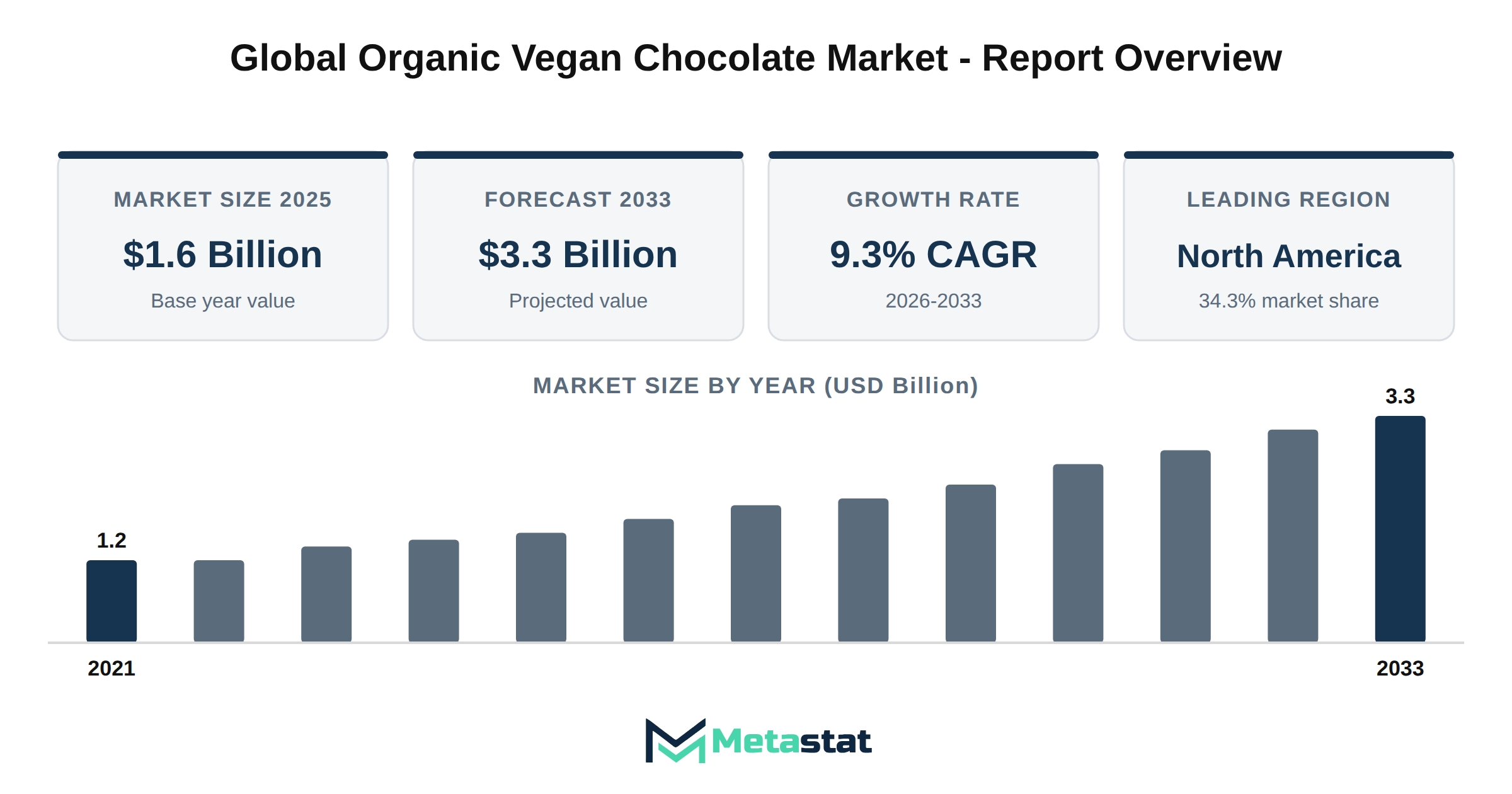
The Organic Vegan Chocolate market, valued at USD 1.6 billion in 2025, exhibits significant growth potential, projected to reach USD 3.3 billion by 2033, reflecting a compound annual growth rate (CAGR) of 9.3%. Between 2021 and 2025, the market experienced steady expansion, with values increasing from USD 1.2 billion in 2021 to USD 1.6 billion by 2025. This upward trajectory highlights the growing consumer preference for organic and plant-based products.
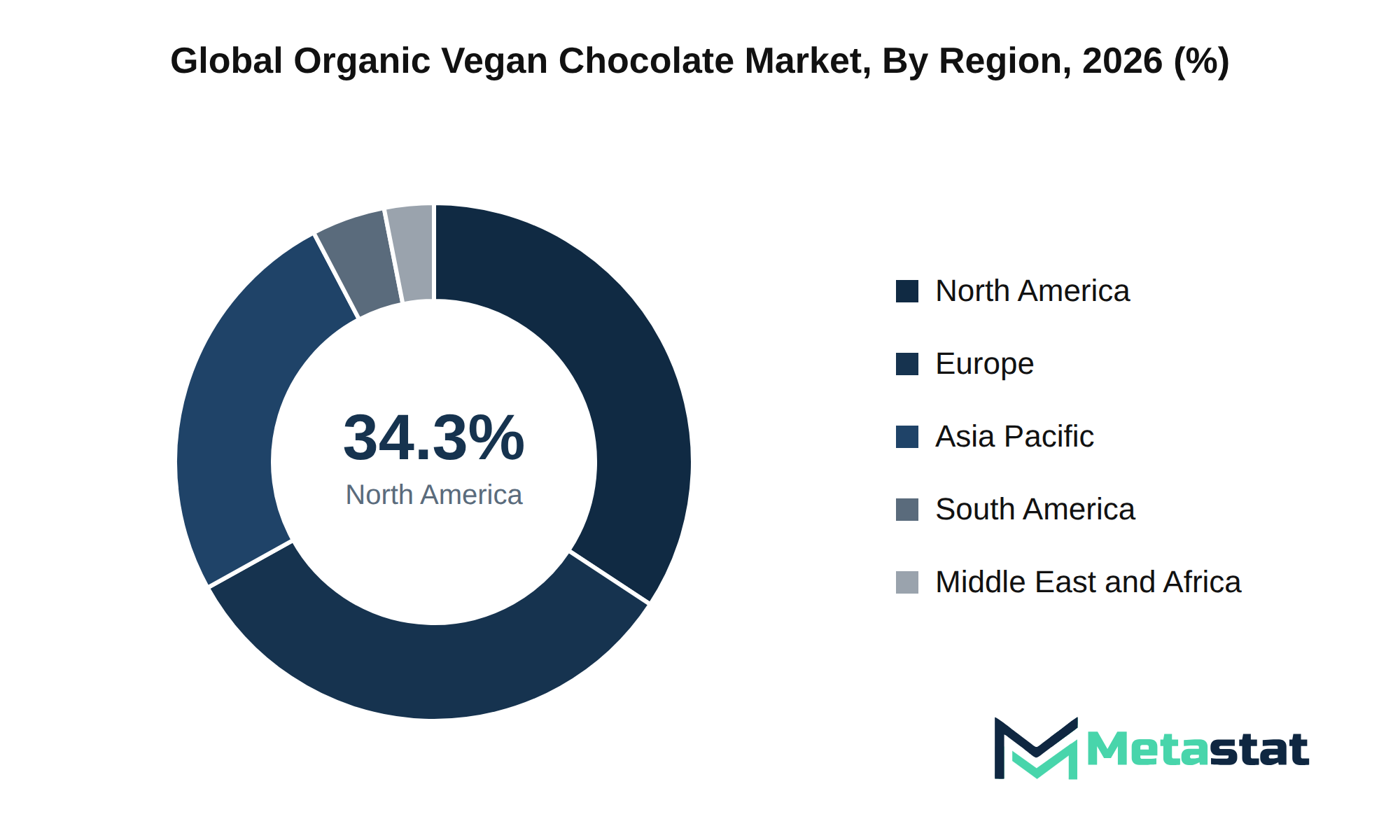
North America accounts for the largest market share, comprising 34.3% of the total, followed closely by Europe at 32.7% and the Asia Pacific region at 25.4%. The increasing awareness of health benefits associated with organic vegan chocolate significantly influences demand across these regions. A shift in consumer behavior is driven by the rising trend towards healthier eating habits and sustainable food choices.
In terms of product segmentation, the market includes various types including Chips & Bites, Boxed Chocolates, and Molded Bars. The Chips & Bites segment is anticipated to grow rapidly, with a forecasted value reaching USD 0.8 billion by 2033, exhibiting a CAGR of 10.9%. Boxed Chocolates are expected to see substantial growth, with a projected value of USD 1.1 billion by 2033, reflecting a CAGR of 8.3%. Molded Bars, while not projecting a specific CAGR, contribute significantly to the overall market value.
The market's expansion is further supported by evolving consumer preferences towards ethical and sustainable products. Companies operating in this sector, including Plamil Foods Ltd, Barry Callebaut, and Nestlé, focus on innovative strategies to enhance their market presence. Investment in research and development (R&D) is essential for driving innovation, product differentiation, and meeting the evolving demands of health-conscious consumers.
The Organic Vegan Chocolate market is experiencing significant growth driven by various factors, including heightened consumer awareness surrounding health and environmental sustainability. This awareness is increasing demand for organic and plant-based products across multiple demographics, particularly among health-conscious consumers and those following vegan lifestyles. Enhanced product offerings, including diverse chocolate types and innovative flavors, contribute to market expansion, attracting a broader audience.
Regulatory compliance significantly shapes the market landscape. Stricter regulations surrounding food safety and labeling standards ensure product quality and transparency, building consumer trust. Companies in the market invest in research and development to align with these regulations while enhancing product formulations to meet evolving consumer expectations.
Market fragmentation presents both challenges and opportunities for participants. Numerous small and medium-sized enterprises contribute to a diverse landscape, allowing for niche innovations and tailored products. However, this fragmentation complicates competition and market entry strategies, requiring firms to differentiate effectively to capture target audiences.
Logistics architecture and sourcing dynamics significantly impact operational efficiency and cost management within the market. Companies are implementing advanced supply chain strategies to optimize sourcing and distribution, ensuring timely delivery while maintaining product integrity. Innovations in logistics enhance the overall customer journey, leading to improved satisfaction and brand loyalty.
The future strategic outlook indicates a growing emphasis on sustainable transformation within the Organic Vegan Chocolate market. Companies are investing in decarbonization initiatives and circular economy practices, aligning with global sustainability goals. These efforts enhance brand reputation and open new revenue streams through eco-conscious consumer segments.
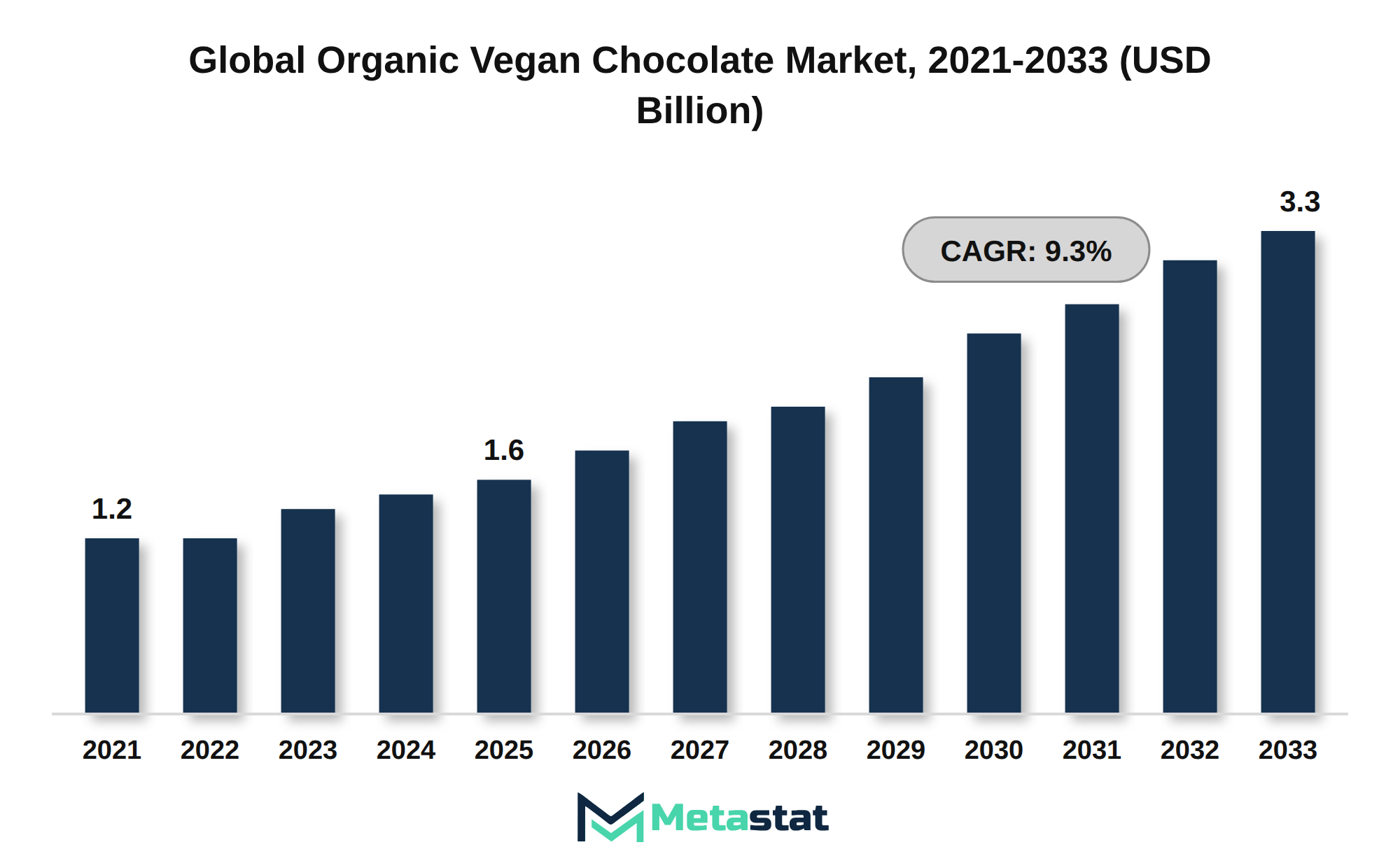
Increasing consumer awareness regarding health benefits and environmental sustainability drives demand in the Organic Vegan Chocolate market. Many consumers adopt plant-based diets, seeking healthier alternatives to traditional chocolate products. This trend is evident among health-conscious individuals and environmentally aware millennials and Gen Z populations who prioritize ethical consumption.
Growing concerns surrounding animal welfare and carbon footprints significantly influence purchasing decisions. The preference for organic and vegan products highlights a societal shift towards ethical consumption patterns. Brands focusing on sustainable sourcing and transparency in ingredients capture consumer interest, enhancing brand loyalty and reputation.
Innovation in product offerings, including diverse flavor profiles and healthier formulations, attracts a broader audience. This expansion aligns with changing demographics and lifestyle patterns, facilitating market growth. Retailers and manufacturers prioritizing these evolving consumer preferences position themselves effectively within the competitive environment, driving revenue and increasing market share.
Technological integration drives innovation in the Organic Vegan Chocolate market by enhancing operational efficiency and product development. Automation and AI facilitate streamlined manufacturing processes, reducing production costs and enhancing product consistency. This integration allows manufacturers to respond quickly to changing consumer demands, ensuring a diverse range of products, including chips and bites, boxed chocolates, and molded bars.
Adoption of advanced software solutions supports better supply chain management and inventory control, increasing responsiveness and reducing waste. Enhanced data analytics capabilities enable suppliers to understand consumer preferences and purchasing behaviors more effectively. This understanding leads to improved marketing strategies and tailored product offerings that connect with target demographics.
Investment in technological advancements strengthens the market's competitive position, attracting new players and creating an environment ripe for collaboration and innovation. With businesses prioritizing digital transformation, the Organic Vegan Chocolate market is projected to experience accelerated growth, with a market value of USD 3.3 billion by 2033.
Regulatory compliance challenges significantly impact the growth trajectory of the Organic Vegan Chocolate market. Stringent legal mandates related to food safety and labeling create complexities for producers, often resulting in increased operational costs. Suppliers face significant hurdles in meeting these requirements, leading to delays in product launches and limiting market entry for new players.
Macroeconomic headwinds, including inflationary pressures and rising operating costs, exacerbate these challenges. Producers contend with escalating prices for raw materials and labor, which constrain profit margins. These financial pressures deter investment in innovation and capacity expansion, ultimately slowing market growth.
Supply chain disruptions frequently hinder the timely delivery of ingredients and packaging, impacting producers' ability to meet consumer demand effectively. Geopolitical instability further complicates trade routes and increases uncertainty, leading to potential shortages in critical raw materials. This scenario creates a challenging environment for manufacturers striving to compete in the Organic Vegan Chocolate market.
Market fragmentation poses a challenge, with numerous small players vying for limited market share. This fragmentation dilutes brand recognition and complicates consumers' ability to make informed choices. Cultural barriers in regional markets resist the adoption of organic vegan products, limiting expansion opportunities for established brands.
Regulatory compliance challenges, combined with macroeconomic factors, supply chain disruptions, and market fragmentation, significantly limit the growth potential of the Organic Vegan Chocolate market. Addressing these barriers will prove crucial for the long-term sustainability and expansion of the sector.
Geopolitical fragmentation exerts considerable pressure on the Organic Vegan Chocolate market, resulting in disruptions to supply chains and trade routes. Fluctuations in international relations, combined with trade deficits and tariff friction, create an unpredictable environment for producers sourcing raw materials. This volatility affects the availability and cost of key inputs necessary for producing organic vegan chocolate, complicating procurement strategies.
The growing complexity of research and development integrations contributes to challenges in product innovation. Companies face difficulties in navigating intellectual property protection deficits, which stifle advancements and hinder competitive positioning within the market. Evolving legal liabilities associated with sustainability practices impose additional compliance overhead, creating barriers for new entrants and established players alike.
Rising input cost structures and margin pressures compel producers in the market to balance affordability with quality. Talent retention pressures due to workforce skill gaps create further obstacles, driven by skilled labor being essential for maintaining production efficiency. Environmental lifecycle footprints and decarbonization mandates influence operational practices, necessitating investments in sustainable processes and materials.
The Organic Vegan Chocolate market continues to contend with logistics disruptions and supply chain instability. Infrastructure gaps and retrofitting barriers prevent effective integration of innovative solutions, leading to implementation bottlenecks. Ensuring reliable supply chains becomes critical for companies aiming to meet evolving consumer demands while maintaining profitability.
Geopolitical fragmentation, complex regulatory environments, and rising operational costs present formidable challenges for the Organic Vegan Chocolate market. Addressing these issues will be critical for sustaining growth and enhancing competitive advantage in an increasingly complex environment.
The Organic Vegan Chocolate market experiences opportunities fueled by emerging regional demands, particularly in North America and Europe. A rising inclination toward plant-based diets in these areas translates into increased consumption of vegan chocolate products. This trend reflects broader changes in consumer preferences, particularly among health-conscious buyers seeking sustainable alternatives to traditional chocolate.
Infrastructure modernization facilitates distribution networks, enhancing product accessibility. The growth of e-commerce channels allows consumers to purchase organic vegan chocolate conveniently. Retailers optimize inventory management systems and improve logistics, ensuring product availability across various regions. This shift contributes positively to market expansion, allowing brands to reach underserved markets effectively.
Geographical expansion further extends market potential, especially in the Asia Pacific region. Increased urbanization and disposable income in countries like China and India drive demand for premium chocolate products. The entry of local and international players into these markets creates a competitive environment, encouraging innovation in product offerings.
Technological disruptions play an essential role in improving manufacturing processes and product development. Automation and process optimization enhance operational efficiencies, allowing manufacturers to produce a diverse range of organic vegan chocolate products. These advancements contribute to cost reductions and improved product quality, building consumer trust.
Digital transformation influences buying behaviors, with consumers increasingly relying on online platforms for purchasing decisions. The rise of digital procurement shifts affects how retailers source products, emphasizing the need for robust online marketing strategies. Brands that adapt to these changes by enhancing their digital presence position themselves favorably in the market.
Sustainability imperatives drive brands to align with environmental, social, and governance (ESG) criteria, further increasing market competitiveness. Companies investing in eco-friendly practices and transparent sourcing appeal to ethically minded consumers. This alignment not only attracts a growing customer base but enhances brand loyalty.
Lastly, niche application growth presents additional avenues for innovation within the Organic Vegan Chocolate market. Expanding product varieties, including specialty chocolates catering to specific dietary needs, capture the attention of diverse consumer segments. The pursuit of unique flavors and health-oriented products supports market diversification and revenue generation.
The Global Organic Vegan Chocolate market is segmented based on Product Type, Chocolate Type, Plant-Based Milk Source, and Distribution Channel.
Valued at USD 0.4 billion in 2026, the Chips & Bites segment is projected to reach USD 0.8 billion by 2033, achieving a CAGR of 10.9% during the forecast period. Primary demand drivers include an increasing preference for healthier snacking options and the rise of plant-based diets, which align with growing consumer awareness regarding health benefits. Adoption trends indicate that more retail channels, including online stores and supermarkets, incorporate these products, resulting in greater accessibility for consumers.
Segment expansion catalysts include innovative product offerings that cater to diverse taste profiles, driving greater customer engagement. Technological maturation within the sector emphasizes the need for enhanced processing techniques that maintain the integrity of organic and vegan ingredients while improving shelf life. This evolution in product formulation allows for an increasing variety of Chips & Bites that appeal to a broader audience, including individuals with dietary restrictions.
Shifts in consumption patterns reflect an overall trend toward convenient and nutritious snacks, encouraging brands to diversify their product lines. Regulatory compliance standards surrounding organic certifications and labeling requirements influence market dynamics, ensuring that offerings meet consumer expectations for quality and sustainability. Price volatility in raw materials, including cocoa and sweeteners, poses challenges, affecting margins and pricing strategies across the market.
Strategic opportunity windows appear for brands that emphasize transparency in sourcing and production practices, appealing to increasingly discerning consumers. Continuous investment in product innovation and marketing strategies is vital to capture market share within this expanding segment of the Organic Vegan Chocolate market.
Consumer preferences increasingly shift towards healthier and ethically produced products, driving demand for boxed chocolates within the Organic Vegan Chocolate market. This segment is estimated to reach USD 1.1 billion by 2033, at a CAGR of 8.3% during the forecast period. The rise in vegan and plant-based diets significantly contributes to this growth, driven by consumers seeking alternatives that align with their dietary choices and values. Innovative flavor profiles and premium packaging further enhance the appeal of boxed chocolates, attracting a diverse range of consumers, including gift buyers and health-conscious individuals.
Adoption of boxed chocolates relies on strategic marketing and distribution channels. Retailers prioritize visibility in specialty stores, supermarkets, and online platforms, ensuring that these products reach targeted demographics effectively. E-commerce's expansion offers unique opportunities for reaching consumers seeking convenient purchasing options. Sustainability certifications gain importance, influencing consumer trust and purchasing decisions. The Organic Vegan Chocolate market benefits from these trends, with boxed chocolates positioned because a premium product line that aligns with modern consumer values.
Increasing demand for molded bars within the Organic Vegan Chocolate market stems from a shifting consumer preference towards plant-based and health-oriented snack options. This preference arises from heightened awareness of dietary impacts on overall health, prompting consumers to seek alternatives that align with their lifestyle choices. These bars offer convenience and portability, appealing to health-conscious individuals and busy professionals seeking nutritious snacks.
Segment expansion drives growth through the introduction of innovative flavors and formulations that cater to diverse tastes and dietary needs. Producers emphasize unique ingredients, enhancing product appeal and creating differentiation within the market. The anticipated growth in this segment reflects a compound annual growth rate of 10.9%, with molded bars projected to reach USD 1.5 billion by 2033. This growth highlights the segment's potential within the broader organic vegan chocolate landscape.
Consumption shifts towards molded bars align with trends in sustainable sourcing and ethical production practices. Manufacturers increasingly prioritize certifications that validate organic and vegan claims, further enhancing product credibility. Such strategies contribute to attracting environmentally conscious consumers, which supports market expansion.
Pricing volatility affects the molded bars segment, influenced by fluctuations in raw material costs and supply chain dynamics. Strategic sourcing and efficient production practices remain critical in mitigating these challenges. The emphasis on sustainability drives innovation in ingredient sourcing, encouraging greater utilization of raw materials that align with consumer values and regulatory standards.
Overall, molded bars represent a dynamic segment within the Organic Vegan Chocolate market, propelled by evolving consumer preferences and innovative product offerings. The segment's growth trajectory highlights its potential impact on the market's overall performance, inviting further investment and development opportunities.
Consumer interest in healthier dessert options drives demand for milk chocolate and white chocolate within the Organic Vegan Chocolate market. The increasing availability of plant-based alternatives and rising awareness regarding the impact of dietary choices on health and the environment enhance consumer adoption of these products.
Innovation is crucial for this segment's growth, with manufacturers focusing on creating unique flavor profiles and healthier formulations. The introduction of new ingredients, including various plant-based milk sources, leads to a more diverse product offering that caters to evolving consumer tastes. This product evolution contributes to the expansion of market reach.
Regulatory compliance ensures that products align with organic and vegan standards, enhancing consumer trust and attracting a broader audience. Certifications from recognized bodies reinforce the credibility of these offerings, influencing purchasing decisions among health-conscious consumers.
Pricing strategies impact the segment, with producers balancing premium pricing against remaining competitive. Fluctuations in raw material costs influence margins, prompting manufacturers to seek cost-effective sourcing solutions while maintaining quality and ethical standards.
Strategic opportunities arise from growing demand in various markets, encouraging investment in production capabilities and distribution channels. The integration of e-commerce platforms facilitates access to a wider consumer base, enhancing market penetration and driving sales in the Organic Vegan Chocolate market.
Consumer preferences increasingly favor dark chocolate due to its perceived health benefits, including higher antioxidant content and lower sugar levels compared to other chocolate types. This trend aligns with broader movements emphasizing clean-label products and health-conscious eating habits, contributing to the overall growth of the Organic Vegan Chocolate market. The trend towards plant-based and dairy-free options reinforces the appeal of dark chocolate, attracting consumers who actively seek alternatives to traditional chocolates.
Product evolution drives the growth of this segment, with innovations including the introduction of unique flavor profiles and premium ingredients. Brands strive to differentiate their offerings, and the introduction of infused dark chocolates with spices, fruits, or superfoods enhances consumer interest. These developments align with the increasing demand for novel, gourmet experiences in the market.
Downstream applications of dark chocolate span a variety of sectors, including confectionery, baking, and gourmet desserts. This versatility enables manufacturers to tap into multiple consumer segments and broaden their market reach. End-use dynamics reflect a growing acceptance of dark chocolate in daily diets, encouraging its incorporation into health-oriented snacks and recipes.
Market participants encounter regulatory compliance standards that set guidelines for labeling and ingredient sourcing. Certifications including organic and fair trade enhance product credibility and appeal, influencing purchasing decisions among health-conscious and ethically minded consumers. These factors emphasize the importance of transparency and quality in the marketing strategies of dark chocolate producers.
Pricing volatility in raw materials, particularly cocoa, affects profit margins within the segment. Fluctuations in cocoa prices driven by supply chain disruptions or climate-related challenges impose pressures on manufacturers. Strategic opportunity windows arise from increasing consumer demand, prompting investments in sustainable sourcing practices to mitigate these risks.
Supply chain resilience remains a crucial consideration for dark chocolate producers. Accessibility to quality raw materials influences production capabilities, while logistics vulnerabilities disrupt the timely delivery of finished products. Addressing these challenges is vital for maintaining competitiveness in the market, ensuring consistent product availability and quality.
Growing interest in diverse chocolate options fuels demand for Ruby Chocolate, Raw Chocolate, and Blond Chocolate within the Organic Vegan Chocolate market. These unique offerings appeal to consumers seeking novel flavors and experiences while aligning with health-conscious and ethical consumption trends. The market benefits from evolving consumer preferences favoring plant-based and sustainable ingredients, encouraging manufacturers to innovate and diversify their product lines.
Technological advancements contribute to the development of these chocolate types, allowing producers to enhance flavors and textures while maintaining organic and vegan certifications. This innovation supports the market's expansion, driven by companies capitalizing on opportunities to introduce new products that cater to shifting consumer demands for healthier and more unique chocolate experiences.
Regulatory compliance regarding ingredient sourcing and labeling shapes the dynamics of this segment. Companies that adhere to stringent standards strengthen their market position and build consumer trust. This trust is essential, attributed to consumers increasingly seeking transparency in food sourcing and production methods.
Strategic investment in marketing initiatives and product education enhances consumer awareness of Ruby Chocolate, Raw Chocolate, and Blond Chocolate. By highlighting their unique attributes and ethical sourcing, brands effectively communicate value to health-conscious consumers. This effort positions the market for sustained growth, supported by both innovation and consumer engagement.
Consumer interest in coconut milk-based products contributes significantly to the growth of the Organic Vegan Chocolate market. This segment attracts health-conscious consumers seeking dairy alternatives while enjoying chocolate treats. The increasing popularity of coconut milk aligns with trends toward plant-based diets and healthier lifestyles.
Technological maturation in processing and manufacturing has led to improved flavor profiles and textures in coconut milk-based chocolates. Innovations enable producers to enhance product quality and expand their offerings, catering to diverse consumer preferences. Next-generation upgrades in formulations make these products more appealing to a wider audience.
Downstream applications for coconut milk-based chocolates include baking, confectionery, and snacking, which appeal to various demographics. The versatility of coconut milk allows it to be incorporated into multiple product lines, expanding market reach. Consumer shifts toward indulgence in plant-based alternatives support sustained interest in this segment.
Regulatory compliance standards play a crucial role in shaping the market, ensuring product safety and quality. Certifications for organic and vegan products enhance consumer trust and drive purchasing decisions. Adhering to these standards positions producers favorably within the competitive landscape.
Coconut milk, because a primary ingredient, influences cost structures and pricing strategies. Producers face challenges related to sourcing high-quality coconut milk, which leads to pricing volatility. Strategic opportunity windows arise for brands that effectively manage sourcing and logistics, allowing them to maintain competitive pricing and margins.
Supply chain resilience remains a focal point for industry players, since disruptions in logistics impact product availability. Maintaining robust supplier relationships and diversifying sourcing channels helps mitigate risks associated with raw material dependencies. This proactive approach enhances stability in the market.
Alternative plant-based milk sources present substitution risks, although coconut milk maintains a distinct market position. The unique flavor and texture of coconut milk-based chocolates appeal to consumers seeking indulgence without dairy. This differentiation supports brand loyalty and drives repeat purchases.
Strategic capital investments in marketing and product development create pathways for growth within the coconut milk-based segment. Brands focusing on consumer education and awareness capitalize on the growing demand for vegan options. The resulting market dynamics position coconut milk-based chocolates because an increasingly significant component of the Organic Vegan Chocolate market.
Consumer preferences increasingly favor almond milk-based products due to their perceived health benefits and versatility in recipes. This segment benefits from rising interest in dairy alternatives, driven by increased awareness of lactose intolerance and the environmental impact of dairy farming. The Organic Vegan Chocolate market experiences heightened demand for almond milk-based options, appealing to health-conscious consumers seeking plant-based alternatives.
Innovations in product formulations enhance flavor profiles and texture, attracting more consumers. The growing trend of personalized nutrition supports expansion in this segment, with almond milk-based chocolates catering to specific dietary preferences. Strategic collaborations between manufacturers and health-focused brands enhance product visibility and consumer trust, driving market growth.
Shifts in consumption patterns reflect an increase in demand for indulgent yet healthy snack options. Consumers actively seek products that align with their lifestyle choices, leading to a surge in the popularity of almond milk-based chocolates. Regulatory compliance and certification processes ensure product quality and safety, reinforcing consumer confidence in the market.
Supply chain dynamics play a significant role in the availability of raw materials, including almonds, influencing pricing and margin structures. Fluctuations in almond prices impact production costs, which affect pricing strategies for end products. Strategic investment in sustainable sourcing practices mitigates risks associated with raw material availability and pricing volatility, supporting long-term growth in the segment.
Interest in alternative plant-based milk sources drives the adaptation of rice, oat, and soy within the Organic Vegan Chocolate market. These options align with increasing consumer preferences for dairy-free products, attracting health-conscious consumers and those with lactose intolerance. Enhancements in product formulations contribute to the appeal of these alternatives, emphasizing their nutritional profiles and versatility in various chocolate applications.
The shift towards these plant-based milks reflects broader consumption trends favoring sustainable and ethically sourced ingredients. This evolution supports the penetration of innovative chocolate offerings that leverage rice, oat, and soy, reflecting key components. Manufacturers responding to this shift enhance their product lines, tapping into a growing segment that aligns with changing dietary preferences.
Challenges related to sourcing and processing these plant-based ingredients remain crucial for market players. Ensuring supply chain resilience while addressing potential disruptions in raw material availability affects cost structures and pricing strategies. Strategic investments in sustainable sourcing practices and technology play a vital role in maintaining product quality and competitive pricing within the market.
The Organic Vegan Chocolate market continues to expand due to rising consumer demand for diverse and flavorful chocolate options. The incorporation of rice, oat, and soy reflects an adaptive response to evolving consumer needs, positioning manufacturers to capitalize on new growth opportunities within this dynamic segment.
Consumer demand for Organic Vegan Chocolate has significantly shifted towards supermarkets and hypermarkets, driven by the preference for convenient shopping experiences. The accessibility of vegan chocolate products in these retail environments supports increased visibility and availability, encouraging consumers to explore a range of options. This segment benefits from the growing trend of health-conscious consumers seeking ethical and sustainable food products, aligning with the values associated with organic and vegan offerings.
The expansion of supermarket and hypermarket channels enhances product availability, catering to diverse consumer preferences. Retailers increasingly feature Organic Vegan Chocolate, promoting it alongside other health-oriented products. This strategic placement captures the attention of shoppers who prioritize healthy and environmentally friendly choices, leading to higher sales volumes and brand loyalty. Marketing efforts within these channels focus on educating consumers about the benefits of organic and vegan chocolate, reinforcing its position in the market.
Technological advancements in supply chain management enable supermarkets and hypermarkets to maintain fresh inventory levels, reducing spoilage and ensuring product quality. This efficiency translates into cost savings for retailers, enhancing profitability. Strategic partnerships with Organic Vegan Chocolate producers facilitate collaborative marketing initiatives, enhancing brand recognition and expanding consumer reach. These dynamics collectively contribute to the growth of the market within the supermarket and hypermarket segment, positioning it for continued expansion.
In the Organic Vegan Chocolate market, specialty stores serve because a critical distribution channel, catering to health-conscious consumers seeking high-quality products. The growing focus on ethical sourcing and transparency in food production drives demand within this segment. Consumers increasingly gravitate towards specialty stores for the unique offerings and specialized knowledge of staff who provide insights on product ingredients and benefits.
Technological advancements in supply chain management enhance the efficiency of specialty retailers, allowing for better inventory management and reduced waste. The evolution of product lines, including innovative flavors and packaging, attracts consumers looking for new experiences, thereby driving market growth. Increased visibility of plant-based diets through media and social platforms directly influences consumer purchasing decisions in specialty stores.
Regulatory compliance and certification standards ensure that products meet consumer expectations for organic and vegan labels, further building trust in specialty retail offerings. Price volatility remains a consideration for consumers, since premium positioning in specialty stores often comes with higher price points. However, loyalty to brands that emphasize sustainable practices and quality ingredients supports margin stability for retailers.
Strategic opportunities exist for specialty stores to expand their offerings and partner with emerging brands, enhancing product variety and attracting a diverse consumer base. Through white-space analysis, retailers identify gaps in their current product lines, allowing for targeted marketing strategies that align with the evolving preferences of health-conscious shoppers. The segment's resilience is evident, given that demand for organic vegan products continues to rise, reinforcing the importance of specialty stores in the broader market.
Growth in the online stores segment of the Organic Vegan Chocolate market aligns with changing consumer behavior, particularly the increasing preference for convenience and direct access to diverse product offerings. This shift results from the rise of e-commerce platforms, which enable consumers to explore a wide range of organic vegan chocolate products from various brands. Enhanced digital marketing strategies attract health-conscious buyers seeking convenient purchasing options.
Consumer engagement through social media and targeted online advertising increases awareness of organic vegan chocolate, driving sales through online channels. The segment benefits from a broader demographic reach, appealing to younger consumers who prioritize online shopping. Convenience, accessibility, and the ability to compare products contribute significantly to growth in this distribution channel.
Investments in robust supply chain logistics and user-friendly online interfaces enhance the shopping experience, propelling market expansion. Continuous innovations in packaging and product displays within the online space contribute to consumer interest and retention. While competition intensifies, brands prioritizing effective e-commerce strategies and strong customer service gain a competitive edge in the market.
Growth in convenience stores plays a critical role in the distribution of Organic Vegan Chocolate. This segment attracts consumers seeking quick access to healthy, plant-based alternatives. The convenience of location and extended hours aligns with the busy lifestyles of modern consumers, driving increased impulse purchases. High visibility in these stores enhances product reach, engaging a wider audience interested in sustainable and ethical options. Shifts in consumer behavior towards on-the-go snacks and healthier indulgences drive demand for Organic Vegan Chocolate in this channel. The growing trend of veganism and plant-based diets influences product offerings in convenience stores, prompting retailers to stock a variety of options appealing to health-conscious consumers. Innovations in packaging and product differentiation enhance shelf appeal, encouraging increased sales in this segment. Rising consumer awareness around health and nutrition supports the expansion of the Organic Vegan Chocolate market within convenience stores.
Consumer engagement within the Organic Vegan Chocolate market extends beyond traditional retail frameworks, prominently featuring alternative channels. Expanding access through diverse non-traditional outlets introduces unique consumption experiences that appeal to health-conscious consumers. These channels, characterized by their ability to cater to niche markets, enhance visibility for various organic vegan options, directly influencing buyer preferences and purchase decisions.
Emerging trends in consumer behavior highlight a shift towards convenience and accessibility, driving interest in purchasing through unconventional means. These platforms often provide organic certifications, appealing to discerning buyers seeking transparency in ingredient sourcing and production practices. The alignment of marketing strategies with these consumer values strengthens brand loyalty and sustains market growth.
The variety of available distribution channels facilitates an adaptive approach, allowing businesses to target specific demographics effectively. Enhanced customer interaction through these channels creates a deeper connection with the product, often resulting in increased trial and repeat purchases. This strategy supports the broader growth narrative of the market, reflecting a dynamic response to evolving consumer preferences.
Investment in innovative marketing techniques tailored to these alternative channels enhances brand recognition and contributes to market penetration. Comprehensive strategies addressing the unique characteristics of these platforms enable companies to capitalize on fresh opportunities. This approach positions businesses favorably within the overall competitive environment, aligning with the anticipated growth trajectory of the Organic Vegan Chocolate market.
Based on geography, the Global Organic Vegan Chocolate market is divided into North America, Europe, Asia-Pacific, South America, Middle East, and Africa.
North America exhibits a strong growth trajectory within the Organic Vegan Chocolate market, projected to reach a market size of USD 1.1 billion by 2033 while expanding at a CAGR of 9.3% during the forecast period. This growth is driven by increasing consumer awareness regarding health and wellness, prompting a shift towards plant-based and organic options in chocolate consumption.
The market benefits from a well-established distribution network across the United States, Canada, and Mexico, with supermarkets and specialty stores dominating retail outlets. This extensive availability enhances accessibility for consumers seeking organic vegan chocolate products, thereby driving market demand. The region's cultural inclination towards indulgence in chocolate products further supports consumption.
Investment in local manufacturing and supply chain regionalization strengthens the market position, providing opportunities for domestic players to cater to rising demand while minimizing logistical challenges. Key companies operating in North America include Plamil Foods Ltd, Barry Callebaut, and Alter Eco Foods, which actively enhance their product offerings to capture diverse consumer preferences.
The region's regulatory framework supports organic certification processes, ensuring quality and transparency in product offerings. This aspect aligns with consumer expectations for ethically sourced and environmentally friendly products, contributing to increased sales and higher market penetration.
Emerging trends including the introduction of innovative flavors and product types, including chips, bites, and molded bars, drive segment expansion. Rising awareness about vegan and organic living contributes to significant growth vectors for future investment and development.
The European Organic Vegan Chocolate market demonstrates significant potential for growth, driven by rising consumer awareness of health and sustainability. Countries including Germany, France, the UK, Italy, and Spain contribute to this market, with a strong emphasis on ethical sourcing and organic ingredients. Growing interest in plant-based diets further supports market expansion, reflecting consumers' increasing search for alternatives to traditional chocolate products.
The region's infrastructure modernization enhances the distribution of Organic Vegan Chocolate. Increased online retail channels facilitate access to diverse product offerings, catering to evolving consumer preferences. Localized procurement dynamics play a vital role in shaping market trends, with domestic producers adapting to meet specific regional tastes and purchasing behaviors.
The competitive environment includes a mixture of established brands and emerging players. Companies like Barry Callebaut and Nestlé operate in the market, while innovative firms including Alter Eco Foods and Sweet Revolution contribute to the sector's vibrancy. This competition drives continuous product development, enhancing the overall appeal of the market.
While a mature market, Europe experiences high-value replacement cycles, with consumers willing to invest in premium Organic Vegan Chocolate options. The commitment to sustainability and ethical production practices strengthens brand loyalty, further driving demand within the market. Overall, the European Organic Vegan Chocolate market is positioned for incremental growth, supported by evolving consumer preferences and strategic market initiatives.
Asia-Pacific represents a significant market for Organic Vegan Chocolate, capturing 25.4% of the global market share in 2025. Growing health consciousness and an increasing preference for plant-based diets in countries including China, Japan, and India contribute to this expansion. The demand for Organic Vegan Chocolate in South Korea and Australia further reinforces the region's position because a hub for innovative chocolate offerings.
Emerging market front-runners include China and India, where urbanization, higher disposable incomes, and changing consumer lifestyles drive consumption. The increasing availability of Organic Vegan Chocolate across various distribution channels, including supermarkets, specialty stores, and online platforms, enhances accessibility for consumers.
Localized manufacturing densities and strategic entry barriers shape the competitive landscape within the market. Domestic leaders, including Australian brands, are expanding their footprints while attracting foreign direct investment (FDI) to enhance production capabilities. This trend is driven by the gradual shift towards more localized supply chains and increased market penetration.
Cultural nuances impact purchasing behaviors, with consumers in the region valuing sustainable sourcing and ethical production practices. The market continues to evolve, influenced by these localized preferences, which encourage brands to adapt their offerings to meet unique consumer demands. Overall, the growth of the Organic Vegan Chocolate market in Asia-Pacific reflects a combination of traditional values and modern lifestyle changes, positioning the region for sustained expansion.
The Organic Vegan Chocolate market in South America exhibits potential for growth, with Brazil and Argentina representing the primary markets in the region. The share of the global market reached 4.6% in 2025, demonstrating a foundation for expansion in this sector. Increasing health consciousness among consumers fuels demand, with a rising preference for organic and plant-based products contributing to market momentum.
Emerging local brands are gaining traction, reflecting a shift in consumer behavior toward sustainable and ethical sourcing. The availability of local manufacturing capabilities enables competitive pricing and reduces logistics costs, enhancing the market. Brazil, with its vast agricultural resources, supports the cultivation of organic ingredients, thereby enabling the growth of the Organic Vegan Chocolate market.
Argentina, with its robust food culture, shows significant consumer interest in high-quality chocolate products. The potential for product diversification in the market encourages manufacturers to innovate and tailor offerings to regional tastes and preferences. Expansion efforts by domestic producers and established players from North America and Europe enhance competition and drive market development.
The Organic Vegan Chocolate market in the Middle East and Africa shows potential for steady growth, driven primarily by increasing health awareness and a shift towards plant-based diets. Countries including Saudi Arabia, UAE, and South Africa exhibit rising demand for vegan options, with consumers increasingly seeking healthier alternatives to traditional confections.
Infrastructure modernization supports market penetration, improving access to organic products through enhanced distribution channels. Retail formats, including supermarkets and specialty stores, provide a platform for reaching a broader customer base. Cultural nuances play a role in shaping preferences, leading to unique flavor profiles that cater to local tastes.
The market faces challenges related to supply chain dynamics, where localized manufacturing densities remain underdeveloped. However, the emergence of domestic brands contributes to regional identity and competitiveness. The presence of established companies, alongside new entrants, creates an environment of innovation and choice within the market.
Investment in foreign direct investment flows signals confidence in the region’s potential. Expansion windows appear due to companies seeking to capitalize on the growing consumer interest in organic and vegan products. Collaborative efforts among local vendors enhance the competitive landscape, creating partnerships that strengthen market positioning.
Overall, the Middle East and Africa represents an underpenetrated territory within the Organic Vegan Chocolate market, with significant opportunities for growth driven by changing consumer behaviors and evolving market dynamics.
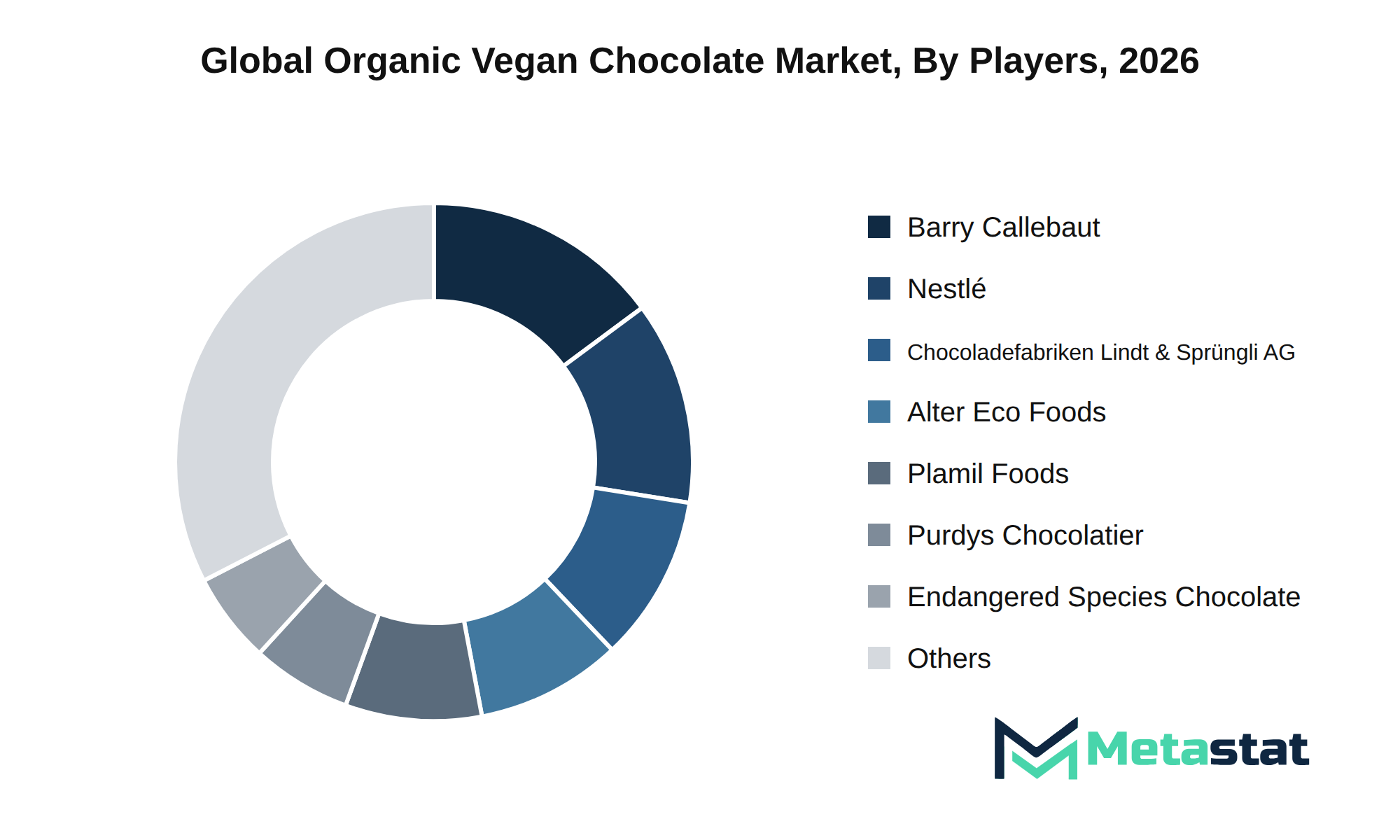
The Organic Vegan Chocolate market experiences significant activity centered around strategic alliances, product differentiation, and market positioning. Key players including Plamil Foods Ltd, Barry Callebaut, and Nestlé invest in R&D pipelines to enhance their product offerings, catering to the growing demand for organic and vegan options among consumers.
Strategic consolidation is evident through partnerships and collaborations among several companies, including Alter Eco Foods and Endangered Species Chocolate, which aim to leverage each other's strengths in distribution and product innovation. These alliances enhance brand equity in a competitive environment, further strengthening their market presence.
Pricing strategies play a vital role in determining market dynamics. Companies like Green & Black's (Cadbury Gifts Direct) and Chocoladefabriken Lindt & Sprüngli AG adopt premium pricing strategies to position their products based on high-quality offerings, targeting health-conscious consumers willing to pay more for organic ingredients.
While competition intensifies, barriers to entry shape the market landscape. New entrants face challenges including established brand loyalty among consumers for key players like Theo and Hu Kitchen. These dynamics create an environment where customer retention strategies focus on quality, brand image, and innovative product lines to maintain market share.
The future competitive outlook for the Organic Vegan Chocolate market highlights growth vectors driven by consumer trends toward health and sustainability. Firms emphasizing technological defensibility through unique formulations and proprietary technology are expected to gain a competitive edge.
Market size is forecast to rise from USD 1.6 billion in 2025 to over USD 3.3 billion by 2033. The organic vegan chocolate market experiences growth driven by multiple factors. Increasing consumer awareness about health and wellness leads to heightened demand for organic and vegan products. The shift in dietary preferences, particularly among millennials and younger generations, significantly influences the market.
Economic cycles impact demand trends, with periods of economic growth encouraging premium product purchases. Conversely, economic downturns lead to a preference for budget-friendly options. Regulatory evolution shapes the market, with stricter compliance timelines enhancing product quality and safety, thus influencing consumer trust and purchasing behavior.
Technological advancements facilitate next-generation product development, enhancing flavor profiles and extending shelf life. Research and development efforts focus on creating innovative chocolate types and formulations, responding to evolving consumer preferences. This dynamic environment drives investment in high-growth pockets within the organic vegan chocolate market.
Geopolitical realignments and changing trade corridors affect supply chain dynamics, impacting the cost and availability of raw materials. Strategic capital allocation directives emphasize sustainability and ethical sourcing, aligning with consumer values. Infrastructure commitments grow, and the market anticipates improvements in distribution channels, enhancing access to products for consumers.
Identifying and addressing unmet enterprise needs remains vital for companies operating within the market. Developing defensibility roadmaps allows businesses to navigate competition and secure market positioning. Future growth recommendations focus on leveraging sustainability trends and consumer preferences, ensuring a strong presence in the organic vegan chocolate market.
The report strategically identifies and profiles the key market players and analyses their core competencies in each sub-segment of the Organic Vegan Chocolate market.
Report Attributes | Details |
Study Period | 2021-2033 |
Base Year | 2025 |
Estimated Year | 2026 |
Forecast Period | 2026-2033 |
Historical Period | 2021-2025 |
Growth Rate | CAGR 9.3% from 2026 to 2033 |
Revenue Unit | USD billion |
Segmentation | By Product Type, Chocolate Type, Plant-Based Milk Source, Distribution Channel, and Region |
By Region | North America (By Product Type, Chocolate Type, Plant-Based Milk Source, Distribution Channel, and Country)
|
Europe (By Product Type, Chocolate Type, Plant-Based Milk Source, Distribution Channel, and Country)
| |
Asia Pacific (By Product Type, Chocolate Type, Plant-Based Milk Source, Distribution Channel, and Country)
| |
South America (By Product Type, Chocolate Type, Plant-Based Milk Source, Distribution Channel, and Country)
| |
Middle East and Africa (By Product Type, Chocolate Type, Plant-Based Milk Source, Distribution Channel, and Country)
|
Find answers to common questions about this report
The Organic Vegan Chocolate market size was valued at USD 1.6 billion in 2025.
The Organic Vegan Chocolate market is projected to grow at a CAGR of 9.3% during the forecast period from 2026 to 2033.
The North America Organic Vegan Chocolate market size is estimated to reach USD 1.1 billion by 2033.
Chips & Bites leads the Organic Vegan Chocolate market with a projected value of USD 0.8 billion by 2033, based on its higher growth rate compared to other segments.
Increasing consumer awareness of health benefits and environmental sustainability drives demand in the Organic Vegan Chocolate market. The shift towards plant-based diets among health-conscious individuals and environmentally aware populations significantly influences purchasing decisions, leading to a preference for organic and vegan products. Brands that focus on sustainable sourcing and innovation attract consumer interest, enhancing market growth.
North America holds the dominant share of the Organic Vegan Chocolate market, with a value of USD 1.1 billion projected for 2033, representing 34.3 percent of the total market.
Regulatory compliance challenges, macroeconomic pressures, and supply chain disruptions significantly restrain growth in the Organic Vegan Chocolate market. Stringent food safety regulations increase operational costs, while inflation and rising raw material prices compress profit margins, hindering investment in innovation and capacity expansion. This complex environment limits the market's ability to meet consumer demand effectively.
Increasing consumer awareness regarding health benefits and environmental sustainability drives product adoption in the Organic Vegan Chocolate market. The preference for plant-based diets among health-conscious individuals and environmentally aware populations highlights a shift towards ethical consumption patterns, enhancing brand loyalty and reputation for companies focusing on sustainable sourcing and innovative product offerings.
The Organic Vegan Chocolate market is estimated to reach a valuation of USD 3.3 billion by 2033.
Key players in the Organic Vegan Chocolate market include Plamil Foods Ltd, Barry Callebaut, Purdys Chocolatier, Nestlé, Alter Eco Foods, and Endangered Species Chocolate.
The analysts below cover Food and Beverages research at Metastat Insights.
LEAD ANALYST
Utkarsh Khirodkar is a Lead Market Research Analyst at MetaStat Insight, specializing in market intelligence, technology sector assessments, and competitive strategy.

LEAD PRINCIPAL ANALYST, PHARMA AND HEALTHCARE
Food and Beverages · Healthcare · Healthcare IT · Medical Devices
Ajay Devgire is the Lead Healthcare Analyst at MetaStat Insight, leading strategic research and market intelligence initiatives across the global healthcare domain.

SENIOR RESEARCH ANALYST
Biotechnology · Food and Beverages · Medical Devices · Packaging
Snehal Pasalkar is a Research Analyst at MetaStat Insight, operating at the intersection of life sciences research, competitive strategy, and market intelligence.
Tracking maintenance cycle demand for secondary flight display units and terrain collision avoidance systems across regional jet fleets involves complex aftermarket dynamics. MetaStat Insight provided practical analysis separating airline retrofit programs from OEM forward-fit production schedules in North America and Southeast Asia. The supplier matrix highlighted component obsolescence timelines without resorting to vague generalizations. The dataset served as a dependable reference during our annual program review meetings.
Evaluating secondary resin quality across post-consumer packaging streams requires reliable technical segmentation. MetaStat Insight delivered an objective assessment that distinguished between extrusion-grade flake pricing and optical sorting throughput limitations across Western Europe. The competitive positioning breakdown for licensed depolymerization technology providers answered several questions during our feedstock feasibility audit. Their team clarified regional trade restrictions on mixed plastic scrap quickly when our team submitted follow-up requests.
Evaluating sovereign cloud deployments for core banking platforms demands a clear view of data residency regulations and migration exit strategies. MetaStat Insight delivered an exhaustive review of regional latency tolerances, mainframe decommission milestones, and third-party vendor concentration risk. The regulatory compliance mapping across European and Asian financial jurisdictions gave our team a dependable baseline for multi-cloud infrastructure discussions.
Explore related market intelligence reports worth reading alongside this one.