
Explore the differences in U.S. IT Asset Disposition regional demand, focusing on the varied factors influencing growth between the West and East.
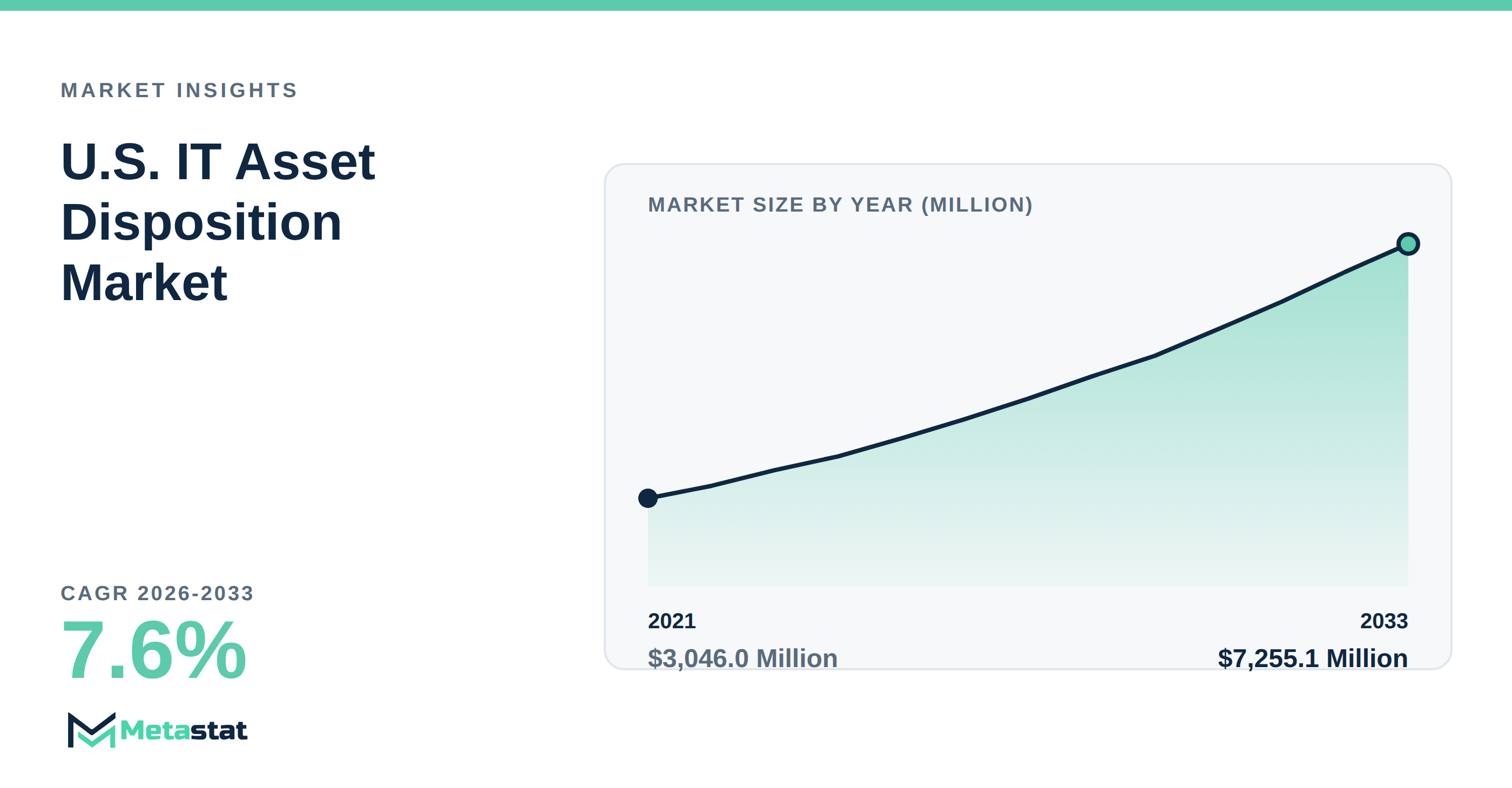
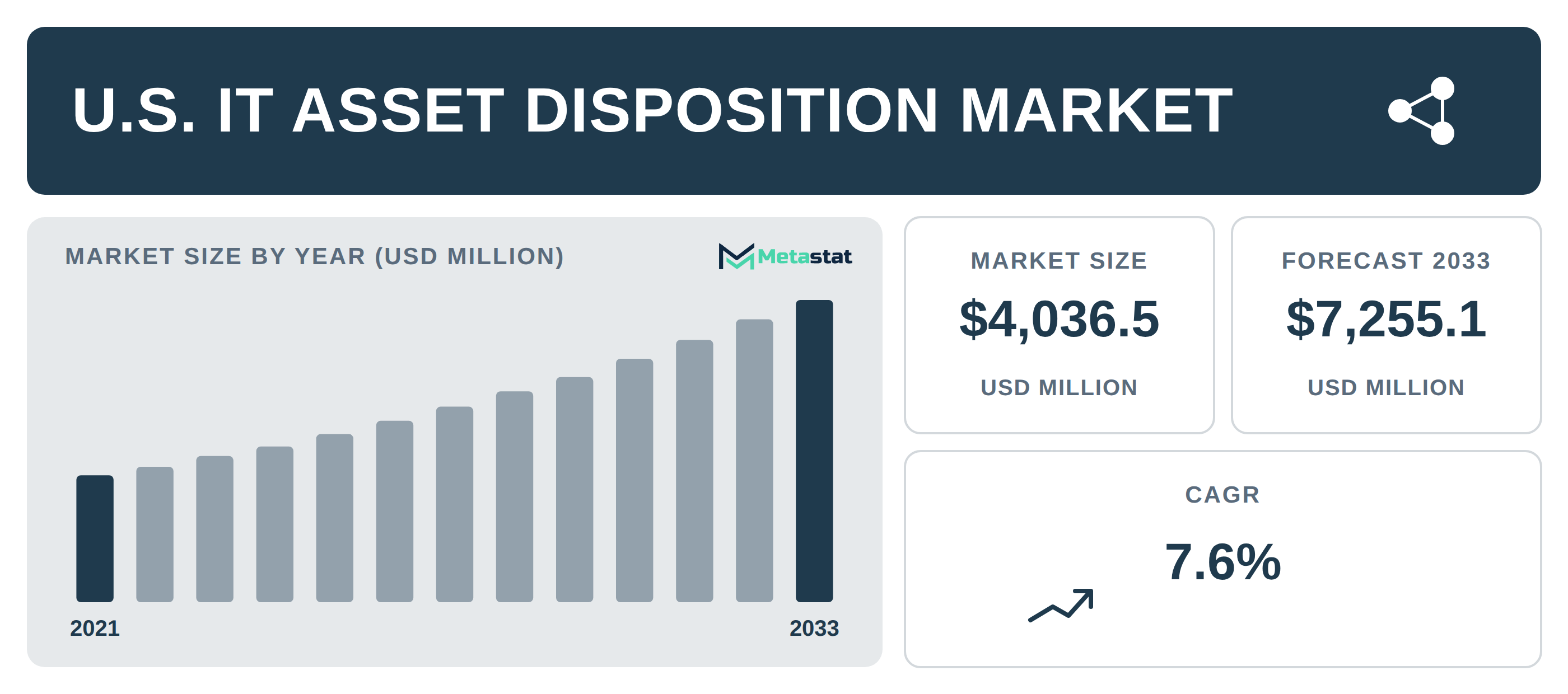
The differences in demand for U.S. IT Asset Disposition services between various regions highlight significant trends in technology adoption, regulatory compliance, and environmental sustainability. The Western region has emerged as a leader in spending and innovation, while the Eastern region lags behind due to several key factors. Understanding these dynamics provides valuable insights for enterprises looking to enhance their IT asset disposal strategies. U.S. IT Asset Disposition market size and forecast report
What drives the divergence in regional demand?
The disparity in IT asset disposition demand among U.S. regions stems from multiple factors, including the concentration of technology firms, regulatory environments, and corporate sustainability initiatives. The Western region, particularly states like California, has a high density of tech companies and data centers, creating a heightened demand for efficient disposition services. This concentration facilitates collaboration and innovation, resulting in a more mature market where businesses invest heavily in IT asset management.
Conversely, the Eastern region has a more diverse industrial base, which does not prioritize IT asset disposition to the same extent. The variances in industry presence lead to differences in spending, with the West projected to account for a significant portion of the sector’s growth by 2033. Firms in the West recognize the value of maximizing recovery opportunities and minimizing environmental impacts, reinforcing a commitment to responsible disposal methods.
How does regulatory compliance influence regional differences?
Regulatory compliance significantly shapes procurement strategies for IT asset disposition services. In the Western region, stricter regulations surrounding data security and environmental sustainability prompt businesses to invest in certified disposition services. Organizations face increasing pressure to comply with data protection laws, which drives demand for secure data destruction and responsible recycling practices.
In contrast, the Eastern region experiences varied compliance levels across industries, affecting corporate IT asset management strategies. Organizations in sectors including healthcare and finance face strict regulations, but other industries do not prioritize compliance in the same way. This inconsistency leads to a lag in the adoption of advanced IT asset disposition strategies, limiting growth opportunities in the region.
What role do technological advancements play in shaping demand?
Technological advancements significantly influence demand for IT asset disposition services, particularly in the Western region. The integration of advanced asset tracking systems and automated data sanitization tools enhances operational efficiency, enabling organizations to streamline their asset management processes. This focus on technology allows firms in the West to improve compliance and maximize recovery rates from retired assets.
In the Eastern region, while several companies are adopting new technologies, the overall pace of innovation in IT asset management remains slower compared to the West. This disparity in technological adoption impacts the competitive positioning of firms in the Eastern region, as they lag in offering comprehensive and secure IT asset disposition solutions. As businesses strive to integrate advanced technologies, the Eastern region is likely to catch up to maintain competitiveness.
How do sustainability initiatives affect regional demand?
Sustainability initiatives are increasingly important in driving demand for IT asset disposition services. Large enterprises across the U.S. prioritize environmentally responsible disposal methods, leading to a shift towards asset remarketing, refurbishment, and recycling practices. The Western region, with its emphasis on corporate social responsibility, tends to adopt these sustainable practices more readily, resulting in higher demand for responsible IT asset disposition services.
The Eastern region, while recognizing the importance of sustainability, faces challenges in implementation due to varying corporate strategies and budget constraints. Companies in this region prioritize short-term cost savings over long-term sustainability goals, which hinders the adoption of responsible asset disposition practices. Encouraging businesses in the East to embrace sustainable solutions will be essential for closing the gap between the two regions.
What opportunities exist for companies in each region?
Despite the varied demand for IT asset disposition services, both regions present unique opportunities for growth. In the Western region, firms leverage existing technology trends and robust regulatory frameworks to enhance service offerings, focusing on innovative solutions that prioritize data security and environmental compliance. This approach reinforces their competitive advantage and aligns with increasing consumer expectations for responsible practices.
In the Eastern region, companies have a chance to differentiate themselves by emphasizing the importance of compliance, sustainability, and technology adoption in their IT asset disposition strategies. By focusing on education and raising awareness around the benefits of responsible asset disposal, service providers in the East drives demand and position themselves as industry leaders.
The diverging demand for IT asset disposition services across the U.S. illustrates the impact of regional differences in technology adoption, regulatory frameworks, and sustainability initiatives. Businesses adapt their strategies to meet these diverse demands, ensuring that they capitalize on the opportunities presented by both regions. While the landscape continues to evolve, aligning with these trends will be crucial for success.
Tags
About the Authors

LEAD ANALYST
Utkarsh Khirodkar is a Lead Market Research Analyst at MetaStat Insight, specializing in market intelligence, technology sector assessments, and competitive strategy.

PRINCIPAL CONSULTANT - ENTERPRISE AI & EMERGING TECHNOLOGIES
Banking & Finance · Electronics and Semiconductor · Energy and Power · Healthcare IT · Information & Technology · Professional Services
Vijay Gunti is a Principal Consultant at MetaStat Insight, bringing over two decades of experience across enterprise digital transformation, technology strategy, and intelligent systems.

LEAD CONSULTANT - COMMUNICATION, TELECOM, AND IT
Electronics and Semiconductor · Information & Technology · Machinery & Equipment · Professional Services
Ravindra Sathe Consultants for Communication, Telecom, and IT at MetaStat Insight. He leads the firm's industry research initiatives across telecommunications infrastructure, digital connectivity, enterprise networking, and emerging information technology domains.