
Explore how technological advancements and safety regulations shape buyer behavior in the Door Hardware market. Understand key influencing factors.
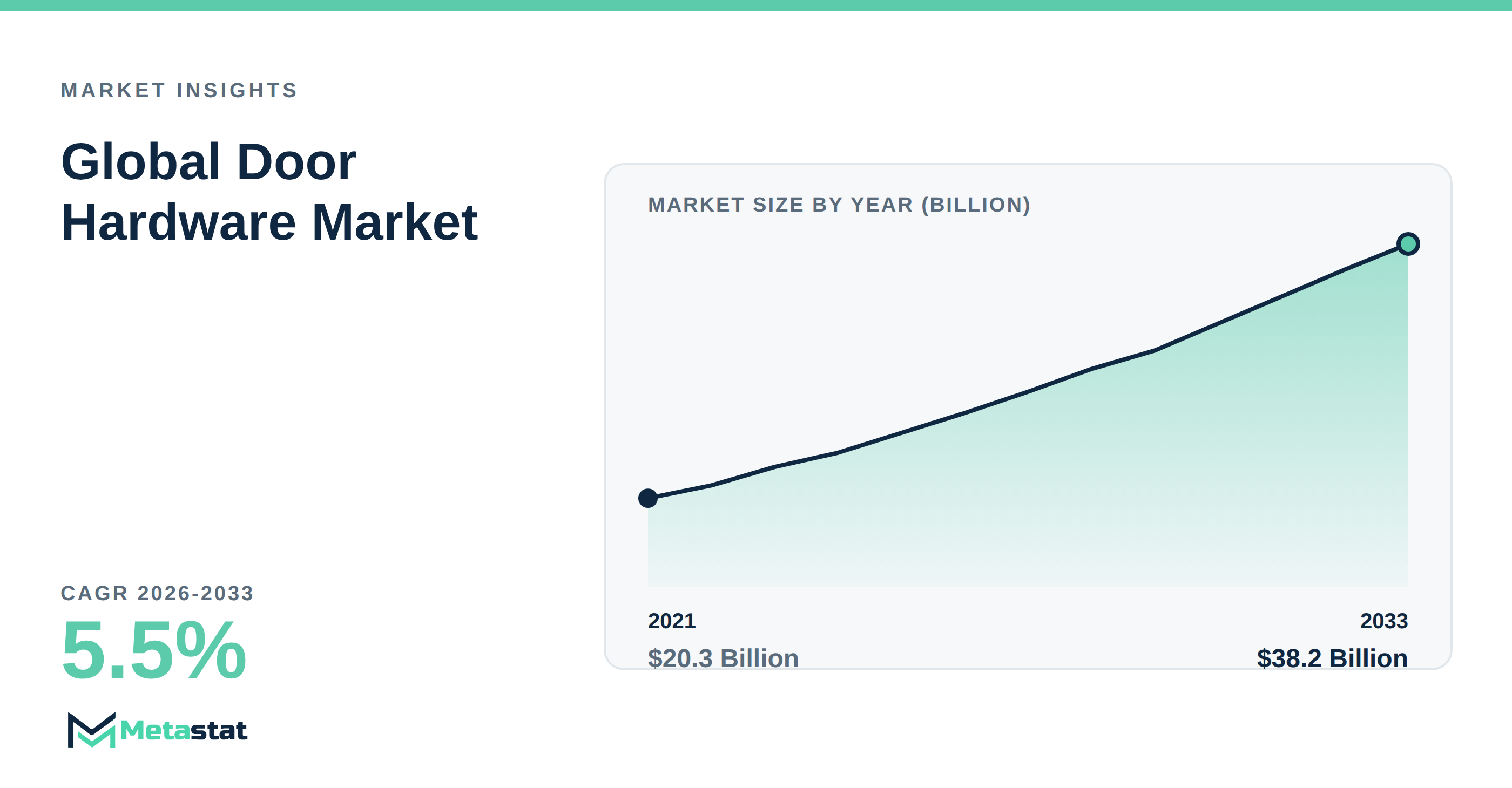
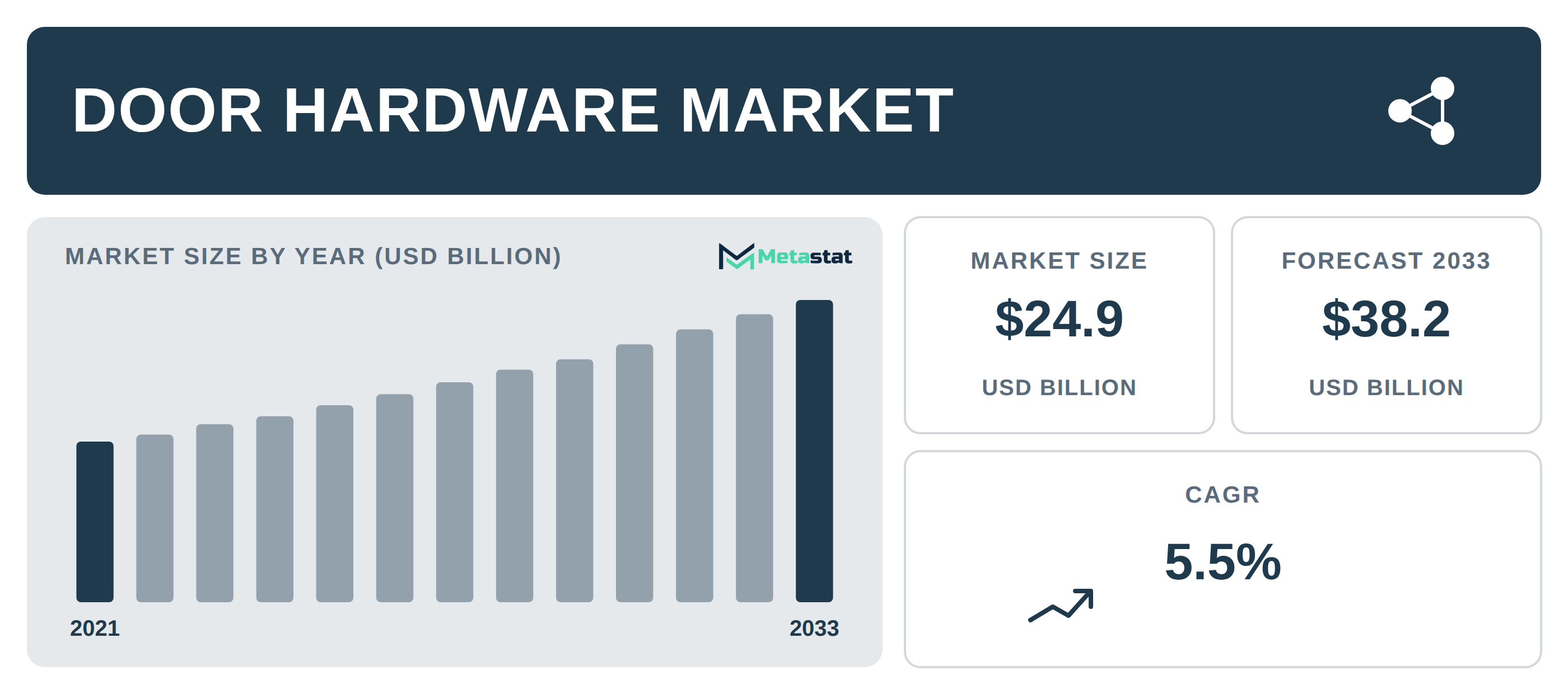
Understanding the nuances of the market for Door Hardware often leads to common misconceptions about the driving forces behind buyer decisions. One frequently misunderstood aspect concerns the impact of technological innovation on consumer preferences and purchasing behaviors. As various segments evolve, recognizing the true drivers of demand allows stakeholders to make informed decisions. The full figures are in our Door Hardware market size and forecast report.
How does technology reshape buyer preferences?
Technological innovation significantly affects the purchasing habits of both consumers and businesses. The integration of smart locks and electronic access control systems has changed traditional approaches to door hardware. Products offering enhanced security features and convenience align with modern smart home trends. Notably, demand for electromechanical and electronic door hardware is expected to experience significant growth, with projections pointing to a value of USD 13.7 billion by 2033.
What are the implications of rising security concerns?
Increased security concerns play a crucial role in shaping buying decisions within the Door Hardware sector. As awareness of threats including burglary and unauthorized access rises, both residential and commercial buyers are more inclined to invest in advanced locking solutions. For instance, the door locks and latches segment anticipates growth from USD 7.3 billion in 2026 to USD 11.1 billion by 2033, emphasizing a clear prioritization of safety. This trend compels manufacturers to innovate and improve their offerings to meet heightened consumer expectations.
How do regulations impact decisions?
Compliance with fire safety and accessibility regulations significantly influences procurement choices in the commercial sector of Door Hardware. Businesses are increasingly required to meet stringent building codes and safety standards. Consequently, the demand for door hardware products that comply with these regulations is rising. Buyers show a preference for suppliers who provide tailored solutions that enhance safety and accessibility while maintaining competitive pricing.
Why is retrofit compatibility important for homeowners?
Homeowners upgrading their existing door hardware often face challenges related to retrofit compatibility. New products integrate with existing structures efficiently to avoid additional costs and complications during installation. Expected residential spending on door hardware is projected to hit USD 16.9 billion by 2033, highlighting the significance of compatibility in driving purchasing decisions. Understanding these dynamics enables homeowners to make smarter choices aligning with their renovation goals.
What drives comparisons between mechanical and electronic systems?
In the commercial sector, buyers evaluate the benefits of mechanical versus electronic door hardware. Mechanical systems typically incur lower initial costs, while electronic systems offer long-term operational efficiencies, especially in environments requiring frequent access changes. Organizations increasingly recognize that investing in electronic solutions enhances security management and reduces energy consumption over time. This evolving preference underscores the critical impact of operational efficiency on purchasing behavior.
Stakeholders in the market for Door Hardware should pay close attention to the trends and factors influencing buyer decisions. Understanding technological advancements, security concerns, regulatory requirements, retrofit compatibility, and the evaluation of mechanical versus electronic options helps navigate the complexities of the market. Insight into these dynamics not only supports informed decision-making but paves the way for sustained growth and innovation within the industry.
Tags
About the Authors

LEAD ANALYST
Utkarsh Khirodkar is a Lead Market Research Analyst at MetaStat Insight, specializing in market intelligence, technology sector assessments, and competitive strategy.

SENIOR RESEARCH ANALYST
Biotechnology · Food and Beverages · Medical Devices · Packaging
Snehal Pasalkar is a Research Analyst at MetaStat Insight, operating at the intersection of life sciences research, competitive strategy, and market intelligence.

INDUSTRY CONSULTANT - CHEMICALS & ADVANCED MATERIALS
Chemicals and Materials · Machinery & Equipment · Packaging
Amit Gadhekar Consultant for Chemicals and Materials at MetaStat Insight, directing sector-specific intelligence, research, and strategic consulting across global chemical and processing markets.