
LEAD ANALYST
Utkarsh Khirodkar is a Lead Market Research Analyst at MetaStat Insight, specializing in market intelligence, technology sector assessments, and competitive strategy.

Global Door Hardware Market Size, Share, By Product Type (Door Locks and Latches, Lock Cylinders, Door Handles, Knobs and Pulls, Door Hinges and Pivots, Door Closers, Door Operators, Panic and Emergency Exit Devices, Sliding and Folding Door Track Systems, Door Seals and Thresholds, Others), By Material Type (Wooden Door Hardware, Metal Door Hardware, Glass Door Hardware, uPVC Door Hardware, Composite Door Hardware), By Operating Technology (Mechanical Door Hardware, Electromechanical and Electronic Door Hardware), By End-Use Sector (Residential, Commercial, Institutional, Industrial), Industry Analysis, Growth, Trends, and Forecast, 2026-2033
Report ID
MSI-5499
Published
October, 2026
Pages
294 Pages
Format
Historical
Base year
Forecast
Forecast period
Report Details
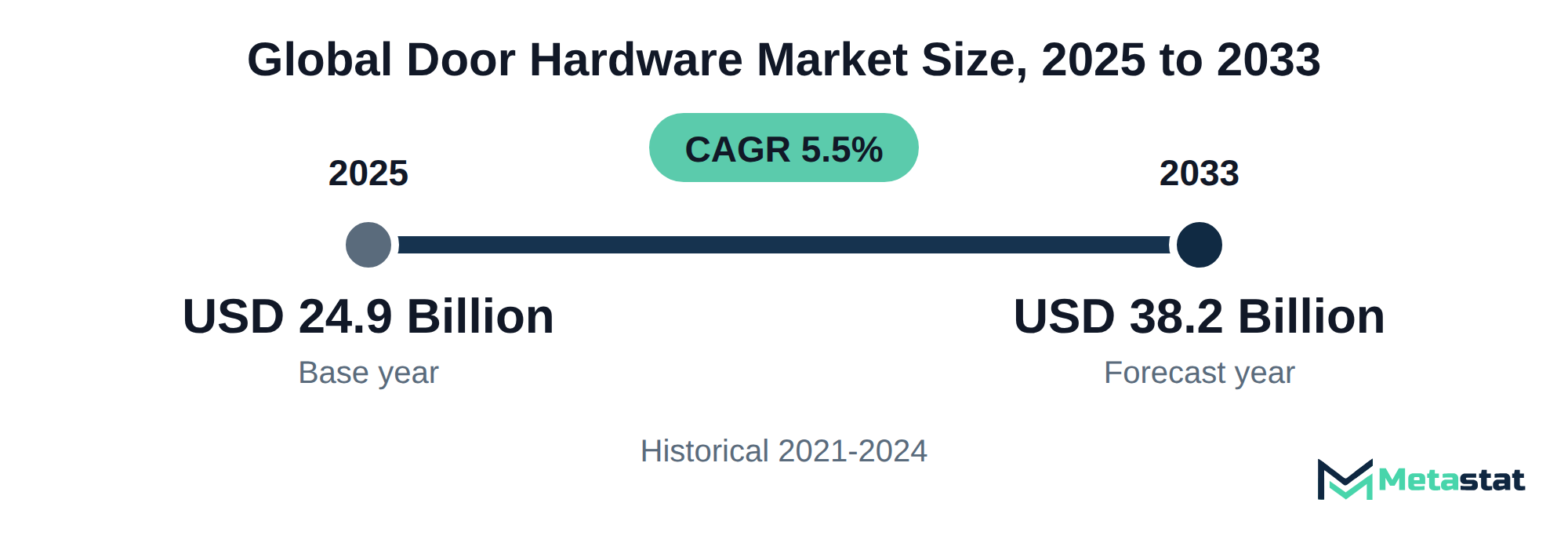
Market Valuation: Valued at $24.9 Billion in 2025, projected to reach $38.2 Billion by 2033 at a 5.5% CAGR.
Dominant Segment: Door Locks and Latches lead the market, driven by heightened security concerns and the demand for advanced locking mechanisms.
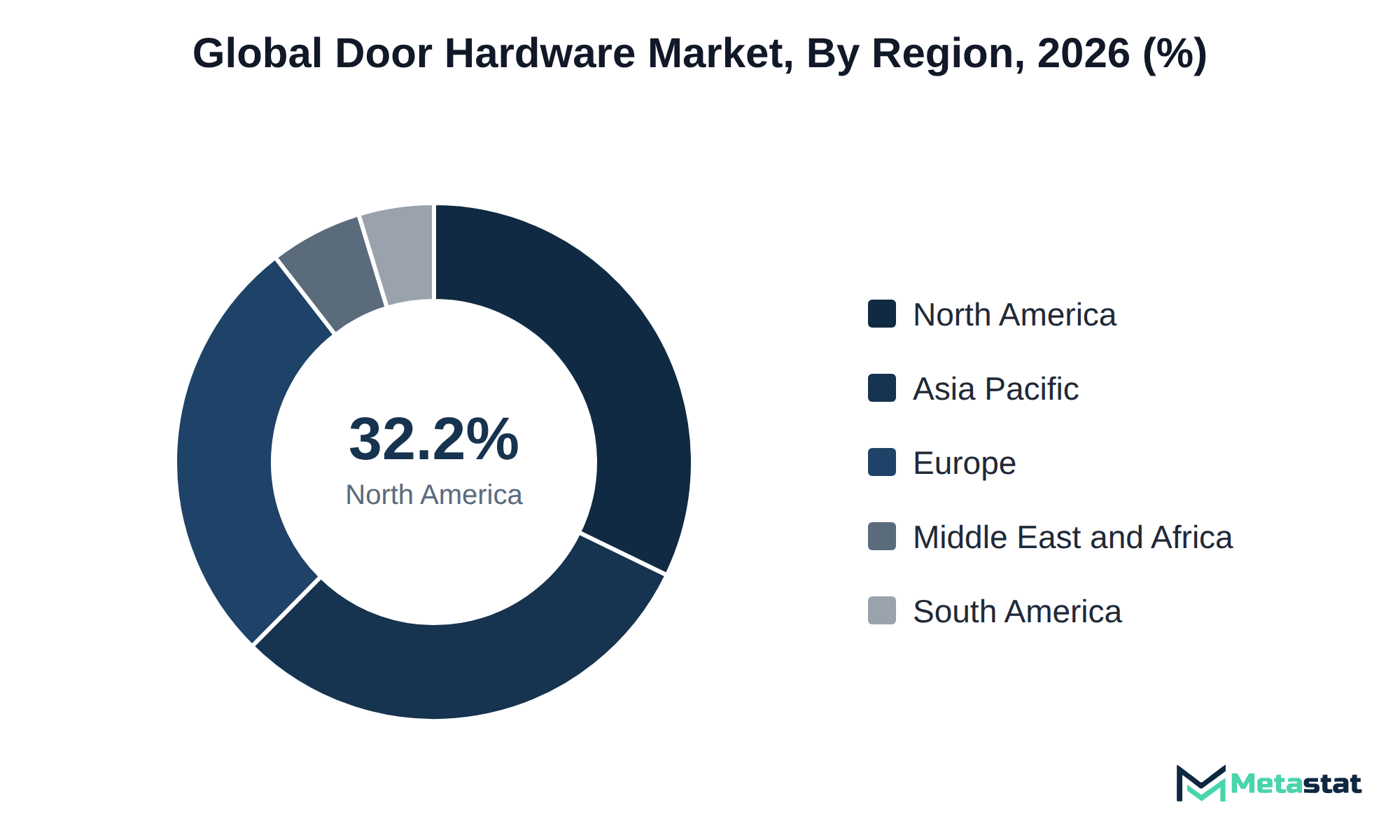
Geographic Lead: North America is the leading region, accounting for 32.2% of the market in 2025, with the US projected to maintain this dominance due to significant investments in infrastructure.
What's Inside: The report provides a comprehensive analysis of market segmentation by product type, material type, operating technology, and end-use sector, along with competitive coverage and forecasts through 2033.
Growing Demand for Smart Solutions: The electromechanical and electronic door hardware segment is expected to grow significantly, reaching USD 13.7 billion by 2033, driven by consumer demand for enhanced security features and convenience.
Regulatory Influence: Fire safety and accessibility requirements are key drivers in the commercial Door Hardware market, influencing procurement decisions and increasing demand for compliant products.
Choose Your License
Global Door Hardware Market
The global Door Hardware market was valued at USD 24.9 billion in 2025 and is projected to reach USD 38.2 billion by 2033, growing at a CAGR of 5.5% over the forecast period.
The market encompasses a range of products designed for securing and enhancing access to residential, commercial, and industrial spaces. Buyers invest in door hardware to ensure safety, functionality, and aesthetic appeal. The choice of specific hardware depends on various factors including design preferences, security requirements, and building regulations. This investment reflects the ongoing demand for reliable and innovative solutions in door security and access management.
Growth in the market is fueled by several factors, with increasing construction activities and renovations playing a significant role. The segment featuring door locks and latches stands out as the most valuable, driven by heightened concerns over security and the demand for advanced locking mechanisms. North America holds 32.2% of the market in 2025, with the US leading in 2026. Other regions, including Europe and Asia Pacific, follow closely, indicating a competitive landscape.
Technological advancements contribute significantly to market expansion, particularly in the development of smart and electronic door hardware. These innovations enhance user convenience and security, attracting a broader customer base. As building infrastructure modernizes, advanced door hardware solutions are increasingly needed to meet changing demands.
The Door Hardware market includes products that secure entrances, improve safety, and ease access across various sectors. Buyers invest in these products to meet safety standards, improve functionality, and ensure aesthetic appeal in both residential and commercial applications. The ongoing demand for advanced security features and user-friendly designs drives expenditure, reflecting the evolving preferences of consumers and businesses alike.
Growth in the market is propelled by the increasing focus on security measures and the rising construction activities worldwide. Among the product segments, Door Locks and Latches represent the highest market value, driven by their essential role in safeguarding properties. North America's lead results from significant investment in residential and commercial infrastructure, coupled with heightened consumer awareness of security solutions.
Innovations in smart locking systems and access control technologies cater to the growing consumer preference for convenience and enhanced security. The demand for these advanced solutions positions the market favorably for sustained growth.
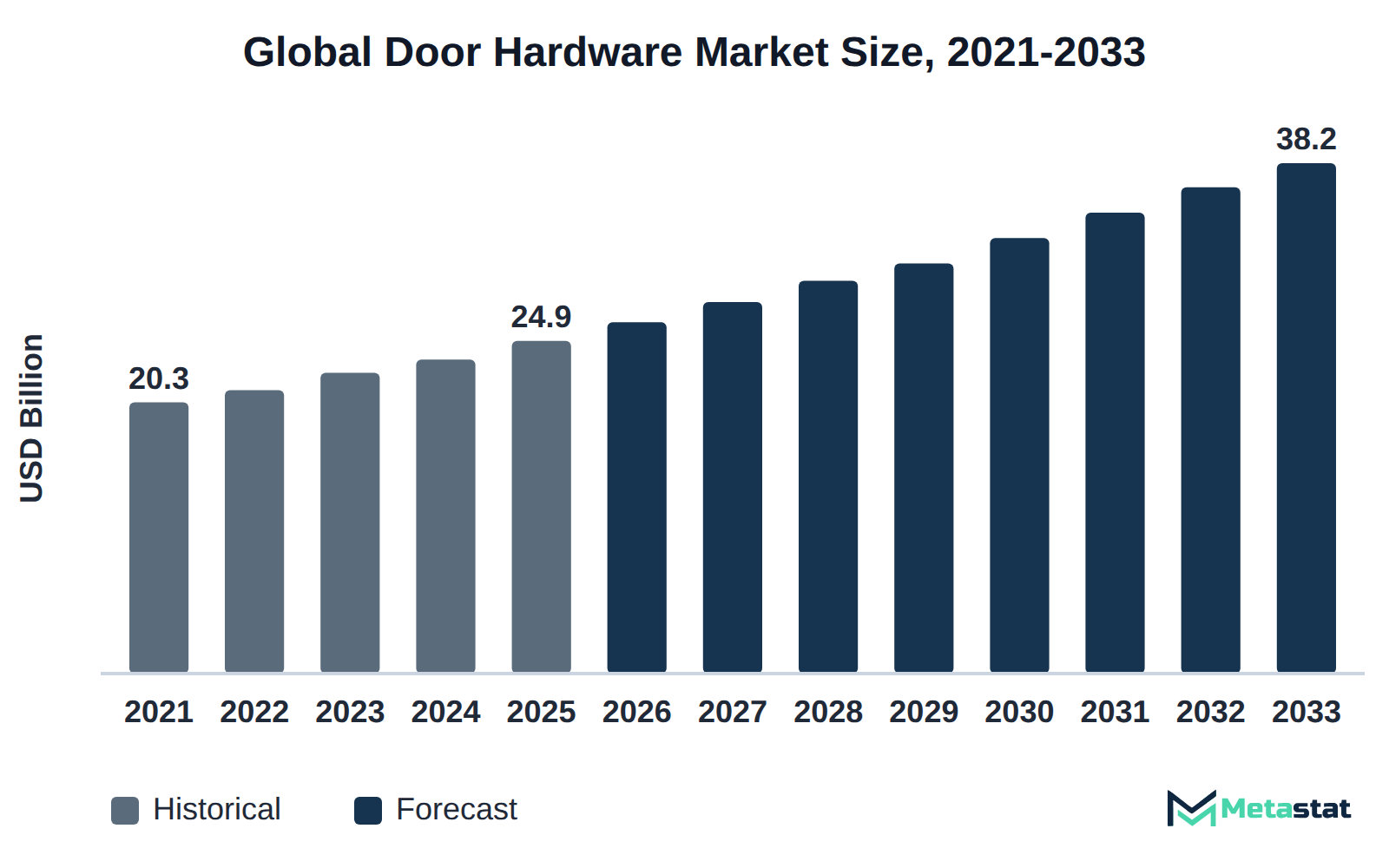
Integration of smart locks and advanced access control systems significantly influences specifications in the Door Hardware market. Automation and digital security solutions are gaining ground. The electromechanical and electronic door hardware segment is projected to reach USD 13.7 billion by 2033, a compound annual growth rate of 8.7%. This increase is driven by rising consumer demand for enhanced security features and convenient access methods.
Residential, commercial, and institutional buyers increasingly prioritize smart locks, which offer keyless entry and remote access capabilities. Such features align with evolving smart home trends and organizational security protocols. Demand for electronic systems gives manufacturers room to innovate and differentiate their product lines, which expands the market.
Integration of smart technology transforms traditional locking mechanisms, enhancing user experience while addressing security concerns. The commercial sector particularly benefits from this trend, with businesses seeking comprehensive access control solutions that integrate with existing security frameworks. Consequently, the market experiences heightened competition among suppliers striving to meet these advanced specifications.
Fire safety and accessibility requirements significantly influence procurement decisions in the commercial Door Hardware market. Buyers prioritize compliance with stringent regulations and standards, driving demand for products that enhance safety and accessibility. The projected value for commercial Door Hardware reflects the increasing emphasis on regulatory adherence in building design and renovation.
Purchasing models in this segment often involve long-term contracts and bulk procurement strategies, allowing buyers to secure favorable pricing structures while ensuring consistent quality. Manufacturers and suppliers frequently offer tailored solutions that address specific compliance needs, enhancing the appeal of their products. The trend toward increased collaboration between buyers and suppliers strengthens partnerships, focusing on meeting regulatory demands effectively.
Ultimately, the emphasis on fire safety and accessibility shapes the competitive landscape, where companies that demonstrate compliance and innovation in their Door Hardware offerings capture greater market share. This focus leads to enhanced customer loyalty and repeat business, driving sustained growth in the market.
Retrofit compatibility remains a key consideration for homeowners seeking to replace existing door hardware. Upgrading door locks or handles often requires ensuring that new products fit seamlessly into existing door frames or structures. Residential end-use sector spending on door hardware is projected to reach USD 16.9 billion by 2033. This trend emphasizes the significance of compatibility in driving consumer purchases.
Homeowners typically face challenges with installation costs when upgrading to newer hardware models. Depending on the specific product type, costs vary significantly based on whether modifications to the door itself are required. Products including door locks and latches, which represent a growing segment with a compound annual growth rate (CAGR) of 6.1%, often involve higher installation costs if retrofitting is necessary. Understanding these dynamics informs buyers about the true financial impact of their choices in the market.
Buyers of door hardware for commercial buildings increasingly evaluate mechanical and electronic options based on security features and operational efficiency. The shift towards electronic door hardware is driven by its advanced access control capabilities, which enhance security management compared to traditional mechanical systems. This growth highlights a strong preference for systems that offer flexibility in managing access control, especially in high-traffic areas.
Cost considerations play a significant role in this decision-making process. While mechanical door hardware typically incurs lower upfront costs, the long-term savings associated with electronic systems prove beneficial, especially in environments requiring frequent access changes. Electronic systems contribute to improved energy efficiency through automation features. Commercial buyers increasingly weigh the initial investment against potential operational savings over time, shaping their preferences in the market.
Rising security concerns among residential and commercial buyers influence spending decisions significantly. The increasing awareness of threats, including burglary and unauthorized access, prompts these buyers to invest more in advanced door hardware solutions. This shift toward heightened security has resulted in expanding demand for durable, reliable, and technologically advanced locking mechanisms, which sit within the broader physical security products category. The market is expected to reflect this trend, with door locks and latches projected to grow from USD 7.3 billion in 2026 to USD 11.1 billion by 2033, representing a compound annual growth rate of 6.1%. Such growth indicates a clear prioritization of security in purchasing decisions, pushing buyers to seek out products that ensure safety and compliance with evolving standards. Strong demand for advanced security solutions pushes manufacturers to innovate and intensifies competition.
Electromechanical door hardware adoption drives significant market growth by improving operational efficiency and providing advanced security features. This technology integrates mechanical functions with electronic components, enabling access control and monitoring capabilities. The result is an enhanced user experience and greater convenience, particularly in commercial and institutional settings where high traffic and security demands exist.
Organizations seeking to streamline operations increasingly prioritize electromechanical solutions, which provide robust access management options. Demand for these products is surging because they integrate with existing security systems and give buyers more control over access points and useful data analytics. Buyers in the commercial sector recognize the long-term cost benefits associated with reduced maintenance and improved security management.
In the Door Hardware market, the transition towards electromechanical technology reflects broader trends in digital transformation and heightened security expectations. Businesses investing in modern solutions drive demand for electromechanical door hardware, further propelling market expansion and innovation.
Price volatility presents a significant challenge for buyers in the Door Hardware market, particularly in the residential and commercial sectors. Fluctuating costs for raw materials, including metal and glass, result in uncertain pricing for hardware products. This unpredictability leads to delayed purchasing decisions, with buyers hesitating to commit to orders without assurance of stable pricing. Residential buyers often defer replacement projects, waiting for more favorable pricing conditions. In the commercial sector, organizations face budget constraints, impacting their ability to invest in new hardware solutions. Such financial pressures slow the overall market adoption rate, hindering growth potential for manufacturers and suppliers. Consequently, the market experiences reduced order volumes and slower uptake of advanced door hardware solutions that could enhance security and efficiency. Addressing pricing stability is essential for ensuring a more favorable environment for buyers and facilitating broader adoption of innovations within the Door Hardware market.
Inflationary pressures on raw materials and components confront suppliers within the Door Hardware market. Increases in prices for metal, wood, and other materials significantly impact overall production costs, resulting in reduced profit margins. Suppliers respond to these challenges by seeking cost-effective sourcing strategies, optimizing supply chains, and investing in materials with favorable pricing trends. Firms explore innovative manufacturing techniques that enhance efficiency, thereby reducing unit costs. Several players engage in negotiations with suppliers to secure long-term contracts, which stabilize pricing over time. The persistent rise in input costs, however, compels manufacturers to adjust pricing structures, potentially affecting end-user demand and competitive positioning within the market. Manufacturers increasingly emphasize value-added features to justify price increases and retain customer loyalty.
The residential segment of the market presents significant growth opportunities, driven by rising demand for advanced security solutions. Key drivers include an increasing focus on home safety and the desire for enhanced convenience features among homeowners. The segment is projected to expand at a CAGR of 4.9%, reaching USD 16.9 billion by 2033. This growth reflects a shift in consumer preferences towards high-quality door locks and latches, which are vital for improving security in residential settings. Companies focusing on innovative hardware solutions will benefit from this trend, addressing the growing demand for products that combine aesthetic appeal with robust security features. The market's evolving landscape indicates a promising trajectory for investment and development in this area.
The Global Door Hardware market is segmented based on Product Type, Material Type, Operating Technology, and End-Use Sector.
Door locks and latches cover various locking mechanisms that ensure security and accessibility in residential and commercial properties. Buyers include homeowners, property managers, and businesses focusing on security enhancements. The increase in security concerns significantly drives demand for this segment. In contrast to other product types, Door Locks and Latches exhibit a higher growth rate, influenced by ongoing advancements in lock technology and heightened consumer awareness of security solutions. This segment's growth outpaces that of Lock Cylinders, which has a projected CAGR of 4.8%. Investments in innovative locking solutions are anticipated to further enhance market expansion.
Lock Cylinders segment is estimated to reach USD 3.1 billion by 2033, at a CAGR of 4.8% during the forecast period. Primarily for securing doors in residential and commercial properties, lock cylinders ensure access control and enhance safety, and they serve as the core component of mechanical cylinder locks. The increasing focus on security and the rise in new construction projects contribute to the segment's expansion. This segment exhibits a slower growth rate compared to others like Door Locks and Latches, which are expected to grow at a CAGR of 6.1%. While demand for lock cylinders remains steady, competition with advanced locking technologies drives buyers toward innovative solutions. This dynamic influences pricing strategies and product development decisions among manufacturers, impacting profitability and market positioning within the broader Door Hardware market.
The Door Handles, Knobs, and Pulls segment is expected to reach USD 6.3 billion by 2033. This segment caters to both residential and commercial applications, providing critical functionality for accessing spaces. Demand for this segment is driven by aesthetic preferences and the need for enhanced security features, which strongly appeal to homeowners and business operators. Compared to other segments, including Door Locks and Latches, which exhibit a CAGR of 6.1% through 2033, this segment offers a different growth trajectory. The anticipated CAGR for Door Handles, Knobs, and Pulls remains consistent, reflecting stable demand dynamics. Differentiation in this market occurs through design, material selection, and pricing, catering to diverse buyer preferences, which further influences competitive positioning. The market exhibits resilience, with enduring demand for stylish and functional door hardware solutions.
Door Hinges and Pivots segment is projected to grow at a CAGR of 4.4% during the forecast period. This segment includes various types of hinges and pivots in doors, essential for both functionality and aesthetic appeal. Commonly used in residential, commercial, and industrial applications, these products ensure smooth door operation and alignment within frames. Increased focus on architectural designs and functional requirements drives demand for high-quality hinges and pivots. The segment's growth is supported by rising construction activities across various regions. Compared to other product types, this segment experiences slower growth, influenced by specific requirements of compatibility and installation challenges unique to hinges and pivots. The focus on durability and design differentiation enhances its competitive position in the market.
Door closers are devices designed to ensure that doors close automatically after being opened, enhancing security and convenience in various settings. These products find extensive use in residential, commercial, and institutional buildings, serving to maintain fire safety protocols, including on fire doors, and improve accessibility. Demand for door closers is driven by increasing safety regulations that mandate their use in public spaces, contributing to heightened standards for building codes. In comparison to other segments, door closers typically face slower growth due to the established presence of mechanical solutions and existing installations in many buildings. Buyers assess these products based on functionality and compliance with safety standards, differentiating them from other types of door hardware that emphasize aesthetics or advanced technology. The market exhibits a steady demand trajectory, reflecting broader trends toward enhanced safety and operational efficiency across building types.
Door operators power automatic doors by opening and closing them in various applications, enhancing convenience and accessibility. Predominant in commercial and institutional settings, these devices improve the flow of traffic while ensuring security and energy efficiency. Demand for door operators is driven by increasing automation trends and the need for improved access solutions, particularly in areas frequented by individuals with mobility challenges. Compared to other sub-segments like door locks and latches, door operators involve higher initial costs and require specialized installation. However, they provide unique value through operational efficiency and adaptability in modern building designs. The market continues to evolve with advances in technology, incorporating features including touchless activation and integration with smart building systems.
Panic and Emergency Exit Devices are critical components for ensuring safe egress in emergencies. Primarily found in commercial and institutional settings, these devices facilitate rapid exit during critical situations, thereby enhancing safety protocols. The segment experiences demand driven by increasing safety regulations and heightened awareness of emergency preparedness among building owners and operators. Unlike other segments, including Door Locks and Latches, which cater to a broader range of residential and commercial applications, Panic and Emergency Exit Devices focus specifically on emergency situations, attracting buyers prioritizing compliance and safety features. This specialization reflects a distinct market positioning, leading to unique sales strategies and potentially differing price points compared to other door hardware segments. Advancements in technology and design continue to influence the development of these devices, aligning with evolving safety standards and consumer expectations within the market.
Sliding and Folding Door Track Systems provide functionality for efficient door operation in both residential and commercial settings. These systems enable the smooth opening and closing of doors, making them particularly advantageous in areas where space efficiency is essential. Users include homeowners seeking to maximize interior space and commercial establishments aiming for accessible layouts. The growing preference for open floor plans and flexible layouts drives demand for these systems. Unlike other segments, including Door Locks and Latches, which focus primarily on security, Sliding and Folding Door Track Systems emphasize space optimization and aesthetic appeal. This focus differentiates the segment, aligning it with broader architectural trends toward modern and adaptable living and working environments. The market is characterized by a need for innovative designs that enhance user experience and integration with smart technologies.
Door seals and thresholds, including weather strip products, serve to ensure energy efficiency and prevent moisture intrusion in various structures. These components are critical for residential, commercial, and industrial applications, where they enhance the overall functionality and safety of door systems. Demand for these products primarily arises from building regulations focused on energy conservation and the growing emphasis on sustainable construction practices. Unlike other segments, door seals and thresholds experience steadier demand due to regulatory pressures rather than fluctuating trends in design or aesthetics. The focus on energy-efficient solutions drives investments in this segment, making it a vital consideration for builders and architects aiming to meet modern building standards. This segment distinguishes itself with a unique emphasis on compliance with energy regulations, setting it apart from more style-driven hardware segments.
Door stops and protection plates play essential roles in safeguarding door frames and maintaining the integrity of the surrounding structures. These components find usage in various settings, including residential, commercial, and industrial environments, where they provide support and protection against damage caused by door impacts. Demand for this segment is driven by the increasing focus on maintaining the aesthetics and functionality of entrances, which encourages investments in protective hardware. Unlike other product types in the market, this segment experiences slower growth due to its relatively low differentiation and price sensitivity. Buyers prioritize more advanced and visually appealing options, including door locks and latches, which limit the market's overall expansion. The door hardware market sees continuous innovation; however, the adoption of specialized protective components remains steady, contributing to their ongoing relevance in various applications.
Wooden Door Hardware segment is valued at USD 8.9 billion in 2026 and is projected to reach USD 12.1 billion by 2033, at a CAGR of 4.6% during the forecast period. This hardware finds extensive use in residential and commercial properties, focusing on aesthetic appeal and functionality. Growing demand for sustainable and renewable building materials significantly influences the segment's trajectory, with buyers increasingly prioritizing eco-friendly options. Construction activities across various sectors contribute to segment performance, particularly in regions where wooden structures remain popular. Compared to metal door hardware, which is anticipated to reach USD 12.7 billion by 2033 at a CAGR of 5.9%, wooden door hardware offers unique design aspects that attract specific buyer demographics. This differentiation results in a slightly slower growth rate for wooden variants, reflecting market trends that favor a blend of traditional aesthetics with modern functionality.
Metal door hardware includes products such as metal locks, handles, and various fittings, commonly used in residential and commercial buildings for security and functionality. The growing focus on enhanced security features among buyers increases demand, particularly in urban areas. In comparison to Wooden Door Hardware, the Metal Door Hardware segment experiences higher durability and lower maintenance costs, making it more appealing for long-term investments. The market for Metal Door Hardware benefits significantly from the trend toward modern architecture that emphasizes robustness and aesthetic appeal. Rising construction activities in emerging economies support growth in this sector, further distinguishing it from slower-growing segments including Wooden Door Hardware.
Glass Door Hardware segment is expected to reach USD 6 billion by 2033. This segment serves primarily in commercial and residential applications, providing aesthetic and functional solutions for entrances and interiors. Demand for glass door hardware is boosted by a growing trend toward modern, transparent architecture, enhancing natural light and providing an open feel in spaces. Glass doors installed in glass partition walls are one example of this transparent design trend. This segment exhibits a higher growth rate compared to its wooden and metal counterparts, driven by advancements in design and safety features. While pricing remains competitive, the premium nature of glass solutions attracts specific buyer groups focused on design innovation and aesthetic value, distinguishing it from traditional hardware materials. The market increasingly emphasizes the integration of safety and security features in glass hardware, influencing consumer preferences and buying decisions.
uPVC Door Hardware segment is projected to grow at a CAGR of 4.9% during the forecast period. This category includes door hardware components manufactured from unplasticized polyvinyl chloride (uPVC), commonly used in residential and commercial applications for durability and low maintenance requirements. The growing demand for energy-efficient and weather-resistant door solutions drives adoption, particularly in regions with varying climates. Compared to other material types, uPVC offers a cost-effective option, often at a lower price point than metal alternatives, appealing to budget-conscious consumers. While the growth of the metal segment is anticipated at a CAGR of 5.9%, uPVC Door Hardware remains an essential choice for various buyers prioritizing affordability and performance. The market continues to evolve, reflecting shifts in consumer preferences toward sustainable building materials.
Composite Door Hardware consists of a blend of materials that enhance durability and performance in door applications. This type of hardware is particularly favored in residential and commercial sectors where both aesthetic appeal and functionality are essential. A growing trend towards sustainable and lightweight materials drives interest in composite solutions, offering an alternative to traditional wooden and metal options. The competitive advantage of composite door hardware lies in its versatility and lower maintenance requirements compared to other material types. Increased adoption in modern architectural designs reflects shifting preferences among consumers and developers. The market experiences unique dynamics influenced by demand for eco-friendly products and enhanced design flexibility, distinguishing it from other segments focused on traditional materials. This sub-segment contributes to the overall growth of the Door Hardware market, catering to a diverse range of applications and buyer preferences.
Mechanical Door Hardware segment is valued at USD 18.7 billion in 2026 and is projected to reach USD 24.5 billion by 2033, at a CAGR of 4% during the forecast period. This segment includes traditional locking mechanisms, such as mechanical locks, primarily in residential and commercial settings. Demand arises primarily from the growing focus on security and accessibility across various structures. Residential sectors exhibit significant investment in mechanical door hardware, driven by increasing home ownership and renovation activities. While this segment experiences steady growth, it lags behind Electromechanical and Electronic Door Hardware, which is projected to grow at a CAGR of 8.7%. The difference in growth rates reflects the industry's transition toward more advanced technologies, driven by customers seeking enhanced security features and automation. The market continues to evolve, pushing manufacturers to innovate within the mechanical segment while prioritizing cost-effective solutions for consumers.
This segment finds significant application in both residential and commercial sectors, enhancing security and access control through advanced locking mechanisms. Demand for this segment is driven by increasing concerns regarding security and the ongoing trend towards automation. The segment distinguishes itself from other operating technologies through its higher anticipated growth rate, reflecting an inclination towards sophisticated systems that offer convenience and efficiency. In contrast to Mechanical Door Hardware, which grows at a CAGR of 4%, the Electromechanical and Electronic segment's rapid expansion highlights a shift in consumer preferences towards modern solutions that integrate technology with traditional locking systems. This alignment with smart building trends further positions it as an important segment in the broader Door Hardware market.
The residential segment is valued at USD 12.1 billion in 2026 and is projected to reach USD 16.9 billion by 2033, at a CAGR of 4.9% during the forecast period. This segment primarily serves homeowners and residential developers, focusing on enhancing security and functionality in living spaces. Key drivers of demand include increasing residential construction and renovation activities, driven by rising disposable incomes and changing consumer preferences for aesthetics and safety features. Unlike commercial and institutional segments, the residential segment typically experiences steady growth, reflecting the consistent need for door hardware in housing. The market shows a distinct pricing structure, with residential products often positioned at lower price points compared to commercial offerings, attracting a broader range of consumers. Overall, the residential segment significantly influences the trends and innovations seen in the door hardware market.
The commercial segment is estimated to reach USD 13.1 billion by 2033, at a CAGR of 6% during the forecast period. This segment primarily serves businesses and organizations requiring reliable and secure access solutions. Ongoing growth in the commercial sector, including offices, retail establishments, and educational institutions, drives demand for advanced door security systems. Rising safety and security concerns significantly influence this segment, with businesses investing in robust hardware to protect assets and personnel. Compared to the residential segment, which shows a CAGR of 4.9%, the commercial sector outpaces growth, reflecting the higher stakes associated with commercial properties. The market continues to evolve with innovative locking technologies and smart access systems, enhancing overall functionality and security in commercial applications.
The institutional segment is expected to reach USD 5.5 billion by 2033. This segment encompasses door hardware solutions in government buildings, educational institutions, healthcare facilities, and public infrastructures. Demand for this segment is driven by the increasing emphasis on safety and security in public spaces, alongside the growing need for accessibility compliance. Institutional buyers focus on durability and compliance with regulatory standards, often seeking products that provide enhanced security features and ease of use. Compared to other segments, institutional door hardware experiences slower growth, primarily influenced by longer procurement cycles and budget constraints prevalent in public sector projects. The CAGR for this segment is lower relative to the commercial sector, reflecting more cautious spending patterns. The rising focus on safety and innovation in door technology provides growth opportunities within this segment of the market.
Industrial door hardware serves factories, warehouses, and manufacturing facilities, where durable products ensure safety and operational efficiency. Demand arises from the necessity for secure access control and the durability required in high-traffic environments. One significant driver for growth stems from increased industrial automation, necessitating advanced door hardware solutions enabling integration with automated systems. Compared to other segments, the industrial segment typically features higher price points due to the specialized nature of the products required to withstand demanding conditions. While the residential segment focuses on aesthetic and convenience features, the industrial segment prioritizes functionality and resilience, catering to distinct buyer needs across various sectors.
Based on geography, the Global Door Hardware market is divided into North America, Europe, Asia-Pacific, South America, Middle East, and Africa.
Demand for door hardware in North America comes mainly from the residential and commercial sectors. Rapid urbanization, along with ongoing construction and renovation projects, continues to drive investments in door hardware solutions. The United States, Canada, and Mexico exhibit rising consumer preferences for enhanced security and design in door hardware, further supporting this growth. North America is projected to reach USD 11.5 billion by the end of 2033. Advanced manufacturing practices and technological innovations in door hardware enhance product offerings, catering to evolving consumer demands. This active engagement in upgrading infrastructure indicates a robust outlook for the market in the region.
In Europe, countries including Germany, France, and the UK drive significant demand for the Door Hardware market, largely fueled by robust construction activities and a strong emphasis on building safety regulations. The commercial and residential sectors remain key contributors, with increasing investments in infrastructure enhancing market dynamics. The region's commitment to sustainability has led to a growing preference for energy-efficient and eco-friendly materials in door hardware manufacturing. With a market share of 27.1% in 2025, Europe is projected to experience steady growth, supported by innovative products that align with evolving consumer preferences. The anticipated increase in urbanization further strengthens the demand for advanced security solutions, positioning the market for continued expansion through the forecast period.
Rapid urbanization and economic growth in Asia-Pacific drive significant demand within the Door Hardware market. Countries including China and India see substantial investments in infrastructure, residential construction, and commercial development. Increasing safety and security concerns among consumers and businesses fuel the market's expansion. Technological advancements, particularly in electromechanical and electronic solutions, enhance product offerings and attract buyers seeking modernization. The market's growth in this region is projected to reach USD 12.1 billion by 2033 for wooden door hardware and USD 13.7 billion by 2033 for electromechanical and electronic door hardware. ASEAN countries, including Southeast Asia, actively invest in upgrading their existing infrastructures, contributing to overall market growth. Asia-Pacific's unique blend of demographics and economic strategies reinforces its position in the global door hardware landscape.
In South America, the Door Hardware market experiences influence from growing construction activities, particularly in Brazil and Argentina. Increasing investments in residential and commercial infrastructure drive demand. Economic recovery, paired with urbanization trends, enhances market opportunities in these countries. A focus on modernizing existing infrastructure supports the adoption of advanced door hardware solutions. In Brazil, urban development initiatives reflect a commitment to sustainable practices, promoting energy-efficient and durable products. The market share for South America stands at 4.7% in 2025, indicating a stable position within the global landscape. Regulatory frameworks in place support the enhancement of safety standards, impacting purchasing decisions in the region. The overall growth trajectory in South America indicates a favorable environment for the Door Hardware market over the forecast period.
In the Middle East and Africa, demand for the Door Hardware market experiences growth driven by significant construction projects and urban development initiatives. Countries like Saudi Arabia and the UAE invest heavily in infrastructure, enhancing the residential and commercial sectors. South Africa's expanding economy contributes to increased demand for door hardware solutions. The region's market share in 2025 is projected to reach 5.8%, influenced by rising urbanization and a growing middle class seeking improved living standards. Local manufacturers face challenges from imported goods, impacting pricing strategies. The market's dynamics reflect ongoing shifts in consumer preferences toward quality and security in door hardware solutions.
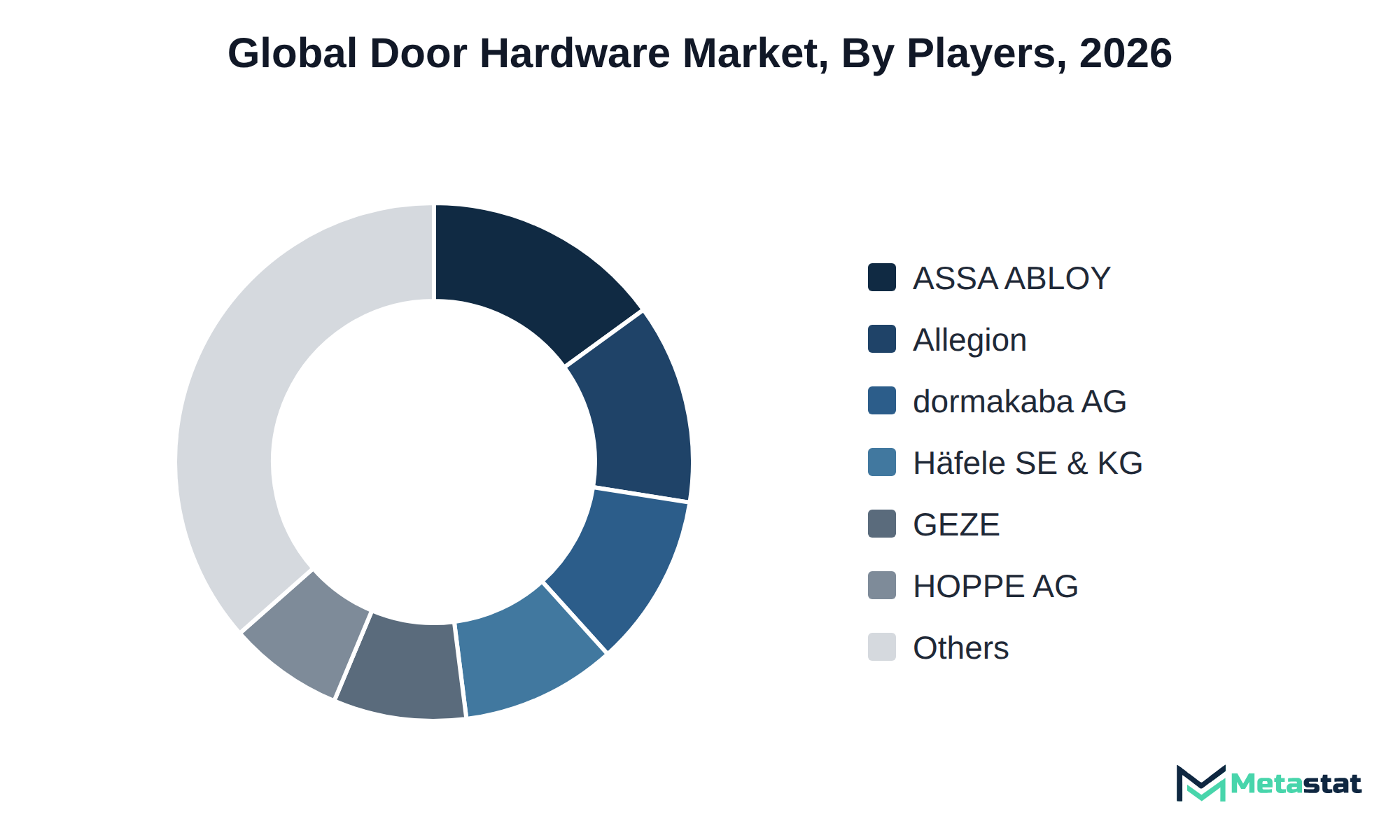
The Door Hardware market features a mix of companies focusing on various strategic behaviors. Players including ASSA ABLOY and dormakaba Holding AG emphasize innovation in product offerings, enhancing their market position through advanced technologies and comprehensive solutions. Companies like GEZE GmbH and Häfele SE & Co KG prioritize customization and service, catering to diverse buyer needs across residential, commercial, and industrial sectors.
Buyers in the market select products based on several factors, including price, certification, and the ability to customize offerings. For instance, Allegion plc focuses on high-security solutions, appealing to buyers requiring robust safety features. In contrast, Godrej & Boyce Manufacturing Company Limited emphasizes affordability and accessibility, targeting cost-sensitive segments. HOPPE Holding AG stands out with a strong focus on design aesthetics, attracting customers who prioritize visual appeal alongside functionality in door hardware.
Growth in the Door Hardware market through 2033 relies on several key developments. The increasing demand for advanced locking mechanisms, particularly in the residential and commercial sectors, is expected to drive significant growth. For instance, door locks and latches are projected to see a compound annual growth rate (CAGR) of 6.1% from 2026 to 2033, reflecting a preference for enhanced security solutions. The expansion of the Asia Pacific region, with its diverse construction activities and urbanization efforts, presents a strong opportunity for the market to flourish, contributing to the overall revenue growth. However, potential risks affecting this forecast include fluctuations in raw material prices, which could impact production costs and, subsequently, product pricing. A substantial increase in costs deters investment and hinders sales growth across various segments. The interaction of these factors will ultimately determine the trajectory of the market, influencing its ability to reach the anticipated USD 38.2 billion by 2033.
By Product Type: Door Locks and Latches, Lock Cylinders, Door Handles, Knobs, and Pulls, Door Hinges and Pivots, Door Closers, Door Operators, Panic and Emergency Exit Devices, Sliding and Folding Door Track Systems, Door Seals and Thresholds, Others (Door Stops, Protection Plates)
By Material Type: Wooden Door Hardware, Metal Door Hardware, Glass Door Hardware, uPVC Door Hardware, Composite Door Hardware
By End-Use Sector: Residential, Commercial, Institutional, Industrial
The report strategically identifies and profiles the key market players and analyses their core competencies in each sub-segment of the Door Hardware market.
Report Attributes | Details |
Study Period | 2021-2033 |
Base Year | 2025 |
Estimated Year | 2026 |
Forecast Period | 2026-2033 |
Historical Period | 2021-2025 |
Growth Rate | CAGR 5.5% from 2026 to 2033 |
Revenue Unit | USD billion |
Segmentation | By Product Type, Material Type, Operating Technology, End-Use Sector, and Region |
By Region | North America (By Product Type, Material Type, Operating Technology, End-Use Sector, and Country)
|
Europe (By Product Type, Material Type, Operating Technology, End-Use Sector, and Country)
| |
Asia Pacific (By Product Type, Material Type, Operating Technology, End-Use Sector, and Country)
| |
South America (By Product Type, Material Type, Operating Technology, End-Use Sector, and Country)
| |
Middle East and Africa (By Product Type, Material Type, Operating Technology, End-Use Sector, and Country)
|
Find answers to common questions about this report
The Door Hardware market size was valued at USD 24.9 billion in 2025.
The market is projected to grow at a CAGR of 5.5% during the forecast period from 2026 to 2033.
The North America Door Hardware market size is estimated to reach USD 11.5 billion by 2033.
The leading segment in the Door Hardware market is Door Locks and Latches, with a projected value of USD 11.1 billion by 2033. This segment demonstrates the highest growth rate within the product type category, with a compound annual growth rate of 6.1 percent.
Rising security concerns among residential and commercial buyers significantly influence spending decisions, driving demand for advanced door hardware solutions. The residential segment experiences growth due to an increasing focus on home safety and the desire for enhanced convenience features among homeowners.
North America holds the dominant share of the Door Hardware market, with a value of USD 11.5 billion projected for 2033, representing 32.2 percent of the total market. This figure surpasses the shares of other regions, including Europe and Asia Pacific.
Price volatility restrains growth in the Door Hardware market by leading to delayed purchasing decisions among buyers. Inflationary pressures on raw materials and components impact production costs and profit margins for suppliers, further hindering market expansion.
Factors favoring adoption in the Door Hardware industry include rising security concerns among residential and commercial buyers, driving investment in advanced locking mechanisms. The increasing focus on home safety and the demand for innovative hardware that enhances convenience contribute to market growth.
The Door Hardware market is estimated to reach a valuation of USD 38.2 billion by 2033.
Key players operating in the Door Hardware market include ASSA ABLOY, Allegion plc, dormakaba Holding AG, GEZE GmbH, Häfele SE & Co KG, Hager Companies, and India International House Ltd.
The analysts below cover Packaging research at Metastat Insights.
LEAD ANALYST
Utkarsh Khirodkar is a Lead Market Research Analyst at MetaStat Insight, specializing in market intelligence, technology sector assessments, and competitive strategy.

SENIOR RESEARCH ANALYST
Biotechnology · Food and Beverages · Medical Devices · Packaging
Snehal Pasalkar is a Research Analyst at MetaStat Insight, operating at the intersection of life sciences research, competitive strategy, and market intelligence.

INDUSTRY CONSULTANT - CHEMICALS & ADVANCED MATERIALS
Chemicals and Materials · Machinery & Equipment · Packaging
Amit Gadhekar Consultant for Chemicals and Materials at MetaStat Insight, directing sector-specific intelligence, research, and strategic consulting across global chemical and processing markets.
Floating offshore wind feasibility relies heavily on specialized installation vessel availability and port crane limits, which most broad renewable energy forecasts ignore. The report delivered a thorough analysis of dry dock capacity, mooring chain supply constraints, and raw material pricing trends for deepwater anchor installations. It served as a solid independent sanity check for our offshore project capital expenditure assumptions.
Assessing commercial microgrid software adoption requires looking past top-level installation numbers and examining utility interconnection queues. The research provided verifiable data on average permitting timelines, tariff structures, and battery storage integration costs across regional utility territories. That grounded perspective was valuable for our team when building five-year demand projections for industrial microgrid controllers.
Ambulatory surgical centers have very different purchasing cycles for robotic-assisted surgery platforms than major hospital networks. The MetaStat Insight study focused squarely on capital expenditure depreciation, procedural reimbursement pathways, and surgeon training overhead. That operational clarity made it much simpler to validate multi-year procedure growth forecasts against actual ambulatory center adoption patterns.
Explore related market intelligence reports worth reading alongside this one.