
LEAD ANALYST
Utkarsh Khirodkar is a Lead Market Research Analyst at MetaStat Insight, specializing in market intelligence, technology sector assessments, and competitive strategy.

Global Heavy-Duty Industrial Bulk Packaging Market Size, Share, By Product Type (Flexible Intermediate Bulk Containers (FIBCs / Bulk Bags), Rigid Intermediate Bulk Containers (Rigid IBCs), Composite Intermediate Bulk Containers, Industrial Bulk Drums, Bulk Boxes and Industrial Octabins, Collapsible Bulk Containers), By Material (Polypropylene (PP), High-Density Polyethylene (HDPE), Low-Density Polyethylene (LDPE), Steel, Fiberboard and Corrugated Paperboard), By End-Use Industry (Chemicals and Petrochemicals, Food and Beverages, Pharmaceuticals, Agriculture and Fertilizers, Construction and Building Materials, Mining and Minerals, Plastics and Polymers), Industry Analysis, Growth, Trends, and Forecast, 2026-2033
Report ID
MSI-5763
Published
November, 2026
Pages
262 Pages
Format
Historical
Base year
Forecast
Forecast period
Report Details
Market Valuation: Valued at $28.2 Billion in 2025, projected to reach $38 Billion by 2033 at a 3.8% CAGR.
Dominant Segment: Flexible Intermediate Bulk Containers (FIBCs) lead the market, driven by their versatility and cost-effectiveness in various applications.
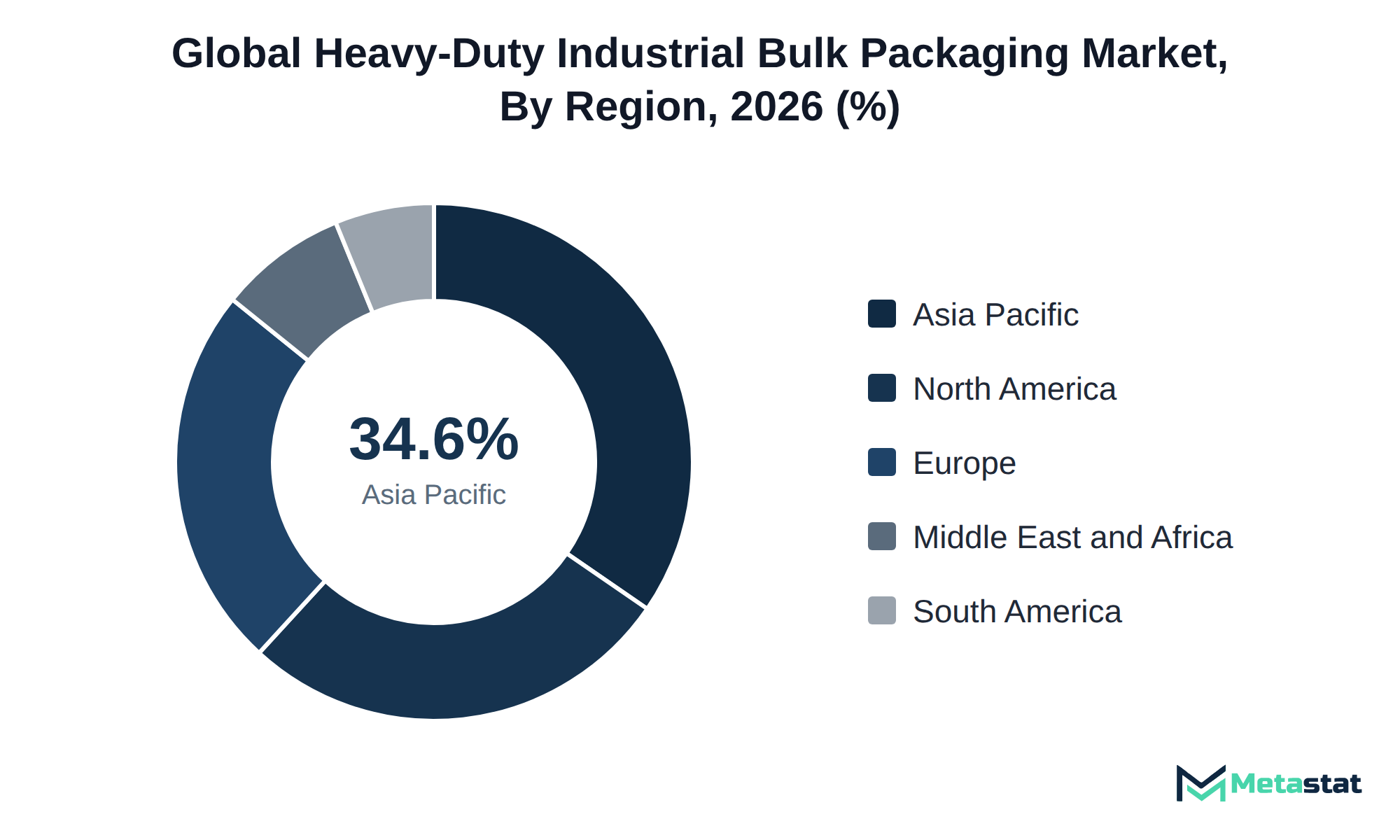
Geographic Lead: Asia Pacific holds the largest market share at 34.6%, fueled by rapid industrialization and manufacturing growth in countries like China and India.
What's Inside: The report provides comprehensive competitive coverage, detailed analyses of market dynamics, and forecasts spanning from 2026 to 2033.
Sustainable Trends: There is a significant shift towards sustainable materials and reusable containers, influenced by environmental awareness and regulatory pressures.
Industry Demand: The chemicals and petrochemicals sector exhibits strong demand, projected to grow from USD 8.1 billion in 2026 to USD 10.9 billion by 2033.
Choose Your License
Global Heavy-Duty Industrial Bulk Packaging Market
The global Heavy-Duty Industrial Bulk Packaging market was valued at USD 28.2 billion in 2025 and is projected to reach USD 38 billion by 2033, growing at a CAGR of 3.8% over the forecast period.
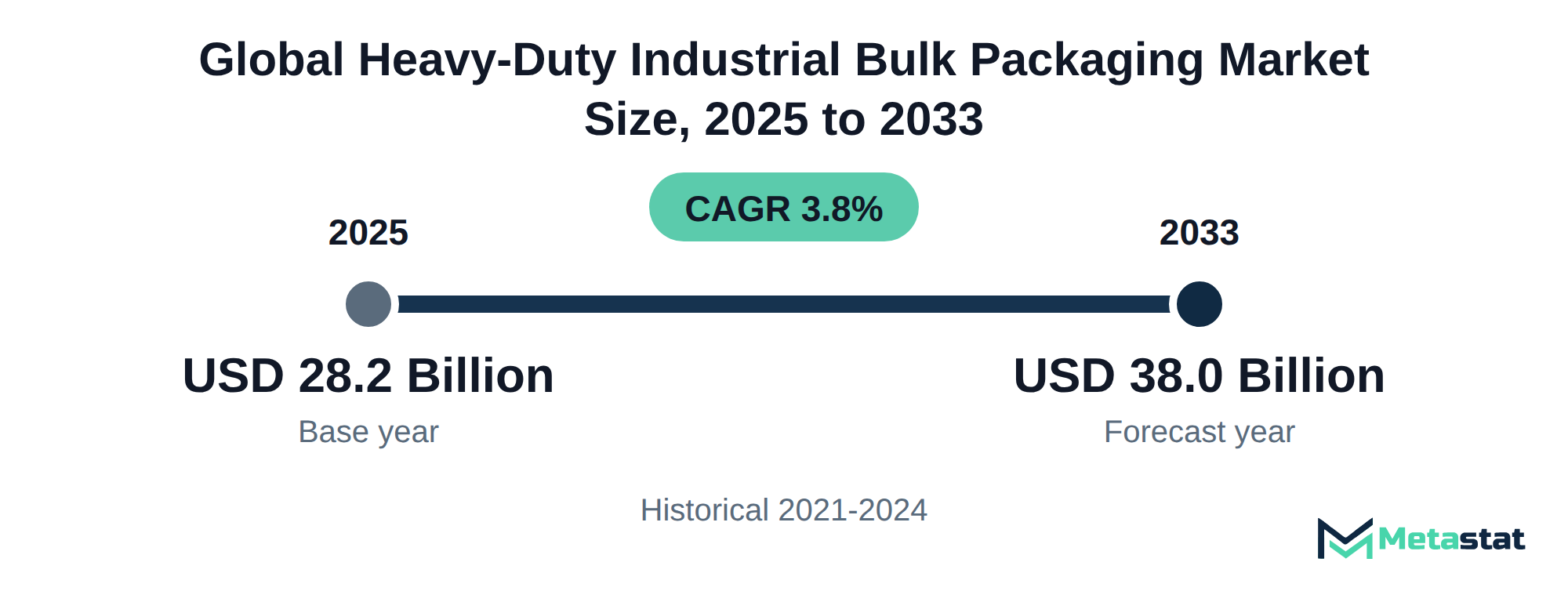
The Heavy-Duty Industrial Bulk Packaging market encompasses a variety of solutions designed to handle the transportation and storage of bulk materials. Buyers invest in these products due to the need for efficient, reliable packaging that ensures product integrity while minimizing storage space and transportation costs. Industries including chemicals, food and beverages, and pharmaceuticals represent the primary consumers, each relying on bulk packaging to meet operational demands and regulatory standards.
Growth in the market is driven by increasing demand from the chemicals and petrochemicals sector, which necessitates robust and safe packaging solutions. Among the various segments, Flexible Intermediate Bulk Containers (FIBCs) reflect the largest value due to their versatility and cost-effectiveness. Asia Pacific leads regionally with a 34.6% market share, driven by rapid industrialization and heightened manufacturing activities across nations including China and India.
North America holds 27.2% of the market in 2025, with the US leading in 2026. The region benefits from significant investments in infrastructure and the adoption of advanced packaging technologies. Sustainability becomes a focal point, prompting companies to seek innovative packaging solutions that align with environmental goals, further influencing market dynamics and growth potential.
The Heavy-Duty Industrial Bulk Packaging market includes products that facilitate the effective handling of various bulk materials across multiple industries. Buyers invest in these solutions to enhance operational efficiency, reduce waste, and ensure compliance with safety standards. The demand arises from diverse sectors, including chemicals, food and beverages, and agriculture, where reliable packaging solutions are crucial for maintaining product integrity during transportation and storage.
Growth within the market is driven by the increasing requirements for sustainable and efficient packaging options. Flexible Intermediate Bulk Containers (FIBCs) represent the segment with the highest value, reflecting strong demand across various applications. This region's strong industrial base and commitment to innovative packaging solutions strengthen its market position.
The expansion of the Heavy-Duty Industrial Bulk Packaging market is supported by ongoing advancements in material technology and design. Polypropylene, High-Density Polyethylene, and innovative composite materials are gaining traction due to their durability and versatility. These developments cater to the increasing focus on sustainability, driving investments in packaging solutions that minimize environmental impact while meeting the evolving needs of end-users.
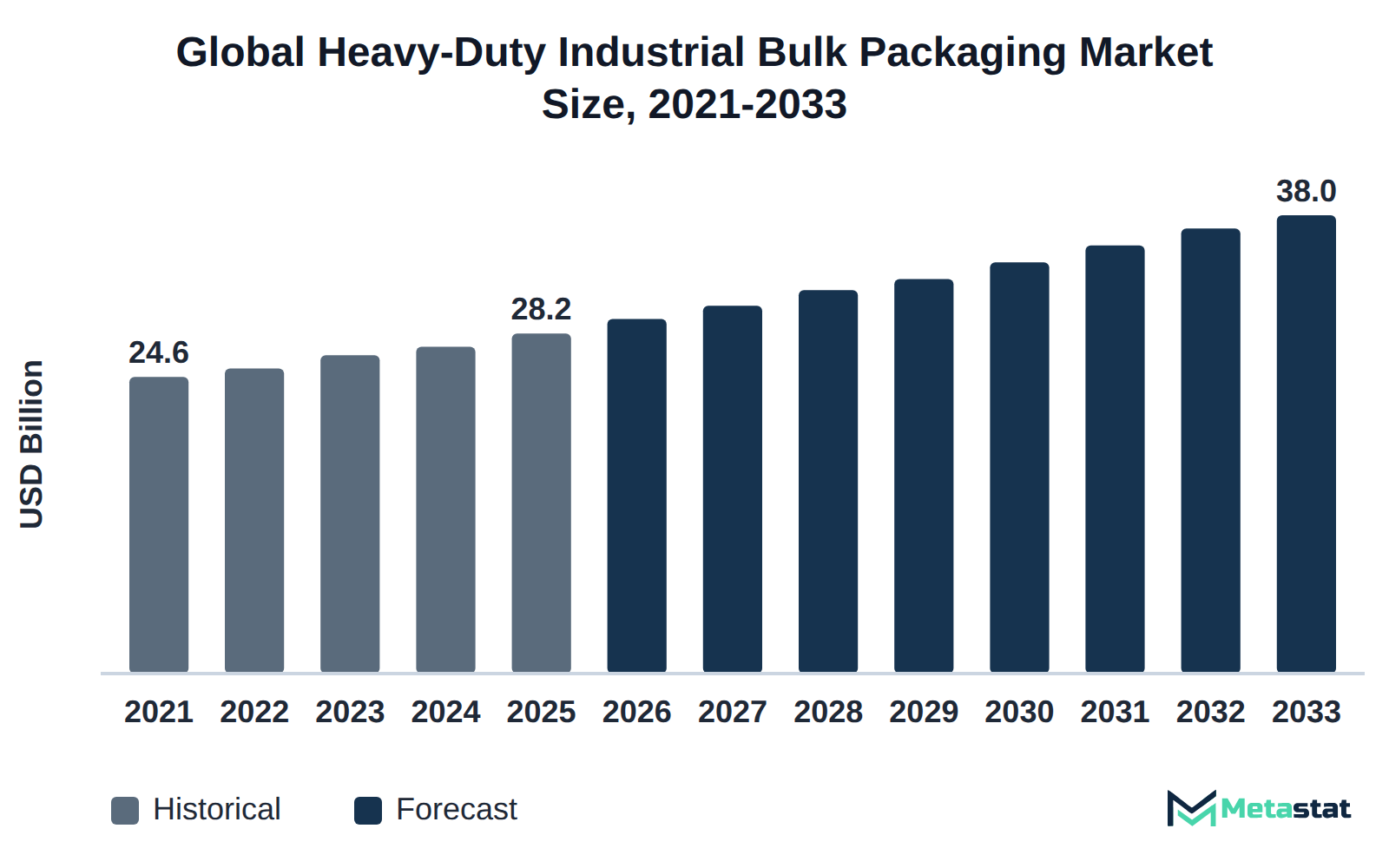
Innovations in Flexible Intermediate Bulk Containers (FIBCs) and Rigid Intermediate Bulk Containers (Rigid IBCs) significantly enhance efficiency in the Heavy-Duty Industrial Bulk Packaging market. The projected value of FIBCs is expected to rise from USD 10.8 billion in 2026 to USD 14.4 billion by 2033, reflecting a compound annual growth rate (CAGR) of 4.2%. This increase highlights the growing adoption of lightweight materials and advanced designs that improve load capacity and reduce transportation costs.
These innovations cater to industries including chemicals and petrochemicals, where safe and efficient bulk transportation is crucial. The chemicals sector anticipates a rise from USD 8.1 billion in 2026 to USD 10.9 billion by 2033, demonstrating a CAGR of 4.3%. Enhanced FIBC designs ensure compliance with safety regulations while facilitating faster loading and unloading processes, thus optimizing operational efficiency.
Investments in FIBC and Rigid IBC technology yield substantial returns for companies engaged in bulk packaging. By adopting advanced materials and innovative designs, firms streamline their supply chains, reduce waste, and lower overall costs, ensuring a competitive edge in the market. This shift drives growth opportunities and reinforces the importance of adopting modern packaging solutions in the Heavy-Duty Industrial Bulk Packaging market.
The Heavy-Duty Industrial Bulk Packaging market experiences a significant shift towards sustainable materials and reusable transport packaging. This trend arises from increasing awareness of environmental impacts and regulatory pressures prompting companies to adopt eco-friendly practices. Companies actively seek sustainable packaging solutions to meet both consumer demands and regulatory compliance.
Purchasing decisions increasingly favor suppliers offering sustainable options, reflecting a broader commitment to environmental responsibility. Price competitiveness remains crucial, as buyers evaluate total cost of ownership against potential long-term savings from reusable solutions. The trend towards sustainability enhances brand reputation and customer loyalty, directly influencing demand. Buyers prioritize green packaging alternatives, and suppliers focusing on these developments position themselves to capture a growing market segment, ultimately resulting in increased revenue opportunities for those who align with these values.
The chemical, food, and pharmaceutical industries exhibit significant demand for Heavy-Duty Industrial Bulk Packaging. These sectors need durable packaging to move their products safely and efficiently. In 2025, the chemicals and petrochemicals segment alone is projected to generate USD 8.1 billion, growing to USD 10.9 billion by 2033, reflecting a compound annual growth rate (CAGR) of 4.3%. This growth illustrates the increasing reliance on bulk packaging to facilitate the storage and movement of large quantities of materials.
Each of these industries presents unique challenges that demand specialized packaging solutions. For instance, the food and beverages segment requires compliance with stringent safety and hygiene regulations, while pharmaceutical companies emphasize tamper-proof and sterile packaging. Consequently, suppliers within the Heavy-Duty Industrial Bulk Packaging market adapt their offerings to meet these specific needs, ensuring the integrity and safety of the products carried.
While demand for these industries continues to rise, the market for Heavy-Duty Industrial Bulk Packaging is poised for expansion. Suppliers that develop innovative packaging solutions catering to the requirements of chemical, food, and pharmaceutical sectors stand to gain a competitive edge, driving overall market growth.
The trend toward high-capacity industrial bulk containers stems from increasing demand for efficient and cost-effective packaging solutions. Flexible Intermediate Bulk Containers (FIBCs) represent a significant segment of the Heavy-Duty Industrial Bulk Packaging market. They are projected to grow from USD 10.8 billion in 2026 to USD 14.4 billion by 2033, reflecting a compound annual growth rate (CAGR) of 4.2%. This growth is driven by industries including chemicals and petrochemicals, food and beverages, and agriculture, where large quantities of materials require secure and sustainable storage options.
The shift toward high-capacity containers results from the need for reduced transportation costs and improved supply chain efficiency. FIBCs allow companies to transport bulk goods more economically and with greater sustainability, aligning with the increasing focus on environmentally responsible practices. The adoption of these containers minimizes the environmental footprint associated with packaging waste, meeting the demands of consumers and regulatory frameworks.
The strong growth projections for flexible intermediate bulk containers underline evolving packaging requirements in the market. Businesses that adopt high-capacity solutions improve operational efficiency and respond effectively to changing sector demands.
Heightened demand from the food and beverages industry drives growth within the market. This sector seeks efficient bulk packaging solutions that enhance product freshness and shelf life. The shift towards sustainable and hygienic packaging options reflects consumer preferences for environmentally friendly and safe food products. While more companies within this industry adapt to these changing consumer demands, increased spending on heavy-duty industrial bulk packaging becomes apparent. By 2033, the market is projected to reach USD 38 billion, with the food and beverages segment contributing a significant portion of this growth, expected to attain USD 8.8 billion by that same year. These trends point to a strong expansion opportunity for packaging suppliers targeting the food sector.
Shifts toward automation in manufacturing processes further contribute to the demand for bulk packaging solutions. Companies implementing advanced technologies seek packaging that fits into automated systems and supports operational efficiency. This trend supports the position of heavy-duty industrial bulk packaging within the evolving industrial landscape.
Supplier focus on sustainable materials in packaging contributes to market expansion. Innovations in biodegradable and recyclable materials align with increasing environmental regulations and consumer preferences for eco-friendly solutions. This trend attracts industries committed to reducing their carbon footprint, particularly in sectors including food and beverages, chemicals, and pharmaceuticals. Adoption of these materials facilitates compliance with evolving regulations and enhances brand reputation among environmentally conscious consumers.
Investment in research and development of high-performance, sustainable packaging options supports significant growth within the Heavy-Duty Industrial Bulk Packaging market. Suppliers prioritizing sustainability achieve competitive advantages through differentiation and improved customer loyalty. Ongoing developments in material science enable durable packaging solutions that maintain product integrity while reducing environmental impact. This shift toward sustainable materials establishes new growth opportunities for suppliers while addressing increasing demand for responsible packaging solutions.
Price sensitivity among buyers within the Heavy-Duty Industrial Bulk Packaging market poses a significant challenge to adoption rates. Buyers in the chemicals and petrochemicals sector exhibit heightened caution when faced with rising packaging costs, leading to smaller orders and delayed replacements of existing solutions. This caution results from budget constraints and the necessity to manage operational expenses efficiently. Suppliers encounter slower uptake of new packaging innovations, hindering potential growth in market penetration. The market experiences increased pressure on manufacturers to provide competitive pricing while maintaining product quality, impacting profit margins. Consequently, this price sensitivity leads to stagnation in demand, limiting overall market potential and influencing investment strategies across the sector.
The Heavy-Duty Industrial Bulk Packaging market faces significant challenges due to rising input costs for materials including polypropylene and high-density polyethylene. Suppliers experience pressure on profit margins, driven by fluctuations in raw material prices and increased competition. These factors compel suppliers to seek cost-saving measures while maintaining quality standards. Several manufacturers respond by optimizing production processes and investing in advanced technologies to enhance efficiency. Strategic partnerships and long-term contracts with raw material suppliers help mitigate price volatility. In this environment, companies prioritize the development of innovative packaging solutions that balance cost-effectiveness and performance. Such strategies help suppliers remain competitive as material costs fluctuate. Overall, the challenge of input cost pressures shapes supplier strategies and impacts profitability across the heavy-duty industrial bulk packaging sector.
Flexible Intermediate Bulk Containers (FIBCs) exhibit significant growth potential within the Heavy-Duty Industrial Bulk Packaging market, supported by a projected CAGR of 4.2% from 2026 to 2033. This growth occurs due to increasing demand from various industries including chemicals and food, which require efficient, space-saving packaging solutions for bulk materials. The adoption of flexible containers aligns with industry trends toward sustainability and cost efficiency, allowing companies to optimize storage and transportation costs. Market players including Greif, Inc. and Mauser Packaging Solutions focus on developing innovative FIBC designs to capture this growing segment. The expanding utilization of FIBCs in emerging economies, combined with technological advancements in material manufacturing, enhances their appeal across different applications. This trend is expected to increase overall market penetration and revenue, contributing to the market's expansion through the forecast period.
The Global Heavy-Duty Industrial Bulk Packaging market is segmented based on Product Type, Material, and End-Use Industry.
Flexible Intermediate Bulk Containers (FIBCs), or bulk bags, serve primarily in industries including chemicals, food, and pharmaceuticals for the transportation and storage of bulk materials. Demand for FIBCs increases due to their lightweight nature and higher capacity compared to traditional packaging options. This segment experiences faster growth than other sub-segments, driven by the rising need for efficient and cost-effective packaging solutions. FIBCs differentiate themselves from Rigid Intermediate Bulk Containers by offering flexibility in application and handling, appealing particularly to companies seeking to optimize shipping costs. The expansion of the market aligns with trends in sustainability and material efficiency, driving adoption among various industries.
Rigid Intermediate Bulk Containers (Rigid IBCs) segment is estimated to reach USD 10.7 billion by 2033, at a CAGR of 4.1% during the forecast period. Rigid IBCs serve primarily for the transport and storage of liquids and bulk materials across various industries, including chemicals and pharmaceuticals. Growth in this segment benefits from increasing demand for secure and efficient packaging solutions that minimize product loss and contamination risks. A notable driver includes the rising need for reliable transportation methods in the chemical sector, which is expected to grow at a CAGR of 4.3% for its use of rigid IBCs. In comparison to Flexible Intermediate Bulk Containers, the growth rate for Rigid IBCs is slightly slower. This segment attracts buyers looking for robust solutions, often resulting in higher pricing due to material costs and design complexity. The focus on durability and safety differentiates Rigid IBCs from other product types in the market.
The Composite Intermediate Bulk Containers segment of the Heavy-Duty Industrial Bulk Packaging market is expected to reach USD 4.8 billion by 2033. These containers primarily serve to transport and store bulk materials, catering to industries including chemicals, food, and pharmaceuticals. Rising demand for these containers results from their ability to offer a cost-effective packaging solution that meets the stringent regulatory requirements of various sectors. Compared to other product types, this segment experiences moderate growth, driven by a compounded annual growth rate (CAGR) of 3.8% during the forecast period. While flexible and rigid intermediate bulk containers capture a larger share of the market, composite containers distinguish themselves through their unique material composition, providing enhanced durability and protection for sensitive products. This focus on performance leads to increased preference among buyers, facilitating a more stable market position.
Industrial Bulk Drums segment is projected to grow at a CAGR of 2.9% during the forecast period. These containers serve primarily in the storage and transport of liquids and bulk solids across various industries, including chemicals, food, and pharmaceuticals. Growing demand for efficient and reliable packaging solutions from these sectors drives this segment. In contrast, the Industrial Bulk Drums segment reflects a steadier market position, attracting buyers focused on cost-effective and durable packaging options. Increasing emphasis on sustainability and regulatory compliance influences purchasing decisions within this segment, shaping its evolution within the Heavy-Duty Industrial Bulk Packaging market.
Bulk Boxes and Industrial Octabins represent a versatile solution for the storage and transportation of bulk materials. Commonly used in industries including chemicals, food, and construction, these containers facilitate efficient handling of large quantities of products. Demand for Bulk Boxes and Industrial Octabins is driven by the need for enhanced logistical efficiency and cost-effectiveness in operations. This segment differentiates itself from other product types through its design, which offers distinct advantages in terms of stacking and transportability, allowing for increased storage density. The segment appeals to buyers focused on optimizing space and reducing transportation costs, making it a favorable option compared to traditional packaging solutions. The Bulk Boxes and Industrial Octabins segment contributes to growth in the Heavy-Duty Industrial Bulk Packaging market through its stacking and transport advantages.
Collapsible Bulk Containers feature flexible structures that provide efficient, space-saving solutions for transporting and storing bulk materials. Industries including chemicals, food and beverages, and pharmaceuticals employ these containers due to their lightweight nature and ease of handling. Demand for collapsible bulk containers is driven by the increasing need for sustainable packaging solutions that minimize waste and maximize transportation efficiency. This segment typically faces less growth pressure compared to other bulk container types, including Flexible Intermediate Bulk Containers (FIBCs) and Rigid Intermediate Bulk Containers (Rigid IBCs), which exhibit higher growth rates. While FIBCs and Rigid IBCs cater to a broader range of applications, collapsible bulk containers appeal mainly to industries where space and weight savings are critical. The emphasis on reducing transportation costs and improving operational efficiency continues to shape market dynamics.
Polypropylene (PP) segment is valued at USD 11.4 billion in 2026 and is projected to reach USD 15.2 billion by 2033, at a CAGR of 4.2% during the forecast period. This material finds extensive application in industrial polypropylene packaging for sectors including chemicals, food and beverages, and pharmaceuticals, where durability and flexibility are crucial. Growth in this segment is propelled by increasing demand for lightweight and cost-effective packaging options. The PP segment exhibits a faster growth trajectory compared to other materials, driven by its versatility and adaptability in various end-use industries. With a CAGR of 4.2%, this segment outpaces high-density polyethylene, which has a CAGR of 4.1%. Market dynamics highlight a rising need for sustainable packaging materials, encouraging manufacturers to innovate in this area, thus influencing the overall growth of the Heavy-Duty Industrial Bulk Packaging market.
High-Density Polyethylene (HDPE) segment is estimated to reach USD 9.6 billion by 2033, at a CAGR of 4.1% during the forecast period. This material is widely used for packaging in various industries, including chemicals and food, due to its strength and resistance to moisture. Growth in the chemical and food sectors drives demand for HDPE packaging solutions, particularly in applications requiring durability and reliability. The increasing preference for lightweight packaging solutions further influences this segment. Compared to other materials, HDPE exhibits a relatively faster growth rate, distinguishing it from alternatives including Low-Density Polyethylene (LDPE), which does not demonstrate the same growth potential. The focus on sustainable practices in packaging contributes to the upward trajectory of the HDPE segment, aligning with broader market trends favoring environmentally friendly materials.
Low-Density Polyethylene (LDPE) segment is expected to reach USD 4.4 billion by 2033. This material finds extensive application in the packaging of products across various industries, particularly in chemicals and petrochemicals, food and beverages, and agriculture. The increasing demand for lightweight yet durable packaging solutions drives growth for this segment. Its projected CAGR aligns with the higher growth rates of other materials, including Polypropylene (PP) at 4.2% and High-Density Polyethylene (HDPE) at 4.1%. Cost competitiveness remains crucial for LDPE, influencing purchasing decisions among buyers seeking affordable options. Continuous advancements in production technologies are expected to enhance performance and reduce the costs of LDPE products, further supporting its adoption in the market. Unlike several alternatives, LDPE offers unique benefits, including flexibility and resistance to moisture, making it a preferred choice in various applications.
Steel offers strength and durability for industrial bulk packaging across various applications. This material finds significant use in sectors including chemicals and petrochemicals, where secure containment of hazardous substances is crucial. The steel segment is projected to grow at a CAGR of 3% during the forecast period. Demand for steel packaging reflects the increasing emphasis on safety and reliability in transporting goods. However, this segment faces competitive pressure from lighter alternatives like polypropylene and high-density polyethylene, which offer advantages in weight and cost. Despite these challenges, the unique properties of steel contribute to its ongoing relevance in heavy-duty applications, appealing to industries requiring stringent performance standards. The anticipated growth within the market highlights the importance of material selection aligned with industry needs.
Fiberboard and corrugated paperboard provide a practical option for packaging bulk materials, offering lightweight yet sturdy characteristics. This segment finds usage primarily in sectors including food and beverages, chemicals, and agriculture, where sustainable and recyclable solutions hold increasing importance. Demand for environmentally friendly packaging solutions drives growth in this segment, aligning with broader trends in the Heavy-Duty Industrial Bulk Packaging market. Unlike other materials, Fiberboard and Corrugated Paperboard provide a lower-cost alternative, appealing to budget-conscious buyers, contributing to steady adoption among several small to medium enterprises. The focus on sustainability and recyclability differentiates this segment, positioning it as a viable option for companies prioritizing eco-friendly practices while fulfilling their packaging needs. Increasing regulatory pressures regarding waste reduction further support the expansion of this segment.
This segment finds utility in the transportation and storage of various chemical and petrochemical products, including liquid and solid materials. Industries including chemical manufacturing and oil refining rely heavily on this segment for efficient bulk packaging solutions. Regulatory requirements surrounding safety and environmental standards drive demand within this segment, prompting manufacturers to seek reliable packaging options. Compared to other segments, the chemicals and petrochemicals segment exhibits a faster growth rate, reflecting a robust CAGR of 4.3% due to rising demand for sustainable and efficient packaging solutions. The market benefits from advancements in packaging technology, enhancing performance and safety features that align with industry needs.
The Food and Beverages segment is estimated to reach USD 8.8 billion by 2033, at a CAGR of 4.1% during the forecast period. This segment focuses on packaging solutions for transporting various food products and beverages, emphasizing safety and compliance with stringent regulations. Key players in this segment include manufacturers of food products, beverage companies, and logistics providers involved in food distribution. Increasing consumer demand for packaged foods and beverages drives growth in this segment. The presence of stringent food safety regulations necessitates high-quality packaging solutions, setting this segment apart from others. Compared to the Pharmaceuticals segment, which has a CAGR of 3.5%, the Food and Beverages segment shows a more favorable growth trajectory. The market’s ability to address specific regulatory requirements and consumer preferences for sustainable and safe packaging further enhances its appeal.
The pharmaceuticals segment is expected to reach USD 3.5 billion by 2033. This segment finds application in the healthcare sector, specifically in the storage and transportation of drugs and medicinal products. The increasing emphasis on safe and efficient packaging solutions drives demand, owing to regulatory compliance requirements in the industry. The segment is characterized by a higher price point compared to others, reflecting the need for specialized materials and safety standards in handling pharmaceuticals. With a projected CAGR of 4.1%, the segment experiences faster growth compared to other end-use industries, driven by ongoing advancements in healthcare and the expanding pharmaceutical market. The market's focus on quality and safety ensures that producers maintain stringent standards, differentiating this segment from lower growth areas including agriculture and fertilizers.
Agriculture and Fertilizers segment is projected to grow at a CAGR of 3.4% during the forecast period. This segment primarily serves the agricultural sector, focusing on the packaging of fertilizers, seeds, and other critical agricultural inputs. Significant demand stems from the increasing need for effective and efficient packaging solutions to ensure product quality during storage and transport. The rising emphasis on sustainable agricultural practices further drives the adoption of bulk packaging materials that minimize waste and enhance supply chain efficiency. Unlike other segments, Agriculture and Fertilizers faces specific regulatory pressures regarding safety and environmental impact, influencing packaging choices and costs. The segment's growth trajectory reflects overall trends in agricultural production and investment, contributing positively to the market's performance.
The construction and building materials segment serves various applications within the construction industry, including the packaging of materials including cement, sand, and aggregates. This segment attracts buyers from construction firms and material suppliers who require durable and efficient solutions for transporting bulk materials. An increasing focus on sustainable construction practices drives demand for packaging that minimizes environmental impact while maintaining strength. Differentiating factors include a slower growth rate compared to other segments within the End-Use Industry category. The market for construction packaging emphasizes lower pricing strategies, appealing to price-sensitive buyers. Regulatory pressures for sustainable materials further influence purchasing decisions, pushing suppliers to innovate and adapt their offerings to meet environmental standards. Overall, this segment presents unique applications that align with the evolving needs of the construction industry while navigating cost and regulatory challenges.
Mining and Minerals is a significant segment for extracting and transporting raw materials including metals, minerals, and coal. This sector primarily serves mining companies that require durable and reliable packaging solutions to handle bulk materials. Demand for heavy-duty industrial bulk packaging in this segment derives from the increasing need for efficient logistics and transportation of mined resources. The segment differs from others by exhibiting steady growth patterns driven by the global demand for minerals and metals, which continuously fuels investment in extraction technologies. Regulations governing environmental sustainability and material handling practices influence packaging choices, leading to innovations that enhance safety and minimize environmental impact. Other segments, including Food and Beverages, grow at faster rates. Mining and Minerals remains essential to supply chains across industries that rely on mineral resources, which contributes to overall market growth.
Plastics and Polymers form a critical segment within the Heavy-Duty Industrial Bulk Packaging market, serving various industries in need of durable and lightweight packaging solutions. This segment finds significant applications in sectors including chemicals, food, and consumer goods, where efficient containment and transport of materials are essential. Demand within this segment is propelled by increasing production of plastics and a growing focus on sustainable packaging options. Innovations in material technology further advance adoption, leading to more efficient packaging solutions that meet ecological standards. Pricing dynamics in this segment reflect fluctuations in raw material costs and production efficiencies. This segment experiences stable demand, driven by ongoing industrial activities, unlike sectors that face more volatile trends. Overall, the growth of the plastics and polymers sub-segment contributes to the overall expansion of the market.
This segment serves various industries by providing bulk packaging solutions tailored to specific requirements, enhancing operational efficiency and safety during transportation. The driving force behind growth includes increasing demand for reliable and efficient packaging options from sectors including food, chemicals, and pharmaceuticals. Differentiating from other segments, this segment emphasizes versatility and adaptability, allowing for a broader range of uses and customer bases. Competitive pricing and innovative packaging technologies significantly influence adoption rates and market penetration. Factors including environmental concerns and the push for sustainable materials further shape the dynamics in the Heavy-Duty Industrial Bulk Packaging market.
Based on geography, the Global Heavy-Duty Industrial Bulk Packaging market is divided into North America, Europe, Asia-Pacific, South America, Middle East, and Africa.
Demand for heavy-duty industrial bulk packaging in North America is driven by the chemicals and petrochemicals, food and beverages, and pharmaceuticals industries. These sectors require efficient and durable packaging solutions to transport a wide range of products. Significant investments in infrastructure enhancements contribute to market growth, particularly in the United States, Canada, and Mexico. North America holds a share of 27.2% of the global market in 2025, reflecting the region's importance. By the end of 2033, North America is projected to reach USD 9.6 billion, reflecting a growing reliance on bulk packaging solutions. The market aligns with the region's industrial activities, supporting manufacturers in meeting stringent regulatory requirements while optimizing logistics.
The Heavy-Duty Industrial Bulk Packaging market in Europe benefits from strong demand driven by various industries, including chemicals and petrochemicals, food and beverages, and pharmaceuticals. Countries like Germany, France, and the UK stand out due to their advanced manufacturing sectors and robust distribution networks. Regulatory conditions, including stringent quality and safety standards, enhance the market's operational framework. The market share for this region in 2025 is estimated at 24.00%, reflecting significant penetration in key sectors. Continuous innovation in packaging solutions aligns with evolving industry needs, facilitating the growth trajectory of the market. Projections indicate a favorable environment for investments in sustainable packaging technologies, positioning Europe as a competitive player in the global market.
The Asia-Pacific region is a significant contributor to the Heavy-Duty Industrial Bulk Packaging market, accounting for 34.6% of the global share in 2025. Key industries including chemicals and petrochemicals drive demand, particularly in countries like China and India, where manufacturing activities expand rapidly. Infrastructure improvements and investments in logistics enhance packaging capabilities across the region, facilitating smoother supply chains. Increased consumption of packaged goods in food and beverages further supports market growth, particularly in Southeast Asia. In addition, regulatory frameworks promoting sustainable packaging solutions influence market dynamics, pushing manufacturers to adapt innovative practices. The market's trajectory reflects robust demand from diverse end-use industries, indicating strong growth potential through 2033.
Demand for the Heavy-Duty Industrial Bulk Packaging market in South America is driven primarily by the chemicals and petrochemicals sector, alongside food and beverages. Brazil and Argentina stand out due to their substantial industrial activities and growing economies. The region faces challenges related to infrastructure, impacting the cost-effectiveness of supply chains and logistics. However, the increasing focus on sustainable packaging solutions has opened opportunities for innovation in bulk packaging materials within these countries. The market share in South America is projected at 6.2% in 2025, indicating a modest growth pathway through 2033. Key players in the market are likely to enhance their operations to capitalize on regional demand trends, further supporting sector development.
The Middle East and Africa represent a growing segment within the Heavy-Duty Industrial Bulk Packaging market, driven by industries including chemicals, food, and agriculture. Saudi Arabia and the UAE contribute significantly to demand through their expanding industrial sectors and increasing investments in infrastructure. South Africa's mining activities support market growth, reflecting the need for robust packaging solutions in transportation and storage. The region's share in the global market reached 8.0% in 2025, indicating a steady upward trend in consumption of bulk packaging. Challenges include fluctuating raw material costs and varying regulations governing packaging standards, which impact procurement strategies. These dynamics shape the market, influencing manufacturers and end-users seeking efficient packaging solutions.
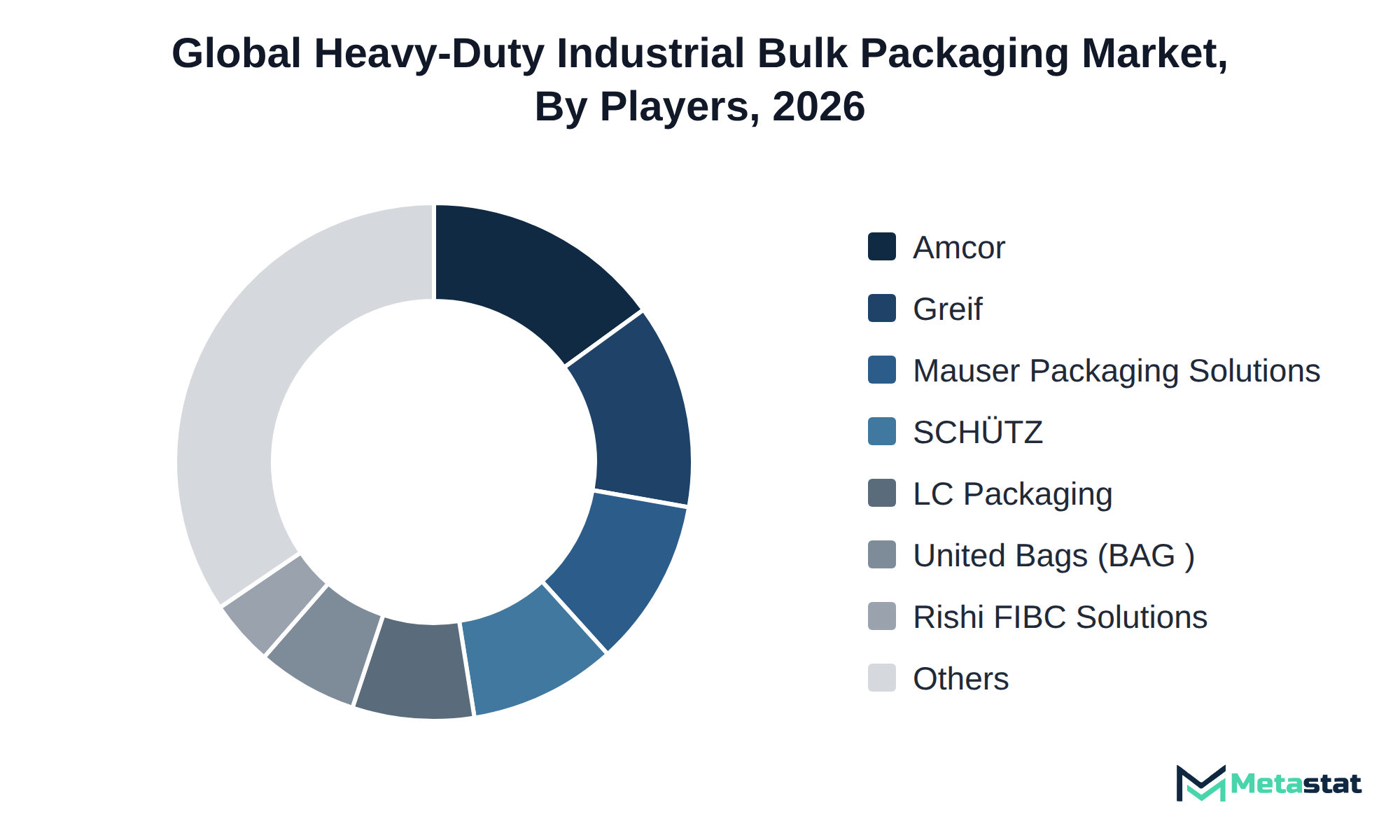
Companies in the Heavy-Duty Industrial Bulk Packaging market compete on product offerings and customer service. Segmentation occurs largely by product type, with key players focusing on flexible intermediate bulk containers, rigid intermediate bulk containers, and industrial bulk drums. Buyers prioritize factors including price, customization, certification, and service quality when selecting suppliers in this market.
Greif, Inc. emphasizes a broad product range while maintaining strong customer service commitments. Mauser Packaging Solutions offers an extensive portfolio of rigid and flexible packaging solutions tailored to specific industries, particularly chemicals and food. Amcor plc focuses on sustainability initiatives and innovative packaging solutions, distinguishing itself by offering eco-friendly options that appeal to environmentally conscious buyers in the market.
Achieving this growth requires several key developments within the Heavy-Duty Industrial Bulk Packaging market. One critical factor is the increasing adoption of Flexible Intermediate Bulk Containers (FIBCs), expected to grow from USD 10.8 billion in 2026 to USD 14.4 billion by 2033, driven by demand in the chemicals and petrochemicals industry. Another important driver is the rise in demand for polypropylene (PP) materials, projected to increase from USD 11.4 billion in 2026 to USD 15.2 billion by 2033, reflecting trends in various end-use sectors including food and beverages.
Despite these positive trends, risks exist that could hinder market growth. Economic fluctuations or disruptions in supply chains, particularly in the Asia Pacific region, impact production and delivery timelines. This potential instability could restrict access to crucial materials, slowing the market's expansion. While the industry evolves, addressing these challenges will be essential to reach the projected market size.
By Product Type: Flexible Intermediate Bulk Containers (FIBCs / Bulk Bags), Rigid Intermediate Bulk Containers (Rigid IBCs), Composite Intermediate Bulk Containers, Industrial Bulk Drums, Bulk Boxes and Industrial Octabins, Collapsible Bulk Containers
By Material: Polypropylene (PP), High-Density Polyethylene (HDPE), Low-Density Polyethylene (LDPE), Steel, Fiberboard and Corrugated Paperboard
By End-Use Industry: Chemicals and Petrochemicals, Food and Beverages, Pharmaceuticals, Agriculture and Fertilizers, Construction and Building Materials, Mining and Minerals, Plastics and Polymers, By
The report strategically identifies and profiles the key market players and analyses their core competencies in each sub-segment of the Heavy-Duty Industrial Bulk Packaging market.
Report Attributes | Details |
Study Period | 2021-2033 |
Base Year | 2025 |
Estimated Year | 2026 |
Forecast Period | 2026-2033 |
Historical Period | 2021-2025 |
Growth Rate | CAGR 3.8% from 2026 to 2033 |
Revenue Unit | USD billion |
Segmentation | By Product Type, Material, End-Use Industry, and Region |
By Region | North America (By Product Type, Material, End-Use Industry, and Country)
|
Europe (By Product Type, Material, End-Use Industry, and Country)
| |
Asia Pacific (By Product Type, Material, End-Use Industry, and Country)
| |
South America (By Product Type, Material, End-Use Industry, and Country)
| |
Middle East and Africa (By Product Type, Material, End-Use Industry, and Country)
|
Find answers to common questions about this report
The Heavy-Duty Industrial Bulk Packaging market size was valued at USD 28.2 billion in 2025.
The market is projected to grow at a CAGR of 3.8% during the forecast period from 2026 to 2033.
The North America Heavy-Duty Industrial Bulk Packaging market size is estimated to reach USD 9.6 billion by 2033.
Flexible Intermediate Bulk Containers (FIBCs / Bulk Bags) lead the Heavy-Duty Industrial Bulk Packaging market with a projected value of USD 14.4 billion by 2033. This segment shows the highest growth rate among product types, with a CAGR of 4.2%.
Heightened demand from the food and beverages industry drives growth within the market, as companies seek efficient bulk packaging solutions that enhance product freshness and shelf life. The shift towards sustainable materials in packaging aligns with increasing environmental regulations and consumer preferences for eco-friendly solutions, attracting industries committed to reducing their carbon footprint.
Price sensitivity among buyers restrains growth within the Heavy-Duty Industrial Bulk Packaging market, particularly in the chemicals and petrochemicals sector. Rising input costs for materials including polypropylene and high-density polyethylene pressure profit margins, prompting suppliers to seek cost-saving measures while maintaining quality standards.
Heightened demand from the food and beverages industry drives adoption of heavy-duty industrial bulk packaging due to the need for efficient and sustainable solutions. The focus on innovative, biodegradable materials aligns with evolving consumer preferences and regulatory standards, enhancing market appeal among environmentally conscious sectors.
The Heavy-Duty Industrial Bulk Packaging market is estimated to reach a valuation of USD 38 billion by 2033.
Key players operating in the Heavy-Duty Industrial Bulk Packaging market include Greif, Inc., Mauser Packaging Solutions, SCHÜTZ, Amcor plc, LC Packaging, United Bags (BAG Corp), and Rishi FIBC Solutions Pvt. Ltd.
Heightened demand from the food and beverages industry drives growth within the market. The sector seeks efficient bulk packaging solutions that enhance product freshness and shelf life.
The analysts below cover Packaging research at Metastat Insights.
LEAD ANALYST
Utkarsh Khirodkar is a Lead Market Research Analyst at MetaStat Insight, specializing in market intelligence, technology sector assessments, and competitive strategy.

SENIOR RESEARCH ANALYST
Biotechnology · Food and Beverages · Medical Devices · Packaging
Snehal Pasalkar is a Research Analyst at MetaStat Insight, operating at the intersection of life sciences research, competitive strategy, and market intelligence.

INDUSTRY CONSULTANT - CHEMICALS & ADVANCED MATERIALS
Chemicals and Materials · Machinery & Equipment · Packaging
Amit Gadhekar Consultant for Chemicals and Materials at MetaStat Insight, directing sector-specific intelligence, research, and strategic consulting across global chemical and processing markets.
Evaluating sensor fusion reliability across harsh operating environments can be tricky without field-validated data. The study on agricultural autonomous guidance systems clearly separated stereo vision setups from automotive-grade solid-state LiDAR. We appreciated the regional infrastructure analysis, specifically around RTK network density across North America and South America. During our follow-up consultation, the MetaStat Insight team walked through tier-two perception software partnerships, giving our engineering leads a practical basis for vendor shortlisting.
Analyzing the transition from natural gas to green hydrogen in iron ore reduction requires realistic infrastructure timelines. Meta stat insight supplied a detailed regional assessment of DRI plant conversion costs and scrap metal availability in North America and Western Europe. Their report carefully examined pellet quality specs and electrical grid access constraints without making oversimplified market assumptions. The research material served as a practical reference during internal technology roadmap discussions.
Integrating zero-trust access controls across legacy electronic health record systems involves complex compliance overhead. Team produced an analysis that clearly separated identity governance and administration tools from privileged access management platforms. Their evaluation of HIPAA and GDPR compliance features across cloud native solutions gave our architecture group clear baseline criteria. The custom data request regarding biometric authentication adoption in hospital networks was returned promptly with clear documentation.
Explore related market intelligence reports worth reading alongside this one.