
LEAD ANALYST
Utkarsh Khirodkar is a Lead Market Research Analyst at MetaStat Insight, specializing in market intelligence, technology sector assessments, and competitive strategy.

Global Paper Cups Market Size, Share, By Type (Hot Paper Cups and Cold Paper Cups), By Cup Capacity (Up to 150 ml, 151 to 350 ml, 351 to 500 ml, and Above 500 ml), By Wall Type (Single Wall Paper Cups and Double Wall Paper Cups), By End-User (Households, QSR, and Others), Industry Analysis, Growth, Trends, and Forecast, 2026-2033
Report ID
MSI-5744
Published
November, 2026
Pages
253 Pages
Format
Historical
Base year
Forecast
Forecast period
Report Details
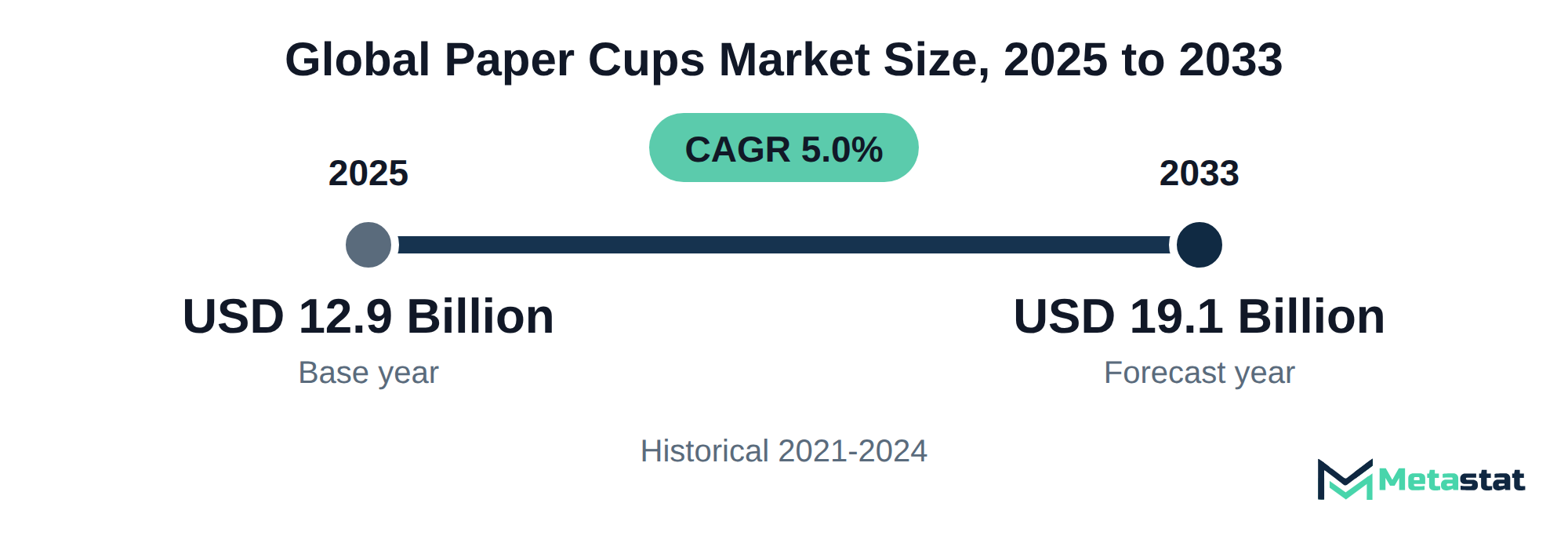
Market Valuation: Valued at $12.9 Billion in 2025, projected to reach $19.1 Billion by 2033 at a 5.0% CAGR.
Dominant Segment: The hot paper cups segment leads the market, driven by increasing consumer demand for convenient beverage solutions, particularly in quick-service restaurants.
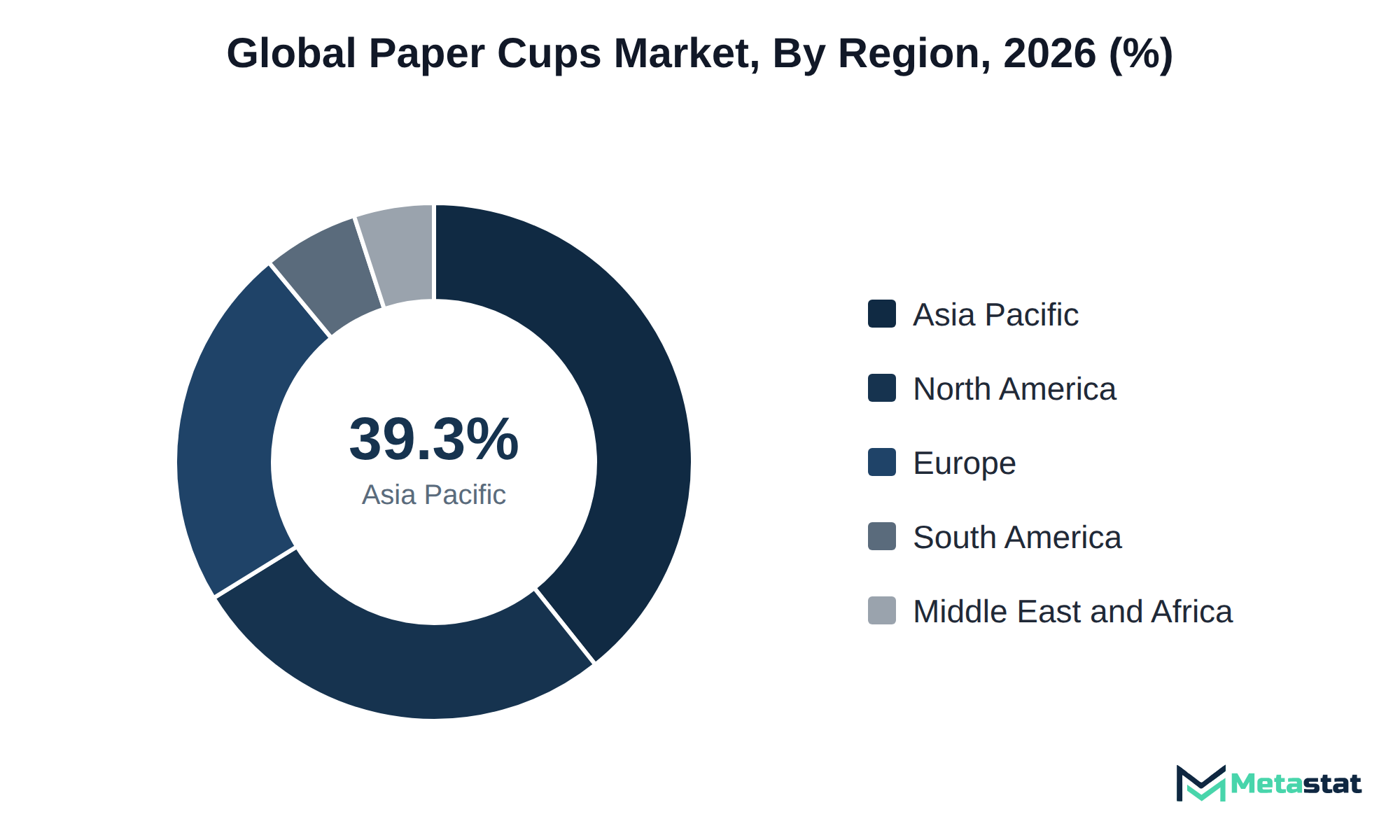
Geographic Lead: Asia Pacific is the fastest-growing region, accounting for 39.3% of the market in 2025, fueled by urbanization and a rising coffee culture.
What's Inside: The report provides comprehensive coverage of market dynamics, competitive analysis, and detailed forecasts from 2026 to 2033, focusing on various segments and regional insights.
Innovative Materials: The adoption of biodegradable and compostable materials is reshaping the market, with the cold paper cups segment projected to reach USD 8.4 billion by 2033, reflecting a CAGR of 5.5%.
Contract Models: Long-term contracts are prevalent among major buyers like quick-service restaurants, ensuring stable supply and pricing amidst rising material costs.
Choose Your License
Global Paper Cups Market
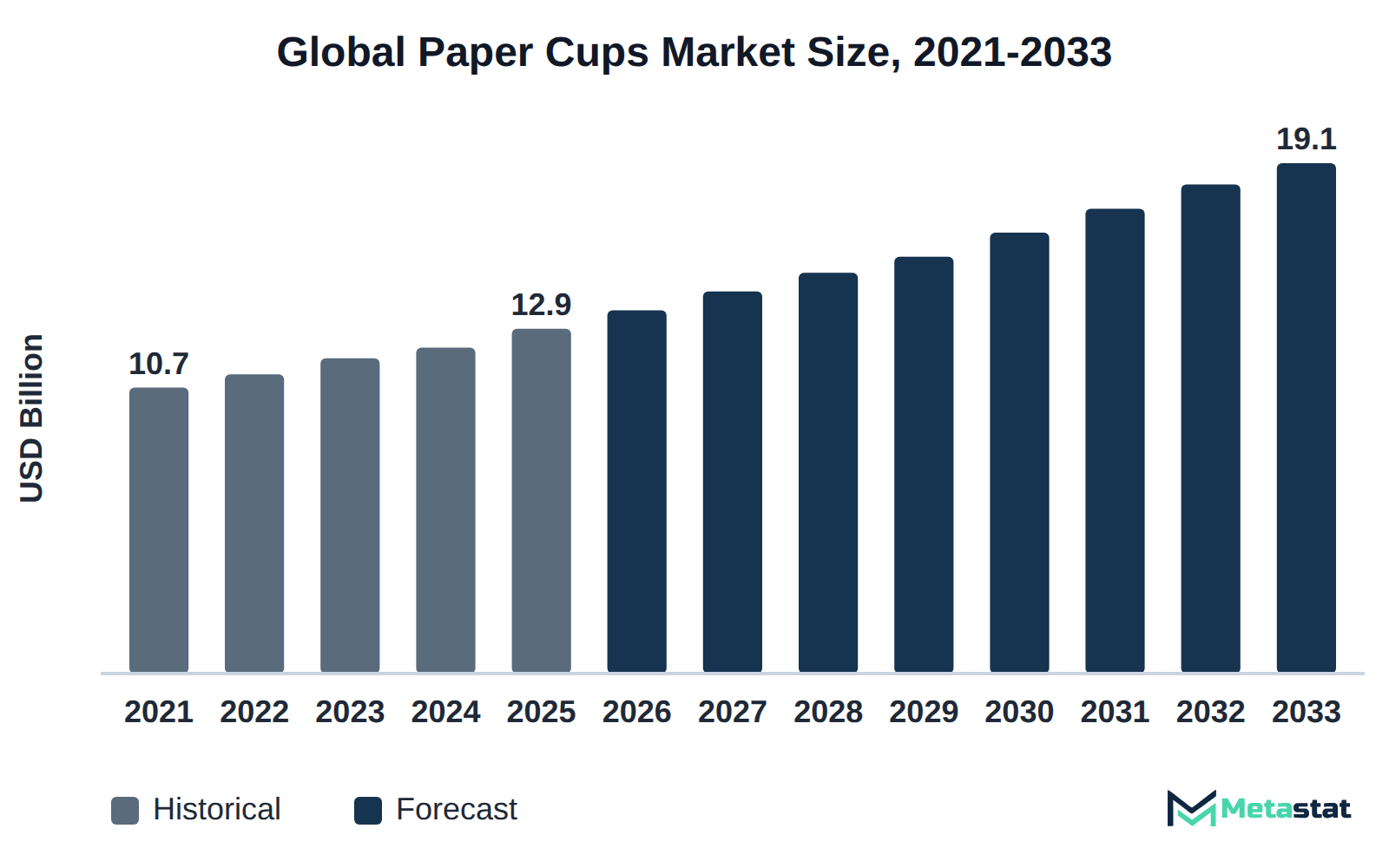
The global Paper Cups market was valued at USD 12.9 billion in 2025 and is projected to reach USD 19.1 billion by 2033, growing at a CAGR of 5.0% over the forecast period.
The Paper Cups market encompasses a wide range of disposable cups designed for both hot and cold beverages, catering to various end-users including households and quick service restaurants (QSR). Buyers invest in these products due to the growing trend of convenience and sustainability, with a shift towards eco-friendly materials driving purchasing decisions. The market reflects a significant response to consumer preferences for ready-to-use packaging, enhancing the appeal of paper cups across diverse sectors.
Growth in the market is largely propelled by the increasing demand for hot paper cups, which represents the highest value segment within the industry. North America holds 26.9% of the market in 2025, with the US leading in 2026. This region benefits from a strong consumer base that prioritizes convenience, particularly in foodservice and retail settings, leading to robust demand for disposable beverage containers.
Investments in innovation and sustainable practices further support growth in the Paper Cups market. The Asia Pacific region, with a share of 39.3%, is expected to experience rapid growth, driven by urbanization and changing lifestyles. The demand for environmentally friendly products aligns with global efforts to reduce plastic waste, creating opportunities for the market to evolve and meet consumer expectations.
The Paper Cups market includes various types of disposable cups designed for different beverage applications. Buyers invest in this market due to the growing demand for convenient and eco-friendly packaging solutions. The versatility of paper cups in multiple settings, including coffee shops, restaurants, and households, drives increased spending across diverse consumer segments.
Hot Paper Cups currently represent the segment with the highest market value, reflecting consumer preferences for on-the-go beverage options. The Asia Pacific region follows closely, driven by rapid urbanization and a growing middle class that fuels demand for takeaway beverages. North America is projected to account for 26.9% of the market in 2025, with the US leading in 2026.
Rising consumer awareness of environmental sustainability is a significant growth driver. This shift encourages businesses to adopt eco-friendly packaging alternatives, including paper cups, which consumers often perceive as more sustainable than plastic packaging counterparts. The increasing regulatory focus on reducing plastic waste further supports the adoption of paper cups in various industries.
A notable shift within the Paper Cups market involves the increasing adoption of biodegradable and compostable materials. These materials address the growing consumer demand for environmentally friendly packaging solutions. The Cold Paper Cups segment is projected to reach USD 8.4 billion by 2033, reflecting a compound annual growth rate of 5.5%. This segment particularly benefits from the rising preference for sustainable options among consumers and businesses.
Manufacturers are responding by incorporating advanced bioplastics and recycled paper in their products, enhancing both sustainability and performance. The trend is evident as suppliers strive to meet regulatory pressures and consumer expectations for eco-friendly options. Companies that invest in researching and developing these innovative materials position themselves competitively within the market, appealing to environmentally conscious buyers.
Enhanced material technology helps companies differentiate their offerings and aligns with broader market trends focused on sustainability. The shift towards biodegradable materials leads to increased market share for companies that effectively implement these solutions, driving future revenue growth and establishing stronger brand loyalty among consumers.
Buyers in the Paper Cups market frequently engage in various purchasing strategies that align with their operational needs. Pricing models are an important factor in these strategies and vary across segments. For instance, the segment for Hot Paper Cups exhibits a projected value increase from USD 7.8 billion in 2026 to USD 10.7 billion by 2033, reflecting a compound annual growth rate (CAGR) of 4.6%. This pricing structure impacts buyer negotiations, with large orders often securing volume discounts that significantly reduce overall costs.
Contract models play a significant role in how buyers secure supplies. Long-term contracts are common for major players, ensuring a stable supply of Paper Cups while locking in prices that protect against market volatility. Suppliers often offer flexible payment terms to accommodate the cash flow requirements of different buyers. Such arrangements are particularly valuable for segments like Quick Service Restaurants (QSR), expected to reach a valuation of USD 11.6 billion by 2033, allowing for predictable budgeting and cost management.
Ultimately, understanding these purchasing dynamics in the Paper Cups market provides buyers with a strategic advantage. Favorable contract terms and pricing models improve operational efficiency and help firms adapt to fluctuating demand while maintaining profitability.
Households represent a significant buyer group within the Paper Cups market, displaying distinct needs compared to commercial entities. The demand for paper cups in households is driven by the increasing preference for convenience and eco-friendliness when buying party supplies for casual gatherings and family events. Households seek products that align with sustainability goals while ensuring quality and functionality.
By 2033, the revenue from paper cups used in households is expected to reach USD 3.8 billion, reflecting a compound annual growth rate (CAGR) of 3.8% from 2026. This growth indicates a shift in consumer behavior toward disposable products that minimize environmental impact. Households prioritize innovative designs and sizes that cater to various occasions, thus influencing their purchasing decisions.
Manufacturers and suppliers targeting households should focus on developing eco-friendly paper cups that meet these evolving consumer preferences. Engaging in sustainable practices, including using recyclable materials, positions companies optimally within this buyer segment. Addressing the specific needs of households contributes to overall growth and demand in the market.
The Paper Cups market is projected to experience significant growth over the forecast period. The Paper Cups market is expected to grow from a base value of USD 12.9 billion in 2025 to USD 19.1 billion by 2033, reflecting a compound annual growth rate (CAGR) of 5%. This upward trend indicates robust demand for paper cups, spurred by increasing environmental concerns surrounding single-use plastics and a shift towards green packaging solutions.
Such growth suggests that consumers and businesses increasingly prefer hot paper cups over traditional alternatives, influencing purchasing decisions across various industries, including foodservice and retail. The surge in demand for these products shows that sustainable practices matter in the market.
Companies in this sector use these growth projections to improve their product offerings and capture a larger market share, which drives significant revenue increases.
Recent changes in consumer preferences significantly influence demand within the Paper Cups market. Increasing awareness of environmental issues leads to a growing preference for sustainable products, including disposable paper cups. Buyers from various segments, particularly quick-service restaurants (QSR), shift towards eco-friendly options that align with sustainability objectives. This transition results in heightened demand for biodegradable and compostable paper cups.
In 2025, the market recorded a value of USD 12.9 billion, reflecting the rising inclination towards environmentally responsible products. The anticipated growth in the QSR sector contributes to a projection of USD 11.6 billion for this segment by 2033. As consumer preferences evolve, QSR establishments increasingly adopt sustainable practices, which supports significant growth in demand for paper cups.
Investments in advanced production technologies enhance efficiency in the creation of disposable products. Innovations in manufacturing techniques address the growing demand for sustainable Paper Cups, enabling suppliers to adopt materials that align with environmental standards. Adoption of automated systems streamlines operations, reducing labor costs and improving product consistency. Suppliers using these technologies achieve significant reductions in waste, which translates into cost savings and improved profitability. The integration of digital tools supports smart manufacturing through real-time monitoring of production, allowing for rapid adjustments to maintain quality and reduce downtime. Such technological developments enable firms to respond effectively to the evolving needs of the market, creating a competitive edge. The Paper Cups market benefits from these advancements, driving higher adoption rates among environmentally conscious consumers and businesses. Continuous improvements in production capabilities contribute to overall market growth, positioning suppliers to capitalize on emerging opportunities within the industry.
Increasing raw material costs significantly impact the Paper Cups market, with suppliers facing higher expenses in sourcing materials. These rising costs particularly affect quick-service restaurants (QSR), a major buyer group, leading to higher retail prices for consumers. Consequently, many QSRs adjust their purchasing strategies, reducing order volumes or delaying equipment upgrades to manage expenses effectively. The challenge of escalating costs results in slower adoption rates and smaller order sizes, ultimately impacting profitability in the market. Buyers navigating these constraints experience diminished ability to commit to larger volumes or new product lines, affecting overall growth trajectories. Balancing cost pressures with the need for sustainable packaging solutions remains crucial for stakeholders aiming to maintain market relevance.
Supply chain challenges persist within the Paper Cups market, impacting profitability for manufacturers. Fluctuations in the cost of raw materials, particularly paper and polymers, exert pressure on profit margins. Suppliers address these challenges by exploring alternative sourcing strategies and optimizing production efficiencies, which help mitigate the impact of rising input costs. Increased demand for sustainable materials drives investment in research and development, enabling suppliers to identify cost-effective and eco-friendly alternatives that align with market trends. This shift enhances competitiveness while addressing consumer preferences for sustainable products. Financial pressures persist, prompting manufacturers to prioritize innovation and efficiency to sustain profitability while adapting to evolving market dynamics.
The hot paper cups segment presents significant growth potential within the Paper Cups market, driven by increasing consumer demand for convenient beverage solutions. The rising popularity of coffee, tea, and other hot beverages in quick service restaurants (QSR) and retail settings directly influences this upward trajectory. Growing preferences for single-use products, particularly among younger consumers, contribute to the demand for hot paper cups. QSR establishments are improving their offerings in line with evolving consumer habits, and investments in this segment position suppliers to capture growth opportunities. The market's responsiveness to changing consumer behaviors emphasizes the significance of the hot paper cups segment within the broader market.
The Global Paper Cups market is segmented based on Type, Cup Capacity, Wall Type, and End-User.
Hot paper cups primarily serve restaurants, cafes, and other food service providers that require disposable solutions for serving hot beverages. Growth in this segment is driven by increasing consumer preferences for convenience and sustainability, with many buyers prioritizing eco-friendly options. The growth rate of Hot Paper Cups is slower compared to Cold Paper Cups, which achieves a CAGR of 5.5%. The higher demand for hot beverages in quick service restaurants contributes to the steady performance of this segment. While single wall paper cups are popular, double wall options offer better insulation, enhancing consumer experience by preventing burns and differentiating this segment from cold paper cups.
Cold paper cups serve a variety of cold beverage needs, mainly for quick-service restaurants (QSRs), cafes, and catered events. The growth in consumer preference for cold beverages drives demand for this segment. Increased awareness of environmental sustainability influences purchasing decisions, with many buyers opting for eco-friendly options. Compared to Hot Paper Cups, this segment experiences more significant growth, with a higher CAGR, reflecting the rising consumption of iced drinks and the overall shift toward convenience in food services. The substantial share of QSRs as end-users emphasizes the value of cold paper cups in dynamic dining environments, further contributing to revenue growth.
Valued at USD 2.4 billion in 2026, this segment is projected to reach USD 3.2 billion by 2033, at a CAGR of 4.3% during the forecast period. Cups with a capacity of up to 150 ml serve various purposes, primarily for small servings of beverages including coffee, tea, and juices. Households, quick-service restaurants (QSR), and cafes frequently rely on this capacity for convenience in serving and consumption. Demand is driven by an increased preference for smaller portion sizes, reflecting changing consumer habits. This segment experiences slower growth compared to larger capacity cups, particularly those in the 151 to 350 ml range, which benefit from a higher CAGR of 4.7%. The lower price point for these smaller cups appeals to cost-conscious buyers, ensuring steady demand in both household and commercial settings.
The 151 to 350 ml segment is estimated to reach USD 9.1 billion by 2033, at a CAGR of 4.7% during the forecast period. This capacity range primarily serves quick-service restaurants (QSRs) and other foodservice businesses that require cups for mid-sized beverage servings. Demand for these cups is driven by the growing trend of takeaway and delivery services, prompting businesses to provide convenient options for consumers. Compared to other segments, this category experiences steadier growth, supported by its versatility and affordability, which appeal to a broader customer base. In contrast, the up to 150 ml segment targets smaller servings, while larger capacity options cater to different beverage needs; thus, the 151 to 350 ml segment occupies a unique space within the market, balancing capacity and usability.
Valued at USD 5 billion by 2033, the 351 to 500 ml segment serves various beverage applications that appeal primarily to quick-service restaurants (QSR) and event caterers. This segment's growth is driven by ongoing demand for larger drink servings, particularly in foodservice environments where single-use consumption trends remain prevalent. Compared to smaller capacities, this segment offers a competitive edge by capturing consumers seeking convenience and portion control. With a projected CAGR of 5.0%, the segment demonstrates strong performance against its counterparts. The ongoing shift toward sustainable packaging solutions presents a challenge, with buyers increasingly prioritizing eco-friendly products. This pressure aligns with broader market trends, pushing suppliers to innovate in material selection while maintaining cost efficiency. This segment's distinct characteristics position it uniquely within the broader paper cups market, driving growth through strategic pricing and consumer engagement.
Above 500 ml segment is projected to grow at a CAGR of 6.3% during the forecast period. This segment typically serves large beverages, appealing to buyers including restaurants and coffee shops that offer sizable drink options. Increasing consumer demand for larger serving sizes in both foodservice and retail settings drives growth in this segment. Compared to the other capacity segments, this category features a higher growth rate, positioning it attractively for manufacturers. Businesses respond to evolving consumer preferences by offering larger paper cups, enhancing their product lines and catering to specific beverage trends. This approach contrasts with smaller capacity segments that experience slower growth, indicating a shift in consumer behavior toward larger beverage sizes that align with contemporary consumption patterns.
Single Wall Paper Cups segment is valued at USD 9 billion in 2026 and is projected to reach USD 12 billion by 2033, at a CAGR of 4.2% during the forecast period. These cups primarily serve hot beverages, appealing to various buyers, particularly quick-service restaurants and households seeking convenient drinkware solutions. Increasing demand from consumers for eco-friendly and disposable products drives this segment. Compared to double wall options, single wall cups represent a more cost-effective choice, often translating to lower prices for buyers. With a growing focus on sustainability, the market experiences a shift towards using recyclable materials in production processes. This segment's growth is expected to remain steady, balancing affordability with functionality, reflecting broader trends in the market.
Double Wall Paper Cups segment is estimated to reach USD 7 billion by 2033, at a CAGR of 6.3% during the forecast period. These cups primarily serve the foodservice industry, especially in establishments requiring insulation for hot beverages, enhancing user comfort. Increased consumer demand for eco-friendly products drives growth in this segment, with double wall designs often employing sustainable materials. This segment operates at a higher price point compared to Single Wall Paper Cups due to the additional manufacturing processes involved. The growing trend toward sustainability in consumer behavior is expected to strengthen demand for these products, distinguishing them from their counterparts. This differentiation is crucial since buyers seek products that align with environmental values, making the Double Wall Paper Cups segment a focal point for innovation and investment throughout the market.
Households use paper cups for various purposes including serving hot and cold beverages during gatherings or everyday use. Increasing consumer awareness regarding sustainability drives demand for environmentally friendly products, contributing to growth in this sector. Compared to other segments, the Households segment experiences slower growth, influenced by lower consumption rates compared to commercial sectors like quick-service restaurants. The affordability of paper cups factors into purchasing decisions, making them accessible for households seeking convenient solutions without significant investment. The market sees a gradual shift toward eco-friendly options, reflecting changing consumer preferences that impact overall demand.
QSR segment is estimated to reach USD 11.6 billion by 2033, at a CAGR of 5.6% during the forecast period. Quick-service restaurants use paper cups for serving beverages to customers seeking convenience and speed. The significant growth in this segment reflects increasing consumer demand for on-the-go food and drink options. One driving force behind this demand is the rising trend of takeout and delivery services, pushing quick-service restaurants to enhance their service offerings. Compared to other segments, the QSR segment demonstrates higher revenue potential and stronger growth rates, supported by the consistent expansion of fast-food chains. The market benefits from innovations in eco-friendly materials, further aligning with consumer preferences for sustainable options, creating a favorable environment for growth.
The Others segment is expected to reach USD 3.6 billion by 2033. This segment serves various applications outside the typical consumer categories, appealing to niche markets including event organizers, catering services, and small food businesses. The increasing trend toward environmentally friendly disposable products drives demand within this segment, reflecting a shift in consumer preferences toward sustainability. Unlike the larger segments including QSR, which experiences a higher growth rate at a CAGR of 5.6%, the Others segment displays slower growth. However, its adaptability to various applications allows it to maintain a steady presence in the market. This adaptability positions the segment uniquely, catering to specific needs while avoiding the intense competition experienced by larger segments.
Based on geography, the Global Paper Cups market is divided into North America, Europe, Asia-Pacific, South America, Middle East, and Africa.
Demand within the Paper Cups market in North America is significantly influenced by the quick-service restaurant (QSR) sector, which prioritizes convenient and disposable packaging solutions. The regional market benefits from established infrastructure and high consumer spending on takeaway beverages. In 2025, North America holds a 26.9% share of the global market, reflecting its substantial contribution to overall sales. By the end of 2033, the market is projected to reach USD 4.9 billion, indicating a steady growth trajectory. The emphasis on sustainability and eco-friendly materials aligns with consumer preferences, prompting manufacturers to innovate product offerings. Countries including the United States, Canada, and Mexico drive this demand through their diverse food service industries, enhancing market resilience and expansion opportunities.
Demand in the Paper Cups market within Europe is influenced by the strong quick-service restaurant (QSR) sector and increasing consumer preferences for takeaway beverages. Countries including Germany, France, and the UK drive significant consumption patterns, focusing on sustainable options due to rising environmental concerns. Regulatory pressures regarding single-use plastics contribute to a shift toward paper alternatives, enhancing market growth. Innovations in cup design and functionality, reflecting consumer trends and environmental considerations, promote further adoption, positioning Europe as a significant player in the evolving market.
Demand for the market in Asia Pacific is driven by significant consumption patterns in countries like China, Japan, and India. The region’s rapid urbanization, combined with shifting consumer preferences toward convenient packaging solutions, enhances the growth of the Paper Cups market. Rising popularity of quick-service restaurants (QSR) and increasing coffee culture in urban centers fuel the demand for hot and cold paper cup segments. Suppliers benefit from advancements in production technologies that improve efficiency and reduce costs. The market's share is substantial, accounting for 39.3% of the global market in 2025. Infrastructure improvements across Asia Pacific further support market expansion, ensuring efficient distribution channels and accessibility of products to end users.
In South America, the Paper Cups market experiences notable demand driven by the quick-service restaurant (QSR) segment, particularly in Brazil and Argentina. The rising trend of takeaway and delivery services supports this growth, prompting an increase in the adoption of disposable packaging solutions. Regulatory frameworks promoting environmental sustainability influence market dynamics, pushing manufacturers to implement eco-friendly practices in production processes. The region's market share is projected at 6.00% in 2025, reflecting growing awareness of sustainable alternatives among consumers and businesses alike. The market in South America is expected to expand, aligning with global trends towards convenience and sustainability.
The Paper Cups market in the Middle East and Africa experiences growth driven by increasing demand for disposable packaging in various sectors, particularly in QSRs and food delivery services. Countries like Saudi Arabia, the UAE, and South Africa show rising consumer preferences for convenient beverage packaging, contributing to market expansion. The region's share of the global market in 2025 stands at 5.00%. Development of retail infrastructure and dining facilities supports the growing consumer demand for takeaway beverages. The presence of local manufacturers and importers enhances competition and availability in the market, supporting price stability. Future growth in the market is expected to reflect evolving consumer attitudes towards sustainable packaging options.
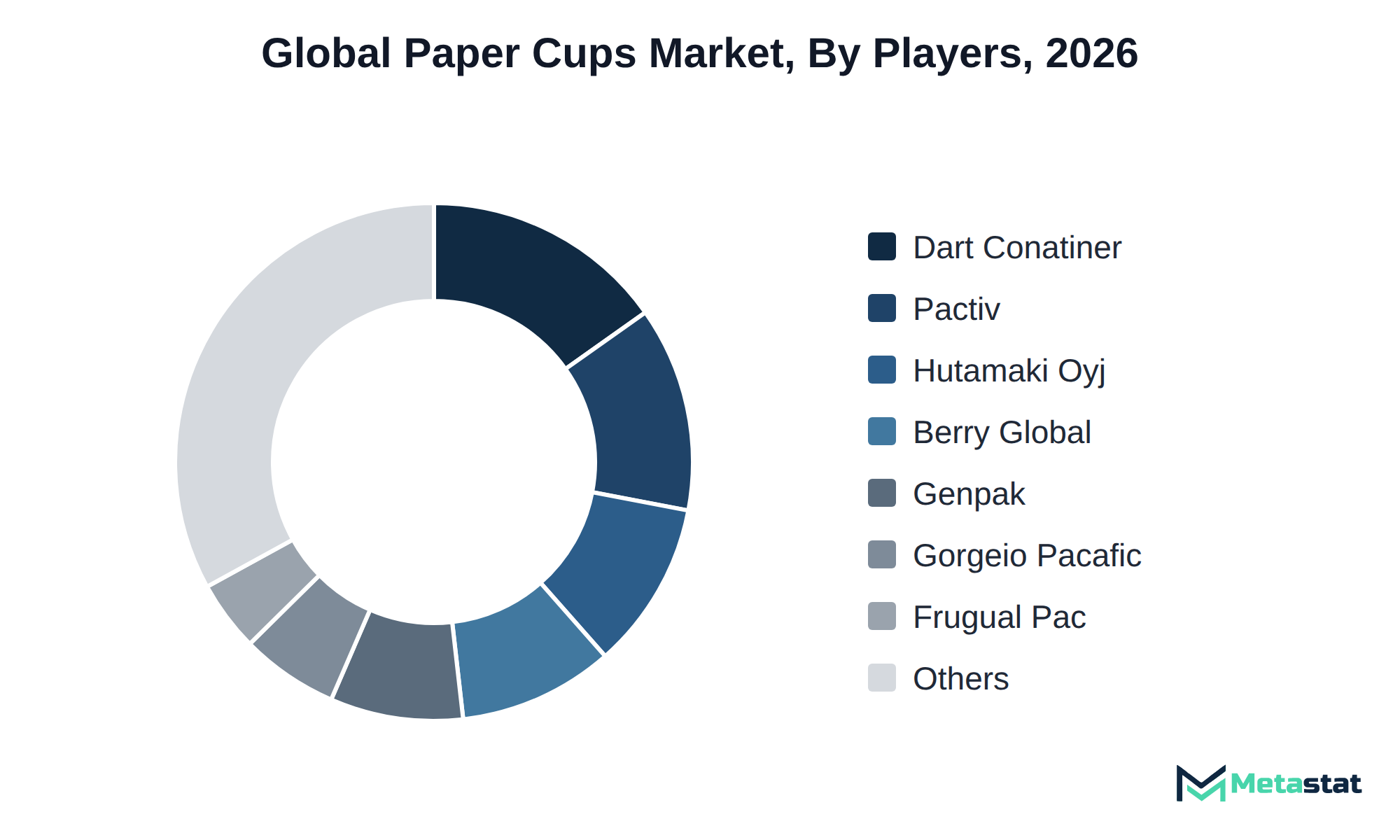
Competition within the Paper Cups market is influenced by various strategic behaviors of key players. Companies differentiate themselves through price, customization, certification, and service offerings. Buyers increasingly favor suppliers that provide eco-friendly options, reflecting a broader trend toward sustainability.
Berry Global Group, Inc. focuses on producing a wide range of paper cups, emphasizing innovative design and sustainable materials. Huhtamaki Oyj emphasizes its commitment to eco-friendly production processes, catering to environmentally conscious consumers. Genpak, LLC targets the quick-service restaurant sector with customizable options aimed at enhancing brand visibility.
Growth in the Paper Cups market relies on several key developments. The food service industry, particularly quick-service restaurants (QSR), stands out as a primary driver, with anticipated revenue of USD 11.6 billion by 2033. Concurrently, the adoption of single wall paper cups is projected to increase, reaching USD 12 billion by 2033, driven by consumer preferences for lightweight and cost-effective options.
However, potential risks exist that could hinder market growth. Fluctuating raw material costs and shifting regulations regarding environmental standards pose challenges. The Asia Pacific region, holding the largest market share at 39.3%, could particularly face disruptions due to these factors. If these risks are managed effectively, the Paper Cups market is expected to experience significant growth, reaching the forecasted USD 19.1 billion mark.
By Type: Hot Paper Cups, Cold Paper Cups
By End-User: Households, QSR, Others
The report strategically identifies and profiles the key market players and analyses their core competencies in each sub-segment of the Paper Cups market.
|
Report Attributes |
Details |
|
Study Period |
2021-2033 |
|
Base Year |
2025 |
|
Estimated Year |
2026 |
|
Forecast Period |
2026-2033 |
|
Historical Period |
2021-2025 |
|
Growth Rate |
CAGR 5.0% from 2026 to 2033 |
|
Revenue Unit |
USD billion |
|
Segmentation |
By Type, Cup Capacity, Wall Type, End-User, and Region |
|
By Region |
North America (By Type, Cup Capacity, Wall Type, End-User, and Country)
|
|
Europe (By Type, Cup Capacity, Wall Type, End-User, and Country)
|
|
|
Asia Pacific (By Type, Cup Capacity, Wall Type, End-User, and Country)
|
|
|
South America (By Type, Cup Capacity, Wall Type, End-User, and Country)
|
|
|
Middle East and Africa (By Type, Cup Capacity, Wall Type, End-User, and Country)
|
Find answers to common questions about this report
The Paper Cups market size was valued at USD 12.9 billion in 2025.
The market is projected to grow at a CAGR of 5.0% during the forecast period from 2026 to 2033.
The North America Paper Cups market size is estimated to reach USD 4.9 billion by 2033.
Hot Paper Cups lead the Paper Cups market with a projected value of USD 10.7 billion by 2033, surpassing Cold Paper Cups.
Increasing consumer demand for sustainable products drives growth in the market, particularly as quick-service restaurants shift towards eco-friendly options. The rising popularity of hot beverages among consumers contributes to the expansion of the hot paper cups segment.
Increasing raw material costs significantly impact suppliers, leading to higher retail prices and reduced order volumes among quick-service restaurants. Supply chain challenges, including fluctuations in the cost of paper and polymers, exert pressure on profit margins for manufacturers.
Increasing consumer demand for sustainable products significantly favors adoption in the Paper Cups industry. The shift towards eco-friendly options, particularly among quick-service restaurants, drives investments in advanced production technologies and sustainable materials, enhancing competitiveness and aligning with market trends.
The Paper Cups market is estimated to reach a valuation of USD 19.1 billion by 2033.
Key players operating in the Paper Cups market include Berry Global Group, Inc., Hutamaki Oyj, Genpak, LLC, Pactiv LLC, Dart Container Corporation, Frugual Pac Limited, and Bio Futura B.V.
The Cold Paper Cups segment is projected to reach USD 8.4 billion by 2033, reflecting a growing demand for eco-friendly options in various applications.
The analysts below cover Packaging research at Metastat Insights.
LEAD ANALYST
Utkarsh Khirodkar is a Lead Market Research Analyst at MetaStat Insight, specializing in market intelligence, technology sector assessments, and competitive strategy.

SENIOR RESEARCH ANALYST
Biotechnology · Food and Beverages · Medical Devices · Packaging
Snehal Pasalkar is a Research Analyst at MetaStat Insight, operating at the intersection of life sciences research, competitive strategy, and market intelligence.

INDUSTRY CONSULTANT - CHEMICALS & ADVANCED MATERIALS
Chemicals and Materials · Machinery & Equipment · Packaging
Amit Gadhekar Consultant for Chemicals and Materials at MetaStat Insight, directing sector-specific intelligence, research, and strategic consulting across global chemical and processing markets.
Our team was tracking whether regional recycling infrastructure could realistically absorb the growing volume of lithium iron phosphate batteries over the next decade. The report did a solid job separating announced hydrometallurgical plant capacity from active, permitted operational throughput. That distinction made the feedstock availability projections and regional recovery rate models far more credible than standard commercial overviews.
Tracking capacity expansion in single-use bioprocessing requires dependable data on raw material availability and cleanroom-grade polymer supply chains. The competitive landscape chapter gave a grounded evaluation of secondary component suppliers across North America and Asia-Pacific rather than simply reprinting press releases. Having that level of supplier benchmarking helped clarify dual-sourcing considerations for our clinical pipeline planning.
When evaluating distributed energy resource management systems, standard research summaries tend to gloss over the operational differences between front-of-the-meter utility deployments and behind-the-meter industrial sites. The MetaStat Insight report addressed those distinctions directly, especially regarding software interoperability standards and grid interconnection backlogs. The five-year market sizing across regional transmission organizations provided actionable context for our grid modernization strategy.
Explore related market intelligence reports worth reading alongside this one.