
LEAD ANALYST
Utkarsh Khirodkar is a Lead Market Research Analyst at MetaStat Insight, specializing in market intelligence, technology sector assessments, and competitive strategy.

Global Cannabis Packaging Market Size, Share, By Product Type (Bottles and Jars, Bags and Pouches, Boxes and Cartons, Tubes, Tins, Blisters and Clamshells), By Material (Plastic, Paper and Paperboard, Glass, Metal), By Packaged Product (Dried Flower, Pre-Rolls, Edibles, Oils and Tinctures, Vape Products, Solid and Semi-Solid Concentrates, Topicals, Cannabis Beverages), By Application (Medical Use, Recreational Use), Industry Analysis, Growth, Trends, and Forecast, 2026-2033
Report ID
MSI-5748
Published
November, 2026
Pages
306 Pages
Format
Historical
Base year
Forecast
Forecast period
Report Details
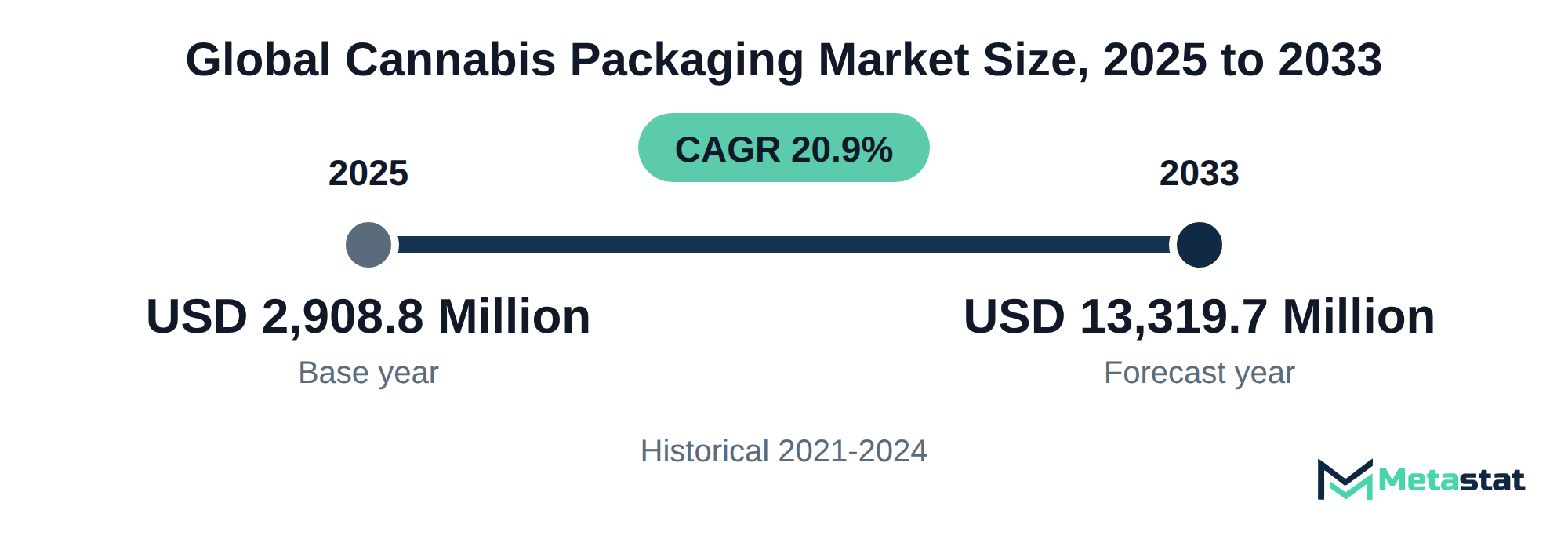
Market Valuation: Valued at $2,908.8 Million in 2025, projected to reach $13,319.7 Million by 2033 at a 20.9% CAGR.
Dominant Segment: Bottles and jars lead the Cannabis Packaging market, driven by their durability and effectiveness in preserving product integrity, particularly for oils and dried flowers.
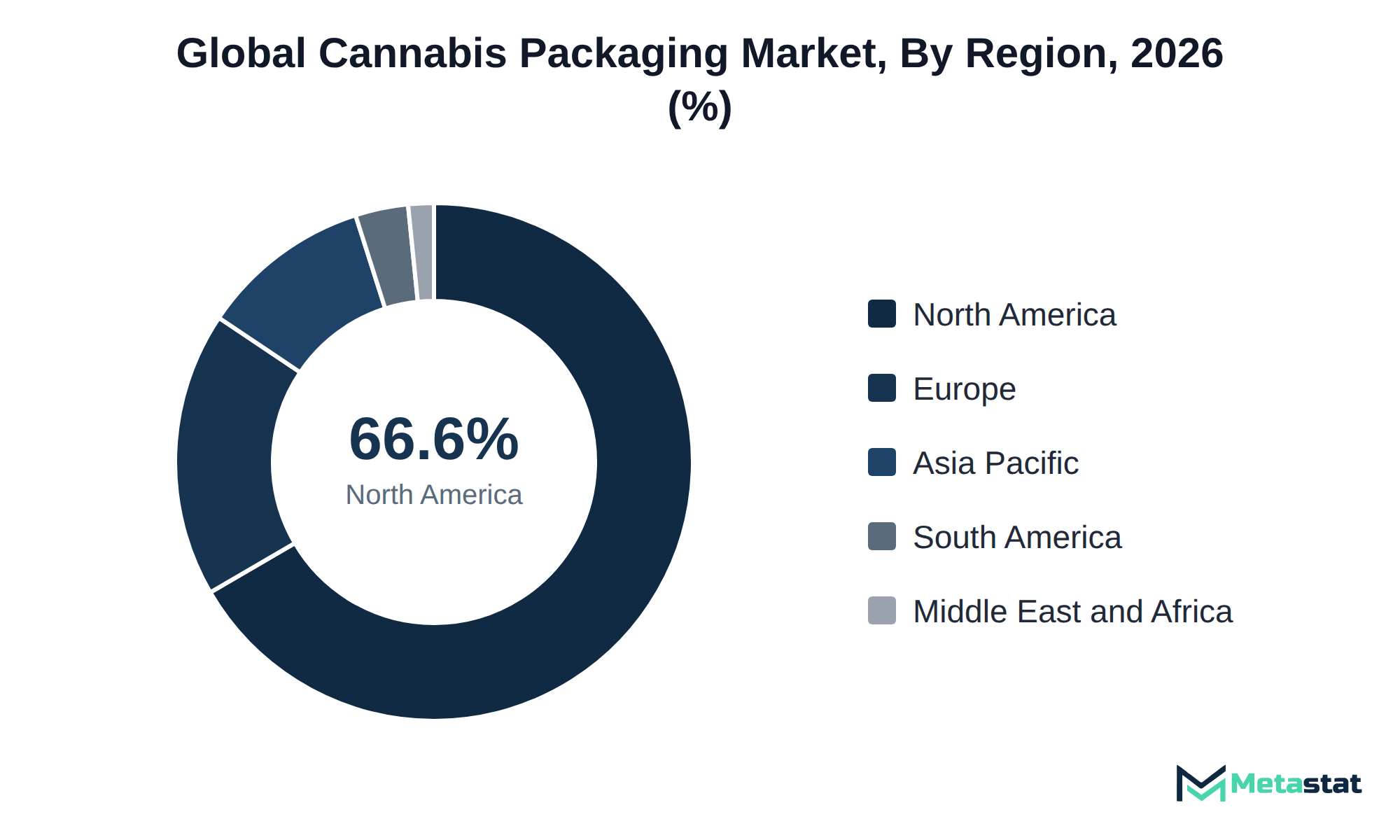
Geographic Lead: North America dominates the market, holding 66.6% in 2025, with the US expected to maintain this leadership due to its robust infrastructure and favorable regulatory environment.
What's Inside: The report provides comprehensive coverage of market dynamics, including competitive analysis, segment breakdowns by product type and material, and detailed forecasts through 2033.
Market Opportunity: The bags and pouches segment is projected to grow at a CAGR of 22.5%, reflecting a strong consumer preference for convenient, flexible packaging solutions.
Choose Your License
Global Cannabis Packaging Market
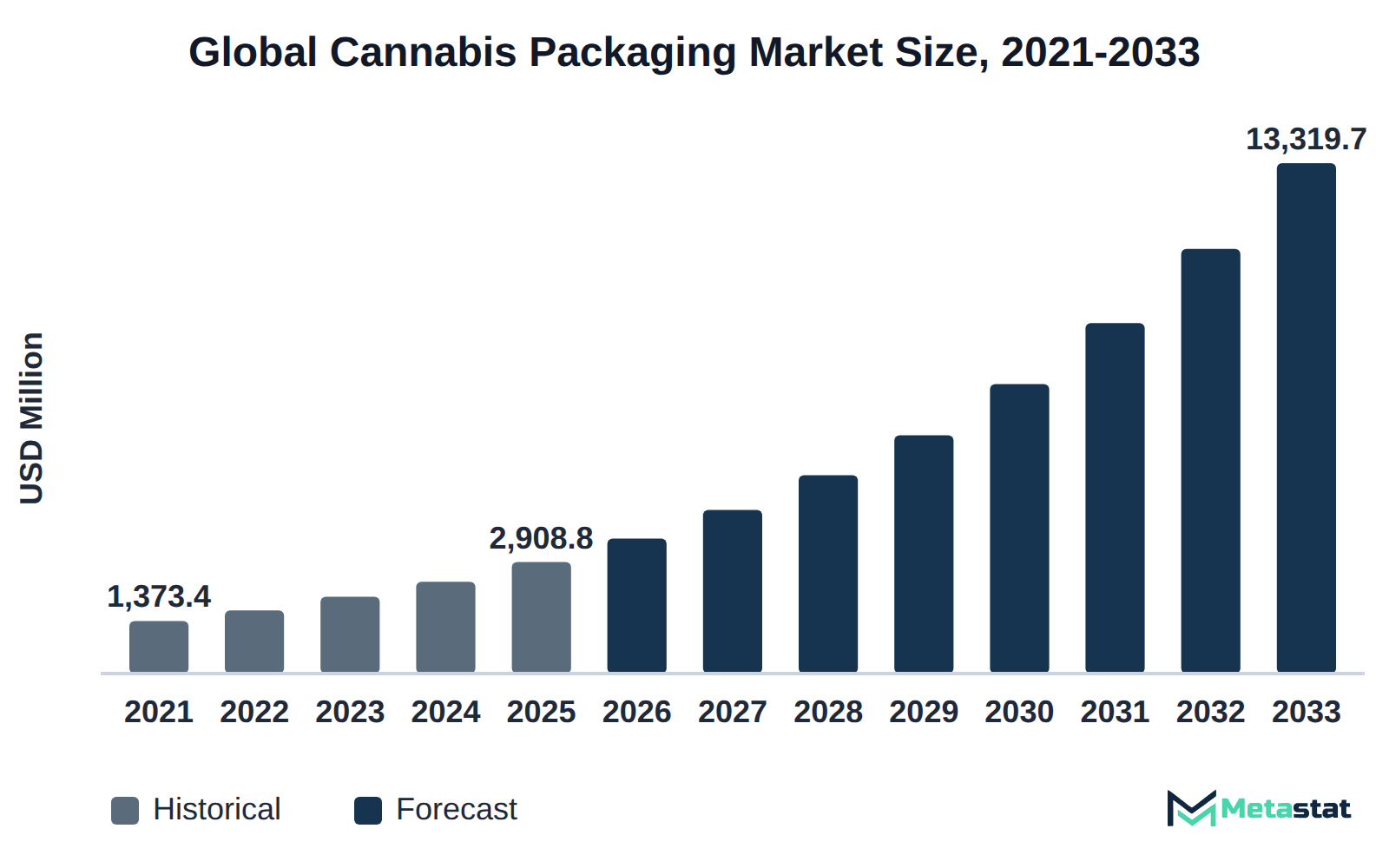
The global Cannabis Packaging market was valued at USD 2,908.8 million in 2025 and is projected to reach USD 13,319.7 million by 2033, growing at a CAGR of 20.9% over the forecast period.
The Cannabis Packaging market encompasses various packaging solutions specifically designed for cannabis products, including bottles, jars, bags, pouches, and boxes. Buyers invest in this market because demand for cannabis products is growing across medical and recreational sectors. That demand creates a need for effective packaging that ensures product integrity and compliance with regulations. The market's diverse offerings cater to different packaged products, enhancing accessibility and appeal to consumers.
Growth in the market is driven by increasing consumer acceptance of cannabis, leading to higher demand for innovative and sustainable packaging solutions. Among the product types, bottles and jars hold the most value, reflecting a preference for durable and appealing packaging options. North America holds 66.6% of the market in 2025, with the US leading in 2026, indicating the region's significant role in shaping market dynamics.
Factors including the rising popularity of cannabis-infused edibles and oils further contribute to market expansion. The need for packaging that maintains the freshness and efficacy of these products intensifies competition among manufacturers. Companies seek to differentiate their brands, and investments in advanced packaging technologies and eco-friendly materials will shape the market's future growth.
The demand for cannabis packaging stems from the increasing legalization of cannabis products, coupled with a growing consumer preference for high-quality packaging solutions that ensure product safety and integrity. Buyers invest in packaging that enhances product visibility and aligns with branding strategies, because differentiation matters in a competitive market. The market includes various segments, with bottles and jars representing the largest share due to their versatility and effectiveness in preserving product freshness.
Growth in the market is driven by heightened consumer awareness regarding sustainability and the adoption of eco-friendly packaging materials. North America's dominance reflects strong infrastructure for cannabis distribution and retail, alongside a favorable regulatory landscape that supports innovation in packaging solutions.
The rapid expansion of the recreational use segment significantly contributes to market growth, with more consumers seeking accessible and reliable cannabis products. This trend correlates with increased investments from companies focused on developing innovative packaging solutions that meet evolving consumer preferences. The cannabis packaging market is projected to experience substantial growth through 2033, reflecting broader trends in the cannabis industry.
Child-resistant tins and tubes for cannabis pre-roll multipacks represent a significant innovation within the cannabis packaging market. This development specifically addresses the increasing regulatory focus on child safety, driving demand for compliant packaging solutions. The projected growth rate for tubes stands at 20%, reflecting a strong shift towards safer packaging formats that meet stringent requirements.
Manufacturers are investing in advanced designs and materials to enhance the efficacy of child-resistant features. For instance, the demand for pre-rolls is expected to reach a value of USD 2,043.2 million by 2033, indicating that consumers prioritize both safety and convenience. The integration of child-resistant mechanisms ensures that products remain accessible to adult consumers while safeguarding children from potential harm.
Child-resistant solutions in the cannabis packaging market fulfill regulatory mandates and position brands as responsible market participants. Innovative safety features improve consumer trust and brand loyalty, which strengthens competitive positioning in an evolving market.
Recyclable pouches and paperboard packs represent an emerging trend in the Cannabis Packaging market, particularly for cannabis edibles. The increasing demand for sustainable packaging solutions drives buyers to seek materials that reflect environmental considerations. In 2023, the market value for cannabis packaging reached USD 2,000.5 million, illustrating a growing interest in innovative packaging options that align with eco-friendly practices.
Pricing structures for these packaging solutions vary, with factors including material type, design complexity, and order volume influencing costs. Typically, buyers engage in long-term contracts with suppliers to ensure stable pricing and consistent supply. Industry players focus on providing competitive rates for recyclable materials, enhancing their position in the market. For example, paper and paperboard products are expected to achieve a market value of USD 3,015.6 million by 2033, reflecting a 23.5% compound annual growth rate.
Buyers prioritizing recyclable packaging options often do so due to regulatory pressures and consumer preferences for sustainability. This shift in purchasing behavior impacts manufacturers, prompting them to innovate and adapt their product offerings. Heightened awareness of environmental issues creates growth opportunities for packaging suppliers and for cannabis producers committed to sustainable practices.
In cannabis packaging, custom jars and barrier seals preserve the quality of cannabis flower and concentrates. These packaging solutions protect products from exposure to environmental factors including light, air, and moisture, which degrade the potency and flavor of cannabis. In the Cannabis Packaging market, jars and seals designed specifically for this purpose ensure product integrity, meeting the demands of both medical and recreational users.
The bottles and jars segment is projected to grow significantly, from USD 1,513.5 million in 2026 to USD 5,303.9 million by 2033. That reflects a compound annual growth rate (CAGR) of 19.6%. This growth indicates a rising demand for high-quality packaging solutions that cater to the distinct needs of consumers and producers alike.
Understanding the specific preservation challenges that cannabis products face drives the needs of buyers in this sector. Packaging solutions that incorporate advanced barrier technologies extend product shelf life and boost consumer confidence. Improved preservation methods directly contribute to market growth, driving sales and encouraging investment in innovative packaging solutions.
Choosing appropriate child-resistant packaging for medical cannabis products is essential for brands aiming to comply with regulatory requirements while ensuring safety. The preference for child-resistant packaging is driven by the need to prevent accidental access by children while maintaining product integrity. In the Cannabis Packaging market, brands select packaging solutions that meet safety standards while appealing to adult consumers.
For instance, the medical use segment is projected to grow from USD 1,630.1 million in 2026 to USD 6,436.1 million by 2033, indicating an increasing demand for safe and compliant packaging options. This significant growth highlights the importance of investing in child-resistant solutions that enhance brand reputation and consumer trust.
Effective child-resistant packaging adheres to safety regulations and differentiates brands in a competitive market. By selecting packaging that combines safety features with appealing aesthetics, cannabis brands enhance their market presence and build customer loyalty. Consequently, the choice of child-resistant packaging is vital for the growth and success of brands within the cannabis sector.
Increased consumer interest in premium, sustainable packaging fuels growth within the Cannabis Packaging market. Buyers, including manufacturers and retailers, prioritize eco-friendly and visually appealing packaging solutions to attract health-conscious consumers. This shift toward sustainability highlights the trend of using recyclable materials, including paper and biodegradable plastics, which enhances brand reputation and aligns with consumer values. The demand for bags and pouches, for example, is expected to reach USD 3,697.5 million by 2033, reflecting a compound annual growth rate (CAGR) of 22.5%. This upward trajectory indicates strong consumer engagement with innovative packaging solutions, ultimately driving higher sales volumes across various cannabis products.
Preferences evolve, leading brands to increasingly invest in packaging that emphasizes quality and functionality. The result is a competitive landscape that rewards companies that adapt to changing consumer demands, driving continued growth within the market.
Increasing environmental awareness influences suppliers to adopt sustainable materials in the Cannabis Packaging market. Rising emission limits require manufacturers to transition away from traditional plastics toward biodegradable and recyclable alternatives. This shift supports demand from environmentally conscious consumers and regulatory bodies focused on reducing waste and pollution. The adoption of sustainable materials aligns with corporate social responsibility initiatives, enhancing brand reputation and customer loyalty.
Companies that prioritize sustainability often capture market share among consumers seeking eco-friendly options. Financial benefits of adopting sustainable materials, including reduced compliance costs and improved operational efficiency, further motivate suppliers to innovate within the market.
High production costs present a challenge for buyers in the Cannabis Packaging market. These costs often lead to smaller order volumes, resulting in slower market penetration among manufacturers and retailers. Producers frequently face increased expenses related to materials, compliance with regulations, and advanced technologies required for efficient packaging solutions. Buyers, particularly smaller enterprises, struggle to absorb these costs, leading to hesitance in adopting innovative packaging solutions. Consequently, this situation restricts the overall growth potential within the market, with companies delaying the transition to more sustainable or advanced packaging options. The impact on pricing strategies further complicates the situation, affecting profit margins and competitive positioning. High production costs hinder wider adoption and implementation of diverse packaging formats needed for various cannabis products.
Rising input costs significantly challenge suppliers operating within the Cannabis Packaging market. Increasing prices of raw materials, particularly plastics and paperboard, exert pressure on profit margins. Suppliers face difficulties maintaining competitive pricing while managing these escalating costs. In response, many suppliers focus on optimizing production processes and exploring alternative, cost-effective materials to mitigate the impact of rising input expenses. This shift aims to enhance operational efficiency and maintain profitability during challenging economic conditions. Suppliers increasingly seek long-term contracts with raw material providers to stabilize pricing and ensure consistent supply. While the market continues to expand, addressing these input cost challenges is essential for securing sustainability and growth within the competitive landscape.
Demand for bags and pouches in the Cannabis Packaging market highlights a significant growth opportunity, driven by a projected compound annual growth rate (CAGR) of 22.5% through 2033. This segment appeals to producers focusing on convenience and versatility, making it suitable for various cannabis products, including edibles and pre-rolls. The increasing preference for flexible packaging among consumers reflects a shift toward lightweight and portable options, aligning with modern lifestyles. Enhanced barrier properties and customizable designs further enhance product appeal, ensuring freshness and safety.
The anticipated market value for bags and pouches is projected to reach USD 3,697.5 million by 2033, demonstrating the significant revenue potential in this area. Suppliers that invest in innovative designs and sustainable materials will gain a competitive edge in a changing market. This focus on consumer preferences is expected to drive further adoption and expansion within this packaging segment.
The Global Cannabis Packaging market is segmented based on Product Type, Material, Packaged Product, and Application.
This segment primarily serves producers of cannabis products, facilitating the packaging of various items including oils, tinctures, and dried flowers. The increasing emphasis on preserving product integrity and quality drives demand for these containers, particularly among suppliers focused on high-quality offerings. Bottles and jars differ from other packaging types due to their higher durability and effective sealing capabilities. These traits result in a slower growth rate than faster-growing segments like Bags and Pouches, which are projected to grow at a CAGR of 22.5%. The growth of the Bottles and Jars segment reflects broader trends within the Cannabis Packaging market, highlighting the significance of material choice and design in meeting consumer expectations.
This segment caters primarily to the packaging of various cannabis products, including dried flower, pre-rolls, and edibles. Its rapid growth is driven by increasing consumer preference for convenient and lightweight packaging solutions. Growing demand for eco-friendly materials among environmentally conscious consumers further enhances market opportunities for bags and pouches. Compared to other segments like Bottles and Jars, which are anticipated to grow at a CAGR of 19.6%, Bags and Pouches demonstrate a stronger growth trajectory. This difference in growth rates highlights evolving consumer preferences, leading to a shift toward flexible packaging alternatives. The market for bags and pouches supports a diverse array of cannabis products, appealing particularly to manufacturers targeting both recreational and medical users.
Boxes and Cartons segment is expected to reach USD 1,950 million by 2033. This segment serves to package various cannabis products, appealing to both medical and recreational consumers who value the aesthetic and functional attributes of packaging. The primary growth driver stems from the increasing demand for sustainable packaging solutions, reflecting shifting consumer preferences. Enhanced branding through visually appealing designs differentiates this segment from others, including Bags and Pouches. With a compound annual growth rate (CAGR) of 19.6%, growth remains robust but slower compared to Bags and Pouches, which have a CAGR of 22.5%. This difference is attributed to varying consumer preferences for product types, influencing purchasing decisions based on packaging design and functionality. The market continues to respond to evolving consumer expectations, ensuring that Boxes and Cartons remain relevant and sought after.
Tubes valued at USD 0 million in 2026 are projected to grow at a CAGR of 20% during the forecast period. These packaging solutions are commonly used for various cannabis products, including oils, tinctures, and pre-rolls. The segment benefits from the trend toward convenience and portability, appealing particularly to consumers seeking ease of use. Demand is driven by the increasing popularity of cannabis oils and concentrates, which often require specialized packaging to maintain product integrity. Compared to other product types, this segment’s growth rate is robust, reflecting changing consumer preferences. The shift toward sustainable packaging solutions influences the segment, with manufacturers exploring eco-friendly materials to enhance market appeal. Tubes differ from other segments by offering a unique blend of functionality and branding opportunities, establishing themselves as an essential option for cannabis brands aiming to differentiate their products.
Tins serve a practical packaging solution for cannabis products, providing durability and protection from environmental factors. This segment appeals to manufacturers targeting both recreational and medical cannabis consumers due to its effective sealing properties, which help maintain product freshness. Demand for tins is primarily driven by the shift towards sustainable packaging, reflecting consumer preferences for recyclable materials. While the segment operates within a competitive environment, it distinguishes itself through a focus on aesthetic and functional design, positioning itself as a more premium option compared to other packaging types. The Cannabis Packaging market continues to evolve, with tins experiencing growth through innovation in design and materials, catering to increasing consumer demand for reliable packaging solutions.
Blisters and clamshells offer unique packaging solutions suited for various cannabis products, enhancing product visibility and user convenience. This sub-segment serves retailers and consumers by providing protective and appealing packaging that displays products effectively. Key drivers for this segment include the shift towards eco-friendly materials, with a notable demand for sustainable packaging solutions among environmentally conscious consumers. Compared to other product types, blisters and clamshells face competition from bags and pouches, which feature a higher projected growth rate. However, the distinct advantages of blisters and clamshells in terms of product presentation and protection contribute to their steady demand, ensuring a significant role in overall market dynamics.
Drums, pails, and wraps provide essential packaging solutions for various cannabis products, delivering effective storage and transport options. This sub-segment primarily caters to wholesale distributors, cultivators, and manufacturers seeking bulk packaging for larger quantities. The shift towards sustainable practices drives demand, with producers focusing on materials that minimize environmental impact. Higher pricing strategies in this segment reflect the need for protective features and compliance with regulatory standards. Compared to other segments, drums and pails attract buyers seeking durability and volume, while wraps offer flexibility and customization, allowing for distinctive branding. The unique requirements of this segment differentiate it from others, resulting in varying purchasing decisions among buyers in the market.
Plastic packaging for cannabis is valued at USD 1,877.2 million in 2026 and is projected to reach USD 6,567.9 million by 2033, at a CAGR of 19.6% during the forecast period. This type of packaging is extensively used for products including oils, tinctures, and edibles, appealing to both medical and recreational users. Demand for plastic stems from its lightweight nature and versatility, making it a preferred choice among suppliers aiming to offer various packaging solutions. In comparison to other materials, including paper and paperboard, which are expected to reach USD 3,015.6 million at a CAGR of 23.5%, the growth of the plastic segment is consistent but slower. Factors including regulatory compliance and consumer preferences for sustainability influence the adoption of alternative materials and are changing packaging strategies across the market.
This segment provides a sustainable and biodegradable option for packaging cannabis products, appealing to environmentally conscious consumers and brands. Companies engaged in medical and recreational cannabis sectors use this material for its versatility and cost-effectiveness. The increasing regulatory focus on sustainability drives demand, resulting in a notable growth trajectory for this segment. Compared to plastics, which expand at a CAGR of 19.6%, the Paper and Paperboard segment experiences faster growth due to heightened consumer preferences for eco-friendly packaging solutions. This trend highlights a significant shift in consumer behavior, supporting the overall expansion of the market while differentiating this segment’s appeal to buyers prioritizing sustainability.
Glass packaging is expected to reach USD 2,241.7 million by 2033. This material is commonly used for cannabis products including oils and tinctures, appealing to consumers seeking high-quality, premium packaging options. The demand for glass packaging arises from its ability to preserve product integrity and provide an environmentally friendly alternative. Unlike other materials, glass exhibits a slower growth trajectory compared to paper and paperboard. This slower growth results from higher production costs associated with glass, impacting affordability for various buyers. Despite this constraint, the market for glass packaging remains strong, driven by consumer preferences for sustainable and recyclable materials that align with trends in the Cannabis Packaging market.
Metal packaging is projected to grow at a CAGR of 22.7% during the forecast period. This segment finds application primarily in products requiring enhanced durability and protection from environmental factors, appealing to manufacturers and consumers seeking reliability. Increasing focus on sustainable practices drives demand for metal packaging, which is often perceived as more environmentally friendly compared to plastic. Unlike other material segments, which grow at varying rates, metal packaging stands out for its strong performance and resistance to contamination. This growth trajectory highlights a shift toward premium packaging options in the market, catering to both medical and recreational cannabis applications.
Wood and ceramics are unique materials in cannabis packaging, offering distinct aesthetic and functional benefits. These materials appeal to niche markets, particularly among consumers seeking artisanal or eco-friendly options. The segment finds utility in high-end packaging for specialty cannabis products, where presentation is essential in attracting consumers. Demand for such packaging often stems from the growing trend of premiumization in the cannabis industry, where brands emphasize quality and design to differentiate themselves. Compared to more conventional materials like plastic and paper, wood and ceramics typically command higher prices due to their perceived value and craftsmanship. This segment's slower growth relative to others reflects limited production capacity and specific consumer preferences that favor traditional packaging solutions for mass-market products. Trends in sustainability and artisan craftsmanship continue to drive interest in this segment of the Cannabis Packaging market.
Dried Flower segment is valued at USD 1,069.9 million in 2026 and is projected to reach USD 3,491.1 million by 2033, at a CAGR of 18.4% during the forecast period. This segment primarily serves consumers seeking cannabis for both recreational and medical use, reflecting a growing trend in personal consumption. Demand for dried flower is driven by increasing acceptance of cannabis products worldwide, especially in regions where legalization has expanded. Compared to other segments, including Edibles, which experience a different growth trajectory, the Dried Flower segment exhibits a robust CAGR. Factors influencing this segment include evolving regulations that promote cannabis accessibility and changing consumer preferences favoring traditional forms of cannabis. This segment's consistent performance highlights its integral role within the market, ensuring sustained interest from both consumers and producers.
Pre-Rolls segment is estimated to reach USD 2,043.2 million by 2033, at a CAGR of 22.9% during the forecast period. This segment primarily serves consumers seeking a ready-to-use cannabis product, appealing to both recreational and medical users. The increasing popularity of pre-rolls stems from their convenience and consistent quality, driving demand across various demographics. Competing segments like dried flower and oils present growth at lower rates, with dried flower achieving an estimated CAGR of 18.4%. Regulatory support for cannabis products enhances market opportunities, while quality concerns regarding pre-rolls hinder wider adoption. Suppliers focusing on premium quality and sustainable sourcing capture significant market share, reflecting a shift in consumer preferences within the Cannabis Packaging market.
Edibles segment is expected to reach USD 3,653.6 million by 2033. This segment caters to consumers seeking convenient and discreet consumption methods, appealing to both medical and recreational users. Demand is driven by growing acceptance of cannabis-infused products and increasing consumer interest in alternative consumption methods. The segment exhibits a compound annual growth rate (CAGR) of 22.9%, outpacing other packaged product segments including Dried Flower, which has a CAGR of 18.4%. The distinct preference for edibles often results in higher price points compared to other products, attracting a diverse range of buyers. Regulatory frameworks in various regions further influence the segment dynamics, shaping product offerings and packaging requirements. Packaging for edibles shares freshness and visibility requirements with the wider food and beverage consumer packaging industry. The growth trajectory of the edibles segment highlights its significance within the broader Cannabis Packaging market, reflecting evolving consumer behaviors and market adaptation.
The Oils and Tinctures segment is projected to grow at a CAGR of 21.4% during the forecast period. This segment serves consumers seeking concentrated forms of cannabis for medicinal and wellness applications. The rising demand for alternative health solutions drives this segment, particularly among users seeking non-invasive methods of consumption. In comparison to other packaged products, this segment benefits from a higher price point due to the complex extraction processes required for oils and tinctures. The anticipated growth reflects increasing consumer awareness regarding the therapeutic benefits of cannabis, leading to expanded product offerings that cater to diverse preferences. With an expected value of USD 0 million in 2026, oils and tinctures are set to reach USD 0 million by 2033, contributing significantly to the growth of the Cannabis Packaging market.
Vape Products represent an increasingly popular choice within the cannabis sector, focusing on user-friendly and discreet consumption methods. These products are primarily used by recreational users seeking convenience and portability. Demand for vape products is driven by trends favoring alternative consumption methods that offer swift onset effects and ease of use. The segment distinguishes itself from others due to its unique appeal to younger consumers and the rapid technological advancements in vaping devices, which enhance the user experience. Compared to other packaged products, vape products often command higher price points, attracting specific buyer demographics that prioritize premium experiences over traditional consumption methods. This segment's growth aligns with the broader expansion of the Cannabis Packaging market, reflecting shifting consumer preferences toward innovative and discreet methods of consumption.
Solid and Semi-Solid Concentrates involve concentrated cannabis extracts in various infused products. These concentrates find application in both recreational and medical markets, catering to consumers seeking enhanced potency. The growing preference for discreet consumption methods drives demand, particularly among users favoring oils, tinctures, and tablets. Regulatory frameworks supporting the legalization of cannabis in multiple regions contribute to this segment's expansion. Unique formulation requirements differentiate Solid and Semi-Solid Concentrates from other packaged products, positioning them within a niche market segment that emphasizes product quality and consumer safety. Heightened interest in this segment arises from evolving consumer preferences and the increasing availability of innovative packaging solutions tailored to maintain product integrity and freshness.
Topicals consist of cannabis-infused creams, lotions, and balms designed for localized application, catering to both therapeutic and recreational users. This product appeals to individuals seeking relief from conditions including pain, inflammation, and skin ailments without the psychoactive effects associated with other cannabis forms. Demand for topicals is influenced by the growing acceptance of cannabis for wellness and self-care, reflecting a broader societal trend towards natural remedies. The segment differentiates itself from others due to its emphasis on non-psychoactive applications, targeting consumers who prioritize health and wellness over traditional consumption methods. An increasing number of companies are exploring innovative formulations and packaging options, which enhances the market for topicals and attracts diverse buyers, thereby strengthening its overall appeal.
Cannabis Beverages comprise a unique sub-segment of packaged products, offering ready-to-drink beverages infused with cannabis extracts. These beverages appeal to consumers seeking alternative consumption methods and experiences. Increasing interest in cannabis beverages among health-conscious individuals drives demand, particularly within the wellness sector. The growing focus on product variety and innovation significantly influences market dynamics. Compared to other packaged products, this segment experiences distinct consumer preferences, with buyers valuing convenience and flavor profiles. Regulatory changes surrounding cannabis-infused products contribute to shifting market conditions, creating opportunities for growth. This sub-segment's development reflects broader trends in the Cannabis Packaging market, highlighting a transition toward diverse consumption options.
Capsules and suppositories serve specialized packaging solutions for cannabis products, catering to specific consumer needs. These forms of packaging appeal primarily to medical users seeking precise dosing and discreet consumption. The growing trend towards alternative medicine drives demand for these products, reflecting a shift towards more therapeutic uses of cannabis. Individual preferences for consumption methods further influence this sub-segment, differentiating it from others that focus on larger, more conventional products including dried flowers or edibles. While the market continues to expand, capsules and suppositories face challenges related to production costs and regulatory compliance. These factors restrict rapid growth compared to segments like pre-rolls and edibles, which often experience stronger consumer demand. The Cannabis Packaging market features a diverse landscape, with various segments evolving to meet unique market needs.
This segment primarily addresses the packaging demands of pharmaceuticals and healthcare products containing cannabis, serving medical cannabis users, including patients seeking pain relief and treatment options. The growing acceptance of cannabis for medical purposes is a significant driving force, with increased legalizations globally contributing to the rise in demand. Compared to other segments, this sub-segment experiences a higher growth rate, reflecting an expanding consumer base and shifting perceptions surrounding cannabis use for medical conditions. This distinguishes it from recreational use packaging, which shows a CAGR of 20.2%. The evolving regulatory landscape further supports the expansion of this segment, ensuring that packaging meets safety and compliance standards.
Recreational Use segment is estimated to reach USD 6,061.8 million by 2033, at a CAGR of 20.2% during the forecast period. This segment serves consumers seeking cannabis products for enjoyment and leisure, primarily appealing to adult users in legal markets. Growth for this segment is influenced by increasing consumer acceptance and the ongoing legalization of recreational cannabis in various regions. Compared to other applications, including Medical Use, which targets patients with specific health needs, the Recreational Use segment experiences faster growth due to its broad appeal. The dynamic regulatory landscape and expanding retail channels further drive demand, allowing consumers to access a wider range of products. Shifting perceptions and cultural integration of cannabis enhance market potential and encourage innovation among providers, resulting in a diverse array of packaging solutions tailored to meet consumer preferences.
USD 821.8 million is the expected value for the Others (Non-Prescription CBD Wellness) segment by 2033. This segment encompasses CBD-infused products, including CBD oil, that do not require a prescription, appealing to consumers seeking wellness benefits. Typical users include health-conscious individuals and those exploring alternative remedies. Growth factors include increasing consumer interest in natural health products and a shift toward wellness-oriented lifestyles. The segment exhibits a higher growth rate compared to other applications, driven by the expanding acceptance of CBD and its therapeutic potential. The anticipated CAGR of 22.7% reflects a robust demand trajectory, positioning it as a key driver of the cannabis packaging market. Unlike other segments focusing on specific medical or recreational applications, this category caters to a broader demographic, capitalizing on evolving health and wellness trends.
Based on geography, the Global Cannabis Packaging market is divided into North America, Europe, Asia-Pacific, South America, Middle East, and Africa.
Demand for the Cannabis Packaging market in North America is driven by a robust consumer base and evolving regulations. The United States, Canada, and Mexico represent the key markets within this region, with significant investments in cannabis-focused enterprises. North America is projected to reach USD 7,915.9 million by the end of 2033, reflecting a growing trend toward sustainable packaging solutions. The market operates under a favorable regulatory environment that promotes both medical and recreational cannabis use, stimulating diverse packaging requirements across various product types. Increasing consumer awareness regarding packaging sustainability influences buyers to seek eco-friendly alternatives, enhancing market growth. The emphasis on innovative packaging designs to attract consumers adds another layer to the competitive landscape, pushing suppliers to adapt and expand their offerings. This dynamic environment establishes North America as a leading region for the Cannabis Packaging market.
Europe holds a 17.8% share of the Cannabis Packaging market in 2025. The region experiences growth driven by increased legalizations surrounding cannabis, particularly in medical and recreational sectors. Countries including Germany and the UK lead the way in cannabis use, spurring demand for diverse packaging solutions. Regulatory frameworks in these nations support innovation in packaging design, emphasizing sustainability and consumer education. France and Italy contribute to the market through a rising interest in both medical and recreational applications. Emerging trends focus on environmentally friendly materials, aligning with consumer preferences for responsible sourcing. The market in Europe is expected to advance, reflecting a commitment to meeting the needs of an evolving customer base.
The Asia-Pacific region's share of the global Cannabis Packaging market stands at 10.7% in 2025. Countries including China, Japan, and India drive significant demand for cannabis products, largely due to growing acceptance and legalization efforts. Rising consumer awareness regarding the health benefits of cannabis fuels the need for various packaging solutions, particularly for medical and recreational use. The increasing popularity of eco-friendly materials in packaging influences market dynamics, with manufacturers prioritizing sustainable options to meet consumer preferences. Japan's regulatory framework emphasizes quality and safety, impacting packaging standards for producers. Overall, the market is expected to experience growth, reflecting shifts in consumer behavior and regulatory landscapes within the region.
Demand in South America for the Cannabis Packaging market is distinctive due to varying consumer preferences and regulatory environments. Brazil and Argentina are the primary countries driving this demand, with increasing recognition of medical and recreational cannabis applications. Ongoing regulatory changes in these nations contribute significantly to market expansion, creating a more favorable environment for packaging solutions tailored to cannabis products. A growing inclination for eco-friendly packaging options aligns with trends toward sustainable practices in the region. By 2025, South America is expected to capture 3.3% of the global market, reflecting emerging opportunities for growth and investment in innovative packaging solutions. The market's development will focus on meeting the unique needs of local consumers and adapting to evolving regulations.
The Middle East and Africa region comprises a small share of the global market, accounting for 1.6% in 2025. The cannabis packaging industry in this region experiences growth driven by increasing interest in medical cannabis, particularly in countries including Saudi Arabia and the UAE, where regulatory frameworks support expanding medical use. South Africa represents another key player, with a growing market for both recreational and medical cannabis. The local market's infrastructure faces challenges, including limited production facilities and distribution networks, impacting the availability of cannabis products. Innovative solutions and sustainable practices in packaging are becoming essential to address environmental concerns, creating opportunities for local manufacturers. The cannabis packaging market in this region is projected to experience gradual growth, aligning with evolving consumer preferences and regulatory landscapes.
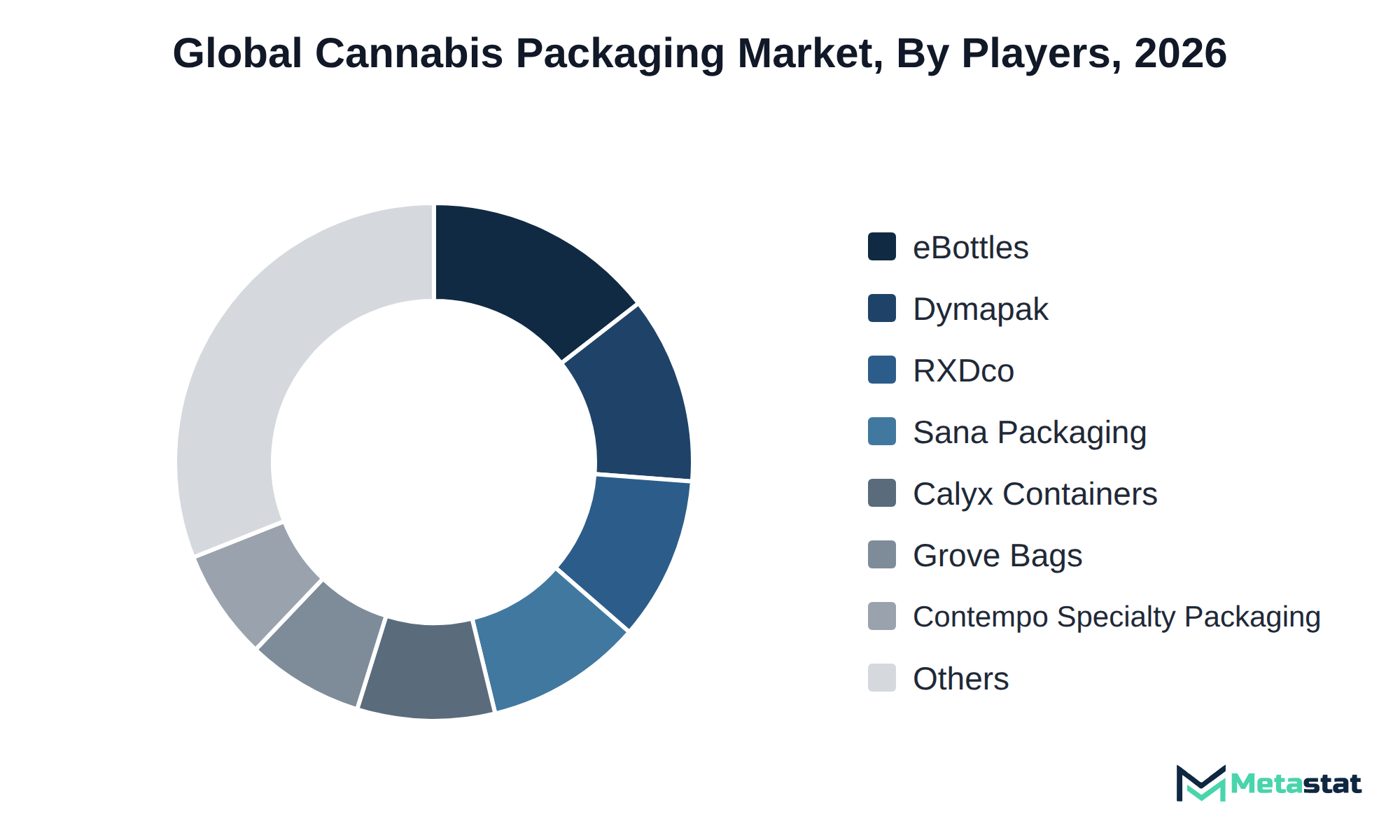
Competition within the Cannabis Packaging market reflects diverse strategies among key players, focusing on product differentiation, material innovation, and customer service. Companies emphasize various aspects including sustainable materials, customization, and pricing to attract buyers across different segments.
For instance, eBottles and Dymapak prioritize a range of packaging solutions that incorporate environmentally friendly materials, positioning themselves strongly in the sustainable packaging trend. Companies including Sana Packaging focus on biodegradable options, appealing to eco-conscious consumers and businesses.
Customization is a critical factor, with firms like Calyx Containers, LLC and Green Rush Packaging offering tailored solutions to meet specific client requirements. Service quality, including responsiveness and technical support, influences buyer decisions and impacts brand loyalty in the market.
In addition, innovative materials, particularly advancements in plastic and paper, enhance packaging functionality and shelf appeal. This drive for innovation creates a competitive environment, ensuring companies remain agile in meeting evolving consumer preferences.
The growth of the Cannabis Packaging market hinges on several key developments. First, the increasing demand for Bottles and Jars, projected to expand from USD 1,513.5 million in 2026 to USD 5,303.9 million by 2033, reflects a significant transition towards packaging solutions that enhance product safety and shelf appeal. The preference for Bags and Pouches, with a CAGR of 22.5%, highlights another important trend supporting market growth, particularly in the recreational use segment.
However, risks to this forecast exist, particularly from regulatory challenges and market volatility. In North America, where 66.6% of the market share resides, any changes in legal frameworks could impact growth trajectories. Stable regulatory environments will be critical for achieving the forecasted growth in the Cannabis Packaging market.
By Product Type: Bottles and Jars, Bags and Pouches, Boxes and Cartons, Tubes, Tins, Blisters and Clamshells, Others (Drums, Pails, Wraps)
By Material: Plastic, Paper and Paperboard, Glass, Metal, Others (Wood, Ceramics)
By Packaged Product: Dried Flower, Pre-Rolls, Edibles, Oils and Tinctures, Vape Products, Solid and Semi-Solid Concentrates, Topicals, Cannabis Beverages, Others (Capsules, Suppositories)
By Application: Medical Use, Recreational Use, Others (Non-Prescription CBD Wellness)
The report strategically identifies and profiles the key market players and analyses their core competencies in each sub-segment of the Cannabis Packaging market.
Report Attributes | Details |
Study Period | 2021-2033 |
Base Year | 2025 |
Estimated Year | 2026 |
Forecast Period | 2026-2033 |
Historical Period | 2021-2025 |
Growth Rate | CAGR 20.9% from 2026 to 2033 |
Revenue Unit | USD million |
Segmentation | By Product Type, Material, Packaged Product, Application, and Region |
By Region | North America (By Product Type, Material, Packaged Product, Application, and Country)
|
Europe (By Product Type, Material, Packaged Product, Application, and Country)
| |
Asia Pacific (By Product Type, Material, Packaged Product, Application, and Country)
| |
South America (By Product Type, Material, Packaged Product, Application, and Country)
| |
Middle East and Africa (By Product Type, Material, Packaged Product, Application, and Country)
|
Find answers to common questions about this report
The Cannabis Packaging market size was valued at USD 2,908.8 million in 2025.
The market is projected to grow at a CAGR of 20.9% during the forecast period from 2026 to 2033.
The North America Cannabis Packaging market size is estimated to reach USD 7,915.9 million by 2033.
Bags and Pouches lead the Cannabis Packaging market with a projected value of USD 3,697.5 million by 2033, reflecting the highest growth rate among product types.
Increased consumer interest in premium, sustainable packaging fuels growth within the market. Rising environmental awareness influences suppliers to adopt sustainable materials, aligning with corporate social responsibility initiatives and enhancing brand reputation.
North America holds the dominant share of the Cannabis Packaging market, accounting for USD 7,915.9 million in 2033, representing 66.6 percent of the total market. This significant share highlights the region's leading position compared to others.
Increased consumer interest in premium, sustainable packaging drives adoption in the Cannabis Packaging market. The demand for eco-friendly materials and innovative designs enhances brand reputation and aligns with consumer values, creating growth opportunities among suppliers.
The Cannabis Packaging market is estimated to reach a valuation of USD 13,319.7 million by 2033.
Key players operating in the Cannabis Packaging market include eBottles, Dymapak, RXDco, Sana Packaging, Calyx Containers, LLC, Contempo Specialty Packaging, and Green Rush Packaging.
The bags and pouches segment is expected to reach USD 3,697.5 million by 2033, reflecting a compound annual growth rate (CAGR) of 22.5 percent.
The analysts below cover Packaging research at Metastat Insights.
LEAD ANALYST
Utkarsh Khirodkar is a Lead Market Research Analyst at MetaStat Insight, specializing in market intelligence, technology sector assessments, and competitive strategy.

SENIOR RESEARCH ANALYST
Biotechnology · Food and Beverages · Medical Devices · Packaging
Snehal Pasalkar is a Research Analyst at MetaStat Insight, operating at the intersection of life sciences research, competitive strategy, and market intelligence.

INDUSTRY CONSULTANT - CHEMICALS & ADVANCED MATERIALS
Chemicals and Materials · Machinery & Equipment · Packaging
Amit Gadhekar Consultant for Chemicals and Materials at MetaStat Insight, directing sector-specific intelligence, research, and strategic consulting across global chemical and processing markets.
Analyzing the transition from natural gas to green hydrogen in iron ore reduction requires realistic infrastructure timelines. Meta stat insight supplied a detailed regional assessment of DRI plant conversion costs and scrap metal availability in North America and Western Europe. Their report carefully examined pellet quality specs and electrical grid access constraints without making oversimplified market assumptions. The research material served as a practical reference during internal technology roadmap discussions.
Integrating zero-trust access controls across legacy electronic health record systems involves complex compliance overhead. Team produced an analysis that clearly separated identity governance and administration tools from privileged access management platforms. Their evaluation of HIPAA and GDPR compliance features across cloud native solutions gave our architecture group clear baseline criteria. The custom data request regarding biometric authentication adoption in hospital networks was returned promptly with clear documentation.
Evaluating calorific value requirements and air permit compliance across municipal waste facilities requires localized data. Metastat Insight structured their analysis around operational throughput capacity and feedstock composition variations in Latin America and Eastern Europe. Their competitive mapping of sorting equipment vendors helped clarify technology differences between optical separators and heavy media systems. The study provided an objective baseline during our capital expenditure reviews.
Explore related market intelligence reports worth reading alongside this one.