
LEAD ANALYST
Utkarsh Khirodkar is a Lead Market Research Analyst at MetaStat Insight, specializing in market intelligence, technology sector assessments, and competitive strategy.

Global Ready to Drink Beverages Market Size, Share, By Product Type (Packaged Water, Carbonated Soft Drinks, Juices, Nectars and Still Fruit Drinks, Dairy Milk and Dairy-Based Drinks, Plant-Based Milk Alternatives, Ready-to-Drink Tea, Ready-to-Drink Coffee, Energy Drinks, Others), By Packaging Format (Plastic Bottles, Beverage Cartons, Metal Cans, Glass Bottles, Cups, Pouches, Others), By Nature (Conventional, Natural and Organic), By Distribution Channel (Supermarkets and Hypermarkets, Convenience Stores and Petrol Forecourts, Traditional Grocery Stores, Specialist Beverage and Health Stores, Online Retail, Foodservice Outlets, Vending Machines, Others), Industry Analysis, Growth, Trends, and Forecast, 2026-2033
Report ID
MSI-5525
Published
October, 2026
Pages
279 Pages
Format
Historical
Base year
Forecast
Forecast period
Report Details
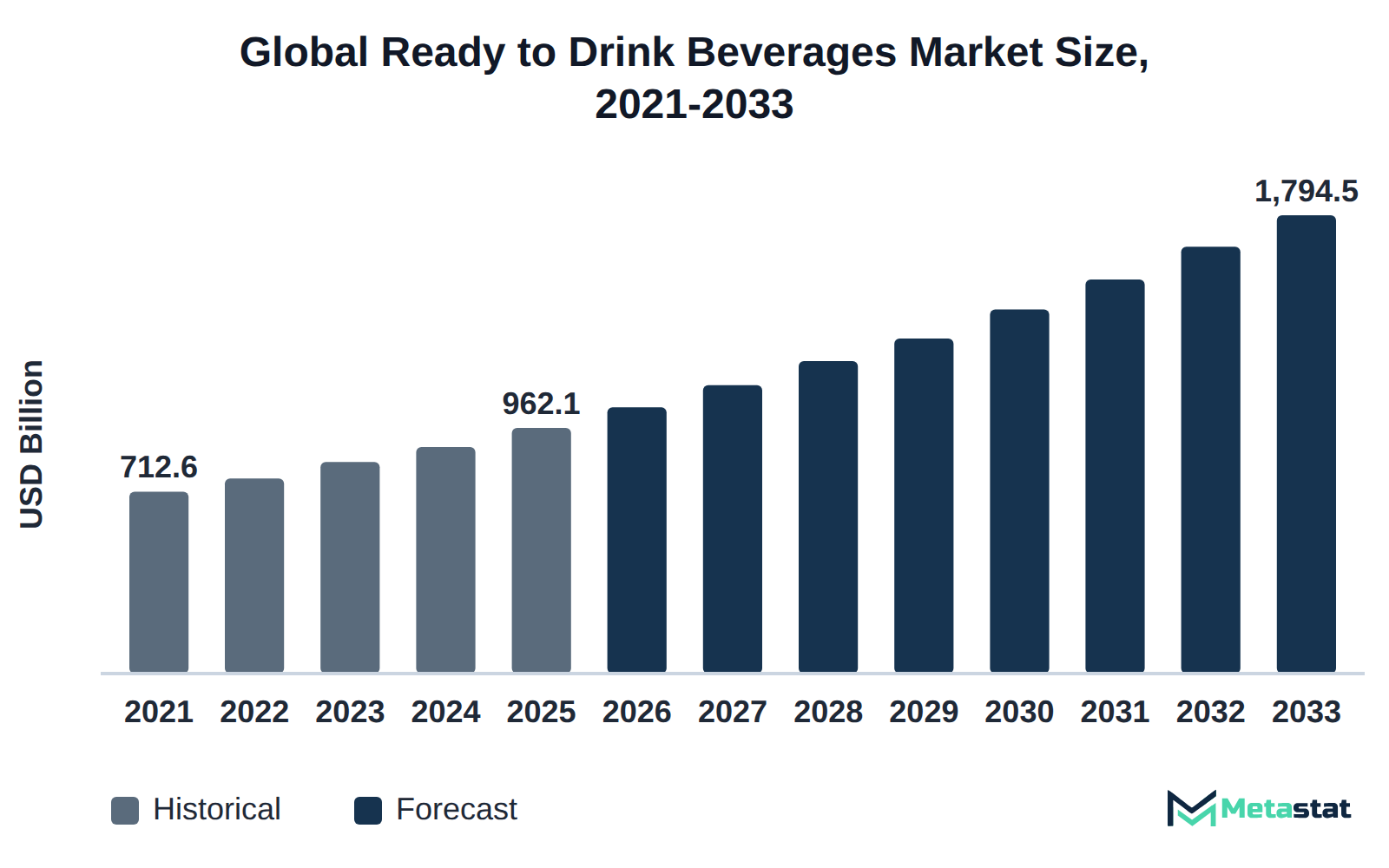
Market Valuation: Valued at $962.1 Billion in 2025, projected to reach $1,794.5 Billion by 2033 at a 8.1% CAGR.
Dominant Segment: Packaged water leads the market, driven by changing hydration habits and increasing health awareness among consumers. This segment reflects a growing preference for healthier beverage options, particularly among health-conscious individuals.
Geographic Lead: North America holds a significant market share of 26.3% in 2025, with the U.S. projected to lead in 2026. The region's strong purchasing power and established distribution networks contribute to its dominance.
What's Inside: The report provides a comprehensive analysis of the competitive landscape, market segmentation by product type, packaging format, and distribution channels, along with growth forecasts through 2033.
Expansion Potential: The natural and organic ready-to-drink beverages segment shows strong growth potential, appealing to health-conscious consumers seeking cleaner and more sustainable options.
Choose Your License
Global Ready to Drink Beverages Market
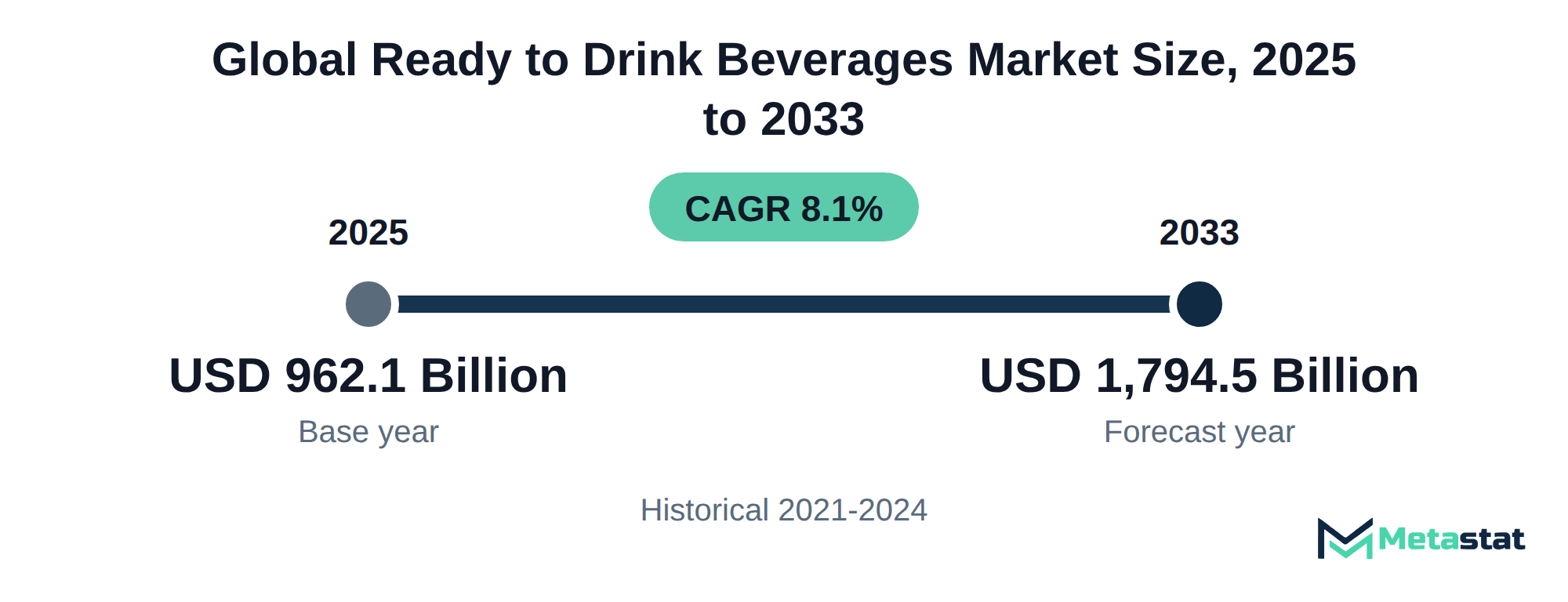
The global Ready to Drink Beverages market was valued at USD 962.1 billion in 2025 and is projected to reach USD 1,794.5 billion by 2033, growing at a CAGR of 8.1% over the forecast period.
The Ready to Drink Beverages market encompasses a diverse range of products intended for immediate consumption, including soft drinks, juices, teas, and bottled water. Buyers are driven by convenience, health considerations, and the desire for variety in their beverage choices. This demand leads to significant spending on these products across various consumer segments, including households, on-the-go consumers, and health-focused individuals.
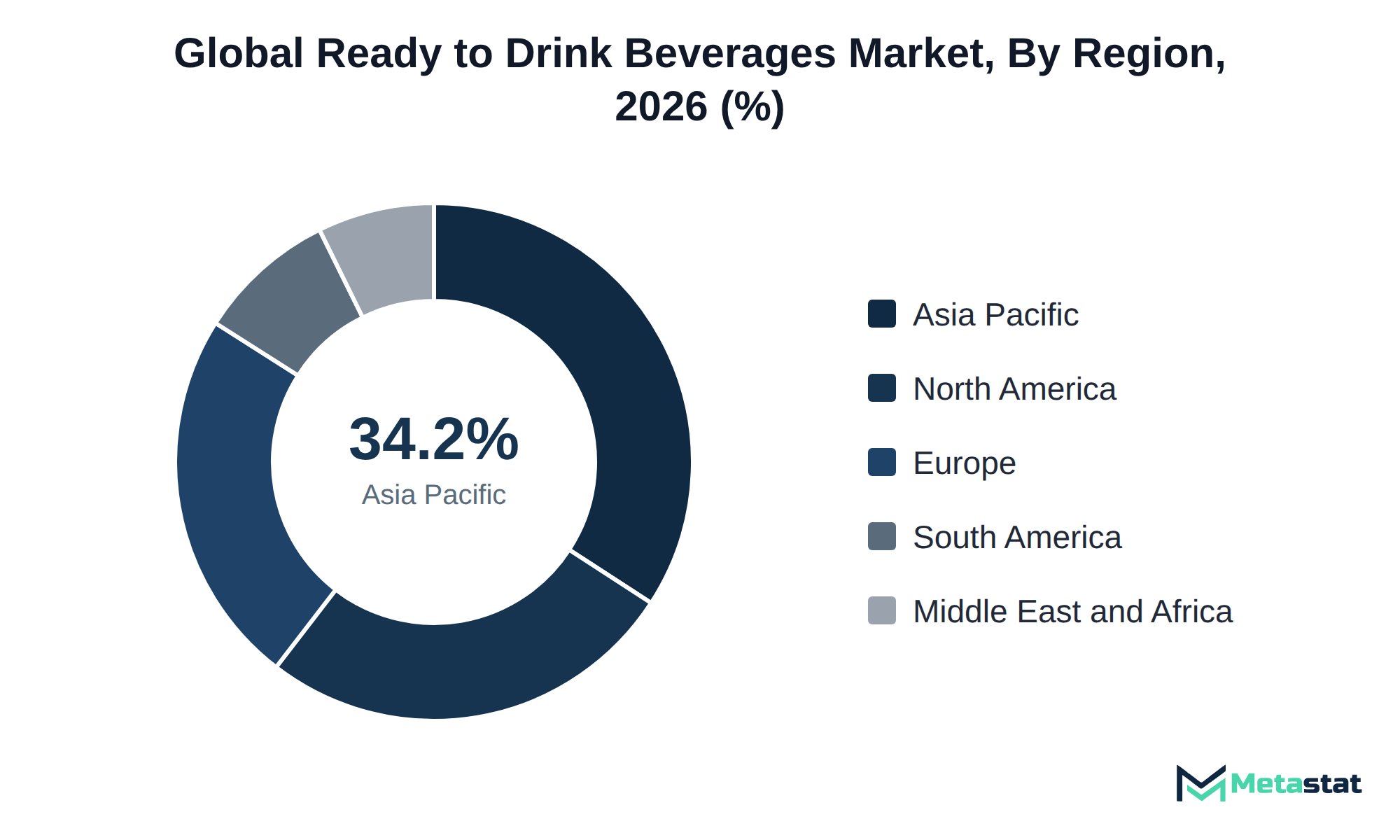
Growth in the market is primarily fueled by the increasing consumer preference for ready-to-drink options that align with busy lifestyles. Packaged water emerges as the segment with the most value, reflecting changing hydration habits and health awareness. North America holds 26.3% of the market in 2025, with the US leading in 2026. Asia Pacific follows closely, capturing 34.2% of the market, driven by a growing population and rising disposable income in countries including China and India.
Another key factor supporting market expansion is innovation in packaging formats, which enhances product appeal and accessibility. The shift toward sustainable packaging options influences environmentally conscious consumers, impacting purchasing decisions across regions. This trend not only meets consumer demand but addresses broader environmental concerns, positioning the market for continued growth.
The Ready to Drink Beverages market serves a variety of consumers seeking convenience and immediate satisfaction. Buyers typically spend on these products for their accessibility and diverse flavor offerings. The market addresses the growing demand for portable hydration solutions and enjoyable refreshments, appealing to individuals across demographics and lifestyles. Rising consumer interest drives consumption in various settings, including at home, in offices, and during travel.
Growth in the market is primarily fueled by increasing health consciousness among consumers, leading to heightened interest in natural and organic beverage options. The segment of Packaged Water stands out as the most valuable, reflecting a shift in consumer preference towards healthier hydration choices. This dominance highlights the region's strong purchasing power and established distribution networks.
The anticipated expansion of the market aligns with evolving consumer habits emphasizing convenience and quality. This growth trajectory suggests a significant opportunity for brands to innovate and diversify their product lines, catering to changing preferences. Increased focus on sustainability and environmentally friendly packaging further enhances market potential, enabling companies to attract environmentally conscious consumers.
Consumer preferences for low-sugar and protein-enriched formulations increasingly shape the Ready to Drink Beverages market. This trend reflects a growing demand for healthier options among consumers who prioritize wellness in their beverage choices. This shift has resulted in notable growth within the segment, with natural and organic products projected to reach USD 405 billion by 2033, demonstrating an anticipated compound annual growth rate of 11.3%. Such formulations appeal to health-conscious individuals seeking convenient beverage options that do not compromise nutritional value.
Brands actively investing in low-sugar and protein-enriched drinks experience enhanced market positioning. The incorporation of these formulations responds to consumer concerns over sugar intake and the desire for added protein, particularly among fitness enthusiasts and busy professionals. By aligning product offerings with these health trends, suppliers effectively capture a broader customer base, resulting in increased sales and brand loyalty. The Ready to Drink Beverages market becomes increasingly competitive as companies innovate to meet evolving consumer demands.
Recent trends in the Ready to Drink Beverages market highlight a growing shift toward cold brew and milk-based innovations in ready-to-drink coffee products. The segment for ready-to-drink coffee is experiencing significant growth, driven by evolving consumer preferences for beverages that offer convenience and unique flavor profiles. In 2023, the market for ready-to-drink coffee reached USD 828.8 billion, reflecting an increasing consumer inclination toward cold coffee options, particularly among younger demographics.
Pricing strategies in this segment often reflect the premium nature of cold brew and specialty milk-based drinks. Retailers leverage price points to cater to diverse customer segments, with premium products commanding higher prices due to their perceived quality and unique attributes. Popular distribution channels, including supermarkets and convenience stores, frequently engage in promotional activities to attract buyers, emphasizing the value and taste of these innovations. The market's growth trajectory indicates robust demand for these beverages, with expectations for further innovations and price adjustments to enhance consumer appeal.
Cold brew and milk-based options continue to penetrate the ready-to-drink coffee segment, prompting retailers and manufacturers to focus on optimizing pricing models and promotional strategies. This commercial focus on value and quality is expected to enhance brand loyalty and drive further sales growth within the market, positioning cold brew and milk-based products as key players in the evolving beverage landscape.
Growing consumer awareness regarding sustainability drives the demand for recyclable packaging in the Ready to Drink Beverages market. Brands face pressure to adopt environmentally friendly practices while maintaining product quality. In 2023, consumers increasingly prefer products packaged in materials that are easily recyclable, pushing manufacturers to innovate and comply with these preferences.
The segment of packaged water exemplifies this trend, with growth from USD 261.6 billion in 2026 to USD 464.2 billion by 2033, representing a compound annual growth rate (CAGR) of 8.5%. This shift encourages producers to invest in new packaging solutions that extend shelf life and meet consumer expectations for sustainability. The focus on recyclable packaging aligns with broader environmental goals and enhances brand loyalty among eco-conscious customers.
Consequently, companies that prioritize recyclable materials in their product offerings position themselves effectively within the competitive environment. By addressing shelf-life requirements and sustainability, these brands gain market share and consumer trust, leading to enhanced profitability and long-term success in the Ready to Drink Beverages market.
The category of natural and organic ready-to-drink beverages offers significant expansion potential within the market. The increasing consumer preference for healthier and more sustainable options drives this demand, with buyers increasingly seeking beverages that align with their health-conscious lifestyles.
Natural and organic ready-to-drink beverages cater to a distinct consumer base prioritizing health and wellness. This trend reflects broader lifestyle changes, with consumers opting for products perceived as cleaner and more beneficial. Given its rapid growth rate, this category attracts dedicated health-conscious consumers and appeals to a broader demographic interested in premium offerings.
The market's trajectory indicates that natural and organic ready-to-drink beverages will continue to gain traction, contributing to overall market growth. Businesses focus on innovation and product development within this segment, leading to increased revenue potential for producers. This trend creates a favorable environment for investment and strategic partnerships aimed at tapping into evolving consumer preferences in the Ready to Drink Beverages market.
Health-conscious consumers increasingly seek options that align with their wellness goals. This demographic shift has resulted in a notable rise in the demand for ready-to-drink beverages that are perceived as healthier, including natural and organic options. The growing emphasis on wellness among younger consumers, including millennials and Generation Z, drives the adoption of beverages that contribute to healthier lifestyles. Within the ready-to-drink beverages market, the natural and organic segment is expected to achieve a compound annual growth rate of 11.3% through 2033, reflecting heightened consumer interest in sustainable, clean-label products. As purchasing behavior evolves, brands that cater to these preferences experience increased volume sales, leading to greater market opportunities for suppliers. This shift highlights the significance of health-oriented offerings in shaping future market dynamics.
The emphasis on health and wellness continues to influence purchasing decisions in the market, resulting in a preference for beverages that align with these values.
Growing emphasis on sustainable sourcing significantly influences the Ready to Drink Beverages market. Suppliers increasingly implement eco-friendly practices, including organic farming and transparent supply chains, to appeal to environmentally aware consumers. This trend results from heightened consumer awareness regarding environmental impacts and the desire for products that reflect personal values. Industries that focus on sustainable practices experience increased demand from buyers prioritizing ethical consumption. The shift towards sustainability enhances brand loyalty and opens opportunities for premium pricing, benefiting suppliers financially. Companies adopting sustainable sourcing practices position themselves competitively in the market, attracting a broader consumer base. This focus on sustainability contributes to the overall growth and expansion of the market, meeting the evolving expectations of consumers while promoting a responsible approach to beverage production.
Price sensitivity among consumers limits engagement within the Ready to Drink Beverages market, particularly for premium products. Many buyers, including retail chains and health-conscious consumers, exhibit reluctance to invest in higher-priced options, resulting in slower uptake of new brands and offerings. The shift towards budget-friendly alternatives reflects tightening household budgets and competitive pricing pressures from established brands. This trend leads to smaller orders and delayed replacement cycles, impacting the overall growth potential of the market.
In addition, the perceived value of premium offerings often does not align with consumer expectations, causing a significant barrier for new entrants. Retailers prioritize brands that deliver consistent sales without sacrificing margins, further complicating market dynamics. Consequently, pricing strategies that fail to connect with cost-conscious consumers contribute to limited market penetration for innovative product lines.
Input cost pressures represent a significant challenge for suppliers in the Ready to Drink Beverages market. Raw materials, including sugar, fruit concentrates, and packaging materials, have experienced price fluctuations, impacting overall production costs. These fluctuations result from supply chain disruptions, geopolitical tensions, and increasing demand for sustainable sourcing practices. Suppliers face difficulties in maintaining profit margins while navigating these rising costs, prompting them to explore various strategies. Many companies invest in long-term contracts with suppliers to stabilize prices and secure necessary materials. Others focus on improving operational efficiency and diversifying sourcing strategies to mitigate risks associated with single-source dependencies. While these efforts support suppliers in managing costs, they require significant capital investment and operational adjustments, affecting short-term financial performance without guaranteeing immediate returns.
The packaged water segment of the Ready to Drink Beverages market presents significant growth potential, driven by increasing consumer awareness regarding health and hydration. This upward trajectory aligns with the rising demand for convenient and healthier beverage options, particularly among millennials and health-conscious consumers. The trend towards sustainability influences consumer preferences, encouraging the adoption of eco-friendly packaging solutions within the packaged water category. The market's response to these evolving demands is expected to enhance its competitiveness and boost revenue generation opportunities in the coming years. The growing focus on hydration solutions is anticipated to create favorable conditions for businesses targeting this segment, further supporting market expansion. Increasing product innovation and brand differentiation will play crucial roles in capturing market share in this dynamic environment.
The Global Ready to Drink Beverages market is segmented based on Product Type, Packaging Format, Nature, and Distribution Channel.
This segment addresses the growing demand for convenient hydration solutions among consumers, spanning various demographics including health-conscious individuals and those with active lifestyles. Increasing awareness regarding the importance of hydration serves as a primary driver for this segment, influencing purchasing decisions and leading to consistent growth. Unlike other segments, including Carbonated Soft Drinks, which holds a lower CAGR of 6.3%, Packaged Water experiences a faster growth trajectory due to its essential nature and appeal to a broader audience. The shift towards healthier lifestyle choices drives a preference for bottled water over sugary beverages, further supporting this segment's expansion within the market.
Carbonated Soft Drinks segment is estimated to reach USD 424.2 billion by 2033, at a CAGR of 6.3% during the forecast period. This segment caters to a broad audience seeking refreshment and enjoyment in everyday life. Rising demand for convenience and on-the-go consumption drives this segment, with consumers favoring easily accessible options like carbonated beverages. In contrast to other segments, including Packaged Water, which experiences a higher growth rate of 8.5%, Carbonated Soft Drinks exhibit moderate growth. Price sensitivity influences buyer decisions, with consumers often choosing brands that balance affordability and flavor. Competitive pricing remains crucial for maintaining market share in this segment, especially against health-conscious alternatives. Shifting preferences toward low-calorie and sugar-free options highlight changing consumer preferences, underlining the importance of innovation in flavor profiles and formulations. This segment's adaptability aligns with evolving consumer trends, making it a notable area of investment within the market.
Juices, Nectars and Still Fruit Drinks segment is expected to reach USD 204.9 billion by 2033. This category caters to consumers looking for refreshing options that provide nutritional benefits and hydration. Increasing health awareness drives demand for these beverages, particularly among individuals seeking alternatives to carbonated soft drinks. The segment exhibits a growth rate of 8.1%, faster than other segments, reflecting a rising preference for fruit-based beverages. The emphasis on natural ingredients and minimal processing enhances its appeal, particularly among health-conscious consumers. Compared to carbonated soft drinks, which exhibit a slower growth rate of 6.3%, the Juices, Nectars and Still Fruit Drinks segment stands out, offering diverse flavors and formulations that meet evolving preferences of buyers.
Dairy Milk and Dairy-Based Drinks segment is projected to grow at a CAGR of 7% during the forecast period. This segment serves individuals seeking nutritious and convenient options, primarily catering to health-conscious consumers and families. Demand for dairy-based beverages is driven by increasing awareness of the nutritional benefits associated with dairy, including protein and calcium intake. This segment differentiates itself through a focus on both taste and health benefits, featuring a range of flavored and fortified options that appeal to various consumer preferences. Compared to other segments, Dairy Milk and Dairy-Based Drinks face slightly slower growth dynamics, reflecting a more mature market, yet continue to capture interest through innovation, including lactose-free and plant-based alternatives. The pricing strategy in this segment targets a diverse consumer base, balancing affordability with premium offerings that enhance flavor and nutrition.
Plant-Based Milk Alternatives comprise beverages derived from a variety of plant sources, serving substitutes for traditional dairy milk. This segment appeals to health-conscious consumers, including those with lactose intolerance or dairy allergies, seeking nutritious and environmentally friendly options. The increasing demand for vegan and plant-based diets drives growth in this segment, aligning with broader trends in the Ready to Drink Beverages market that prioritize health and sustainability. While technological advancements in the formulation of these beverages enhance their appeal, pricing remains a critical factor influencing consumer choices. Compared to Carbonated Soft Drinks and Packaged Water, which offer broader price ranges, Plant-Based Milk Alternatives typically command higher prices, reflecting the premium ingredients and production processes involved. This distinct positioning caters to a specific buyer demographic focused on health benefits, differentiating it from other segments targeting mass-market appeal.
Ready-to-Drink Tea encompasses a variety of flavored and non-flavored tea beverages designed for immediate consumption. This segment attracts health-conscious consumers seeking convenient options that align with their wellness goals. A notable demand driver is the growing trend toward natural ingredients and functional benefits, including antioxidants and hydration. This preference enhances the appeal of ready-to-drink tea products, particularly among younger demographics. Compared to other beverage segments, ready-to-drink tea tends to position itself at a higher price point due to premium ingredients and innovative flavors. Consequently, it appeals to a more affluent consumer base, differentiating itself from segments including carbonated soft drinks and packaged water. The combination of health benefits and the convenience of ready-to-drink options positions this segment favorably within the market.
Ready-to-Drink Coffee serves consumers seeking convenient caffeine options that fit busy lifestyles. This segment attracts young professionals and on-the-go individuals who prefer ready-to-consume caffeine solutions. Increasing demand for high-quality and specialty coffee beverages drives growth in this category. The segment stands out from others within the product type by offering premium pricing and unique flavor profiles, appealing to discerning tastes. The growing trend toward cold brew and innovative flavors enhances its appeal. While other segments experience steady growth, Ready-to-Drink Coffee captures attention due to its distinct positioning within the market. Continuous product innovation and the introduction of healthier alternatives further support its expansion.
Energy drinks are popular beverages designed to provide a boost in energy and alertness, primarily through caffeine and other stimulants. Active individuals and young adults often choose these drinks for improved physical performance and mental focus. A growing preference for convenience and on-the-go consumption patterns drives the segment, reflecting broader trends in lifestyle. This sub-segment differentiates itself from others through its unique positioning as a functional beverage, often commanding higher price points than standard soft drinks. The competitive landscape remains dynamic, with new formulations incorporating natural ingredients appealing to health-conscious consumers, further shaping demand dynamics. Strategic marketing targeting fitness enthusiasts and gamers positions energy drinks uniquely compared to traditional soft drinks, which focus on refreshment rather than performance enhancement. Innovations in flavor profiles and packaging formats continuously influence consumer preferences, driving engagement within the segment.
Others encompassing Kombucha, Botanical Drinks, and Meal Replacement Drinks appeal to health-conscious consumers seeking functional beverages. This sub-segment serves individuals pursuing wellness through alternative drink options, prioritizing natural ingredients and perceived health benefits. The rise in demand reflects a broader trend towards healthier lifestyles, with consumers increasingly interested in products that offer added nutritional value. Regulatory pressures regarding labeling and health claims impact this segment, driving manufacturers to innovate and create transparent product formulations. In comparison to mainstream segments including Carbonated Soft Drinks, the Others sub-segment distinguishes itself through a focus on higher price points and niche markets, catering to specialized consumer preferences rather than mass appeal. This targeted approach influences growth trajectories, with the market supporting expansion driven by ongoing consumer shifts towards premium and health-oriented beverage choices.
Plastic Bottles segment is valued at USD 446.1 billion in 2026 and is projected to reach USD 732.7 billion by 2033, at a CAGR of 7.3% during the forecast period. This segment serves primarily consumers seeking convenient and portable beverage options that offer hydration. The increasing preference for on-the-go consumption drives demand, particularly among busy individuals and families. The growth trajectory of the Plastic Bottles segment surpasses that of several other packaging formats, including Glass Bottles, which shows a lower CAGR of 6.5%. Environmental concerns regarding plastic waste present a challenge; however, innovations in biodegradable materials and recycling initiatives support market expansion. The market is expected to continue adapting to consumer preferences, with a strong focus on sustainability and convenience in beverage packaging.
Beverage Cartons segment is estimated to reach USD 353.9 billion by 2033, at a CAGR of 8.7% during the forecast period. These cartons serve various beverages, including juices and dairy products, catering primarily to health-conscious consumers and families seeking convenient packaging solutions. The popularity of Beverage Cartons is propelled by their lightweight nature and recyclability, appealing to environmentally aware buyers. This segment shows a faster growth trajectory compared to alternatives including glass bottles and metal cans, contributing to the overall expansion of the market. Consumer preference for portable and easily disposable options drives demand, while innovations in carton technology enhance durability and shelf life. The focus on sustainability within the Ready to Drink Beverages market reinforces the relevance of Beverage Cartons, distinguishing them from other packaging formats that do not offer the same environmental benefits or consumer appeal.
Metal Cans segment is expected to reach USD 433.6 billion by 2033. This segment caters to consumers seeking convenient and portable beverage options, often used for various drinks, including carbonated soft drinks, juices, and energy beverages. A significant force driving growth in this segment is the increasing demand for ready-to-drink beverages among young adults and on-the-go consumers. This segment exhibits a growth trajectory that outpaces others, attributed to its versatility and the declining costs associated with aluminum production. The price point of beverages in metal cans tends to be competitive, appealing to budget-conscious buyers while maintaining brand loyalty. Compared to other packaging formats, including glass or plastic, metal cans offer superior preservation of flavor and freshness, enhancing consumer preference within the Ready to Drink Beverages market.
Glass Bottles segment is projected to grow at a CAGR of 6.5% during the forecast period. Glass bottles represent a preferred packaging choice for premium beverages, appealing to consumers valuing sustainability and product integrity. The growing demand for eco-friendly packaging drives interest in this segment, particularly among environmentally conscious buyers. Compared to Plastic Bottles, which are anticipated to expand at a CAGR of 7.3%, Glass Bottles exhibit a slower growth trajectory, reflecting higher production costs and pricing. However, this segment's higher price point attracts a niche market willing to pay for quality and sustainability. The Ready to Drink Beverages market shows strong interest in glass packaging, particularly for alcoholic and artisanal beverages, distinguishing it from other formats that cater to mass-market preferences.
Cups provide a convenient packaging option for various ready-to-drink beverages, serving consumers in on-the-go situations. This format is popular in settings including cafes, vending machines, and events, catering to individuals seeking immediate consumption. Demand for cups has increased due to the rising trend of takeaway beverages paired with a growing focus on sustainable solutions. The rising demand for convenience and sustainability drives innovation in materials and designs, enhancing accessibility for consumers. Compared to other packaging formats, cups often attract a different buyer demographic, focused on convenience and portability. This segment's growth reflects increasing lifestyle changes favoring quick beverage options, distinguishing it from traditional packaging formats like glass bottles or metal cans.
Pouches serve a convenient packaging format for various ready-to-drink beverages, including juices, smoothies, and flavored waters. Families and young adults favor pouches due to their portability and ease of use. The expansion of health-conscious trends influences this segment, with consumers seeking on-the-go options that align with active lifestyles. Compared to other packaging formats, pouches generally offer unique differentiation through lighter weight and space-saving characteristics. While the growth rate for pouches remains competitive in the market, it exhibits a distinct appeal aimed at convenience-driven buyers, contrasting with formats like plastic bottles or metal cans that cater more to traditional consumption settings.
Others (Bag-in-Box, Kegs) represent alternative packaging formats within the Ready to Drink Beverages market. These formats are commonly used for beverages including wines, juices, and other liquid refreshments, targeting both consumer and commercial markets. The growth of this segment is influenced by increasing demand for sustainable packaging options and the convenience these formats offer for bulk consumption. Unlike traditional packaging, Bag-in-Box and Kegs provide advantages including reduced environmental impact and extended shelf life, appealing to environmentally conscious consumers. Advancements in technology for these packaging solutions enhance preservation and usability, differentiating them from other packaging formats. The market sees a growing trend toward eco-friendly practices, supporting the adoption of these innovative formats, which align with the preferences of modern consumers seeking convenient and sustainable beverage options.
Conventional is valued at USD 851.2 billion in 2026 and is projected to reach USD 1,389.5 billion by 2033, at a CAGR of 7.3% during the forecast period. This segment finds widespread use among consumers seeking traditional options, particularly in beverages like flavored waters, teas, and soft drinks. Growing health consciousness among consumers drives demand for conventional offerings, with established brands continuously expanding their product lines to include healthier alternatives. In contrast to the Natural and Organic segment, which exhibits a higher CAGR of 11.3%, conventional beverages typically feature lower price points, appealing to cost-sensitive customers. This price differential allows conventional beverages to capture a larger share of the market, aligning with buyers' preferences for affordability while satisfying taste expectations.
This segment appeals to health-conscious consumers seeking cleaner and more sustainable beverage options. Increased awareness regarding the health benefits associated with natural ingredients drives demand. Shifts in consumer preference towards beverages free from artificial additives enhance growth in this area. In comparison to other segments, the Natural and Organic category demonstrates faster growth, reflecting a CAGR considerably higher than that of Carbonated Soft Drinks at 6.3%. This segment caters to niche markets focusing on organic certifications and sustainable practices, setting it apart from traditional offerings that prioritize cost efficiency over health benefits. The Ready to Drink Beverages market is experiencing significant changes driven by evolving consumer preferences, positioning the Natural and Organic segment favorably for future expansion.
Supermarkets and Hypermarkets segment is valued at USD 358.4 billion in 2026 and is projected to reach USD 581.6 billion by 2033, at a CAGR of 7.2% during the forecast period. This channel provides a wide variety of ready to drink beverages to consumers, catering to diverse preferences and needs. The ongoing shift towards convenience among consumers drives demand in this segment, enabling easy access to a wide range of products. Compared to other distribution channels, Supermarkets and Hypermarkets offer a broader selection of brands and flavors, enhancing the shopping experience. This segment is expected to grow at a steady pace due to increasing consumer preference for one-stop shopping experiences, which supports overall growth in the market.
Convenience Stores and Petrol Forecourts segment is estimated to reach USD 343.8 billion by 2033, at a CAGR of 8.5% during the forecast period. This segment caters to consumers seeking quick access to ready-to-drink beverages while on the move, making it a popular choice among busy individuals. The increasing trend of convenience shopping drives growth in this segment, with customers favoring easy access to beverages during their daily routines. Compared to other distribution channels, this segment exhibits faster growth due to rising consumer demand for convenience. The pricing strategy in convenience stores often reflects premium positioning, attracting customers willing to pay extra for immediate availability. In contrast, supermarkets and hypermarkets typically offer lower prices and larger selections, appealing to more price-sensitive buyers. This divergence highlights the distinct market dynamics influencing the Convenience Stores and Petrol Forecourts segment within the ready-to-drink beverages market.
Traditional Grocery Stores segment is expected to reach USD 168.1 billion by 2033. This segment serves consumers seeking convenience and familiarity in their shopping experience. Traditional grocery stores provide a variety of ready-to-drink beverages, appealing to families and everyday shoppers. An increasing demand for convenience in daily shopping routines drives growth, with consumers favoring one-stop shopping locations. Unlike other distribution channels, Traditional Grocery Stores offer an extensive selection of beverages, promoting higher sales volumes. Growth in this segment is anticipated at a CAGR of 7.2%, reflecting a shift in consumer preferences toward established retail formats. In contrast, Supermarkets and Hypermarkets demonstrate a slightly higher CAGR of 7.3%, reflecting competitive dynamics within the market.
Specialist Beverage and Health Stores segment is projected to grow at a CAGR of 9.6% during the forecast period. These stores cater to health-conscious consumers seeking nutritionally beneficial and specialized beverages, often including organic, natural, and functional drink options. The increasing trend towards healthier lifestyles drives demand in this segment, reflecting a shift in consumer preferences away from traditional sugary drinks. Heightened awareness about the benefits of various ingredients, including probiotics and plant-based nutrients, supports growth. Unlike other distribution channels, this segment offers a unique focus on specialized products, appealing to specific consumer needs and potentially commanding higher prices. The market expands as consumers actively seek health-oriented options that align with their wellness goals.
Online retail involves the digital sale of ready-to-drink beverages through e-commerce platforms. Consumers increasingly rely on online channels for purchasing beverages due to the convenience and variety these platforms offer. This segment primarily attracts tech-savvy buyers seeking a wider selection of products, often unavailable in physical stores. Rapidly growing consumer demand for convenience drives this segment, particularly among younger demographics. The shift towards online purchasing contrasts with traditional retail channels, which focus on in-person shopping experiences. Compared to other distribution channels, online retail presents unique pricing strategies and promotional offers, appealing to cost-conscious shoppers. Enhanced digital marketing strategies and improved logistics support growth in this segment, contributing to the overall expansion of the market.
Foodservice Outlets serve distribution points for ready-to-drink beverages, catering primarily to restaurants, cafes, and catering services. This segment attracts consumers seeking convenience and immediate access to beverages during dining experiences. Growth in this segment is driven by the increasing trend of dining out and a shift towards convenience-oriented consumption. The rising popularity of takeout and delivery services further boosts demand for ready-to-drink beverages in foodservice establishments. Compared to other distribution channels, Foodservice Outlets target a different consumer base, focusing on immediate consumption rather than bulk purchases. This segment often features higher price points than retail channels, with consumers willing to pay more for beverages while enjoying meals in social settings. Such dynamics contribute to a unique positioning within the market that differentiates it from other distribution channels.
Vending machines serve automated retail channels for ready-to-drink beverages, catering to consumers seeking convenience and quick access to their preferred drinks. This distribution method appeals to busy individuals, particularly in urban areas, where time constraints drive purchasing decisions. The rising trend of health-conscious consumption influences vending machine offerings, with many operators introducing healthier beverage options to capture a broader customer base. Unlike traditional grocery stores or supermarkets, vending machines offer 24/7 availability, enhancing their attractiveness to consumers. Price competitiveness in vending machines often differs from other segments, reflecting factors including location and operational costs. This segment expands the reach of the Ready to Drink Beverages market, ensuring that consumers have access to their favorite products in various environments, including workplaces, schools, and public transport hubs.
This segment encompasses distribution channels like institutional canteens and direct home delivery, catering to specific consumer needs. Institutional canteens serve various establishments, including schools and corporate offices, providing convenient access to ready-to-drink beverages. Direct home delivery targets consumers seeking convenience and time savings in their beverage purchases, aligning with the growing trend of online shopping. The demand for this segment primarily stems from a shift toward convenience, with consumers preferring accessible options that fit busy lifestyles. Unlike other segments, including supermarkets and hypermarkets, this sub-segment experiences slower growth, influenced by operational complexities and varying consumer preferences. The unique combination of institutional settings and home delivery creates a niche market with distinct dynamics compared to traditional retail channels, reflecting evolving consumer habits in the broader market.
Based on geography, the Global Ready to Drink Beverages market is divided into North America, Europe, Asia-Pacific, South America, Middle East, and Africa.
Significant demand for ready-to-drink beverages in North America stems from consumer preferences for convenience and health-conscious options. The increasing inclination towards bottled water and carbonated soft drinks drives market expansion in this region. North America holds a 26.3% share of the global market in 2025. Regulatory frameworks supporting health and safety in beverage production enhance consumer trust and influence purchasing behavior. The developed infrastructure in the United States, Canada, and Mexico facilitates efficient distribution across various channels, including supermarkets, hypermarkets, and convenience stores. North America is projected to reach USD 446.3 billion by the end of 2033, reflecting a strong growth trajectory for the market.
The Ready to Drink Beverages market in Europe benefits from a diverse consumer base, with significant contributions from countries including Germany, France, and the UK. The region focuses on health-conscious consumers, driving demand for natural and organic products, which are projected to achieve a compound annual growth rate of 11.3%. Regulations promoting health and sustainability influence purchasing decisions, prompting retailers to adapt their offerings. This market reflects a growing preference for convenient and ready-to-consume beverages. Innovations in packaging, specifically beverage cartons and plastic bottles, enhance product appeal and accessibility across various distribution channels.
Strong demand for ready-to-drink beverages in Asia-Pacific stems from increasing urbanization and a growing middle class, particularly in countries like India and China. Young consumers drive a significant portion of the market, favoring convenience and innovative flavors. Rising health awareness alongside a shift toward natural and organic products influences purchasing habits in this region. The share of the market reached 34.2% in 2025, reflecting robust product offerings tailored to local preferences. Infrastructure improvements in distribution channels enhance accessibility, allowing easier reach to consumers across urban and rural settings. Local manufacturers and international brands compete fiercely, focusing on product diversity to cater to varied tastes. Sustainability trends encourage investments in eco-friendly packaging solutions, further shaping the strategies of companies operating in the ready-to-drink beverages market.
In South America, demand for ready to drink beverages is driven by a growing trend toward convenience and on-the-go consumption. Countries including Brazil and Argentina represent significant markets, with health-conscious consumers seeking various beverage options. The market share for South America in 2025 stands at 8.7%. Regional investment in distribution infrastructure supports beverage availability across both urban and rural areas, enhancing market accessibility. Retail formats, including supermarkets and convenience stores, serve vital channels for reaching consumers. The market continues to evolve, attracting investments to cater to changing preferences within the population. This environment is expected to create further growth opportunities within the ready to drink beverages market.
Demand for ready to drink beverages in the Middle East and Africa is driven primarily by expanding urban populations and a rising preference for convenient beverage options among consumers. Countries within the region, particularly Saudi Arabia, UAE, and South Africa, exhibit increasing interest in health-conscious choices, further fueling market growth. The market share for this region reflects a significant contribution to the overall industry. Efforts to improve distribution infrastructure and accessibility in various retail channels enhance product availability, catering to growing consumer demand. An increasing focus on natural and organic options influences buying behavior, reflecting a shift towards healthier alternatives within the market. Economic growth in these countries supports the ongoing expansion of the ready to drink beverages market, leading to increased investment opportunities.
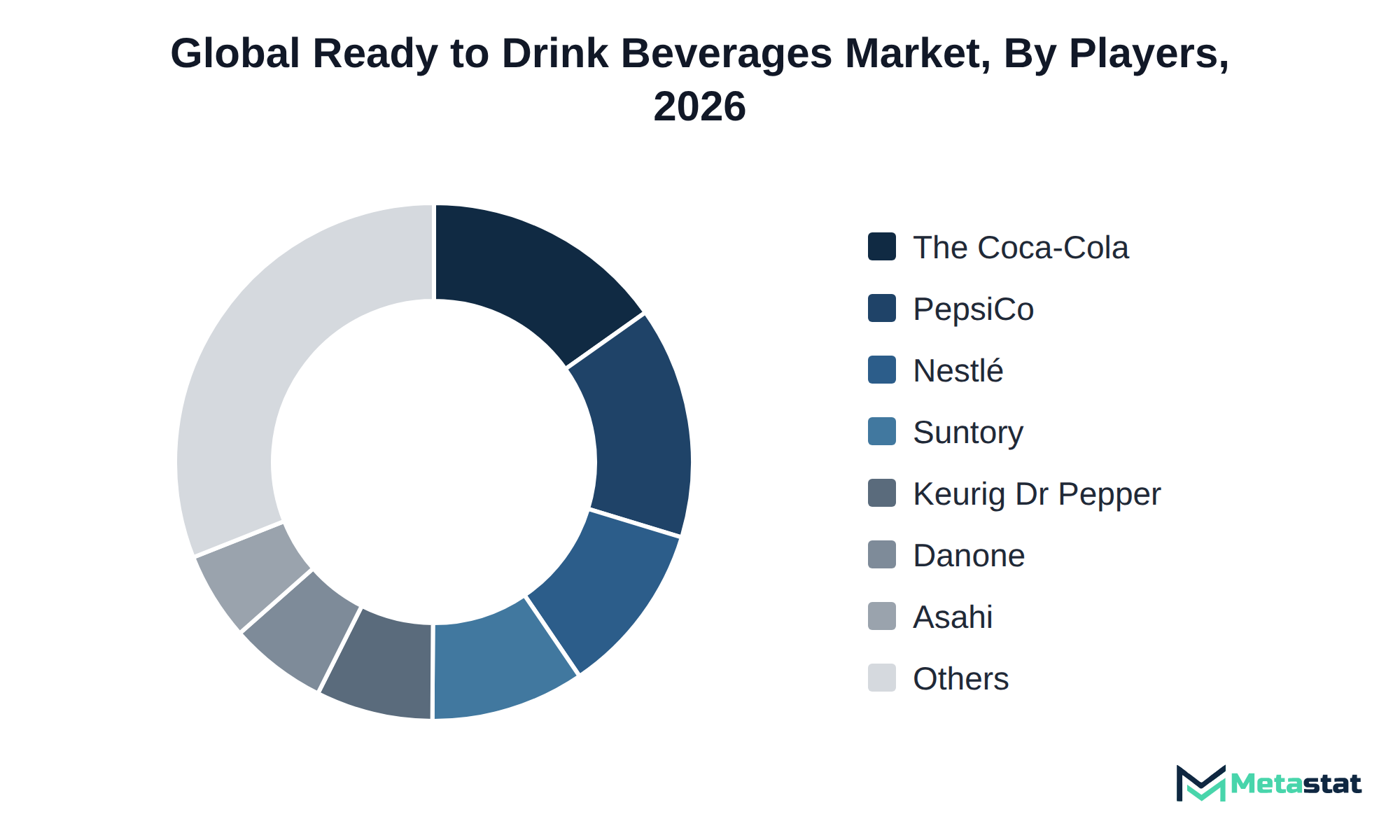
Competition within the Ready to Drink Beverages market involves several strategies, with prominent players focusing on different product types and packaging formats. Companies emphasize factors including price, quality certifications, and customization to attract buyers. For instance, The Coca-Cola Company and PepsiCo, Inc. concentrate on carbonated soft drinks and packaged water, highlighting brand loyalty while offering competitive pricing and extensive distribution networks.
Firms like Nestlé S.A. and Danone S.A. focus on health-oriented beverages, including dairy and plant-based options. Their emphasis on nutritional value and sustainable practices aligns with health-conscious consumers. Companies including Monster Beverage Corporation and Red Bull GmbH target the energy drink segment, leveraging branding and marketing strategies that appeal to younger demographics. The competitive strategies among these players illustrate diverse approaches within the market, driven by consumer preferences and industry trends.
The forecast relies on several key developments. This segment benefits from increasing health consciousness among consumers who prefer hydration options. This trend reflects rising consumer demand for healthier beverage options across various regions, especially in North America and Europe. Third, the convenience of distribution channels, particularly supermarkets and hypermarkets, will enhance market accessibility. This channel is set to grow from USD 358.4 billion in 2026 to USD 581.6 billion by 2033, enabling consumers to purchase ready-to-drink beverages more easily. A significant risk that could decelerate growth involves potential economic downturns affecting consumer spending, particularly in the Asia Pacific region, where disposable income fluctuations influence purchasing behavior. The relationship of these developments and risks will shape the future of the Ready to Drink Beverages market.
By Product Type: Packaged Water, Carbonated Soft Drinks, Juices, Nectars and Still Fruit Drinks, Dairy Milk and Dairy-Based Drinks, Plant-Based Milk Alternatives, Ready-to-Drink Tea, Ready-to-Drink Coffee, Energy Drinks, Others (Kombucha, Botanical Drinks, Meal Replacement Drinks)
By Packaging Format: Plastic Bottles, Beverage Cartons, Metal Cans, Glass Bottles, Cups, Pouches, Others (Bag-in-Box, Kegs)
By Nature: Conventional, Natural and Organic
By Distribution Channel: Supermarkets and Hypermarkets, Convenience Stores and Petrol Forecourts, Traditional Grocery Stores, Specialist Beverage and Health Stores, Online Retail, Foodservice Outlets, Vending Machines, Others (Institutional Canteens, Direct Home Delivery)
The report strategically identifies and profiles the key market players and analyses their core competencies in each sub-segment of the Ready to Drink Beverages market.
Report Attributes | Details |
Study Period | 2021-2033 |
Base Year | 2025 |
Estimated Year | 2026 |
Forecast Period | 2026-2033 |
Historical Period | 2021-2025 |
Growth Rate | CAGR 8.1% from 2026 to 2033 |
Revenue Unit | USD billion |
Segmentation | By Product Type, Packaging Format, Nature, Distribution Channel, and Region |
By Region | North America (By Product Type, Packaging Format, Nature, Distribution Channel, and Country)
|
Europe (By Product Type, Packaging Format, Nature, Distribution Channel, and Country)
| |
Asia Pacific (By Product Type, Packaging Format, Nature, Distribution Channel, and Country)
| |
South America (By Product Type, Packaging Format, Nature, Distribution Channel, and Country)
| |
Middle East and Africa (By Product Type, Packaging Format, Nature, Distribution Channel, and Country)
|
Find answers to common questions about this report
The Ready to Drink Beverages market size was valued at USD 962.1 billion in 2025.
The market is projected to grow at a CAGR of 8.1% during the forecast period from 2026 to 2033.
The North America Ready to Drink Beverages market size is estimated to reach USD 446.3 billion by 2033.
Packaged Water leads the Ready to Drink Beverages market with a projected value of USD 464.2 billion by 2033, reflecting the highest growth potential among the product segments.
Health-conscious consumers increasingly seek options that align with their wellness goals, driving demand for natural and organic beverages. The growing emphasis on sustainable sourcing influences purchasing decisions, as suppliers adopt eco-friendly practices to appeal to environmentally aware consumers.
Price sensitivity among consumers limits engagement in the Ready to Drink Beverages market, particularly for premium products. Buyers exhibit reluctance to invest in higher-priced options. Input cost pressures present a significant challenge, with fluctuations in raw material prices impacting production costs and profit margins.
Health-conscious consumers drive adoption of ready-to-drink beverages that align with wellness goals, particularly natural and organic options. Sustainable sourcing practices enhance brand loyalty and create opportunities for premium pricing, benefiting suppliers financially.
The Ready to Drink Beverages market is estimated to reach a valuation of USD 1,794.5 billion by 2033.
Key players operating in the Ready to Drink Beverages market include The Coca-Cola Company, PepsiCo, Inc., Suntory Holdings Limited, Nestlé S.A., Danone S.A., Keurig Dr Pepper Inc., and Monster Beverage Corporation.
The packaged water segment is projected to expand at a compound annual growth rate of 8.5%, increasing from USD 261.6 billion in 2026 to USD 464.2 billion by 2033.
The analysts below cover Food and Beverages research at Metastat Insights.
LEAD ANALYST
Utkarsh Khirodkar is a Lead Market Research Analyst at MetaStat Insight, specializing in market intelligence, technology sector assessments, and competitive strategy.

LEAD PRINCIPAL ANALYST, PHARMA AND HEALTHCARE
Food and Beverages · Healthcare · Healthcare IT · Medical Devices
Ajay Devgire is the Lead Healthcare Analyst at MetaStat Insight, leading strategic research and market intelligence initiatives across the global healthcare domain.

SENIOR RESEARCH ANALYST
Biotechnology · Food and Beverages · Medical Devices · Packaging
Snehal Pasalkar is a Research Analyst at MetaStat Insight, operating at the intersection of life sciences research, competitive strategy, and market intelligence.
Assessing 200mm wafer transition schedules and substrate supply bottlenecks requires precise technical intelligence. MetaStat Insight supplied an actionable breakdown comparing planar and trench MOSFET architectures across automotive and industrial drive markets. The regional capacity estimates for Asia-Pacific foundries helped clarify lead-time uncertainties during our strategic planning session. When we needed additional clarification on high-purity raw material sourcing, their analyst team responded with helpful context within twenty-four hours.
Tracking maintenance cycle demand for secondary flight display units and terrain collision avoidance systems across regional jet fleets involves complex aftermarket dynamics. MetaStat Insight provided practical analysis separating airline retrofit programs from OEM forward-fit production schedules in North America and Southeast Asia. The supplier matrix highlighted component obsolescence timelines without resorting to vague generalizations. The dataset served as a dependable reference during our annual program review meetings.
Evaluating secondary resin quality across post-consumer packaging streams requires reliable technical segmentation. MetaStat Insight delivered an objective assessment that distinguished between extrusion-grade flake pricing and optical sorting throughput limitations across Western Europe. The competitive positioning breakdown for licensed depolymerization technology providers answered several questions during our feedstock feasibility audit. Their team clarified regional trade restrictions on mixed plastic scrap quickly when our team submitted follow-up requests.
Explore related market intelligence reports worth reading alongside this one.