
LEAD ANALYST
Utkarsh Khirodkar is a Lead Market Research Analyst at MetaStat Insight, specializing in market intelligence, technology sector assessments, and competitive strategy.

Probiotics Market Size, Share, By Product (Probiotic Food, Probiotic Beverages, Probiotic Dietary Supplements, and Animal Feed), By Ingredient (Bacteria and Yeast), By Function (Regular, Preventative Healthcare, and Therapeutic), By Distribution Channel (Hypermarkets, Supermarkets, Pharmacies, Drugstores, Specialty Stores, Online Stores, and Others), Industry Analysis, Growth, Trends, and Forecast, 2026-2033
Report ID
MSI-4744
Published
May, 2026
Pages
315 Pages
Format
Report Details
Choose Your License
Probiotics Market
Global Probiotics market size is valued at USD 117.7 billion in 2025 and projected to grow at a CAGR of 14.3% during the forecast period, reaching USD 343.6 billion by 2033.
Global Probiotics market valued at USD 117.7 billion in 2025, growing at a CAGR of 14.3% through 2033, with potential to exceed USD 343.6 billion.
North America holds 23.8% in 2025 with US leading the market share in 2025.
Probiotic Food & Beverages segment accounts for a market share of 60.8% in 2025.
Key trends driving growth: Rising consumer focus on preventive healthcare and gut health awareness accelerates demand for probiotic supplements and functional foods, along with clinical validation of strain-specific benefits in immunity, metabolic health, and gastrointestinal disorders supports prescription and OTC adoption.
Opportunities include development of next-generation probiotics and personalized microbiome-based formulations unlocks high-value therapeutic and nutraceutical expansion avenues.
Key insight: Rising preventive healthcare focus and microbiome science advancement accelerate expansion of the Global Probiotics Market.
Global Probiotics market operates within the broader functional food, dietary supplement, and microbiome-based healthcare industry, where scientific validation and regulatory scrutiny are increasingly shaping competitive positioning. Over the forecast period, market development will move beyond basic digestive support toward precision microbial formulations designed for targeted health outcomes. Companies are investing in strain-level documentation, genomic mapping, and clinically substantiated claims aligned with regulatory frameworks across North America, Europe, and Asia Pacific.
Product formats are expanding beyond conventional capsules and yogurts into synbiotic combinations, postbiotic applications, and condition-specific blends tailored for metabolic health, cognitive support, women’s health, and sports nutrition. Manufacturing is moving toward advanced encapsulation technologies that preserve viability across diverse climatic conditions, particularly in high-humidity markets. Shelf-stable delivery systems are gaining traction in emerging economies where cold-chain infrastructure remains inconsistent.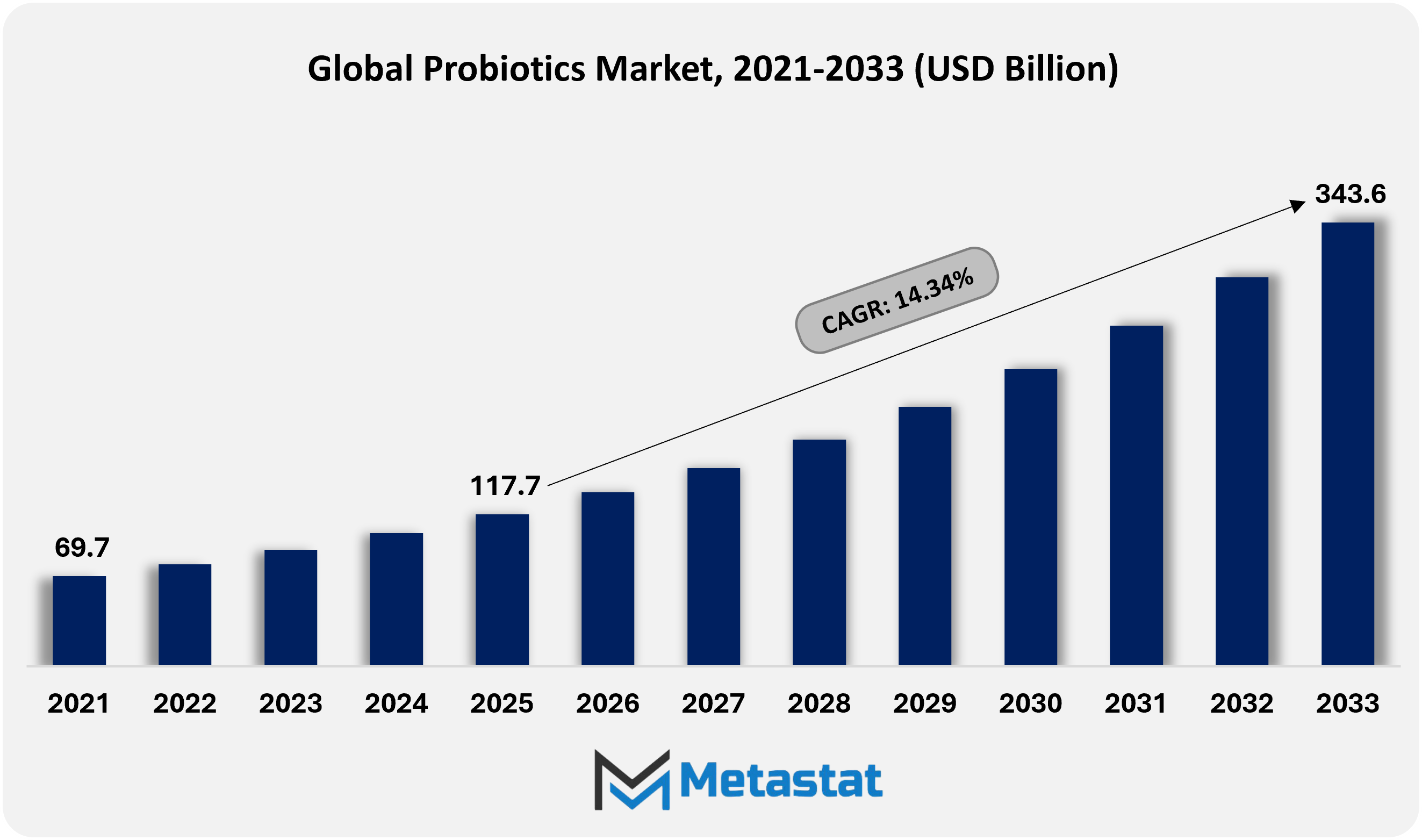
Rising consumer focus on preventive healthcare and gut health awareness accelerates demand for probiotic supplements and functional foods.
Growing consumer interest in preventive healthcare is reshaping purchasing behavior across the Global Probiotics market. Increased awareness of the gut microbiome’s role in immunity, digestion, and mental wellness is encouraging regular consumption of probiotic capsules, powders, dairy products, and fortified beverages. Educational campaigns and digital health platforms are further improving awareness, supporting sustained category growth across age groups and income segments.
Clinical validation of strain-specific benefits in immunity, metabolic health, and gastrointestinal disorders supports prescription and OTC adoption.
Expanding clinical research confirming strain-specific efficacy in immunity support, metabolic health, and gastrointestinal disorder management is strengthening confidence in the Global Probiotics market. Physicians and pharmacists are increasingly recommending evidence-based formulations for adjunct use. Over-the-counter demand is also rising alongside prescription-linked adoption, supported by published trials, standardized labeling, and improved transparency in strain identification and dosage accuracy.
Stability challenges related to strain viability during storage and distribution limit shelf-life consistency.
Product stability concerns related to microbial strain viability during transportation and long-term storage remain a key technical constraint in the Global Probiotics market. Exposure to humidity, oxygen, and temperature variation affects potency and labeled colony counts. Manufacturers are investing in advanced encapsulation, moisture-resistant packaging, and cold-chain optimization to preserve efficacy and ensure shelf-life reliability across different climatic conditions.
Regulatory heterogeneity across regions regarding health claims restricts uniform global commercialization strategies.
Variation in regional regulations governing probiotic health claims complicates expansion strategies in the Global Probiotics market. Approval pathways, labeling standards, and permissible marketing statements differ widely across jurisdictions. Companies require region-specific compliance frameworks, clinical substantiation dossiers, and localized branding strategies to maintain regulatory alignment and consumer trust.
Development of next-generation probiotics and personalized microbiome-based formulations unlocks high-value therapeutic and nutraceutical expansion avenues.
Innovation in next-generation probiotics, including synbiotics, postbiotics, and microbiome-targeted formulations, is creating premium growth opportunities in the Global Probiotics market. Advances in genomic sequencing and microbiome analytics are supporting personalized nutrition solutions tailored to individual health profiles. Strategic partnerships between biotechnology firms and nutraceutical producers are accelerating therapeutic applications, opening pathways for high-margin clinical nutrition and preventive health portfolios.
The Global Probiotics market is segmented based on Product, Ingredient, Function, and Distribution Channel.
Probiotic Food & Beverages segment is valued at USD 81.8 billion in 2026 and is projected to reach USD 209.7 billion by 2033, at a CAGR of 14.4% during the forecast period.
Probiotic Food & Beverages are expanding through rising consumer preference for functional nutrition integrated into daily diets. Fermented dairy, plant-based beverages, fortified snacks, and cultured products are strengthening shelf presence across retail channels. Product innovation in flavor, formulation stability, and shelf-stable formats is supporting long-term adoption across urban and health-conscious consumer groups.
Probiotic Dietary Supplements segment is valued at USD 41.4 billion in 2026 and is projected to reach USD 108.8 billion by 2033, at a CAGR of 14.8% during the forecast period.
Probiotic Dietary Supplements are advancing across capsules, tablet, powder, and gummy formats designed for targeted digestive and immune support. Personalized nutrition trends are encouraging strain-specific product development across premium and mass-market categories. Clinical validation, improved shelf stability, and subscription-led distribution models are strengthening consumer confidence and repeat purchase behaviour.
Animal Feed segment is valued at USD 11.3 billion in 2026 and is projected to reach USD 25.2 billion by 2033, at a CAGR of 12.1% during the forecast period.
Animal Feed is growing with increased focus on livestock productivity, gut health, and reduced antibiotic dependence. Feed formulations enriched with beneficial strains are supporting digestive balance and nutrient absorption across poultry, swine, and cattle applications. Regulatory encouragement for sustainable animal nutrition practices is further supporting commercial adoption across global farming systems.
Bacteria segment is projected to reach USD 289.5 billion by 2033, at a CAGR of 14.3% during the forecast period.
Bacteria continues to lead ingredient demand, supported by extensive research across Lactobacillus and Bifidobacterium strains. Advancements in microencapsulation and strain survivability are improving product performance across food, supplement, and clinical applications. Pharmaceutical-grade bacterial cultures are also gaining relevance in preventive nutrition programs, strengthening long-term integration into mainstream healthcare and wellness systems.
Yeast segment is projected to reach USD 54.1 billion by 2033, at a CAGR of 14.4% during the forecast period.
Yeast segment is gaining momentum through its resilience under harsh gastrointestinal conditions and strong relevance across digestive health applications. Saccharomyces boulardii remains a prominent ingredient across clinical and consumer wellness formulations. Manufacturers are also developing hybrid solutions that combine yeast and bacterial strains to improve efficacy and widen therapeutic positioning across international markets.
Regular segment is projected to reach USD 65.9 billion by 2033.
Regular function segment remains foundational, centered on digestive balance and everyday wellness maintenance. Routine consumption through food products and dietary supplements is normalizing probiotic intake across broad consumer groups. Preventive lifestyle orientation, supported by educational outreach and transparent labeling, is strengthening adoption across daily health management routines.
Preventative Healthcare segment is projected to reach USD 192.3 billion by 2033.
Preventive Healthcare is expanding through integration into immunity support programs and broader metabolic health strategies. Healthcare providers are increasingly recommending probiotic strains for risk reduction across gastrointestinal and inflammatory conditions. Wellness-oriented healthcare models and long-term self-care trends are further supporting probiotic supplementation across preventive health portfolios.
Therapeutic segment is expanding alongside clinical research exploring microbiome modulation for chronic and condition-specific disorders. Hospitals and specialty clinics are incorporating probiotic protocols into adjunct treatment strategies for antibiotic-associated complications and gastrointestinal disorders. Precision health frameworks are also supporting strain selection based on targeted microbiome profiles and patient-specific clinical needs.
Hypermarkets/Supermarkets segment is projected to grow at a CAGR of 14.9% during the forecast period.
Hypermarkets/Supermarkets maintains strong visibility through expanding refrigerated sections and health-focused retail aisles. Private-label probiotic offerings are competing with established brands across mainstream consumer categories. Large retail chains are also investing in in-store education and category presentation to improve product understanding and strengthen repeat purchases.
Pharmacies/Drugstores segment is projected to grow at a CAGR of 14.1% during the forecast period.
Pharmacies/Drugstores is growing through pharmacist-led recommendations and clinically positioned supplement portfolios. Medical endorsement is improving credibility among health-conscious consumers seeking digestive and immunity support solutions. Expansion of over-the-counter wellness sections is further strengthening probiotic penetration across regulated retail channels.
Specialty Stores segment is projected to grow at a CAGR of 11.4% during the forecast period.
Specialty Stores segment is targeting niche wellness consumers seeking premium, organic, and strain-specific formulations. Knowledge-driven staff interaction is improving purchase confidence across higher-value product categories. Expansion of health boutiques and natural product chains is also supporting brand differentiation and premium positioning.
Online Stores segment is projected to grow at a CAGR of 15.5% during the forecast period.
Online Stores is recording strong momentum, supported by digital health awareness campaigns and direct-to-consumer subscription models. Data-led recommendation systems are improving product matching based on lifestyle and wellness preferences. Cross-border e-commerce platforms are also widening access to international probiotic brands across emerging and developed markets.
Others segment is projected to grow at a CAGR of 13.2% during the forecast period.
Others segment including practitioner channels and institutional sales, is gaining relevance across corporate wellness programs and healthcare supply networks. Partnerships with nutrition consultants, wellness clinics, and medical institutions are creating structured delivery pathways for probiotic products. These channels are strengthening long-term integration across preventive and clinical nutrition frameworks.
Based on geography, the Global Probiotics market is divided into North America, Europe, Asia-Pacific, South America, Middle East, and Africa.
North America Probiotics Market is set to expand at a CAGR of 14.3% within the forecast period, reaching a market size (TAM) of USD 80.0 billion by the end of 2033.
North America drives the Probiotics Market through superior nutraceutical innovation and expanding retail penetration throughout pharmacies and e-commerce structures.
Europe supports the Probiotics Market through strong functional food consumption, mature supplement penetration, and rising demand for clinically supported digestive and immunity products across developed consumer markets.
Asia Pacific gives fundamental enlargement opportunities for the Probiotics Market owing to increasing urbanization and growing intake of fortified dairy and nutritional supplements.
Across the Middle East, Africa, and South America, the Probiotics Market profits momentum from enhancing healthcare get admission to, rising center-elegance spending, and expanding distribution networks supporting practical nutrition products.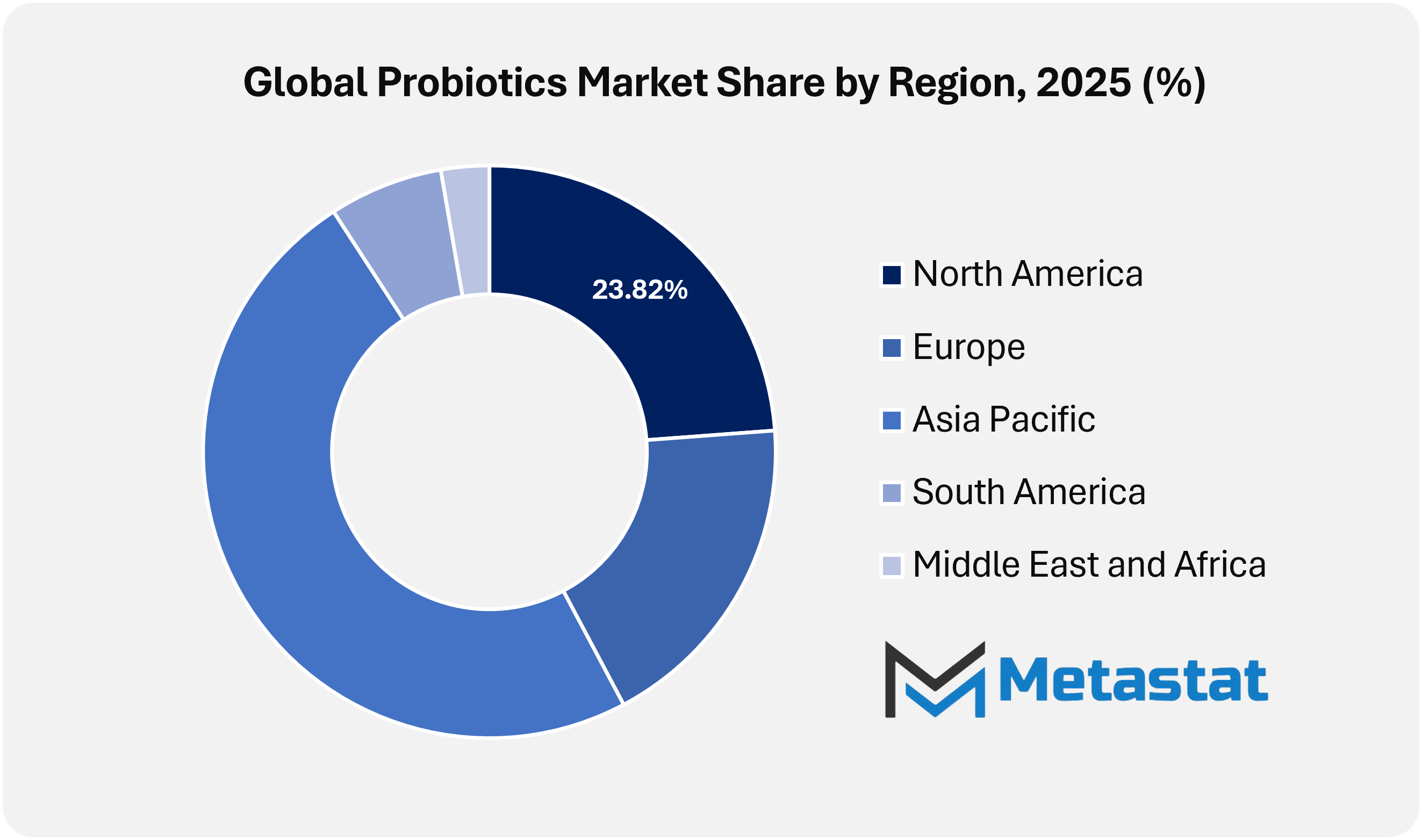
The Global Probiotics market is expanding with rising consumer focus on digestive health, immunity, and overall wellness. Probiotics, defined as live microorganisms that support gut balance, are gaining wider relevance across dietary supplements, functional foods, beverages, and selected personal care applications. Growing awareness of the gut-brain connection and the role of microbiota in everyday health is supporting demand across multiple age groups. In response, manufacturers are broadening product portfolios and strengthening research investment to support health claims with stronger clinical evidence.
Innovation remains central to competition in the Global Probiotics market. Companies are developing strain-specific formulations targeting digestive comfort, women’s health, metabolic balance, and immune support. Advances in encapsulation and shelf-stability technologies are improving product performance and storage life, while personalized nutrition trends are encouraging tailored probiotic solutions linked to individual health needs. The shift toward plant-based diets and clean-label preferences is also influencing product development, encouraging dairy-free and allergen-free alternatives.
Major global players continue to shape the competitive landscape through capacity expansion, ingredient innovation, and strategic partnerships. Companies such as Novonesis Group A/S, International Flavors & Fragrances Inc., Archer Daniels Midland Company, and Kerry Group plc are strengthening probiotic portfolios through large-scale manufacturing capabilities and research-driven development. Lallemand Inc., Lesaffre et Compagnie, Probi AB, and BioGaia AB continue to deepen their expertise in clinically documented strains and microbial solutions.
Large multinational food and healthcare companies are also strengthening their presence in the Global Probiotics market. Danone S.A. and Nestlé S.A. continue integrating probiotics into dairy and nutrition portfolios, while dsm-firmenich is expanding its health ingredient platform. Pharmaceutical and consumer health participants such as Biocodex S.A., Opella Healthcare, and Reckitt Benckiser Group plc are broadening their probiotic offerings. Supplement-focused companies including Pharmavite LLC, NOW Health Group, Inc., Jarrow Formulas, Inc., Thorne HealthTech, Inc., and Metagenics, Inc. are responding with targeted, high-efficacy formulations.
Emerging and specialized companies are also contributing to market expansion through strain development, production expertise, and clinically positioned product portfolios. Companies such as Pendulum Therapeutics, Inc., AB-BIOTICS, S.A.U., Kaneka Corporation, Cell Biotech Co., Ltd., and Sacco S.r.l. are advancing microbial innovation across global markets. European participants including Winclove Probiotics B.V. and OptiBac Probiotics Ltd. are strengthening retail visibility, while Symprove Limited and ExeGi Pharma, LLC are building positioning through clinically validated formulations. Continued health awareness and stronger scientific backing will support steady competitive expansion across the market.
Market size is forecast to rise from USD 117.7 billion in 2025 to over USD 343.6 billion by 2033.
Sustainability considerations are influencing sourcing and fermentation practices across the Global Probiotics market. Producers are exploring plant-based growth media and lower-energy bioreactor systems to reduce environmental impact while meeting rising consumer expectations around responsible manufacturing. Distribution is also becoming increasingly diversified, balancing pharmacy-led retail with cross-border e-commerce platforms that improve international product access. Within this environment, the Global Probiotics market is strengthening its role in preventive healthcare across food, nutraceutical, and therapeutic categories.
This research report categorizes the Probiotics market based on key segments and regions, forecasts revenue growth, and analyses trends in each submarket. The report analyses the key growth drivers, opportunities, and challenges influencing the Probiotics market. Recent market developments and competitive strategies such as expansion, product launch, partnership, merger, and acquisition have been included to draw the competitive landscape in the market.
The report strategically identifies and profiles the key market players and analyses their core competencies in each sub-segment of the Probiotics market.
|
Report Attributes |
Details |
|
Study Period |
2021-2033 |
|
Base Year |
2025 |
|
Estimated Year |
2026 |
|
Forecast Period |
2026-2033 |
|
Historical Period |
2021-2025 |
|
Growth Rate |
CAGR 14.3% from 2026 to 2033 |
|
Revenue Unit |
USD billion |
|
Segmentation |
By Product, Ingredient, Function, Distribution Channel, and Region |
|
By Product |
|
|
By Ingredient |
|
|
By Function |
|
|
By Distribution Channel |
|
|
By Region |
North America (By Product, Ingredient, Function, Distribution Channel, and Country)
|
|
|
Europe (By Product, Ingredient, Function, Distribution Channel, and Country)
|
|
|
Asia Pacific (By Product, Ingredient, Function, Distribution Channel, and Country)
|
|
|
South America (By Product, Ingredient, Function, Distribution Channel, and Country)
|
|
|
Middle East and Africa (By Product, Ingredient, Function, Distribution Channel, and Country)
|
Find answers to common questions about this report
Top players operating in the Probiotics industry include Novonesis Group A/S, International Flavors & Fragrances Inc., Archer Daniels Midland Company, Kerry Group plc, Lallemand Inc., and Lesaffre et Compagnie.
Asia Pacific region dominates the market.
Stability challenges related to strain viability during storage and distribution limit shelf-life consistency. will hamper the market growth within the forecast period.
Global Probiotics market is estimated to reach USD 343.6 billion by 2033.
Rising consumer focus on preventive healthcare and gut health awareness accelerates demand for probiotic supplements and functional foods. and Clinical validation of strain-specific benefits in immunity, metabolic health, and gastrointestinal disorders supports prescription and OTC adoption. are key driving factors, boosting the market.
The Probiotic Food & Beverages is the leading type segment in the Global market.
The Metastat Insights analysis shows that the North America Probiotics market size is estimated to be USD 80 billion by 2033.
The Global Probiotics market is expected to grow at a CAGR of 14.3% over the forecast period (2026-2033).
The Metastat Insights study shows that the Global Probiotics market size was USD 117.7 billion in 2025.
The analysts below cover Food and Beverages research at Metastat Insights.
LEAD ANALYST
Utkarsh Khirodkar is a Lead Market Research Analyst at MetaStat Insight, specializing in market intelligence, technology sector assessments, and competitive strategy.

LEAD PRINCIPAL ANALYST, PHARMA AND HEALTHCARE
Food and Beverages · Healthcare · Healthcare IT · Medical Devices
Ajay Devgire is the Lead Healthcare Analyst at MetaStat Insight, leading strategic research and market intelligence initiatives across the global healthcare domain.

SENIOR RESEARCH ANALYST
Biotechnology · Food and Beverages · Medical Devices · Packaging
Snehal Pasalkar is a Research Analyst at MetaStat Insight, operating at the intersection of life sciences research, competitive strategy, and market intelligence.
Replacing petrochemical surfactants with bio-based alternatives requires realistic timelines on industrial precision fermentation scaling. The market research broke down commercialization timelines, feedstock sugar price sensitivities, and regional cosmetic ingredient regulatory approvals in Europe and East Asia. That supplier readiness mapping gave our formulations team reliable context when comparing renewable chemical sourcing roadmaps.
Tracking ceramic matrix composite adoption in high-bypass aero engines requires strict attention to material qualification cycles and FAA airworthiness testing milestones. The MetaStat Insight team provided a detailed timeline of silicon carbide fiber manufacturing capacity and commercial foundry lead times. Having clear visibility into upstream thermal barrier coating supply helped us stress-test our long-term component procurement strategy.
Transitioning ultra-class mining haul trucks to alternative power requires concrete data on remote hydrogen refueling infrastructure economics. The report evaluated megawatt-scale electrolyzer installation expenses, onsite storage safety mandates, and heavy-duty fuel cell stack degradation under continuous duty cycles. That technical rigor helped our engineers benchmark realistic total operating cost horizons for off-highway fleet decarbonization.
Explore related market intelligence reports worth reading alongside this one.