
LEAD ANALYST
Utkarsh Khirodkar is a Lead Market Research Analyst at MetaStat Insight, specializing in market intelligence, technology sector assessments, and competitive strategy.

Immune Health Supplements Market By Product (Vitamin, Mineral Supplements, Amino Acids, Omega-3 Fatty Acids, Herbal Supplements, Probiotic Supplements, and Others), By Formulation (Capsules, Tablets, Powder, Liquid, Softgels, and Others), By Source Type (Natural and Synthetic), By Distribution Channel (Online, Pharmacies, Drug Stores, Hypermarkets, Supermarkets, and Others), Industry Analysis, Size, Share, Growth, Trends, and Forecast, 2025-2032
Report ID
MSI-3924
Published
February, 2026
Pages
256 Pages
Format
Report Details
Choose Your License
Immune Health Supplements Market
The Global immune health supplements market is estimated to reach $63,260.86 Million by 2032; growing at a CAGR of 10.3% from 2025 to 2032.
The global immune health supplements market is a niche in the global health and wellness market influenced by consumer attitudes, medical research, and cultural paradigms related to preventive health. The market will continue to be defined by a variety of products that strengthen the immune system through vitamins, minerals, herbs, probiotics, and other bioactive compounds. Excluding general nutritional supplements, products in this market will be immune-specific, so it will be distinct from other health categories.
In order to understand this market, thought should be given to how the consumer will make immunity a part of their daily health routines. In most of the world, people have started to learn more about how nutrition can be used to support immune defenses. As news of this awareness spreads, companies will no longer promote their products as occasional Band-Aids but as a daily habit. Cultural shift towards preserving health in the long run and away from short-run cure will drive how brands innovate, sell, and distribute in the global immune health supplements market.
The market will also expand in reach through evolving product forms that adapt to convenience and individuality. From gummy and chew tablet to powder and functional beverages, product development will reflect lifestyle requirements of health-conscious consumers. Where traditional medicine still rules health choices in certain geographies, ingredients such as echinacea, elderberry, and medicinal mushrooms will remain in favor, frequently incorporated into newer forms of supplements. While clinical science will fuel the use of probiotics and postbiotics, suppliers will leverage clinical affirmation to validate claims of effectiveness.
Consumer-to-business models and web shops will play a vital role in determining how products will be marketed and sold. The digital platforms enable brands to reach precise segments, and consumer education initiatives will make immune health science less mysterious. Straightforward conversation by customers with business will inform purchasing choices and foster loyalty by establishing trust and transparency. Social media utilization, influencer promotion, and web content promotion approaches will be further fortifying such associations to enable brands to keep pace with shifting customer preferences.
Where regulatory environments are still in transition, businesses within the market will develop according to converging benchmarks geographically. North America and Europe will remain resolutely in charge of health claims and safe ingredients, with opportunities to expand in emerging markets as regulation remains ahead of growing consumer demand. Manufacturers need to remain agile, spending on compliance and quality control with a eye to establishing dominant positions in an aggressive market.
In the years ahead, the market will not only be driven by products but by their narratives. The interactive play between science, informed consumers, and integrative health trends will be the story of an era where immunity is the basis for health. Consumers who prioritize well-being will be making choices that resonate with them—whether it is sustainable, ethical supply chains or clean-label formats. Such businesses that are attuned to such priorities will be best positioned to reign supreme in this niche market.
Ultimately, the global immune health supplements market will reflect broader cultural trends of gratitude, care, and preservation of health. It will no longer be a matter of being fashionable but will lead in discussion regarding wellness, resilience, and self-care and be part of the practice of consumers everywhere.
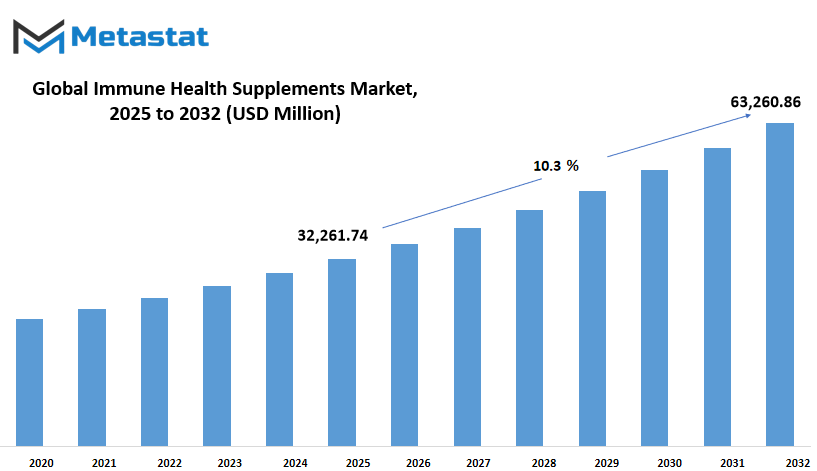
The global immune health supplements market is expected to witness notable changes in the future as people around the world continue to pay more attention to their health. One of the biggest reasons behind this growth is the rising awareness among consumers about how important it is to maintain a strong immune system. This awareness became even more significant after the pandemic, which highlighted the role of good health in facing unexpected health crises. People are now more conscious of what they consume, and they actively seek ways to support their immunity through natural means. This change in mindset has opened doors for the market to grow steadily as consumers look for preventative solutions rather than waiting to fall ill before taking action.
Another reason why the market will continue to expand is the shift in preference towards natural products. People today are more cautious about artificial ingredients and are more likely to choose supplements made from natural sources. This preference aligns with the broader movement towards wellness and holistic health approaches. Natural supplements are viewed not just as a way to fight off illness but as part of a daily routine that helps maintain balance and well-being over the long term.
However, despite these positive trends, there are some challenges that might slow down the progress of the market. One such challenge is the limited scientific proof backing the effectiveness of certain supplements. While many people are willing to try natural products, others remain skeptical due to the lack of solid evidence that supports the claims made by some brands. This skepticism can make consumers hesitant and slow down the market’s momentum. Additionally, the differences in regulations and product standards from one region to another create confusion among consumers and manufacturers alike. Without clear and consistent rules, it becomes difficult for companies to communicate the benefits of their products with confidence
Looking ahead, there are exciting opportunities that could shape the future of the global immune health supplements market. A growing interest in personalized health solutions is likely to drive innovation. Consumers increasingly want products that match their specific health needs and goals. This demand is encouraging companies to create supplements that are not only effective but also tailored to individuals based on their lifestyle, diet, and health history. As technology advances, the ability to offer such customized solutions will become more accessible, opening up new paths for growth in the market.
The global immune health supplements market is growing steadily and is expected to continue doing so in the future. With more people becoming aware of the importance of maintaining a strong immune system, this market will likely see even higher demand over the next several years. Consumers are not only looking for ways to protect themselves from common illnesses but also searching for long-term health solutions that will support their overall well-being. This focus on health and prevention is pushing the market forward, with companies offering more choices and improved products to meet rising expectations.
Currently, the global immune health supplements market is valued at USD 13,647.64 million. This figure shows how important this sector has already become, but it also highlights how much more it can grow. The market is divided by product types to help meet different health needs. Among these, Vitamin & Mineral Supplements hold a significant portion because they are widely trusted and easy to understand. Their value reaches USD 1,967.70 million, showing how many people rely on them as part of their daily health routines.
Amino Acids are another growing segment in this market. They are valued at USD 3,210.00 million and are known for their role in helping the body build proteins, which support immune strength and overall energy. Omega-3 Fatty Acids have also become a key part of this industry, valued at USD 7,484.65 million. These supplements are recognized for their benefits not just for heart health but also for helping the immune system function properly. The strong demand for these products is likely to continue as more studies confirm their positive effects.
Herbal Supplements, valued at USD 5,951.75 million, are also popular. Many people prefer natural options, and herbs have been used in traditional health practices for centuries. This interest in natural health is expected to grow as people look for safer and more sustainable choices. Probiotic Supplements and others in this market are also gaining attention as people become more aware of the connection between gut health and immunity.
Looking ahead, the market will likely evolve with more innovative products. Companies will continue to focus on science-backed solutions to meet changing consumer needs. As health concerns remain a priority, this market is expected to thrive, offering people more personalized ways to stay healthy and strong.
The global immune health supplements market is expected to experience steady growth in the future as people continue to become more aware of their health and the role that supplements can play in supporting the immune system. As the population grows and lifestyles become busier, many individuals are looking for convenient ways to maintain their health, and supplements have become a popular solution. This trend will likely continue as advancements in science make these products more effective and accessible. The market offers a wide range of options to meet the varied preferences of consumers, and this variety plays an important role in shaping purchasing decisions.
The global immune health supplements market is divided into capsules, tablets, powder, liquid, softgels, and others. Each of these forms provides unique benefits, and consumer preferences often depend on convenience, taste, and ease of use. Capsules and tablets remain popular because they are easy to take and allow for precise dosages. They are often favored by people who want a straightforward, no-fuss approach to supplementation. Powders, on the other hand, appeal to those who prefer to mix their supplements with drinks, making them an easy addition to smoothies or water. Liquid forms are often marketed as faster-acting and are suitable for individuals who may have difficulty swallowing pills. Softgels are valued for their smooth texture and often offer better absorption of certain ingredients. Other forms continue to emerge as companies seek new ways to meet consumer demands.
Looking ahead, the future of the market will be shaped by innovation and the desire for more personalized health solutions. As technology improves, companies will develop new formulations that not only support the immune system more effectively but also offer added benefits such as improved digestion or mental clarity. Consumer expectations will drive these changes, as people are no longer just looking for basic supplements but are interested in products that fit seamlessly into their daily routines and lifestyles. Personalization will likely become a key focus, with supplements tailored to an individual's specific health needs, genetic makeup, and even daily habits. This shift will create opportunities for brands to differentiate themselves by offering more targeted solutions rather than one-size-fits-all products.
The global immune health supplements market will continue to grow as it adapts to the changing needs and expectations of consumers. The wide range of formulations ensures that everyone can find a product that suits their preferences, and future advancements will only expand these possibilities.
The global immune health supplements market is expected to witness steady growth as more people focus on maintaining their health and well-being. This rise in demand is strongly linked to the growing awareness around immunity and its role in protecting the body from various illnesses. As individuals continue to prioritize health, supplements designed to strengthen the immune system will become an essential part of everyday life for many. The future of this market looks promising as both technology and science advance, bringing more effective and accessible products to consumers.
By Source Type, the market is further divided into Natural and Synthetic categories. Natural sources are expected to remain popular, as people are increasingly drawn to products that come from plants, herbs, and other organic materials. Consumers often associate natural products with being safer and healthier, which leads to higher trust and loyalty towards these supplements. On the other hand, synthetic sources continue to play a crucial role in this market. They offer consistency in quality and potency, which is difficult to achieve with natural ingredients alone. In the years ahead, it is likely that both types will continue to grow, but natural supplements might see stronger demand as the preference for clean and transparent labels becomes more widespread.
The global immune health supplements market will also benefit from the advancement of research and innovation. Companies are working towards creating formulas that not only boost immunity but also support overall health, such as gut health, mental well-being, and energy levels. This holistic approach appeals to a wide range of consumers who want solutions that go beyond simple protection against common colds or seasonal illnesses. As technology improves, it will allow for better delivery systems, such as gummies, powders, and liquids, making these supplements easier and more enjoyable to consume.
Looking forward, the market will likely be shaped by changing lifestyles. With busier schedules and growing stress levels, people will look for quick and reliable ways to maintain their health. Supplements that fit into these fast-paced routines will have a clear advantage. Both natural and synthetic options will continue to evolve, with companies focusing on transparency, sustainability, and ethical sourcing to meet consumer expectations. These factors will help drive trust and encourage long-term usage. In conclusion, the future of the market looks strong, with steady demand and innovation guiding its growth.
The global immune health supplements market is growing steadily and will likely continue to shape consumer habits in the future. People today are far more aware of how their health can be impacted by factors like diet, stress, and exposure to illnesses. This awareness is not expected to fade, especially as health trends continue to influence both younger and older generations. With this growing interest, more individuals are turning to supplements to help support their immune system. These supplements are no longer seen as a luxury or just for specific age groups but are becoming a part of daily routines for people around the world.
By Distribution Channel, the global immune health supplements market is divided into Online, Pharmacies & Drug Stores, Hypermarkets/Supermarkets, and Others. Each of these channels plays a role in how people access these products now and how they will do so in the future. Online sales are expected to grow significantly. People appreciate the convenience of ordering from home, having access to a wide variety of options, and being able to read reviews before making a purchase. The rise in health-focused e-commerce platforms is expected to encourage this trend further. Pharmacies and drug stores remain trusted by consumers, especially those who seek advice from professionals before choosing a supplement. This trust will likely keep these outlets relevant as buyers continue to value expert recommendations and clear information.
Hypermarkets and supermarkets also serve as important distribution points, especially for shoppers who prefer to see products physically before buying. These stores offer a wide range of options and often place these supplements in health-focused aisles, making them easy to find. Though some people will always prefer in-person shopping, the convenience of combining grocery shopping with health purchases will keep this channel popular. The Others category often includes health food stores and specialty outlets, which are expected to attract a specific type of customer looking for niche or organic options.
Looking forward, the global immune health supplements market will likely see these distribution channels continue to evolve. Technology, changing consumer behavior, and advancements in health research will shape how these supplements are marketed and sold. While online channels are set to expand the fastest, physical stores will adapt by offering more personalized experiences and tailored advice. As the focus on health grows, all these channels will work together to make supplements more accessible to a wider audience, meeting the increasing demand for products that help support immune health in a simple and effective way.
|
Forecast Period |
2025-2032 |
|
Market Size in 2025 |
$32,261.74 Million |
|
Market Size by 2032 |
$63,260.86 Million |
|
Growth Rate from 2025 to 2032 |
10.3% |
|
Base Year |
2024 |
|
Regions Covered |
North America, Europe, Asia-Pacific Green, South America, Middle East & Africa |
The global immune health supplements market is expected to continue growing steadily as people around the world become more aware of how important it is to take care of their health. With the increasing focus on personal well-being and prevention rather than treatment, this market will likely see more attention from both consumers and manufacturers in the years ahead. This growing interest is not limited to one specific area but is spread across many regions worldwide. Based on geography, the global immune health supplements market is divided into North America, Europe, Asia-Pacific, South America, and the Middle East & Africa. North America includes the United States, Canada, and Mexico. In Europe, the main countries involved are the UK, Germany, France, and Italy, along with the Rest of Europe. Asia-Pacific is made up of India, China, Japan, South Korea, and the Rest of Asia-Pacific. South America’s key areas include Brazil, Argentina, and the Rest of South America, while the Middle East & Africa is made up of GCC Countries, Egypt, South Africa, and the Rest of the Middle East & Africa.
Looking toward the future, it is expected that consumer behavior in these regions will continue to evolve. In North America, the rising number of people who are adopting healthy lifestyles will push demand further. This will encourage more innovation and variety in product offerings. In Europe, there is already a strong tradition of using health supplements, and this is expected to continue growing, especially with an aging population that seeks to maintain health through natural means. In Asia-Pacific, rapid urbanization, rising disposable income, and increasing awareness about the benefits of immune health supplements will drive significant growth. Countries like India and China are particularly likely to witness strong demand as healthcare habits change.
South America and the Middle East & Africa will also contribute to the future growth of the global immune health supplements market. While these regions are developing at different rates, increasing healthcare awareness and access to supplements are expected to support steady progress. The future will likely bring more tailored products suited to the needs of people in specific areas, reflecting cultural habits and preferences. As technology advances, companies will use better research and data to create supplements that are more effective and personalized. This ongoing development will help the global immune health supplements market grow further, making health support more accessible across the world.

The global immune health supplements market is expected to grow steadily as more people focus on their health and well-being in the future. Health has become a priority for many, and with rising concerns about immunity, this market will likely continue to attract attention. People are becoming more aware of how supplements can support their immune systems, especially as lifestyles become busier and environmental factors continue to challenge health. With ongoing advancements in nutrition science, companies in this industry are working on creating products that are more effective, better researched, and easier to include in daily routines.
Looking ahead, the demand for immune health supplements will not only come from older consumers but also from younger generations who are paying more attention to preventive health measures. This shift in mindset, where people prefer to prevent illness rather than treat it, will shape how the market grows. More individuals are expected to take supplements regularly as part of a proactive approach to health rather than waiting until they feel unwell. This changing attitude will open up new opportunities for businesses to innovate and cater to different age groups and lifestyles.
Key players operating in the Immune Health Supplements industry include Nature’s Way, NOW Foods, Garden of Life, Thorne Research, Nordic Naturals, Solaray, Pure Encapsulations, MegaFood, Jarrow Formulas, Life Extension, Metagenics, Xymogen, Designs for Health, and Douglas Laboratories. These companies are recognized for offering a wide range of products that help people maintain their immune strength. They will likely continue to play a leading role in shaping the market through research, product development, and marketing strategies that focus on educating consumers about the benefits of immune health supplements.
The future of the global immune health supplements market will also be influenced by technological progress. With better tools for research, companies will be able to develop more personalized solutions that meet the unique needs of individuals. This could lead to products that are tailored to a person’s health history, genetics, or lifestyle habits. Personalized supplements will likely become more common, making the industry more competitive and pushing companies to continue improving the quality and effectiveness of what they offer.
In the coming years, the global immune health supplements market will remain a significant part of the health and wellness industry. As people continue to prioritize their health, the focus on immunity will stay strong, ensuring that this market will keep growing and evolving with consumer needs.
Find answers to common questions about this report
Global Immune Health Supplements market is valued at $ 32,261.74 million in 2025.
Global Immune Health Supplements market is estimated to grow with a CAGR of 10.3% from 2025 to 2032.
Global Immune Health Supplements market is estimated to reach $63,260.86 million by 2032.
Top players operating in the Immune Health Supplements industry includes Nature’s Way, NOW Foods, Garden of Life, Thorne Research, Nordic Naturals, and Others
The analysts below cover Healthcare research at Metastat Insights.
LEAD ANALYST
Utkarsh Khirodkar is a Lead Market Research Analyst at MetaStat Insight, specializing in market intelligence, technology sector assessments, and competitive strategy.

LEAD PRINCIPAL ANALYST, PHARMA AND HEALTHCARE
Food and Beverages · Healthcare · Healthcare IT · Medical Devices
Ajay Devgire is the Lead Healthcare Analyst at MetaStat Insight, leading strategic research and market intelligence initiatives across the global healthcare domain.
When evaluating distributed energy resource management systems, standard research summaries tend to gloss over the operational differences between front-of-the-meter utility deployments and behind-the-meter industrial sites. The MetaStat Insight report addressed those distinctions directly, especially regarding software interoperability standards and grid interconnection backlogs. The five-year market sizing across regional transmission organizations provided actionable context for our grid modernization strategy.
Most industry reports on warehouse automation bundle autonomous mobile robots and fixed conveyor installations into the same top-level numbers, which complicates advisory work. This study split the market cleanly by payload tiers, navigation technology, and fleet management software layers. The regional forecast for Western Europe gave our team defensible adoption benchmarks when evaluating capital allocation for logistics clients, saving us days of secondary data scrubbing.
Analyzing the transition from natural gas to green hydrogen in iron ore reduction requires realistic infrastructure timelines. Meta stat insight supplied a detailed regional assessment of DRI plant conversion costs and scrap metal availability in North America and Western Europe. Their report carefully examined pellet quality specs and electrical grid access constraints without making oversimplified market assumptions. The research material served as a practical reference during internal technology roadmap discussions.
Explore related market intelligence reports worth reading alongside this one.
Starting from
$2950