
LEAD ANALYST
Utkarsh Khirodkar is a Lead Market Research Analyst at MetaStat Insight, specializing in market intelligence, technology sector assessments, and competitive strategy.

Global Longevity Supplements Market Size, Share, By Product Type (Vitamins & Minerals, Antioxidants, Omega-3 Fatty Acids, Herbal Extracts, Amino Acids), By Form (Tablets & Capsules, Powders, Liquids, Gummies), By Application (Anti-Aging, Cognitive Health, Heart Health, Immune Support), By Distribution Channel (Online Stores, Supermarkets/Hypermarkets, Specialty Stores, Pharmacies/Drug Stores), Industry Analysis, Growth, Trends, and Forecast, 2026-2033
Report ID
MSI-5638
Published
October, 2026
Pages
253 Pages
Format
Historical
Base year
Forecast
Forecast period
Report Details
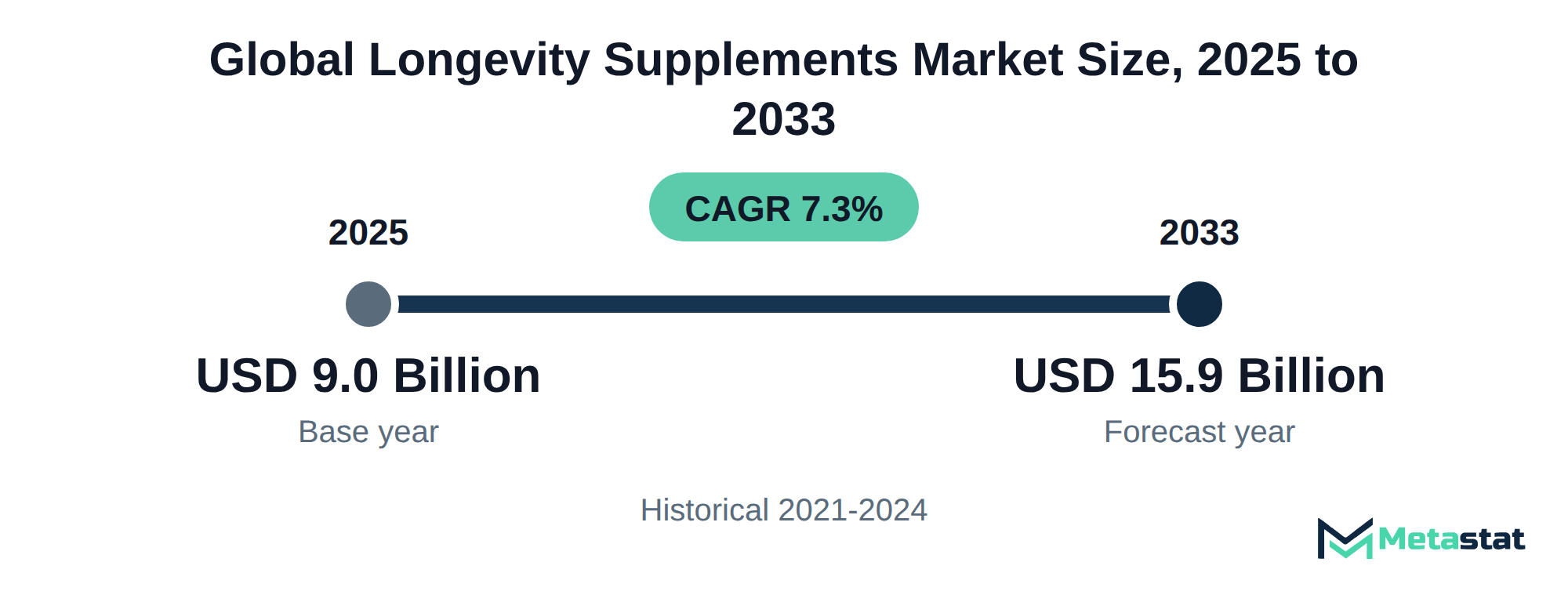
Market Valuation: Valued at $9 Billion in 2025, projected to reach $15.9 Billion by 2033 at a 7.3% CAGR.
Dominant Segment: Vitamins and minerals lead the Longevity Supplements market, driven by a strong consumer preference for foundational nutritional support. This segment's established value reflects its essential role in health maintenance, particularly among aging populations.
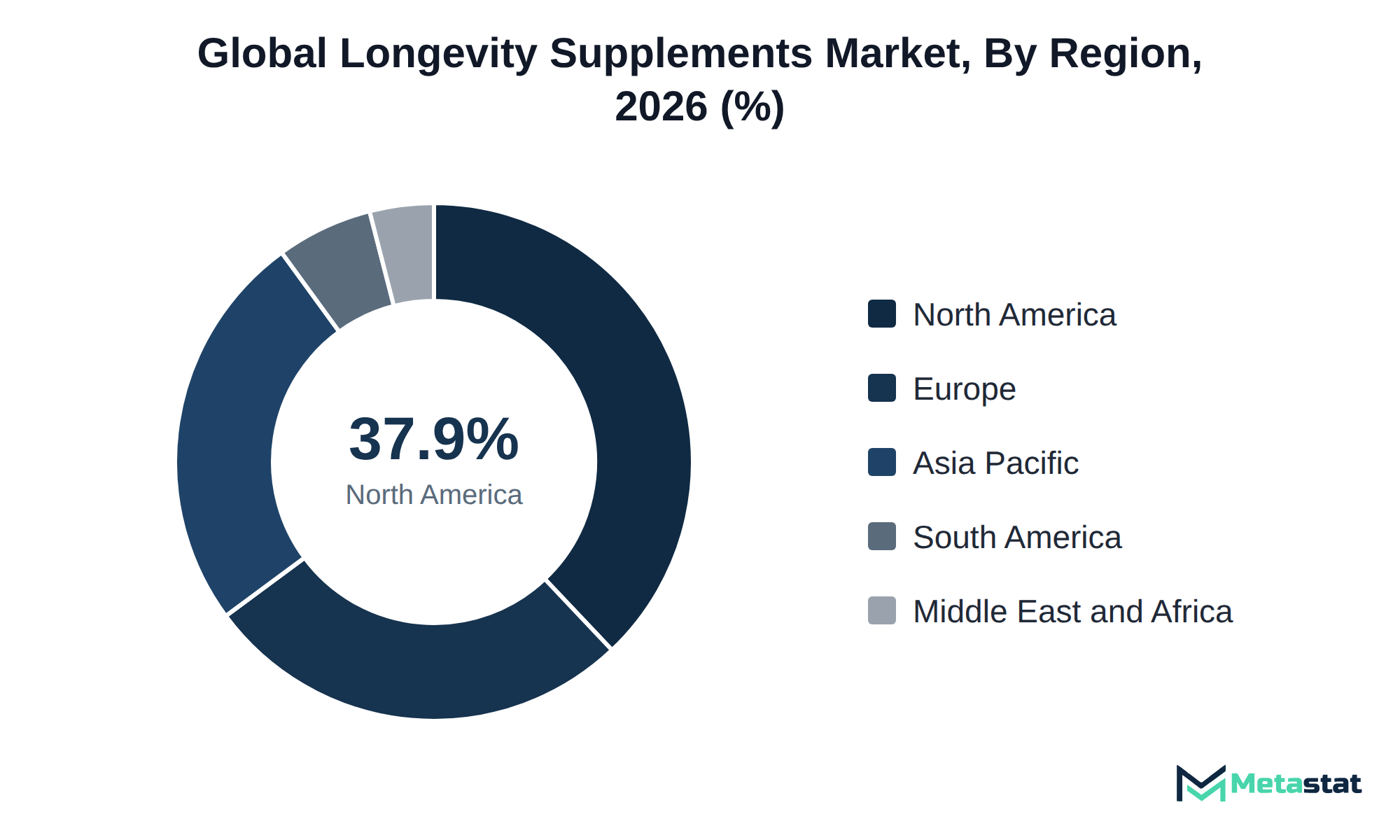
Geographic Lead: North America dominates the market, holding 37.9% in 2025, with the US expected to continue leading in 2026. This regional strength is attributed to a well-established consumer base and robust distribution channels.
What's Inside: The report provides comprehensive competitive coverage, detailed analyses of market dynamics, and forecasts extending to 2033. It encompasses various product types, forms, applications, and distribution channels, offering a thorough understanding of market trends.
Emerging Trends: The rise of NAD+ precursors and senolytics signifies a shift towards innovative health solutions targeting cellular health and aging. This reflects growing consumer interest in scientifically backed products that enhance longevity.
Consumer Behavior: Increasing focus on cognitive health drives demand for supplements aimed at enhancing memory and overall brain function. This demographic shift highlights the importance of mental well-being among older adults.
Choose Your License
Global Longevity Supplements Market
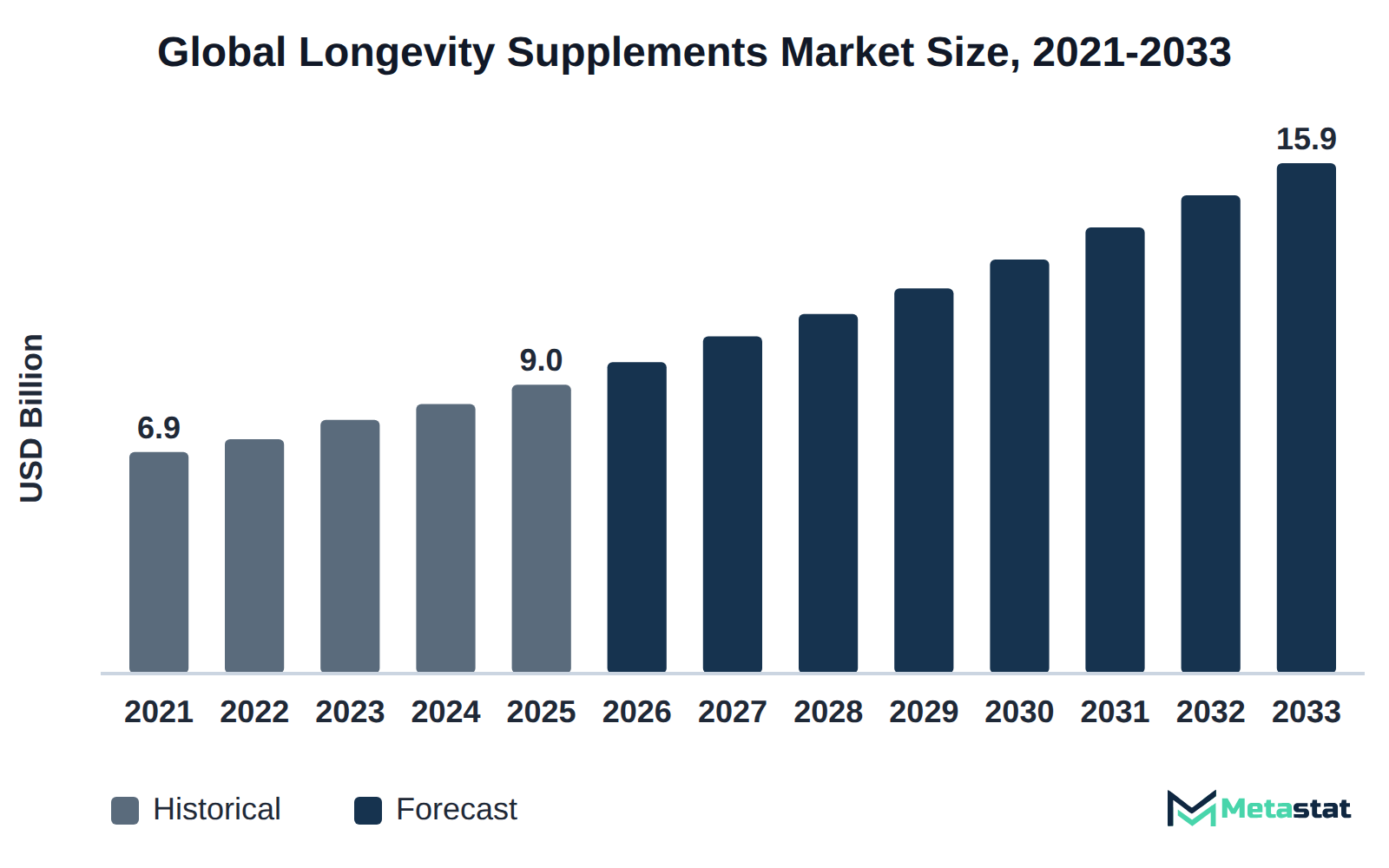
The global Longevity Supplements market was valued at USD 9 billion in 2025 and is projected to reach USD 15.9 billion by 2033, growing at a CAGR of 7.3% over the forecast period.
The Longevity Supplements market covers products designed to promote health and extend lifespan. Buyers invest in these products to enhance their well-being and address age-related concerns. The increasing awareness of health and wellness, along with the aging population, drives demand across various demographics, including health-conscious consumers and older adults seeking to maintain vitality. This growing consumer interest supports sales in the market.
The rise in preventative health measures is the most significant factor behind growth in the Longevity Supplements market. Vitamins and minerals represent the highest value segment, reflecting a strong preference among consumers for foundational nutritional support. North America holds 37.9% of the market in 2025, with the US leading in 2026. This lead reflects an established consumer base and strong distribution channels in the region.
The market experiences substantial growth, supported by evolving consumer preferences for natural and effective health solutions. The demand for longevity supplements is expected to continue rising, driven by increased disposable income and a shift toward proactive health management. Consumer confidence in the efficacy of these products fuels market growth and keeps the competitive environment dynamic.
Consumer interest in Longevity Supplements arises from a desire to maintain health, vitality, and overall well-being. These products target various health concerns, including aging, cognitive function, and immune support. Buyers invest in these supplements to enhance their quality of life, driven by increasing awareness of health-related issues and the importance of preventive care. Suppliers meet this demand with varied formulations tailored to specific health objectives.
Growth in the market is primarily fueled by the rising aging population, coupled with a shift toward proactive health management. The aged care industry serves the same older population. Vitamins and Minerals form the highest-value segment. This regional dominance reflects strong consumer spending on health supplements and a well-established distribution network.
The increasing prevalence of lifestyle-related health issues further drives market expansion. Consumers increasingly prioritize products that support healthy aging and enhance longevity. The Longevity Supplements market benefits from this trend, attracting a broad consumer base seeking innovative solutions to improve health outcomes.
The introduction of NAD+ precursors and senolytics represents a significant innovation in the Longevity Supplements market. These compounds focus on enhancing cellular health and reducing senescent cells, which are associated with aging and various age-related conditions. The market for antioxidants, a related segment, indicates a growing interest in products that improve longevity.
NAD+ precursors help boost levels of nicotinamide adenine dinucleotide (NAD+), essential for energy metabolism and cellular repair. This enhancement supports overall health and longevity, appealing to consumers seeking proactive health solutions. Senolytics target aging cells, promoting healthier tissues and potentially reducing the risk of age-related diseases.
The integration of these technologies into the Longevity Supplements market aligns with consumer demand for scientifically backed health solutions. Companies focusing on these advancements capture emerging market opportunities, which increases their competitive edge and drives revenue growth as health consciousness rises.
Bioavailability influences the effectiveness of longevity supplements, affecting how well active ingredients are absorbed in the body. Cognitive health applications are projected to generate USD 3.1 billion in revenue by 2033, highlighting the importance of effective formulations that enhance nutrient absorption. Consumers increasingly prioritize products that demonstrate superior bioavailability, driving their purchasing decisions.
Delivery formats significantly impact consumer preferences within the longevity supplements market. Tablets and capsules represent a substantial segment, with a forecasted value of USD 8.4 billion by 2033, indicating strong demand for these traditional formats. Innovative formats, including gummies and powders, are gaining traction, appealing to consumers seeking convenience and ease of use. Gummies show a compound annual growth rate of 8.4%, reflecting growing interest in alternative delivery methods that cater to various lifestyles and preferences.
Buyers evaluate both bioavailability and delivery formats when selecting longevity supplements, affecting pricing strategies and marketing approaches across the market. Companies that invest in research and development to create formulations with higher bioavailability and more appealing delivery methods position themselves favorably in a competitive landscape. These investments improve customer satisfaction and support long-term brand loyalty and revenue growth.
Subscription models have gained traction within the Longevity Supplements market, driven by the desire for personalized nutrition solutions. Consumers increasingly seek customized health regimens tailored to their unique needs, which subscription services effectively provide. These models facilitate regular delivery of supplements, ensuring adherence to health routines while offering flexibility and convenience. In 2025, the market value stands at USD 9 billion, reflecting significant interest in personalized health solutions.
The rise of direct-to-consumer sales strategies in the Longevity Supplements market addresses the growing demand for transparency and convenience. Consumers value direct access to brands, allowing them to make informed choices regarding their health. This trend eliminates intermediaries, creating a strong connection between brands and consumers. The online distribution channel is projected to grow from USD 3.8 billion in 2026 to USD 6.6 billion by 2033, highlighting increasing reliance on e-commerce platforms for personalized health products.
Clinical evidence indicates that certain supplements promote healthy aging. Antioxidants, for instance, help reduce oxidative stress, a major factor in aging. The antioxidants segment within the Longevity Supplements market is projected to reach USD 3 billion by 2033, reflecting a compound annual growth rate of 7.6 percent. This growth highlights the increasing recognition of antioxidants in supporting longevity.
Specific vitamins and minerals contribute to overall health maintenance. The vitamins and minerals segment is anticipated to grow from USD 2.7 billion in 2026 to USD 4.2 billion by 2033, resulting in a compound annual growth rate of 6.4 percent. Such evidence reinforces the significant impact of supplementation on aging populations, encouraging consumers to invest in these products for enhanced health outcomes.
The rising awareness of the benefits associated with these supplements drives demand, particularly among aging individuals seeking to improve their quality of life. The Longevity Supplements market is therefore expected to expand as consumers seek solutions for their health concerns and longevity.
Growing awareness of cognitive health has significantly influenced buyer behavior within the Longevity Supplements market. Older adults increasingly prioritize mental well-being alongside physical health, leading to heightened demand for products targeting cognitive functions. This demographic shift drives a surge in sales of supplements that support memory, focus, and overall brain health. The application segment focusing on cognitive health is projected to reach USD 3.1 billion by 2033, reflecting an annual growth rate of 8.1%. This trend indicates an increasing willingness to invest in cognitive health solutions, resulting in higher volumes of specialized products entering the market. Targeted marketing strategies and product innovations further enhance the appeal of cognitive health supplements, ensuring continued growth in this sector.
Innovations in delivery formats for dietary supplements support accessibility and convenience for consumers. Products including gummies, powders, and liquids provide alternatives to traditional tablets and capsules, appealing to a broader audience including younger demographics and those with difficulty swallowing pills. This shift in format reflects changing consumer preferences and the demand for engaging, user-friendly health solutions. The Longevity Supplements market is expected to grow as these novel formats encourage experimentation and increase product consumption. The rise of e-commerce platforms facilitates the distribution of various forms, allowing buyers to easily access diverse supplement options. This expansion in delivery formats aligns with trends toward personal health care, where consumers actively seek products that fit their lifestyles. The market is poised for continued growth as suppliers respond to evolving consumer preferences with further product innovation.
Price sensitivity among consumers significantly limits buyer investment in the Longevity Supplements market. Many potential buyers, especially within the middle-income demographic, experience constraints related to affordability, leading to slower uptake and smaller order volumes. This economic factor becomes particularly evident in price-sensitive regions including South America and parts of Asia Pacific. Higher-priced products within the market face challenges in gaining traction, resulting in delayed replacement cycles for existing supplements. Consequently, the availability of lower-cost alternatives often influences consumer choices, diverting attention away from premium products. The cumulative effect of these price considerations restricts overall market growth and adoption, impacting manufacturers' strategies aimed at expanding their consumer base.
Rising input costs present a significant challenge for suppliers in the Longevity Supplements market. Fluctuations in the price of raw materials, including vitamins, minerals, and herbal extracts, impose pressure on profit margins. Suppliers face difficulties managing these costs while maintaining competitive pricing and product quality. Increased demand for high-quality ingredients leads to intensified competition among suppliers, driving up costs.
To address these challenges, many suppliers are adopting various strategies. Vertical integration has emerged as a common approach, enabling companies to control supply chains and reduce dependency on external sources. Strategic partnerships with ingredient manufacturers help secure favorable pricing and ensure a consistent supply of key components. Investing in research and development allows suppliers to innovate and differentiate their products, potentially commanding higher prices in a competitive market. Managing these cost pressures nonetheless remains essential to sustaining profitability in the market.
Herbal extracts, a category of plant extracts, represent a significant growth opportunity within the Longevity Supplements market, driven by increasing consumer interest in natural and plant-based products. This segment is anticipated to grow at a compound annual growth rate (CAGR) of 8% during the forecast period, reflecting a shift toward broader health solutions. Factors contributing to this trend include heightened awareness of the potential health benefits associated with herbal ingredients and a growing preference for alternatives to synthetic supplements.
The demand for herbal extracts aligns with the broader consumer movement toward natural remedies for health and wellness. Specific applications, including immune support and anti-aging, particularly appeal to consumers seeking supportive strategies for longevity. The expansion of online distribution channels facilitates access to a wider variety of herbal supplement options, enhancing consumer engagement and market penetration.
Herbal extracts are increasingly accepted in daily health regimens, which strengthens the competitive landscape and gives suppliers opportunities to innovate and differentiate their products.
The Global Longevity Supplements market is segmented based on Product Type, Form, Application, and Distribution Channel.
The Vitamins & Minerals segment of the Longevity Supplements market primarily serves consumers seeking to improve overall health and longevity through essential nutrients. Aging populations, particularly in developed regions, drive interest, leading to rising demand for products targeting health maintenance. Growth in this segment occurs alongside increasing consumer awareness of the role of vitamins and minerals in preventing age-related decline. Compared to other segments, including Antioxidants, which holds a higher CAGR of 7.6%, the Vitamins & Minerals segment experiences moderate growth. This segment remains essential, offering foundational support to health-conscious individuals while distinguishing itself with a focus on basic nutrient supplementation rather than specialized formulations.
Antioxidants segment is estimated to reach USD 3 billion by 2033, at a CAGR of 7.6% during the forecast period. This segment focuses on protecting cells from oxidative stress, appealing to health-conscious individuals seeking to maintain vitality and prevent age-related diseases. The demand for antioxidants is driven by increasing awareness of their health benefits, particularly among older consumers looking to enhance their quality of life. Unlike the Vitamins & Minerals segment, which has a CAGR of 6.4%, the Antioxidants segment experiences a faster growth rate, reflecting heightened consumer interest in specific health outcomes related to aging. Pricing for antioxidant products generally aligns with premium positioning, often resulting in higher profit margins for suppliers, further differentiating this segment from others within the market.
Omega-3 Fatty Acids segment is expected to reach USD 2.1 billion by 2033. This segment includes supplements rich in omega-3 fatty acids, which primarily support heart health and cognitive function. Consumers increasingly prioritize these benefits, leading to a steady rise in demand. The segment experiences growth driven by heightened awareness of heart disease and cognitive decline. Compared to other product types, it features significant growth potential, with a CAGR of 7.6%, surpassing several alternatives in the market. This distinction in growth rates highlights a shifting focus toward Omega-3 Fatty Acids, appealing to health-conscious individuals seeking targeted benefits. Evolving consumer preferences prompt suppliers to adapt to the demand for higher quality and diverse omega-3 sources.
The herbal extracts segment is projected to grow at a CAGR of 8% during the forecast period. This segment is favored primarily for its natural properties that support health and well-being, appealing to consumers seeking alternatives to synthetic options. Health-conscious individuals frequently purchase these supplements to enhance overall vitality and promote longevity. The increasing shift towards natural ingredients drives demand within this segment, setting it apart from others including vitamins and minerals, which experience slower growth at a CAGR of 6.4%. Herbal extracts offer a unique appeal due to the rising preference for plant-based solutions, resulting in higher growth potential compared to more traditional supplement forms. This trend is expected to support the segment's expansion, reflecting broader consumer preferences in the market.
Amino acids support various physiological functions and contribute significantly to overall health. This segment attracts consumers interested in muscle recovery, immune support, and cognitive health. Demand for amino acids often rises due to growing fitness trends and increased awareness of their benefits among health-conscious individuals. The segment distinguishes itself from other product types through its specific applications and target demographic, appealing to athletes, sports nutrition buyers, and individuals engaged in health and wellness activities. Compared to other segments, amino acids typically present higher price points due to their specialized nature, impacting consumer purchasing decisions. In an environment where health optimization is a priority, the growth of the amino acids segment aligns with broader trends shaping the Longevity Supplements market.
Probiotics, prebiotics, enzymes, and hyaluronic acid play a significant role in promoting gut health, enhancing digestion, and improving overall wellness. Consumers focused on health and longevity use these components for their potential benefits in supporting metabolic and immune functions. Increasing consumer awareness regarding gut health drives demand for these products, with many recognizing the link between gut health and overall well-being. Unlike vitamins and minerals that target broader health concerns, this segment attracts a niche audience interested in specialized health benefits. The rise of personalized nutrition trends encourages consumers to seek supplements that address specific health needs. The segment's growth is expected to experience variations compared to others in the group, influenced by consumer education and preferences for natural solutions. The Longevity Supplements market continues to evolve as consumer priorities shift toward broader health approaches.
Tablets & Capsules segment is valued at USD 5.3 billion in 2026 and is projected to reach USD 8.4 billion by 2033, at a CAGR of 6.8% during the forecast period. This segment attracts consumers seeking convenient and easy forms of supplementation for longevity. Popular among health-conscious individuals, Tablets & Capsules serve various purposes, including anti-aging and cognitive health. A growing demand for convenient health solutions drives expansion in this segment. Compared to other forms, Tablets & Capsules typically have a lower production cost, contributing to a competitive price point for consumers. The segment's growth rate of 6.8% positions it as a steady performer relative to higher-growth areas, including Herbal Extracts, which demonstrate a CAGR of 8%. Consumer preferences for familiar dosage forms further reinforce the position of Tablets & Capsules in the market.
The Powders segment is estimated to reach USD 2.4 billion by 2033, at a CAGR of 7.3% during the forecast period. This form of longevity supplements serves various purposes, including supporting overall health and wellness. Consumers seeking convenient and effective solutions for health maintenance gravitate towards powders for their ease of use and flexibility in dosage. The growing demand for products that promote cognitive health significantly influences this segment, with a CAGR of 8.1% driving interest in cognitive-focused formulations. Compared to other forms, including tablets and capsules, powders offer faster absorption rates, appealing to health-conscious buyers who prioritize efficacy. The segment's growth trajectory reflects shifts towards personalized nutrition solutions, allowing consumers to tailor their intake based on individual health goals. The market adapts to changing consumer preferences, reinforcing powders' position within the broader Longevity Supplements market.
The liquids segment is expected to reach USD 1.6 billion by 2033. This segment primarily includes liquid dietary supplements across various longevity formulations that appeal to consumers seeking alternative ingestion methods. Popular among individuals who prefer easier-to-swallow options, liquids often enhance bioavailability compared to solid forms. The increasing demand for convenient and effective health solutions drives growth in this segment. Liquids exhibit a slower growth rate compared to other forms, with an anticipated CAGR that does not match the higher figures seen in gummies or powders. This slower growth reflects a unique consumer preference landscape where individuals prioritize convenience and taste over traditional forms. Competitive pricing of rival formats influences consumer choices, impacting the market's overall dynamics.
The Gummies segment is projected to grow at a CAGR of 8.4% during the forecast period. This form of longevity supplement appeals to consumers seeking convenient and flavorful ways to support their health. Primarily targeted at health-conscious individuals, gummies serve various applications including anti-aging and immune support. The segment experiences growth due to increasing consumer preference for enjoyable formats that enhance compliance with daily intake. Unlike powders or tablets, which are perceived as less palatable, gummies offer a more appealing alternative. The rising trend toward convenience in health supplements drives demand, differentiating it from other forms in the market. This segment's unique characteristics contribute to its growth trajectory, driven by a shift in consumer habits toward more engaging products.
Soft chews, lozenges, and oral strips offer unique delivery formats that appeal to a variety of consumers seeking convenient alternatives to traditional supplement forms. These products serve primarily those who prefer enjoyable and easy-to-consume options, enhancing adherence to supplementation regimes. The rising trend towards functional foods and supplements driven by health-conscious consumers significantly influences growth in this segment. Unlike tablets and capsules, which dominate the market, this segment caters to a diverse demographic including children and older adults, reflecting a distinct consumer base. The focus on taste and ease of consumption differentiates these products from other forms, potentially leading to faster adoption rates among specific buyer groups.
Anti-Aging segment is valued at USD 3.1 billion in 2026 and is projected to reach USD 5 billion by 2033, at a CAGR of 6.9% during the forecast period. This segment focuses on anti-aging products aimed at reducing the signs of aging, appealing primarily to consumers interested in maintaining their youthful appearance and overall vitality. The increasing number of aging individuals globally drives demand for these products, particularly among health-conscious adults seeking effective solutions. Compared to other segments, the Anti-Aging segment exhibits a moderate growth rate, influenced by rising consumer awareness of health and wellness trends. The specific formulation and branding of these products differentiate them from alternatives targeting cognitive health or immune support, with a unique focus on beauty and physical appearance. This targeted approach aligns with a growing trend where consumers prioritize aesthetic outcomes alongside overall health benefits.
The Cognitive Health segment addresses the growing consumer focus on mental well-being and cognitive function enhancement. Consumers, particularly older adults and health-conscious individuals, actively seek solutions to maintain and improve cognitive abilities. Demand for effective cognitive health supplements is driven by increasing awareness of age-related cognitive decline and the desire to enhance memory and focus. Compared to other segments, this segment shows a faster growth trajectory, reflecting heightened consumer interest in cognitive health products. The market's responsiveness to innovation and product development will further fuel its expansion, distinguishing it from segments including Anti-Aging, which is projected to grow at a CAGR of 6.9% during the same period.
Heart Health segment is expected to reach USD 2.6 billion by 2033. This segment primarily addresses cardiovascular health concerns, appealing to individuals focused on maintaining or improving their heart function. Factors driving this segment include growing awareness of heart-related health issues and increased prevalence of lifestyle diseases. The aging population particularly influences demand, prompting older consumers to seek solutions for heart health. Compared to other application segments, Heart Health exhibits a slower growth trajectory, with a distinct focus on clinical efficacy and research-backed formulations. The market's competitive landscape highlights products specifically formulated for heart health, differentiating it from segments targeting anti-aging or cognitive health, which feature higher growth rates driven by younger demographics.
Immune Support segment is projected to grow at a CAGR of 7.6% during the forecast period. This segment focuses on immune health supplements that enhance the body's immune function and are used by health-conscious consumers seeking to improve their defense against illnesses. Key drivers for this segment include rising consumer awareness of health and wellness, alongside increased interest in preventive healthcare measures. Compared to other segments, Immune Support has a distinct appeal to older adults and health enthusiasts, positioning it for strong growth. The anticipated demand for immune-supporting products reflects a shift towards proactive health management strategies, positioning this segment as a competitive force within the market.
This segment encompasses various health-focused supplements aimed at improving specific physiological functions, including bone and joint health, digestive health, metabolic health, and eye health. These supplements attract consumers interested in maintaining overall wellness and enhancing quality of life. A growing aging population drives demand for products that support physical health and mitigate age-related decline. Increasing awareness of lifestyle-related health issues drives interest in these products. Compared to other segments, including cognitive health or anti-aging, this segment experiences slower growth due to more specialized targeting and potentially higher pricing strategies that limit accessibility to broader consumer bases. This dynamic reflects the ongoing evolution within the Longevity Supplements market, where diverse health concerns prompt a tailored approach to supplement formulation and marketing strategies.
The Online Stores segment is valued at USD 3.8 billion in 2026 and is projected to reach USD 6.6 billion by 2033, at a CAGR of 8.2% during the forecast period. This segment primarily serves consumers seeking convenient access to longevity supplements and benefits from the growing trend towards online shopping. The increasing preference for purchasing health products online drives demand, with consumers valuing the ability to compare products and read reviews before making purchases. This segment outpaces physical retail channels, reflecting a shift in buying behavior. Compared to other distribution channels, Online Stores offer a wider variety of products and often lower prices, enhancing appeal. With an 8.2% CAGR, this sub-segment represents one of the fastest-growing avenues within the market, highlighting a significant trend towards digital commerce in health-related products.
The Supermarkets/Hypermarkets segment is estimated to reach USD 2.2 billion by 2033, at a CAGR of 6.4% during the forecast period. This segment provides easy access to longevity supplements for health-conscious consumers. Buyers include individuals seeking convenient purchasing options alongside their regular grocery shopping. The increasing trend of health and wellness awareness drives the growth of this segment, with consumers preferring one-stop shopping experiences. Compared to other distribution channels, this segment offers a higher level of visibility and physical presence of products. While segments including Online Stores experience faster growth due to the rise of e-commerce, Supermarkets/Hypermarkets provide tangible benefits through immediate product availability. Competitive pricing strategies employed within this segment further enhance its appeal to budget-conscious consumers looking for longevity supplements.
The Specialty Stores segment is expected to reach USD 2.8 billion by 2033. This segment typically includes health-focused retail outlets that offer a range of longevity supplements targeted at health-conscious consumers. Products sold in these stores often emphasize quality and specialized formulations, appealing to buyers seeking premium options. Growth in this segment is driven by increasing consumer awareness regarding health and wellness. The gradual shift toward personalized health solutions encourages more individuals to explore specialty outlets for tailored products. This segment exhibits stronger growth compared to traditional distribution channels. Specialty Stores offer a unique shopping experience, enhancing customer engagement through knowledgeable staff and a curated selection of products, distinguishing them from broader retailers in the market.
Pharmacies/Drug Stores segment is projected to grow at a CAGR of 6.5% during the forecast period. This distribution channel serves consumers seeking convenient access to longevity supplements and typically features a wide range of products. Buyers frequently include health-conscious individuals, seniors, and those managing specific health conditions. The growing trend of self-medication and increased awareness of health supplements drive demand in this segment. In comparison to other distribution channels, Pharmacies/Drug Stores offer higher assurance of product quality and safety, which influences consumer purchasing behavior. While Online Stores experience a faster growth rate due to the convenience of digital shopping, Pharmacies/Drug Stores maintain steady demand due to customer trust and familiarity. The market for longevity supplements continues to expand, reflecting a shift in consumer priorities toward preventive health and wellness solutions.
Direct selling, healthcare clinics, and wellness centers serve as vital channels for distributing longevity supplements. These avenues facilitate personalized consultations, allowing consumers to receive tailored advice for their health needs. This segment attracts health-conscious individuals seeking professional guidance on supplement usage, distinguishing it from other distribution channels that emphasize convenience over personalized service.
Growing awareness of health and wellness significantly influences this segment’s movement. Consumers increasingly prioritize approaches to longevity, driving demand for expert-led recommendations. This emphasis on personalized health solutions results in a different buyer profile compared to online stores or supermarkets, which cater to a broader audience seeking straightforward purchasing options. The unique focus on direct interaction allows this segment to cultivate deeper relationships with consumers, potentially leading to higher customer loyalty. This channel remains an integral part of the overall dynamics of the longevity supplements market.
Based on geography, the Global Longevity Supplements market is divided into North America, Europe, Asia-Pacific, South America, Middle East, and Africa.
In North America, strong consumer interest in health and wellness drives significant demand for longevity supplements. The United States, Canada, and Mexico contribute to this trend, with increasing awareness regarding aging and preventive health measures. The market in this region is projected to reach USD 5.9 billion by the end of 2033, reflecting a growth trajectory fueled by rising disposable incomes and health-conscious lifestyles. Online stores represent a vital distribution channel, capitalizing on the convenience of e-commerce, while Vitamins & Minerals remain a popular product category among consumers. With a 37.9% share of the global market in 2025, this region is essential to the overall expansion of the longevity supplements market.
The European market holds a notable share in 2025, reflecting strong consumer interest in health and wellness products. Key countries driving this demand include Germany, France, the UK, Italy, and Spain, with a focus on anti-aging and cognitive health applications. The aging population in these nations fuels demand for effective longevity supplements, prompting companies to innovate and expand their product lines. Regulatory support for natural health products enhances market access, encouraging consumers to explore diverse options. Investment in health infrastructure strengthens distribution channels, particularly through pharmacies and online platforms. Growth in the longevity supplements market in Europe is expected to be driven by rising health awareness and a proactive approach to preventative care.
Asia-Pacific holds a significant position in the Longevity Supplements market, accounting for 25.1% of the global share in 2025. The demand stems largely from rising health consciousness among consumers, particularly in countries like China and India, where aging populations drive interest in health and wellness products. Increasing disposable incomes further support this trend, allowing consumers to invest in supplements aimed at enhancing longevity and overall health. Countries including Japan and South Korea experience a growing inclination towards cognitive health supplements, reflecting a demographic focus on mental well-being. The market benefits from the expansion of online retail channels, offering accessibility to diverse consumer segments. By 2033, the region's dynamics are expected to be shaped by these evolving consumer preferences and the continuous introduction of innovative products tailored to specific health needs.
In South America, the Longevity Supplements market features distinctive characteristics driven by evolving consumer preferences and increasing health awareness. Brazil and Argentina emerge as key countries, with a growing interest in health-oriented products. The market in this region accounts for 6.00% of the global share in 2025, reflecting rising demand fueled by lifestyle changes and aging populations. Online channels, including e-commerce platforms, play a significant role in expanding accessibility for consumers seeking longevity supplements. Infrastructure improvements in digital commerce facilitate this trend, ensuring that a wider audience accesses these health-focused products. The market continues to evolve, presenting opportunities for innovative product development tailored to the regional consumer base.
The market in the Middle East and Africa focuses on a growing interest in health and wellness among consumers, particularly in Saudi Arabia, the UAE, and South Africa. Rising disposable incomes and increasing health awareness contribute to the expansion of the longevity supplements market in this region. The market structure remains unique, with a limited but dedicated range of distribution channels, including pharmacies and specialty stores. Regulatory frameworks regarding health supplements in the region tend to be less stringent than those in other areas, creating opportunities for new entrants to introduce innovative products. Despite challenges presented by varying consumer preferences and economic conditions, growth potential remains strong, with the market expected to represent 4.00% of the global share in 2025. Further investment in product types and marketing strategies is likely to drive demand in this emerging market.
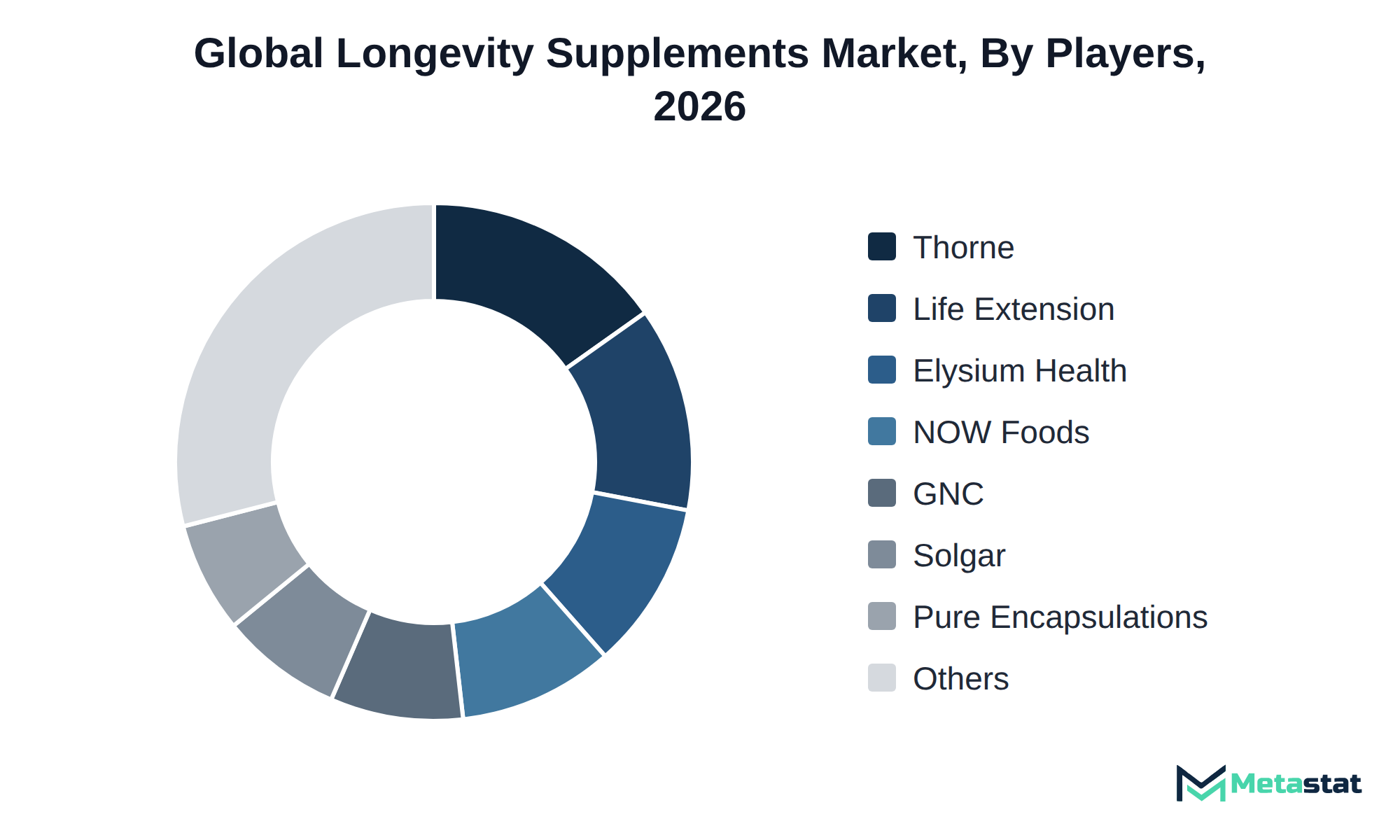
Competition within the Longevity Supplements market features various companies with distinct strategies and product focuses. The market divides primarily by product type and distribution channel, where buyers select products based on factors including price, certification, and brand reputation.
Thorne, Life Extension, and Elysium Health focus on high-quality products with strong scientific backing. These companies emphasize transparency in ingredient sourcing and formulation processes, appealing to health-conscious buyers. Distribution through online channels and specialty stores remains prevalent among these players, enabling them to reach targeted customer segments effectively.
NOW Foods and Jarrow Formulas, Inc. prioritize affordability and accessibility, catering to a broader demographic. With a broad product line that includes vitamins and minerals, they appeal to customers seeking value without compromising quality. Pharmacies and supermarkets serve as critical distribution channels for these companies, enhancing their visibility in the market.
Metagenics and Pure Encapsulations differentiate through customization options, providing tailored solutions for specific health needs. This approach builds consumer loyalty, as buyers increasingly seek personalized health supplements. Integrative Therapeutics and Nordic Naturals emphasize health benefits that support multiple wellness aspects, attracting a diverse customer base.
The competitive environment reflects diverse strategies as companies address varying consumer preferences and market demands.
The growth in the Longevity Supplements market relies on several key developments. First, an increase in demand for anti-aging products, particularly among aging populations in North America and Europe, drives growth. The anti-aging segment is expected to expand from USD 3.1 billion in 2026 to USD 5 billion by 2033, driven by heightened consumer awareness of health and wellness. Second, the adoption of online distribution channels is projected to accelerate market growth. Sales through online stores are anticipated to rise from USD 3.8 billion in 2026 to USD 6.6 billion by 2033, reflecting the shift in consumer purchasing patterns. Potential regulatory challenges in different regions could slow market expansion. Stricter health regulations in Europe and North America impact product formulations and market entry for new suppliers. These developments will be crucial for the market to reach projected figures by 2033, shaping the competitive landscape while highlighting opportunities for manufacturers and suppliers in the Longevity Supplements market.
By Product Type: Vitamins & Minerals, Antioxidants, Omega-3 Fatty Acids, Herbal Extracts, Amino Acids, Others (Probiotics, Prebiotics, Enzymes, Hyaluronic Acid)
By Form: Tablets & Capsules, Powders, Liquids, Gummies, Others (Soft Chews, Lozenges, Oral Strips)
By Application: Anti-Aging, Cognitive Health, Heart Health, Immune Support, Others (Bone & Joint Health, Digestive Health, Metabolic Health, Eye Health)
By Distribution Channel: Online Stores, Supermarkets/Hypermarkets, Specialty Stores, Pharmacies/Drug Stores, Others (Direct Selling, Healthcare Clinics, Wellness Centers)
The report strategically identifies and profiles the key market players and analyses their core competencies in each sub-segment of the Longevity Supplements market.
|
Report Attributes |
Details |
|
Study Period |
2021-2033 |
|
Base Year |
2025 |
|
Estimated Year |
2026 |
|
Forecast Period |
2026-2033 |
|
Historical Period |
2021-2025 |
|
Growth Rate |
CAGR 7.3% from 2026 to 2033 |
|
Revenue Unit |
USD billion |
|
Segmentation |
By Product Type, Form, Application, Distribution Channel, and Region |
|
By Region |
North America (By Product Type, Form, Application, Distribution Channel, and Country)
|
|
Europe (By Product Type, Form, Application, Distribution Channel, and Country)
|
|
|
Asia Pacific (By Product Type, Form, Application, Distribution Channel, and Country)
|
|
|
South America (By Product Type, Form, Application, Distribution Channel, and Country)
|
|
|
Middle East and Africa (By Product Type, Form, Application, Distribution Channel, and Country)
|
Find answers to common questions about this report
The Longevity Supplements market size was valued at USD 9 billion in 2025.
The market is projected to grow at a CAGR of 7.3% during the forecast period from 2026 to 2033.
The North America Longevity Supplements market size is estimated to reach USD 5.9 billion by 2033.
Vitamins & Minerals leads the Longevity Supplements market with a projected value of USD 4.2 billion by 2033, based on its growth trajectory compared to other segments.
Key drivers for the Longevity Supplements market include growing awareness of cognitive health, with older adults prioritizing mental well-being alongside physical health. Increased consumer interest in natural and plant-based products drives demand for herbal extracts, reflecting a shift towards natural health solutions.
North America holds the dominant share of the Longevity Supplements market, with a projected value of USD 5.9 billion in 2033, representing 37.9 percent of the total market. This figure surpasses the shares of other regions significantly.
Price sensitivity among consumers significantly limits investment in the Longevity Supplements market. Rising input costs present challenges for suppliers, imposing pressure on profit margins and complicating the maintenance of competitive pricing and product quality.
Increasing consumer interest in natural and plant-based products favors the adoption of herbal extracts within the Longevity Supplements market. This trend reflects a shift towards comprehensive health solutions, driven by awareness of the health benefits associated with herbal ingredients.
The Longevity Supplements market is estimated to reach a valuation of USD 15.9 billion by 2033.
Key players operating in the Longevity Supplements market include Thorne, Life Extension, Elysium Health, NOW Foods, Jarrow Formulas, Solgar, GNC, and Nature's Bounty.
The analysts below cover Healthcare research at Metastat Insights.
LEAD ANALYST
Utkarsh Khirodkar is a Lead Market Research Analyst at MetaStat Insight, specializing in market intelligence, technology sector assessments, and competitive strategy.

LEAD PRINCIPAL ANALYST, PHARMA AND HEALTHCARE
Food and Beverages · Healthcare · Healthcare IT · Medical Devices
Ajay Devgire is the Lead Healthcare Analyst at MetaStat Insight, leading strategic research and market intelligence initiatives across the global healthcare domain.
Replacing petrochemical surfactants with bio-based alternatives requires realistic timelines on industrial precision fermentation scaling. The market research broke down commercialization timelines, feedstock sugar price sensitivities, and regional cosmetic ingredient regulatory approvals in Europe and East Asia. That supplier readiness mapping gave our formulations team reliable context when comparing renewable chemical sourcing roadmaps.
Tracking ceramic matrix composite adoption in high-bypass aero engines requires strict attention to material qualification cycles and FAA airworthiness testing milestones. The MetaStat Insight team provided a detailed timeline of silicon carbide fiber manufacturing capacity and commercial foundry lead times. Having clear visibility into upstream thermal barrier coating supply helped us stress-test our long-term component procurement strategy.
Transitioning ultra-class mining haul trucks to alternative power requires concrete data on remote hydrogen refueling infrastructure economics. The report evaluated megawatt-scale electrolyzer installation expenses, onsite storage safety mandates, and heavy-duty fuel cell stack degradation under continuous duty cycles. That technical rigor helped our engineers benchmark realistic total operating cost horizons for off-highway fleet decarbonization.
Explore related market intelligence reports worth reading alongside this one.