
LEAD ANALYST
Utkarsh Khirodkar is a Lead Market Research Analyst at MetaStat Insight, specializing in market intelligence, technology sector assessments, and competitive strategy.

Germany Plasma-Derived Protein Therapeutics Market Size, Share, By Product Type (Immunoglobulins, Albumin, Coagulation Factors, Alpha-1 Antitrypsin, C1 Esterase Inhibitors and Others), By Application (Primary Immunodeficiency (PID), Secondary Immunodeficiency (SID), Autoimmune Neurological Disorders, Bleeding and Coagulation Disorders, Alpha-1 Antitrypsin Deficiency, Hereditary Angioedema, Critical Care, Surgery and Liver Disease, Immune Thrombocytopenia (ITP) and Others), By Route of Administration (Intravenous, Subcutaneous, Intramuscular and Topical), By Care Setting (Hospital-Based Care, Independent Outpatient Practices and Home-Based Care), Industry Analysis, Growth, Trends, and Forecast, 2026-2033
Report ID
MSI-5683
Published
November, 2026
Pages
285 Pages
Format
Historical
Base year
Forecast
Forecast period
Report Details
Market Valuation: Valued at $2,373.4 Million in 2025, projected to reach $3,626.9 Million by 2033 at a 5.4% CAGR.
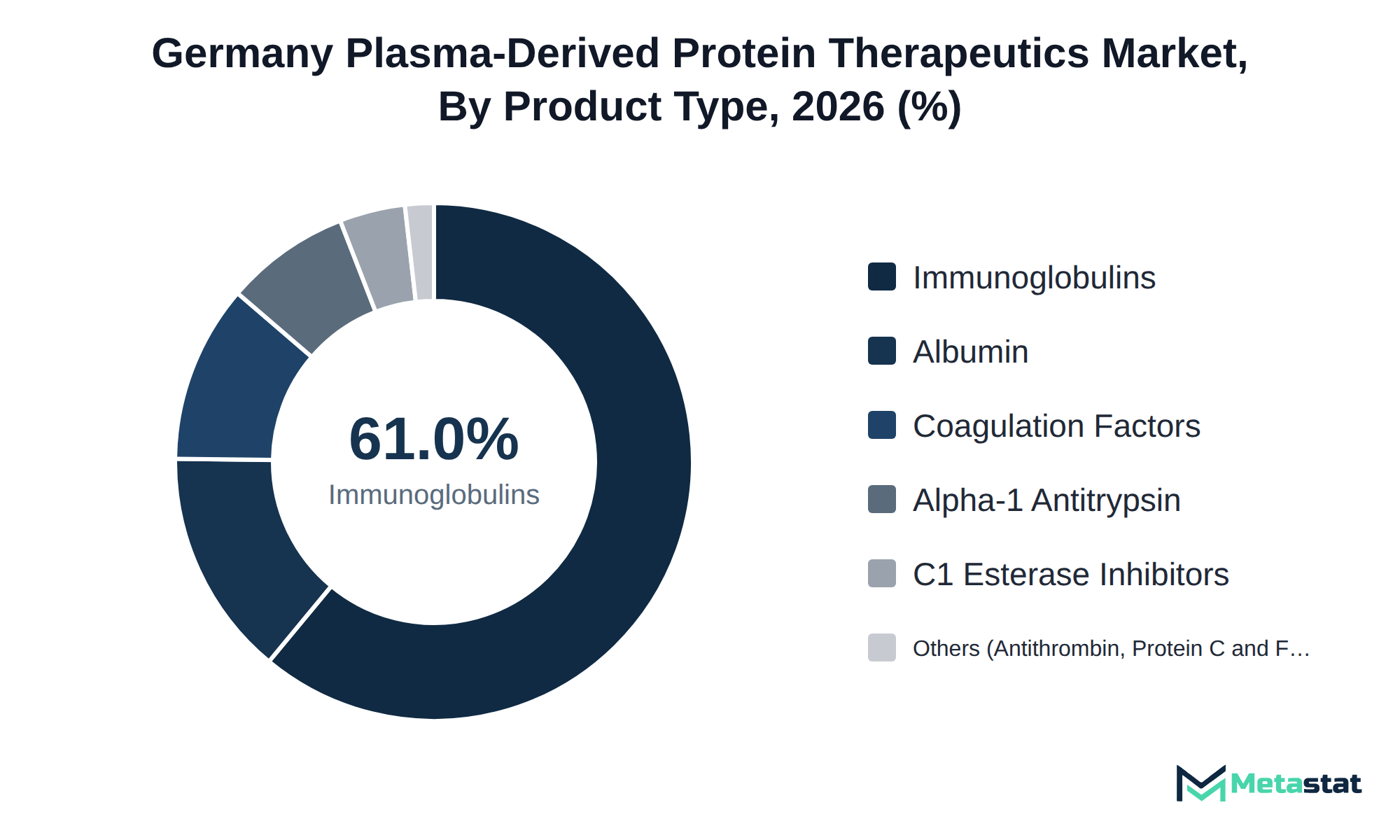
Dominant Segment: Immunoglobulins lead the market, driven by the rising prevalence of primary immunodeficiency diseases, which heightens demand for these therapies.
Geographic Lead: Germany dominates the market due to its robust healthcare infrastructure, while the Asia Pacific region shows rapid growth potential in plasma-derived therapies.
What's Inside: The report provides a comprehensive analysis of market dynamics, competitive landscape, and detailed forecasts from 2026 to 2033, covering product types, applications, and care settings.
Rising Adoption of Subcutaneous Administ: The shift towards subcutaneous administration enhances patient convenience and adherence, minimizing hospital visits and promoting self-administration.
Increased Demand for Secondary Immunodef: The secondary immunodeficiency segment is projected to grow at a CAGR of 7.1%, driven by the rising incidence of chronic diseases affecting immune function.
Choose Your License
Germany Plasma-Derived Protein Therapeutics Market
The Germany Plasma-Derived Protein Therapeutics market was valued at USD 2,373.4 million in 2025 and is projected to reach USD 3,626.9 million by 2033, growing at a CAGR of 5.4% over the forecast period.
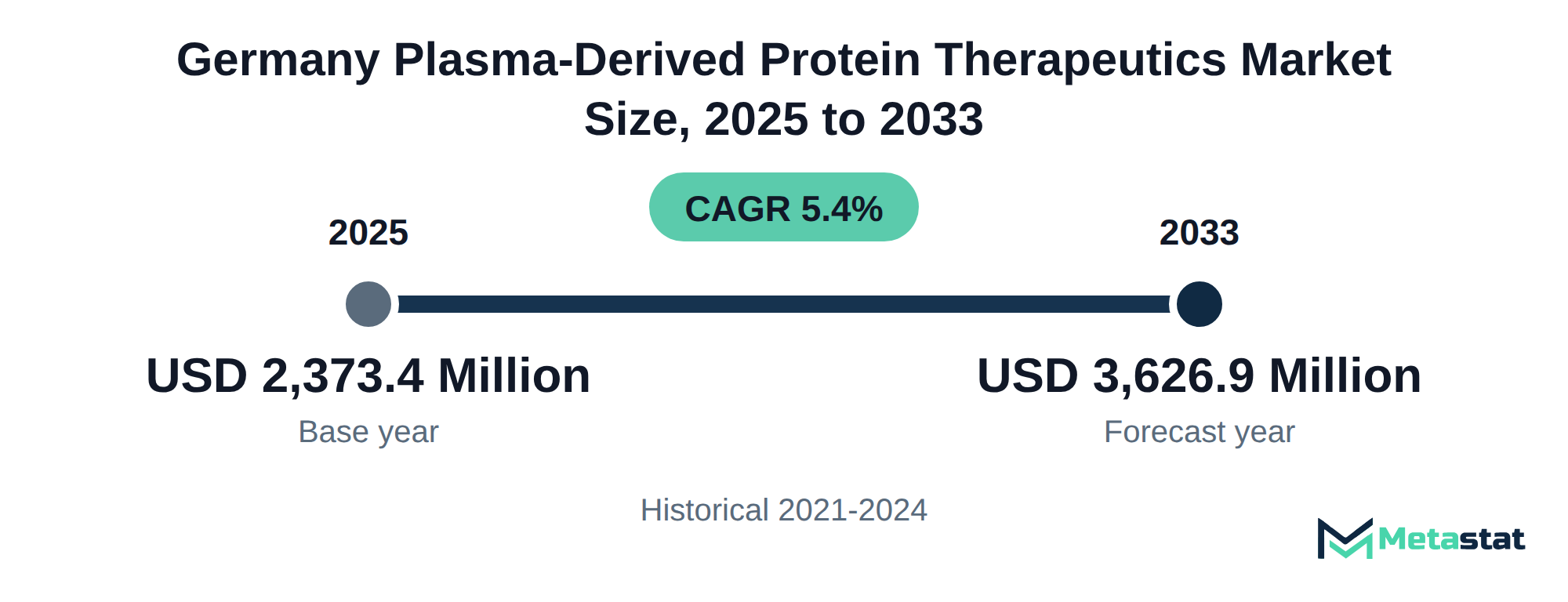
The Germany Plasma-Derived Protein Therapeutics market encompasses a range of therapeutic products derived from human plasma, including immunoglobulins, albumin, coagulation factors, and alpha-1 antitrypsin. Buyers invest in these therapies primarily to address various medical conditions, including primary and secondary immunodeficiencies, autoimmune disorders, and bleeding disorders. The market's growth centers around the increasing prevalence of these conditions and the ongoing need for effective treatments that enhance patient outcomes.
Growth in the market is driven by several factors, with the rising incidence of primary immunodeficiency diseases standing out as a key driver. This segment commands the largest share of the market, reflecting heightened demand for immunoglobulin therapies. Europe accounts for a significant portion of the market, while the Asia Pacific region is gaining traction as interest in plasma-derived therapies grows.
In terms of product type, immunoglobulins constitute the most valuable segment, expected to witness sustained growth through the forecast period. The increasing focus on advanced treatment options and improved healthcare infrastructure contributes to this upward trend. With a projected compound annual growth rate of 6.2%, immunoglobulins will remain central to meeting the therapeutic needs of patients across care settings.
Investments in the Germany Plasma-Derived Protein Therapeutics market are driven by the increasing prevalence of various medical conditions requiring plasma-derived therapies. Key buyer groups include hospitals, independent outpatient practices, and home-based care providers, all of which prioritize effective treatment options for patients suffering from immune deficiencies, bleeding disorders, and other medical issues. Because these therapies are critical, buyers need reliable access and ongoing procurement.
Immunoglobulins represent the largest segment in terms of market value, exhibiting substantial growth potential fueled by rising demand for treatments addressing primary and secondary immunodeficiencies. The market experiences significant expansion, supported by advancements in manufacturing processes and increased awareness of the benefits of plasma-derived therapies. Growth in this sector is primarily driven by the increasing incidence of autoimmune diseases and disorders, which heighten the requirement for effective therapeutic solutions.
Germany stands out for its strong healthcare infrastructure, supporting the distribution and availability of plasma-derived protein therapeutics. This favorable environment contributes to the country's dominant position in the European market. The anticipated growth in the market relies on the ongoing commitment to research and development, driving innovation and enhancing treatment options for patients across various care settings.
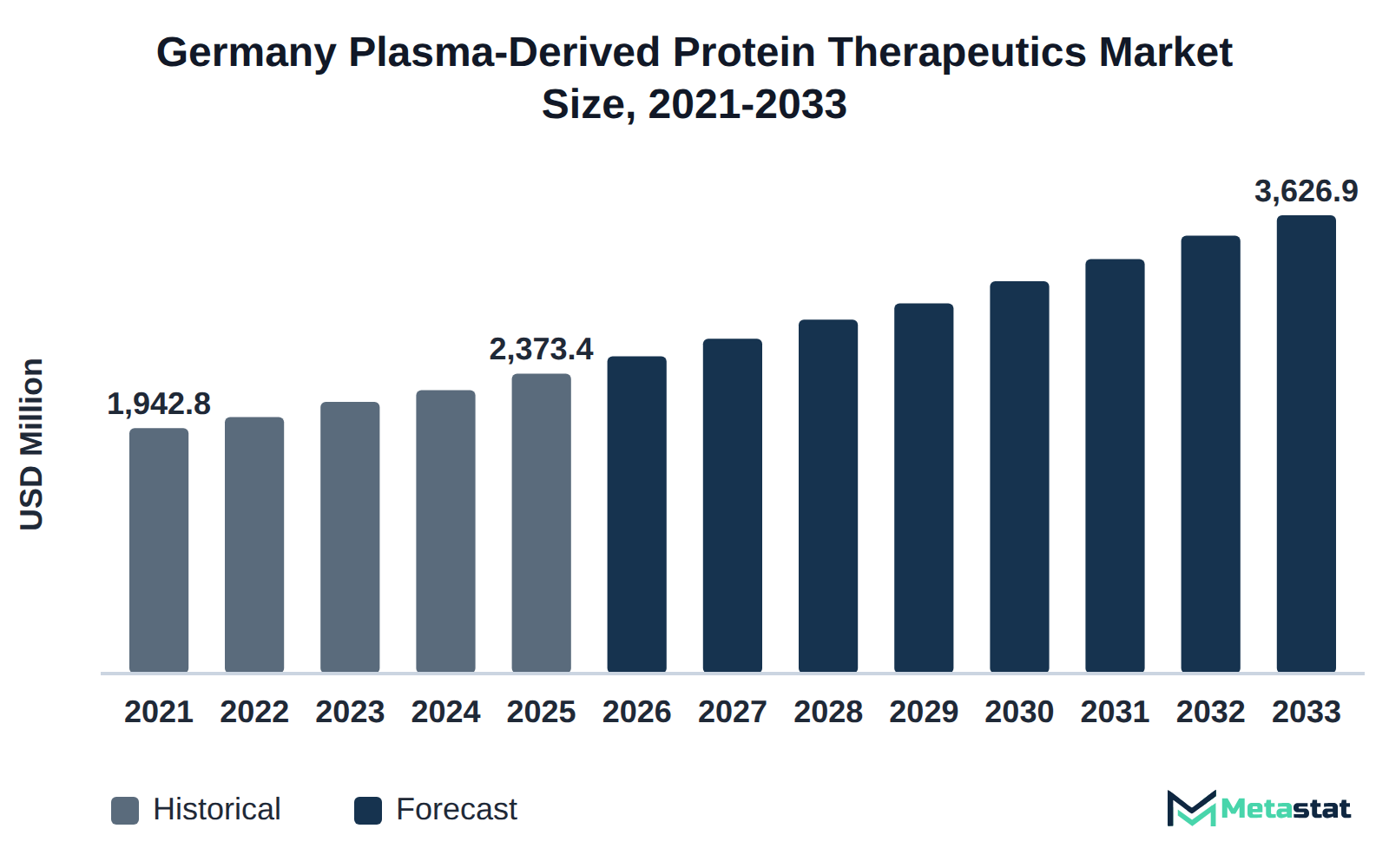
Demand for immunoglobulin replacement therapy in the Germany Plasma-Derived Protein Therapeutics market experiences significant growth, driven by rising awareness of primary immunodeficiency (PID) disorders. The market for immunoglobulins is projected to expand from USD 1,544.5 million in 2026 to USD 2,349.9 million by 2033, reflecting a compound annual growth rate (CAGR) of 6.2%. This increase highlights the importance of immunoglobulin therapies in managing PID, which affects a substantial portion of the population.
In parallel with this growth, the adoption of home treatment options for immunoglobulin therapy is becoming more prevalent. Patients increasingly prefer self-administration methods, including subcutaneous immunoglobulin therapy, which offers greater convenience and flexibility. The subcutaneous route of administration is expected to achieve a market value of USD 1,223.7 million by 2033, with a CAGR of 8.7%. This shift towards home treatment enhances the quality of life for patients and alleviates the burden on healthcare facilities.
The combination of rising immunoglobulin demand and the shift towards home-based therapies presents significant commercial opportunities within the market. Pharmaceutical companies focusing on developing innovative delivery systems and enhancing patient education programs stand to benefit from this evolving landscape, positioning themselves favorably in the competitive environment. Patient engagement solutions can extend these education programs to patients who self-administer therapy at home. Continued emphasis on patient-centric care models will further drive growth and investment in the Germany Plasma-Derived Protein Therapeutics market.
The Germany Plasma-Derived Protein Therapeutics market operates under specific purchasing frameworks that influence pricing and contract models. Pricing structures often reflect the costs associated with plasma collection and the fractionation process, which are essential for producing high-quality therapeutic proteins. For instance, the market's base value in 2025 stands at USD 2,373.4 million, driven by the demand for products derived from plasma.
Buyers typically engage with suppliers through long-term contracts that provide stable pricing, which supports budget planning in healthcare institutions. The contract duration varies according to the product type and application, impacting procurement strategies. In addition, hospitals and outpatient clinics seek to establish agreements that ensure a consistent supply of products, particularly immunoglobulins and albumin, which represent significant segments within the product type category. These agreements fit within broader healthcare supply chain management for plasma-derived therapies.
Effective contract negotiation matters because market fluctuations affect prices. Immunoglobulins are projected to reach USD 2,349.9 million by 2033. The ability to secure favorable terms affects the operational costs of healthcare providers. The structure of these agreements ultimately shapes the competitive dynamics in the Germany Plasma-Derived Protein Therapeutics market, influencing both supply stability and pricing strategies.
The introduction of new reimbursement policies in Germany significantly influences the treatment landscape for Chronic Inflammatory Demyelinating Polyneuropathy (CIDP) and Hereditary Angioedema (HAE). Recent changes in reimbursement frameworks aim to improve patient access to advanced therapeutic options, particularly for immunoglobulin therapies. Primary Immunodeficiency (PID) treatments, which include immunoglobulins, generated a market value of USD 647.5 million in 2026, with a projected increase to USD 990.9 million by 2033, reflecting a compound annual growth rate (CAGR) of 6.3%. This growth signals strong demand for therapies addressing these conditions.
These reimbursement changes benefit patients suffering from CIDP and HAE by ensuring the availability of effective treatment options, thus driving therapeutic adoption. Pharmaceutical companies that supply immunoglobulin therapies, including CSL Limited and Takeda Pharmaceutical Company Limited, operate in a competitive environment. Increased access to these therapies leads to higher demand, enhancing the overall potential of the Germany Plasma-Derived Protein Therapeutics market. The ability to secure reimbursement improves patient outcomes and expands market opportunities for suppliers within this therapeutic niche.
Access to plasma-derived therapies in Germany significantly hinges on the availability of plasma supply and the reimbursement policies in place. The growing demand for immunoglobulins, projected to increase from USD 1,544.5 million in 2026 to USD 2,349.9 million by 2033, highlights the critical necessity for efficient plasma collection systems. These systems ensure a steady supply of plasma, which directly influences the capacity to provide necessary treatments for conditions like primary and secondary immunodeficiency.
Reimbursement policies play a vital role in determining the accessibility of these therapies. The reimbursement framework in Germany ensures that patients receive necessary treatments without substantial out-of-pocket expenses, encouraging higher adoption rates. The anticipated growth in the primary immunodeficiency application segment, expected to rise from USD 647.5 million in 2026 to USD 990.9 million by 2033, emphasizes the importance of adequate reimbursement to facilitate patient access. A secure plasma supply and favorable reimbursement strategies directly correlate with wider patient access to essential plasma-derived therapies, which in turn influences market growth.
Rising prevalence of primary immunodeficiency (PID) conditions drives demand for immunoglobulin therapies. Patients requiring immunoglobulin treatments include those with PID, who experience a heightened need for effective management of their conditions. This increased demand reflects a demographic shift toward more patients being diagnosed and treated for immunological disorders. This upward trajectory supports a more extensive market presence and an expanding range of treatment options for patients. This trend keeps immunoglobulin therapies central to the broader Germany Plasma-Derived Protein Therapeutics market.
Increasing adoption of subcutaneous administration within the Germany Plasma-Derived Protein Therapeutics market enhances patient convenience and treatment adherence. This route minimizes the need for hospital visits, allowing patients to self-administer therapies in home settings. Growth in this segment aligns with ongoing trends toward patient-centric care, emphasizing comfort and flexibility for those requiring ongoing treatment.
Several therapeutic areas benefit from this shift, particularly those involving immunoglobulins and albumin. The subcutaneous route supports a gradual absorption profile, resulting in fewer side effects compared to intravenous administration. This change appeals to patients with chronic conditions, driving demand for plasma-derived products.
Healthcare providers recognize the advantages of subcutaneous therapies, contributing to enhanced uptake rates among patients. The market experiences significant growth, with the subcutaneous segment expected to achieve a compound annual growth rate of 8.7% by 2033. Enhanced patient outcomes and satisfaction through this administration route inspire continuous investment in the Germany Plasma-Derived Protein Therapeutics market.
Price sensitivity presents a significant restraint within the Germany Plasma-Derived Protein Therapeutics market. Patients and healthcare providers, particularly in hospital-based care settings, face challenges due to high treatment costs associated with plasma-derived products. This factor results in slower uptake of therapies, particularly among patients requiring immunoglobulins and coagulation factors. High treatment prices limit the willingness of healthcare institutions to adopt these therapies, causing smaller orders and delayed replacements for existing treatments.
Variability in health and medical insurance coverage further complicates access, leading to disparities in treatment availability across different patient segments. The overall effect restricts market growth, as potential patients forgo necessary therapies or rely on less effective alternatives. Addressing these pricing challenges is necessary to improve adoption rates and broaden access to life-saving treatments within the German healthcare system.
Suppliers in the Germany Plasma-Derived Protein Therapeutics market face significant margin pressure due to escalating costs of raw materials and operational expenses. This situation arises from increased demand for high-quality plasma-derived products, resulting in a competitive landscape where suppliers balance quality and cost-effectiveness. Rising labor costs and the necessity for compliance with stringent manufacturing standards further strain margins.
In response to these challenges, many suppliers adopt cost-reduction strategies, focusing on streamlining production processes and enhancing operational efficiency. Collaborations with research institutions to innovate and develop efficient production techniques have become common. Suppliers explore alternative sourcing strategies to mitigate cost fluctuations. These efforts aim to sustain profitability while ensuring product quality and availability in the market.
Secondary immunodeficiency (SID) therapies demonstrate significant growth potential within the market, driven by an increasing number of patients suffering from various underlying health conditions. This segment is expected to grow at a compound annual growth rate (CAGR) of 7.1% through 2033, a strong market trend. The rise in chronic diseases, which often compromise the immune system, fuels the demand for effective therapeutic solutions targeting SID. Emerging treatment options, particularly focused on specialized immunoglobulin therapies, provide significant opportunities for suppliers to expand their offerings and improve patient outcomes. This growing need for tailored therapies aligns with broader trends in the Germany Plasma-Derived Protein Therapeutics market, where innovative solutions improve treatment efficacy and accessibility. Addressing the specific requirements of this segment allows companies to capture a larger share of the market, ultimately supporting overall revenue growth.
The Germany Plasma-Derived Protein Therapeutics market is segmented based on Product Type, Application, Route of Administration, and Care Setting.
This segment is central to treating conditions including primary immunodeficiency (PID) and secondary immunodeficiency (SID), where patients rely on immunoglobulin therapies for immune system support. The increasing prevalence of PID conditions directly influences demand for immunoglobulins, reflecting a significant growth driver. Compared to other segments, including coagulation factors, the immunoglobulin segment exhibits a higher growth rate, with a CAGR of 6.2%, indicating stronger market dynamics. Ongoing advancements in subcutaneous administration methods enhance treatment adherence, further supporting market expansion. The market adapts to evolving treatment paradigms, ensuring a consistent supply of these essential therapies to meet patient needs.
Albumin segment is estimated to reach USD 488.9 million by 2033, at a CAGR of 4.7% during the forecast period. This product is widely used in therapeutic applications, including liver disease treatment, shock management, and volume expansion. Primary buyers include hospitals and independent outpatient practices, which rely on albumin for its essential properties in critical care settings. Demand for albumin is driven by the increasing incidence of conditions requiring plasma volume replacement and the growing trend toward outpatient therapies. Compared to other segments, including immunoglobulins, which exhibit a CAGR of 6.2%, the albumin segment demonstrates slower growth. This difference reflects variations in clinical applications and buyer preferences, with albumin serving specific needs in critical situations while immunoglobulins cater to a broader range of immunodeficiency disorders. The market remains competitive, influenced by pricing strategies and advancements in treatment protocols.
Coagulation Factors segment is expected to reach USD 355.8 million by 2033. This segment focuses on therapies that address bleeding and coagulation disorders, which are crucial for patients with conditions including Hemophilia and von Willebrand Disease. Increased prevalence of these disorders drives demand for coagulation therapy. Unlike other segments, including Immunoglobulins, which experience a CAGR of 6.2%, the growth rate for Coagulation Factors is slower due to less frequent usage in comparison. Ongoing advancements in product formulation and administration methods influence purchasing decisions, although the segment remains more price-sensitive than others, impacting overall adoption rates. The market continues to see innovations aimed at improving efficacy and patient experience, contributing to steady growth in therapeutic options.
Alpha-1 Antitrypsin segment is projected to grow at a CAGR of 6.1% during the forecast period. This product addresses Alpha-1 Antitrypsin deficiency, a genetic disorder that leads to serious lung and liver disease. Patients requiring treatment primarily include adults and children diagnosed with this deficiency. The growth of this segment benefits from increasing awareness among healthcare professionals regarding the diagnosis and management of Alpha-1 Antitrypsin deficiency. Compared to other segments, this one exhibits a strong growth trajectory driven by rising patient numbers and heightened clinician focus. For instance, while albumin experiences a CAGR of 4.7%, Alpha-1 Antitrypsin demonstrates a strong demand pattern, positioned to further capitalize on demographic shifts and enhanced diagnostic capabilities in the market.
C1 Esterase Inhibitors support the management of hereditary angioedema by regulating complement activation and preventing excessive inflammation. Patients suffering from this rare genetic disorder rely on these inhibitors for effective treatment to manage their symptoms and prevent acute attacks. Growth in this segment is driven by heightened awareness and diagnosis of hereditary angioedema, alongside advancements in treatment options. Compared to other segments including immunoglobulins, C1 Esterase Inhibitors experience slower growth, focusing on a niche patient population. The specialized nature of this treatment impacts pricing and access, setting it apart from broader therapeutic categories. The Germany Plasma-Derived Protein Therapeutics market adapts to evolving treatment paradigms, enhancing the overall landscape for patients requiring targeted therapies.
Products in the Others (Antithrombin, Protein C and Fibrin Sealants) segment include essential components for managing bleeding disorders and thrombotic conditions. These therapies serve healthcare providers treating patients with specific coagulation deficiencies, including antithrombin deficiency and protein C deficiency. Demand for these products is influenced by the growing prevalence of bleeding disorders and increasing awareness of effective treatment options available for these conditions. Compared to other segments, this sub-segment experiences slower growth due to its narrower application range and specialized use cases, resulting in a different buyer profile, typically consisting of specialized hospitals and treatment centers. The market's reliance on exacting medical standards and regulatory approvals further differentiates this segment from broader categories including immunoglobulins and albumin, which have wider applications and higher patient numbers.
This segment addresses conditions where the immune system is unable to function properly, leading to increased susceptibility to infections. Patients affected by PID rely on therapies including immunoglobulins for effective treatment. Rising awareness and diagnosis of PID conditions significantly influence this segment, driving demand for immunoglobulin therapies. Compared to other segments, including Secondary Immunodeficiency (SID) with a projected CAGR of 7.1%, PID exhibits a slightly slower growth rate, reflecting differences in prevalence and treatment accessibility. The focus on enhancing patient outcomes and adherence to therapies presents an opportunity for further market development.
Secondary Immunodeficiency (SID) segment is estimated to reach USD 748.6 million by 2033, at a CAGR of 7.1% during the forecast period. This segment addresses deficiencies in immune function resulting from various underlying health conditions, often affecting patients with chronic diseases or those undergoing treatments that compromise immunity. The increasing incidence of such conditions drives demand for SID therapies, particularly among healthcare providers focused on immunology and infectious diseases. This segment exhibits faster growth compared to others due to its specific therapeutic focus and the rising awareness of treatment options. Higher adoption rates of innovative therapies and advancements in product formulation contribute to its robust expansion potential. Unlike the Primary Immunodeficiency (PID) segment, which shows a CAGR of 6.3%, the SID segment attracts a distinct buyer base, including hospitals and specialized clinics, seeking targeted treatment solutions. The market dynamics reflect a growing emphasis on personalized medicine and tailored therapeutic approaches.
Autoimmune Neurological Disorders segment is expected to reach USD 533.9 million by 2033. This segment caters to individuals diagnosed with various autoimmune conditions affecting the central nervous system, including multiple sclerosis and neuromyelitis optica. A significant driver for this segment stems from the rising prevalence of autoimmune neurological disorders, prompting increased demand for effective treatment options. This growth trajectory contrasts with other applications, including Primary Immunodeficiency (PID), which shows a CAGR of 6.3%, while the Autoimmune Neurological Disorders segment does not report a CAGR. Treatment protocols evolve, and the introduction of advanced therapies and personalized medicine approaches enhances treatment outcomes, further supporting market expansion. Given the specialized nature of these therapies, pricing dynamics differ from more generalized treatments, influencing purchasing decisions among healthcare providers and patients alike. The Germany Plasma-Derived Protein Therapeutics market sees robust activity in this segment, reflecting ongoing innovation and investment in therapeutic development.
Bleeding and Coagulation Disorders segment is projected to grow at a CAGR of 3.7% during the forecast period. This segment focuses on treating various bleeding disorders by using plasma-derived therapies, essential in managing conditions including hemophilia and von Willebrand disease. Patients requiring these therapies typically include those with inherited bleeding disorders and patients undergoing surgical procedures. The growth of this segment is influenced by the rising incidence of bleeding disorders and advancements in treatment protocols. Compared to other applications, including Primary Immunodeficiency, which is projected to grow at a CAGR of 6.3%, this segment experiences slower growth. The market for treatments for bleeding and coagulation disorders remains critical due to ongoing demand for effective management solutions.
Alpha-1 Antitrypsin Deficiency involves a genetic condition leading to inadequate levels of alpha-1 antitrypsin protein, which protects the lungs and liver from damage. Patients requiring treatment include those with chronic obstructive pulmonary disease (COPD) and emphysema attributable to this deficiency. Key factors driving this segment include heightened awareness among healthcare professionals regarding the importance of early diagnosis and effective management of respiratory conditions. This segment differs from others due to its niche target audience, resulting in potentially higher pricing strategies compared to broader applications like Primary Immunodeficiency. Although the growth rate remains competitive, the focus on specialized treatment and ongoing advancements in therapies enhances the segment's attractiveness within the market. Regulatory bodies increasingly emphasize the need for effective therapies, further reinforcing the segment's significance in the therapeutic landscape.
Hereditary angioedema is a genetic condition leading to recurrent episodes of severe swelling, affecting various parts of the body, including the limbs, face, gastrointestinal tract, and airway. Patients suffering from this condition rely on specific therapies to manage their symptoms and prevent complications. Demand for treatments in this segment is driven by increasing awareness and diagnosis rates among healthcare professionals, highlighting a critical need for effective management strategies. This sub-segment stands out from others due to its specialized nature, focusing on a smaller yet significant patient population compared to broader conditions including primary or secondary immunodeficiencies. Unlike these larger segments, which are experiencing growth, treatments for hereditary angioedema attract a niche market, often characterized by higher price points due to the complexity of therapies involved. The market is expected to evolve with new therapeutic options emerging, further aiding in the management of this challenging condition.
Critical Care, Surgery and Liver Disease involves therapies essential for managing complex medical conditions associated with critical illness, surgical procedures, and chronic liver disease. Patients requiring these treatments typically include those undergoing major surgeries, patients in intensive care units, and individuals with chronic liver disorders. The growing prevalence of these health conditions drives demand within the Germany Plasma-Derived Protein Therapeutics market. Enhanced surgical techniques and increased awareness of liver diseases contribute to the expansion of this segment. Demand for specialized therapies in this area contrasts with other applications, reflecting higher price points and a more limited pool of specialized healthcare providers. The focus on improving patient outcomes in critical care settings highlights the importance of these therapies, positioning them uniquely within the broader therapeutic framework.
Immune Thrombocytopenia (ITP) involves a bleeding disorder characterized by low platelet count, increasing the risk of excessive bleeding and bruising. Treatments focus on increasing platelet levels and enhancing clotting capabilities, benefiting patients who experience symptoms including easy bruising and prolonged bleeding. The segment experiences growth driven by rising diagnosis rates and increased awareness of ITP, particularly among healthcare professionals. This segment differentiates itself by addressing a specific patient population with unique therapeutic needs compared to broader applications including Primary Immunodeficiency (PID) or Secondary Immunodeficiency (SID). The Germany Plasma-Derived Protein Therapeutics market emphasizes a dedicated approach to managing ITP, highlighting targeted therapies and advancements in treatment protocols that contribute to better patient outcomes.
Products in the Others (Post-Exposure Prophylaxis) category serve critical functions in the prevention of infections following potential exposures, particularly in healthcare settings. These therapies are used by healthcare professionals to protect individuals at risk from certain viral infections. Factors driving demand include rising awareness of post-exposure prophylaxis protocols and an increase in the number of potential exposure incidents. This segment distinguishes itself from others within the Application classification by addressing specific emergency scenarios, leading to targeted purchases rather than routine treatments. The competitive nature of this segment highlights the emphasis on rapid response capabilities and effective outcomes, differing from more routine therapies that address chronic conditions. Overall, the focus on immediate prevention positions this sub-segment uniquely within the Germany Plasma-Derived Protein Therapeutics market.
The intravenous segment is valued at USD 1,777.9 million in 2026 and is projected to reach USD 2,353.5 million by 2033, at a CAGR of 4.1% during the forecast period. This route of administration is primarily for delivering plasma-derived protein therapeutics directly into the bloodstream, ensuring rapid distribution and efficacy in managing conditions including primary immunodeficiency and various bleeding disorders. Factors driving growth in this segment include the increasing prevalence of immunological conditions and advancements in intravenous therapies, which enhance patient outcomes. Compared to subcutaneous administration, intravenous delivery offers faster onset of action, significantly influencing treatment decisions by healthcare professionals. The intravenous segment's growth trajectory is anticipated to be slower than that of subcutaneous administration, which is projected to grow at a CAGR of 8.7% through 2033. These dynamics shape the competitive landscape of the Germany Plasma-Derived Protein Therapeutics market.
This method of administration is a form of injectable drug delivery in which medication is injected into the layer of fat below the skin, providing a convenient alternative for patients requiring regular treatments, including those with chronic conditions. The demand for subcutaneous administration has grown significantly, driven by patient preference for self-administration and reduced need for healthcare facility visits. Compared to intravenous administration, subcutaneous therapies typically exhibit a lower cost and broader accessibility for outpatient care. The market is expected to benefit from the increasing availability of products specifically designed for this route, enhancing patient compliance and treatment outcomes.
Intramuscular segment is expected to reach USD 22.1 million by 2033. This administration route finds application primarily in situations where rapid systemic absorption of plasma-derived proteins is required. Healthcare providers apply intramuscular delivery for patients who have difficulty with intravenous access. The segment experiences growth driven by increased patient acceptance of intramuscular injections compared to other routes, reflecting a growing preference among users for less invasive treatment options. While the segment presents solid demand, it experiences slower growth compared to the subcutaneous segment, which is projected to grow at a CAGR of 8.7% during the same period. The Germany Plasma-Derived Protein Therapeutics market continues to expand as healthcare professionals adopt various administration routes based on patient needs and treatment protocols.
The Topical and Local segment is projected to grow at a CAGR of 1% during the forecast period. This segment provides targeted delivery of therapeutics, focusing on localized treatment applications. It serves patients requiring localized treatment for specific conditions, including wound healing or localized pain. Advanced wound care products address a related need in wound healing. Demand for this segment arises from the growing preference for non-invasive administration methods. While its growth rate is slower compared to other routes of administration, including Subcutaneous, which has a CAGR of 8.7%, this segment addresses unique patient needs. The market recognizes the value of Topical and Local administration, resulting in steady demand despite competitive pressures from faster-growing segments. The market continues to evolve, reflecting advancements in formulations and delivery mechanisms that improve patient outcomes.
Hospital-Based Care segment is valued at USD 1,391.6 million in 2026 and is projected to reach USD 1,696 million by 2033, at a CAGR of 2.9% during the forecast period. This segment focuses on administering plasma-derived protein therapeutics in hospital settings, primarily for patients with complex medical conditions requiring specialized treatment. Demand in this segment arises from the increasing prevalence of chronic diseases and the need for intensive care treatments. In contrast to other segments, including Independent Outpatient Practices, which grow at a faster rate, Hospital-Based Care experiences slower growth due to reliance on hospital infrastructure and resource allocation. The market for plasma-derived protein therapeutics continues to expand, driven by advancements in treatment protocols and growing acceptance of these therapies in clinical settings.
Independent Outpatient Practices segment is estimated to reach USD 632.2 million by 2033, at a CAGR of 6.7% during the forecast period. This segment focuses on providing plasma-derived protein therapeutics in non-hospital settings, catering to patients with chronic conditions requiring ongoing treatment. Factors influencing growth include increased patient preference for outpatient care and advancements in treatment administration techniques. Compared to Hospital-Based Care, which experiences a slower growth rate at a CAGR of 2.9%, Independent Outpatient Practices benefit from a broader patient base seeking convenience and lower costs. The market's shift towards home-based care solutions further supports this segment's expansion, with patients seeking effective treatments with minimal disruption to their daily lives. Cost considerations impact the adoption of therapies, and the overall trend indicates robust demand for outpatient care solutions in the Germany Plasma-Derived Protein Therapeutics market.
Home-Based Care segment is expected to reach USD 1,298.8 million by 2033. This segment focuses on providing therapeutic solutions for patients requiring ongoing treatment in their own residences, appealing to individuals with chronic conditions that require regular administration of plasma-derived therapies. Home healthcare providers are among the key buyers in this segment. Rising consumer preference for at-home treatments, driven by increased convenience and reduced hospital visits, accelerates the segment's growth. The CAGR of 6.7% for Home-Based Care reflects a faster expansion compared to Hospital-Based Care, which has a CAGR of 2.9%. The shift towards home healthcare solutions positions this segment uniquely, catering to a demographic that seeks personalized care while minimizing healthcare costs, ultimately enhancing patient outcomes in the Germany Plasma-Derived Protein Therapeutics market.
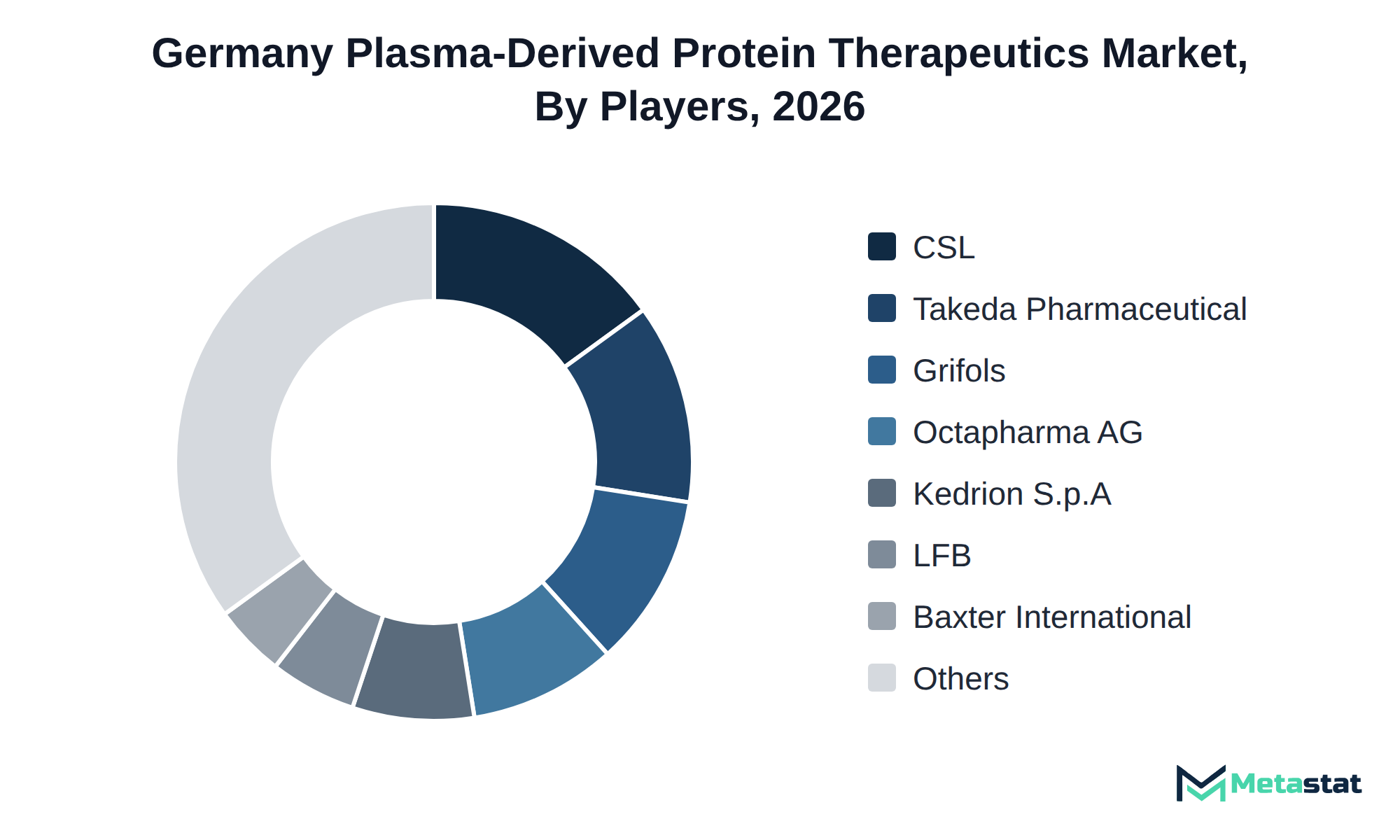
In the Germany Plasma-Derived Protein Therapeutics market, companies differentiate themselves through product offerings, service quality, and adherence to regulatory standards. Buyers prioritize factors including price, certification, and the ability to customize products to fit specific treatment needs. These elements influence purchasing decisions across various application areas.
CSL Limited emphasizes a broad range of immunoglobulins, targeting primary immunodeficiency and autoimmune neurological disorders. Takeda Pharmaceutical Company Limited specializes in developing therapies for bleeding and coagulation disorders, focusing on high-quality albumin products. Grifols, S.A. and Octapharma AG both offer extensive portfolios in coagulation factors and other therapeutics, enhancing their competitive positions in the market by providing comprehensive solutions for specialized medical needs.
This growth relies on key developments in specific segments of the Germany Plasma-Derived Protein Therapeutics market. Third, the rising demand for subcutaneous routes of administration, expected to reach USD 1,223.7 million by 2033, will further contribute to the market's expansion. A significant risk to this forecast includes potential regulatory changes affecting product approvals and pricing structures, which could hinder the momentum within these segments. Addressing these developments and risks will be crucial for achieving the projected market size.
By Product Type: Immunoglobulins, Albumin, Coagulation Factors, Alpha-1 Antitrypsin, C1 Esterase Inhibitors, Others (Antithrombin, Protein C and Fibrin Sealants)
By Application: Primary Immunodeficiency (PID), Secondary Immunodeficiency (SID), Autoimmune Neurological Disorders, Bleeding and Coagulation Disorders, Alpha-1 Antitrypsin Deficiency, Hereditary Angioedema, Critical Care, Surgery and Liver Disease, Immune Thrombocytopenia (ITP), Others (Post-Exposure Prophylaxis)
By Route of Administration: Intravenous, Subcutaneous, Intramuscular, Topical and Local
By Care Setting: Hospital-Based Care, Independent Outpatient Practices, Home-Based Care
The report strategically identifies and profiles the key market players and analyses their core competencies in each sub-segment of the Plasma-Derived Protein Therapeutics market.
Report Attributes | Details |
Study Period | 2021-2033 |
Base Year | 2025 |
Estimated Year | 2026 |
Forecast Period | 2026-2033 |
Historical Period | 2021-2025 |
Growth Rate | CAGR 5.4% from 2026 to 2033 |
Revenue Unit | USD million |
Segmentation | By Product Type, Application, Route of Administration, Care Setting, and Region |
Find answers to common questions about this report
The Plasma-Derived Protein Therapeutics market size was valued at USD 2,373.4 million in 2025.
The market is projected to grow at a CAGR of 5.4% during the forecast period from 2026 to 2033.
Immunoglobulins lead the Plasma-Derived Protein Therapeutics market with a projected value of USD 2,349.9 million by 2033, significantly surpassing other segments. This segment's growth reflects a compound annual growth rate of 6.2 percent.
Key drivers for the Germany Plasma-Derived Protein Therapeutics market include the rising prevalence of primary immunodeficiency conditions, which boosts demand for immunoglobulin therapies. significant growth potential exists in secondary immunodeficiency therapies, driven by an increasing number of patients with various underlying health conditions.
Price sensitivity presents a significant restraint within the market. High treatment costs associated with plasma-derived products lead to slower uptake of therapies, particularly among patients requiring immunoglobulins and coagulation factors.
Increasing adoption of subcutaneous administration enhances patient convenience and treatment adherence, allowing self-administration in home settings. This shift towards patient-centric care, particularly in immunoglobulin therapies, drives demand and supports market growth.
The Plasma-Derived Protein Therapeutics market is estimated to reach a valuation of USD 3,626.9 million by 2033.
Key players operating in the Plasma-Derived Protein Therapeutics market include CSL Limited, Takeda Pharmaceutical Company Limited, Grifols, S.A., Octapharma AG, Kedrion S.p.A., LFB S.A., Prothya Biosolutions Netherlands B.V., and Baxter International Inc.
Immunoglobulin therapy revenue is projected to increase from USD 1,544.5 million in 2026 to USD 2,349.9 million by 2033, reflecting a compound annual growth rate of 6.2%.
Secondary immunodeficiency therapies are anticipated to experience a compound annual growth rate of 7.1% through 2033, driven by an increasing number of patients with underlying health conditions.
The analysts below cover Healthcare research at Metastat Insights.
LEAD ANALYST
Utkarsh Khirodkar is a Lead Market Research Analyst at MetaStat Insight, specializing in market intelligence, technology sector assessments, and competitive strategy.

LEAD PRINCIPAL ANALYST, PHARMA AND HEALTHCARE
Food and Beverages · Healthcare · Healthcare IT · Medical Devices
Ajay Devgire is the Lead Healthcare Analyst at MetaStat Insight, leading strategic research and market intelligence initiatives across the global healthcare domain.
In the biological seed treatment space, registration timelines vary drastically between the European Union, Brazil, and North America. The MetaStat Insight research handled these cross-border regulatory barriers with genuine nuance, mapping commercialization pathways alongside historical field adoption rates. The segmentation between microbial strains and biochemical active ingredients was particularly well structured.
Our team was tracking whether regional recycling infrastructure could realistically absorb the growing volume of lithium iron phosphate batteries over the next decade. The report did a solid job separating announced hydrometallurgical plant capacity from active, permitted operational throughput. That distinction made the feedstock availability projections and regional recovery rate models far more credible than standard commercial overviews.
Tracking capacity expansion in single-use bioprocessing requires dependable data on raw material availability and cleanroom-grade polymer supply chains. The competitive landscape chapter gave a grounded evaluation of secondary component suppliers across North America and Asia-Pacific rather than simply reprinting press releases. Having that level of supplier benchmarking helped clarify dual-sourcing considerations for our clinical pipeline planning.
Explore related market intelligence reports worth reading alongside this one.