
LEAD ANALYST
Utkarsh Khirodkar is a Lead Market Research Analyst at MetaStat Insight, specializing in market intelligence, technology sector assessments, and competitive strategy.

Germany Immunoglobulin Market Size, Share, By Product Type (Intravenous Immunoglobulin (IVIG), Subcutaneous Immunoglobulin (SCIG), Intramuscular Immunoglobulin (IMIG)), By Application (Primary Immunodeficiency (PID), Secondary Immunodeficiency (SID), Chronic Inflammatory Demyelinating Polyneuropathy (CIDP), Multifocal Motor Neuropathy (MMN), Guillain-Barré Syndrome (GBS), Myasthenia Gravis, Immune Thrombocytopenia (ITP) and Others (Infection Prophylaxis and Kawasaki Disease)), By Formulation (Liquid and Lyophilized), By Care Setting (Hospital-Based Care, Independent Outpatient Practices and Home-Based Care), Industry Analysis, Growth, Trends, and Forecast, 2026-2033
Report ID
MSI-5689
Published
November, 2026
Pages
272 Pages
Format
Historical
Base year
Forecast
Forecast period
Report Details
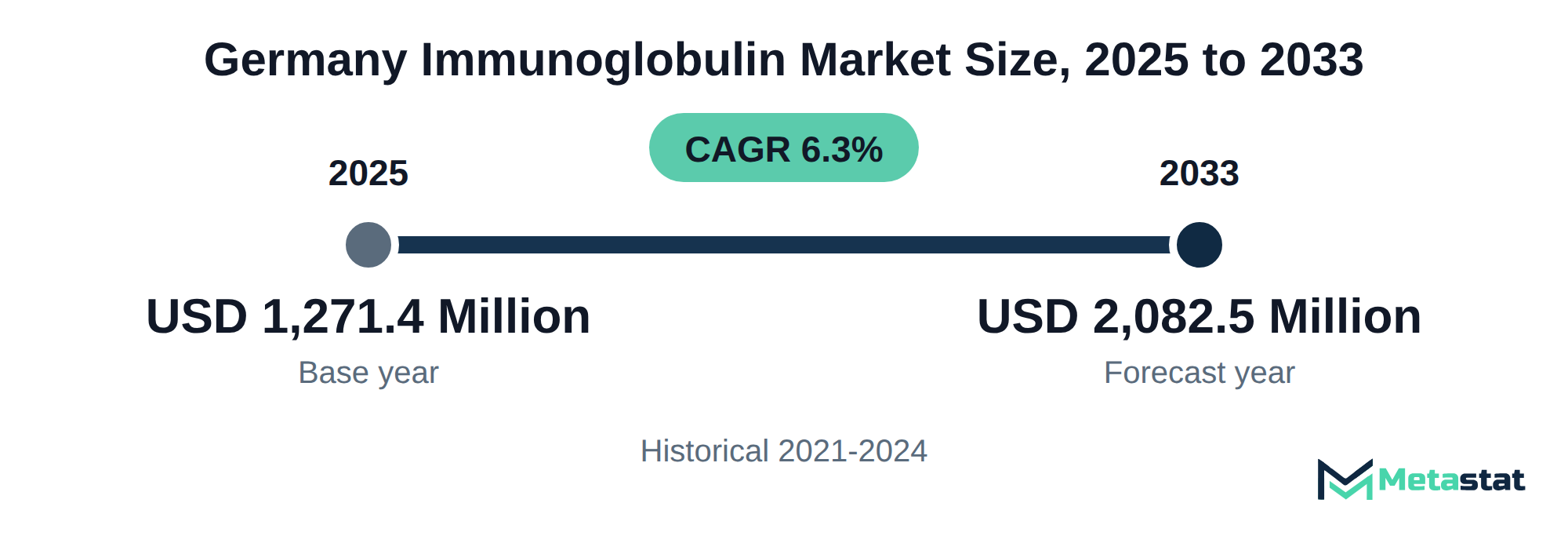
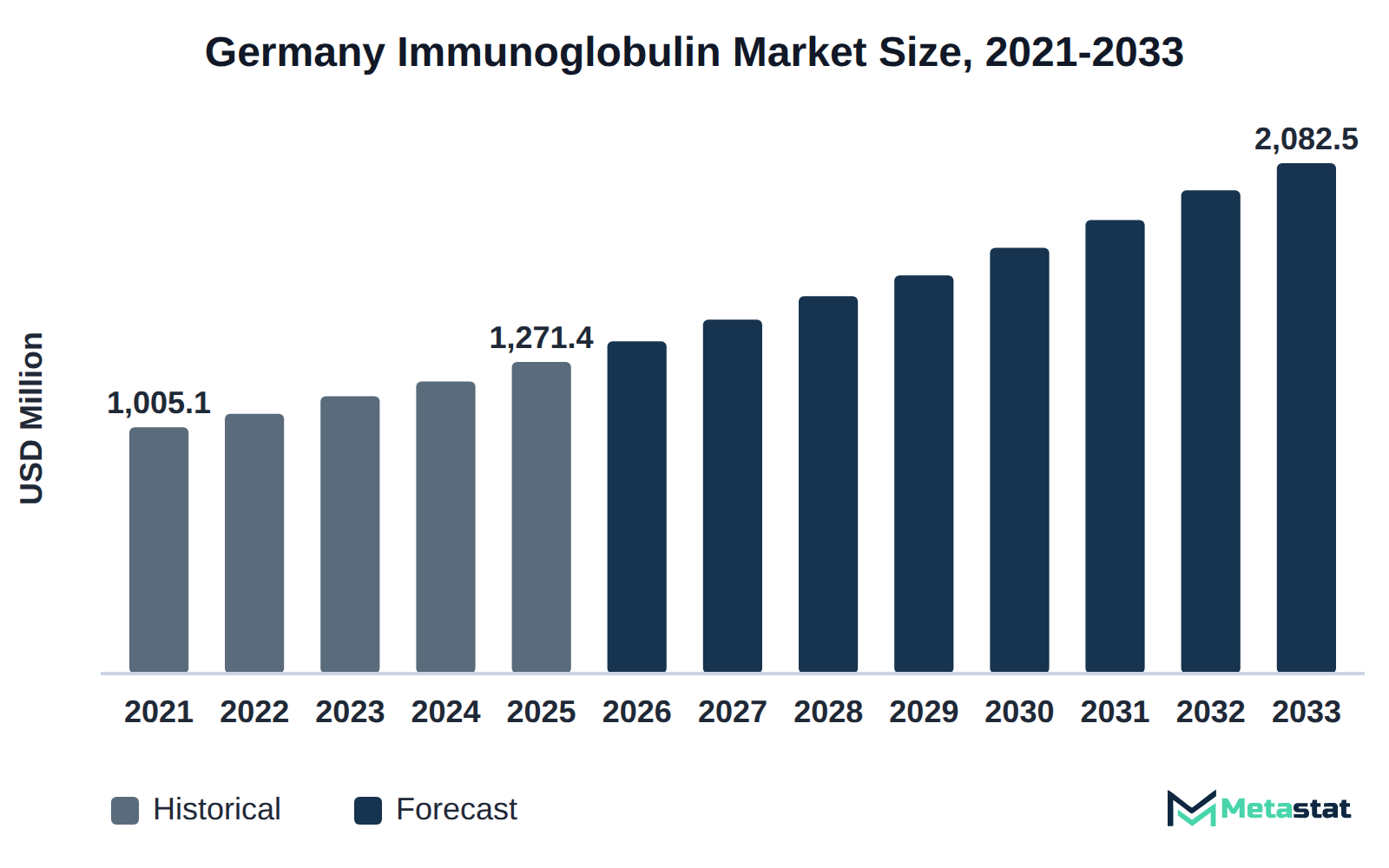
Market Valuation: Valued at $1,271.4 Million in 2025, projected to reach $2,082.5 Million by 2033 at a 6.3% CAGR.
Dominant Segment: Subcutaneous Immunoglobulin (SCIG) leads the market, with a projected CAGR of 8.8%, driven by its convenient administration and growing patient preference for home-based treatments.
Geographic Lead: Germany stands out in the European Immunoglobulin market due to its robust healthcare infrastructure and high purchasing power, facilitating significant market growth.
What's Inside: The report includes comprehensive analyses of product types, applications, and care settings, along with competitive coverage and a detailed forecast from 2026 to 2033.
Market Dynamics: Key growth drivers include the rising incidence of primary immunodeficiency diseases and advancements in treatment methodologies, highlighting the evolving landscape of immunoglobulin therapies.
Choose Your License
Germany Immunoglobulin Market
The Germany Immunoglobulin market was valued at USD 1,271.4 million in 2025 and is projected to reach USD 2,082.5 million by 2033, growing at a CAGR of 6.3% over the forecast period.
The Germany Immunoglobulin market encompasses a range of immunoglobulin products primarily to treat various immunodeficiencies and other related conditions. Immunoglobulin products also sit within the broader biopharmaceuticals sector. Buyers invest in these therapies due to the increasing prevalence of primary and secondary immunodeficiency diseases, which create a growing demand for effective treatment options. The market includes several product types, including intravenous immunoglobulin (IVIG) and subcutaneous immunoglobulin (SCIG), with applications spanning from primary immunodeficiency to chronic inflammatory demyelinating polyneuropathy.
Growth in the market is driven by advancements in treatment formulations and increased awareness among healthcare providers regarding the benefits of immunoglobulin therapies. Subcutaneous immunoglobulin (SCIG) emerges as the segment with the highest projected value, with an anticipated compound annual growth rate of 8.8 percent. This segment's growth correlates with its ability to provide patients with more convenient administration options, enhancing better adherence to treatment regimens.
The market exhibits strong demand in the hospital-based care setting, which holds a substantial share compared to independent outpatient practices and home-based care. The need for innovative therapies capable of improving patient outcomes fuels market expansion. A major growth driver includes the rising incidence of chronic inflammatory demyelinating polyneuropathy, highlighting the essential role of immunoglobulin therapies in managing this condition effectively.
The market includes products that address various immunodeficiencies, providing critical therapeutic benefits to patients. Buyers invest in immunoglobulin therapies due to rising prevalence rates of conditions including primary immunodeficiency and secondary immunodeficiency. Growth in this area also reflects broader progress in immunology research. Enhanced awareness of treatment options and the growing need for effective therapies drive this investment, with healthcare providers seeking to improve patient outcomes through specialized therapies.
Primary Immunodeficiency (PID) emerges as the segment with the highest value within the market, reflecting increased diagnostics and awareness among healthcare professionals. The growth of the Germany Immunoglobulin market aligns with advancements in treatment methodologies and a greater emphasis on patient-centered care. Rising demand for Subcutaneous Immunoglobulin (SCIG) therapies significantly contributes to this trend, highlighting evolving preferences of patients and providers for less invasive treatment options.
Germany stands out in Europe for its strong healthcare infrastructure and high purchasing power, which support market expansion. The focus on developing innovative treatment solutions enhances competition among key players, driving investments in research and development. The market is projected to benefit from these dynamics, promoting further growth and adoption of immunoglobulin therapies.
Intravenous Immunoglobulin (IVIG) and Subcutaneous Immunoglobulin (SCIG) represent critical treatment modalities in the Germany Immunoglobulin market. Adoption of SCIG has accelerated, driven by its user-friendly application and lower frequency of administration compared to IVIG. The SCIG segment is projected to reach USD 1,025.8 million by 2033, reflecting a compound annual growth rate (CAGR) of 8.8%. This growth indicates a significant shift towards patient-centered care, enabling individuals to manage treatments in home-based settings.
The trend toward SCIG aligns with the increasing demand for flexible treatment options, which allows patients to maintain a higher quality of life. The advantages of SCIG over IVIG, including reduced hospital visits and improved patient compliance, contribute to its rising popularity among healthcare providers. In this context, the market for IVIG is expected to reach USD 1,037.1 million by 2033, with a CAGR of 4.4%, reflecting the continued relevance of traditional treatment methods.
The combined growth of IVIG and SCIG within the German treatment landscape indicates a shift in therapeutic strategies, prioritizing both efficacy and patient convenience. This evolution enhances competitive positioning for suppliers who adapt their offerings to meet changing preferences, ultimately driving overall market growth.
Pricing strategies in the Germany immunoglobulin market reflect the diverse applications and formulations of immunoglobulins. For instance, the subcutaneous immunoglobulin (SCIG) segment is expected to reach USD 1,025.8 million by 2033, demonstrating the growing interest in this delivery method among healthcare providers and patients. The competitive landscape influences pricing, with various manufacturers offering different contract models and pricing structures to cater to multiple buyer needs.
Buyers typically engage in long-term contracts that secure favorable pricing terms. Several healthcare institutions negotiate pricing based on projected volumes, which allows for cost savings while ensuring supply reliability. This approach enhances budget predictability for hospitals and outpatient facilities, enabling them to allocate resources more effectively. Reimbursement policies from health and medical insurance companies and government programs significantly impact the financial dynamics of purchasing immunoglobulin products. These reimbursement mechanisms are often tied to specific conditions treated, including primary and secondary immunodeficiency, further shaping purchasing decisions.
The evolving pricing landscape has implications for market growth, with cost-effectiveness remaining a priority for buyers. The ability to negotiate better pricing and secure sufficient reimbursement levels strengthens the financial position of healthcare providers, facilitating broader access to immunoglobulin therapies for patients in need.
Plasma supply in Germany is critical to the availability and accessibility of immunoglobulin therapy. With the German Plasma Supply, the emphasis on optimizing collection and processing methods leads to enhanced availability of immunoglobulin products, which is crucial for patient care. This growth highlights the increasing adoption of SCIG, driven by advantages in patient comfort and convenience.
Reimbursement policies significantly impact the demand for immunoglobulin therapy by influencing prescribing patterns among healthcare providers. The reimbursement landscape in Germany supports various applications of immunoglobulin, including Primary Immunodeficiency (PID), which holds a value of USD 566.5 million in 2026 and is expected to grow to USD 878.2 million by 2033, with a CAGR of 6.5%. This structure encourages healthcare practitioners to choose immunoglobulin therapies, knowing that associated costs will be covered under insurance plans.
Healthcare providers and stakeholders need to understand plasma supply and reimbursement dynamics in the Germany Immunoglobulin market. An efficient plasma supply chain ensures that patients receive necessary treatments on time, while favorable reimbursement mechanisms enhance market growth by enabling wider access to vital therapies.
Home-based treatment options for Subcutaneous Immunoglobulin (SCIG) are transforming the Germany Immunoglobulin market, significantly influencing patient accessibility and adherence to therapy. With an increasing preference for at-home care, patient demographics indicate a trend toward self-administration of SCIG, especially among individuals with chronic conditions. In 2033, the segment for home-based care is projected to reach USD 1,035.4 million, reflecting a shift toward more patient-centered treatment modalities.
This transition results from a combination of factors, including technological advancements in infusion devices and increased awareness of the benefits of home care. The demand for SCIG in home settings aligns with broader healthcare trends toward convenience and empowerment among patients. Patients prioritize the comfort and flexibility offered by home-based treatments over traditional hospital visits.
While the market continues to expand, stakeholders, including healthcare providers and pharmaceutical companies, adapt their strategies to accommodate this shift. Investment in patient education, support systems, and robust supply chains will prove essential for capturing the growing demand for SCIG therapies in the home care setting. This evolution enhances patient satisfaction and contributes to improved clinical outcomes, driving overall growth within the market.
The rising incidence of primary immunodeficiency (PID) significantly drives demand for immunoglobulin therapies in Germany. Patients increasingly seek treatment options to manage their conditions, leading to heightened adoption of Intravenous Immunoglobulin (IVIG) and Subcutaneous Immunoglobulin (SCIG). This demographic shift, characterized by a growing awareness of PID and improved diagnostic capabilities, results in an increase in treatment volumes. Improved diagnostic capabilities of this kind are supported by advances in clinical immunodiagnostics. The projected growth rate for the PID segment stands at 6.5%, illustrating the expanding market dynamics. With the market's total value anticipated to reach USD 2,082.5 million by 2033, this trend reflects a robust commitment to addressing the needs of patients affected by immune disorders.
Growing recognition of secondary immunodeficiency contributes to the overall expansion of the Germany Immunoglobulin market. Patients requiring treatment for secondary immunodeficiency further enhance market opportunities, with prescribing practices adapting to incorporate innovative therapy solutions.
Innovations in immunoglobulin production technologies improve the efficiency and quality of therapies in the Germany Immunoglobulin market. Advanced fractionation techniques improve plasma utilization, resulting in higher yields of immunoglobulin products. This development lowers production costs, benefiting suppliers and potentially reducing prices for healthcare providers. Enhanced purification processes ensure higher safety profiles, addressing patient concerns regarding product quality.
The emergence of recombinant technology expands the product range, offering alternatives to traditional plasma-derived immunoglobulins. Suppliers leverage these advancements to cater to the growing demand for safer and more effective treatments, particularly among patients with primary and secondary immunodeficiencies. The increasing focus on innovation positions the market to meet evolving therapeutic needs, driving competitive dynamics among key players.
Investment in research and development further supports the exploration of new formulations, including lyophilized versions, which provide convenient storage and transportation options. These efforts strengthen market accessibility and create opportunities for growth in diverse care settings, including home-based therapy. Technological advancements are expected to shape the market's future.
Pricing pressures significantly restrict growth within the Germany Immunoglobulin market. Increased production costs and the complex pricing structures established by suppliers create barriers for healthcare providers, particularly in independent outpatient practices. These providers face challenges in managing budget constraints, resulting in slower uptake of immunoglobulin therapies.
Smaller orders and delayed replacement of existing therapies occur, particularly among independent outpatient practices that prioritize cost-effective treatment options. Financial limitations impact the capacity to adopt advanced immunoglobulin treatments, hindering timely access to necessary therapies. Consequently, this situation affects overall patient outcomes and delays the delivery of critical healthcare solutions within the market.
Rising input costs present a significant challenge for suppliers in the Germany Immunoglobulin market. Increasing prices of raw materials, particularly plasma used to make plasma-derived protein therapeutics, raise production expenses, influencing overall profit margins. Several suppliers implement strategies to counteract these challenges by enhancing operational efficiencies and optimizing supply chain management. Investment in advanced processing technologies facilitates cost reduction and maintains product quality. Despite these efforts, ongoing pressure from escalating costs complicates pricing strategies and market competitiveness. In response, suppliers explore strategic partnerships and collaborations to secure stable sources of plasma, mitigating cost-related impacts. These factors contribute to a fluctuating market environment, necessitating agile adaptation to sustain profitability while meeting growing demand for immunoglobulin therapies. Effective management of input costs remains a critical focus for suppliers navigating this evolving environment.
The Subcutaneous Immunoglobulin (SCIG) segment reflects significant growth potential within the market, driven by increasing patient preference for home-based administration. This formulation is projected to achieve a compound annual growth rate (CAGR) of 8.8% through 2033, indicating robust demand for SCIG therapies. Patients opting for SCIG benefit from improved convenience and the ability to manage their treatment schedules without frequent hospital visits. Subcutaneous administration also sits within the wider injectable drug delivery market.
The high adoption rates of SCIG therapies among patients with primary and secondary immunodeficiency conditions highlight a shift toward patient-centric care models. The anticipated revenue for SCIG therapies is projected to reach USD 1,025.8 million by 2033, signifying a strong trend toward home-based treatments that enhance patient adherence and overall satisfaction. This transition contributes to broader growth prospects within the Germany Immunoglobulin market, driven by healthcare providers increasingly adopting SCIG to meet the evolving needs of patients.
The Germany Immunoglobulin market is segmented based on Product Type, Application, Formulation, and Care Setting.
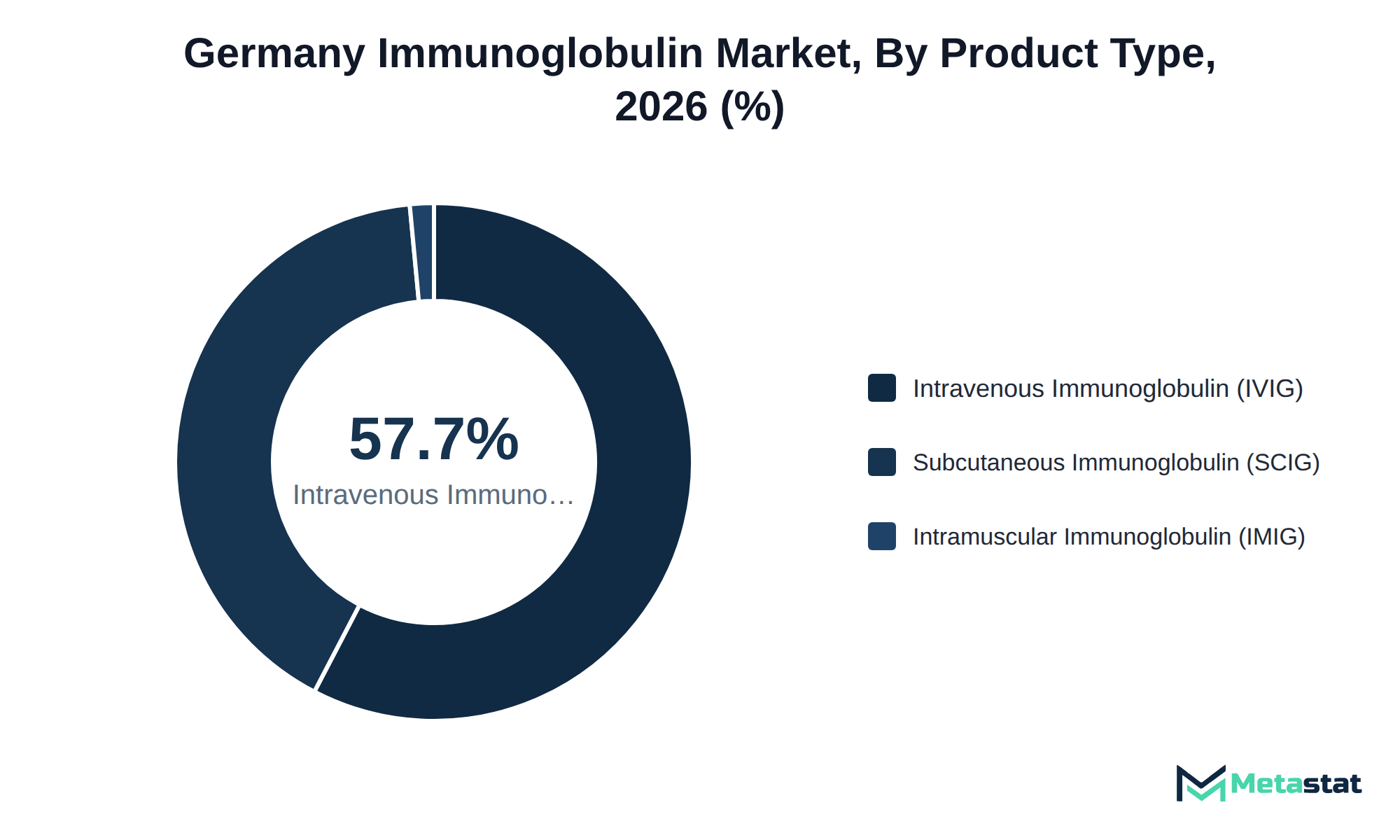
Intravenous Immunoglobulin (IVIG) segment is valued at USD 769.7 million in 2026 and is projected to reach USD 1,037.1 million by 2033, at a CAGR of 4.4% during the forecast period. This segment primarily addresses the needs of patients with primary immunodeficiency (PID) and other immunological disorders, delivering essential therapeutic benefits. The increasing incidence of PID drives demand for IVIG products, supporting growth within the market. Compared to its counterpart, Subcutaneous Immunoglobulin (SCIG), which experiences a higher CAGR of 8.8%, IVIG growth reflects a more stable trajectory. IVIG's pricing structure is often higher due to complex production processes and stringent quality controls, distinguishing it from SCIG and Intramuscular Immunoglobulin (IMIG) products. Overall, the IVIG segment is essential in meeting therapeutic needs, ensuring patient access to vital treatments in the evolving landscape of the Germany Immunoglobulin market.
This segment primarily addresses the treatment of primary and secondary immunodeficiencies, making it essential for patients requiring long-term therapy. The growing patient preference for home-based treatment options drives the expansion of this segment, enabling greater convenience and adherence to therapy. Compared to Intravenous Immunoglobulin (IVIG), which has a CAGR of 4.4%, SCIG experiences faster growth due to its ease of administration and patient-centered approach. The rising focus on patient empowerment and self-administration influences adoption rates. The formulation of SCIG allows for less frequent dosing, contributing to its increasing acceptance among patients and healthcare providers. The market continues to evolve, reflecting a shift toward more accessible treatment modalities for immunodeficiency conditions.
Intramuscular Immunoglobulin (IMIG) segment is expected to reach USD 19.6 million by 2033. This segment primarily serves patients with specific immune deficiencies that require targeted treatment through intramuscular injections. Demand for IMIG experiences growth driven by rising awareness about immune disorders and the convenience of administration in clinical settings. While IMIG remains less prevalent than Intravenous Immunoglobulin (IVIG) and Subcutaneous Immunoglobulin (SCIG), it caters to a niche market requiring specialized therapies. The slower growth rate of 4.4% compared to SCIG's 8.8% reflects challenges in adoption and a limited patient population. By focusing on specific immunological conditions, the segment differentiates itself in pricing and application, providing essential options for healthcare providers and patients within the Germany Immunoglobulin market.
This segment addresses a critical healthcare need for patients suffering from congenital or acquired deficiencies in their immune systems, often requiring lifelong treatment with immunoglobulin therapies. The increasing prevalence of PID significantly influences the segment's growth trajectory. Compared to other applications, the PID segment features a higher growth rate, driven by advancements in diagnosis and treatment protocols. In contrast, segments including Secondary Immunodeficiency (SID) experience different dynamics, with a projected CAGR of 7.2%. The ongoing focus on improving patient outcomes and access to therapies reinforces the importance of this segment in the Germany Immunoglobulin market.
Secondary Immunodeficiency (SID) segment is estimated to reach USD 663.5 million by 2033, at a CAGR of 7.2% during the forecast period. This segment focuses on treating patients whose immune systems are compromised due to various factors, including illnesses and medications. Healthcare providers apply immunoglobulin therapies to improve immune responses, significantly benefiting patients with conditions including HIV/AIDS and certain cancers. The growth of this segment is driven by the increasing prevalence of secondary immunodeficiencies linked to chronic diseases. Compared to other segments, SID experiences a higher growth rate, supported by stronger demand while healthcare systems adapt to meet patient needs. This contrasts with Primary Immunodeficiency (PID), which has a lower CAGR of 6.5%. The market's growth reflects evolving treatment protocols and increasing awareness regarding immunoglobulin therapies, enhancing patient outcomes and quality of life.
Chronic Inflammatory Demyelinating Polyneuropathy (CIDP) segment is expected to reach USD 312.2 million by 2033. CIDP affects the peripheral nervous system and primarily targets patients with impaired nerve function. Treatment typically involves immunoglobulin therapy, which modulates immune responses, alleviating symptoms for affected individuals. Rising awareness of CIDP among healthcare professionals drives demand for these therapies, supporting growth in the market. Advancements in treatment protocols and ongoing clinical research support increasing adoption rates. Compared to other segments, CIDP experiences moderate growth, with a compound annual growth rate (CAGR) of 6.9%, reflecting a stable demand pattern. This segment attracts a specialized buyer group focused on chronic neurological conditions, distinguishing it from other applications including primary immunodeficiency, which exhibits a higher growth rate of 6.5%.
Multifocal Motor Neuropathy (MMN) segment is projected to grow at a CAGR of 6.9% during the forecast period. This segment addresses a rare neurological disorder characterized by progressive weakness and muscle atrophy, primarily affecting adults. Treatment for MMN often involves immunoglobulin therapy, which aims to improve muscle strength and function. Demand growth is driven by increasing awareness and diagnosis rates of MMN, allowing healthcare professionals to identify and treat this condition more effectively. The segment stands out due to its unique patient population and treatment requirements, differing from other immunoglobulin applications including Primary Immunodeficiency (PID) or Secondary Immunodeficiency (SID), where patient populations and market dynamics vary significantly. The market continues to evolve, reflecting a shift toward more personalized treatment approaches, contributing to anticipated growth driven by stakeholders adapting to patient needs.
Guillain-Barré Syndrome (GBS) is a serious autoimmune disorder affecting the peripheral nervous system. Treatment with immunoglobulin therapies provides critical support for patients experiencing this condition, facilitating recovery and improving quality of life. Demand for immunoglobulin treatments in GBS is influenced by the increasing incidence of autoimmune disorders in Germany, leading to more patients seeking effective therapies. Compared to other applications, GBS treatment experiences slower growth, reflecting the more specialized nature of the patient population and the medical community's focus on developing targeted therapies. The unique characteristics and treatment requirements of GBS differentiate it from broader segments like Primary and Secondary Immunodeficiency, which benefit from higher prevalence and more extensive awareness among healthcare providers. Overall, the market for GBS immunoglobulin therapies is expected to adapt to evolving clinical practices and patient needs, ensuring that patients receive essential care for this challenging condition.
Myasthenia Gravis is a chronic autoimmune disorder characterized by weakness and rapid fatigue of the voluntary muscles. Treatments for this condition typically involve immunoglobulin therapy to modulate the immune response. Patients suffering from Myasthenia Gravis rely on these therapies to enhance muscle strength and improve quality of life. The demand for immunoglobulin therapies in this segment is influenced by the increasing prevalence of autoimmune diseases, creating a robust need for effective treatment options. Compared to other segments including Primary Immunodeficiency and Secondary Immunodeficiency, Myasthenia Gravis experiences slower growth due to the relatively niche patient population and specific treatment protocols. Complexities in diagnosis and treatment pathways further differentiate this segment from others, impacting overall adoption rates in the market.
Immune Thrombocytopenia (ITP) represents a condition characterized by low platelet counts, leading to increased risk of bleeding and bruising. This segment primarily focuses on treating patients suffering from ITP, typically requiring immunoglobulin therapies for effective management. Factors driving this segment include growing awareness among healthcare professionals regarding ITP and the increasing rate of diagnoses. Patients receive immunoglobulin treatments to boost platelet levels and reduce bleeding risks. Compared to other applications including Primary Immunodeficiency (PID), ITP treatment experiences slower growth due to its more specialized nature and the limited patient population. The Germany Immunoglobulin market adapts to these patient needs, reflecting the ongoing commitment to improving outcomes for individuals affected by ITP.
Immunoglobulin therapies used for infection prophylaxis and Kawasaki disease play a critical role in treating patients with compromised immune systems. Healthcare providers apply these therapies to prevent infections and manage inflammatory responses associated with Kawasaki disease, primarily affecting pediatric patients. The segment experiences growth driven by the increasing recognition of the benefits of immunoglobulin therapy in infection prevention. This awareness influences healthcare decisions, promoting the adoption of immunoglobulin treatments in clinical settings. Compared to other applications, this segment presents unique dynamics, including distinct patient demographics and differing treatment regimens. Factors influencing growth include the expanding number of clinical indications for immunoglobulin use and the ongoing development of medical guidelines that favor immunoglobulin therapy over alternatives. While this segment does not exhibit the rapid growth seen in others, its importance within the Germany Immunoglobulin market remains evident due to the critical health outcomes associated with effective immunoglobulin therapies.
Liquid segment is valued at USD 1,314.4 million in 2026 and is projected to reach USD 2,045.2 million by 2033, at a CAGR of 6.5% during the forecast period. This formulation primarily involves the intravenous administration of immunoglobulins for various immunodeficiency conditions, making it essential for patients requiring immediate therapeutic effects. Key drivers of this segment include the increasing prevalence of primary immunodeficiency diseases and growing acceptance among healthcare practitioners for intravenous therapies. Compared to other formulations, liquid immunoglobulins offer rapid absorption rates, distinguishing them from lyophilized forms that require reconstitution. The market exhibits a higher growth rate than the intramuscular segment, which remains significantly smaller, projected at USD 19.6 million by 2033. This strong demand for liquid formulations emphasizes their critical role in the Germany Immunoglobulin market.
Lyophilized segment is estimated to reach USD 37.3 million by 2033, at a CAGR of -1.5% during the forecast period. This formulation type is primarily applied in specific therapeutic applications where stability and ease of storage are critical. Patients with conditions requiring immunoglobulin therapy often receive treatments in hospital settings or at home, making the formulation relevant to diverse care settings. The segment faces challenges due to the increasing preference for liquid formulations, which offer greater convenience and faster preparation. The market for Lyophilized products experiences slower growth compared to other formulations, including Liquid, which is projected to grow at a CAGR of 6.5%. In particular, the shift towards more user-friendly options in the Germany Immunoglobulin market influences the demand dynamics for this segment.
Hospital-Based Care segment is valued at USD 569.3 million in 2026 and is projected to reach USD 676.2 million by 2033, at a CAGR of 2.5% during the forecast period. This segment primarily serves patients requiring specialized medical care, including those with primary and secondary immunodeficiencies. Demand for immunoglobulin therapies within hospital settings is driven by the increasing prevalence of these conditions, necessitating more rigorous treatment protocols. Compared to other care settings, including home-based care, the hospital-based segment experiences slower growth, reflecting a more controlled treatment environment. With a focus on managing acute cases, the pricing dynamics differ, with hospitals negotiating higher reimbursement rates due to the complexity involved in administering therapies. The market presents a broad spectrum of applications, further enhancing the importance of this segment in providing critical care to patients.
Independent Outpatient Practices segment is estimated to reach USD 370.9 million by 2033, at a CAGR of 7.3% during the forecast period. This segment comprises healthcare services delivered in outpatient settings, catering to patients with chronic conditions requiring immunoglobulin therapy. Patients benefit from convenience and accessibility, resulting in increased treatment adherence. The growth of this segment is driven by the rising incidence of immunodeficiency disorders and the shift towards outpatient care models, which reduce healthcare costs. Compared to other care settings, this segment shows faster growth than Hospital-Based Care, which has a CAGR of 2.5%. Market dynamics highlight a preference for home-based treatment options, enhancing the demand for immunoglobulin therapies in Independent Outpatient Practices, a crucial area of the Germany Immunoglobulin market.
This segment primarily serves patients with chronic conditions requiring ongoing immunoglobulin therapy in a comfortable setting, focusing on improving patient adherence to treatment plans. Increased patient preference for at-home treatment options drives demand within this segment, particularly among those with primary immunodeficiency disorders. Compared to Hospital-Based Care, which experiences a projected growth rate of 2.5%, the Home-Based Care segment benefits from a more favorable CAGR of 7.3%, indicating stronger growth potential. The rising emphasis on patient-centric care solutions enhances the segment's importance in the Germany Immunoglobulin market, catering to growing demand for flexible, accessible treatment options. Home healthcare providers play a growing role in this shift.
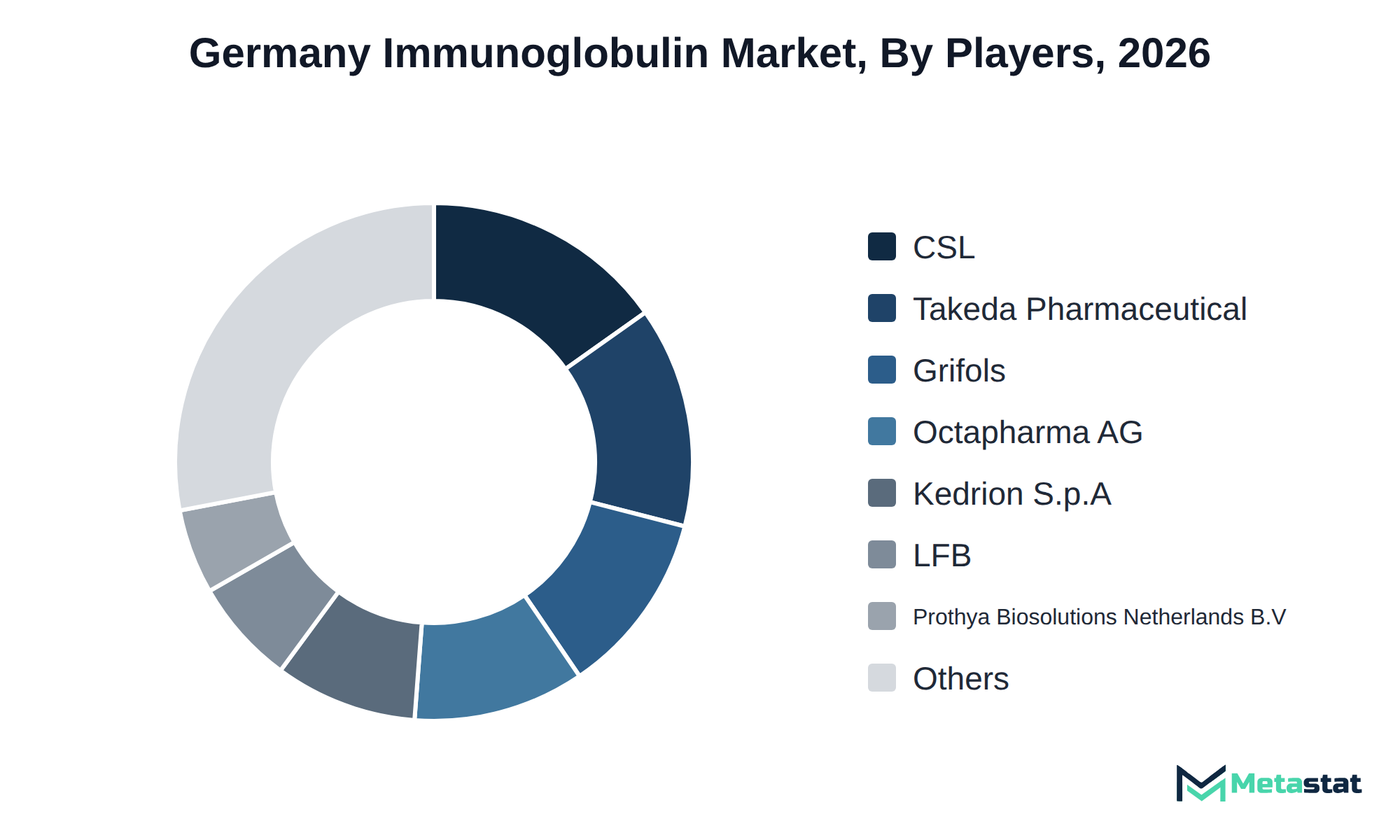
Competition in the Germany Immunoglobulin market occurs among several key players, focusing on product differentiation and service offerings. Companies prioritize various factors including pricing, certification, and customization to meet buyer preferences. Buyers choose suppliers based on the effectiveness of immunoglobulin therapies, the availability of tailored solutions, and the level of customer service provided.
CSL Limited and Takeda Pharmaceutical Company Limited focus on expanding their product lines, particularly in Intravenous Immunoglobulin (IVIG) and Subcutaneous Immunoglobulin (SCIG). Grifols, S.A. and Octapharma AG emphasize strong research and development efforts to enhance product efficacy and safety profiles. Kedrion S.p.A. and LFB S.A. prioritize expanding their distribution networks, while Prothya Biosolutions Netherlands B.V. concentrates on niche applications within the market.
Growth depends on several developments within the Germany Immunoglobulin market. Firstly, the consistent increase in demand for Subcutaneous Immunoglobulin (SCIG), projected to reach USD 1,025.8 million by 2033 at an 8.8% CAGR, indicates a shift towards more patient-friendly administration routes, enhancing adoption in independent outpatient practices and home-based care settings. This trend reflects a growing understanding and diagnosis of immunodeficiency disorders, leading to increased treatment rates. However, a significant risk exists related to regulatory changes that could impact product availability and pricing, potentially slowing market growth. Continuous scrutiny from health authorities could lead to delays in approvals or increased costs for manufacturers, affecting the overall market dynamics. Balancing these drivers against regulatory and pricing risks will shape the market's outlook.
By Product Type: Intravenous Immunoglobulin (IVIG), Subcutaneous Immunoglobulin (SCIG), Intramuscular Immunoglobulin (IMIG)
By Application: Primary Immunodeficiency (PID), Secondary Immunodeficiency (SID), Chronic Inflammatory Demyelinating Polyneuropathy (CIDP), Multifocal Motor Neuropathy (MMN), Guillain-Barré Syndrome (GBS), Myasthenia Gravis, Immune Thrombocytopenia (ITP), Others (Infection Prophylaxis and Kawasaki Disease)
By Formulation: Liquid, Lyophilized
The report strategically identifies and profiles the key market players and analyses their core competencies in each sub-segment of the Immunoglobulin market.
Report Attributes | Details |
Study Period | 2021-2033 |
Base Year | 2025 |
Estimated Year | 2026 |
Forecast Period | 2026-2033 |
Historical Period | 2021-2025 |
Growth Rate | CAGR 6.3% from 2026 to 2033 |
Revenue Unit | USD million |
Segmentation | By Product Type, Application, Formulation, Care Setting, and Region |
Find answers to common questions about this report
The Immunoglobulin market size was valued at USD 1,271.4 million in 2025.
The market is projected to grow at a CAGR of 6.3% during the forecast period from 2026 to 2033.
Subcutaneous Immunoglobulin (SCIG) leads the Immunoglobulin market with a projected value of USD 1,025.8 million by 2033. This segment exhibits the highest growth rate among the product types, with a compound annual growth rate (CAGR) of 8.8%.
The rising incidence of primary immunodeficiency significantly drives demand for immunoglobulin therapies. Increasing patient preference for home-based administration of Subcutaneous Immunoglobulin therapies further enhances market growth.
Pricing pressures significantly restrict growth within the market. Increased production costs and complex pricing structures create barriers for healthcare providers, particularly in independent outpatient practices, leading to slower uptake of immunoglobulin therapies.
Technological advancements in immunoglobulin production enhance therapy efficiency and quality, driving adoption in the Germany Immunoglobulin market. The increasing preference for Subcutaneous Immunoglobulin (SCIG) therapies, particularly for home-based administration, reflects a shift towards patient-centric care models, further supporting market growth.
The Immunoglobulin market is estimated to reach a valuation of USD 2,082.5 million by 2033.
Key players operating in the Immunoglobulin market include CSL Limited, Takeda Pharmaceutical Company Limited, Grifols, S.A., Octapharma AG, Kedrion S.p.A., LFB S.A., and Prothya Biosolutions Netherlands B.V.
The revenue for Subcutaneous Immunoglobulin (SCIG) therapies is expected to reach USD 1,025.8 million by 2033, reflecting strong demand for home-based treatments.
The Secondary Immunodeficiency (SID) segment is projected to grow at a compound annual growth rate (CAGR) of 7.2% through 2033, indicating a robust demand for innovative therapy solutions.
The analysts below cover Healthcare research at Metastat Insights.
LEAD ANALYST
Utkarsh Khirodkar is a Lead Market Research Analyst at MetaStat Insight, specializing in market intelligence, technology sector assessments, and competitive strategy.

LEAD PRINCIPAL ANALYST, PHARMA AND HEALTHCARE
Food and Beverages · Healthcare · Healthcare IT · Medical Devices
Ajay Devgire is the Lead Healthcare Analyst at MetaStat Insight, leading strategic research and market intelligence initiatives across the global healthcare domain.
The technical breakdown of ISO 20022 migration readiness across correspondent banking corridors was remarkably thorough. Rather than treating cross-border corporate payments as a single block, the report drew a useful distinction between multilateral netting platforms and domestic instant payment rails across ASEAN economies. MetaStat Insight highlighted regulatory constraints on foreign exchange liquidity management that many publications gloss over. The research material offered practical clarity for our platform development roadmap.
Our group needed clearer visibility into out-of-autoclave processing timelines for high-temperature thermoplastic composites. MetaStat Insight delivered an objective assessment that contrasted automated fiber placement scrap rates with traditional thermoset prepreg layup cycles. The supplier landscape mapped out primary resin suppliers and tape slitting capacity across France, Germany, and Japan with solid technical accuracy. Their analyst handled our questions on precursor supply risks during an unscheduled inquiry call, providing clear, unembellished context.
Evaluating sensor fusion reliability across harsh operating environments can be tricky without field-validated data. The study on agricultural autonomous guidance systems clearly separated stereo vision setups from automotive-grade solid-state LiDAR. We appreciated the regional infrastructure analysis, specifically around RTK network density across North America and South America. During our follow-up consultation, the MetaStat Insight team walked through tier-two perception software partnerships, giving our engineering leads a practical basis for vendor shortlisting.
Explore related market intelligence reports worth reading alongside this one.