
LEAD ANALYST
Utkarsh Khirodkar is a Lead Market Research Analyst at MetaStat Insight, specializing in market intelligence, technology sector assessments, and competitive strategy.

Global Clinical Immunodiagnostics Market Size, Share, By Product Type (Immunoassay Reagents and Kits, Immunoassay Analyzers and Instruments, Consumables and Accessories), By Technology (Chemiluminescence Immunoassay, Enzyme-Linked Immunosorbent Assay, Fluorescence Immunoassay, Immunofluorescence Assay, Rapid Lateral Flow Immunoassay, Agglutination Immunoassay, Immunoblot/Line Immunoassay, Multiplex Bead and Microarray Immunoassay), By Application (Infectious Diseases, Autoimmune Diseases, Endocrinology and Fertility, Oncology, Allergy, Cardiovascular Diseases, Inflammation and Sepsis, Bone and Mineral Metabolism, Neurology and Neurodegenerative Diseases), By End User (Hospital Laboratories, Independent and Reference Laboratories, Physician Office and Clinic Laboratories, Public Health Laboratories, Blood Banks and Transfusion Centers, Ambulatory and Point-of-Care Testing Settings), Industry Analysis, Growth, Trends, and Forecast, 2026-2033
Report ID
MSI-5403
Published
September, 2026
Pages
292 Pages
Format
Historical
Base year
Forecast
Forecast period
Report Details
Market Valuation: Valued at $29.4 Billion in 2025, projected to reach $47.6 Billion by 2033 at a 6.2% CAGR.
Dominant Segment: The Immunoassay Reagents & Kits segment leads the market, driven by the increasing prevalence of infectious and autoimmune diseases and a focus on early diagnosis.
Geographic Lead: The market is experiencing rapid growth in regions with expanding healthcare infrastructure, particularly in developing countries where access to advanced diagnostic tools is improving.
What's Inside: The report provides comprehensive competitive coverage, detailed analyses of market dynamics, and a forecast window from 2026 to 2033, ensuring stakeholders have a thorough understanding of the market landscape.
Technological Innovations: Emerging technologies, particularly in immunoassay methods, are enhancing diagnostic accuracy and speed, attracting significant investments aimed at improving healthcare outcomes.
Regulatory Landscape: The report discusses the impact of regulatory challenges on market stability, highlighting the need for compliance with stringent testing and validation procedures.
Choose Your License
Global Clinical Immunodiagnostics Market
The global Clinical Immunodiagnostics market was valued at USD 29.4 billion in 2025 and is projected to reach USD 47.6 billion by 2033, growing at a CAGR of 6.2% over the forecast period.
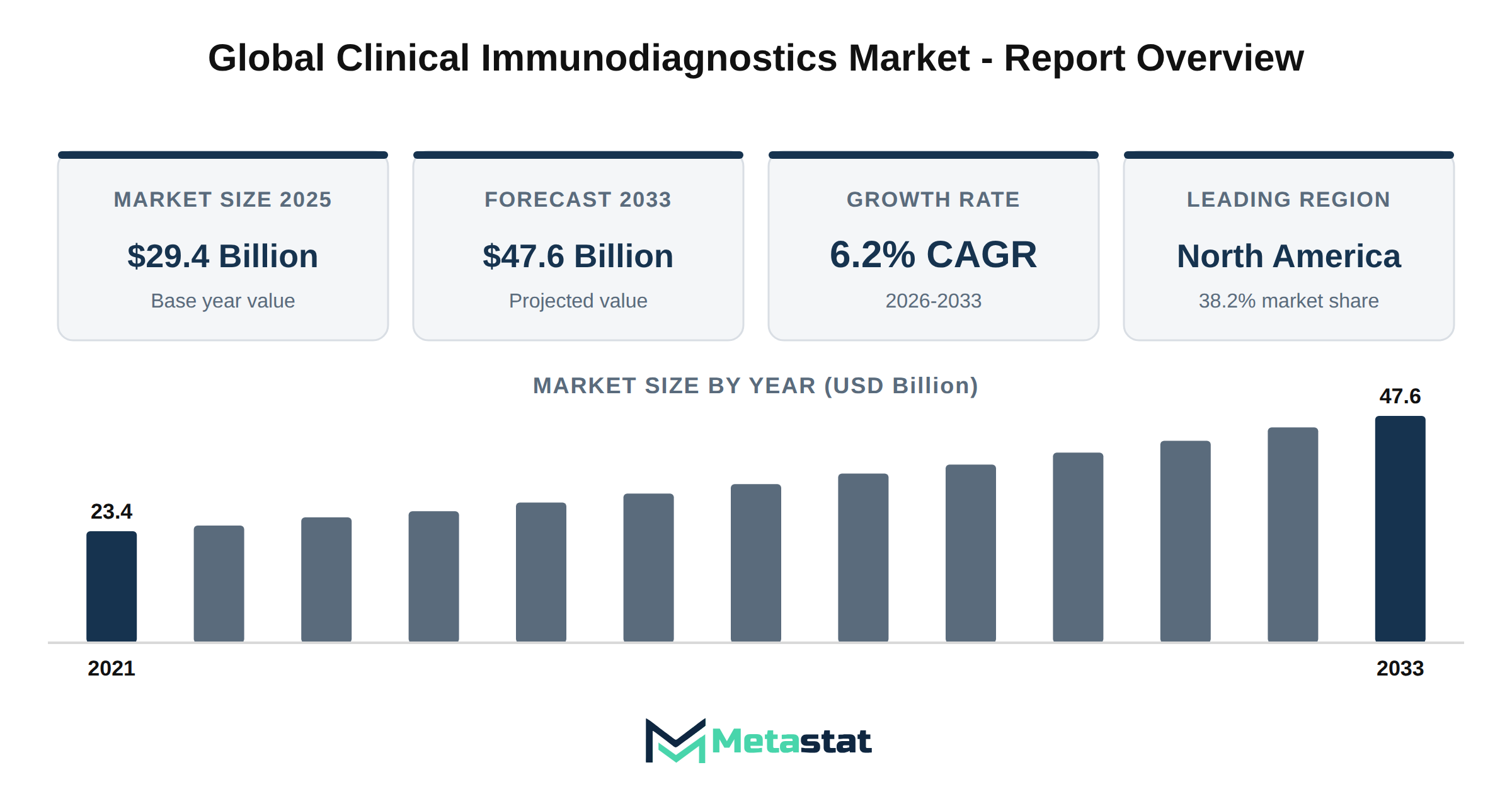
The Clinical Immunodiagnostics market is projected to grow from USD 29.4 billion in 2025 to USD 47.6 billion by 2033, reflecting a compound annual growth rate (CAGR) of 6.2%. This growth is driven by advancements in laboratory testing technologies and an increasing emphasis on early disease detection and personalized medicine.
Trends shaping laboratory testing include the rising demand for automated immunoassay systems, which enhance efficiency and accuracy in clinical laboratories. The adoption of chemiluminescence immunoassay technology supports high-throughput diagnostics, allowing laboratories to process a larger volume of tests within shorter timeframes.
Expansion of multiplex immunodiagnostics facilitates multi-biomarker testing, enabling comprehensive patient assessments in a single test. This approach significantly enhances diagnostic capabilities, particularly in infectious disease detection, where rapid and accurate results are crucial. The growing role of immunodiagnostics in identifying infectious diseases highlights the importance of these tests in public health responses.
Testing for autoimmune diseases drives demand for specialty immunodiagnostics, owing to healthcare providers seeking precise diagnostic tools to manage complex conditions. Cancer biomarker testing is expanding the applications of immunodiagnostics, with innovations leading to the development of targeted therapies and personalized treatment plans.
Neurological biomarkers create new opportunities in the field, allowing for more effective diagnosis and management of neurodegenerative disorders. Point-of-care immunoassays transform decentralized clinical testing, offering rapid results and improving patient access to vital diagnostic information.
Laboratory automation and workflow integration enhance the efficiency of immunodiagnostics processes, allowing laboratories to streamline operations and reduce turnaround times for test results. The expansion of reagent and assay menus across various immunodiagnostic platforms supports a broader range of testing capabilities, catering to diverse clinical needs.
Regulatory developments play a significant role in shaping the market landscape, with agencies including the FDA and Health Canada implementing guidelines that influence product approvals and market entry. The growth of CLIA-waived immunoassays supports near-patient testing, facilitating access to diagnostic services in various healthcare settings.
Consolidation among reference laboratories influences purchasing patterns in immunodiagnostics, owing to larger entities seeking to optimize their supply chains and reduce costs. Demand from hospital laboratories for integrated immunochemistry platforms reflects the ongoing trend toward comprehensive diagnostic solutions, driving further investments in immunodiagnostics.
Several trends are shaping the Clinical Immunodiagnostics market, particularly in laboratory testing. The rising demand for automated immunoassay systems enhances efficiency and accuracy in clinical laboratories. Adoption of chemiluminescence immunoassays across high-throughput diagnostics supports the need for rapid and reliable testing solutions. The expansion of multiplex immunodiagnostics enables simultaneous multi-biomarker testing, significantly improving diagnostic capabilities.
Growing reliance on immunodiagnostics for infectious disease detection reflects a heightened focus on public health. The increasing prevalence of autoimmune diseases drives demand for specialty immunodiagnostics, with testing for specific conditions gaining traction. Cancer biomarker testing expands the applications of immunodiagnostics, facilitating earlier detection and personalized treatment plans. Neurological biomarkers create new opportunities within the market, focusing on early diagnosis and management of neurodegenerative diseases.
Point-of-care immunoassays transform decentralized clinical testing, allowing for timely diagnosis and treatment initiation. Laboratory automation and workflow integration streamline processes in immunodiagnostics, enhancing overall productivity. The expanding reagent and assay menu across immunodiagnostic platforms supports diverse testing requirements and patient needs.
Regulatory developments from FDA and Health Canada influence market dynamics, ensuring compliance and safety in immunodiagnostics. CLIA-waived immunoassays support near-patient testing growth, making diagnostic tools more accessible in various healthcare settings. Consolidation among reference laboratories impacts immunodiagnostics purchasing behavior, creating opportunities for strategic partnerships and collaborations.
Hospital laboratories demonstrate increasing demand for integrated immunochemistry platforms, supporting comprehensive testing solutions. The rise of companion diagnostics and personalized medicine expands the use of immunoassays, aligning with evolving treatment paradigms. Integration of AI and digital workflows in immunodiagnostic laboratories enhances data management and analysis capabilities, driving innovation within the sector.
High-sensitivity biomarker detection drives immunoassay innovation, catering to the growing need for precise diagnostics. Competitive dynamics among global immunodiagnostics manufacturers intensify, influencing pricing strategies and market positioning. Immunodiagnostics reagent pricing and recurring revenue models shape business strategies, contributing to sustained market growth.
Supply chain trends for immunoassay reagents and diagnostic consumables impact availability and costs, necessitating adaptive strategies. In North America, demand for immunodiagnostics aligns with laboratory modernization efforts, enhancing testing capabilities. European market growth occurs under evolving in vitro diagnostic regulations, ensuring quality and safety. Asia Pacific expansion is driven by advancements in diagnostic infrastructure, increasing access to immunodiagnostic solutions.
Emerging market opportunities in clinical immunodiagnostics reflect the global shift towards improved healthcare outcomes. Future growth of automated and multiplex immunodiagnostic testing aligns with the increasing emphasis on efficient and comprehensive patient care.
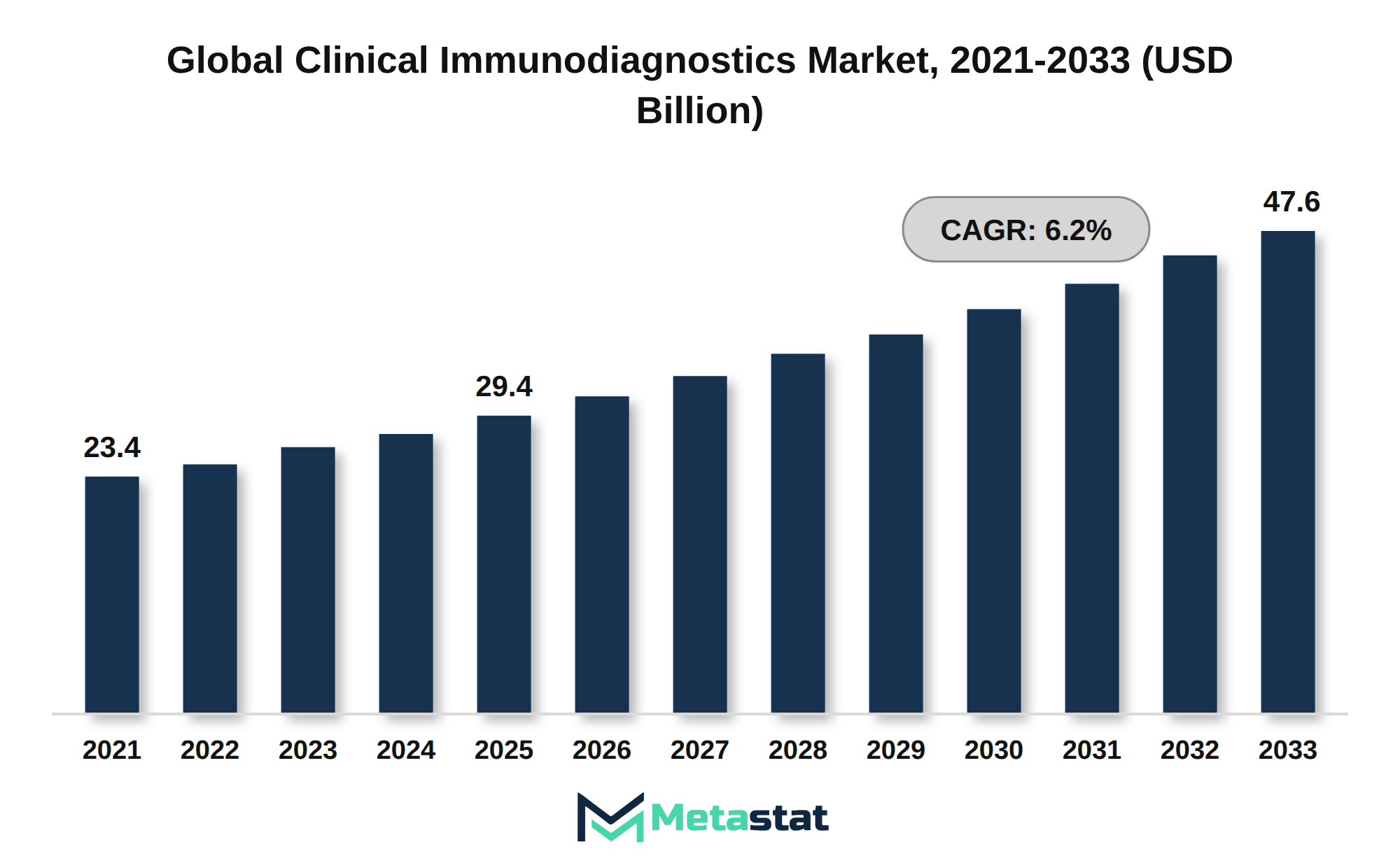
The global Clinical Immunodiagnostics market was valued at USD 29.4 billion in 2025 and is projected to reach USD 47.6 billion by 2033, growing at a CAGR of 6.2% over the forecast period.
Technological advancements are pivotal in propelling the Clinical Immunodiagnostics market forward. Innovations such as high-throughput automated platforms and multiplex assay technologies are enhancing diagnostic accuracy and efficiency. These advancements enable laboratories to process a greater number of tests with improved sensitivity, directly impacting patient care by facilitating quicker clinical decisions. The integration of artificial intelligence in laboratory workflows further streamlines operations, optimizing data management and analysis, which is essential for addressing the complexities of modern diagnostics. As technology continues to evolve, it is expected to drive further enhancements in the capabilities of immunodiagnostic tests, fostering greater adoption among healthcare providers.
Additionally, the rising prevalence of chronic diseases significantly influences market dynamics. Chronic conditions such as diabetes, cardiovascular diseases, and autoimmune disorders are becoming increasingly common, necessitating effective diagnostic tools for early detection and ongoing management. The World Health Organization has projected that chronic diseases will account for a substantial portion of the global disease burden, underscoring the urgent need for reliable immunodiagnostic solutions. This growing demand is likely to stimulate investment in research and development, leading to the introduction of more sophisticated immunodiagnostic products that cater to the specific needs of chronic disease management.
Furthermore, the significance of personalized medicine is reshaping the landscape of immunodiagnostics. As healthcare shifts towards individualized treatment approaches, the role of immunodiagnostics in identifying biomarkers for tailored therapies becomes increasingly important. This trend not only enhances the effectiveness of treatments but also aids in monitoring patient responses, thereby improving overall healthcare outcomes. The collaboration between diagnostic manufacturers and pharmaceutical companies to develop companion diagnostics is expected to expand, promoting the integration of immunodiagnostics into personalized treatment regimens. Such developments are likely to bolster market growth, as healthcare providers seek to offer more targeted and effective interventions for their patients.
Growth in the Clinical Immunodiagnostics market results from significant investment in technological integration, enhancing efficiency and accuracy in diagnostic processes. Automation, artificial intelligence, and advanced software applications streamline operations, leading to improved productivity across laboratories and healthcare settings. This transformation enables laboratories to upgrade legacy systems, providing faster and more reliable results, which is essential for patient care and effective treatment planning.
The integration of digital tools improves data management and analysis, allowing healthcare providers to leverage patient information for better clinical decision-making. Enhanced diagnostic capabilities support the rise of personalized medicine, meeting the increasing demand for tailored treatment options. Consequently, stakeholders in the market benefit from reduced operational costs and increased revenue potential through the adoption of innovative solutions.
This momentum in technology adoption correlates with the growing need for rapid and accurate diagnostics in various applications, including infectious diseases and autoimmune disorders. Laboratories increasingly invest in advanced immunodiagnostic solutions, sustaining market growth and contributing to an anticipated market value of USD 47.6 billion by 2033.
Growth in the Clinical Immunodiagnostics market is influenced by various macro-economic factors, including GDP growth and capital investment environments. Increased public-private spending power enhances the financial capabilities of institutions investing in immunodiagnostics technologies, thus facilitating advancements in healthcare. Higher GDP growth indicates robust economic conditions, resulting in increased funding for medical research and development, which directly impacts the demand for clinical immunodiagnostics.
Venture funding supports innovation and the development of new diagnostic technologies in this sector. Enhanced access to capital enables companies to invest in research and development, leading to the emergence of advanced diagnostic tools that meet the evolving needs of healthcare providers. This influx of capital leads to a diversification of product offerings within the Clinical Immunodiagnostics market, ultimately driving revenue growth.
Shifting demographic patterns, including aging populations and urbanization, create further demand for clinical immunodiagnostics. An aging population presents increased healthcare needs, including the management of chronic diseases, resulting in a higher reliance on diagnostic testing. Urbanization contributes to changes in lifestyle and increased exposure to various health risks, increasing the requirement for effective diagnostic solutions. These demographic shifts advance the market owing to healthcare systems adapting to meet these growing demands.
The Clinical Immunodiagnostics market experiences significant pressure from regulatory challenges that create barriers to entry and compliance hurdles. Regulatory frameworks often require stringent testing and validation procedures, complicating the development and approval process for new diagnostic products. These requirements frequently impose extensive delays, resulting in increased time to market for new offerings. Companies face heightened operational costs due to the need for compliance with evolving standards, which deters investment in innovative technologies.
Macroeconomic headwinds including inflationary pressures exacerbate these challenges. Rising costs of raw materials and labor impact production budgets, making it difficult for companies to maintain competitive pricing. Resources allocated to compliance initiatives divert funds from research and development, restricting innovation and limiting market growth. Supply chain disruptions linked to geopolitical instability create additional strains, leading to product shortages and delayed deliveries. Consequently, the market encounters fluctuations in demand, affecting overall stability.
In addition to these factors, the market contends with technological obsolescence, where rapid advancements render existing products outdated. This scenario places pressure on companies to consistently invest in new technologies while managing the risk of substitution from alternative diagnostic methods. Fragmentation within the market complicates efforts to establish standardized practices, further hindering widespread adoption of innovative solutions. Overall, these regulatory and economic factors challenge the Clinical Immunodiagnostics market, impacting growth potential and investment opportunities.
The Clinical Immunodiagnostics market faces significant challenges stemming from geopolitical fragmentation, which adversely affects supply chain stability and operational continuity. Trade deficits and tariff friction create an unpredictable environment, leading to increased costs for manufacturers and suppliers. These factors disrupt the availability of essential components, forcing companies to navigate complex international trade regulations, ultimately impacting product pricing and market competitiveness.
Technological disruptions introduce additional hurdles, complicating the integration of new innovations into existing systems. Organizations encounter interoperability issues when attempting to connect disparate technologies, leading to inefficiencies in product development and deployment. This scenario complicates the difficulties associated with research and development, resulting in longer timeframes for product launches and diminishing growth opportunities within the market.
Rising input costs and pricing compression place further strain on profit margins, compelling firms to find efficiencies while maintaining quality standards. Workforce skill gaps create challenges in retaining talent capable of adapting to rapid technological advancements. The market experiences pressures from automation displacements, which improve efficiency but frequently result in workforce reductions and subsequent talent retention issues.
Environmental lifecycle footprints and decarbonization mandates prompt organizations to reevaluate their operational practices. Sustainability demands from consumers and stakeholders necessitate significant investment in greener technologies, which divert resources from other critical areas, impacting overall market performance. The complex interaction of these factors contributes to an uncertain outlook for the Clinical Immunodiagnostics market, driven by participants striving to adapt to a changing environment.
The Clinical Immunodiagnostics market experiences significant opportunities driven by advancements in technology. Emerging technologies, particularly in immunoassay methods, enhance the accuracy and speed of diagnostics. This transformation attracts investments from various stakeholders aiming to improve healthcare outcomes.
Innovations including Chemiluminescence Immunoassay and Enzyme-Linked Immunosorbent Assay provide precise detection of diseases, appealing to healthcare providers and laboratories. These technologies support rapid diagnostics for infectious and autoimmune diseases, addressing rising demand in hospital settings and independent laboratories.
Geographical expansion into developing regions further supports market growth, where healthcare infrastructure modernization is underway. Increased access to advanced diagnostic tools facilitates higher adoption rates in these areas, driving revenue growth. Strategic regional investments enable players to capitalize on untapped markets, enhancing overall market potential.
Digital transformation continues to shape the Clinical Immunodiagnostics market, with the adoption of digital procurement methods and advanced data analytics enhancing operational efficiencies. These developments streamline supply chains, thus reducing costs and improving service delivery for end users.
Next-generation innovations, including mobile and point-of-care testing solutions, create new avenues for market penetration. These solutions enhance patient access to diagnostics, particularly in remote and underserved areas, expanding market reach.
Environmental sustainability trends further influence the market, with manufacturers aligning offerings to meet eco-friendly compliance requirements. This shift enhances brand reputation and attracts environmentally conscious consumers, strengthening market presence.
Regulatory frameworks play a crucial role in shaping the landscape of the Clinical Immunodiagnostics market by influencing product development and innovation. Agencies such as the FDA and the European Medicines Agency are pivotal in establishing guidelines that ensure the safety and efficacy of diagnostic products. These regulatory bodies are increasingly adopting streamlined approval processes, which significantly reduce the time required for new diagnostic tests to reach the market. This support is essential for fostering innovation, as it encourages manufacturers to invest in research and development without the fear of prolonged delays due to regulatory hurdles.
The influence of regulatory support extends beyond merely expediting approval timelines; it also enhances market growth and the adoption of new technologies. By prioritizing patient safety while facilitating access to advanced diagnostic solutions, regulatory agencies create a favorable environment for the introduction of novel products. For instance, recent initiatives aimed at expediting the review of innovative diagnostic solutions have resulted in a surge of newly approved tests that meet the evolving needs of healthcare providers. This not only drives competition among manufacturers but also leads to a broader array of diagnostic options available to clinicians and patients alike.
Several recent regulatory changes have notably impacted the immunodiagnostics landscape. For example, the implementation of the In Vitro Diagnostic Regulation (IVDR) in Europe has set new standards for product quality and safety, encouraging manufacturers to enhance their testing methodologies. These regulations not only ensure that diagnostic products meet rigorous performance criteria but also promote transparency in the approval process, thereby building trust among healthcare providers and patients. Similarly, the FDA has introduced programs that support the development of point-of-care tests, which are gaining traction due to their convenience and rapid results. This regulatory backing is critical as it aligns with the growing demand for decentralized healthcare solutions and personalized medicine.
Moreover, the evolving regulatory environment is prompting companies to adopt more agile approaches to product development. As regulatory bodies continue to refine their processes, organizations are increasingly focused on integrating compliance considerations into their innovation strategies. This shift not only enhances the efficiency of product development cycles but also ensures that new technologies are designed with regulatory standards in mind from the outset. Consequently, this proactive approach can lead to faster market entry and a competitive edge for companies that effectively navigate the regulatory landscape.
In summary, regulatory support is a key driver of innovation and growth within the Clinical Immunodiagnostics market. By establishing frameworks that facilitate the development and approval of new diagnostic solutions, regulatory agencies are helping to meet the rising demand for effective and timely disease detection. As the market continues to evolve, ongoing collaboration between manufacturers and regulatory bodies will be essential for fostering an environment conducive to innovation, ultimately benefiting healthcare providers and patients through enhanced diagnostic capabilities.
The Global Clinical Immunodiagnostics market is segmented based on Product Type, Technology, Application, and End User.
Valued at USD 21.3 billion in 2026, the Immunoassay Reagents & Kits segment is projected to reach USD 32.9 billion by 2033, at a CAGR of 6.4% during the forecast period. This segment experiences robust demand driven by the increasing prevalence of infectious and autoimmune diseases, alongside a heightened focus on early diagnosis and personalized treatment strategies. Adoption of advanced immunodiagnostic techniques among hospitals and laboratories fuels market expansion, enhancing the accuracy and speed of disease detection.
Technological maturation plays a critical role in this segment's growth. Innovations in immunoassay reagents and kits, including the development of multiplex assays, enable simultaneous detection of multiple biomarkers, significantly improving diagnostic efficiency. Ongoing investments in research and development are expected to yield next-generation upgrades, ensuring the segment remains competitive and aligned with the evolving requirements of healthcare providers.
Regulatory compliance standards dictate stringent quality control measures for immunoassay products, shaping the manufacturing landscape. Certifications and adherence to quality benchmarks build trust among end-users, ultimately influencing purchasing decisions. Pricing volatility arising from raw material costs and supply chain dynamics impacts market dynamics, compelling manufacturers to optimize their cost structures to maintain margins while delivering value.
The market experiences shifts in consumption patterns, with healthcare providers increasingly transitioning towards automated systems that enhance productivity and reduce human error in laboratories. This transition aligns with broader end-use dynamics, particularly within hospital laboratories and independent reference laboratories, that seek efficiency and reliability in diagnostic solutions. Strategic opportunities exist for companies that innovate and adapt to the changing landscape of the Clinical Immunodiagnostics market.
Growing technological advancements drive strong demand for Immunoassay Analyzers & Instruments within the Clinical Immunodiagnostics market. The segment is estimated to reach USD 10.8 billion by 2033, at a CAGR of 5.3% during the forecast period. Increased emphasis on precision and accuracy in diagnostics drives investments in innovative analyzers, enhancing the capabilities of laboratory settings.
Market expansion occurs owing to healthcare facilities increasingly adopting automated solutions that improve operational efficiency. The demand for faster turnaround times in diagnostic testing influences laboratories to upgrade their existing systems, leading to an increased market share for advanced analyzers. Regulatory compliance standards shape product development, ensuring that analyzers meet stringent quality requirements while maintaining reliability.
Shifts in end-user preferences towards integrated diagnostic solutions further contribute to market growth. Hospitals and independent laboratories actively seek analyzers that provide a range of tests, enabling a more comprehensive approach to patient care. The focus on chronic disease management enhances the relevance of Immunoassay Analyzers & Instruments, particularly in settings where timely and accurate results are critical.
Pricing volatility presents challenges for manufacturers, requiring strategic approaches to maintain margins while investing in research and development. Competition among key players drives innovation, influencing the evolution of more efficient and cost-effective products. Overall, the landscape for Immunoassay Analyzers & Instruments appears robust, supported by ongoing technological maturation and a commitment to improving healthcare outcomes.
Significant growth in the Consumables & Accessories segment of the Clinical Immunodiagnostics market reflects evolving healthcare demands and technological advancements. Increasing prevalence of chronic and infectious diseases drives the need for consumables, including test kits and reagents, essential for accurate diagnosis and monitoring. The segment is projected to reach USD 3.9 billion by 2033, reflecting a robust trajectory influenced by rising healthcare expenditure and an expanding patient population.
Technological maturation significantly influences segment expansion, with innovations leading to improved product offerings and increased efficiency in diagnostic processes. Next-generation upgrades, including enhanced automation and integration capabilities, support the growing reliance on consumables in clinical settings. These advancements facilitate faster results and more accurate diagnoses, appealing to hospital laboratories and independent reference laboratories striving for operational excellence.
Regulatory compliance and certifications further enhance the segment's development, ensuring that products meet stringent safety and efficacy standards. This compliance builds trust among end-users, leading to greater adoption of consumables across various diagnostic applications. In addition, heightened focus on quality control measures enhances product reliability, supporting market expansion.
Pricing volatility and margin pressures remain challenges within the segment, but strategic sourcing and supply chain resilience mitigate these issues. Manufacturers increasingly adopt cost-effective practices to manage raw material sourcing and distribution, ensuring competitive pricing while maintaining product quality. These dynamics ultimately influence growth trajectories and market opportunities in the Clinical Immunodiagnostics market.
Chemiluminescence Immunoassay (CLIA/ECLIA) segment is valued at USD 10.5 billion in 2026 and is projected to reach USD 17.6 billion by 2033, at a CAGR of 7.6% during the forecast period. Rising prevalence of chronic and infectious diseases drives demand for advanced diagnostic techniques, stimulating adoption of CLIA technologies across healthcare settings. Enhanced sensitivity and specificity of CLIA tests improve diagnostic accuracy, which drives growth in hospital laboratories and reference labs. Regulatory bodies endorse CLIA methods, ensuring compliance with quality standards, which strengthens market confidence. Research and development investments focus on next-generation upgrades, integrating automation and artificial intelligence to streamline processes and reduce turnaround times. These advancements position the market for sustained expansion, attracting investments and enhancing competitiveness among industry participants.
Demand for the Enzyme-Linked Immunosorbent Assay (ELISA/EIA) segment stems from its established role in diagnosing infectious and autoimmune diseases. Increased awareness regarding early disease detection boosts adoption rates among healthcare providers, contributing to market growth. Healthcare institutions prioritize accurate and efficient testing methodologies, driving investments in advanced ELISA/EIA technologies. Innovations in assay sensitivity and specificity enhance performance, attracting greater interest from end users.
Regulatory compliance standards play a significant role in shaping the landscape of the Clinical Immunodiagnostics market. Stringent guidelines necessitate adherence to quality and safety protocols, leading manufacturers to pursue certifications that ensure product credibility. This focus on regulatory adherence influences product development timelines and cost structures, affecting pricing strategies across the segment.
The market for ELISA/EIA is projected to reach USD 9.9 billion by 2033, growing at a CAGR of 4.4% during the forecast period. Competition among key players drives technological advancements, encouraging innovation in the development of next-generation ELISA kits and reagents. While the segment evolves, strategic opportunities arise for companies to capture market share through enhanced product offerings and improved customer engagement.
Technological advancements significantly enhance the Fluorescence Immunoassay (FIA/ELFA) segment, improving its sensitivity and specificity in detecting biomarkers. Adoption in clinical settings stems from the increasing prevalence of infectious and autoimmune diseases, driving hospitals and laboratories to adopt advanced diagnostic tools. Innovations in assay development, including next-generation upgrades, improve detection capabilities and reduce turnaround times, supporting operational efficiency in laboratories.
Regulatory compliance is essential for the segment's expansion, with stringent standards ensuring the reliability of diagnostic results. This builds trust among healthcare providers, prompting wider usage of FIA technologies. Competitive pressures in the market incentivize manufacturers to innovate while managing cost structures and pricing volatility, influencing profit margins.
Market dynamics demonstrate that the Fluorescence Immunoassay segment is expected to reach USD 5.9 billion by 2033. Strategic opportunities arise from increasing demand for rapid and accurate diagnostics, positioning this technology because essential for future developments in the Clinical Immunodiagnostics market.
Demand for the Immunofluorescence Assay (IFA) segment benefits from increasing applications in clinical diagnostics, particularly for autoimmune diseases and infectious diseases. This shift toward targeted diagnostics drives laboratories to adopt advanced testing methods, enhancing throughput and accuracy in patient care. The segment is expected to grow at a CAGR of 4.4% during the forecast period.
Technological maturation within the market facilitates the development of next-generation IFA products, improving sensitivity and specificity. Manufacturers invest in product evolution, leading to more robust assays that satisfy regulatory compliance standards and meet the growing demand for reliable diagnostic solutions. Enhanced performance in IFA products supports their acceptance across various healthcare settings, including hospital laboratories and independent and reference laboratories.
Pricing volatility in raw materials influences profit margins within the market. Suppliers face pressure to maintain competitive pricing while ensuring high-quality standards. Strategic opportunity windows emerge because players innovate in response to shifting consumer preferences and regulatory requirements. This proactive approach aids in securing market share and addressing unmet needs in the Clinical Immunodiagnostics market.
Rapid Lateral Flow Immunoassay technology facilitates quick and efficient diagnostic testing in the Clinical Immunodiagnostics market. Demand for this technology arises from the increasing need for rapid results in various healthcare settings, particularly in point-of-care testing environments. This segment benefits from technological maturation that enhances accuracy and reliability, driving adoption among healthcare providers.
Expansion catalysts involve the growing prevalence of infectious diseases and the need for timely diagnosis in emergency situations. These factors contribute to rising investments in research and development, leading to product evolution within the Rapid Lateral Flow Immunoassay segment. End-user dynamics reflect a shift toward decentralized testing, fueling demand for convenient and user-friendly diagnostic solutions.
Regulatory compliance standards influence product development, ensuring that rapid testing solutions meet stringent safety and efficacy requirements. Cost structures within the segment focus on maintaining affordability while ensuring high-quality results. Pricing volatility remains a concern, impacting accessibility for various healthcare facilities. The segment offers strategic opportunity windows for companies willing to innovate and adapt to evolving market needs.
Supply chain resilience becomes critical because manufacturers face challenges related to raw material sourcing and logistics vulnerabilities. Competition within the market encourages the exploration of disruptive alternatives and next-generation upgrades. Strategic investments in technology help mitigate substitution risks and address potential technological obsolescence, positioning players effectively within the Clinical Immunodiagnostics market.
Recent developments in the agglutination immunoassay technology drive demand within the Clinical Immunodiagnostics market. This technology enables the detection of various pathogens and antibodies through visible agglutination reactions. Significant applications in infectious disease detection, autoimmune disorders, and blood typing contribute to its relevance in clinical settings. Adoption of these assays enhances diagnostic accuracy and speeds up result turnaround times, positively influencing laboratory operations.
Technological maturation of agglutination immunoassays leads to improvements in sensitivity and specificity, making them increasingly appealing for end-users. Hospitals and reference laboratories prioritize these advantages to meet regulatory compliance standards and improve patient outcomes. The growing focus on rapid diagnostics aligns with the trend of early disease detection, further supporting the acceptance of this technology.
Raw material sourcing for reagents and components is essential in the production of agglutination immunoassays. Supply chain resilience ensures consistent availability of high-quality materials, addressing concerns regarding disruptions. Strategic partnerships with suppliers enhance stability, facilitating continuous innovation and product evolution.
Regulatory compliance and certifications for agglutination immunoassays remain important for market players, impacting product development and market entry strategies. Compliance with international standards builds trust among healthcare providers, which influences purchasing decisions. The relationship of cost structures and pricing volatility affects market competition, compelling manufacturers to optimize their offerings while maintaining profitability.
Strategic opportunity windows arise from the increasing prevalence of infectious diseases and autoimmune conditions. These factors stimulate demand for efficient and effective diagnostic tools, providing a favorable environment for investment in agglutination immunoassay technology. The Clinical Immunodiagnostics market continues to benefit from these dynamics, positioning agglutination immunoassays because a significant component of modern diagnostic solutions.
Rapid evolution within the Immunoblot/Line Immunoassay segment of the Clinical Immunodiagnostics market stems from increasing application in disease diagnostics. This technology offers the ability to detect specific proteins, contributing to accurate disease identification and management.
Growing demand for precise and sensitive diagnostic tools drives adoption among healthcare providers. The increasing prevalence of infectious and autoimmune diseases necessitates advanced immunodiagnostic solutions, thus driving the development of this sub-segment.
Technological maturation significantly influences market dynamics. Innovations in immunoblotting techniques enhance reliability and efficiency, further promoting their use in clinical settings. End-users increasingly recognize the value of these advancements, leading to expanded utilization in laboratories.
Regulatory compliance standards dictate product development and operational processes within the market. Manufacturers focus on obtaining necessary certifications to meet stringent guidelines, impacting both production costs and pricing strategies.
Strategic opportunity windows arise from the need for continuous improvement and innovation within the Immunoblot/Line Immunoassay sub-segment. Ongoing investments in research and development facilitate new product introductions, addressing evolving market demands and enhancing market penetration.
Increasing competition among players drives aggressive pricing strategies, impacting overall market margins. Companies prioritize cost efficiency while maintaining product quality, ensuring sustained market presence in a competitive environment.
The Clinical Immunodiagnostics market is expected to continue evolving, driven by these factors, shaping the future trajectory of the Immunoblot/Line Immunoassay sub-segment. Focused investment and strategic advancements will play a crucial role in meeting the growing needs of the healthcare sector.
Growing interest in the Multiplex Bead & Microarray Immunoassay technology stems from its ability to perform simultaneous detection of multiple analytes in a single sample. This efficiency enhances throughput and reduces the time required for testing, appealing to laboratories focused on high-volume testing scenarios. Enhanced sensitivity and specificity offered by this technology drive adoption across various applications, particularly in infectious disease diagnostics and oncology.
The market experiences a shift towards this technology due to advancements in microarray fabrication techniques and improved detection methods, which support the development of more complex assays. Laboratories adopt multiplex assays to meet the demand for comprehensive testing solutions that provide a broader overview of patient health. This trend aligns with the growing emphasis on personalized medicine, where thorough diagnostics inform targeted treatment approaches.
Regulatory compliance and certification processes play a critical role in the uptake of Multiplex Bead & Microarray Immunoassays. Laboratories seek products that meet stringent quality standards, ensuring reliability and accuracy in diagnostic results. Regulatory bodies establish clearer guidelines, and manufacturers invest in developing compliant products that cater to evolving market expectations.
Cost structures associated with multiplex assays represent a significant consideration for laboratories evaluating their testing portfolios. Initial investment is higher due to the complexity of assay development, while long-term operational savings arise from reduced reagent costs and streamlined workflows. This financial aspect weighs heavily on decision-making processes in laboratories aiming to optimize their testing capabilities.
Technological obsolescence risks persist in the market. Continuous innovation requires manufacturers to adapt rapidly to emerging technologies and changing customer needs. Strategic opportunity windows arise for companies that leverage advancements in this sector while mitigating the risks associated with outdated technologies. Sustained investment in research and development remains crucial for success in the competitive environment.
Recent interest in Radioimmunoassay and Complement Fixation technologies highlights their relevance within the Clinical Immunodiagnostics market. These techniques provide reliable and precise results for various diagnostics, contributing to their significance in clinical settings. Continuous improvements in assay design and execution enhance their applicability in autoimmune and infectious disease testing.
Technological maturation drives the adoption of these methods, with ongoing upgrades ensuring compatibility with modern diagnostic workflows. Next-generation upgrades to instrumentation provide improved sensitivity and specificity, which are crucial for accurate patient diagnosis and disease management.
Downstream applications increasingly rely on these methods, particularly in specialized laboratories focusing on complex disease profiles. The end-use dynamics reflect a broader trend toward personalized medicine, where precise diagnostic tools play a critical role in treatment outcomes.
Regulatory compliance remains a vital aspect, shaping the development and deployment of these technologies. Firms in the market invest in certifications to meet stringent standards, building trust among healthcare providers. The evolving landscape of healthcare policy influences demand patterns, affecting how these immunodiagnostic methods align with clinical needs.
Strategic opportunity windows exist for companies developing innovative solutions within this sub-segment. Healthcare systems prioritize accuracy and efficiency. Radioimmunoassay and Complement Fixation technologies offer significant potential for growth within the Clinical Immunodiagnostics market.
Valued at USD 8.3 billion in 2026, the Infectious Diseases segment is projected to reach USD 11.9 billion by 2033, at a CAGR of 5.2% during the forecast period. Rising incidences of infectious diseases drive demand for advanced diagnostic solutions. Increased awareness of early detection and treatment options influences healthcare providers to adopt innovative immunodiagnostic technologies. Growing investments in research and development enhance product offerings, enabling better diagnostic capabilities.
Technological maturation within the Clinical Immunodiagnostics market supports the integration of next-generation upgrades for infectious disease detection. Enhanced accuracy and rapid results contribute to widespread adoption among hospital laboratories and reference laboratories. Regulatory compliance standards shape the landscape, encouraging manufacturers to innovate while adhering to safety and efficacy guidelines.
Cost structures and pricing volatility present challenges within the market, impacting profit margins and operational strategies for suppliers. However, strategic opportunity windows arise owing to healthcare systems prioritizing investments in immunodiagnostics, targeting improved patient outcomes. Enhanced supply chain resilience and effective raw material sourcing further strengthen market dynamics, ensuring continuity in production and distribution for infectious disease diagnostics.
Increasing awareness of autoimmune diseases increases the demand for diagnostic solutions within the Clinical Immunodiagnostics market. Patients and healthcare providers seek accurate and timely diagnoses, which drives adoption of immunoassays specifically designed for autoimmune conditions. Innovations in testing methods contribute to segment expansion, enhancing the capabilities of existing technologies and introducing next-generation upgrades. These advancements improve sensitivity and specificity in detecting various autoimmune disorders, leading to increased application in clinical settings.
This segment is estimated to reach USD 8 billion by 2033, at a CAGR of 7% during the forecast period. Regulatory compliance standards play a crucial role in shaping the market, because manufacturers strive to meet stringent quality requirements. Investments in research and development advance technological maturation, pushing the boundaries of current diagnostic capabilities. Strategic partnerships among key players enhance product offerings, ensuring a steady supply of advanced diagnostic tools tailored for autoimmune diseases.
End-user dynamics indicate a notable shift towards hospital and independent laboratories, where demand for rapid and accurate testing remains high. Enhanced logistics and supply chain resilience further support the growth of this segment, allowing for timely delivery of essential diagnostic products. Ongoing trends in personalized medicine and targeted therapies highlight significant opportunities for market players, driving the evolution of innovative diagnostic solutions tailored to the needs of patients with autoimmune diseases.
Growth within the Endocrinology & Fertility segment arises from the increasing prevalence of endocrine disorders and fertility issues globally. Advances in diagnostic technologies enhance testing accuracy and efficiency, encouraging adoption in clinical settings. The segment is projected to reach USD 6.2 billion by 2033.
Adoption of innovative immunodiagnostic solutions enhances patient outcomes, driving demand across hospitals and independent laboratories. The complexities of hormone regulation and reproductive health lead to a growing need for precise diagnostic tools, influencing market expansion and investment. Regulatory compliance and certification processes significantly impact product quality and reliability, affecting supplier dynamics.
While healthcare providers emphasize personalized medicine, the focus on endocrinology and fertility testing intensifies. Technological maturation supports the development of next-generation diagnostic platforms, offering improved sensitivity and specificity. These advancements align with the market's trajectory toward enhanced diagnostic capabilities, shaping competitive strategies and influencing customer preferences.
With increased awareness of reproductive health, healthcare systems allocate resources toward advanced diagnostic testing. This shift in consumption patterns results in heightened demand for end-use applications, particularly in hospital laboratories and reference institutions. Strategic opportunity windows emerge for manufacturers to innovate and capture market share, demonstrating resilience in an evolving landscape.
Growth in the oncology segment is projected at a CAGR of 7.8% during the forecast period. Rising incidence rates of various cancers drive demand for effective diagnostic solutions, enhancing market expansion. Technological advancements in immunodiagnostics, particularly in biomarker identification and personalized medicine, facilitate improved patient outcomes and treatment options. Regulatory approvals for innovative diagnostic tools support market dynamics, ensuring compliance with healthcare standards and encouraging investment in this segment.
Increased funding for cancer research and treatment initiatives influences adoption rates across healthcare institutions, including hospitals and specialized laboratories. The oncology segment benefits from advancements in testing methodologies, enhancing precision in cancer detection and monitoring. Healthcare providers prioritize optimal patient care, leading to rising demand for advanced diagnostic tools in the Clinical Immunodiagnostics market, which further contributes to market growth.
Increasing prevalence of allergies drives demand for immunodiagnostic solutions. Rising awareness about allergic conditions influences the push for accurate diagnostic tests, enabling timely interventions and effective treatment strategies. Continuous advancements in specific diagnostic technologies enhance the accuracy and efficiency of allergy testing, supporting improved patient outcomes.
Regulatory compliance standards significantly shape the market landscape. Stringent guidelines and certifications ensure high-quality products, cultivating trust among healthcare providers and patients. While awareness of allergies escalates, healthcare providers increasingly incorporate immunodiagnostic testing into routine practices.
End-use dynamics highlight a transition towards adopting advanced diagnostic technologies in both hospital laboratories and independent reference laboratories. These facilities prioritize reliable and rapid testing solutions to meet the growing demand from patients experiencing allergy symptoms. Consequently, the market experiences a shift towards innovative products that address the evolving needs of end users.
Technological maturation remains a critical component in the allergy segment. Ongoing research and development initiatives yield next-generation upgrades, improving the sensitivity and specificity of allergy tests. This progress supports the overall growth of the Clinical Immunodiagnostics market, expanding the capabilities of diagnostic tools.
Strategic opportunity windows exist for companies striving to innovate within this segment. Collaboration between diagnostic manufacturers and healthcare institutions enables a more comprehensive understanding of emerging allergens and their impact on public health. This collaboration fosters tailored immunodiagnostic solutions that address specific allergy-related needs.
Increased awareness of cardiovascular diseases drives demand within this application segment. Growing prevalence of heart-related conditions influences healthcare providers to seek efficient diagnostic tools that enhance patient outcomes. The demand for innovative solutions stems from the necessity to monitor and manage cardiovascular health effectively.
Technological maturation supports expanding market opportunities. Advancements in immunodiagnostic technologies facilitate improved accuracy and speed in testing, ensuring timely interventions for patients. The shift towards next-generation upgrades supports the evolution of product offerings, aligning with healthcare professionals' needs for reliable diagnostics.
End-use dynamics significantly impact market growth, with hospital laboratories and independent reference laboratories leading in demand. These facilities require accurate and efficient testing methods to cater to a growing patient population. Regulatory compliance standards further shape product development, pushing manufacturers to innovate while ensuring adherence to safety and quality requirements.
Strategic opportunity windows exist for companies focusing on cardiovascular disease diagnostics. Capital investments in research and development enhance the competitive landscape, allowing firms to introduce groundbreaking solutions that address unmet needs in the market. Consumption shifts towards more sophisticated immunodiagnostic tools drive overall market growth, aligning with evolving healthcare standards and patient care protocols.
Ultimately, the Clinical Immunodiagnostics market experiences significant growth driven by stakeholders embracing technological advancements and responding to the rising demand for cardiovascular disease diagnostics. Continuous innovation and strategic investments ensure a resilient market capable of meeting future healthcare challenges.
Inflammation & Sepsis diagnostics benefit from the rising prevalence of inflammatory disorders and sepsis, leading to increased demand for effective diagnostic solutions. The market experiences expansion driven by advancements in immunodiagnostic technologies, which enhance detection accuracy and speed. Growing awareness of the symptoms and risks associated with inflammation and sepsis encourages healthcare providers to adopt advanced diagnostic tools, reinforcing the importance of timely diagnosis and treatment.
Technological maturation plays a critical role in this segment, with next-generation upgrades facilitating the development of more precise and efficient immunoassays. Product evolution continues to meet the changing needs of clinicians and patients, ensuring that the diagnostic tools align with modern healthcare demands. Downstream applications in critical care and emergency medicine necessitate rapid and reliable results, further propelling the segment's growth.
End-use dynamics reflect a shift towards greater reliance on hospital laboratories and independent reference laboratories, which increasingly adopt sophisticated immunodiagnostic technologies. Regulatory compliance standards and certifications influence product availability and market entry, prompting manufacturers to invest in quality assurance and regulatory adherence. Pricing volatility and margin pressures challenge businesses in the segment. Strategic cost management is essential to maintain competitiveness.
Supply chain resilience is essential to address potential vulnerabilities in raw material sourcing and logistics. Disruptive alternatives, including point-of-care testing, pose challenges to traditional laboratory settings while creating opportunities for innovative solutions. Stakeholders identify unmet needs in inflammation and sepsis diagnostics, highlighting the potential for significant capital investment in this evolving market.
Increasing awareness regarding bone disorders and mineral metabolism contributes to growing demand for diagnostic solutions within this application. Healthcare providers, including hospitals and independent laboratories, seek reliable and efficient immunodiagnostic tools to enable early detection and management of these conditions. The market experiences a shift towards personalized medicine, where tailored diagnostic approaches play a critical role in optimizing patient outcomes.
Advancements in technology support the evolution of diagnostic products for bone and mineral metabolism. The integration of next-generation immunoassays enhances test accuracy and efficiency, addressing the complexities involved in diagnosing such conditions. Continuous product evolution leads to improvements in testing capabilities, enabling healthcare professionals to respond effectively to patient needs.
Regulatory compliance standards and certifications significantly impact the market dynamics for bone and mineral metabolism diagnostics. Stringent regulations ensure that products meet safety and efficacy requirements, influencing market entry strategies for manufacturers. Companies competing in the Clinical Immunodiagnostics market focus on aligning their offerings with these standards to gain a competitive edge.
Market participants face challenges related to pricing volatility and margin pressures. Fluctuations in raw material costs affect the pricing structure of diagnostic products. Companies strive to optimize their cost structures while maintaining product quality to sustain profitability in a competitive landscape.
Strategic investment opportunities emerge because companies seek to enhance their product portfolios and expand their market presence. Innovations in raw material sourcing and supply chain resilience contribute to strengthening the operational capacity of manufacturers in this sector. Addressing substitution risks and exploring disruptive alternatives improves the ability of market players to navigate evolving customer preferences and industry trends.
Overall, the outlook for the bone and mineral metabolism segment within the Clinical Immunodiagnostics market remains positive, driven by technological advancements, regulatory compliance, and strategic investment initiatives. Companies are well-positioned to capitalize on the increasing demand for effective diagnostic solutions in this critical area of healthcare.
Increasing attention on neurological conditions drives demand for immunodiagnostic solutions addressing neurodegenerative diseases. Enhanced understanding of the underlying pathology of these diseases contributes to growth, with healthcare providers seeking accurate diagnostic tools to support patient management. Advances in technology enable the development of more precise and efficient diagnostic assays, facilitating further adoption in clinical settings.
Growth in the Clinical Immunodiagnostics market reflects the ongoing evolution of products tailored for neurological applications. Continuous research and product development efforts result in innovative diagnostic solutions that address the specific needs of this segment. The push for early detection and monitoring of neurodegenerative diseases increases the importance of robust diagnostic methodologies.
Regulatory compliance standards impact the market by necessitating rigorous testing and validation of immunodiagnostic products. Certification processes ensure that diagnostic tools meet safety and efficacy requirements, influencing the competitive landscape. While the market evolves, stakeholders encounter opportunities to enhance their product offerings, particularly in addressing challenges associated with technological obsolescence and supply chain resilience.
Strategic investments in research and development drive advancements in next-generation diagnostic technologies. This focus supports the shift toward more sophisticated, user-friendly testing methods that are essential for healthcare providers and patients. The relationship between technological maturation and market demand highlights the vital role of immunodiagnostics in managing neurodegenerative diseases.
Increasing attention to anemia, gastrointestinal disorders, and therapeutic drug monitoring drives demand for diagnostic solutions within this application segment. Enhanced focus on health management and preventive care supports the adoption of immunodiagnostic products tailored to these conditions. Technological maturation supports the development of next-generation diagnostic tools, providing accurate and timely results, which is essential for effective disease management.
Expanding product evolution addresses the need for more effective diagnostic methods in managing chronic diseases. Regulatory compliance standards significantly shape product offerings, ensuring that diagnostic solutions meet safety and efficacy requirements. These factors collectively enhance the Clinical Immunodiagnostics market by creating strategic opportunity windows for innovation and investment, particularly in underserved areas.
End-use dynamics reflect a shift towards integrated healthcare solutions, where hospitals and laboratories increasingly adopt comprehensive immunodiagnostic systems. This transition improves patient outcomes and operational efficiency, driving further demand for diagnostic technologies across the Clinical Immunodiagnostics market.
Valued at USD 11.9 billion in 2026, the Hospital Laboratories segment is projected to reach USD 17.4 billion by 2033, at a CAGR of 5.5% during the forecast period. Increased investment in healthcare infrastructure and advancements in laboratory technology drive demand for clinical immunodiagnostics in hospital settings. Adoption of innovative immunoassay reagents and kits significantly enhances diagnostic capabilities, enabling hospitals to provide accurate and timely results.
Technological maturation within the sector promotes the integration of next-generation immunodiagnostic tools, which improve operational efficiency and accuracy in patient care. The market for hospital laboratories benefits from continuous upgrades in analytical equipment and reagents, creating a competitive environment for suppliers. Regulatory compliance standards influence laboratory operations, compelling facilities to invest in certified products that meet stringent quality requirements.
Consumption shifts toward more precise and rapid testing methods have led to increased demand for hospital laboratory services. The segment experiences growth driven by the rising prevalence of chronic diseases and the need for routine monitoring of patient health. Laboratories focus on expanding their service offerings to accommodate a broader range of tests, thereby enhancing their market share and competitiveness in the clinical immunodiagnostics market.
Strategic opportunity windows arise from collaborations between technology developers and hospital laboratories, enabling access to advanced diagnostic solutions. In an environment characterized by pricing volatility and margin pressures, laboratories prioritize cost-effective solutions without compromising quality. The ongoing evolution of laboratory practices ensures that hospital laboratories remain key participants in the clinical immunodiagnostics market.
Growth within the Independent & Reference Laboratories segment of the Clinical Immunodiagnostics market aligns with an increasing demand for accurate and timely diagnostic solutions. This segment is estimated to reach USD 12.3 billion by 2033, at a CAGR of 7% during the forecast period. The expansion of this segment stems from rising healthcare expenditures and a growing emphasis on preventive healthcare, which drives the adoption of immunodiagnostic testing in laboratories. Technological advancements enhance testing efficiency and accuracy, providing laboratories with a competitive edge.
Next-generation upgrades in immunoassay technologies encourage adoption among Independent & Reference Laboratories. The introduction of novel reagents and automated analyzers improves throughput and minimizes errors. Regulatory compliance standards demand high-quality diagnostic processes, prompting laboratories to invest in advanced diagnostic tools. Evolving healthcare policies that encourage early disease detection reinforce the relevance of this segment within the broader Clinical Immunodiagnostics market.
Cost structures and pricing dynamics play significant roles in shaping the operational environment for Independent & Reference Laboratories. Laboratories prioritize cost efficiency while striving to maintain high-quality standards, balancing the need for competitive pricing with the necessity of investing in superior technology. Supply chain resilience influences the availability of immunodiagnostic products, while raw material sourcing challenges affect pricing volatility, impacting laboratory operations. Strategic opportunity windows arise from a growing need for specialized testing services, positioning Independent & Reference Laboratories favorably in the evolving landscape of the Clinical Immunodiagnostics market.
Increasing utilization of diagnostic services in healthcare facilities contributes to growth within the Physician Office & Clinic Laboratories segment. With rising patient volumes, these laboratories are adopting advanced immunodiagnostic technologies to enhance diagnostic accuracy and efficiency. Regulatory compliance standards promoting timely diagnosis and treatment further increase demand for innovative immunodiagnostic solutions.
Technological maturation within the clinical immunodiagnostics market highlights the shift towards integrated diagnostic systems that streamline processes in physician offices and clinics. Next-gen upgrades in automation and digital solutions facilitate improved workflow management, which leads to better patient outcomes. Enhanced product evolution, including the introduction of point-of-care testing devices, transforms traditional methodologies and increases accessibility to rapid testing.
Cost structures associated with laboratory operations significantly influence purchasing decisions. Rising operational expenses push laboratories to seek cost-effective solutions without compromising quality. This trend aligns with the market’s projected expansion, enabling the Physician Office & Clinic Laboratories segment to reach USD 7.2 billion by 2033.
Competition within the market intensifies, driven by players innovating to capture market share, particularly in the development of novel immunoassays tailored for specific applications. Strategic opportunity windows arise from evolving consumer demands, emphasizing the importance of efficiency and rapid turnaround times for test results. The integration of advanced data management systems facilitates better patient engagement and outcome tracking, enhancing the role of physician offices and clinic laboratories in the broader clinical immunodiagnostics landscape.
Public Health Laboratories play a crucial role in disease surveillance and diagnosis, leading to increased investments in immunodiagnostic technologies. Demand for accurate and rapid diagnostic tests significantly contributes to growth in the Clinical Immunodiagnostics market. The segment is projected to grow during the forecast period. Enhanced governmental initiatives to improve public health infrastructure support this expansion, establishing a foundation for increased testing demands. The ongoing evolution of diseases and the emergence of new pathogens necessitate innovative diagnostic solutions, driving technological advancements within this segment.
Regulatory compliance standards and certifications shape the operational landscape for Public Health Laboratories. Adhering to these regulations ensures the reliability and efficacy of diagnostic products. Rising healthcare budgets across various regions facilitate the procurement of advanced immunodiagnostic instruments and reagents. With the increasing focus on preventive healthcare, Public Health Laboratories experience shifts in consumption patterns favoring point-of-care testing and rapid diagnostic solutions.
Strategic opportunities arise from technological maturation and the introduction of next-generation diagnostic platforms. These advancements enhance the accuracy and speed of laboratory diagnostics, aligning with the needs of Public Health Laboratories for timely decision-making in disease management. Effective capital investment strategies are critical for stakeholders aiming to capitalize on emerging trends in the Clinical Immunodiagnostics market.
Demand for immunodiagnostic solutions within Blood Banks & Transfusion Centers continues to rise owing to the increasing complexity of blood typing and cross-matching procedures. Advances in immunodiagnostic technologies enhance efficiency and accuracy in transfusion medicine, significantly impacting patient safety and treatment outcomes. The integration of innovative testing methodologies streamlines workflows, resulting in improved turnaround times for critical testing. Regulatory compliance standards surrounding blood safety and traceability dictate the need for reliable, high-performance diagnostic tools, which further drives adoption in this segment.
Technological maturation of immunodiagnostic platforms facilitates the shift towards automation and high-throughput systems. Such advancements enable Blood Banks & Transfusion Centers to handle larger volumes of samples while maintaining accuracy. The continuous evolution of product offerings, including next-generation immunoassays, addresses specific transfusion-related challenges, enhancing overall operational efficiency. Strategic opportunity windows emerge due to healthcare systems increasingly prioritizing patient outcomes, emphasizing the importance of accurate and timely diagnostics.
Investment in research and development strengthens the resilience of supply chains associated with immunodiagnostics in blood banking settings. Robust sourcing of raw materials ensures the reliability of diagnostic products, while logistics vulnerabilities impact the timely availability of essential reagents. Substitution risks associated with outdated technologies highlight the importance of adopting advanced immunodiagnostic solutions, which mitigate the challenges posed by technological obsolescence. The Clinical Immunodiagnostics market anticipates sustained growth because Blood Banks & Transfusion Centers continue to evolve in response to emerging healthcare demands.
Rapid advancements in diagnostic technologies significantly influence the growth of the Ambulatory & Point-of-Care Testing Settings segment. Increased demand for timely and accurate testing results supports this trend, particularly in environments where immediate patient care is critical. The adoption of portable and user-friendly diagnostic devices enhances the accessibility of immunodiagnostic solutions. These innovations drive healthcare providers to integrate more advanced diagnostic capabilities into their workflows, resulting in improved patient outcomes.
Technological maturation allows for sophisticated testing methods in outpatient settings, thereby expanding their usage. Enhanced product evolution, characterized by the introduction of next-generation immunoassay platforms, provides healthcare facilities with tools that offer faster results and greater accuracy. Consumption shifts towards decentralized testing reflect changing preferences within healthcare systems, emphasizing the convenience and efficiency of point-of-care testing.
Regulatory compliance standards and certifications for diagnostic devices play a critical role in ensuring the reliability and safety of testing procedures in this segment. Manufacturers focus on meeting these standards to build trust among healthcare professionals and patients. Ongoing pressure regarding cost structures and pricing volatility necessitates that suppliers develop competitive pricing strategies that maintain quality and performance.
The market for Clinical Immunodiagnostics continues to evolve, with strategic opportunity windows emerging owing to healthcare providers seeking innovative solutions. Ongoing capital investments in research and development support the advancement of technologies that enhance testing capabilities. Suppliers that identify and leverage white-space opportunities within this segment gain a competitive advantage, driving further expansion in the market.
Based on geography, the Global Clinical Immunodiagnostics market is divided into North America, Europe, Asia-Pacific, South America, Middle East, and Africa.
North America accounts for 38.2% of the global Clinical Immunodiagnostics market in 2025. This region is set to expand at a CAGR of 6.2% within the forecast period, reaching a market size of USD 17 billion by the end of 2033.
The increasing prevalence of infectious and autoimmune diseases significantly drives demand for immunodiagnostic solutions across the United States, Canada, and Mexico. Healthcare investments and advancements in diagnostic technologies support the growth of various segments, including Hospital Laboratories and Independent & Reference Laboratories.
Infrastructure modernization and local manufacturing initiatives enhance the supply chain dynamics, contributing to the regional market's expansion. Domestic market participants focus on innovation, responding to the evolving needs of healthcare providers and patients. The emphasis on localized procurement and compliance with regional regulations strengthens competitive positioning in the market.
Emerging trends in public health initiatives emphasize the importance of cross-border collaboration in addressing health challenges. With an emphasis on disease surveillance, North America significantly influences the Clinical Immunodiagnostics market through strategic partnerships and investment in advanced diagnostic platforms.
Europe comprises a significant portion of the Clinical Immunodiagnostics market, holding a share of 27.1% in 2025. The market benefits from increased healthcare expenditure, driven by aging populations and rising incidences of chronic diseases across Germany, France, the UK, Italy, Spain, Russia, and the Rest of Europe. Adaptation to advanced diagnostic technologies enhances market accessibility and accuracy, supporting demand for innovative immunodiagnostic solutions.
The region demonstrates strong growth in the immunoassay reagents and kits segment, reflecting a shift towards personalized medicine and targeted therapies. Countries like Germany and the UK lead the market in adopting new diagnostic methodologies, thereby improving patient outcomes and operational efficiency. Strong regulatory frameworks and compliance standards in Europe further reinforce market expansion, ensuring quality and safety in diagnostic procedures.
Investment in infrastructure modernization facilitates access to advanced diagnostic tools, particularly in underserved areas. Increased funding for healthcare initiatives drives innovation and attracts foreign direct investment, enhancing the competitive landscape. Local vendors and multinational corporations actively pursue strategic partnerships, consolidating market share and expanding their footprint within the Clinical Immunodiagnostics market.
Cultural nuances and regional B2B buying behaviors influence procurement dynamics, with healthcare providers favoring high-quality, reliable products. Economic stability and improved healthcare policies contribute to the growth of independent and reference laboratories while enhancing public health laboratory capabilities. Overall, a favorable environment for growth persists within Europe, positioning the region because a key player in the global Clinical Immunodiagnostics market.
The Asia-Pacific region is poised for substantial growth in the Clinical Immunodiagnostics market, driven by an increasing focus on healthcare advancements and rising investments in medical diagnostics. Countries including China, Japan, and India illustrate significant progress in healthcare infrastructure development, which enhances the adoption of immunodiagnostic technologies. Increasing healthcare expenditures in these nations create a favorable environment for market expansion, encouraging manufacturers to innovate and introduce new products tailored to regional needs.
Demand for immunodiagnostics in Asia-Pacific is supported by a growing population and an associated rise in chronic diseases. The prevalence of infectious and autoimmune diseases in countries like India and China generates a heightened requirement for effective diagnostic solutions. The region experiences a high value of replacement cycles, resulting from healthcare facilities transitioning to advanced diagnostic tools that improve accuracy and efficiency.
Localized manufacturing densities and the presence of emerging market front-runners enhance competitive dynamics within the market. Countries including South Korea and Japan host several prominent players, driving innovation and creating a competitive environment that benefits healthcare providers and patients alike. Strategic foreign direct investment flows contribute to a robust supply chain, facilitating access to advanced technologies.
Geographic regulatory frameworks and local compliance mandates shape market dynamics, influencing product approvals and market entry strategies. Companies operating in the region navigate these regulations to ensure successful product launches and maintain competitiveness. Cultural nuances and regional B2B buying behaviors further impact procurement practices, necessitating tailored approaches to meet diverse customer needs.
The Asia-Pacific region represents a significant opportunity for growth within the Clinical Immunodiagnostics market, characterized by substantial investments, innovative technologies, and a commitment to improving healthcare outcomes through enhanced diagnostic capabilities.
The Clinical Immunodiagnostics market in South America presents a unique growth opportunity driven by emerging healthcare needs and increasing investment in medical infrastructure. Brazil and Argentina lead the region, with a growing number of diagnostic laboratories enhancing their capabilities to meet the rising demand for immunodiagnostic solutions. The market benefits from increased awareness of infectious diseases and autoimmune disorders, prompting healthcare providers to invest in advanced diagnostics.
Local manufacturers are enhancing their presence through partnerships with international firms, contributing to the regional supply chain's stability. This collaboration encourages innovation and ensures compliance with local regulations, supporting market growth. Cultural nuances play a role in procurement dynamics, because healthcare providers prioritize products that align with local practices and patient needs.
Investment in modernizing healthcare infrastructure remains a significant catalyst for the Clinical Immunodiagnostics market, especially in underserved areas. Continued foreign direct investment (FDI) flows into the region support the expansion of diagnostic capabilities. South America is positioned for incremental growth, driven by an increasing focus on preventive healthcare and early disease detection.
The Clinical Immunodiagnostics market in the Middle East and Africa experiences a diverse landscape shaped by local demand drivers and healthcare dynamics. Countries including Saudi Arabia, UAE, and South Africa demonstrate growing investments in healthcare infrastructure, facilitating the adoption of advanced diagnostic technologies. Increased awareness of infectious diseases and autoimmune disorders drives demand for immunodiagnostic solutions, particularly in hospitals and independent laboratories. Rising numbers of diagnostic facilities and improved healthcare access enhance testing capabilities across the region. Emerging local players expand their operational footprints, indicating a trend toward regional vendor consolidation and increased competition. Regulatory frameworks in these countries promote compliance with international standards, supporting market growth through enhanced product quality and safety. Localized manufacturing initiatives and foreign direct investment strengthen the supply chain, enhancing the availability of immunodiagnostic products while reducing reliance on imports. Overall, the region’s growing emphasis on healthcare modernization and improved diagnostic services positions the Clinical Immunodiagnostics market for steady expansion during the forecast period.
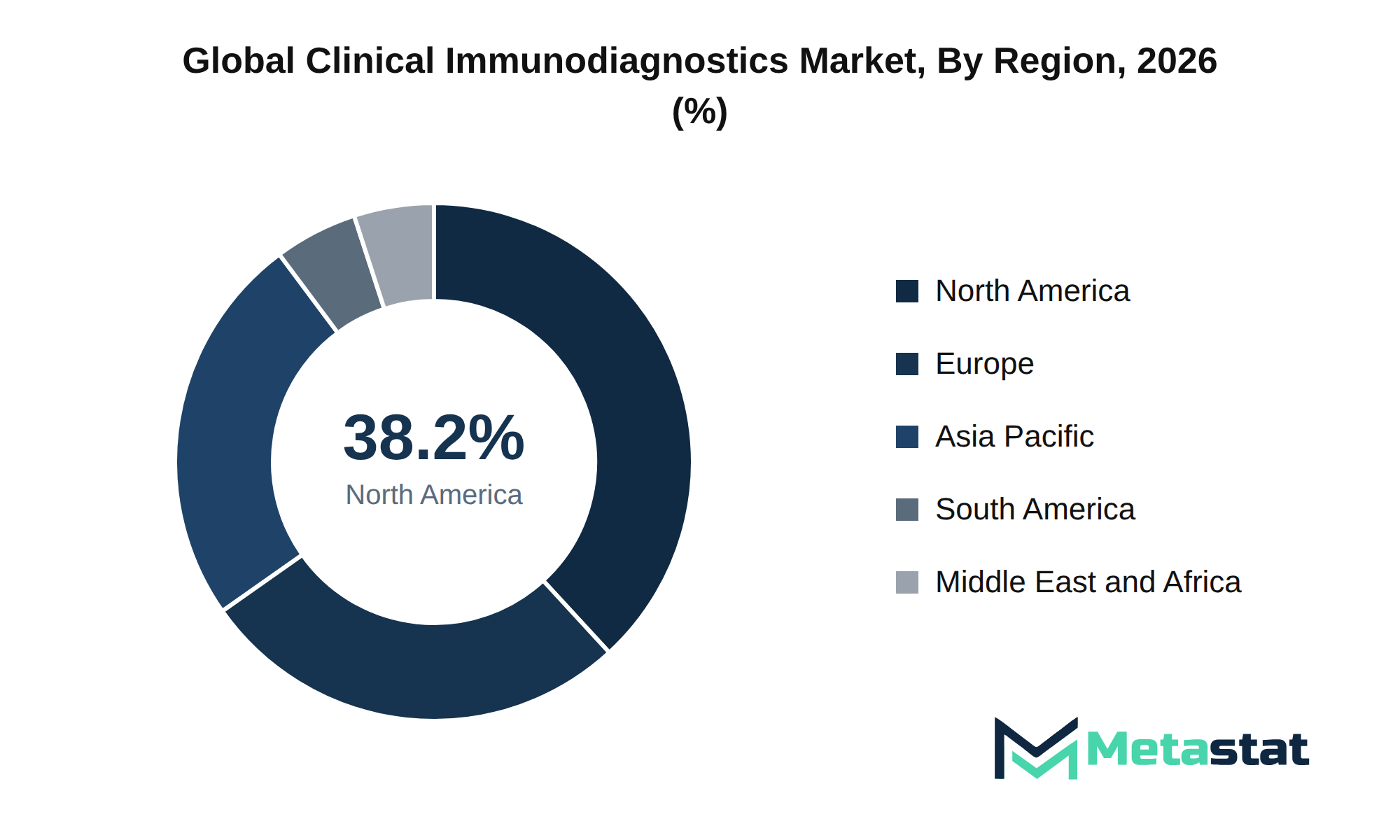
The Serum segment continues to dominate the Clinical Immunodiagnostics market, driven by its inherent advantages in immunodiagnostic testing. Serum is favored for its stability and ability to provide reliable insights into a wide range of disease biomarkers. Its established infrastructure for collection and storage has facilitated its integration into both centralized and decentralized testing environments. This sample type is particularly advantageous for diagnosing infectious, autoimmune, and metabolic disorders, as clinical studies have reinforced its diagnostic relevance. The compatibility of serum with advanced assay platforms further cements its position as the preferred sample type, ensuring that it remains central to clinical immunodiagnostics as technologies evolve.
In recent years, there has been a growing acceptance of urine samples for non-invasive testing, which is reshaping the landscape of sample type preferences within the market. Urine testing offers several benefits, including ease of collection and the potential for patient comfort, leading to increased patient compliance. As healthcare providers seek to enhance the patient experience while maintaining diagnostic accuracy, the shift towards urine samples is becoming more pronounced. This trend is particularly relevant in the context of routine screenings and monitoring of certain conditions, where non-invasive methods can significantly improve patient engagement and adherence to testing protocols.
The implications of sample type choices on diagnostic outcomes are substantial. The choice between serum and urine samples can influence the sensitivity and specificity of tests, ultimately affecting clinical decision-making. For instance, while serum samples are often associated with higher diagnostic accuracy for a wide array of conditions, urine samples may offer a viable alternative for specific tests, particularly in areas such as infectious disease and metabolic monitoring. This diversification in sample types not only enhances the diagnostic toolkit available to healthcare providers but also aligns with broader trends in personalized medicine, where tailored approaches to patient care are becoming increasingly important.
As healthcare systems continue to prioritize early disease detection and management, understanding the dynamics of sample type preferences will be crucial for both buyers and suppliers in the Clinical Immunodiagnostics market. Buyers must remain informed about the advantages and limitations of different sample types to make educated decisions regarding diagnostic strategies, while suppliers must adapt their offerings to meet the evolving needs of healthcare providers. The ongoing advancements in diagnostic technologies, alongside the growing emphasis on non-invasive testing methods, will likely drive further innovations in sample collection and analysis, ensuring that the Clinical Immunodiagnostics market remains responsive to the changing landscape of healthcare delivery.
The Clinical Immunodiagnostics market features a diverse set of players employing various competitive strategies. Companies including Abbott Laboratories, Beckman Coulter Diagnostics, and bioMérieux SA focus on product differentiation through innovative immunoassay reagents and kits. Ongoing investment in research and development aims to expand product lines and enhance technological capabilities, establishing proprietary technology moats.
Strategic alliances and partnerships significantly influence market dynamics. Organizations like Thermo Fisher Scientific Inc. and Danaher Corporation engage in joint ventures to leverage each other's strengths, enhancing product offerings and market reach. This collaborative approach creates a more integrated supply chain, enabling efficient procurement practices and improved customer retention strategies.
Entry barriers in the Clinical Immunodiagnostics market remain high due to established brand equity and intellectual property portfolios held by major players. Companies like Siemens Healthineers AG and QIAGEN possess extensive patent landscapes, contributing to technological defensibility. This competitive environment presents challenges for new entrants and startups seeking to disrupt existing players.
The future competitive outlook suggests ongoing strategic consolidation and industry restructuring. Companies including Fujirebio and Randox Laboratories Ltd. continue to adapt commercial models and pricing architectures to meet evolving market demands. This adaptability enhances positioning within the market, supporting sustained growth and innovation.
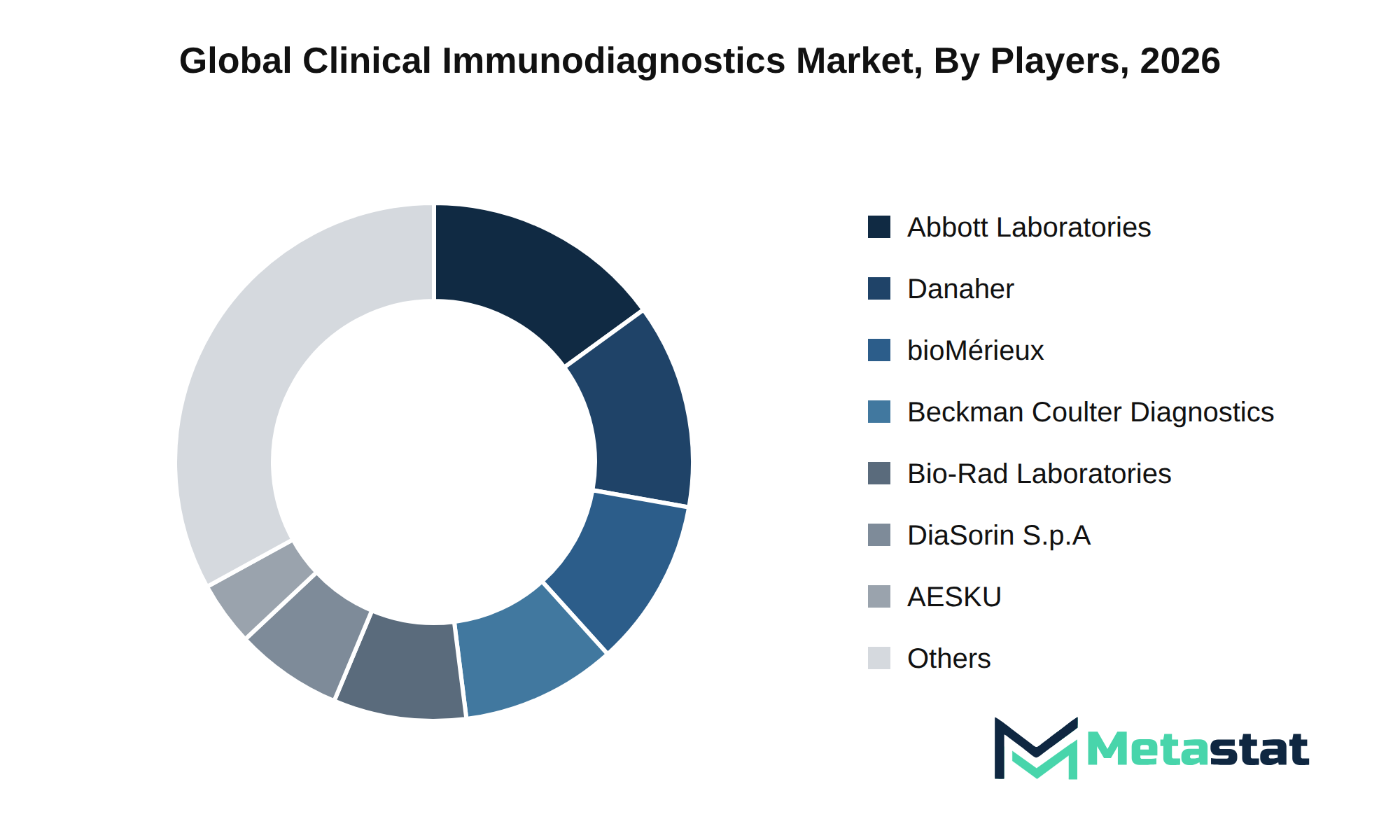
To further understand the dynamics of the Clinical Immunodiagnostics market, it is essential to examine the strategies employed by key players and their impact on market positioning. A significant focus among leading companies such as Abbott Laboratories, Siemens Healthineers, and Thermo Fisher Scientific is on product differentiation through innovative immunoassay reagents. These organizations are investing heavily in research and development to create unique products that cater to specific diagnostic needs, thereby enhancing their competitive edge. This commitment to innovation not only helps in attracting new customers but also in retaining existing ones by offering superior diagnostic solutions that improve accuracy and efficiency.
Strategic alliances play a crucial role in expanding market reach and enhancing product offerings. Companies are increasingly engaging in partnerships and collaborations to leverage complementary strengths. For instance, Thermo Fisher Scientific's collaborations with various healthcare organizations aim to broaden its portfolio of diagnostic solutions, while Siemens Healthineers has formed alliances to integrate advanced technologies such as artificial intelligence into its diagnostic platforms. These strategic moves not only facilitate access to new technologies but also enable companies to penetrate emerging markets more effectively, thereby enhancing their overall market presence.
However, the Clinical Immunodiagnostics market presents significant challenges for new entrants. Established players benefit from strong brand equity and extensive patent landscapes that create barriers to entry. Companies like Siemens Healthineers and Abbott Laboratories hold a multitude of patents that protect their proprietary technologies, making it difficult for newcomers to introduce competitive products. This intellectual property landscape reinforces the dominance of established brands and complicates the competitive environment, as new entrants must navigate these hurdles while seeking to innovate and differentiate themselves.
The competitive landscape is thus characterized by a blend of innovation, strategic partnerships, and significant barriers that together shape market dynamics. As established companies continue to evolve their strategies and enhance their offerings, the importance of agility and adaptability becomes paramount for new players aiming to carve out their niche in this complex market. The ongoing emphasis on technological advancements and personalized medicine further underscores the necessity for all market participants to remain vigilant and responsive to changing healthcare demands.
Market size is forecast to rise from USD 29.4 billion in 2025 to over USD 47.6 billion by 2033. The base case anticipates a compound annual growth rate (CAGR) of 6.2% during this period, driven by advancements in immunodiagnostic technologies, increased adoption of immunoassays in clinical settings, and a growing emphasis on personalized medicine.
The bull case suggests potential acceleration in growth due to rapid technological innovations, enhanced healthcare infrastructure, and rising investments in research and development. In contrast, the bear case points to possible economic downturns, regulatory challenges, and geopolitical tensions that could hinder market expansion. Key factors influencing these scenarios include macroeconomic conditions, evolving trade corridors, and shifts in global supply chains, which significantly shape the Clinical Immunodiagnostics market.
Strategic capital allocation and infrastructure commitments will significantly impact the market landscape. Companies prioritizing investments in next-generation technologies and effectively navigating regulatory timelines capture emerging white-space opportunities. This proactive approach addresses unmet enterprise needs and taps into high-growth pockets within the industry.
The report strategically identifies and profiles the key market players and analyses their core competencies in each sub-segment of the Clinical Immunodiagnostics market.
Report Attributes | Details |
Study Period | 2021-2033 |
Base Year | 2025 |
Estimated Year | 2026 |
Forecast Period | 2026-2033 |
Historical Period | 2021-2025 |
Growth Rate | CAGR 6.2% from 2026 to 2033 |
Revenue Unit | USD billion |
Segmentation | By Product Type, Technology, Application, End User, and Region |
By Region | North America (By Product Type, Technology, Application, End User, and Country)
|
Europe (By Product Type, Technology, Application, End User, and Country)
| |
Asia Pacific (By Product Type, Technology, Application, End User, and Country)
| |
South America (By Product Type, Technology, Application, End User, and Country)
| |
Middle East and Africa (By Product Type, Technology, Application, End User, and Country)
|
Find answers to common questions about this report
The Clinical Immunodiagnostics market size was valued at USD 29.4 billion in 2025, according to the Metastat Insights study.
The Clinical Immunodiagnostics market is projected to grow at a CAGR of 6.2% during the forecast period from 2026 to 2033.
The North America Clinical Immunodiagnostics market size is estimated to reach USD 17 billion by 2033.
The segment leading the Clinical Immunodiagnostics market is Immunoassay Reagents & Kits, with a projected value of USD 32.9 billion by 2033. This segment surpasses others in terms of revenue growth and market share.
Key drivers for the Clinical Immunodiagnostics market include significant investments in technological integration, which enhance efficiency and accuracy in diagnostics. Rising demand for personalized medicine and improved access to capital support innovation and the development of advanced diagnostic tools, ultimately driving revenue growth.
North America holds the dominant share of the Clinical Immunodiagnostics market, with a value of USD 17 billion projected for 2033, representing 38.2 percent of the total market.
The Clinical Immunodiagnostics market growth is restrained by regulatory challenges that impose stringent testing and validation requirements, leading to delays in product approval. macroeconomic headwinds, including inflationary pressures and supply chain disruptions, increase operational costs and complicate the development of innovative diagnostic solutions.
Growth in the Clinical Immunodiagnostics market is driven by significant investment in technological integration, enhancing efficiency and accuracy in diagnostics. demographic shifts, including aging populations and urbanization, increase the demand for effective diagnostic solutions, further favoring product adoption in this industry.
The Clinical Immunodiagnostics market is estimated to reach a valuation of USD 47.6 billion by 2033.
Key players in the Clinical Immunodiagnostics market include Abbott Laboratories, Beckman Coulter Diagnostics, bioMérieux SA, Danaher Corporation, Fujirebio, Hoffmann-La Roche AG (Roche Diagnostics), Siemens Healthineers AG, and Thermo Fisher Scientific Inc.
The Clinical Immunodiagnostics market is segmented based on Product Type, Technology, Application, and End User. By Product Type, it includes Immunoassay Reagents & Kits, Immunoassay Analyzers & Instruments, and Consumables & Accessories. The Technology segment consists of various methods such as Chemiluminescence Immunoassay (CLIA/ECLIA), Enzyme-Linked Immunosorbent Assay (ELISA/EIA), and others. Applications are categorized into areas like Infectious Diseases, Autoimmune Diseases, and Oncology, among others. Lastly, the End User segment comprises Hospital Laboratories, Independent & Reference Laboratories, and other testing settings.
The projected market value for the Clinical Immunodiagnostics market in 2026 is not specifically stated, but the market is expected to grow significantly over the coming years. The overall trend indicates a steady increase in market value, driven by factors such as the rising prevalence of chronic diseases and advancements in diagnostic technologies. By 2033, the market is forecasted to reach a value of USD 47.6 billion, reflecting a compound annual growth rate of 6.2%. This growth trajectory suggests that the market will continue to expand, benefiting from ongoing innovations and increasing demand for diagnostic testing.
The Clinical Immunodiagnostics market has shown a positive growth trajectory, with a forecasted increase from a base year value of USD 29.4 billion in 2025 to USD 47.6 billion by 2033, reflecting a compound annual growth rate (CAGR) of 6.2%. This growth is supported by advancements in product types such as immunoassay reagents and analyzers, which are critical for diagnostic applications. The market is also characterized by significant regional shares, with North America leading at 38.2%, indicating strong demand and investment in this sector. Overall, the combination of increasing healthcare needs and technological advancements is driving the growth of the Clinical Immunodiagnostics market.
The analysts below cover Medical Devices research at Metastat Insights.
LEAD ANALYST
Utkarsh Khirodkar is a Lead Market Research Analyst at MetaStat Insight, specializing in market intelligence, technology sector assessments, and competitive strategy.

LEAD PRINCIPAL ANALYST, PHARMA AND HEALTHCARE
Food and Beverages · Healthcare · Healthcare IT · Medical Devices
Ajay Devgire is the Lead Healthcare Analyst at MetaStat Insight, leading strategic research and market intelligence initiatives across the global healthcare domain.

SENIOR RESEARCH ANALYST
Biotechnology · Food and Beverages · Medical Devices · Packaging
Snehal Pasalkar is a Research Analyst at MetaStat Insight, operating at the intersection of life sciences research, competitive strategy, and market intelligence.
Replacing petrochemical surfactants with bio-based alternatives requires realistic timelines on industrial precision fermentation scaling. The market research broke down commercialization timelines, feedstock sugar price sensitivities, and regional cosmetic ingredient regulatory approvals in Europe and East Asia. That supplier readiness mapping gave our formulations team reliable context when comparing renewable chemical sourcing roadmaps.
Tracking ceramic matrix composite adoption in high-bypass aero engines requires strict attention to material qualification cycles and FAA airworthiness testing milestones. The MetaStat Insight team provided a detailed timeline of silicon carbide fiber manufacturing capacity and commercial foundry lead times. Having clear visibility into upstream thermal barrier coating supply helped us stress-test our long-term component procurement strategy.
Transitioning ultra-class mining haul trucks to alternative power requires concrete data on remote hydrogen refueling infrastructure economics. The report evaluated megawatt-scale electrolyzer installation expenses, onsite storage safety mandates, and heavy-duty fuel cell stack degradation under continuous duty cycles. That technical rigor helped our engineers benchmark realistic total operating cost horizons for off-highway fleet decarbonization.
Explore related market intelligence reports worth reading alongside this one.