
LEAD ANALYST
Utkarsh Khirodkar is a Lead Market Research Analyst at MetaStat Insight, specializing in market intelligence, technology sector assessments, and competitive strategy.

Europe Flow Cytometry Market Size, Share, By Product (Reagents and Consumables, Instruments, Accessories, Services and Software), By Technology (Cell-Based Flow Cytometry and Bead-Based Flow Cytometry), By End User (Academic & Research Institutes, Pharma & Biotech Companies, Hospitals, Clinical Testing Laboratories and CROs/CMOs), By Region (Germany, France, United Kingdom, Italy and Rest of Europe), Industry Analysis, Growth, Trends, and Forecast, 2026-2033
Report ID
MSI-5352
Published
September, 2026
Pages
261 Pages
Format
Historical
Base year
Forecast
Forecast period
Report Details
Market Valuation: Valued at $1,400.7 Million in 2025, projected to reach $2,254.7 Million by 2033 at a 6.2% CAGR.
Dominant Segment: The Reagents and Consumables segment leads the Europe Flow Cytometry market, projected to grow from USD 502.8 million in 2026 to USD 766.6 million by 2033, driven by advancements in research and clinical applications.
Geographic Lead: Germany is the leading region, expected to reach USD 419.8 million by 2033, fueled by significant investments in healthcare R&D and compliance with regulatory standards.
What's Inside: The report provides a comprehensive analysis of the Europe Flow Cytometry market, covering product segmentation, technological advancements, competitive landscape, and growth forecasts from 2026 to 2033.
Market Opportunity: Emerging demands in advanced research capabilities and technological integration present substantial growth opportunities, particularly in underserved markets across Europe.
Investment Trends: Heightened investments in automation and artificial intelligence are transforming flow cytometry workflows, enhancing operational efficiency and accuracy in various applications.
Choose Your License
Europe Flow Cytometry Market
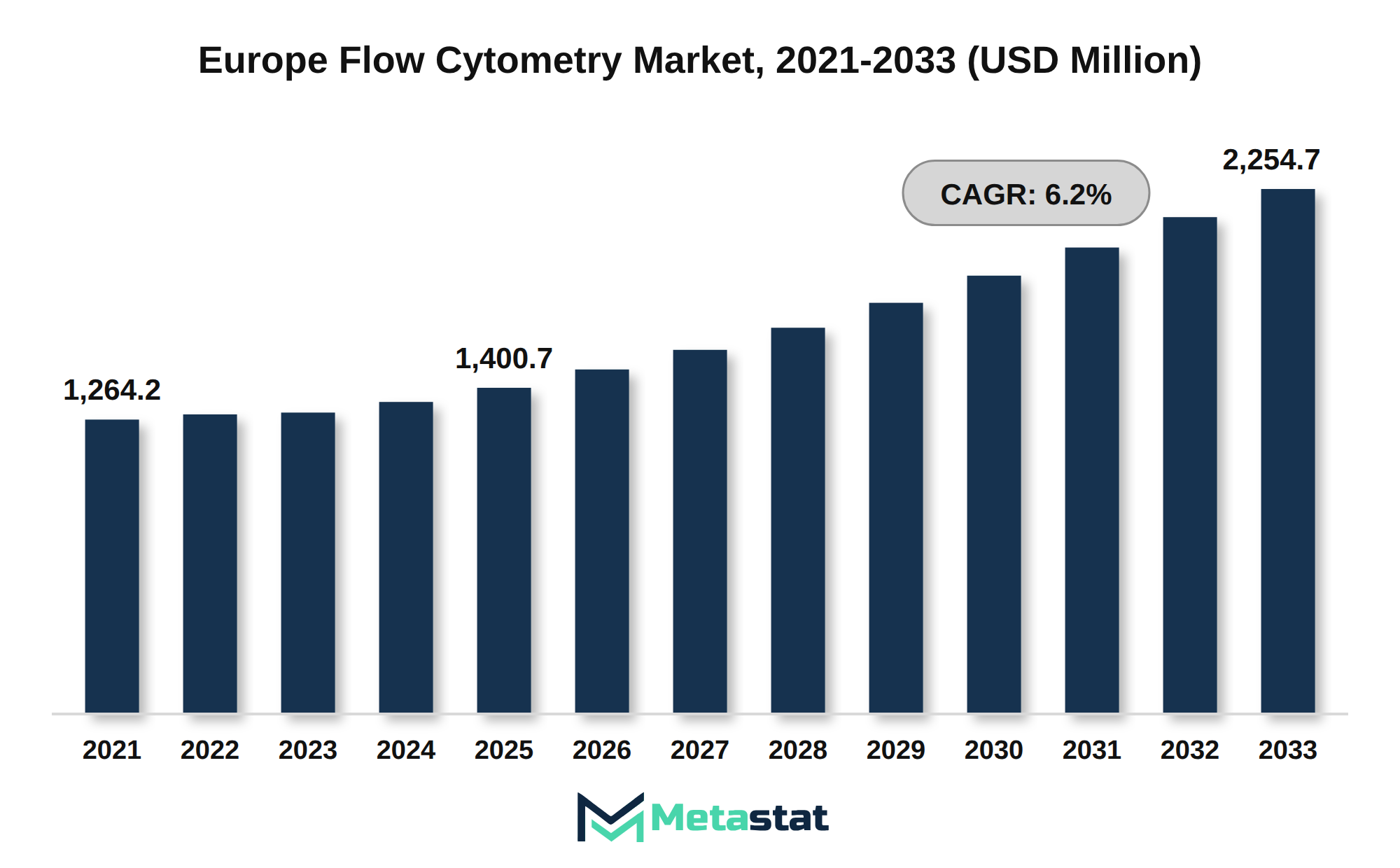
The Europe Flow Cytometry market was valued at USD 1,400.7 million in 2025 and is projected to reach USD 2,254.7 million by 2033, growing at a CAGR of 6.2% over the forecast period.
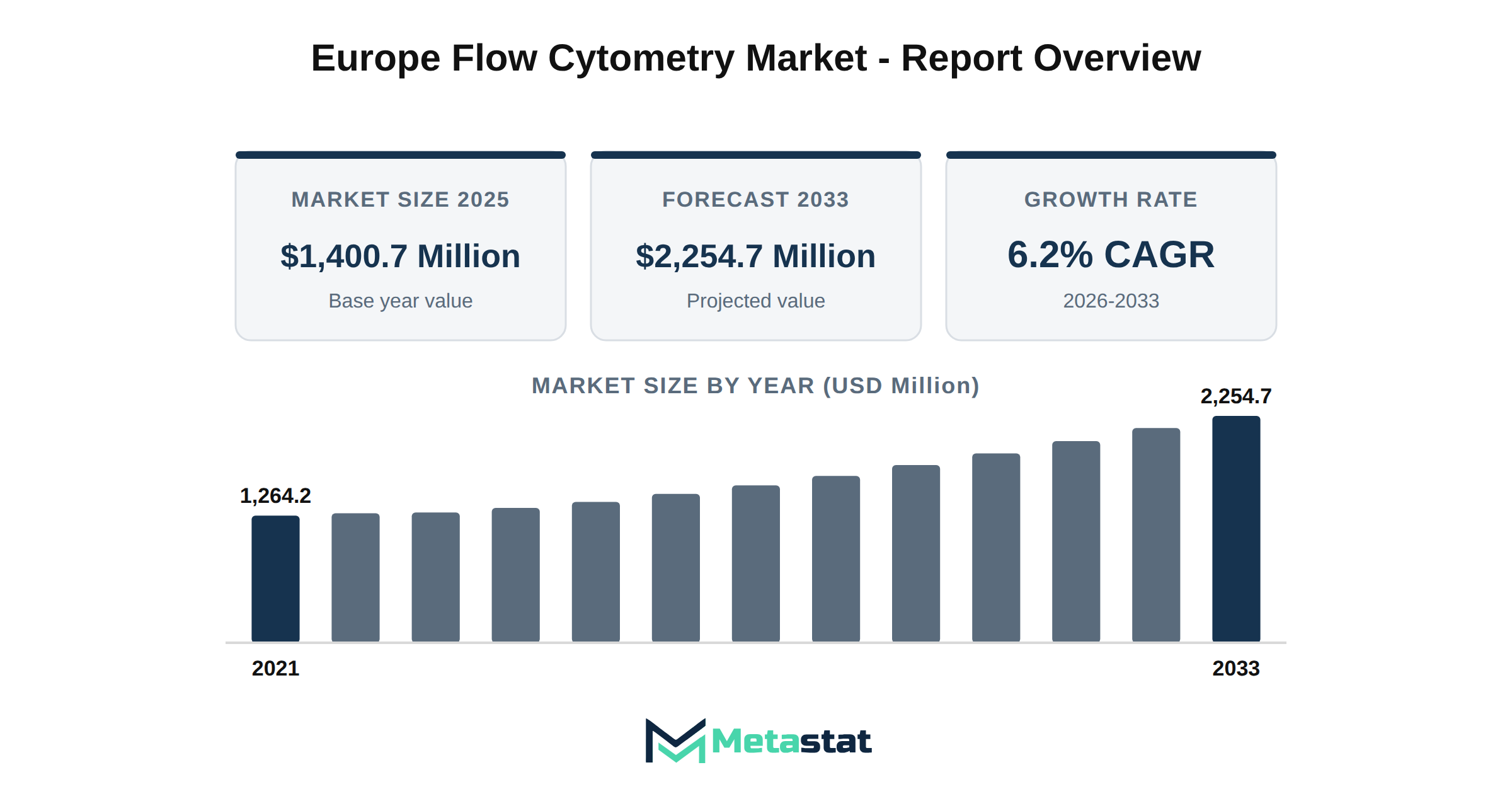
The Europe Flow Cytometry market reached a value of USD 1,400.7 million in 2025, with projections indicating an increase to USD 2,254.7 million by 2033. This growth represents a compound annual growth rate (CAGR) of 6.2% during the forecast period from 2026 to 2033.
Key trends shaping the market involve rising adoption of flow cytometry in cancer and hematology diagnostics, driven by the need for precise and efficient cellular analysis. The growing use of high-parameter flow cytometry in immunology and cell biology has further enhanced research capabilities and supported advancements in these fields.
Expansion of flow cytometry applications in cell and gene therapy development indicates a shift towards personalized medicine, reflecting a strong demand for innovative diagnostic solutions. Increasing demand for spectral flow cytometry across European research laboratories signifies the transition towards advanced analytical techniques capable of handling complex cell populations.
Integration of automation and artificial intelligence within flow cytometry workflows enhances operational efficiency, facilitating high-throughput analysis and reducing time for data interpretation. Advances in multicolor flow cytometry panels support comprehensive cellular profiling, allowing researchers to gather extensive information from samples.
The growing role of flow cytometry in personalized and precision medicine highlights its importance in tailoring treatment plans for individual patients. Investment in biopharmaceutical research and development drives demand for flow cytometry instruments, owing to these tools becoming essential in laboratory settings.
Adoption of clinical flow cytometry across European hospitals and diagnostic laboratories emphasizes the necessity for accurate diagnostic testing in healthcare. Demand from academic, pharmaceutical, and contract research organizations continues to reinforce the market’s expansion, driven by these entities relying on flow cytometry for various applications.
Regulatory and quality requirements are influencing clinical flow cytometry adoption in Europe, ensuring that instruments and methods comply with stringent standards. Innovation in flow cytometry reagents, antibodies, and assay kits supports the continuous evolution of this market segment, enhancing the capability of existing instruments.
The Europe Flow Cytometry market experiences significant trends shaping research and clinical diagnostics. The rising adoption of flow cytometry in cancer and hematology diagnostics reflects a growing emphasis on early detection and personalized treatment strategies. High-parameter flow cytometry has gained traction in immunology and cell biology, enabling comprehensive analysis of complex cellular populations, thus improving research outcomes.
Expansion of flow cytometry applications in cell and gene therapy development supports advancements in therapeutic strategies, particularly in personalized medicine. Increasing demand for spectral flow cytometry across European research laboratories highlights the need for advanced technologies that enable detailed cellular analysis. Automation and AI integration transform flow cytometry workflows, improving efficiency and accuracy in various applications.
Advances in multicolor flow cytometry panels and high-throughput analysis contribute to the market's growth, allowing researchers to gain deeper insights into cellular interactions. The growing role of flow cytometry in personalized and precision medicine presents opportunities for targeted therapies and improved patient outcomes. Biopharmaceutical R&D investment drives demand for flow cytometry instruments, reflecting the technology's critical role in drug development and validation.
Clinical flow cytometry adoption across European hospitals and diagnostic laboratories enhances diagnostic capabilities, supporting the trend towards more accurate and timely patient care. Demand from academic, pharmaceutical, and contract research organizations further drives market expansion, supported by the need for advanced research tools. Regulatory and quality requirements influence clinical flow cytometry adoption, ensuring that technologies meet rigorous standards for safety and efficacy.
Innovation in flow cytometry reagents, antibodies, and assay kits supports ongoing advancements within the market, facilitating the development of more effective diagnostic tests. Increasing adoption of compact and benchtop flow cytometers in European laboratories reflects a trend towards more accessible and user-friendly technologies. Flow cytometry software and data analytics advancements enhance the capability to conduct complex cell analysis, promoting deeper insights into cellular functions and interactions.
The growth of European cell therapy manufacturing creates new flow cytometry opportunities, aligning with the increasing focus on regenerative medicine and therapeutic development. Competitive landscape analysis shows ongoing product innovation within the Europe Flow Cytometry market, driving differentiation among key players. Flow cytometry consumables and reagents generate recurring revenue opportunities, contributing to the overall market sustainability.
Germany, the UK, France, Italy, and Spain emerge because key flow cytometry demand centers, driven by robust research initiatives and healthcare investments. Funding for life sciences and biomedical research supports flow cytometry adoption, creating a sustainable ecosystem for innovation. Supply chain and procurement trends for flow cytometry instruments and consumables in Europe reflect evolving market dynamics, with emphasis on quality and reliability.
Future growth opportunities in next-generation and spectral flow cytometry technologies position the market for continued expansion, meeting the demands of an evolving research landscape.
The Europe Flow Cytometry market benefits from heightened investments in research and development across various sectors. Academic and research institutions, alongside pharmaceutical and biotechnology companies, allocate significant resources to enhance their capabilities in cell analysis and diagnostics. This surge in funding stems from a combination of factors, including increasing interest in personalized medicine and advanced cellular therapies.
Investment in new technologies, including automation and artificial intelligence, supports the integration of flow cytometry in diverse applications including drug discovery, immunology, and clinical diagnostics. Enhanced operational productivity resulting from these technological advancements leads to more efficient workflows and improved accuracy in results. The growing emphasis on R&D not only drives demand for flow cytometry products but creates opportunities for innovation in analytical techniques.
Germany, a key market within Europe, demonstrates a robust commitment to funding initiatives that improve research capabilities. This emphasis on R&D encourages collaboration between public and private sectors, creating an ecosystem that nurtures innovation. Advancements in flow cytometry applications further enhance the market's growth trajectory, with the demand for high-quality instruments and consumables continuing to rise.
Overall, the focus on research and development plays an important role in shaping the future of the Europe Flow Cytometry market, driving both investment and innovation while meeting the evolving needs of end users across various industries.
The Europe Flow Cytometry market experiences growth through extensive investment in technological integration, including automation, artificial intelligence, and software adoption. Companies increasingly focus on digitizing legacy processes to enhance operational efficiency and optimize workflows. This trend aligns with the broader push for digital transformation across industries, where advancements enhance productivity and reduce costs.
Capital investment environments significantly influence this integration. With rising GDP growth and venture funding, organizations allocate resources towards innovative technologies that streamline processes and improve accuracy in flow cytometry applications. The adoption of advanced technologies enhances research capabilities and positions organizations to meet evolving consumer demands and regulatory requirements efficiently.
Academic and research institutes, alongside pharmaceutical and biotech companies, represent key end users benefiting from these technological advancements. The market's emphasis on integrating advanced solutions facilitates improved data collection, analysis, and reporting, essential for making informed decisions. Consequently, the Europe Flow Cytometry market expands owing to organizations prioritizing investment in technologies that support enhanced operational productivity and innovation.
Significant capital investment requirements present a challenge for the Europe Flow Cytometry market. The high costs associated with acquiring advanced flow cytometry instruments and associated technologies limit accessibility for smaller laboratories and research facilities. This financial barrier affects adoption rates, particularly among academic institutions and emerging biotech companies, which often operate with constrained budgets.
Escalating operating costs compound these challenges. Maintenance, training, and consumables add to the overall expenditure, which deters potential buyers. Market growth faces limitations, particularly in regions where funding for research and development remains stagnant.
Market players encounter technological obsolescence risks. Rapid advancements in flow cytometry technology create pressure to continually update equipment and software. Organizations that cannot keep pace with these developments risk falling behind competitors, ultimately impacting their market position.
These factors contribute to a restrained growth environment within the Europe Flow Cytometry market, resulting from participants navigating the complex dynamics of financial investment and technological evolution.
The Europe Flow Cytometry market encounters challenges due to geopolitical fragmentation and rising trade tensions. Regional trade deficits and tariff frictions create uncertainties in supply chains, affecting the availability and pricing of essential components. This instability leads to increased operational costs for manufacturers relying on imported materials and technologies.
Complex research and development integrations complicate market dynamics. Organizations face hurdles in aligning innovative processes with the evolving regulatory landscape. Compliance overhead increases, consuming resources and impacting time-to-market for new products. These factors restrict the flexibility of firms to adapt swiftly to market demands.
Pricing compression and margin pressures exert additional strain on market participants. Increased input costs associated with raw materials, logistics disruptions, and supply chain instability contribute to declining profit margins. Firms strategize to maintain competitiveness while navigating these financial challenges.
The environment presents demands for sustainability and decarbonization. Stakeholders prioritize environmental lifecycle footprints, requiring organizations to invest in greener technologies and practices. These sustainability mandates necessitate capital allocation that could support market expansion or product development within the Europe Flow Cytometry market.
The Europe Flow Cytometry market experiences substantial opportunities driven by emerging regional demands and the modernization of infrastructure. A growing emphasis on advanced research capabilities across academic and biotech sectors fuels demand, while technological disruptions create innovative solutions and applications. Geographical expansion into underserved markets enhances market penetration, encouraging players to adapt their offerings to meet diverse customer needs.
Digital transformation initiatives play a critical role in reshaping operational frameworks. Incorporating next-generation innovations allows businesses to optimize processes and improve efficiency. Sustainability imperatives increasingly influence purchasing behaviors, leading to eco-friendly product developments that align with environmental, social, and governance (ESG) criteria. This trend encourages strategic consolidation and cross-industry collaborations, driving mergers and acquisitions to leverage synergies and enhance product offerings.
The evolution of buying behaviors indicates a shift towards digital procurement mechanisms, compelling companies to rethink their commercial models. Supply chain localization and strategic buffering strategies become essential to mitigate risks associated with global sourcing, driving investment in local capabilities. Asset life-cycle extensions and maintenance upgrades enhance operational reliability and cost-effectiveness, presenting further growth avenues within the market.
Value-chain optimization through process automation contributes to maximizing operational yields, pushing players to embrace digital solutions. Niche application growth presents opportunities for tailored products that meet specific customer requirements. Collectively, these dynamics position the market for increased growth potential, supported by a commitment to innovation and sustainability.
The Europe Flow Cytometry market is segmented based on Product, Technology, End User, and Region.
Valued at USD 502.8 million in 2026, the Reagents and Consumables segment is projected to reach USD 766.6 million by 2033, reflecting a CAGR of 6.2% during the forecast period. Demand for reagents and consumables derives primarily from advancements in research and clinical settings, where their role in supporting flow cytometry applications in immunology, cell biology, and oncology remains critical. Increased focus on personalized medicine and the growing number of clinical trials drive the adoption of reagents, enhancing the segment's growth potential.
Technological maturation in flow cytometry, including the development of innovative dyes and assays, enhances the effectiveness and efficiency of applications, leading to broader acceptance among end users. Academic and research institutions, along with pharmaceutical and biotechnology companies, constitute the primary consumer base, emphasizing the importance of high-quality reagents and consumables to ensure reliable experimental results. Compliance with regulatory standards and certifications remains essential, further propelling demand within the market.
Market dynamics, including pricing volatility and margin pressures, influence the strategic positioning of suppliers in the reagents and consumables segment. Companies actively invest in research and development to create advanced products that meet evolving market needs. This proactive approach creates a competitive landscape, ensuring sustained growth in the Europe Flow Cytometry market, driven by suppliers adapting to emerging trends and consumer expectations.
Anticipation surrounds the Instruments segment of the Europe Flow Cytometry market, estimated to reach USD 896.2 million by 2033, at a CAGR of 6% during the forecast period. Growth in this segment derives from increasing demand for advanced analytical tools in various applications, including research, clinical diagnostics, and pharmaceutical development. The rise of personalized medicine and biologics further drives the need for precise and high-throughput technologies, reinforcing the significance of instruments in laboratories and healthcare settings.
Technological maturation plays a significant role in shaping this segment. Continuous advancements in flow cytometry instruments enhance capabilities, allowing for improved sensitivity, speed, and multiplexing. These upgrades lead to greater efficiency and accuracy in cell analysis, thereby attracting a wider user base. Investments in next-generation technologies, including cell sorting and high-dimensional analysis, create strategic opportunities for manufacturers aiming to capture market share.
End-user dynamics significantly influence the market landscape. Academic and research institutes, pharmaceutical and biotech companies, and clinical testing laboratories represent primary consumers of flow cytometry instruments. The growing focus on research and development across these sectors fuels demand, while the need for regulatory compliance in clinical applications necessitates reliable and advanced instrumentation.
Consumption shifts towards automation and user-friendly interfaces further enhance market prospects. Laboratories increasingly prioritize systems that streamline workflows and reduce human error, prompting manufacturers to innovate in design and functionality. Regulatory compliance standards dictate the integration of sophisticated features into flow cytometry instruments, ensuring adherence to safety and efficacy protocols.
Pricing volatility and margin pressures challenge suppliers within the market. Fluctuations in raw material costs impact the pricing of instruments, necessitating strategic sourcing and production efficiency measures. Companies actively seek to manage these pressures through enhanced supply chain resilience and innovative cost structures. Overall, the Instruments segment remains a dynamic focus within the Europe Flow Cytometry market, characterized by growth potential and evolving technological landscapes.
Growth in the Accessories segment of the Europe Flow Cytometry market is driven by increasing demand for precise and efficient laboratory tools. Expansion of this segment links to advancements in flow cytometry technologies that enhance the performance of laboratory equipment, supporting applications in clinical diagnostics and research. Users, including academic and research institutions, pharmaceutical companies, and clinical testing laboratories, seek upgraded accessories that improve workflow efficiency and accuracy in data interpretation.
Technological maturation within the market leads to the development and adoption of next-generation accessories designed to integrate seamlessly with existing systems. These innovations enable laboratories to perform complex analyses with enhanced reliability while meeting regulatory compliance standards. The segment is projected to reach USD 99.1 million by 2033, reflecting its importance in the broader market.
Investment in product evolution focuses on creating accessories that offer greater functionality and user compatibility. These enhancements attract a diverse range of end-users looking to optimize laboratory operations. Consumption shifts towards high-performance accessories, while manufacturers face pressures related to pricing volatility and raw material sourcing that impact profit margins.
Strategic opportunities exist for companies to capture market share by addressing the evolving needs of end-users. Focus on supply chain resilience and substitution risks will influence future investment decisions. Overall, the Accessories segment is positioned for sustained growth within the Europe Flow Cytometry market, driven by innovation and strong demand for quality laboratory products.
Growing demand for specialized solutions in the healthcare and research sectors enhances the Services segment of the Europe Flow Cytometry market. This segment is projected to grow at a CAGR of 6.5% during the forecast period. Increasing complexity in flow cytometry applications necessitates expert support and maintenance services, leading to enhanced adoption among end users. Academic and research institutions, alongside healthcare providers, seek comprehensive service packages that encompass training, troubleshooting, and performance optimization. Regulatory compliance in clinical settings further drives demand for reliable service offerings, enabling laboratories to maintain high operational standards. Expansion in the Services segment highlights the critical role of support structures in enhancing the operational efficiency and effectiveness of flow cytometry technologies.
Technological maturation drives the adoption of software solutions within the Europe Flow Cytometry market, particularly owing to research institutions and biotechnology firms seeking advanced analytical tools to enhance data interpretation. The integration of next-generation upgrades facilitates improved functionalities, enabling users to process complex data sets with greater accuracy and efficiency. This segment experiences expansion catalysts, including rising demand for customizable software solutions that cater to specific research needs and regulatory compliance standards.
End-use dynamics indicate a significant influence from academic and research institutions, which prioritize software that offers robust data management capabilities and advanced analytical features. The increasing complexity of biological research fuels consumption shifts toward integrated software solutions that streamline workflows and enhance productivity. Regulatory compliance standards necessitate continual updates and improvements in software, ensuring that it meets the latest scientific and safety guidelines.
Market players face pressures related to cost structures and pricing volatility, particularly because they invest in the development of innovative software technologies. Strategic opportunity windows arise from ongoing advancements in artificial intelligence and machine learning, which enhance the capabilities of flow cytometry software. The focus on capital investment in software development positions companies to capture greater market share within the Europe Flow Cytometry market.
Valued at USD 1,038.3 million in 2026, the Cell-Based Flow Cytometry segment is projected to reach USD 1,614.7 million by 2033, at a CAGR of 6.5% during the forecast period. This segment benefits from increasing demand in academic and research institutions, where advancements in cell biology and immunology drive adoption. The rise of personalized medicine and targeted therapies creates significant opportunities for cell-based assays in drug development and diagnostics.
Technological maturation is essential for the expansion of this segment. Continuous improvements in instrumentation and data analysis software enhance the precision and efficiency of cell sorting and analysis. The integration of artificial intelligence in flow cytometry systems enables researchers to extract deeper insights from complex datasets, facilitating a broader range of applications.
Downstream applications across various industries, including pharmaceuticals, biotechnology, and clinical research, fuel growth in the market. The need for accurate cell characterization and quantification in these sectors strengthens the demand for cell-based flow cytometry solutions. Regulatory compliance standards in biopharmaceutical manufacturing emphasize the importance of reliable analytical methods, further propelling market expansion.
Market dynamics indicate a shift in consumption patterns, with increased investments in next-generation upgrades. Companies operating within the Europe Flow Cytometry market focus on innovative product evolution, responding to customer needs for improved functionality and performance. This competitive environment creates robust opportunities, highlighting the importance of capital investment in sustaining growth.
Growth in the Bead-Based Flow Cytometry segment reflects increased demand for precise, high-throughput analysis in various applications. This segment is projected to reach USD 639.9 million by 2033, at a CAGR of 5.5% during the forecast period. Rising research activities in academic and clinical settings enhance the adoption of bead-based technologies due to their flexibility and efficiency in analyzing multiple parameters simultaneously. Regulatory compliance standards drive organizations to employ advanced methodologies, increasing the market's appeal.
Technological maturation facilitates the development of next-generation bead-based systems, further driving investment in this segment. Continuous product evolution leads to improved performance and versatility, enabling wider applications in drug discovery and diagnostics. Collaboration among key players drives innovation, supporting the market's expansion.
End-user dynamics indicate a shift towards bead-based solutions in pharmaceutical and biotechnology companies, where these systems offer distinct advantages in assay sensitivity and specificity. Pricing volatility in raw materials influences cost structures, prompting manufacturers to optimize their supply chains for resilience. These factors contribute to the overall growth trajectory within the Europe Flow Cytometry market, with the bead-based sub-segment playing a significant role in market expansion.
Valued at USD 572.5 million in 2026, the Academic & Research Institutes segment is projected to reach USD 869.8 million by 2033, at a CAGR of 6.2% during the forecast period. A surge in research activities and increased funding from various government and private organizations drive demand within this segment. The focus on advancements in biotechnologies and personalized medicine significantly influences the purchasing behavior of academic and research institutions, prompting a desire for sophisticated flow cytometry solutions. Enhanced capabilities in cell analysis, alongside the need for improved data accuracy and efficiency, compel these institutions to adopt innovative technologies. The ongoing evolution of educational programs in life sciences further contributes to the segment's growth by training future professionals in effectively using flow cytometry tools. Compliance with stringent regulatory standards necessitates that research institutes invest in high-quality, reliable equipment, reinforcing their commitment to excellence in scientific research. Overall, the expansion of this segment drives technological advancements and encourages innovation in various research fields, benefiting the Europe Flow Cytometry market.
Valued at USD 655.3 million by 2033, the Pharma & Biotech Companies segment in the Europe Flow Cytometry market demonstrates a strong growth trajectory with a CAGR of 6.4% during the forecast period. This expansion reflects increasing demand for advanced research methodologies and innovative therapeutic solutions. Integration of flow cytometry technologies into drug development and clinical trials enhances processes, productivity, and outcomes within pharmaceutical and biotechnology firms. While these companies prioritize personalized medicine and targeted therapies, adoption of flow cytometry instruments and reagents becomes essential.
Investment in next-generation flow cytometry technologies, including high-parameter analysis and multi-omics approaches, supports the segment's growth. Advancements in technology enhance the ability to analyze complex biological systems, allowing for better understanding of disease mechanisms and treatment responses. Increased focus on regulatory compliance and standardization of testing methodologies drives demand for reliable and accurate flow cytometry solutions. The evolving landscape of pharmaceuticals, characterized by a shift towards biologics and advanced therapeutics, further increases the relevance of flow cytometry in drug development.
Continuous evolution of product offerings and service enhancements in the market strengthens the competitive positioning of firms within the Pharma & Biotech Companies segment. Companies actively pursue strategic partnerships and collaborations with academic and research institutions to leverage innovations and expand their service portfolios. This alignment with research initiatives creates an environment conducive to technological advancements and market penetration. Ultimately, the growing emphasis on precision medicine and advanced diagnostics highlights the significance of flow cytometry technologies for pharmaceutical and biotechnology entities in Europe.
Growth in healthcare spending significantly enhances the demand for flow cytometry in hospitals. This increase stems from the rising prevalence of chronic diseases and the growing need for personalized medicine. Hospitals prioritize advanced diagnostic tools, creating a favorable environment for flow cytometry adoption. Valued at USD 335.8 million by 2033, the hospitals segment demonstrates a strong growth trajectory driven by technological advancements and increased investments in healthcare infrastructure.
Next-generation upgrades in flow cytometry technologies, including automation and enhanced data analysis capabilities, offer hospitals the opportunity to improve operational efficiencies. Hospitals face the challenge of managing costs while integrating advanced technologies, impacting pricing structures within the market. Regulatory compliance and quality assurance standards influence purchasing decisions, prompting hospitals to invest in reliable and certified flow cytometry solutions.
Strategic opportunity windows arise from hospitals aligning their objectives with ongoing technological evolution, emphasizing the need for versatile and efficient diagnostic tools. The Europe Flow Cytometry market supports these dynamics by providing innovative solutions tailored to hospital requirements. While hospitals continue to expand their capabilities in diagnostics and research, the flow cytometry segment remains poised for growth, reflecting a commitment to enhancing patient outcomes and operational effectiveness.
Growth in the Clinical Testing Laboratories segment aligns with the increasing demand for precise and rapid diagnostic solutions in healthcare. This segment is projected to grow at a CAGR of 6.3% during the forecast period, reflecting heightened focus on patient outcomes and effective disease management. Factors including technological advancements in flow cytometry, improved accuracy, and expanded application areas contribute to this growth. The demand for high-quality diagnostic services in hospitals and laboratories drives investment in advanced flow cytometry systems, enhancing competitive positioning within the Europe Flow Cytometry market.
Healthcare providers prioritize diagnostic accuracy and efficiency, which influences the adoption of flow cytometry technologies in clinical settings. Regulatory compliance standards and certifications act because significant catalysts for the segment, ensuring that laboratories maintain quality and reliability in their testing processes. Continuous innovation in reagent and consumable products, along with the development of next-generation upgrades, fuels market expansion. The integration of automation and digital solutions in clinical testing laboratories improves operational efficiency and reduces turnaround times, aligning with the evolving demands of healthcare professionals.
The rising prevalence of chronic diseases and the growing focus on personalized medicine highlight the importance of flow cytometry in clinical testing. Laboratories increasingly rely on flow cytometry for applications including immunophenotyping, cell cycle analysis, and biomarker discovery, demonstrating the technology's relevance across various diagnostic platforms. Strategic opportunities exist for market players to innovate and enhance product offerings, driving growth throughout the Europe Flow Cytometry market.
Demand for flow cytometry solutions among Contract Research Organizations (CROs) and Contract Manufacturing Organizations (CMOs) reflects the increasing focus on precision medicine and personalized therapies. These entities require advanced analytical capabilities to support drug development and clinical trials, resulting in heightened investment in flow cytometry technologies. The growing complexity of biological samples and the demand for rapid, accurate data enhance the necessity for sophisticated flow cytometry instruments and reagents.
Technological maturation plays a significant role in the uptake of flow cytometry within this sector. Innovations including high-dimensional analysis and integrated software solutions improve efficiency in data processing and interpretation. CROs and CMOs adopting next-generation flow cytometry technologies benefit from enhanced capabilities to address evolving regulatory compliance standards and customer expectations.
Product evolution in the flow cytometry space continues to attract attention from CROs and CMOs. New reagent formulations and instrument upgrades facilitate improved accuracy and reproducibility in results, aligning with the stringent requirements of clinical testing. The adoption of these advancements supports the overall growth of the Europe Flow Cytometry market by enabling organizations to streamline workflows and enhance output.
End-use dynamics exhibit a shift toward more specialized applications within CROs and CMOs. Emerging therapeutic areas including immuno-oncology and gene therapy necessitate versatile flow cytometry solutions, pushing market players to innovate and expand their product offerings. This trend contributes significantly to the market's expansion, attracting further investment and encouraging competitive growth among suppliers.
Regulatory compliance remains a critical factor influencing the operational landscape for CROs and CMOs. Adherence to established guidelines and quality assurance standards shapes the demand for high-quality flow cytometry products. Organizations that prioritize compliance and invest in validated systems position themselves effectively within the market, enhancing their reputation and reliability among clients.
Overall, the flow cytometry segment catering to CROs and CMOs demonstrates strong potential for growth, driven by advancements in technology, evolving end-use dynamics, and the increasing demand for precise analytical solutions within the Europe Flow Cytometry market.
Demand for flow cytometry solutions in blood banks and forensic labs relies on advancements in analytical capabilities. These facilities require precise and efficient methods for cell detection and analysis, driving adoption of flow cytometry technologies. Regulatory compliance standards and certifications necessitate reliable and robust testing methodologies, influencing market dynamics.
Technological maturation impacts product evolution, with next-gen upgrades enhancing precision and throughput. Innovations in reagents and consumables contribute to improved performance and usability, attracting investments in the sector. Downstream applications in blood banks include compatibility with various sample types, providing versatility in analysis.
End-use dynamics reflect a shift towards high-throughput solutions, prioritizing efficiency in laboratory workflows. Continuous advancements in instrumentation and software streamline operations, aligning with the growing need for rapid and accurate results. Capital investment outlooks remain positive, with increased funding directed towards research and development in this niche area of the Europe Flow Cytometry market.
Strategic opportunity windows arise from evolving consumption patterns, with blood banks and forensic labs seeking innovative solutions to meet rising demands. Supply chain resilience becomes critical, ensuring a stable flow of raw materials to support production needs. Disruptive alternatives pose minimal risk, because flow cytometry techniques remain essential for providing comprehensive analysis in clinical and forensic settings.
Valued at USD 273 million in 2026, the Germany segment is projected to reach USD 419.8 million by 2033, at a CAGR of 6.3% during the forecast period. Increased investment in research and development within the healthcare sector drives demand for flow cytometry solutions. Significant funding for advanced biotechnological applications supports the expansion of the market in Germany. Regulatory compliance standards related to safety and efficacy significantly influence the adoption of flow cytometry techniques among end users. Academic and research institutes, alongside pharmaceutical and biotechnology companies, actively seek innovative technologies to enhance their research capabilities.
The technological maturation of cell-based flow cytometry enables its widespread use in various applications, including immunology and oncology research. Enhanced capabilities of instruments increase their precision and reliability, leading to broader acceptance among laboratories. Continuous advancements in reagents and consumables further strengthen competitive positioning for suppliers in the Germany segment. End-user dynamics indicate a growing preference for integrated solutions that improve operational efficiency and reduce operational costs. This trend reflects a shift toward automation and real-time analysis, enhancing laboratory throughput.
Strategic investments in advanced technologies, including software for data analysis and reporting, highlight the ongoing evolution within the market. The demand for next-generation upgrades, particularly in terms of instrument capabilities, shapes purchasing decisions across sectors. Germany's role because a hub for biopharmaceutical development creates a robust environment for flow cytometry adoption. Opportunities for market expansion exist within the clinical testing laboratories segment, driven by increased diagnostic and research needs. Overall, the Germany segment contributes substantially to the growth trajectory of the Europe Flow Cytometry market.
France represents a growing segment within the Europe Flow Cytometry market, estimated to reach USD 266.5 million by 2033, at a CAGR of 5.6% during the forecast period. Increased investment in healthcare and biotechnology sectors fuels demand for advanced cytometry solutions, aligning with the trend toward precision medicine and personalized therapies. Research institutions and pharmaceutical companies in France prioritize flow cytometry for its ability to provide detailed cellular analysis, enhancing drug development processes and disease research.
This segment benefits from technological advancements that improve instrument sensitivity and throughput, addressing the need for high-quality data in clinical and research settings. Regulatory compliance standards further drive the adoption of flow cytometry solutions in France, ensuring that products meet safety and efficacy requirements. The evolving landscape in biotechnology and life sciences emphasizes the significance of flow cytometry in diagnostics and therapeutic applications, thereby reinforcing its market position.
While the France segment expands, strategic partnerships between technology providers and end-users strengthen the supply chain, facilitating innovation and enhancing product offerings. Overall, the growing focus on research and development within the region positions the France segment because a critical contributor to the overall growth of the Europe Flow Cytometry market.
Growth in the United Kingdom segment aligns with increasing investment in healthcare and biotechnology sectors, driving greater demand for flow cytometry solutions. Enhanced focus on personalized medicine and targeted therapies fuels the adoption of these technologies among academic and research institutions, hospitals, and pharmaceutical companies. Regulatory compliance standards and the pursuit of advanced diagnostic tools further support market expansion. Valued at USD 219.6 million by 2033, this segment reflects evolving priorities in the Europe Flow Cytometry market, where innovation and technological advancements are critical for sustaining growth.
Flow cytometry in Italy presents a significant growth opportunity, projected to increase at a CAGR of 5.4% during the forecast period. This expansion aligns with the rising demand for analytical solutions in various sectors, including healthcare and research. The flow cytometry market benefits from advancements in technology, driven by institutes and laboratories increasingly adopting next-generation solutions to enhance analytical capabilities.
Investment in research and development within Italian academic and research institutions drives the segment's growth, with an emphasis on innovative applications of flow cytometry. Adoption of flow cytometry solutions improves downstream applications in clinical diagnostics, pharmaceutical research, and biotechnology. Increasing healthcare expenditure in Italy strengthens the market landscape, creating further demand for flow cytometry instruments and reagents.
With a focus on regulatory compliance and certification, Italian laboratories enhance their operational standards, ensuring that flow cytometry solutions meet stringent quality requirements. This emphasis on compliance builds trust among end users, contributing to the segment's growth. Challenges related to pricing volatility and margin pressures from raw material sourcing remain present, prompting companies to strategize on supply chain resilience and cost management.
Overall, the Italy segment within the Europe Flow Cytometry market reflects strong growth driven by technological advancements, increased investment in research, and a focus on regulatory adherence, establishing Italy because a key player in the evolving landscape of flow cytometry solutions.
Regional dynamics within the Rest of Europe segment demonstrate increasing engagement with flow cytometry technologies, driven by expanding applications in healthcare and research. Academic institutions and biotech companies recognize the value of advanced cell analysis, promoting investment in innovative technologies. Strong demand for reagents and consumables reflects the ongoing evolution of product offerings and enhancements in analytical capabilities.
Investment in infrastructure and technological upgrades supports the segment's expansion, while end-user dynamics indicate a notable shift towards precision medicine and personalized therapies. Regulatory compliance standards ensure safety and efficacy in product deployment, influencing purchasing decisions among laboratories and research facilities. A focus on cost structures and pricing strategies underscores the competitive landscape, compelling suppliers to optimize their offerings to align with market needs.
Increased collaboration among research institutions and industry players strengthens supply chain resilience, facilitating raw material sourcing and minimizing vulnerabilities. The segment benefits from a strategic opportunity window created by technological obsolescence, encouraging firms to adopt next-generation solutions. Overall, the Rest of Europe segment contributes significantly to the growth of the Europe Flow Cytometry market, with ongoing investments projected to enhance its position in the broader market.
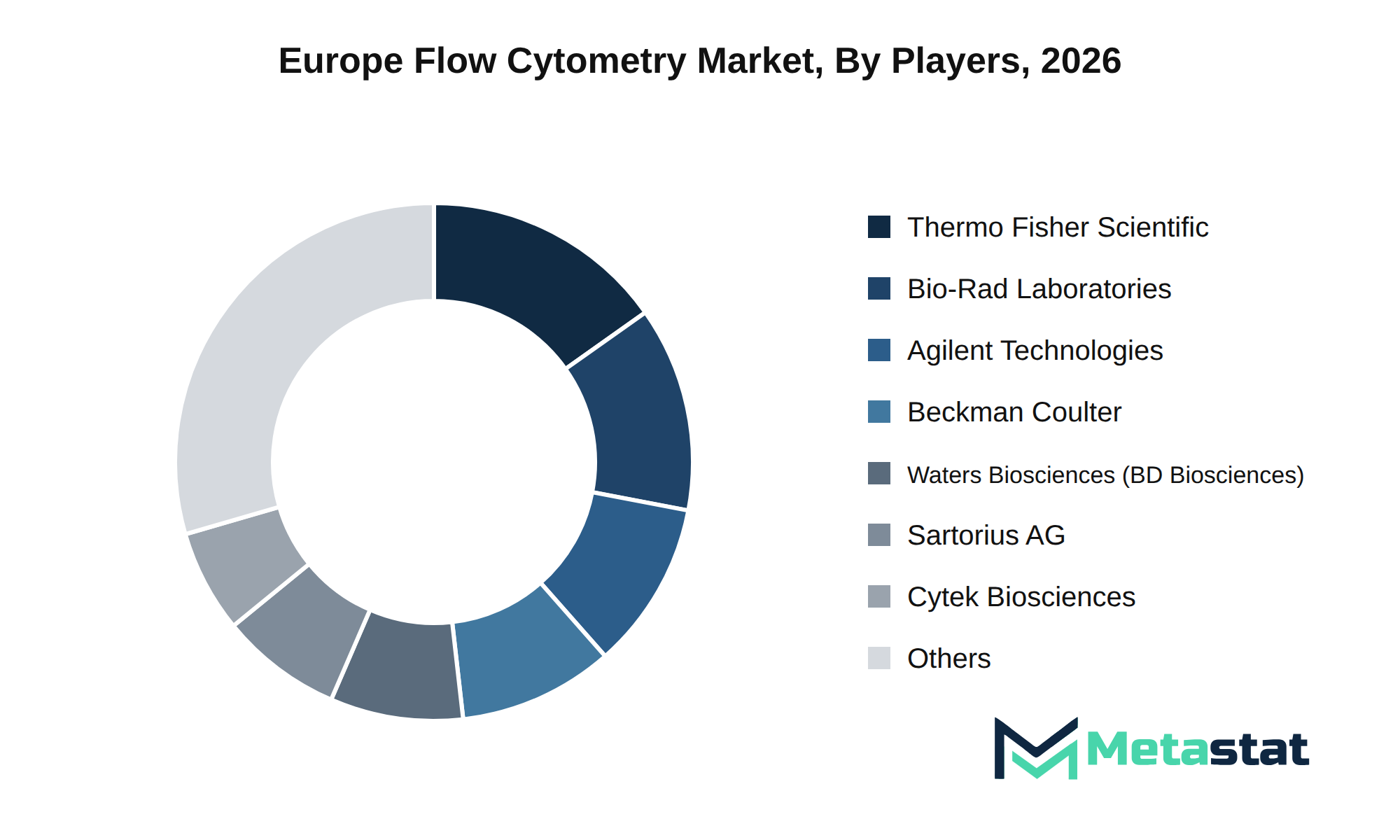
The Europe Flow Cytometry market features a competitive environment shaped by strategic consolidation and partnerships among key players. Companies including Waters Biosciences (BD Biosciences), Thermo Fisher Scientific Inc., and Bio-Rad Laboratories, Inc. focus on product differentiation through advanced technologies and robust R&D pipelines. These players leverage proprietary technologies to create a competitive edge, ensuring their offerings stand out in the market.
Strategic alliances and joint ventures enhance market reach and innovation capabilities. Agilent Technologies, Inc. and Sartorius AG actively pursue collaborations to expand their influence and service offerings. Firms like Cytek Biosciences and Beckman Coulter, Inc. emphasize customer retention strategies by building strong brand equity. This focus on brand loyalty creates a stable customer base that secures continued revenue.
The presence of strong intellectual property (IP) portfolios among established players creates barriers to entry for new entrants. Emerging companies, including Bennubio Inc. and Enzo Biochem Inc., face challenges in competing against established brands with extensive resources and market knowledge. Innovation and the strategic positioning of companies increasingly influence the competitive landscape, driving future growth in the Europe Flow Cytometry market.
Market size is forecast to rise from USD 1,400.7 million in 2025 to over USD 2,254.7 million by 2033. The base case reflects a compound annual growth rate (CAGR) of 6.2% during this period. This growth trajectory arises from advancements in technology, increasing integration of next-generation solutions, and expanding demand across various end-user segments, including academic and research institutes, pharmaceutical and biotechnology companies, and clinical testing laboratories.
In a bullish scenario, heightened focus on research and development, coupled with favorable regulatory changes, accelerates adoption rates. This leads to faster than anticipated growth, allowing for a significant uptick in market size beyond the base case forecast. Conversely, in a bearish scenario, potential economic downturns, tightening regulations, or geopolitical tensions restrain growth, leading to lower market performance than predicted.
Overall, the Europe Flow Cytometry market is poised for substantial growth, driven by evolving consumption patterns, strategic investments in infrastructure, and sustained innovation in product offerings. Stakeholders in the market prioritize addressing emerging needs and capitalizing on high-growth opportunities to optimize their positions within this expanding market.
The report strategically identifies and profiles the key market players and analyses their core competencies in each sub-segment of the Flow Cytometry market.
Report Attributes | Details |
Study Period | 2021-2033 |
Base Year | 2025 |
Estimated Year | 2026 |
Forecast Period | 2026-2033 |
Historical Period | 2021-2025 |
Growth Rate | CAGR 6.2% from 2026 to 2033 |
Revenue Unit | USD million |
Segmentation | By Product, Technology, End User, Region, and Region |
Find answers to common questions about this report
The Flow Cytometry market size in Europe was valued at USD 1,400.7 million in 2025.
The Flow Cytometry market is projected to grow at a CAGR of 6.2% during the forecast period from 2026 to 2033.
The Instruments segment leads the Europe Flow Cytometry market, with a projected value of USD 896.2 million by 2033. This segment surpasses others in terms of revenue generation.
The Europe Flow Cytometry market experiences growth driven by heightened investments in research and development, particularly in personalized medicine and advanced cellular therapies. Increased funding for automation and artificial intelligence enhances operational productivity, while collaboration between public and private sectors promotes innovation in analytical techniques. These factors collectively support rising demand for flow cytometry products across various industries.
Significant capital investment requirements present a challenge for the Europe Flow Cytometry market. High costs associated with advanced instruments limit accessibility for smaller laboratories and research facilities, while escalating operating costs deter potential buyers. geopolitical fragmentation and rising trade tensions create uncertainties in supply chains, further impacting market growth.
Heightened investments in research and development across various sectors, particularly in academic and pharmaceutical institutions, favor product adoption in the Europe Flow Cytometry market. The integration of advanced technologies, including automation and artificial intelligence, enhances operational efficiency and meets evolving consumer demands, driving demand for flow cytometry products.
The Flow Cytometry market is estimated to reach a valuation of USD 2,254.7 million by 2033.
Key players in the Europe Flow Cytometry market include BD Biosciences, Agilent Technologies, Thermo Fisher Scientific, Bio-Rad Laboratories, Sartorius AG, and Beckman Coulter.
Germany leads the Europe Flow Cytometry market, demonstrating significant investments in healthcare infrastructure and research capabilities.
The projected market size for Reagents and Consumables in the Europe Flow Cytometry market is USD 766.6 million by 2033.
The analysts below cover Medical Devices research at Metastat Insights.
LEAD ANALYST
Utkarsh Khirodkar is a Lead Market Research Analyst at MetaStat Insight, specializing in market intelligence, technology sector assessments, and competitive strategy.

LEAD PRINCIPAL ANALYST, PHARMA AND HEALTHCARE
Food and Beverages · Healthcare · Healthcare IT · Medical Devices
Ajay Devgire is the Lead Healthcare Analyst at MetaStat Insight, leading strategic research and market intelligence initiatives across the global healthcare domain.

SENIOR RESEARCH ANALYST
Biotechnology · Food and Beverages · Medical Devices · Packaging
Snehal Pasalkar is a Research Analyst at MetaStat Insight, operating at the intersection of life sciences research, competitive strategy, and market intelligence.
Most industry reports on warehouse automation bundle autonomous mobile robots and fixed conveyor installations into the same top-level numbers, which complicates advisory work. This study split the market cleanly by payload tiers, navigation technology, and fleet management software layers. The regional forecast for Western Europe gave our team defensible adoption benchmarks when evaluating capital allocation for logistics clients, saving us days of secondary data scrubbing.
Analyzing the transition from natural gas to green hydrogen in iron ore reduction requires realistic infrastructure timelines. Meta stat insight supplied a detailed regional assessment of DRI plant conversion costs and scrap metal availability in North America and Western Europe. Their report carefully examined pellet quality specs and electrical grid access constraints without making oversimplified market assumptions. The research material served as a practical reference during internal technology roadmap discussions.
Integrating zero-trust access controls across legacy electronic health record systems involves complex compliance overhead. Team produced an analysis that clearly separated identity governance and administration tools from privileged access management platforms. Their evaluation of HIPAA and GDPR compliance features across cloud native solutions gave our architecture group clear baseline criteria. The custom data request regarding biometric authentication adoption in hospital networks was returned promptly with clear documentation.
Explore related market intelligence reports worth reading alongside this one.