
LEAD ANALYST
Utkarsh Khirodkar is a Lead Market Research Analyst at MetaStat Insight, specializing in market intelligence, technology sector assessments, and competitive strategy.

Global Cosmetic Testing Services Market Size, Share, By Service Type (Microbiological Quality Testing, Preservative Efficacy Testing, Chemical and Ingredient Analysis, Safety and Toxicological Testing, Efficacy and Claims Substantiation, Stability Testing and Packaging Compatibility Testing), By Product Category (Skin Care, Hair Care, Color Cosmetics, Sun Care, Bath and Body Cleansing, Fragrances and Others), By Test Material (Ingredients and Raw Materials, Finished Products and Formulations and Packaging Materials), By Customer Type (Brand Owners and Integrated Manufacturers, Contract and Private-Label Manufacturers and Ingredient Suppliers), Industry Analysis, Growth, Trends, and Forecast, 2026-2033
Report ID
MSI-2474
Published
October, 2026
Pages
278 Pages
Format
Historical
Base year
Forecast
Forecast period
Report Details
Market Valuation: Valued at $1,664.1 Million in 2025, projected to reach $2,646.5 Million by 2033 at a 5.9% CAGR.
Dominant Segment: The skin care segment leads the market, driven by increasing consumer demand for effective and safe products, with a projected value of USD 938.4 million by 2033.
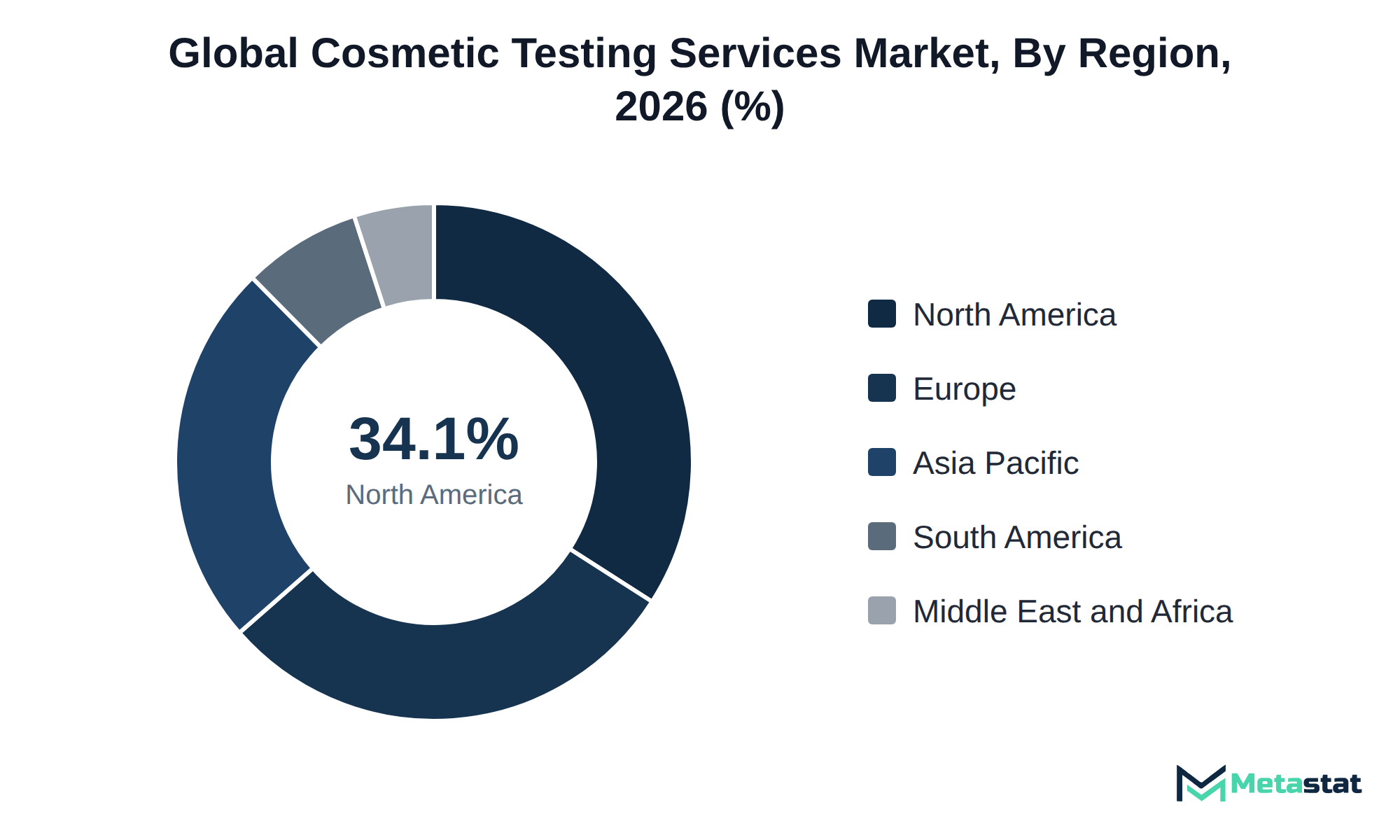
Geographic Lead: North America is the leading region, holding 34.1% of the market in 2025, supported by a robust regulatory framework and significant investments in research and development.
What's Inside: The report provides comprehensive coverage of service types, product categories, and customer segments, along with detailed analyses and forecasts through 2033.
Growth Drivers: Key factors propelling market growth include rising consumer awareness regarding product safety, stringent regulatory requirements, and a shift towards natural and organic ingredients.
Choose Your License
Global Cosmetic Testing Services Market
The global Cosmetic Testing Services market was valued at USD 1,664.1 million in 2025 and is projected to reach USD 2,646.5 million by 2033, growing at a CAGR of 5.9% over the forecast period.
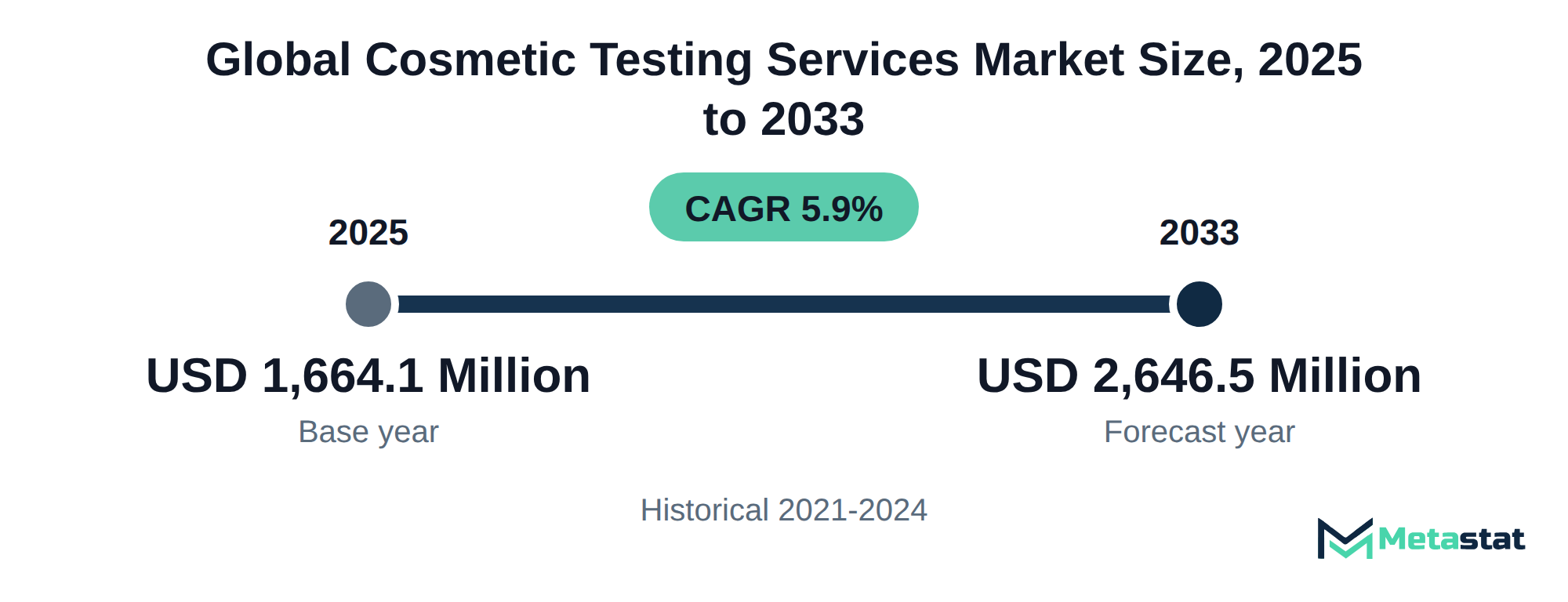
The Cosmetic Testing Services market encompasses a range of services that ensure the safety and efficacy of cosmetic products. Buyers invest in these services to comply with regulatory standards, enhance product quality, and build consumer trust. The need for rigorous testing has intensified due to increasing consumer awareness regarding product safety and ingredient transparency. This market supports manufacturers across various sectors, including skin care, hair care, and color cosmetics.
Cosmetic Testing Services market growth is propelled by rising demand for innovative and high-quality cosmetic products. Skin care represents the segment with the most significant value, reflecting a shift in consumer preferences toward effective and safe formulations. North America holds 34.1% of the market in 2025, with the US leading in 2026. This region's strong infrastructure and regulatory framework support the expansion of testing services, making it a primary hub for cosmetic product development.
Increasing investments in research and development further drive market growth, enabling companies to introduce advanced testing methods and technologies. The Asia Pacific region, with a share of 24.1%, shows substantial potential due to the growing middle-class population and rising disposable incomes. This demographic shift supports a surge in demand for cosmetic products, contributing to the overall expansion of the market.
Various services within the Cosmetic Testing Services market cater to the strict requirements for product safety, efficacy, and compliance with regulations. Buyers, including brand owners, manufacturers, and ingredient suppliers, invest significantly in these services to ensure consumer trust and regulatory adherence. Increasing awareness regarding product safety and growing demand for high-quality cosmetic products drive this expenditure.
Growth in the market is largely fueled by rising demand for skin care products, which represent the segment with the highest value. The emphasis on compliance with stringent regulations in North America enhances the necessity for comprehensive testing services.
The market is expanding as sustainability and environmentally friendly products draw increasing focus. Customers seek assurances that their cosmetic products are safe and effective, prompting manufacturers to invest in testing services. This trend signifies a shift towards higher quality and safety standards across the industry.
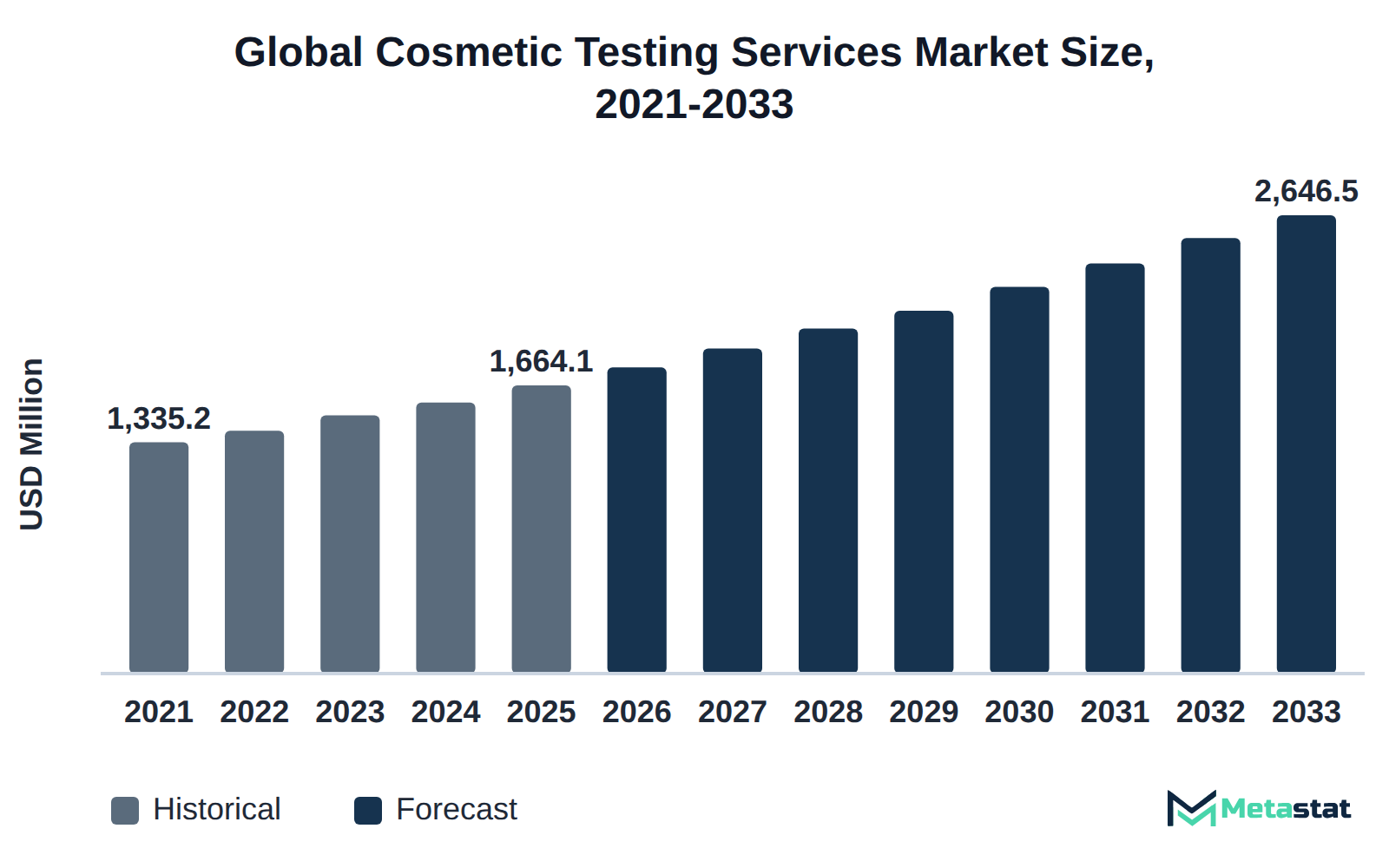
The implementation of the Modernization of Cosmetics Regulation Act (MoCRA) enhances safety substantiation requirements for cosmetic products, significantly affecting the economics of multi-market launches. Brands navigate compliance with these stringent regulations, increasing the demand for comprehensive safety testing. The Cosmetic Testing Services market experiences heightened activity in the area of Safety and Toxicological Testing, which is projected to contribute to overall market growth.
With a compound annual growth rate (CAGR) of 5.6%, this segment addresses the need for rigorous evaluation of product safety, ensuring that cosmetic formulations meet the regulatory standards across various regions. The economic implications for brands involve increased investment in testing services to ensure compliance. Companies incur higher upfront costs, but successful navigation of these regulations leads to enhanced brand reputation and greater market access.
The focus on safety substantiation aligns with consumer demand for transparency and efficacy in cosmetic products. Brands prioritizing rigorous testing not only comply with regulations but position themselves favorably in the competitive environment, ultimately driving growth within the Cosmetic Testing Services market.
Reconstructed human skin models serve to enhance non-animal cosmetic safety testing, representing a significant shift in the Cosmetic Testing Services market. Companies focus on ethical practices, driving demand for alternative testing methods. This shift aligns with rising regulatory pressure to minimize animal testing, compelling buyers to explore more humane testing options.
The market for microbiological quality testing, which includes the application of reconstructed human skin models, is projected to grow from USD 384.8 million in 2026 to USD 534.8 million by 2033, reflecting a compound annual growth rate of 4.8%. This growth indicates heightened investment in advanced testing methodologies among buyers, particularly brand owners and integrated manufacturers.
Contract models in the market typically involve fixed-rate agreements or performance-based pricing, incentivizing efficiency and accountability while ensuring compliance with safety regulations. Given that reconstructed skin models provide reliable results, buyers allocate a portion of their budgets towards these innovative solutions. This investment in advanced testing technologies not only meets regulatory demands but enhances product credibility, building consumer trust and driving long-term growth within the market.
Instrumental skin measurements validate anti-aging and sun-protection claims in the Cosmetic Testing Services market. These measurements provide quantitative data on skin characteristics, allowing brands to substantiate their marketing assertions regarding product efficacy. The demand for such scientific validation aligns with a growing consumer preference for transparency and evidence-based claims in beauty products.
In the market, skin care products generate significant revenue, with a projected value of USD 938.4 million by 2033. This segment's growth reflects consumers' increasing awareness of skin health and the importance of effective formulations. Brands that invest in instrumental measurements gain a competitive edge, positioning themselves as leaders in quality and reliability.
Regulatory bodies increasingly require substantiation of claims for anti-aging products, adding pressure on manufacturers to adopt rigorous testing methods. Implementing instrumental skin assessments enhances compliance and drives consumer trust. Brands that prioritize these testing services expect improved market penetration and higher customer loyalty, contributing to increased revenue.
Cosmetic testing services substantiate the safety and performance claims made by cosmetic products. Specific tests, including microbiological quality testing, ensure that products meet health standards by identifying harmful microorganisms. Such testing reflects the increasing importance of safety in consumer products.
In addition to microbiological tests, preservative efficacy testing is essential for confirming that cosmetic products effectively prevent microbial growth. This testing category is projected to reach USD 361 million by 2033. Such testing reassures consumers about product safety and strengthens brand trust, which supports competitive differentiation in the cosmetic sector.
Ultimately, rigorous testing meets regulatory requirements and addresses consumer demand for safe and effective products. Investment in these testing services strengthens product credibility and supports growth across the cosmetic sector.
Brand owners and integrated manufacturers increasingly invest in cosmetic testing services due to heightened consumer awareness regarding product safety and efficacy. This shift reflects a growing preference for scientifically validated claims in cosmetic products, driving manufacturers to seek testing services that ensure compliance with safety regulations. The expansion of the clean beauty trend, emphasizing natural and non-toxic ingredients, further influences demand, compelling brands to substantiate their claims rigorously. The market is projected to reach USD 2,646.5 million by 2033, indicating significant growth driven by these changing consumer preferences. This environment creates opportunities for testing service providers to enhance their offerings and expand their client bases.
Increasingly stringent regulatory requirements significantly affect the Cosmetic Testing Services market. These changes promote a heightened focus on safety and efficacy, compelling manufacturers to adopt comprehensive testing methodologies. Regulatory bodies emphasize the importance of substantiating claims, which drives demand for specialized testing services. This environment encourages investment in advanced testing technologies that deliver accurate and reliable results. Brand owners, seeking to ensure compliance and maintain market access, prioritize collaborations with testing service providers that meet these evolving standards.
The pressure to demonstrate safety and efficacy extends across various product categories, influencing testing volumes and methodologies. For instance, the rising complexity of formulations necessitates more thorough chemical and ingredient analysis. Consequently, service providers specialize in developing tailored testing solutions that align with regulatory changes. Providers that adapt continuously to regulatory changes protect their credibility and support growth in the Cosmetic Testing Services market.
High testing costs pose a significant restraint on the growth of the market, particularly for smaller brand owners and integrated manufacturers. These entities face challenges in allocating sufficient budgets for comprehensive testing services, leading to smaller orders and delayed product launches. The financial burden associated with extensive testing protocols often results in several companies prioritizing more cost-effective solutions or postponing testing altogether. This situation hampers the ability of smaller firms to meet regulatory requirements and consumer expectations regarding product safety and efficacy, ultimately limiting their competitiveness in the cosmetic landscape. Rising costs associated with advanced testing technology and methodologies impact the overall demand for cosmetic testing services. Consequently, many companies become hesitant to invest in necessary testing, further constraining market expansion and the adoption of safety measures across the industry.
Rising operational costs present a significant challenge for suppliers in the market. Increasing expenses related to compliance with evolving safety regulations directly impact profitability. For many suppliers, sustaining margins becomes difficult amid rising costs associated with talent acquisition and retention, particularly for skilled personnel in testing and analysis roles. Suppliers respond to these pressures by investing in technology and automation to streamline services and reduce labor costs. Several suppliers focus on enhancing efficiency in testing processes, which improves turnaround times and lowers operational costs. Strategic partnerships among suppliers aim to share resources and expertise, further strengthening their competitive positioning in the market. This collaborative approach enables suppliers to manage expenses while still meeting the high demands of the Cosmetic Testing Services market. Suppliers therefore need continuous innovation to maintain profitability and long-term viability.
The skin care segment within the Cosmetic Testing Services market demonstrates significant growth potential, anticipated to expand from USD 610.2 million in 2026 to USD 938.4 million by 2033, reflecting a compound annual growth rate of 6.3%. This increase is driven by rising consumer demand for effective and safe skin care products. Brand owners and integrated manufacturers prioritize testing services to ensure compliance with stringent safety standards and substantiate product claims. Enhanced consumer awareness regarding the quality and safety of cosmetic products drives investments in testing services, particularly within this segment. The growing trend of natural and organic skincare products further increases the requirement for comprehensive testing solutions. Suppliers focusing on innovative testing methodologies are expected to benefit from this heightened demand. The market's trajectory points to significant growth opportunities for stakeholders in skin care testing services as consumer expectations evolve.
The Global Cosmetic Testing Services market is segmented based on Service Type, Product Category, Test Material, and Customer Type.
This segment focuses on assessing the microbial quality of cosmetic products, ensuring safety and compliance for brand owners and integrated manufacturers. Regulatory requirements drive the demand for microbiological testing, with consumers increasingly prioritizing product safety. Compared to other service types, including Preservative Efficacy Testing, this segment experiences slower growth, reflecting the maturity of established testing protocols. The segment's consistent demand from manufacturers seeking to meet strict safety standards contributes to its steady performance within the market.
Preservative Efficacy Testing segment is estimated to reach USD 361 million by 2033, at a CAGR of 5.3% during the forecast period. This testing is essential for evaluating the effectiveness of preservatives in cosmetic formulations, ensuring product stability and safety for consumers. Brand owners and integrated manufacturers frequently employ these tests to comply with regulatory standards and enhance product appeal. A significant growth driver stems from increasing consumer awareness regarding product safety, compelling manufacturers to substantiate their claims. In comparison to other service types, this segment exhibits slower growth than Microbiological Quality Testing, which has a CAGR of 4.8%. The distinct focus on regulatory compliance differentiates this segment from others, highlighting its critical role in maintaining product integrity. Consumer preferences and regulatory requirements continue to shape demand for this testing.
Chemical and Ingredient Analysis segment is expected to reach USD 445.1 million by 2033. This segment focuses on evaluating and validating the safety and efficacy of the chemical components used in cosmetic formulations. Ingredient testing of this kind forms part of the wider chemical and materials analytical service industry. Brand owners, ingredient suppliers, and regulatory bodies engage these services to ensure compliance with safety standards and consumer expectations. Increasing demand for transparency in ingredient sourcing and formulation safety drives growth in this segment, with a CAGR of 5.6% anticipated through 2033. Compared to other service types, this segment experiences significant growth due to rising consumer awareness regarding product ingredients and their effects on health. The emphasis on natural and organic formulations further increases demand for comprehensive chemical analysis, distinguishing this segment through its specialized focus on ingredient safety and regulatory compliance.
Safety and Toxicological Testing is projected to grow at a CAGR of 5.6% during the forecast period. This segment focuses on assessing the safety of cosmetic products, ensuring they do not pose any harmful effects to consumers. Brand owners and integrated manufacturers engage these services to comply with regulatory requirements and safeguard public health. Increasing scrutiny from regulatory bodies regarding product safety acts as a driving force for this segment. Consumer demand for transparency in ingredient safety further supports its growth. Compared to other segments, including Microbiological Quality Testing, this segment features a moderate growth rate. In 2026, the market value for Safety and Toxicological Testing will reflect significant importance in the overall landscape, ensuring that safety protocols are rigorously maintained.
Efficacy and Claims Substantiation focuses on verifying the performance claims made by cosmetic products, ensuring that these claims align with consumer expectations and regulatory standards. Brand owners and integrated manufacturers engage this segment to build consumer trust and comply with safety regulations. Key demand drivers include rising consumer awareness regarding product effectiveness and the growing importance of transparency in marketing. This segment's growth aligns with the increasing need for substantiation in marketing claims, which differs from other service types that emphasize safety or quality alone. Compared to segments like Microbiological Quality Testing or Preservative Efficacy Testing, Efficacy and Claims Substantiation represents a distinct emphasis on consumer perception and marketing alignment, positioning it uniquely within the broader Cosmetic Testing Services market.
Stability Testing evaluates the performance of cosmetic products over time under various environmental conditions. This service is crucial for manufacturers aiming to ensure that their products remain effective and safe throughout their shelf life. Brand owners and integrated manufacturers engage in Stability Testing to provide evidence of product durability, thereby building consumer trust. Factors including increasing consumer demand for high-quality and long-lasting products drive this segment forward. Compared to other service types, Stability Testing typically involves a lower frequency of testing but requires thorough analysis, resulting in higher costs. This segment distinguishes itself through its essential role in compliance with regulatory requirements, emphasizing the importance of delivering stable and reliable products to the market.
Packaging Compatibility Testing evaluates how cosmetic products interact with their packaging materials. This assessment is crucial for ensuring product integrity, shelf life, and consumer safety. Brand owners, integrated manufacturers, and contract manufacturers engage this service to validate packaging choices that align with product formulation and marketing claims. Demand for efficient personal care packaging drives this segment, with brands seeking to enhance product appeal and functionality. Compared to other service types, Packaging Compatibility Testing experiences slower growth due to its niche focus, while segments like Safety and Toxicological Testing gain traction from regulatory demands. Testing methodologies are tailored to specific packaging materials, which supports evaluation across diverse product lines.
This segment serves to ensure the safety and efficacy of various skin care products, primarily by brand owners and integrated manufacturers seeking to meet consumer expectations and comply with regulatory standards. Demand for skin care testing is driven by increasing consumer awareness around product safety, compelling manufacturers to validate claims regarding their formulations. Compared to other segments in the market, the Skin Care segment exhibits a faster growth trajectory, with a higher CAGR of 6.3%, reflecting a growing trend toward premium and specialized skin care products that necessitate rigorous testing protocols. This differentiation highlights the segment's crucial role in maintaining quality and safety in an evolving consumer landscape.
Hair Care segment is estimated to reach USD 464.2 million by 2033, at a CAGR of 5.5% during the forecast period. This segment primarily focuses on the safety and efficacy testing of hair care products, including shampoos, conditioners, and styling products. Brand owners and integrated manufacturers engage in this testing to ensure products meet safety regulations and perform as claimed. Increasing consumer demand for high-quality hair care products, driven by trends in personal grooming and hair health, supports growth in this segment. Compared to other segments, the Hair Care segment demonstrates a slower growth rate than Skin Care, which is projected to expand at a CAGR of 6.3%. This variance highlights differing consumer trends and investment levels across product categories, influencing the overall dynamics within the Cosmetic Testing Services market.
Color Cosmetics segment is expected to reach USD 404.4 million by 2033. This segment encompasses a variety of color cosmetics, including products designed to enhance the appearance of the face, eyes, and lips, serving brand owners and manufacturers who focus on beauty and aesthetics. Growth is driven by consumer trends favoring innovative and diverse color products, influencing purchasing patterns among younger demographics. The rising demand for cruelty-free and sustainable cosmetic options increases investment in testing services that ensure compliance with ethical standards. Unlike other segments, Color Cosmetics exhibits comparatively higher growth potential, reflecting a CAGR that outpaces segments like Hair Care, which anticipates a CAGR of 5.5%. This unique positioning emphasizes its importance in the overall Cosmetic Testing Services market, catering to evolving consumer preferences for quality and variety.
Sun Care segment is projected to grow at a CAGR of 7.6% during the forecast period. This segment focuses on testing products designed to protect the skin from harmful UV radiation, serving consumers who prioritize sun safety in their skincare routines. The increasing incidence of skin cancer and heightened awareness of the benefits of sun protection products drive demand among brand owners and integrated manufacturers. Compared to other segments, Sun Care shows a faster growth rate, reflecting a growing consumer inclination toward safe and effective sun protection products. This sub-segment differentiates itself with specialized testing requirements that ensure products meet regulatory standards for efficacy and safety. The market demonstrates significant potential for expansion, particularly with product innovation evolving and consumer preferences shifting toward greater emphasis on sun care solutions.
Bath and Body Cleansing encompasses a variety of products intended for personal hygiene and cleansing, including body washes and soaps. Brand owners and integrated manufacturers apply these testing services to ensure compliance with safety and efficacy standards, thereby meeting consumer expectations. Increasing consumer awareness regarding ingredient safety significantly influences this segment's growth. This segment experiences different dynamics compared to others, including Skin Care and Hair Care, which exhibit higher growth rates. While Bath and Body Cleansing faces challenges related to ingredient transparency and consumer preference shifts toward natural products, it benefits from a broad consumer base. Demand for these services remains steady as the market evolves, reflecting growing priorities on product performance and safety. The Cosmetic Testing Services market adapts to these changing consumer preferences, emphasizing the importance of robust testing protocols.
Fragrances encompass a range of scented products used in cosmetics and personal care items. This segment caters primarily to brand owners, integrated manufacturers, and consumers seeking appealing scents. Demand for fragrances is driven by consumer preferences for unique and high-quality scents, which influence formulation and branding strategies. The segment faces competition from other product categories that emphasize efficacy and benefits, impacting pricing strategies. Differentiating from other segments, fragrances require a unique set of testing protocols to ensure stability and safety. The demand in the market reflects a growing interest in personalized and premium fragrance offerings, supporting innovation and diversification among suppliers.
This segment focuses on various cosmetic products, including oral care, deodorants, and nail care. These categories require rigorous testing to ensure safety, efficacy, and compliance with regulations. Brand owners and manufacturers engage these services to validate product claims and ensure consumer safety. The primary demand driver in this segment includes increasing consumer awareness regarding product safety and efficacy. While the skin care and hair care segments generally show higher growth rates, this segment offers unique opportunities due to the rising popularity of specialized cosmetic products. Testing protocols in this category differ from other segments, emphasizing formulations and consumer safety standards specific to oral care and personal hygiene products. Demand in this area aligns with broader trends within the Cosmetic Testing Services market, where compliance and safety play vital roles in driving market dynamics.
Ingredients and Raw Materials segment is valued at USD 361.8 million in 2026 and is projected to reach USD 568.5 million by 2033, at a CAGR of 6.7% during the forecast period. This segment involves testing the quality and safety of various raw materials used in cosmetic formulations, appealing to brand owners and integrated manufacturers who prioritize product integrity and consumer safety. Demand for high-quality raw materials drives growth, influenced by increasing consumer awareness regarding the safety of cosmetic products. Compared to other segments, this segment exhibits stronger growth potential, driven by a focus on ingredient transparency and regulatory compliance. The market for finished products experiences slightly slower growth, with consumers increasingly scrutinizing ingredient sources, driving brand owners to invest in rigorous testing of raw materials.
Finished Products and Formulations segment is estimated to reach USD 1,999.7 million by 2033, at a CAGR of 5.7% during the forecast period. This segment encompasses the testing of completed cosmetic products and formulations, ensuring their safety, efficacy, and regulatory compliance. Brand owners and integrated manufacturers primarily engage these services to validate their product claims and maintain consumer trust. Demand for these testing services stems from increasing regulatory scrutiny and rising consumer awareness regarding product safety. Compared to other segments, this segment exhibits a higher growth rate, driven by the expanding market for finished cosmetic products. The emphasis on quality and safety standards significantly influences testing requirements. Effective testing protocols support brand reputation and market competitiveness, enabling companies to meet consumer expectations.
Packaging Materials segment is expected to reach USD 78.3 million by 2033. This segment involves testing various materials used for packaging cosmetic products, ensuring compliance with regulatory standards and consumer safety. Brand owners and manufacturers engage these services to confirm that their packaging materials do not adversely affect the product quality or safety. Increasing consumer awareness regarding product safety drives demand for thorough testing of packaging materials. This segment demonstrates slower growth compared to others due to its more specialized nature, with a lower price point relative to testing services for finished products and formulations. The market for Cosmetic Testing Services reflects a broader trend toward heightened scrutiny of product safety and compliance, making testing services for packaging materials essential for manufacturers focused on quality assurance.
Brand Owners and Integrated Manufacturers segment is valued at USD 954.8 million in 2026 and is projected to reach USD 1,398.4 million by 2033, at a CAGR of 5.6% during the forecast period. This segment primarily serves companies that develop and market cosmetic products, focusing on ensuring product safety and compliance with regulations. A significant demand driver includes increasing regulatory scrutiny regarding product safety, which compels these companies to invest in comprehensive testing services. Compared to other customer types, this segment experiences a higher growth rate, reflecting the expanding market for safe cosmetic products. The anticipated growth aligns with a broader trend toward enhanced consumer awareness and demand for transparency in cosmetic ingredients, making rigorous testing more essential than ever in the market.
Contract and Private-Label Manufacturers segment is estimated to reach USD 732.8 million by 2033, at a CAGR of 6.5% during the forecast period. These manufacturers focus on producing cosmetic products that are branded by other companies, enabling brands to offer a diverse range of products without the need for in-house production capabilities. This model is closely tied to the cosmetics OEM and ODM services industry. The rising demand for personalized and unique cosmetic offerings drives this segment, with brands seeking to differentiate themselves in a competitive marketplace. Compared to other customer types, this segment exhibits higher growth potential due to increasing consumer preferences for niche and customized products. Contract and Private-Label Manufacturers face challenges related to maintaining quality standards and regulatory compliance, impacting their operational costs. Nevertheless, the segment's growth trajectory reflects a broader trend in the Cosmetic Testing Services market, where rapid innovation and consumer engagement shape market dynamics.
Ingredient Suppliers segment is expected to reach USD 420.3 million by 2033. This segment includes businesses providing raw materials and ingredients necessary for cosmetic formulations, catering primarily to manufacturers in the beauty and personal care industry. Ingredient Suppliers focus heavily on compliance with safety and efficacy standards, driven by increasing regulatory scrutiny and consumer demand for transparency in product ingredients. The segment exhibits a steady growth rate of 6.5%, reflecting a notable demand for natural and organic ingredients among consumers. Compared to other customer types, this segment has a higher price sensitivity due to fluctuating costs of raw materials, impacting overall profit margins. Collaboration between ingredient suppliers and manufacturers plays a critical role in product innovation, ensuring that new formulations meet market trends while adhering to regulatory requirements. These dynamics highlight the importance of ingredient suppliers within the Cosmetic Testing Services market.
Valued at USD 361.8 million in 2026, the Others (Retailers, Importers, Public Agencies) segment is projected to grow at a CAGR of 4.4% during the forecast period. This segment serves various stakeholders, including retailers and public agencies, who rely on testing services to ensure product compliance and safety. The growing emphasis on regulatory compliance drives demand for cosmetic testing, driven by businesses striving to meet stringent safety standards. Compared to other customer types, this segment experiences slower growth, influenced by the varying levels of regulatory scrutiny applied to retailers and public institutions. While brand owners and integrated manufacturers benefit from more rapid market dynamics, the Others segment relies on maintaining compliance and product quality to sustain its presence in the market. Increased regulations surrounding cosmetic products further support growth in this area, highlighting the essential role of testing services in ensuring public safety.
Based on geography, the Global Cosmetic Testing Services market is divided into North America, Europe, Asia-Pacific, South America, Middle East, and Africa.
Projected growth in the Cosmetic Testing Services market highlights North America as a significant contributor. Strong demand from brand owners and integrated manufacturers drives this expansion, supported by increasing regulatory requirements for safety and efficacy testing in cosmetics. The market share for North America stands at 34.1% in 2025, reflecting the region's robust infrastructure and commitment to quality standards. The value is expected to reach USD 864.6 million by the end of 2033. Countries including the United States, Canada, and Mexico demonstrate a focus on innovation, particularly in the skin care and hair care segments, enhancing the overall appeal of the market. This focus aligns with evolving consumer expectations and regulatory landscapes, ensuring continued relevance in the competitive environment.
Europe represents a significant portion of the Cosmetic Testing Services market, accounting for 29.5% of the global market share in 2025. Key countries driving demand include Germany, France, the UK, Italy, Spain, and Russia, where a robust beauty and personal care industry thrives. Strict regulations regarding product safety and efficacy significantly influence the testing requirements in this region. The European Union's REACH regulation mandates extensive testing for cosmetic products, ensuring compliance with safety standards. This regulatory framework creates a strong demand for various testing services, particularly in microbiological quality testing and preservative efficacy testing. Anticipated growth in this market reflects increasing consumer awareness and the emphasis on product safety across European markets.
Asia-Pacific holds a 24.1% share of the global Cosmetic Testing Services market in 2025. The rapid growth in demand stems from the expanding beauty and personal care sectors, with countries like China, India, and Japan at the forefront. Increased consumer awareness regarding product safety and efficacy drives manufacturers to invest in comprehensive testing services. Regulatory frameworks in these nations emphasize stringent safety standards, necessitating thorough testing to comply with local regulations. The region's diverse market features a rising number of brand owners and integrated manufacturers seeking reliable partners for quality assurance, which impacts the overall growth trajectory of the market. Australia and South Korea contribute to the market expansion, characterized by their innovative product formulations and rising consumer spending on cosmetics.
In South America, the Cosmetic Testing Services market is driven primarily by the skincare and hair care industries, with Brazil and Argentina leading in demand. Regulatory frameworks focused on consumer safety and product efficacy promote the use of testing services among local manufacturers. The region's unique cultural preferences further influence product development, emphasizing the need for tailored formulations. The market share in South America is projected at 7.4% for 2025. Growth in the market stems from increasing consumer awareness regarding product safety and growing demand for high-quality cosmetic products. This trend creates opportunities for local and international testing service providers to expand their presence and enhance their service offerings in the region.
Demand for the market in the Middle East and Africa is supported by increasing awareness of cosmetic safety and rising consumer spending on personal care products. Growth in this region is driven largely by brand owners and integrated manufacturers seeking compliance with international safety standards for cosmetic products. Regulatory frameworks in countries like Saudi Arabia and the UAE emphasize safety and efficacy testing, influencing purchasing decisions among local manufacturers. In South Africa, a growing middle class with disposable income contributes to rising demand for cosmetic testing services. The market share in this region is projected at 5.0% of the global total in 2025, indicating a growing focus on quality assurance and safety in cosmetics.
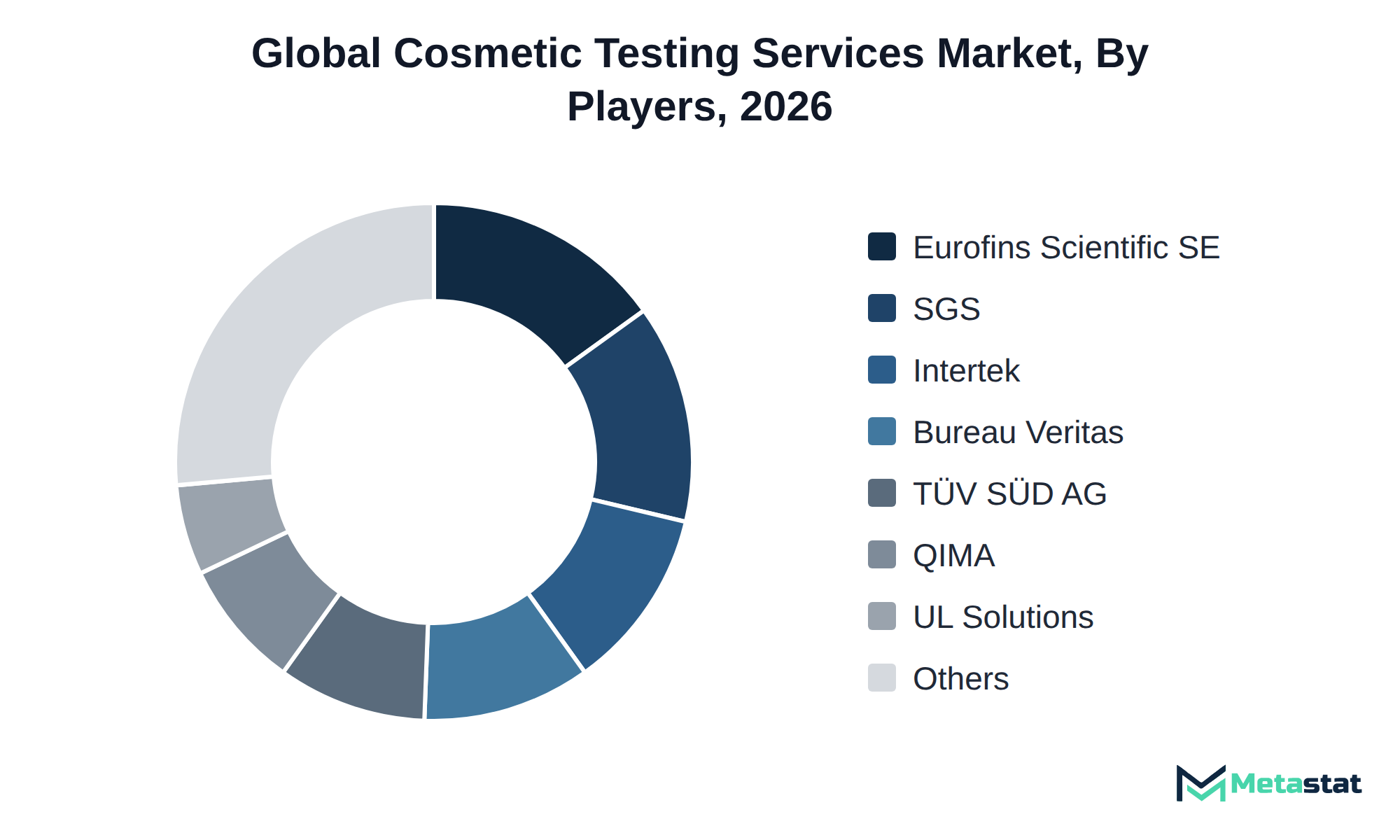
Companies in the Cosmetic Testing Services market compete across several strategic fronts, including service type, pricing, and customer customization. Major service types include microbiological quality testing, preservative efficacy testing, and safety and toxicological testing. Buyers select providers based on certification quality, pricing structures, and the extent of customization available in testing services, which vary significantly among providers.
Eurofins Scientific SE emphasizes a broad range of testing services and uses its extensive laboratory network to improve operational efficiency. SGS SA focuses on compliance and regulatory testing, ensuring that products meet industry standards. QIMA Limited targets brand owners and integrated manufacturers, offering customized testing solutions tailored to specific product categories, enhancing their competitive position.
Growth in the Cosmetic Testing Services market depends on several key developments. First, increasing demand for microbiological quality testing is expected to drive revenue, particularly in North America, where regulations surrounding product safety are stringent. Second, the rise in skin care product testing reflects consumer awareness of product safety and efficacy, with revenues anticipated to expand from USD 610.2 million in 2026 to USD 938.4 million by 2033, achieving a CAGR of 6.3%. Conversely, risks that could hinder growth include regulatory changes affecting testing protocols, which could slow down service demand, particularly in the Asia Pacific region. Overall, although the growth trajectory looks strong, fluctuations in regulatory frameworks present challenges that could affect market performance.
By Service Type: Microbiological Quality Testing, Preservative Efficacy Testing, Chemical and Ingredient Analysis, Safety and Toxicological Testing, Efficacy and Claims Substantiation, Stability Testing, Packaging Compatibility Testing
By Product Category: Skin Care, Hair Care, Color Cosmetics, Sun Care, Bath and Body Cleansing, Fragrances, Others (Oral Care, Deodorants, Nail Care)
By Test Material: Ingredients and Raw Materials, Finished Products and Formulations, Packaging Materials
By Customer Type: Brand Owners and Integrated Manufacturers, Contract and Private-Label Manufacturers, Ingredient Suppliers, Others (Retailers, Importers, Public Agencies)
The report strategically identifies and profiles the key market players and analyses their core competencies in each sub-segment of the Cosmetic Testing Services market.
|
Report Attributes |
Details |
|
Study Period |
2021-2033 |
|
Base Year |
2025 |
|
Estimated Year |
2026 |
|
Forecast Period |
2026-2033 |
|
Historical Period |
2021-2025 |
|
Growth Rate |
CAGR 5.9% from 2026 to 2033 |
|
Revenue Unit |
USD million |
|
Segmentation |
By Service Type, Product Category, Test Material, Customer Type, and Region |
|
By Region |
North America (By Service Type, Product Category, Test Material, Customer Type, and Country)
|
|
Europe (By Service Type, Product Category, Test Material, Customer Type, and Country)
|
|
|
Asia Pacific (By Service Type, Product Category, Test Material, Customer Type, and Country)
|
|
|
South America (By Service Type, Product Category, Test Material, Customer Type, and Country)
|
|
|
Middle East and Africa (By Service Type, Product Category, Test Material, Customer Type, and Country)
|
Find answers to common questions about this report
The Cosmetic Testing Services market size was valued at USD 1,664.1 million in 2025.
The market is projected to grow at a CAGR of 5.9% during the forecast period from 2026 to 2033.
The North America Cosmetic Testing Services market size is estimated to reach USD 864.6 million by 2033.
Microbiological Quality Testing leads the Cosmetic Testing Services market, with a projected value of USD 534.8 million by 2033. This segment shows a compound annual growth rate of 4.8 percent during the forecast period.
Brand owners and integrated manufacturers increasingly invest in cosmetic testing services due to heightened consumer awareness regarding product safety and efficacy. The expansion of the clean beauty trend, emphasizing natural and non-toxic ingredients, further influences demand, compelling brands to substantiate their claims rigorously.
North America holds the dominant share of the Cosmetic Testing Services market, with a value of USD 864.6 million projected for 2033, representing 34.1 percent of the total market. This figure surpasses the shares of other regions, including Europe at 29.5 percent and Asia Pacific at 24.1 percent.
High testing costs significantly restrain growth, particularly for smaller brand owners and integrated manufacturers who struggle to allocate sufficient budgets for comprehensive testing services. Rising operational costs related to compliance with evolving safety regulations directly impact profitability for suppliers in the market.
Factors favoring adoption in the cosmetic testing services industry include heightened consumer awareness regarding product safety and efficacy, along with the expansion of the clean beauty trend that emphasizes natural and non-toxic ingredients. These elements compel brand owners and integrated manufacturers to invest in testing services to substantiate their claims.
The Cosmetic Testing Services market is estimated to reach a valuation of USD 2,646.5 million by 2033.
Key players operating in the Cosmetic Testing Services market include Eurofins Scientific SE, Intertek Group plc, SGS SA, Bureau Veritas SA, TÜV SÜD AG, QIMA Limited, UL Solutions Inc., and Tamilnadu Test House Private Limited.
The analysts below cover Healthcare research at Metastat Insights.
LEAD ANALYST
Utkarsh Khirodkar is a Lead Market Research Analyst at MetaStat Insight, specializing in market intelligence, technology sector assessments, and competitive strategy.

LEAD PRINCIPAL ANALYST, PHARMA AND HEALTHCARE
Food and Beverages · Healthcare · Healthcare IT · Medical Devices
Ajay Devgire is the Lead Healthcare Analyst at MetaStat Insight, leading strategic research and market intelligence initiatives across the global healthcare domain.
Scaling antibody-drug conjugate manufacturing hinges on contract manufacturing availability for high-potency active ingredients. The MetaStat Insight analysis looked closely at global cleanroom slot constraints, bioconjugation batch failure rates, and supply chain redundancies between the US, Europe, and India. The supplier capability matrix proved genuinely useful for our team when mapping secondary source options across our clinical pipeline.
Floating offshore wind feasibility relies heavily on specialized installation vessel availability and port crane limits, which most broad renewable energy forecasts ignore. The report delivered a thorough analysis of dry dock capacity, mooring chain supply constraints, and raw material pricing trends for deepwater anchor installations. It served as a solid independent sanity check for our offshore project capital expenditure assumptions.
Assessing commercial microgrid software adoption requires looking past top-level installation numbers and examining utility interconnection queues. The research provided verifiable data on average permitting timelines, tariff structures, and battery storage integration costs across regional utility territories. That grounded perspective was valuable for our team when building five-year demand projections for industrial microgrid controllers.
Explore related market intelligence reports worth reading alongside this one.