
LEAD ANALYST
Utkarsh Khirodkar is a Lead Market Research Analyst at MetaStat Insight, specializing in market intelligence, technology sector assessments, and competitive strategy.

Global Energy Drinks Market Size, Share, By Product Format (Standard-Serve Carbonated Ready-to-Drink Energy Drinks, Standard-Serve Non-Carbonated Ready-to-Drink Energy Drinks, Concentrated Liquid Energy Shots, Powdered Energy Drink Mixes and Others (Syrups and Dispenser Concentrates)), By Sugar Content (Full-Sugar Energy Drinks, Low-Sugar Energy Drinks and Sugar-Free and Zero-Sugar Energy Drinks), By Distribution Channel (Supermarkets and Hypermarkets, Convenience Stores and Forecourt Retail, Traditional Grocery and Independent Retail, Drugstores and Pharmacies, Specialty Nutrition and Fitness Retailers, E-commerce and Direct-to-Consumer, Foodservice and On-Trade, Vending Machines and Warehouse Clubs and Others (Institutional and Travel Retail)), Industry Analysis, Growth, Trends, and Forecast, 2026-2033
Report ID
MSI-4842
Published
August, 2026
Pages
249 Pages
Format
Historical
Base year
Forecast
Forecast period
Report Details
Choose Your License
Global Energy Drinks Market
The global Energy Drinks market was valued at USD 85.7 billion in 2025 and is projected to reach USD 159.9 billion by 2033, growing at a CAGR of 8.1% over the forecast period.
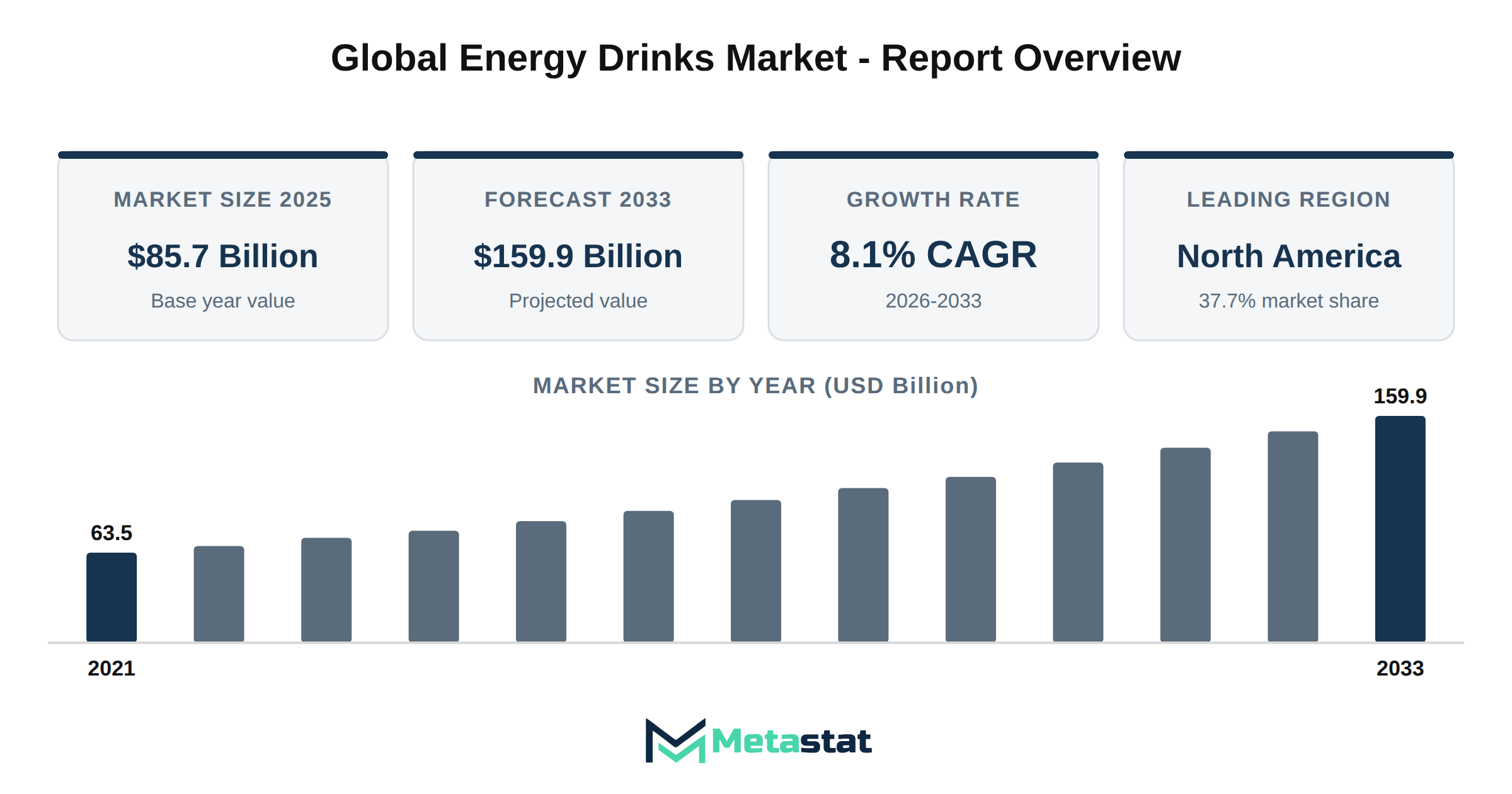
The Energy Drinks market is projected to grow from USD 85.7 billion in 2025 to USD 159.9 billion by 2033, reflecting a compound annual growth rate (CAGR) of 8.1%. The historical growth trajectory shows an increase from USD 63.5 billion in 2021, to USD 68.1 billion in 2022, and reaching USD 79 billion in 2024. This upward trend signifies a robust demand for energy drinks across various demographics and consumption patterns.
Several factors drive this expansion, including rising consumer awareness regarding health and wellness, coupled with a growing preference for functional beverages. The market benefits from continuous innovations in product formulations, including sugar-free and low-calorie options, catering to health-conscious consumers. Regulatory compliance regarding ingredient labeling and health claims significantly influences product development within the Energy Drinks market.
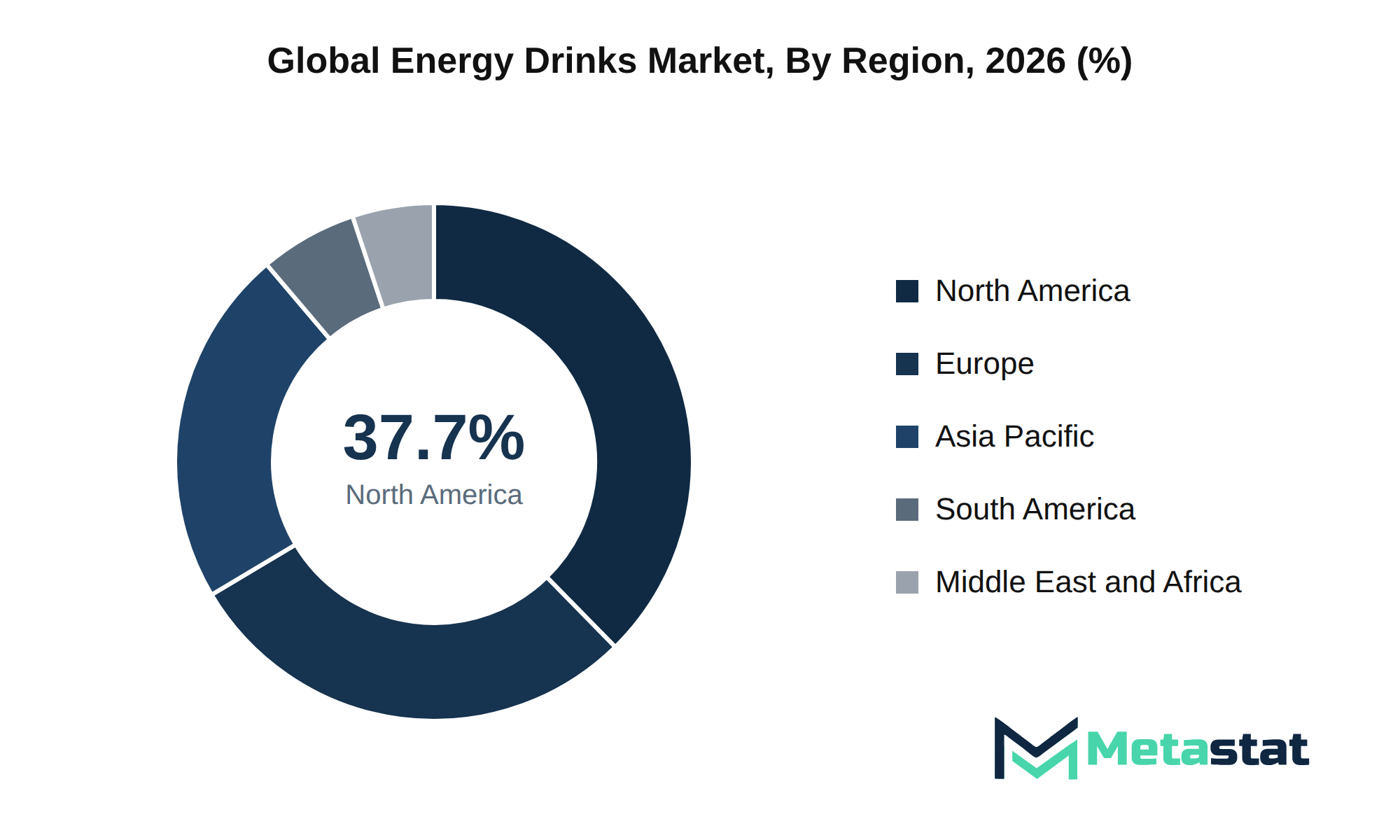
Regional dynamics reveal that North America holds the largest market share at 37.7%, followed by Europe at 28.8% and Asia Pacific at 22.4%. Established distribution channels in North America and Europe, including supermarkets, convenience stores, and e-commerce platforms, enhance market accessibility. The increasing penetration of energy drinks in emerging markets including South America and the Middle East and Africa presents additional growth opportunities.
Competition within the Energy Drinks market intensifies owing to established players including Red Bull GmbH, Monster Beverage Corporation, and PepsiCo, Inc. continuing to innovate and expand their product portfolios. The presence of newer entrants, including Celsius Holdings, Inc. and GURU Organic Energy Corp., further diversifies the market. These companies strategically invest in marketing and promotional activities to attract a broader consumer base and increase brand loyalty.
Regulatory compliance in the Energy Drinks market influences product formulation, labeling, and marketing strategies. Strict regulations set by various health authorities ensure consumer safety, impacting how companies develop and distribute their products. Geopolitical risks, including trade tensions and changes in import/export policies, disrupt supply chains and affect pricing strategies, leading to potential revenue fluctuations for market participants.
Investment in research and development drives innovation in the Energy Drinks market. Companies prioritize developing new flavors, functional ingredients, and healthier alternatives to capture evolving consumer preferences. This focus on innovation enhances product differentiation and strengthens competitive positioning within the market.
Sustainability initiatives play a significant role in shaping the Energy Drinks market. Companies actively pursue decarbonization strategies to minimize their environmental footprint, addressing consumer demand for eco-friendly products. Transitioning to sustainable sourcing and packaging solutions strengthens brand loyalty and aligns with global sustainability goals.
The Energy Drinks market exhibits notable fragmentation, with numerous players competing across various segments. Mergers and acquisitions serve because strategic moves for companies seeking to enhance their market presence and expand product portfolios. Such activities promote innovation and efficiency within the industry, impacting overall market growth and competitiveness.
Effective capital allocation is essential for companies in the Energy Drinks market to optimize production capabilities and enhance distribution networks. Significant investments in infrastructure, including production facilities and logistics systems, enable firms to meet growing consumer demand while maintaining operational efficiency.
Macroeconomic factors, including inflationary pressures and currency volatility, pose challenges for the Energy Drinks market. Rising costs for raw materials and production impact pricing strategies, affecting consumer purchasing behavior. Companies navigate these challenges to sustain profitability and maintain market share during fluctuating economic conditions.
The strategic outlook for the Energy Drinks market emphasizes adaptability and responsiveness to changing consumer preferences. Companies that prioritize innovation, sustainability, and effective cost management are well-positioned to capitalize on growth opportunities through 2033. High-value recommendations for market players include focusing on emerging trends, enhancing product offerings, and strengthening supply chain resilience.
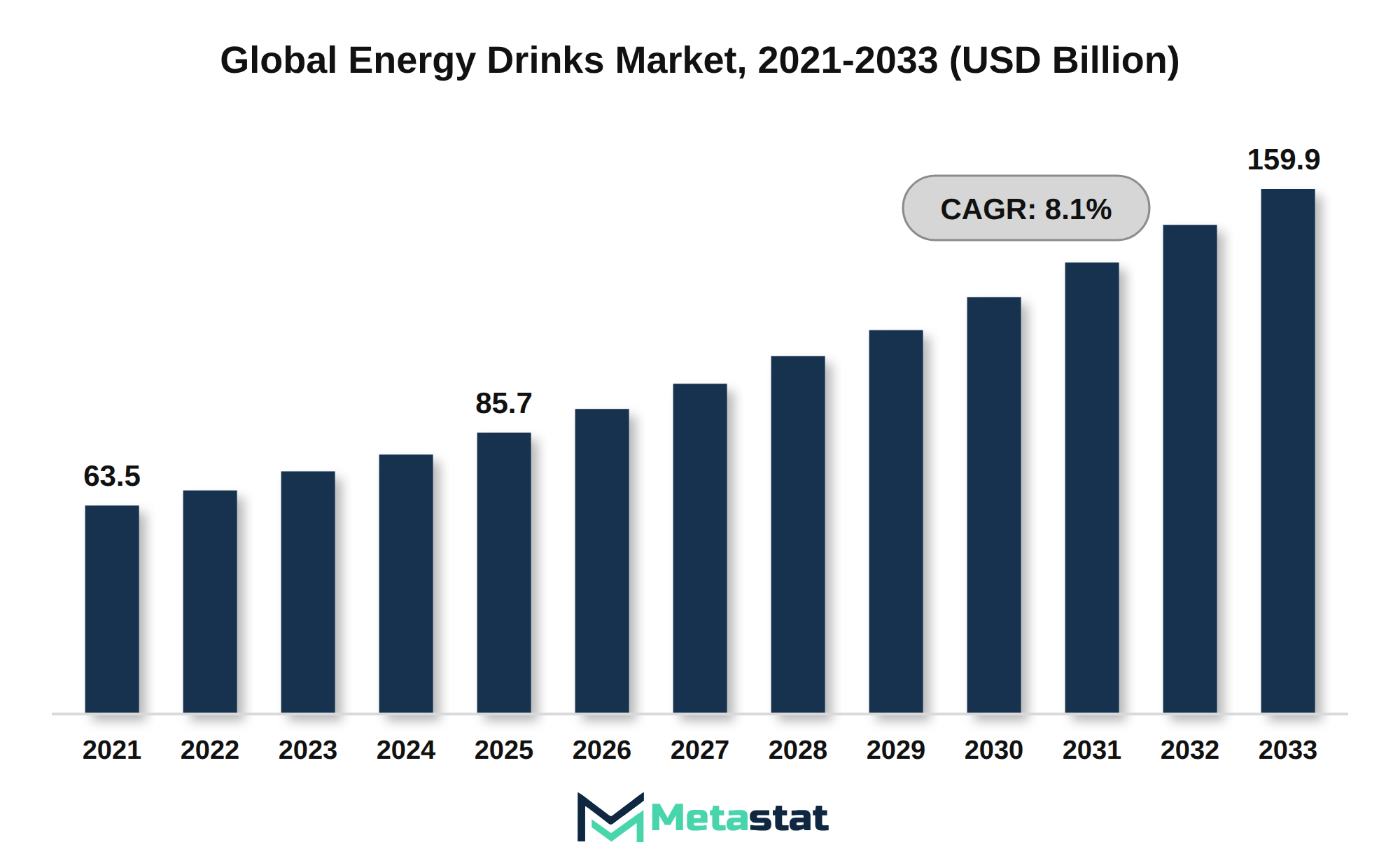
The Energy Drinks market experiences significant growth driven by the pace of urbanization. Urban populations exhibit evolving lifestyles that prioritize convenience, leading to heightened demand for ready-to-drink beverages. Busy schedules among urban dwellers result in an increasing preference for products that provide quick energy boosts, aligning with their lifestyles.
Shifting consumer preferences toward healthier options drive innovation within the market. Urban consumers increasingly favor products with low-sugar and sugar-free content, prompting manufacturers to diversify their offerings. This trend reflects broader health consciousness, attracting consumers focused on maintaining well-being while enjoying energy beverages.
The increasing participation of young adults in fitness and wellness activities supports energy drink consumption. The market responds by introducing a variety of functional beverages designed to enhance physical performance and recovery. This integration of health and energy appeals to fitness enthusiasts and expands the market reach.
The Energy Drinks market anticipates growth, projected to reach USD 159.9 billion by 2033, reflecting a compound annual growth rate of 8.1 percent. Urbanization continues to shape consumer behavior, leading companies to focus on product innovation and strategic marketing to capture this evolving demand.
The Energy Drinks market experiences robust expansion fueled by a rising consumer focus on health and wellness. Increased awareness of fitness and nutritional choices influences buyers to seek beverages that enhance physical performance and mental alertness. The growing importance of health-conscious lifestyles leads to heightened demand for low-sugar and zero-sugar variants, propelling market players to innovate their product lines. This demand surge is particularly visible among younger demographics, who prioritize healthier options over traditional sugary drinks.
Investment in research and development becomes crucial. Brands adapt to evolving consumer preferences. Companies that prioritize product diversification and healthier formulations enhance their competitive position within the market. The shift toward natural ingredients and functional beverages aligns with broader trends in consumer behavior, where transparency and quality play significant roles in purchasing decisions. This trend influences existing product formats and encourages new entrants focused on health-oriented energy drinks.
The global emphasis on sustainability contributes to market growth. Consumers increasingly prefer brands that adopt environmentally friendly practices, which shapes product offerings and marketing strategies. While the market evolves, companies are expected to maintain a balance between health benefits and sustainability. This balance leads to increased market penetration and revenue opportunities. The Energy Drinks market is projected to achieve a valuation of USD 159.9 billion by 2033, reflecting a compound annual growth rate of 8.1% during the forecast period.
Inflationary pressures exert significant influence on the Energy Drinks market, creating challenges for producers and retailers. Rising costs of essential raw materials, including sugar, caffeine, and flavoring agents, affect pricing strategies across the industry. This economic environment compels manufacturers to re-evaluate their supply chains and operational efficiencies to maintain profitability. Increased production costs lead to higher retail prices, potentially slowing consumer demand. These dynamics create a ripple effect, impacting the overall growth trajectory of the market.
Consumer behavior shifts in response to inflation, with price sensitivity rising among various demographics. This shift disproportionately affects low- and middle-income consumers, who reassess their spending on discretionary items, including energy drinks. Consequently, companies face significant pressure to innovate and offer value-driven products to retain market share amid escalating costs. The Energy Drinks market is projected to navigate these complex challenges while striving for sustainable growth in the coming years.
Geopolitical fragmentation contributes to significant challenges within the Energy Drinks market. Trade deficits and tariff friction disrupt the flow of goods, leading to increased costs and delayed deliveries. These issues primarily affect manufacturers who rely on global supply chains for sourcing ingredients and packaging materials. Consequently, rising costs necessitate price adjustments, which deter consumers and curb overall market growth.
Technological disruptions introduce further complexities, complicating research and development integrations. Companies in the market face hurdles in adopting new technologies that enhance production efficiency while adhering to stringent compliance standards. This situation results in increased overhead costs and an inability to swiftly respond to changing consumer preferences.
Logistics disruptions present another layer of difficulty, impacting the timely distribution of products. Supply chain instability, stemming from various factors including natural disasters and political unrest, leads to stock shortages in retail outlets. These challenges hinder the market's ability to meet consumer demand, stifling growth potential.
Rising input costs create additional pressures on profits. Manufacturers encounter escalating prices for raw materials, including sugar and other key ingredients, which directly influence production expenses. This environment creates a competitive landscape where maintaining market share becomes increasingly difficult due to margin pressures.
Workforce skill gaps and talent retention pressures further complicate operations within the market. The need for skilled labor in production and logistics remains critical, yet attracting and retaining qualified personnel proves challenging. This situation leads to operational inefficiencies, ultimately impacting the market's capacity to innovate and expand.
Environmental lifecycle footprints and sustainability demands influence strategic decisions across the sector. Consumers increasingly prioritize eco-friendly products, compelling companies to adapt their offerings. This shift necessitates investment in sustainable practices, which strains resources and influences pricing strategies in the Energy Drinks market.
Lastly, changing downstream demands and market saturation impose constraints on growth opportunities. With numerous brands vying for consumer attention, new product differentiation becomes imperative. Companies innovate continuously to capture market share while navigating the complexities associated with evolving consumer preferences.
The Energy Drinks market experiences significant opportunities due to emerging technological innovations that enhance product formulation and consumer engagement. Advancements in processing techniques and ingredient sourcing optimize formulations, catering to evolving consumer preferences. Innovations in natural sweeteners and functional ingredients appeal to health-conscious buyers, driving growth in low-sugar and zero-sugar product categories.
Infrastructure modernization fuels this opportunity, driven by companies prioritizing investments in production capabilities and distribution networks. Enhanced logistics support wider reach and availability of energy drinks across various channels, including e-commerce platforms. Increased sales occur through digital procurement and direct-to-consumer models, aligning with the shift in buyer behavior towards online purchasing.
Geographical expansion into emerging markets provides additional avenues for growth. Regions including Asia Pacific and South America display increasing demand for energy drinks due to youthful demographics and rising disposable incomes. Brands that adapt their offerings to local tastes and preferences capture market share in these rapidly developing regions.
Sustainability imperatives shape product development strategies. Consumers favor brands that prioritize eco-friendly practices and responsible sourcing. This trend encourages companies to adopt green transformations and align with ESG-driven initiatives. The market's alignment with these values enhances brand loyalty and attracts new customer segments.
Strategic consolidation and cross-industry collaborations further enhance market opportunities. Mergers and acquisitions enable companies to diversify their product portfolios and enter new segments. By leveraging strengths from different industries, brands innovate and expand their offerings, increasing competitive advantage in the energy drinks market.
The Global Energy Drinks market is segmented based on Product Format, Sugar Content, and Distribution Channel.
Valued at USD 56.7 billion in 2026, the Standard-Serve Carbonated Ready-to-Drink Energy Drinks segment is projected to reach USD 91.3 billion by 2033, exhibiting a CAGR of 7% during the forecast period. A growing consumer focus on health and wellness drives demand for energy drinks, with expectations for enhanced formulations that meet diverse dietary preferences. Younger demographics, particularly millennials and Gen Z, increasingly seek functional beverages that provide energy benefits without compromising taste or health standards. This trend influences manufacturers to innovate and adapt their product offerings, which enhances market competitiveness.
Next-generation upgrades, including improved packaging and eco-friendly materials, enhance product appeal and address consumer sustainability concerns. Technological maturation in production processes has enabled companies to improve efficiency and reduce costs, positively impacting profit margins. Product evolution focuses on incorporating natural ingredients and low-calorie alternatives, aligning with the rising demand for healthier options. Regulatory compliance standards and certifications related to ingredient sourcing and labeling are critical, ensuring consumer trust and facilitating market access.
Pricing volatility in the raw material sector poses challenges, affecting overall profitability within the segment. Supply chain resilience remains vital owing to firms navigating fluctuations in ingredient availability and costs. Strategic opportunity windows arise from the expanding e-commerce sector, allowing brands to reach a broader audience and adapt to changing consumer purchasing behaviors.
Investment in marketing and brand positioning strengthens market presence, highlighting unique product attributes. While competition intensifies, firms including Red Bull GmbH, Monster Beverage Corporation, and PepsiCo, Inc. leverage marketing strategies to differentiate their offerings in the crowded energy drinks market. The combination of evolving consumer preferences, regulatory dynamics, and competitive pressures shapes the trajectory of the Standard-Serve Carbonated Ready-to-Drink Energy Drinks segment, underpinning its anticipated growth through 2033.
Rapid growth characterizes the Standard-Serve Non-Carbonated Ready-to-Drink Energy Drinks segment, which is estimated to reach USD 36.8 billion by 2033, at a CAGR of 10.4% during the forecast period. Increasing consumer preference for healthier beverage options drives demand, owing to these drinks typically containing fewer calories and sugar compared to their carbonated counterparts. This shift aligns with growing awareness regarding health and wellness, particularly among younger consumers who prioritize functional benefits in their beverage choices.
Innovative product development serves because a catalyst for segment expansion, with brands introducing diverse flavors and formulations that cater to evolving consumer tastes. Enhanced nutritional profiles, including added vitamins, minerals, and natural caffeine sources, appeal to health-conscious buyers. The trend towards convenience, with ready-to-drink formats being portable and easy to consume, further supports market growth. Increased availability through various distribution channels, including e-commerce and specialty stores, allows wider access to these products, contributing to their rising popularity.
Regulatory compliance regarding labeling and health claims influences market dynamics. Manufacturers face pressures related to sourcing raw materials that adhere to health regulations while maintaining competitive pricing structures. This environment drives innovation and efficiency within supply chains, compelling companies to enhance their operational resilience. Pricing volatility stemming from fluctuating costs of ingredients impacts profit margins, prompting brands to adopt strategic pricing models that reflect market conditions.
Overall, the Standard-Serve Non-Carbonated Ready-to-Drink Energy Drinks segment presents significant opportunities for growth within the Energy Drinks market. Investment in research and development, coupled with strategic marketing initiatives, is expected to strengthen brand positioning and capture an expanding consumer base seeking healthier energy solutions.
Concentrated Liquid Energy Shots represent a dynamic segment within the Energy Drinks market, characterized by growing consumer preferences for compact and high-energy solutions. Several factors drive demand, including the increasing pace of modern lifestyles that necessitate quick energy boosts, particularly among young adults and working professionals. The convenience of these shots aligns with the trend toward on-the-go consumption, appealing to consumers seeking instant energy without the bulk of traditional energy drinks.
Technological advancements in formulation and packaging contribute to segment growth. Innovations enhance flavor profiles and improve the overall consumer experience, strengthening brand loyalty. Strategic marketing initiatives targeting fitness enthusiasts and health-conscious consumers play a significant role in expanding the market presence of Concentrated Liquid Energy Shots. The growing popularity of health and wellness trends encourages brands to explore natural ingredients and functional benefits, differentiating their products in a crowded marketplace.
Regulatory compliance remains a vital consideration. Adherence to food safety standards and labeling requirements influences product formulations, impacting market entry for new players. Price volatility in raw materials, including caffeine and flavorings, poses challenges, affecting profit margins across the segment. Effective supply chain management becomes essential to navigate these pressures while maintaining product availability.
Concentrated Liquid Energy Shots are projected to reach USD 14.4 billion by 2033, reflecting the segment's growth potential. While consumer preferences continue to evolve toward convenience and health-oriented products, this segment is anticipated to experience significant expansion within the broader Energy Drinks market.
Growth in the Powdered Energy Drink Mixes segment reflects increasing consumer preferences for convenient and portable energy solutions. The rise in fitness and health consciousness among consumers drives demand for powdered mixes due to their customizable nature, enabling users to adjust ingredients according to personal dietary needs. This trend aligns particularly well with athletes and fitness enthusiasts who prioritize tailored nutrition. The segment is projected to grow at a CAGR of 11.6% during the forecast period, aligning with broader shifts towards health-focused products.
Technological advancements contribute significantly to the evolution of powdered mixes, enhancing flavor profiles, solubility, and nutritional content. Innovations in formulation, including the incorporation of natural ingredients and functional additives, attract health-conscious consumers seeking better options. This aligns with consumption shifts favoring products that offer both energy and nutritional benefits, further driving market expansion.
Strategic opportunity windows emerge owing to manufacturers exploring partnerships with fitness brands and health influencers to promote powdered energy drink mixes. Such collaborations enhance brand visibility and credibility in a competitive marketplace. The growth of e-commerce platforms facilitates direct-to-consumer sales, expanding accessibility and convenience for consumers.
Investment in marketing and product innovation remains critical for sustaining growth in this segment. Companies actively engage in market research to understand evolving consumer preferences and respond with new product launches that connect with target demographics. This proactive approach positions businesses favorably within the dynamic energy drinks market, ensuring resilience against competitive pressures.
The Others (Syrups and Dispenser Concentrates) segment within the Energy Drinks market experiences distinctive dynamics driven by evolving consumer preferences for versatility and customization in beverage offerings. These formats cater to niche markets, particularly in foodservice and hospitality sectors, where on-demand beverage mixing enhances consumer engagement and satisfaction.
Technological advancements in production and distribution have facilitated the expansion of this segment, enabling suppliers to offer a broad range of flavors and formulations. Innovations in dispensing technology contribute to improved efficiency and product freshness, appealing to both commercial and residential consumers.
Downstream applications in cocktails, smoothies, and other beverage mixes create demand for syrups and concentrates. This aligns with trends toward personalization in beverage consumption, where consumers seek unique flavor experiences and healthier alternatives to traditional energy drinks.
Regulatory compliance shapes product formulations and marketing strategies for syrups and dispenser concentrates. Ongoing adjustments to health and safety standards, along with labeling requirements, impact how products are positioned in the market.
Pricing volatility presents a challenge for suppliers in this segment due to fluctuating raw material costs. Strategic sourcing and partnerships with ingredient suppliers enhance supply chain resilience, helping to stabilize pricing and maintain margins.
Strategic opportunity windows exist for innovative companies to capture market share through targeted marketing campaigns and product launches. Investment in research and development supports the evolution of product offerings, addressing consumer demands for sustainable and health-conscious energy solutions.
Valued at USD 51.3 billion in 2026, the Full-Sugar Energy Drinks segment is projected to reach USD 76.8 billion by 2033, growing at a CAGR of 5.9% during the forecast period. Increasing consumer preference for traditional energy drinks, driven by the desire for higher taste and energy levels, significantly influences this segment. The segment benefits from established brands that continue to appeal to consumers seeking familiar flavors and experiences, leading to sustained demand.
Product evolution is essential. Companies introduce new flavors and packaging options to attract a broader audience. Marketing strategies focusing on active lifestyles and energy-boosting benefits enhance consumer interest. The growing trend of fitness and wellness among consumers supports the consumption of energy drinks, particularly in high-demand environments including gyms and sports events.
Regulatory compliance standards, particularly concerning sugar content and health claims, impact the segment. Companies adapt formulations and marketing messages to align with changing regulations. This responsiveness not only ensures continued market access but builds consumer trust and brand loyalty.
With the market evolving, strategic opportunities arise for brands to innovate within the Full-Sugar Energy Drinks segment. New product launches targeting specific demographic groups, including athletes and young professionals, enhance market penetration. The resilience of supply chains ensures that producers maintain steady production levels, supporting the growing demand.
Investments in advertising and promotional activities drive visibility and brand recognition in a competitive environment. While the Energy Drinks market grows, Full-Sugar Energy Drinks will likely maintain a strong share, supported by ongoing consumer interest and strategic business initiatives.
Increasing health consciousness among consumers drives a significant shift towards low-sugar alternatives in the Energy Drinks market. This trend aligns with the ongoing demand for healthier lifestyle choices, particularly among younger demographics seeking energy without the high sugar content traditionally associated with energy drinks. The rise in fitness culture and wellness trends further enhances this demand, positioning low-sugar options because a preferred choice for health-focused consumers.
Innovative product formulations contribute to the growth of low-sugar energy drinks, with manufacturers investing in natural sweeteners and flavor enhancers to appeal to health-conscious buyers. Strategic marketing efforts highlighting the benefits of low-sugar products, including reduced calorie intake and improved health perceptions, support market penetration. This segment is estimated to reach USD 22.4 billion by 2033, at a CAGR of 9% during the forecast period.
Regulatory compliance and evolving labeling standards impact product development and marketing strategies within the segment. Companies are adapting to these regulations by clearly indicating sugar content and health benefits, which influences consumer purchasing decisions. This focus on transparency builds consumer trust and drives market expansion.
While low-sugar options gain traction, competition among key players intensifies. Brands including Red Bull GmbH, Monster Beverage Corporation, and The Coca-Cola Company are actively expanding their low-sugar product lines to capture market share. This competitive environment encourages continuous innovation, further enhancing product diversity within the segment.
Demand for Sugar-Free and Zero-Sugar Energy Drinks reflects a significant shift toward healthier consumption patterns among consumers. This trend stems from increased awareness regarding health issues associated with high sugar intake, prompting consumers to seek alternatives that offer energy without added sugars. Health-conscious buyers, including fitness enthusiasts and individuals managing weight, drive this demand, favoring products that align with their dietary preferences. The market experiences growth catalysts through innovations in flavoring and formulation, allowing manufacturers to create appealing products that meet consumer standards without compromising taste.
Technological advancements contribute to the maturation of this segment, enabling the development of next-generation sweeteners that provide desirable taste profiles without the caloric impact of sugar. These upgrades enhance product appeal, allowing manufacturers to attract a broader audience and stimulate greater market penetration. Regulatory compliance influences product formulations, with health guidelines influencing ingredient selection and labeling practices. Manufacturers navigating these regulations enhance brand credibility and consumer trust.
Price sensitivity remains a factor, with pricing volatility impacting consumer purchasing behaviors. Strategic pricing adjustments assist companies in maintaining competitive positioning while addressing cost structures arising from raw material sourcing and production. Margin pressures compel manufacturers to streamline operations and optimize supply chains, ensuring resilience in the face of fluctuating ingredient costs. The anticipated market value for Sugar-Free and Zero-Sugar Energy Drinks is USD 60.8 billion by 2033, reflecting a strong growth trajectory within the Energy Drinks market.
Overall, consumption shifts toward lower-calorie options indicate a significant evolution in buyer preferences, emphasizing the demand for energy products that align with contemporary health trends. Strategic opportunity windows arise from companies innovating and adapting to these changes, positioning themselves favorably within this dynamic segment. White-space analysis indicates potential for growth in untapped demographics, indicating promising avenues for future investment and development.
Distribution through supermarkets and hypermarkets plays a significant role in the Energy Drinks market. These channels provide consumers with convenient access to a wide range of energy drink options, thereby driving overall consumption. The growing trend of health-conscious purchasing behaviors influences the demand for low-sugar and sugar-free variants, which are commonly available in these retail formats.
Adoption of innovative marketing strategies within supermarkets and hypermarkets serves because a catalyst for segment expansion. Engaging promotions, eye-catching displays, and sampling initiatives enhance consumer awareness and encourage trial of new products. This strategy effectively boosts market penetration and drives consumption growth.
Technological maturation within the retail environment allows for improved inventory management and enhanced customer experience. Advanced point-of-sale systems and data analytics enable retailers to better understand consumer preferences and tailor offerings accordingly. This technological evolution facilitates the introduction of next-generation energy drink products, meeting diverse consumer needs.
Shifts in consumption patterns, particularly among younger demographics, have influenced the product evolution within this segment. Consumers increasingly seek energy drinks that align with lifestyle choices, including fitness and on-the-go consumption, prompting manufacturers to innovate and diversify their product lines. The broad selection available in supermarkets and hypermarkets supports this trend by catering to varying consumer preferences.
Regulatory compliance and certification standards significantly impact product offerings within this channel. Adherence to safety and labeling regulations ensures that consumers make informed choices regarding their energy drink purchases. This compliance builds consumer trust and strengthens brand loyalty, ultimately benefiting market growth.
Pricing volatility remains a challenge, affecting profit margins for energy drink brands. However, competitive pricing strategies in supermarkets and hypermarkets create a favorable environment for consumers, encouraging higher sales volumes. Brands that successfully navigate these pricing pressures achieve greater market share and enhance financial performance.
Strategic opportunity windows arise through partnerships between manufacturers and retail chains. Collaborations focused on exclusive product launches and promotional campaigns drive brand visibility and consumer interest. These partnerships are instrumental in increasing market presence and capturing untapped segments within the energy drinks market.
Growth in the Convenience Stores and Forecourt Retail segment of the Energy Drinks market reflects changing consumer behavior favoring convenience and on-the-go consumption. Increased urbanization and busy lifestyles drive demand for quick access to energy drinks, positioning convenience stores because key distribution channels. The rise in younger demographics, particularly millennials and Gen Z, contributes to this trend, with these consumers prioritizing convenience in their shopping habits.
Technological advancements in retail environments enhance customer experiences, making convenience stores more appealing. Interactive displays, mobile payment options, and loyalty programs attract customers, increasing foot traffic and energy drink sales. Marketing strategies that target health-conscious consumers further fuel the segment's growth, driven by brands introducing functional beverages that promote well-being.
Regulatory compliance standards related to health and safety enhance consumer trust in energy drinks sold through convenience stores. While brands invest in certifications, they strengthen their market positions by ensuring product transparency and quality, which enhances consumer confidence. Strategic collaborations between energy drink brands and convenience store chains create unique promotional opportunities, further driving sales.
Pricing volatility influences margin pressures in the segment, affecting both manufacturers and retailers. Competitive pricing strategies are necessary to attract price-sensitive consumers while maintaining profitability. Supply chain resilience remains essential, particularly in sourcing raw materials and managing logistics to prevent disruptions that could impact product availability.
Investment in innovative product formats, including portable packaging and ready-to-drink options, supports segment expansion. Increased focus on sustainability and eco-friendly packaging appeals to environmentally conscious consumers, presenting strategic opportunity windows for brands. Overall, the Convenience Stores and Forecourt Retail segment within the Energy Drinks market continues to evolve, reflecting broader consumer trends and preferences.
Distribution through traditional grocery and independent retail channels provides a unique avenue for energy drink brands to reach consumers. This channel remains a significant contributor to overall sales, driven by the convenience and accessibility it offers to shoppers looking for quick energy solutions. The continued evolution of consumer preferences, favoring on-the-go products, has led to an increase in product placement within these retail environments.
Adoption within this segment is influenced by demographic shifts toward health and wellness. Many consumers increasingly seek beverages that offer not only energy boosts but functional benefits, including added vitamins and minerals. The evolving product offerings help brands differentiate themselves in a competitive landscape, capturing the attention of health-conscious shoppers.
Regulatory compliance standards shape operations within traditional grocery and independent retail channels. Strict labeling regulations and health claims scrutiny impact product formulation and marketing strategies. Brands prioritizing transparency and compliance build trust and loyalty among consumers, further enhancing their market presence.
Pricing volatility affects margins within traditional grocery and independent retail channels. Fluctuations in raw material costs challenge producers, necessitating strategic pricing adjustments to maintain profitability. Brands that successfully navigate these pressures improve their competitive positioning and sustain long-term growth.
Strategic opportunity windows emerge within this sub-segment, driven by energy drink brands innovating their product lines to address shifting consumer demands. Incorporating unique flavors, low-sugar options, and organic ingredients responds to the evolving preferences of health-oriented consumers, ultimately driving sales within retail environments.
Supply chain resilience remains a crucial factor for manufacturers distributing through traditional grocery and independent retail. Ensuring a robust supply chain mitigates risks associated with shortages or disruptions, allowing brands to meet consumer demand consistently. This focus on operational stability supports revenue growth and market expansion.
Pharmacies and drugstores play a crucial role in the distribution of energy drinks, appealing to consumers seeking convenient access to these products. The increasing adoption of energy drinks among health-conscious individuals, alongside the rise in demand for functional beverages, drives sales through these retail outlets. Product placement in pharmacies enhances visibility and encourages impulse purchases, particularly for on-the-go consumption.
Segment expansion within pharmacies results from strategic collaborations between energy drink brands and retailers, aiming to create promotional campaigns that highlight the benefits of energy drinks. This approach targets diverse consumer segments, including fitness enthusiasts and busy professionals who prioritize convenience. The integration of energy drinks within health and wellness sections of pharmacies aligns with changing consumer preferences for products that offer quick energy boosts.
Technological maturation within the energy drinks market has led to innovations in packaging and formulation, ensuring that products meet evolving consumer expectations for functionality and taste. Premium product offerings, including organic and low-sugar options, appeal to a broader demographic, further promoting growth within this distribution channel. The continued introduction of next-gen upgrades keeps the product line fresh and appealing, enhancing consumer loyalty.
End-use dynamics in pharmacies reflect a growing consumer focus on health and wellness. Increased awareness of energy drink ingredients and benefits results in informed purchasing decisions, particularly among health-conscious consumers. Regulatory compliance standards concerning labeling and safety further enhance consumer trust, increasing the appeal of energy drinks in these retail environments.
Consumption shifts toward on-the-go lifestyles create opportunities for pharmacies to cater to busy consumers seeking quick energy solutions. The introduction of grab-and-go options in pharmacies aligns with these lifestyle changes, encouraging consumers to incorporate energy drinks into their daily routines. Strategic opportunity windows arise from energy drink brands considering expanding their presence within pharmacies, tapping into the health-conscious consumer base.
Pricing volatility within the energy drinks market influences consumer purchasing patterns in pharmacies. Competitive pricing strategies, coupled with attractive promotions, drive demand and enhance market penetration. Margin pressures from fluctuating raw material costs necessitate strategic pricing decisions, impacting the overall positioning of energy drinks in pharmacies.
Supply chain resilience remains essential, because pharmacies rely on consistent product availability to meet consumer demand. Establishing strong relationships with suppliers and ensuring timely deliveries contribute to a robust distribution network, enabling pharmacies to effectively respond to changing consumer preferences. The energy drinks segment within pharmacies continues to evolve, presenting unique opportunities for growth and innovation.
Growth in the Specialty Nutrition and Fitness Retailers segment reflects a rising consumer emphasis on health and wellness, prompting increased demand for energy drinks formulated for fitness enthusiasts. This trend arises from a broader shift toward healthier lifestyles, with consumers seeking beverages that align with their fitness goals and dietary preferences.
Adoption of energy drinks in this segment benefits from the expansion of fitness facilities, gyms, and wellness centers, which serve because effective distribution points. Retailers capitalize on this relationship by offering robust selections of energy drink products tailored for athletes and health-oriented consumers.
Innovations in product formulation drive segment expansion. Developments include enhanced nutritional profiles, specialized ingredients, and natural flavoring options, attracting health-conscious buyers. The introduction of performance-enhancing products aligns with consumer trends, further stimulating growth within the segment.
End-use dynamics reflect an increasing preference for ready-to-drink options among fitness-focused consumers. These products offer convenience and accessibility, facilitating on-the-go consumption for active lifestyles. The market for energy drinks continues to innovate, supporting the evolving needs of consumers seeking effective and enjoyable performance solutions.
Regulatory compliance standards and certifications play important roles in shaping product offerings within the Specialty Nutrition and Fitness Retailers segment. Adherence to health regulations ensures that products meet consumer safety expectations while enhancing brand credibility. Manufacturers increasingly focus on transparency and quality assurance to build trust within this health-focused market.
Pricing volatility poses challenges in this segment, where premium products often command higher price points. Understanding cost structures allows retailers to optimize pricing strategies effectively, balancing profitability with consumer value perception. Margin pressures persist due to competitive pricing and the need for continuous product innovation to maintain market relevance.
Strategic opportunity windows emerge from consumer preference shifts toward sustainable and eco-friendly packaging solutions. Retailers that prioritize sustainability in their product offerings enhance market appeal among environmentally conscious consumers, strengthening brand loyalty within the segment. The Specialty Nutrition and Fitness Retailers segment remains a critical player in shaping the future of the Energy Drinks market.
Rapid expansion of the e-commerce and direct-to-consumer distribution channel significantly influences the Energy Drinks market. Increased internet penetration and smartphone usage drive consumers towards online shopping, enhancing convenience and access to various energy drink brands. The ability to compare prices and read reviews supports informed purchasing decisions, further propelling growth. Integration of user-friendly platforms and secure payment methods increases consumer confidence in online transactions.
Direct-to-consumer models allow brands to establish a more personal relationship with customers, enhancing brand loyalty and facilitating targeted marketing strategies. This channel offers consumers access to exclusive flavors and limited-edition products that are not available through traditional retail outlets. Consequently, brands gain valuable consumer insights, enabling them to adapt offerings to meet evolving preferences and trends.
Challenges within this channel include managing logistics and supply chain complexities, particularly regarding timely delivery and maintaining product quality during transit. Pricing volatility in raw materials affects the overall cost structure of products sold online. Nevertheless, leveraging data analytics to optimize inventory management and improve customer engagement presents significant opportunities for brands operating in the e-commerce space.
Investment in digital marketing strategies, including social media advertising and influencer partnerships, enhances brand visibility, attracting new consumers to the market. Companies that focus on developing a robust online presence stand to gain a competitive edge, particularly among younger demographics increasingly favoring online shopping. Strong growth in the e-commerce and direct-to-consumer channel positions it because a key component of the Energy Drinks market's future.
Growth within the Foodservice and On-Trade distribution channel highlights the increasing popularity of energy drinks among consumers seeking refreshment and performance enhancement in social and dining settings. This trend aligns with the broader movement towards healthier, functional beverages, driving demand from restaurants, bars, and cafes. Establishments are introducing energy drink options to cater to health-conscious patrons and younger demographics, seeking variety in their beverage choices.
Product innovation is essential in this segment, with brands launching new flavors and formulations that align with consumer preferences for low-sugar and sugar-free options. This evolution attracts a diverse customer base, enhancing sales across various foodservice settings. End-use dynamics reflect a shift towards premium and artisanal offerings, with establishments focusing on unique energy drink blends that appeal to their target audience, thus boosting overall market growth.
Pricing strategies remain critical, with competitive pricing structures ensuring accessibility while maintaining margins. The segment faces challenges related to pricing volatility, especially given the fluctuating costs of raw materials. Effective supply chain management and strategic partnerships with suppliers enhance resilience, mitigating risks associated with logistics vulnerabilities.
Strategic opportunity windows emerge owing to more foodservice operators recognizing the potential of energy drinks to enhance their beverage portfolios. Increased capital investment into innovative product offerings and marketing campaigns supports growth within the energy drinks market. Overall, the Foodservice and On-Trade distribution channel represents a dynamic segment, impacting the market's trajectory through evolving consumer preferences, innovative product development, and strategic pricing approaches.
Demand for energy drinks distributed through vending machines experiences growth driven by the convenience these machines offer to consumers seeking quick access to beverages. Increasingly busy lifestyles fuel the preference for on-the-go consumption, particularly among younger demographics who frequently choose vending options in workplaces, educational institutions, and public spaces. This trend highlights the ongoing evolution in consumer behavior, with vending machines serving because a practical option for energy drink purchases.
Technological maturation in vending machine design enhances user experience, with the introduction of cashless payment systems and interactive displays. These upgrades improve the purchasing process, appealing to tech-savvy consumers who prefer efficient transactions. Consequently, manufacturers of energy drinks are investing in partnerships with vending machine operators to ensure product availability in high-traffic areas, further expanding market reach.
Product evolution within the energy drinks market supports diversification in flavor and formulation, targeting a broader consumer base. Vending machines stocked with innovative flavors and formulations cater to the increasing demand for variety. While new entrants to the market introduce unique offerings, existing brands respond by updating their vending machine selections to retain consumer interest and loyalty.
Regulatory compliance standards influence the types of energy drinks available in vending machines. Manufacturers adapt formulations to meet health regulations and consumer preferences for lower-sugar or sugar-free options. This adaptation ensures alignment with growing health consciousness among consumers while maintaining competitive pricing structures.
Strategic opportunity windows exist for energy drink brands looking to enhance their presence in vending channels. Investments in marketing campaigns and promotions specifically targeting vending machine consumers drive sales. Implementing loyalty programs and special deals enhances the appeal of purchasing from vending machines, potentially increasing overall market penetration for energy drinks.
Warehouse clubs serve because a significant distribution channel within the Energy Drinks market, appealing to a broad consumer base owing to bulk purchasing options and competitive pricing. Demand for energy drinks in this channel is driven by consumers seeking cost-effective solutions for their energy needs, particularly among health-conscious individuals and those with active lifestyles. This segment benefits from the growing trend of purchasing in bulk, which aligns with consumer preferences for value and convenience.
Expansion catalysts for warehouse clubs include increased consumer interest in energy drinks with functional benefits, including improved focus and enhanced physical performance. These factors encourage retailers to stock a diverse range of energy drink products, allowing them to cater to various consumer segments. The evolving nature of energy drink formulations, including reduced sugar options and natural ingredients, further supports the growth of energy drinks in warehouse clubs.
Technological advancements and product evolution contribute to the segment's dynamism. Brands innovate to provide healthier alternatives, capturing the attention of health-oriented consumers. The integration of e-commerce platforms within warehouse clubs facilitates online ordering and delivery services, enhancing convenience and accessibility for consumers.
Consumption shifts toward energy drinks that align with lifestyle trends, including fitness and wellness, drive demand in warehouse clubs. Regulatory compliance concerning health claims and ingredient transparency influences product offerings, ensuring that consumers have access to safe and beneficial options. While consumers continue to prioritize health and wellness, the energy drinks market is poised for sustained growth in this distribution channel.
Margin pressures due to pricing volatility affect warehouse clubs, compelling retailers to optimize inventory management and supplier relationships. Strategic opportunities arise from consumer loyalty programs and promotional offers, enhancing the attractiveness of energy drinks in this distribution channel. Overall, warehouse clubs play a vital role in shaping the competitive dynamics of the energy drinks market.
Institutional and travel retail distribution channels in the Energy Drinks market attract a diverse consumer base, including travelers and corporate clients. Increased demand for convenience products during travel drives growth within this segment, driven by consumers seeking accessible sources of energy on the go. Travelers frequently choose energy drinks for their functional benefits, which influences manufacturers to expand offerings tailored to this audience.
Adoption of energy drinks in institutional settings, including gyms, hotels, and corporate offices, reflects a growing trend towards wellness-oriented beverages. Companies recognize the value of providing energy drinks within their product offerings, enhancing customer satisfaction and loyalty. This trend aligns with increasing consumer health awareness, prompting businesses to cater to health-conscious clients seeking energy-boosting options.
Investment in promotional strategies specific to institutional and travel retail channels drives sales. Collaborations with hotels, airlines, and gyms enhance brand visibility and product placement, expanding market reach. Strategic partnerships play a crucial role in building brand loyalty and increasing consumption within these settings.
Regulatory compliance and adherence to safety standards are critical factors influencing product availability in institutional and travel retail environments. Manufacturers navigate complex regulations governing beverage formulations and labeling requirements, ensuring products meet regional standards. This compliance helps mitigate risks and enhances consumer trust in energy drinks.
Supply chain resilience emerges because a significant consideration for stakeholders within this segment. Efficient logistics and distribution channels contribute to timely product availability, minimizing stockouts in high-demand areas. Companies that effectively manage their supply chains respond rapidly to changing consumer preferences, maintaining competitiveness in the evolving energy drinks market.
Based on geography, the Global Energy Drinks market is divided into North America, Europe, Asia-Pacific, South America, Middle East, and Africa.
North America represents a significant portion of the global Energy Drinks market, holding a share of 37.7% in 2025. The market expands at a CAGR of 8.1% within the forecast period, reaching a market size (TAM) of USD 56 billion by the end of 2033. The United States, Canada, and Mexico drive demand owing to strong consumer preference for energy-boosting beverages, particularly among younger demographics and active lifestyles.
Consumer trends in North America increasingly favor health-oriented alternatives, influencing the rise of sugar-free and low-sugar energy drinks. Growth in this segment aligns with heightened awareness about health risks associated with high sugar consumption, prompting manufacturers to innovate and expand offerings to meet changing consumer preferences. The expansion of retail channels, including e-commerce and convenience stores, enhances accessibility and propels market growth.
Strategic entry barriers exist in the form of regulatory approvals and compliance with local health standards, impacting how companies enter the market. Domestic players, along with international brands including Red Bull GmbH and Monster Beverage Corporation, engage in competitive strategies to capture market share. They respond to consumer demands with targeted marketing campaigns and diverse product lines.
Investment in localized manufacturing and supply chain regionalization influences market dynamics, allowing companies to mitigate costs and improve product availability. Geographic considerations, cultural nuances, and regional B2B buying behaviors shape procurement practices. These factors create unique challenges and opportunities for market participants. North America positions itself because a critical region for innovation and growth in the energy drinks sector.
Europe commands a share of the global Energy Drinks market with a projected contribution of 28.8% in 2025. The demand for energy drinks in this region is fueled by a shift in consumer preferences towards beverages that offer enhanced performance and energy benefits. Countries including Germany, France, the UK, Italy, and Spain exhibit significant adoption rates driven by growing health consciousness and interest in active lifestyles. The popularity of sugar-free and low-sugar options further supports this trend, catering to health-oriented consumers.
In addition, localized manufacturing densities across Europe enhance supply chain efficiency. Countries with strong production capacities and established distribution networks benefit from reduced lead times and costs. The competitive landscape features prominent players, including Red Bull GmbH, Monster Beverage Corporation, and The Coca-Cola Company, which position themselves to capture growing consumer demand.
Infrastructure modernization, alongside strategic entry barriers, facilitates market entry for new participants while expanding the market's overall capacity. Emerging territories within Europe remain underpenetrated, presenting opportunities for product innovation and market expansion. While market dynamics evolve, energy drink producers continue to adapt their strategies to align with regional preferences and trends, ensuring sustained growth in this active segment.
The Asia-Pacific region represents a significant segment of the Energy Drinks market, holding a share of 22.4% in 2025. Rapid urbanization and growing disposable incomes among consumers in China, India, and Southeast Asia drive demand for energy drinks. Cultural shifts toward active lifestyles and the increasing popularity of fitness and sports activities enhance consumption patterns. The presence of major players including Red Bull GmbH and PepsiCo, Inc. supports market dynamics, encouraging innovation in product offerings to cater to diverse consumer preferences.
Infrastructure modernization across urban centers facilitates the establishment of distribution networks, enhancing product availability. The rise of e-commerce platforms provides consumers with convenient access to a wide range of energy drink options, resulting in increased sales. Countries including Japan and South Korea demonstrate mature market dynamics, characterized by brand loyalty and premium product offerings, while emerging markets in India and Southeast Asia exhibit high-value replacement cycles driven by demand for new flavors and healthier alternatives.
Localized manufacturing initiatives and foreign direct investment are expected to strengthen supply chain regionalization, allowing firms to respond effectively to market demands. Cultural nuances influence regional B2B buying behaviors, creating opportunities for tailored marketing strategies. The Asia-Pacific market is projected to experience significant growth, driven by evolving consumer preferences and strategic entry barriers that support competitive landscapes conducive to innovation.
Brazil dominates the South American Energy Drinks market, contributing significantly to the region's overall share. Argentina follows, with a growing consumer base that increasingly embraces energy drink products. The Rest of South America encompasses emerging markets that present opportunities for expansion and penetration.
Primary demand drivers in this region include a youthful demographic and rising health consciousness among consumers. Energy drinks appeal to younger consumers seeking functional beverages that provide energy and improve mental focus. Cultural factors further influence purchasing behaviors, with energy drinks often associated with active lifestyles and social activities.
Infrastructure modernization in Brazil and Argentina enhances distribution networks, facilitating access to energy drinks across various retail channels. E-commerce growth expands market reach, enabling brands to tap into underserved territories. The Energy Drinks market in South America is expected to experience growth owing to these evolving dynamics.
Competitive landscapes feature significant players including Red Bull GmbH, Monster Beverage Corporation, and PepsiCo, Inc., which dominate market share. Local companies are emerging, catering to specific consumer preferences and expanding product offerings. Investment in localized manufacturing and supply chain optimization drives market competitiveness.
The market share of South America represents a notable portion of the global Energy Drinks market in 2025. This share is projected to grow owing to brands expanding their footprints and optimizing product offerings. The forecast period until 2033 indicates an upward trend, positioning South America because a key player in the global market.
The Energy Drinks market in the Middle East and Africa reflects a dynamic growth trajectory, with increasing consumer interest in energy-boosting beverages. Countries including Saudi Arabia, UAE, and South Africa represent key regions driving demand. Factors contributing to this growth include an expanding youth population that prioritizes active lifestyles and a rising number of fitness centers and health-conscious consumers.
Infrastructure modernization enhances product availability, with improvements in distribution channels. This trend enables greater market penetration, particularly in urban areas, where convenience stores and e-commerce platforms gain traction. The ongoing expansion of localized manufacturing facilities facilitates quicker access to products, thereby stimulating demand across the region.
Cultural nuances influence purchasing behaviors, with a growing preference for energy drinks that offer low or zero sugar options. This reflects a broader consumer trend towards healthier product choices. Domestic market participants, including prominent brands like Red Bull GmbH and Monster Beverage Corporation, are increasingly tailoring their offerings to meet local tastes and preferences, driving competition and innovation within the market.
Investment in marketing strategies targeting younger audiences leverages social media and influencer partnerships, further enhancing brand visibility. Regional dynamics, including increasing urbanization and changing lifestyles, are likely to contribute to sustained market growth throughout the forecast period, with an expected compound annual growth rate (CAGR) of 8.1% leading to a market size of USD 159.9 billion by 2033.
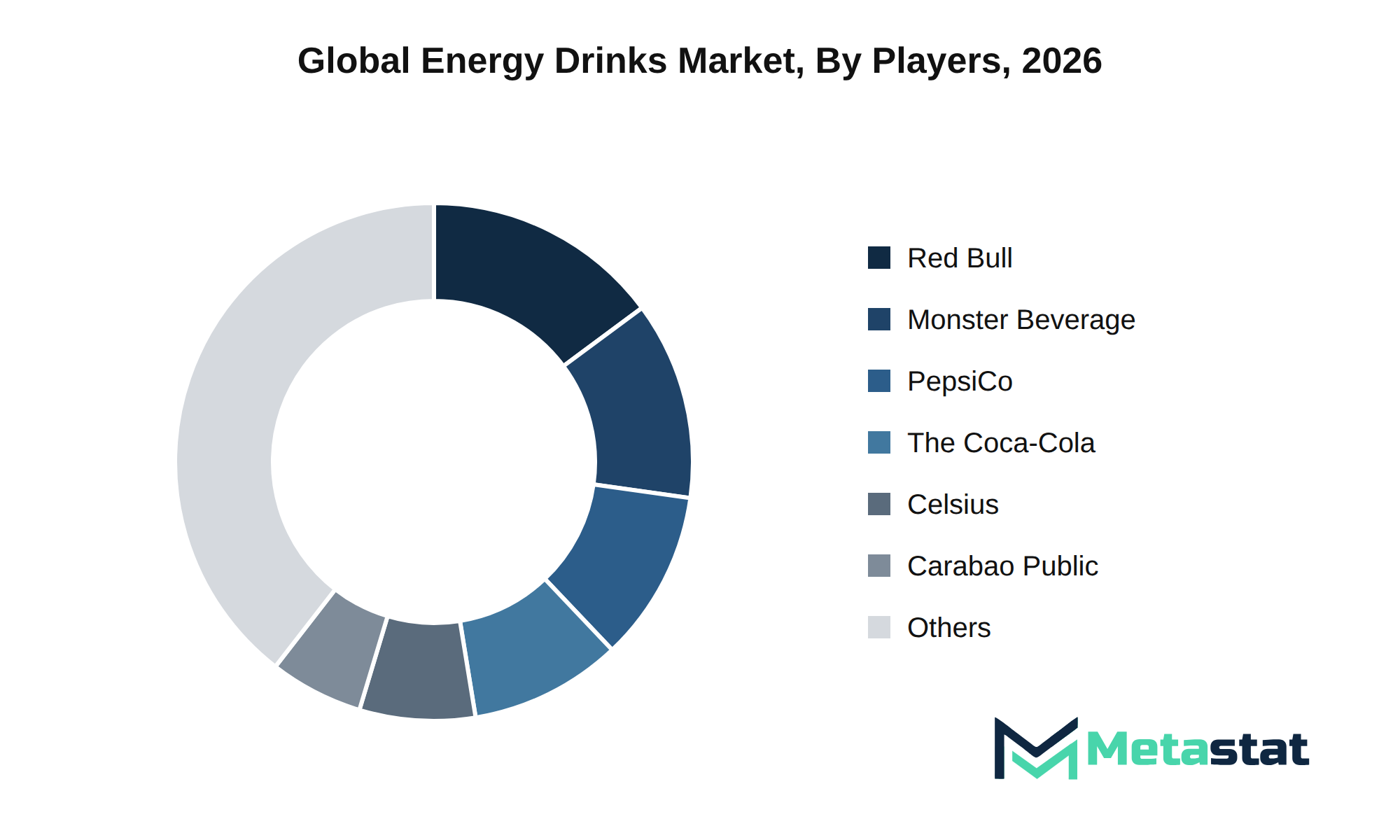
The Energy Drinks market experiences significant competition driven by various strategic behaviors. Companies including Red Bull GmbH, Monster Beverage Corporation, and PepsiCo, Inc. focus on product differentiation, leveraging unique formulations and branding to attract consumers. This competitive positioning strengthens brand loyalty and enables premium pricing, boosting overall revenue.
Growth in the market results from strategic alliances and partnerships among key players, enhancing distribution channels and marketing reach. Collaborations between beverage manufacturers and fitness brands expand customer bases in health-conscious segments. Such strategic efforts contribute to robust demand for low-sugar and sugar-free product categories, reflecting shifting consumer preferences.
Barriers to entry remain high due to established brand equity and extensive distribution networks of leading firms. New entrants face challenges in gaining market share against well-known brands like Monster and Red Bull, which dominate segments including standard-serve carbonated energy drinks. This competitive landscape highlights the importance of innovation. Companies invest in R&D pipelines to introduce new products and improve existing offerings, ensuring relevance in a dynamic market.
Supply chain dominance and procurement leverage play critical roles in maintaining competitive pricing structures. Key players in the market, including Celsius Holdings, Inc. and The Coca-Cola Company, optimize their supply chains to enhance operational efficiency and reduce costs. This efficiency directly impacts pricing architectures and overall profitability, ensuring sustained growth in the Energy Drinks market.
The future competitive outlook suggests ongoing strategic consolidation among market participants, with mergers and acquisitions becoming prevalent. Companies seek to enhance their market positions through these activities. Such activities will shape market dynamics and directly influence customer retention strategies, ultimately driving growth and expanding brand portfolios.
Market size is forecast to rise from USD 85.7 billion in 2025 to over USD 159.9 billion by 2033, reflecting a compound annual growth rate (CAGR) of 8.1%. This growth trajectory follows a clear upward trend driven by increasing consumer interest in energy drinks, evolving lifestyle preferences, and the expansion of distribution channels.
In the bull case, a strong economic recovery and enhanced consumer spending drive the market beyond current estimates, potentially resulting in higher revenues for major players. Conversely, the bear case considers potential market disruptions from regulatory changes or economic downturns, which could slow growth and impact demand across various consumer segments.
The energy drinks market experiences shifts in downstream demand driven by new product formats and flavors that attract different consumer demographics. Innovations in formulation and marketing strategies aim to appeal to health-conscious consumers, particularly in the low-sugar and sugar-free segments. Strategic capital allocation by key players supports the development of next-generation products that align with current consumer trends.
Regulatory evolution remains a significant factor influencing the market, with strict compliance standards affecting formulation and marketing. Companies actively monitor these changes to ensure alignment with emerging policies, positioning themselves favorably in a competitive environment. Geopolitical realignments and global supply chain shifts further complicate market dynamics, requiring firms to adapt their strategies to maintain operational efficiency.
Overall, the energy drinks market demonstrates growth potential, driven by strategic imperatives and evolving consumer preferences. Continued investment in R&D and product innovation is expected to identify emerging white-space opportunities, catering to unmet enterprise needs and supporting high-growth pockets within the market.
The report strategically identifies and profiles the key market players and analyses their core competencies in each sub-segment of the Energy Drinks market.
|
Report Attributes |
Details |
|
Study Period |
2021-2033 |
|
Base Year |
2025 |
|
Estimated Year |
2026 |
|
Forecast Period |
2026-2033 |
|
Historical Period |
2021-2025 |
|
Growth Rate |
CAGR 8.1% from 2026 to 2033 |
|
Revenue Unit |
USD billion |
|
Segmentation |
By Product Format, Sugar Content, Distribution Channel, and Region |
|
By Region |
North America (By Product Format, Sugar Content, Distribution Channel, and Country)
|
|
Europe (By Product Format, Sugar Content, Distribution Channel, and Country)
|
|
|
Asia Pacific (By Product Format, Sugar Content, Distribution Channel, and Country)
|
|
|
South America (By Product Format, Sugar Content, Distribution Channel, and Country)
|
|
|
Middle East and Africa (By Product Format, Sugar Content, Distribution Channel, and Country)
|
Find answers to common questions about this report
The Energy Drinks market size was valued at USD 85.7 billion in 2025.
The Energy Drinks market is projected to grow at a CAGR of 8.1% during the forecast period from 2026 to 2033.
The North America Energy Drinks market size is estimated to reach USD 56 billion by 2033.
Standard-Serve Carbonated Ready-to-Drink Energy Drinks lead the Energy Drinks market, with a projected value of USD 91.3 billion by 2033. This segment's growth reflects a significant demand compared to other product formats.
The Energy Drinks market experiences significant growth driven by rapid urbanization, evolving consumer preferences for healthier options, and increased participation in fitness activities. Demand for low-sugar and functional beverages enhances market expansion, with projections estimating a valuation of USD 159.9 billion by 2033, reflecting a compound annual growth rate of 8.1 percent.
North America holds the dominant share of the Energy Drinks market, accounting for 37.7 percent of the total market in 2025. This region is projected to generate USD 56 billion by 2033.
Inflationary pressures significantly restrain Energy Drinks market growth by increasing costs for essential raw materials, which leads to higher retail prices. Price sensitivity rises among consumers, particularly low- and middle-income demographics, prompting a reassessment of spending on discretionary items like energy drinks. Geopolitical fragmentation and logistical disruptions further complicate supply chains, impacting product availability and growth potential.
The Energy Drinks market benefits from urbanization, because evolving lifestyles prioritize convenience and quick energy boosts. A rising focus on health drives demand for low-sugar and functional beverages, particularly among younger consumers engaged in fitness activities. Companies respond by innovating product lines to meet these changing preferences, enhancing market penetration.
The Energy Drinks market is estimated to reach a valuation of USD 159.9 billion by 2033.
Key players operating in the Energy Drinks market include Red Bull GmbH, Monster Beverage Corporation, PepsiCo, Inc., Celsius Holdings, Inc., The Coca-Cola Company, and HELL ENERGY Magyarország Kft.
The analysts below cover Food and Beverages research at Metastat Insights.
LEAD ANALYST
Utkarsh Khirodkar is a Lead Market Research Analyst at MetaStat Insight, specializing in market intelligence, technology sector assessments, and competitive strategy.

LEAD PRINCIPAL ANALYST, PHARMA AND HEALTHCARE
Food and Beverages · Healthcare · Healthcare IT · Medical Devices
Ajay Devgire is the Lead Healthcare Analyst at MetaStat Insight, leading strategic research and market intelligence initiatives across the global healthcare domain.

SENIOR RESEARCH ANALYST
Biotechnology · Food and Beverages · Medical Devices · Packaging
Snehal Pasalkar is a Research Analyst at MetaStat Insight, operating at the intersection of life sciences research, competitive strategy, and market intelligence.
Analyzing the transition from natural gas to green hydrogen in iron ore reduction requires realistic infrastructure timelines. Meta stat insight supplied a detailed regional assessment of DRI plant conversion costs and scrap metal availability in North America and Western Europe. Their report carefully examined pellet quality specs and electrical grid access constraints without making oversimplified market assumptions. The research material served as a practical reference during internal technology roadmap discussions.
Integrating zero-trust access controls across legacy electronic health record systems involves complex compliance overhead. Team produced an analysis that clearly separated identity governance and administration tools from privileged access management platforms. Their evaluation of HIPAA and GDPR compliance features across cloud native solutions gave our architecture group clear baseline criteria. The custom data request regarding biometric authentication adoption in hospital networks was returned promptly with clear documentation.
Evaluating calorific value requirements and air permit compliance across municipal waste facilities requires localized data. Metastat Insight structured their analysis around operational throughput capacity and feedstock composition variations in Latin America and Eastern Europe. Their competitive mapping of sorting equipment vendors helped clarify technology differences between optical separators and heavy media systems. The study provided an objective baseline during our capital expenditure reviews.
Explore related market intelligence reports worth reading alongside this one.