
Discover the factors influencing regional demand for plasma-derived protein therapeutics in Germany, and how stakeholders leverage these insights.
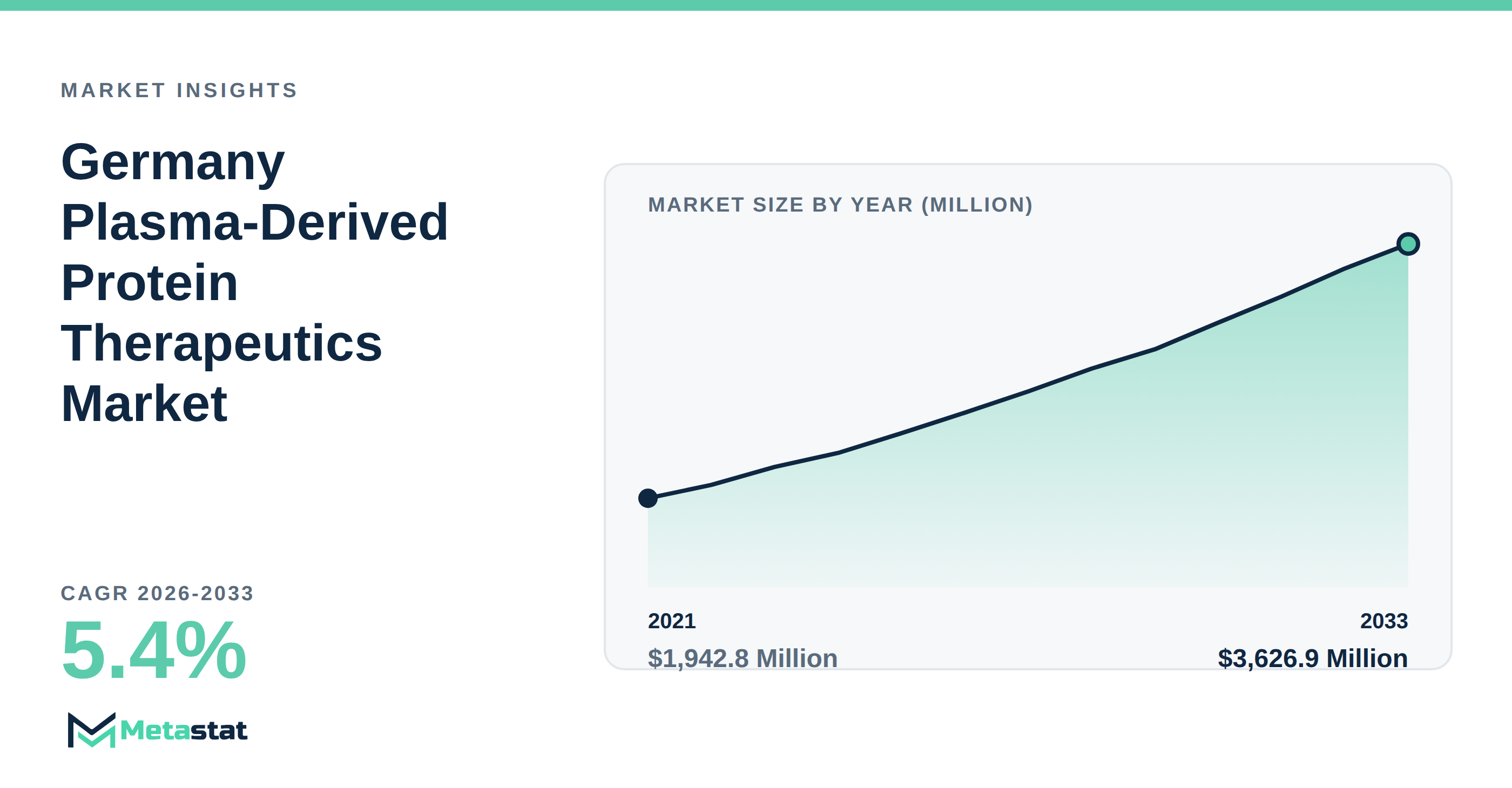
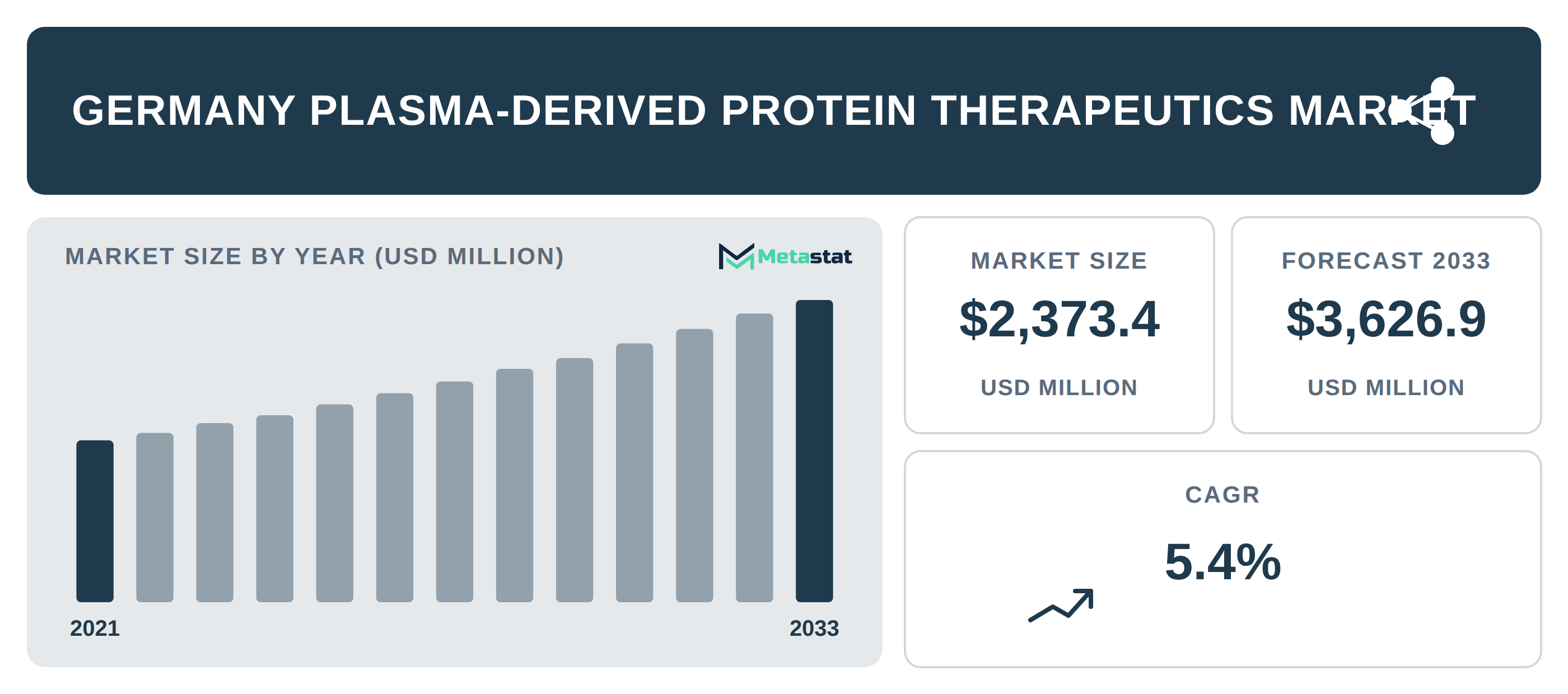
The demand for plasma-derived protein therapeutics in Germany shows significant regional differences, with contrasting trends emerging across various areas. This divergence reflects not only demographic factors but the healthcare infrastructure and specific medical needs in different regions. Understanding these dynamics is vital for stakeholders seeking to capitalize on emerging opportunities and align their strategies accordingly. Germany Plasma-Derived Protein Therapeutics market size and forecast report
What accounts for regional differences in demand?
In Germany, the demand for plasma-derived protein therapeutics varies across regions. Urban areas typically report higher consumption rates, primarily due to better healthcare access and higher incidences of medical conditions that plasma-derived therapies address, including primary immunodeficiencies and autoimmune disorders. Conversely, rural regions lag due to less access to specialized healthcare facilities and limited awareness of available treatments. This disparity creates challenges for suppliers aiming to ensure consistent product availability across different regions.
How does the prevalence of conditions influence demand?
The presence of certain medical conditions significantly influences the regional demand for plasma-derived therapeutics. In areas with a higher prevalence of primary immunodeficiency disorders, the market sees greater investment in immunoglobulin therapies, which constitute a major component of this segment. Regions that report fewer cases of such conditions do not experience the same level of urgency in therapeutic demand, contributing to a regional imbalance. This pattern highlights the importance of targeted outreach and education to inform healthcare providers about treatment options, particularly in areas lagging behind.
Are there structural factors at play in the healthcare system?
Germany's robust healthcare infrastructure varies between urban and rural settings, impacting access to plasma-derived therapies. Urban centers benefit from advanced hospitals and specialized clinics that support complex treatments, while rural areas often rely on general practitioners with limited access to the latest therapeutic advancements. This structural disparity leads to uneven demand patterns, with suppliers needing to adapt their distribution strategies to meet the unique needs of each region. Increased investments in healthcare facilities and training for practitioners in underserved areas could improve access to these crucial therapeutics.
What role do reimbursement policies play in shaping demand?
Reimbursement policies significantly influence the accessibility of plasma-derived therapies across different regions. In urban areas where healthcare systems are more integrated, patients often benefit from broader coverage and easier access to advanced treatments. Conversely, rural areas experience variability in reimbursement policies, leading to disparities in treatment adoption. Companies looking to succeed in the German market should focus on understanding the reimbursement landscape and advocate for policies that enhance patient access, particularly in underserved regions.
How stakeholderses leverage these insights for better positioning?
Understanding the regional dynamics of Germany’s plasma-derived protein therapeutics demand enables stakeholders to tailor their strategies more effectively. By identifying regions with growing demand for specific therapies, companies allocate resources wisely, engage in targeted marketing campaigns, and form partnerships with local healthcare providers. Investing in educational initiatives to raise awareness about the benefits of plasma-derived therapies assists in bridging the gap in regions where demand is currently lagging. Such strategic positioning is essential for maximizing overall market potential.
In conclusion, the varying demand for plasma-derived protein therapeutics across regions in Germany reflects a combination of healthcare access, prevalence of medical conditions, and systemic factors. Stakeholders equipped with this knowledge navigate the complexities of the market, ensuring they meet the needs of patients and healthcare providers throughout the country.
Tags
About the Authors

LEAD ANALYST
Utkarsh Khirodkar is a Lead Market Research Analyst at MetaStat Insight, specializing in market intelligence, technology sector assessments, and competitive strategy.

LEAD PRINCIPAL ANALYST, PHARMA AND HEALTHCARE
Food and Beverages · Healthcare · Healthcare IT · Medical Devices
Ajay Devgire is the Lead Healthcare Analyst at MetaStat Insight, leading strategic research and market intelligence initiatives across the global healthcare domain.