
The Cheese market is growing due to changing consumer preferences, health trends, and the demand for convenience. Discover the lucrative segments and challenges at play.
The Cheese market is experiencing significant growth, driven by evolving consumer preferences and lifestyle changes. A major trend is the rising demand for health-oriented cheese products. With increasing awareness around nutrition, consumers now seek cheeses that provide health benefits, including lower fat content and higher protein levels. This trend aligns with broader dietary patterns that focus on natural and organic food options.
Urbanization significantly contributes to the Cheese market's expansion. While city populations grow, consumers often seek convenient food options that fit their busy lifestyles. Cheese products, particularly pre-sliced or shredded varieties, cater perfectly to this demand for convenience. These ready-to-eat products appeal to urban dwellers searching for quick meal solutions without sacrificing quality.
What segments are performing best in the Cheese market?
Among the various segments, Fresh and Cream Cheese stands out because a top performer, projected to achieve a compound annual growth rate (CAGR) of 6.5% throughout the forecast period. This growth results from rising demand for versatile dairy products, especially among health-conscious consumers seeking fresh and convenient options. Soft-Ripened Cheese is gaining traction, with a projected CAGR of 6.2%. The increasing popularity of gourmet cooking and culinary exploration enhances the appeal of these specialty cheeses.
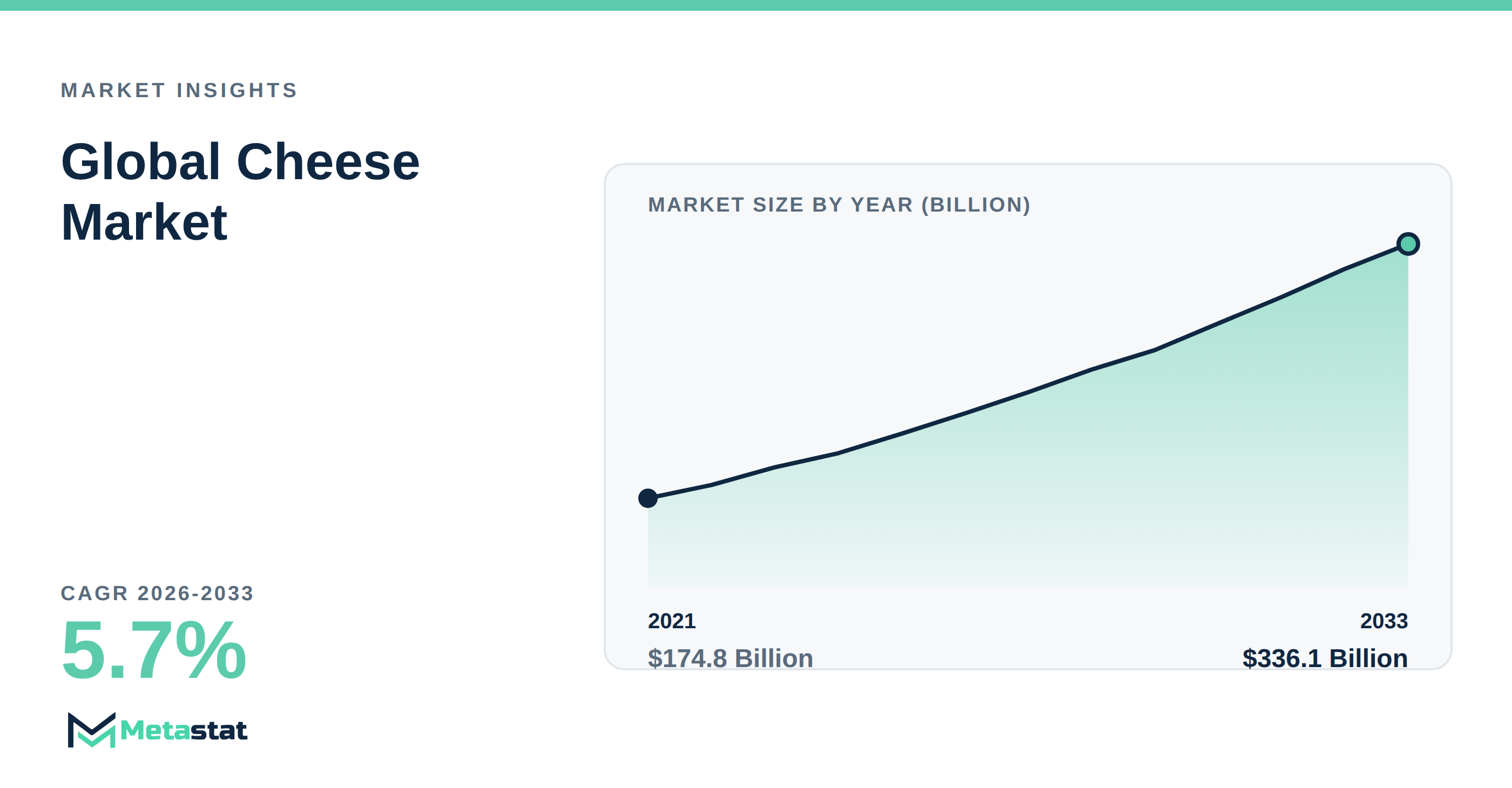
Another notable segment is that of cheese made from cow milk, anticipated to rise from USD 205.9 billion in 2026 to USD 297.5 billion by 2033. Cow milk’s widespread use across various food applications and its nutritional benefits reinforce its leading position in the market.
How do convenience and consumer behavior influence market dynamics?
Consumer behavior increasingly prioritizes convenience, significantly shaping the Cheese market. With a growing number of working individuals and busy families, demand for ready-to-eat cheese products continues to rise. Changes in purchasing preferences focus on on-the-go snacking and adaptable cheese options, prompting producers to innovate consistently. The expansion of different sales channels, including online grocery services and specialty retailers, enhances accessibility and supports the trend towards convenience.
The emphasis on time-saving options among consumers is expected to boost demand for easy-to-use cheese products, further driving overall market growth. Companies are actively developing new formats and flavors to address these changing consumer needs.
What challenges does the Cheese market face?
Despite the promising outlook for the Cheese market, it faces several challenges. Regulatory compliance poses significant obstacles, with tighter food safety and labeling regulations increasing operational complexities for producers. These compliance issues drive up costs and restrict pricing flexibility, ultimately affecting profit margins. Economic factors, including inflation and currency fluctuations, further complicate the environment, potentially limiting consumer purchasing power.
Supply chain disruptions present another major concern, creating bottlenecks that hinder timely distribution and adversely affect sales. These challenges complicate the landscape for producers, particularly smaller players who struggle to manage the associated costs and market volatility.
How companies leverage market opportunities?
Despite these challenges, the Cheese market offers ample opportunities for growth. Companies investing in research and development to innovate their product offerings attract health-conscious buyers and broaden their market reach. The incorporation of sustainable practices aligns with consumer preferences for environmentally responsible products, thus enhancing brand loyalty and market viability.
Strategic partnerships and mergers within the sector improve operational efficiencies, enabling companies to consolidate resources and strengthen their competitive position. By focusing on optimizing the value chain, businesses align their procurement strategies with current consumer preferences, ensuring they effectively meet market demands.
While the Cheese market evolves, businesses that remain agile and responsive to consumer trends will likely position themselves favorably for sustained growth. By embracing innovation and adapting to the changing landscape, companies capitalize on emerging opportunities while successfully navigating the complexities of the market.
For more insights, visit the Global Cheese Market report.
Tags
About the Authors

LEAD ANALYST
Utkarsh Khirodkar is a Lead Market Research Analyst at MetaStat Insight, specializing in market intelligence, technology sector assessments, and competitive strategy.

LEAD PRINCIPAL ANALYST, PHARMA AND HEALTHCARE
Food and Beverages · Healthcare · Healthcare IT · Medical Devices
Ajay Devgire is the Lead Healthcare Analyst at MetaStat Insight, leading strategic research and market intelligence initiatives across the global healthcare domain.

SENIOR RESEARCH ANALYST
Biotechnology · Food and Beverages · Medical Devices · Packaging
Snehal Pasalkar is a Research Analyst at MetaStat Insight, operating at the intersection of life sciences research, competitive strategy, and market intelligence.