
Explore the dynamics of the flexible packaging sector beyond sustainability. Understand how convenience, technology, and regulations play crucial roles.
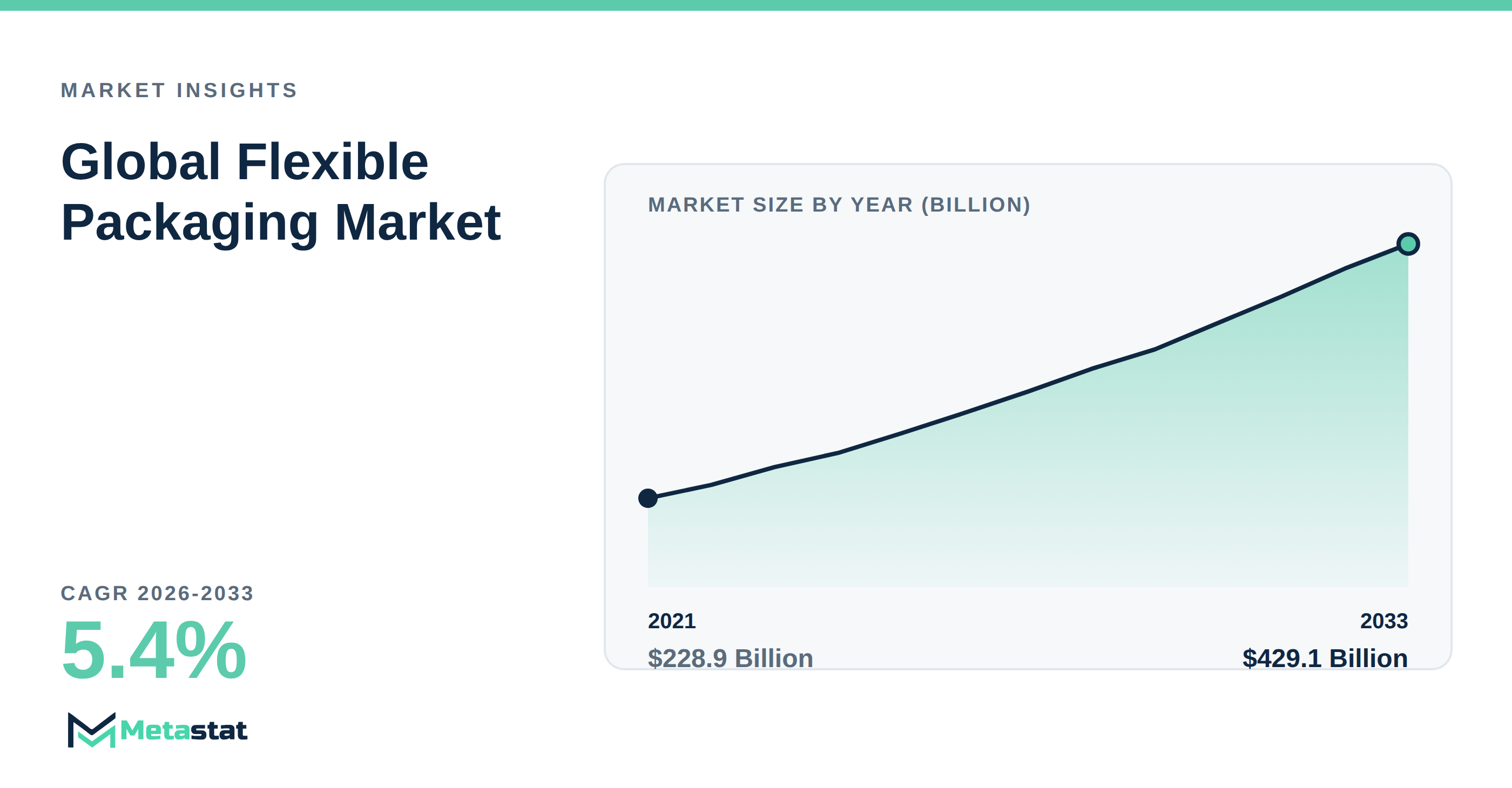
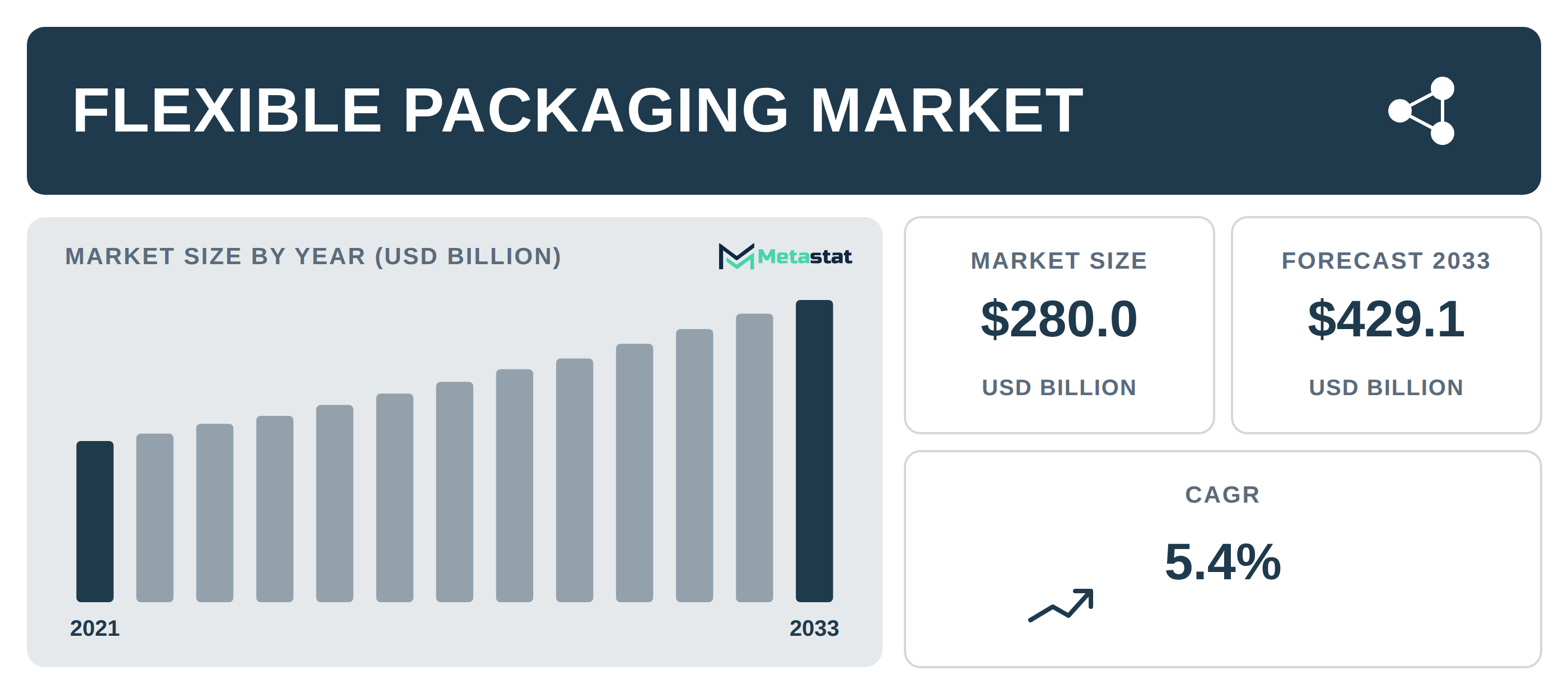
The market for Flexible Packaging is undergoing significant transformations, influenced by evolving consumer preferences and increasing regulatory pressures. A common misconception is that the growth of this packaging sector relies solely on the shift towards eco-friendly materials. While sustainability is crucial, recognizing the multifaceted influences shaping market dynamics provides valuable insights for businesses aiming to navigate this complex landscape. Flexible Packaging market size and forecast report offers detailed data on these trends.
Why sustainability is just one piece of the puzzle
Some industry observers heavily emphasize sustainability as the primary catalyst for growth in flexible packaging. However, consumer demand for convenience and product shelf life plays critical roles. Buyers increasingly look for packaging solutions that minimize environmental impact while enhancing usability and preservation. In particular, the food and beverage sector highlights this dual focus, prioritizing packaging that meets safety regulations and consumer expectations for convenience.
Consumer preferences are shifting towards convenience and functionality
Convenience drives the demand for flexible packaging solutions. Today's consumers frequently prefer ready-to-eat meals and on-the-go products, which increases the need for packaging that facilitates ease of use. Innovations like pouches and stick packs cater to this demand, offering features including resealability and portion control. While these consumer behaviors evolve, businesses adapt their packaging strategies to remain competitive.
Technological advancements are enhancing packaging capabilities
Technological innovation in the flexible packaging sector significantly influences market dynamics. Advances in printing technologies, particularly digital printing, enable companies to produce customized packaging quickly and cost-effectively. This ability to respond to market trends enhances brand differentiation on store shelves while appealing to consumers seeking personalized experiences. The shift towards digital printing reduces waste and production costs, improving profitability for businesses that adopt these technologies.
Understanding diverse material options in flexible packaging
Material choices in flexible packaging are varied and critically impact functionality and sustainability. For example, polyethylene (PE) films provide outstanding sealing properties and recyclability, making them especially appealing for food packaging. Conversely, paper-based solutions gain traction due to consumer preferences for biodegradable options. Companies strategically select materials aligning with sustainability goals and the specific needs of the products they package.
Adapting to the changing regulatory landscape
Regulatory pressures regarding environmental sustainability are expected to increase, influencing how businesses approach packaging. Companies within the flexible packaging sector remain informed about these changes and adapt their materials and practices accordingly. By investing in sustainable technologies and processes, businesses comply with regulations while positioning themselves advantageously in the market.
Sustainability is a significant theme in the market for flexible packaging. However, it is not the sole driver of growth. Convenience, technological advancements, material diversity, and regulatory changes all contribute to shaping the landscape. Companies that understand these dynamics and adapt will be better positioned to thrive in a competitive environment.
Tags
About the Authors

LEAD ANALYST
Utkarsh Khirodkar is a Lead Market Research Analyst at MetaStat Insight, specializing in market intelligence, technology sector assessments, and competitive strategy.

SENIOR RESEARCH ANALYST
Biotechnology · Food and Beverages · Medical Devices · Packaging
Snehal Pasalkar is a Research Analyst at MetaStat Insight, operating at the intersection of life sciences research, competitive strategy, and market intelligence.

INDUSTRY CONSULTANT - CHEMICALS & ADVANCED MATERIALS
Chemicals and Materials · Machinery & Equipment · Packaging
Amit Gadhekar Consultant for Chemicals and Materials at MetaStat Insight, directing sector-specific intelligence, research, and strategic consulting across global chemical and processing markets.