
Explore the evolving dynamics of the India Digital Lending market, focusing on consumer behavior, technology, and regulatory influences driving growth.
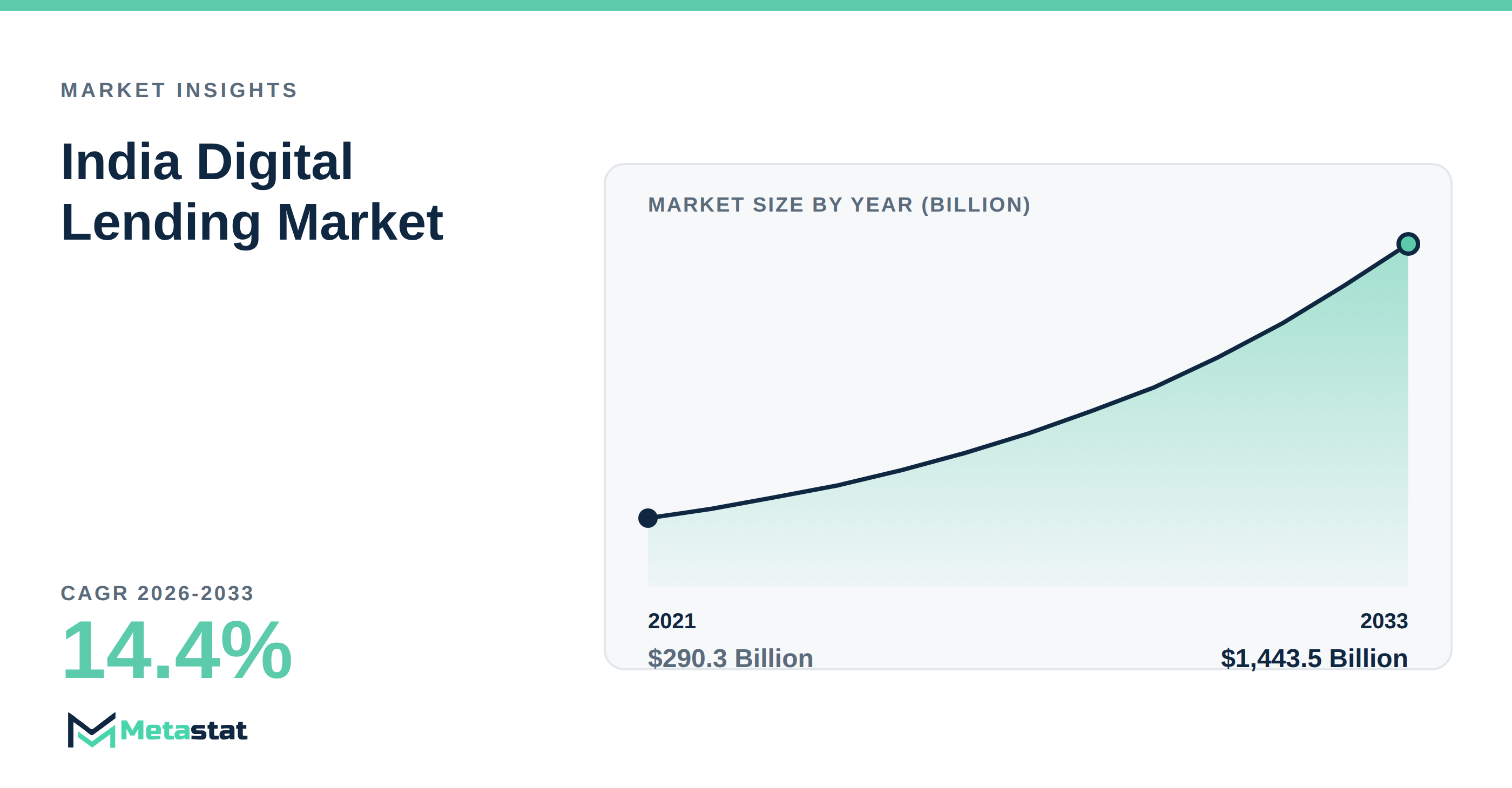
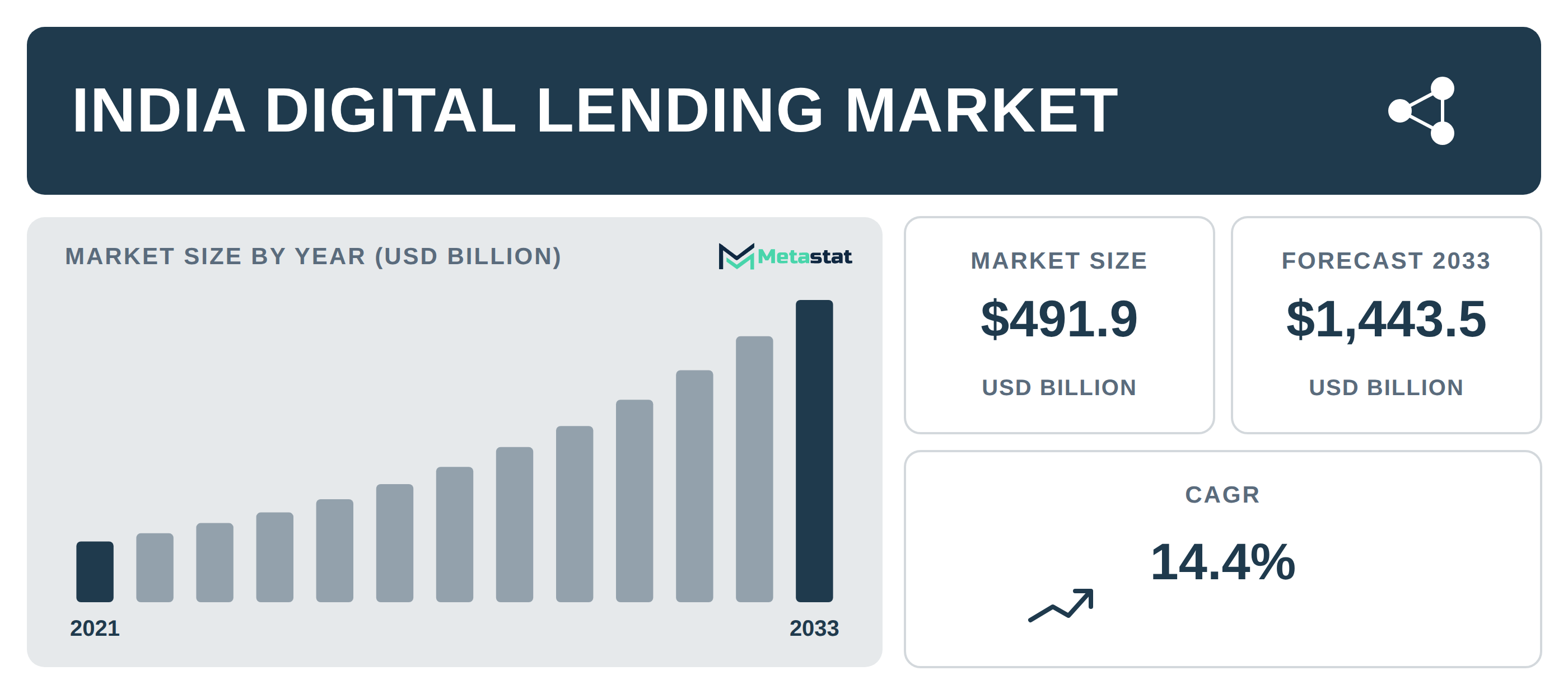
The market for India Digital Lending has seen rapid transformations that extend beyond mere statistics. While many focus solely on the numbers - including projected growth to USD 1,443.5 billion by 2033 - the underlying dynamics often overshadow these headlines. Understanding what drives this growth reveals crucial insights into consumer behavior, technological advancements, and market opportunities. India Digital Lending market size and forecast report
Why understanding consumer behavior is essential
Consumer behavior significantly influences the trajectory of digital lending services. A growing demographic of younger consumers prefers accessibility and convenience, leading to an increased adoption of personal loans. For instance, personal loans are expected to increase from USD 163.9 billion in 2026 and reach approximately USD 439.5 billion by 2033. This shift highlights a pressing demand for flexible financial solutions that accommodate today’s fast-moving lifestyle.
While more consumers engage with digital platforms for their borrowing needs, companies like Bajaj Finance Limited and ICICI Bank Limited benefits from tailoring their offerings. Recognizing these preferences is crucial for financial institutions looking to capture a larger share of the evolving landscape. The transformation from traditional loans to quick, accessible digital options is shaping the future of this market.
Technological advancements are transforming lending
Technology, particularly AI and machine learning, is reshaping the lending landscape. The incorporation of AI-driven underwriting processes allows lenders to assess creditworthiness more effectively, especially among those with limited credit histories. Institutions leveraging this technology see enhanced lending efficiency and improved borrower-lender relationships.
The market for AI-driven underwriting is set to reach USD 573.4 billion by 2033. By adopting such advanced technologies, lenders not only reduce risks but cater to a wider audience. The cloud deployment model is increasingly favored for its scalability and efficiency, further driving growth in lending volumes. Institutions that hesitate to adopt these technologies risk falling behind in a rapidly changing market.
Regulatory landscape and its implications
The evolving regulatory landscape plays a critical role in shaping the digital lending ecosystem. The Reserve Bank of India (RBI) ensures that lenders comply with guidelines designed to protect consumers. Firms that prioritize compliance enhance their reputations and build consumer trust, which is crucial for sustained growth.
However, the challenge of meeting regulatory demands hinders smaller players who struggle with the costs associated. This compliance burden deters innovation, particularly in segments like peer-to-peer lending, where consumer trust is vital. Thus, while adherence to regulations is essential, it can serve as a complicated challenge for potential growth opportunities.
Embedded finance and alternative payment options
Embedded finance and Buy Now, Pay Later (BNPL) solutions are gaining traction, providing consumers and businesses with greater purchasing flexibility. These innovative payment structures allow customers to manage cash flow while making purchases, leading to enhanced loyalty and repeat business. The segment associated with embedded finance is projected to achieve USD 397.5 billion by 2033.
The integration of BNPL options exemplifies how companies adapt to changing consumer preferences. Retailers increasingly capitalize on these options to boost sales conversions while enhancing customer experiences. This trend emphasizes the importance of offering flexible payment solutions to attract and retain customers in the competitive realm of digital lending.
Conclusion: Driving changes in digital lending
The growth of digital lending in India results not merely from increasing demand; it is fundamentally influenced by technological advancements, consumer behavior, and regulatory frameworks. Financial institutions that acknowledge these dynamics position themselves strategically within the market. By embracing technology, understanding consumer preferences, and navigating regulatory challenges effectively, lenders ensure sustained growth and capitalize on expanding opportunities in the digital lending space. Realizing the potential of this market requires a comprehensive understanding of these interconnected factors - insights that significantly impact decision-making in the sector.
Tags
About the Authors

LEAD ANALYST
Utkarsh Khirodkar is a Lead Market Research Analyst at MetaStat Insight, specializing in market intelligence, technology sector assessments, and competitive strategy.

PRINCIPAL CONSULTANT - ENTERPRISE AI & EMERGING TECHNOLOGIES
Banking & Finance · Electronics and Semiconductor · Energy and Power · Healthcare IT · Information & Technology · Professional Services
Vijay Gunti is a Principal Consultant at MetaStat Insight, bringing over two decades of experience across enterprise digital transformation, technology strategy, and intelligent systems.