
Explore essential insights about the Caster Wheels market, focusing on material selection, design innovation, ergonomic solutions, and the challenges faced by buyers.
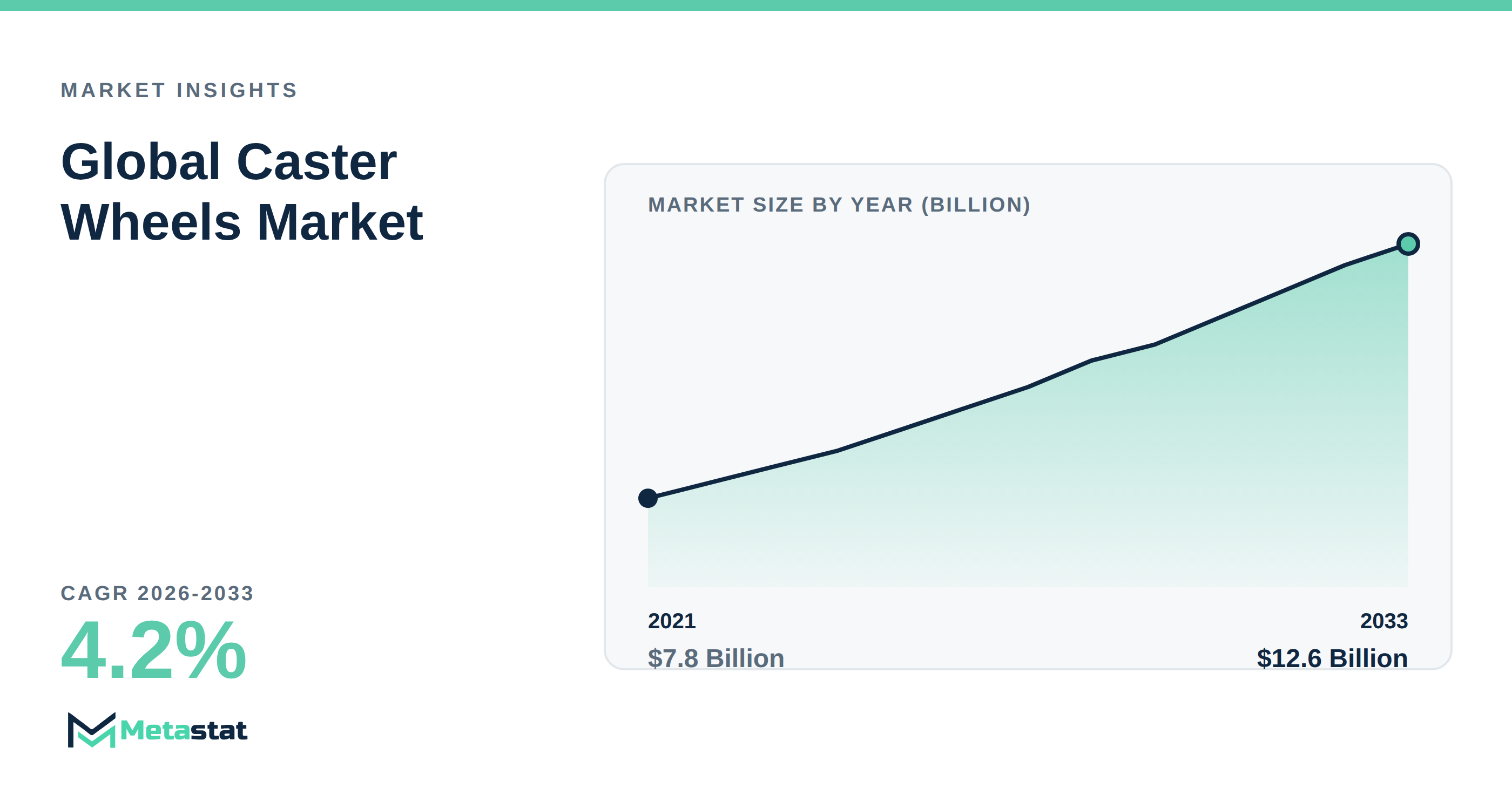
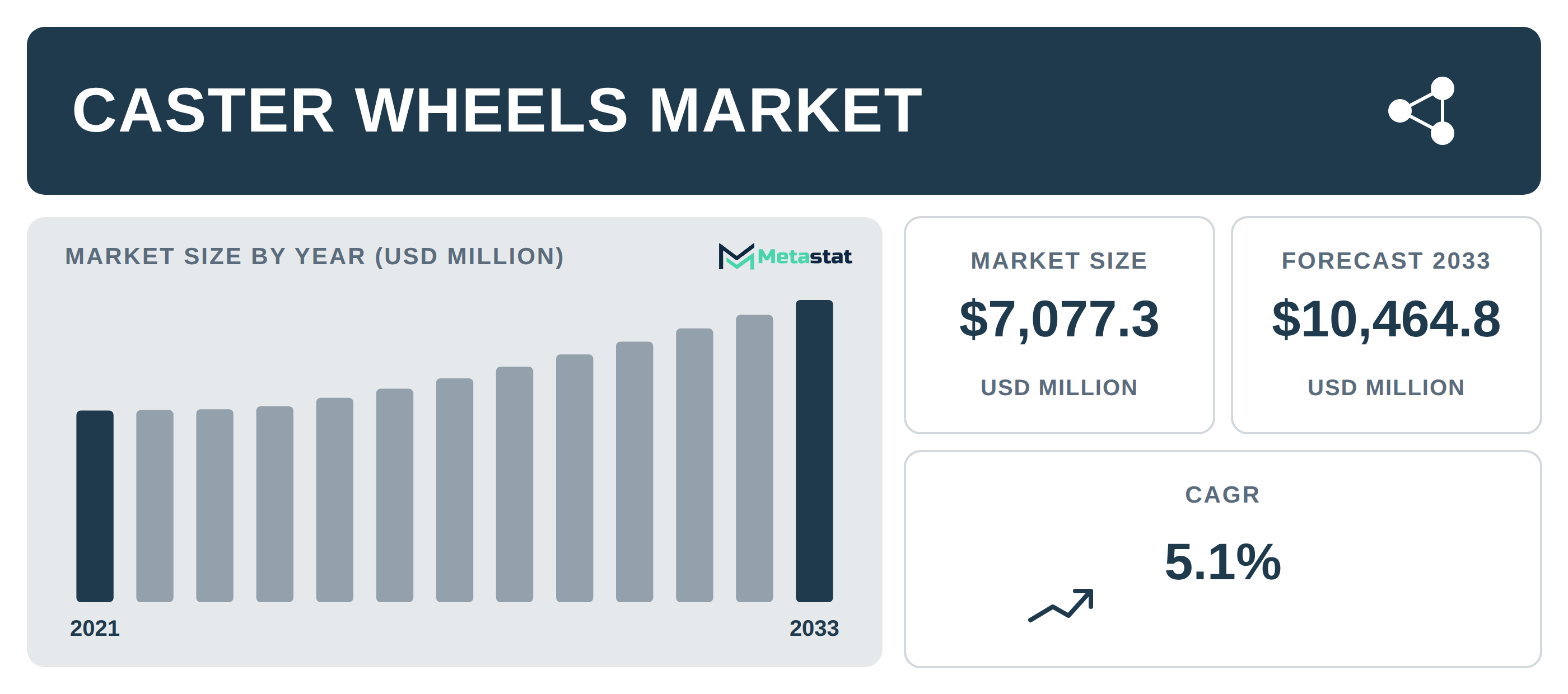
Correctly interpreting the dynamics of the market for Caster Wheels is essential for stakeholders in various industries. Many organizations overlook the real implications of material choices and design innovations when investing in caster wheels. Understanding these elements leads to improved mobility solutions and operational efficiencies. The Caster Wheels market size and forecast report reveals growth trends and factors influencing purchasing decisions.
Why material selection matters more than price
In the competitive landscape of caster wheels, buyers frequently focus on upfront costs rather than the long-term benefits of material choices. High-quality materials, including polyurethane, offer superior durability, wear resistance, and lower maintenance needs compared to traditional options, including rubber. While rubber wheels typically have a lower initial cost, the long-term expenses associated with their frequent replacement quickly negate any savings. Investing in better materials often leads to fewer replacements and lower operational costs over time.
How design innovation drives operational efficiency
Design plays a critical role in the performance of caster wheels. Innovations including shock-absorbing features or noise-reducing designs greatly enhance user experience and functionality. For instance, casters designed specifically for medical equipment not only be mobile but must ensure quiet operation and reliability. As businesses increasingly prioritize operational efficiency, the emphasis on innovative designs that cater to specific needs becomes increasingly important. Buyers benefit from selecting casters that optimize workflow and enhance productivity, leading to smoother operations.
Understanding the impact of load ratings on heavy-duty applications
Dynamic load ratings significantly influence the selection of heavy-duty caster wheels. Many buyers do not fully understand the importance of these ratings, leading to potential issues, including equipment failure stemming from incorrect wheel selection. Understanding the differences between static and dynamic load ratings is crucial for ensuring safe and efficient operations. Buyers should prioritize products with dynamic load ratings that exceed expected loads to guarantee robustness in demanding applications.
Why ergonomic solutions are becoming a priority
The focus on ergonomics is transforming buyer preferences in the caster wheels sector. An increasing number of industries recognize the importance of ergonomic designs that promote comfort and reduce strain. This trend is particularly evident in the healthcare and logistics sectors, where mobility solutions prioritize not only functionality but user comfort. Buyers increasingly make decisions based on how well products enhance the human experience, emphasizing the growing significance of ergonomics in equipment design.
Addressing the challenge of rising material costs
Rising prices for essential raw materials pose significant challenges for manufacturers and buyers alike. Buyers face tighter budgets that limit their ability to invest in advanced solutions. Economic factors, including inflation and geopolitical risks, further complicate purchasing decisions. To navigate these challenges, industries adopt strategic approaches that balance cost with the need for quality, ensuring they invest wisely in caster wheels that align with their operational needs.
Capturing opportunities in the growing medical sector
Investment in medical and healthcare equipment represents a significant growth opportunity within the market for Caster Wheels. The increasing focus on hygiene, safety, and efficient equipment movement drives demand, with hospitals and medical facilities requiring reliable and cleanable caster wheels. The growth of the healthcare sector, paired with the increasing complexity of medical equipment, positions medical caster wheels as vital components in the overall landscape. Suppliers focused on innovation in this space benefit from heightened demand, resulting in expanded market share and revenue opportunities.
Understanding the complexities of the market for Caster Wheels extends beyond mere numbers. Material selection, design innovation, load ratings, ergonomics, and economic challenges all play significant roles in shaping purchasing decisions. By prioritizing these elements, buyers enhance their operational efficiency and achieve lasting improvements in mobility solutions.
Tags
About the Authors

LEAD ANALYST
Utkarsh Khirodkar is a Lead Market Research Analyst at MetaStat Insight, specializing in market intelligence, technology sector assessments, and competitive strategy.

INDUSTRY CONSULTANT - CHEMICALS & ADVANCED MATERIALS
Chemicals and Materials · Machinery & Equipment · Packaging
Amit Gadhekar Consultant for Chemicals and Materials at MetaStat Insight, directing sector-specific intelligence, research, and strategic consulting across global chemical and processing markets.

PRINCIPAL CONSULTANT - QUALITY SYSTEMS & COMPLIANCE
Electronics and Semiconductor · Machinery & Equipment · Professional Services
Omkar Phadtare is an Industry Consultant at MetaStat Insight, specializing in quality systems, regulatory compliance, and standards benchmarking to drive data-driven market intelligence and strategic industry research.

ENERGY & INFRASTRUCTURE INDUSTRY CONSULTANT
Automotive and Transportation · Electronics and Semiconductor · Energy and Power · Machinery & Equipment
Saurabh Vasant Ganvir consults for Energy & Infrastructure Industry at MetaStat Insight, specializing in renewable energy, solar EPC, and electric vehicle (EV) infrastructure markets.

LEAD CONSULTANT - COMMUNICATION, TELECOM, AND IT
Electronics and Semiconductor · Information & Technology · Machinery & Equipment · Professional Services
Ravindra Sathe Consultants for Communication, Telecom, and IT at MetaStat Insight. He leads the firm's industry research initiatives across telecommunications infrastructure, digital connectivity, enterprise networking, and emerging information technology domains.