
The ISO Tank Container market is set to grow significantly, driven by economic factors, technological advancements, and sustainability trends crucial for businesses.
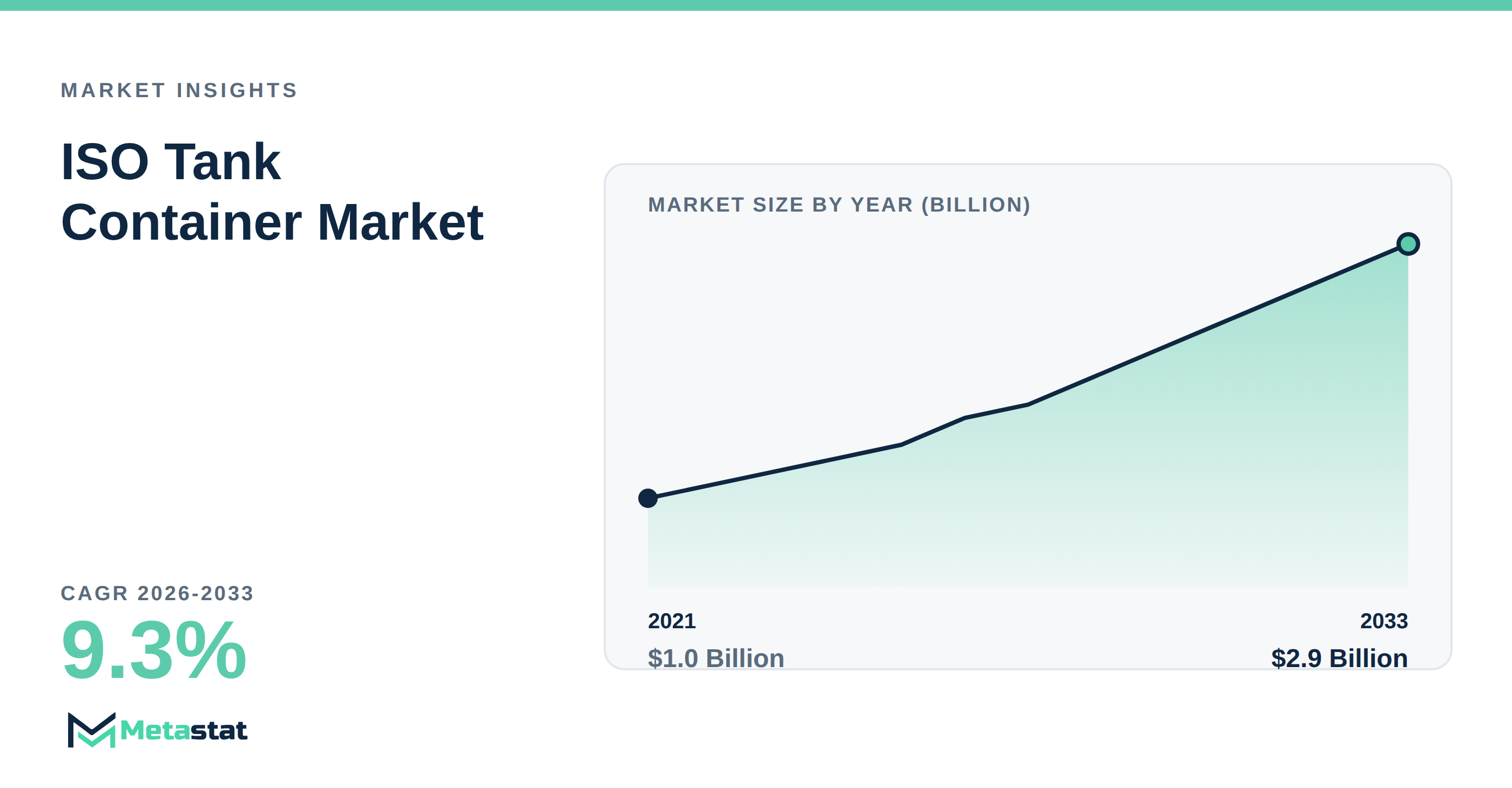
The ISO Tank Container market is experiencing a notable transformation, projected to rise from USD 1.4 billion in 2025 to USD 2.9 billion by 2033. This growth highlights critical trends and factors influencing the industry's landscape, particularly in sectors including chemicals and petrochemicals.
What drives demand in the ISO Tank Container market?
Increased economic activities around the globe have a substantial impact on the ISO Tank Container market. The demand for efficient transport solutions for bulk liquids and gases is being fueled by a rise in industrial production and international trade, especially in emerging economies. Industries including chemicals and petrochemicals lead this demand due to their requirements for safe and reliable shipping methods.
Investment in infrastructure plays a pivotal role in enhancing logistics networks. These improvements facilitate the efficient movement of goods, making compliance with environmental and safety regulations essential. Upgrading facilities reduces operational costs while simultaneously improving the reliability of deliveries, which reinforces the long-term trends in the market.
How do technological advancements enhance market efficiency?
Integrating advanced technologies significantly enhances the efficiency of the ISO Tank Container market. The adoption of automation and artificial intelligence streamlines operations, leading to improved handling and management of inventory and logistics. Modern innovations in tank designs and materials contribute to increased safety and better operational performance, aligning with the evolving demands of the industry.
Companies that prioritize technological upgrades witness substantial boosts in productivity and adaptability to shifting market conditions. Demographic changes and urbanization drive organizations to incorporate modern practices that cater to diverse consumer needs. This focus on innovation places businesses in a strong position for continued growth.
What challenges do companies face in the regulatory landscape?
Companies in the ISO Tank Container market encounter challenges stemming from strict regulatory compliance requirements. Growing environmental and safety regulations often compel manufacturers to invest in cutting-edge technologies and processes to ensure adherence. These evolving requirements strain smaller firms, making it difficult for them to compete with larger companies that possess more resources.
Macroeconomic pressures, including rising inflation and raw material costs, complicate the market dynamics further. Companies navigate these challenges carefully, balancing compliance costs while striving to preserve profitability. Compliance affects production expenses and shapes overall market competitiveness, making it essential to address these hurdles effectively.
What role do geopolitical factors play in market dynamics?
Geopolitical tensions have a profound impact on the ISO Tank Container market by creating instability in trade routes. Disruptions in trade lead to higher operational costs and delays for industries that rely on timely transportation of chemicals and petrochemicals. Fluctuations in tariffs introduce additional financial burdens, compelling companies to adjust their sourcing strategies accordingly.
While firms seek alternative sourcing options to mitigate risks, the overall logistical architecture of the market shifts. This evolution influences procurement decisions and operational strategies. Companies remain agile in response to uncertainties, ensuring they maintain a competitive advantage in a rapidly changing environment.
How does sustainability influence the ISO Tank Container market?
The increasing focus on sustainability and eco-friendly practices significantly shapes the ISO Tank Container market. Businesses are prioritizing environmental compliance, which drives demand for containers that facilitate sustainable transportation solutions. This trend aligns with consumer preferences for responsible resource management and ethical governance within supply chains.
Investing in sustainable practices not only enhances brand reputation but fosters customer loyalty, contributing to growth in the market segment. While companies adapt to rising expectations for eco-friendly solutions, they position themselves favorably within a marketplace prioritizing sustainability.
The ISO Tank Container market is on a growth trajectory fueled by economic development, technological innovation, and a commitment to sustainability. Stakeholders should strategically adapt and invest to capitalize on emerging opportunities, ensuring long-term success in this evolving market. For more detailed insights, explore the Global ISO Tank Container Market.
Tags
About the Authors

LEAD ANALYST
Utkarsh Khirodkar is a Lead Market Research Analyst at MetaStat Insight, specializing in market intelligence, technology sector assessments, and competitive strategy.

ENERGY & INFRASTRUCTURE INDUSTRY CONSULTANT
Automotive and Transportation · Electronics and Semiconductor · Energy and Power · Machinery & Equipment
Saurabh Vasant Ganvir consults for Energy & Infrastructure Industry at MetaStat Insight, specializing in renewable energy, solar EPC, and electric vehicle (EV) infrastructure markets.