
Explore how 3D Point Cloud Processing Software insights provide clarity on investment, deployment, and automation for better decision-making.
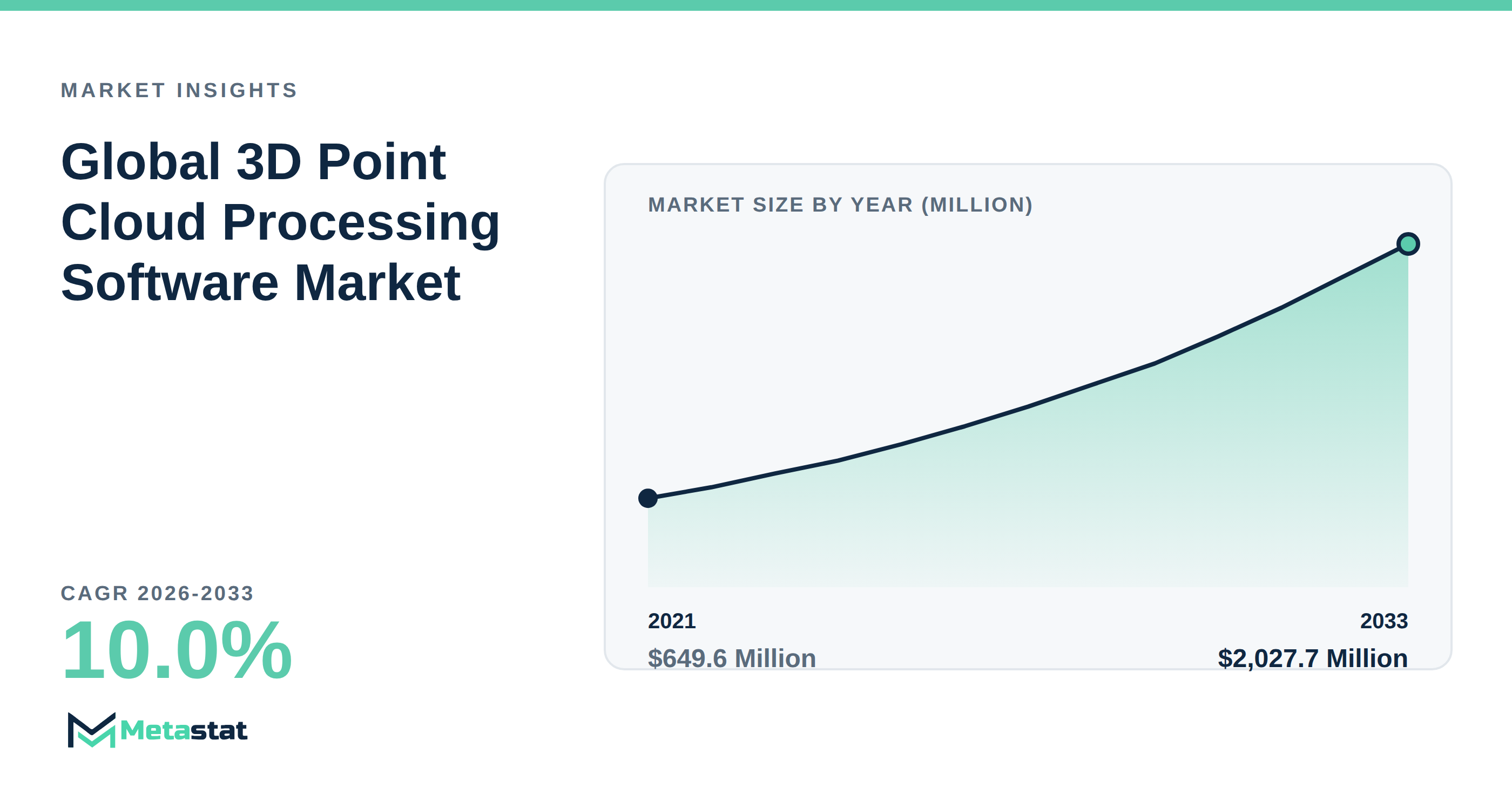
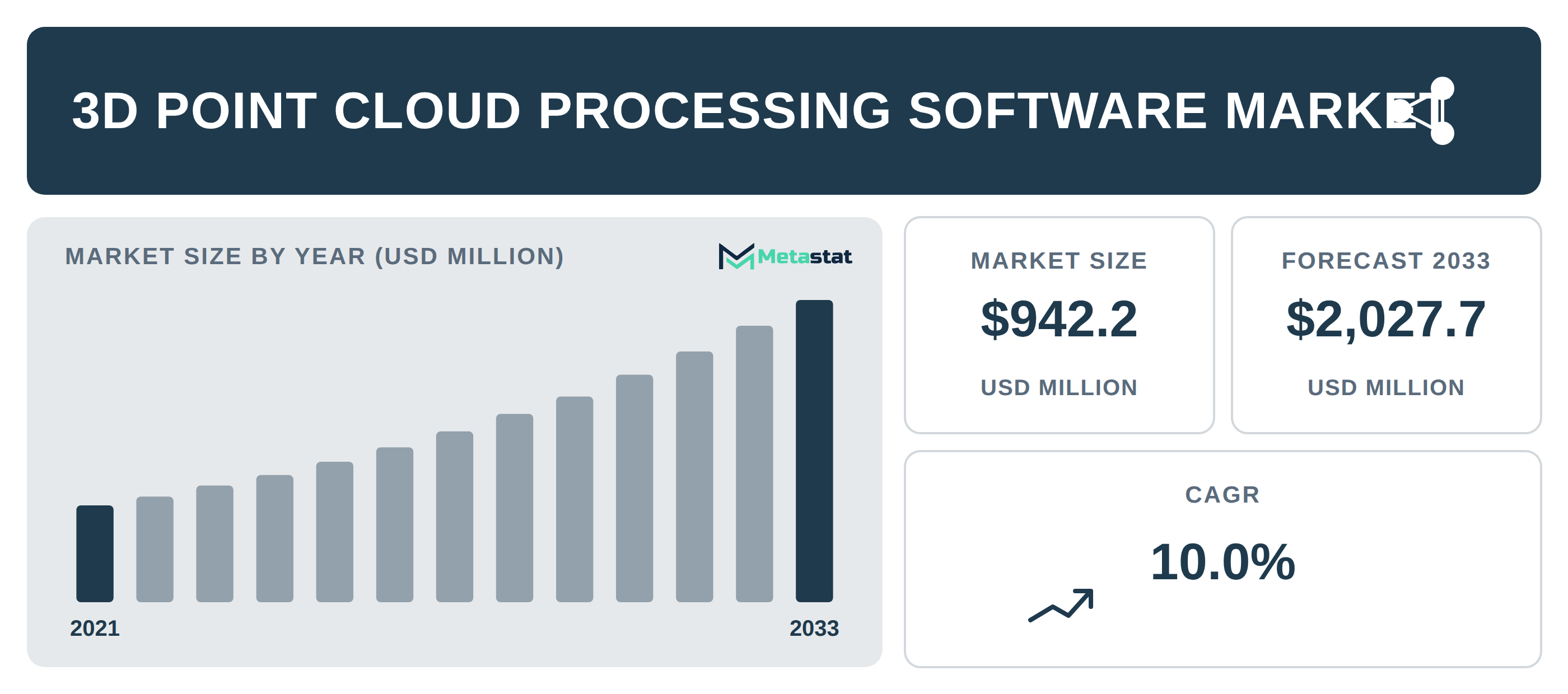
While many industry observers recognize the potential of 3D Point Cloud Processing Software, misconceptions often cloud the true value it brings to various sectors. This technology, integral for transforming point cloud data into actionable insights, is particularly relevant in architecture, engineering, and construction. The market for 3D Point Cloud Processing Software encompasses a wide range of solutions, driven by factors including digital transformation and the adoption of advanced technologies like LiDAR. However, it is essential to explore what these trends truly signify for potential buyers and organizations. The full figures are in our 3D Point Cloud Processing Software market size and forecast report.
What drives investment in 3D Point Cloud Processing Software?
Many companies invest in 3D Point Cloud Processing Software primarily to enhance project accuracy and efficiency. Yet, behind this straightforward motivation lies a complex interaction of factors that influence buyer decisions. For instance, the increasing demand for high-quality 3D models in decision-making processes reflects a growing focus on precision within industries including architecture and construction.
This demand stems from the realization that accurate data representation directly influences project outcomes. While more firms strive to optimize their operations, the software's ability to streamline workflows and reduce errors becomes invaluable. Advancements in technologies, particularly LiDAR, allow for the generation of detailed point cloud data that further enhances the utility of these software solutions. This emphasis on precision signals a shift toward more sophisticated tools capable of meeting complex project requirements.
How do deployment models impact user experience?
The choice of deployment model in 3D Point Cloud Processing Software - whether cloud-based, on-premises, or hybrid - significantly influences user experience and operational efficiency. Many organizations find that the flexibility and scalability of cloud-based solutions offer attractive advantages. These models allow users to access robust processing capabilities without substantial investments in on-premises infrastructure.
The collaborative benefits of cloud solutions simplify real-time data sharing among project teams, enhancing productivity across geographical boundaries. While companies increasingly favor these models, the impact on project management capabilities becomes evident. In contrast, on-premises solutions, while providing more control over data security, require significant upfront investments and ongoing maintenance costs, which limit their appeal to organizations focused on optimizing resource allocation.
Are there hidden costs associated with software adoption?
Investing in 3D Point Cloud Processing Software comes with several considerations beyond initial purchase costs. Pricing sensitivity significantly affects adoption rates, particularly for small and medium-sized enterprises (SMEs) that face difficulties in justifying high initial investments. The elevated costs associated with licenses and implementations deter potential users, resulting in slower adoption rates.
Understanding these financial dynamics is crucial for organizations looking to adopt these technologies. While larger firms handle expenses more comfortably, SMEs struggle to keep pace. Addressing these price barriers will be essential for promoting broader adoption of point cloud processing solutions across various applications.
What role does automation play in the future of point cloud processing?
Automation is reshaping workflows in the market for 3D Point Cloud Processing Software. The integration of AI-driven classification and feature extraction technologies significantly minimizes the time required to process LiDAR data. This advancement enables professionals in fields like architecture and construction to prioritize higher-level analysis rather than being bogged down by time-consuming data preparation.
Organizations that adopt AI in their operations stand to gain from improved accuracy and expedited turnaround times. With the technology becoming more accessible, users respond more effectively to client demands and evolving project requirements. Thus, the incorporation of automation contributes to increased productivity and enhanced project delivery outcomes in the coming years.
Conclusion: How do these insights shape decision-making?
Understanding the intricacies of 3D Point Cloud Processing Software reveals key insights that shape decision-making processes for potential users. By recognizing the implications of investment drivers, deployment models, hidden costs, and the role of automation, organizations position themselves more effectively within their respective industries. Embracing these insights promotes a more informed approach to selecting the right software solutions, ultimately enhancing project outcomes and operational efficiency.
Tags
About the Authors

LEAD ANALYST
Utkarsh Khirodkar is a Lead Market Research Analyst at MetaStat Insight, specializing in market intelligence, technology sector assessments, and competitive strategy.

PRINCIPAL CONSULTANT - ENTERPRISE AI & EMERGING TECHNOLOGIES
Banking & Finance · Electronics and Semiconductor · Energy and Power · Healthcare IT · Information & Technology · Professional Services
Vijay Gunti is a Principal Consultant at MetaStat Insight, bringing over two decades of experience across enterprise digital transformation, technology strategy, and intelligent systems.

LEAD CONSULTANT - COMMUNICATION, TELECOM, AND IT
Electronics and Semiconductor · Information & Technology · Machinery & Equipment · Professional Services
Ravindra Sathe Consultants for Communication, Telecom, and IT at MetaStat Insight. He leads the firm's industry research initiatives across telecommunications infrastructure, digital connectivity, enterprise networking, and emerging information technology domains.