
Explore the contrasting dynamics driving RFID demand in North America and Asia Pacific. Discover the factors influencing adoption and growth in these regions.
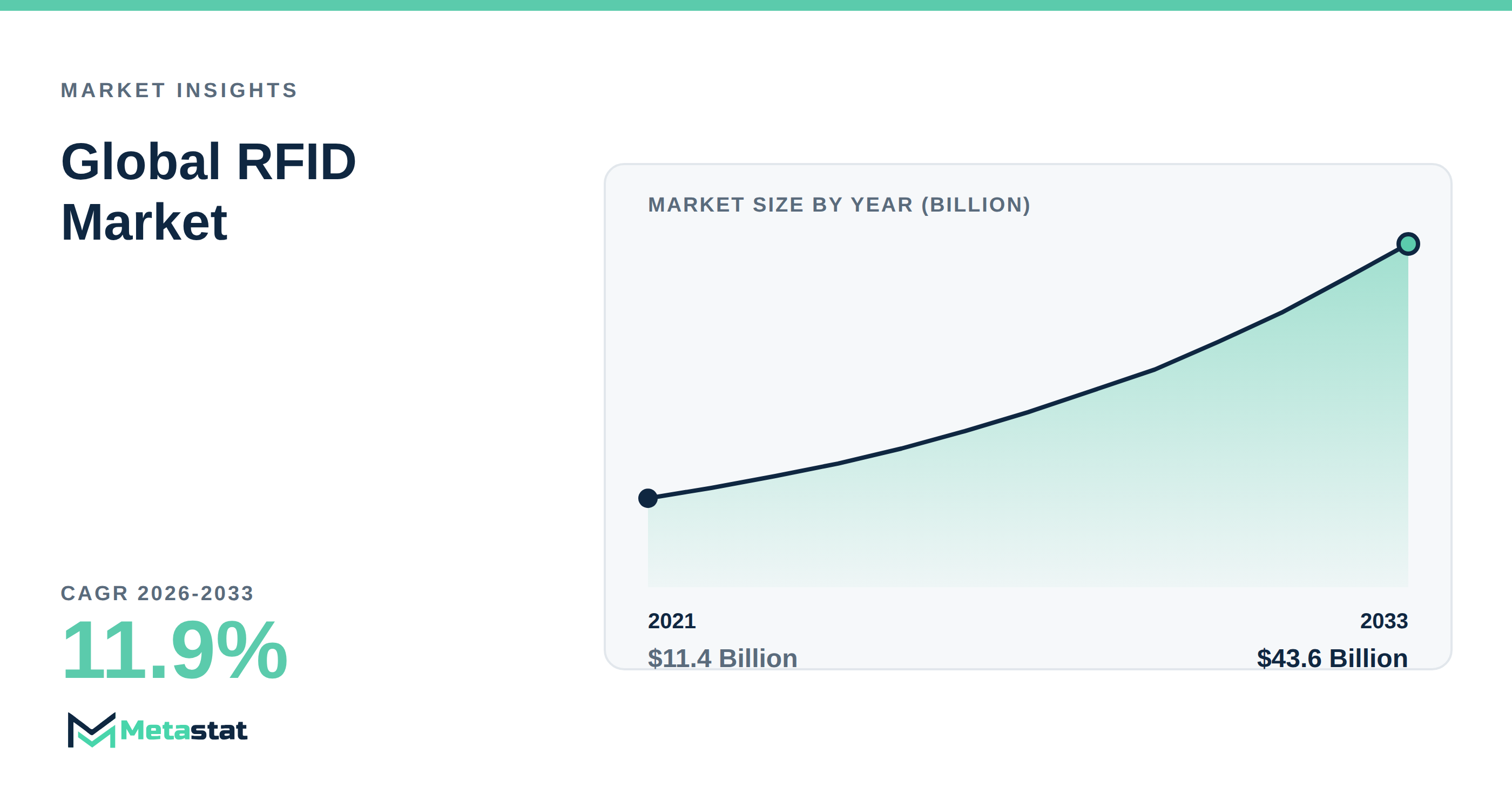
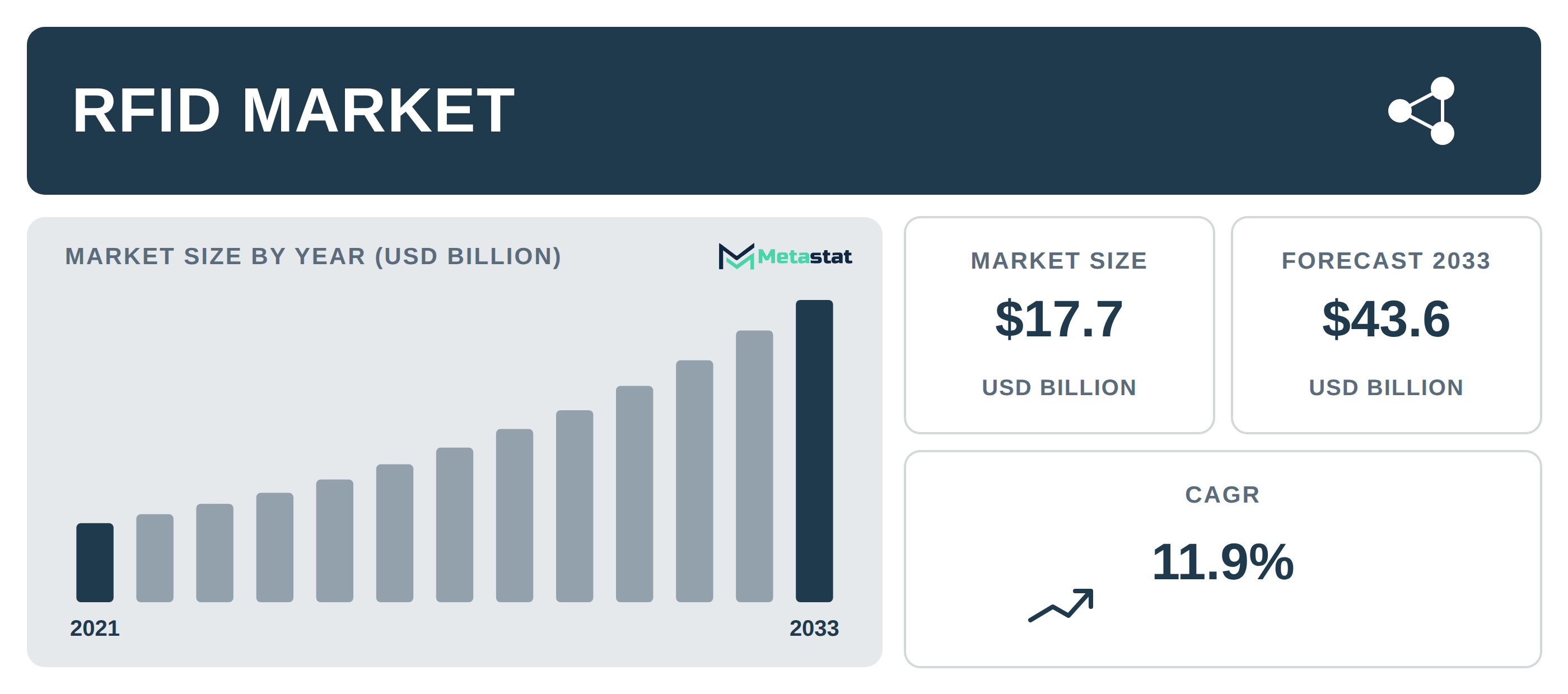
Understanding the regional variations in RFID regional demand is crucial for stakeholders aiming to optimize their strategies. The growing interest in RFID technologies has created differing dynamics between North America and Asia Pacific, particularly in sectors like retail and healthcare. While North America leads in adoption, Asia Pacific is rapidly advancing, driven by varying factors. The full figures are in our RFID market size and forecast report.
What drives RFID adoption in North America?
North America, especially the United States, represents a significant share of RFID usage, largely due to its advanced infrastructure and strong technology landscape. Companies in this region focus on enhancing operational efficiencies, particularly in retail and healthcare sectors. Retailers prioritize improving inventory accuracy, leveraging RFID's capabilities for real-time tracking and data management.
The increasing focus on compliance and inventory management fosters investment in RFID solutions that enhance visibility throughout supply chains. With a substantial portion of the demand attributed to the need for transparent supply chains, North America's RFID landscape significantly enhances customer satisfaction and operational efficiencies.
How is Asia Pacific catching up?
In contrast, Asia Pacific is undergoing rapid growth, accounting for nearly 30% of RFID demand by 2025. The region's expanding industrial base is driven by government programs aimed at advancing digital transformation and improving supply chains. Countries including China and India are leading this shift, capitalizing on the growing adoption of automation and mobile technologies.
Emerging economies within Southeast Asia are particularly noteworthy for their adoption of RFID systems, spurred by the strong growth in logistics and manufacturing sectors. The region's demand primarily stems from the need for efficient inventory management and the expanding e-commerce landscape. As businesses focus on operational excellence, the uptake of RFID technologies is accelerating.
What are the underlying factors for the divergence?
The disparity between North America's and Asia Pacific's RFID regional demand primarily results from different levels of market maturity and investment readiness. Companies in North America have a history of investing in technology and infrastructure, allowing for rapid implementation of RFID solutions. This trend is evident in the higher investments made in advanced systems like Active RFID, which provide real-time visibility and improved accuracy.
Conversely, while Asia Pacific's technology adoption is growing exponentially, challenges persist. Factors including initial investment costs and the need for integration with existing systems hinder implementation for smaller businesses, particularly in developing economies. Nevertheless, the region's youthful demographic and increasing urbanization indicate strong growth potential in the future.
What does this mean for suppliers and industries?
Suppliers operating in the RFID landscape understand these regional dynamics. Companies like Zebra Technologies Corporation, Avery Dennison Corporation, and Honeywell International Inc. have a solid presence in North America, focusing on delivering tailored solutions that meet the high compliance requirements of local industries.
On the other hand, suppliers aiming to enter the Asia Pacific market adapts their strategies to fit local conditions. Innovations that offer cost-effective solutions, including tiered pricing models for RFID labels, will likely appeal to this region. Aligning with the region's focus on automation and efficiency enhances the value proposition for potential clients.
In summary, while North America maintains a substantial lead in RFID implementation, Asia Pacific's increasing demand offers significant growth opportunities. Stakeholders in the RFID regional demand landscape remain alert to these shifting trends to effectively leverage potential benefits and adapt to the evolving conditions in each region.
Tags
About the Authors

LEAD ANALYST
Utkarsh Khirodkar is a Lead Market Research Analyst at MetaStat Insight, specializing in market intelligence, technology sector assessments, and competitive strategy.

PRINCIPAL CONSULTANT - ENTERPRISE AI & EMERGING TECHNOLOGIES
Banking & Finance · Electronics and Semiconductor · Energy and Power · Healthcare IT · Information & Technology · Professional Services
Vijay Gunti is a Principal Consultant at MetaStat Insight, bringing over two decades of experience across enterprise digital transformation, technology strategy, and intelligent systems.

LEAD CONSULTANT - COMMUNICATION, TELECOM, AND IT
Electronics and Semiconductor · Information & Technology · Machinery & Equipment · Professional Services
Ravindra Sathe Consultants for Communication, Telecom, and IT at MetaStat Insight. He leads the firm's industry research initiatives across telecommunications infrastructure, digital connectivity, enterprise networking, and emerging information technology domains.