
Explore the diverging regional demand in the Sharing Economy, examining North America's dominance, Europe's mixed landscape, and Asia-Pacific's rapid growth.
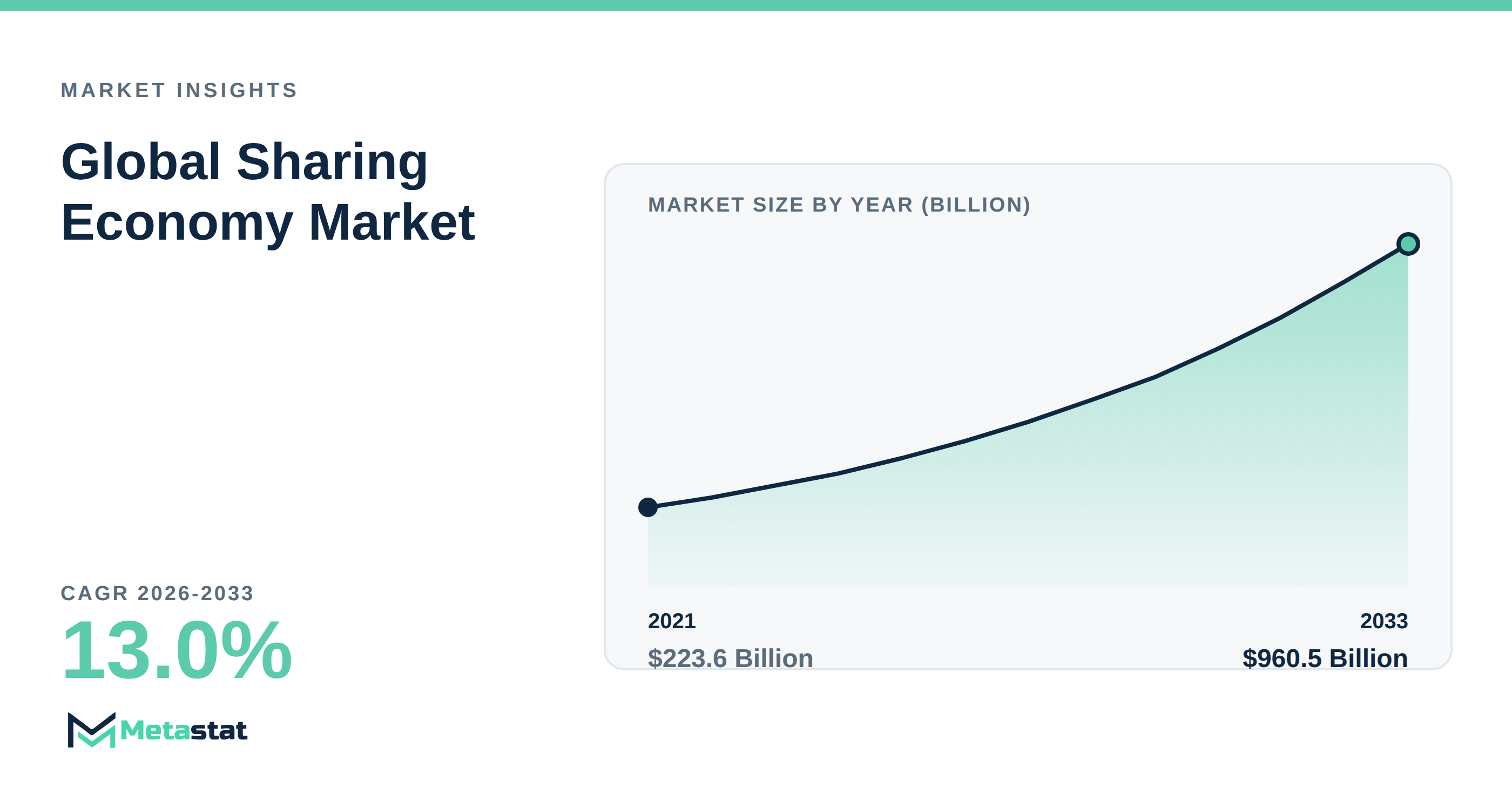
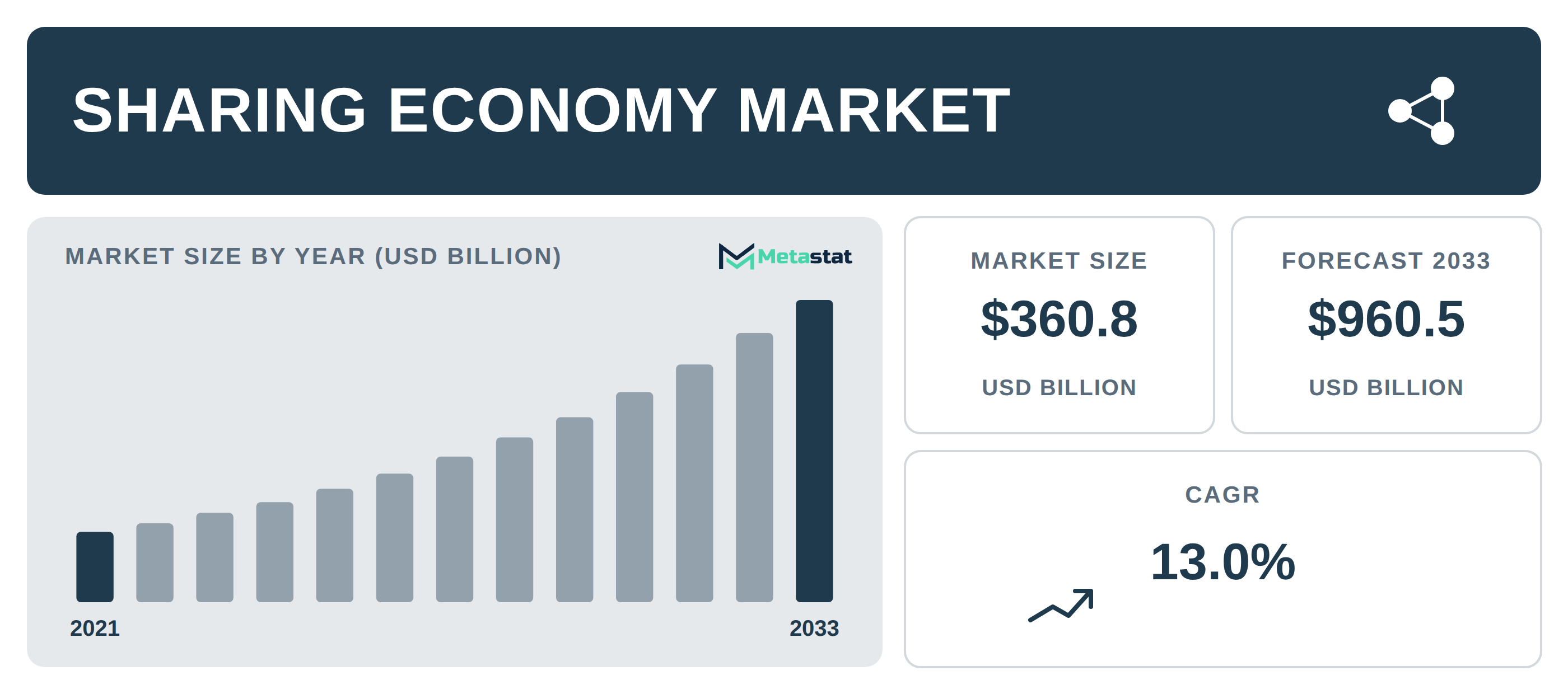
Regional demand for Sharing Economy services reveals notable divergences, with North America consistently leading, while Europe and Asia-Pacific navigate unique challenges and opportunities. Each region's growth trajectory is influenced by technology adoption, regulatory frameworks, and consumer behavior. The full figures are in our Sharing Economy market size and forecast report.
North America stands out with a commanding presence in the Sharing Economy, capturing 37.2% of the total value in 2025. The region's strong digital infrastructure facilitates easy access to services, enabling platforms like Uber Technologies, Inc. and Airbnb, Inc. to thrive. High mobile technology penetration ensures rapid transactions, resulting in heightened user engagement and a cultural acceptance of shared consumption. The emphasis on affordability and flexibility resonates particularly among younger consumers, further driving growth in this sector.
In contrast, Europe accounts for a significant 26.9% of the total value, with contributions from key markets including Germany, France, and the UK. The regulatory environment encourages sustainability and prompts consumer interest in shared resources. While urban areas witness strong demand for shared mobility and accommodation, rural regions struggle to embrace this trend fully. This disparity highlights the need for tailored strategies to spur growth across diverse European landscapes.
The Asia-Pacific region presents a dynamic scenario, contributing 27.0% in 2025, driven by rapid urbanization and a growing middle class. Countries like China and India show a marked increase in mobile application adoption for sharing services, signaling a shift in consumer preferences. However, infrastructural advancements and digital payment improvements are critical in determining how swiftly the region capitalizes on Sharing Economy opportunities. While urban centers adapt quickly, ensuring reliable services in less developed areas remains a challenge.
Mobile applications have transformed user engagement dynamics across all regions, yet the extent of reliance on this technology differs. North America's established mobile ecosystem provides seamless access for users, whereas Europe and Asia-Pacific are at various stages of integration. Europe experiences steady growth from mobile solutions, while Asia-Pacific is witnessing a rapid transformation amid infrastructural challenges. This variation in technological adoption necessitates a nuanced approach from businesses operating within these regions.
Cost-effectiveness remains a compelling factor across all regions, influencing demand for shared services. Consumers increasingly seek affordable transportation and accommodation options, shaping market dynamics. North America continues to lead this trend, particularly among younger demographics prioritizing savings and flexibility. Meanwhile, Europe and Asia-Pacific are catching up, reflecting a growing acceptance of shared services based on similar economic motivations.
Regulatory influences significantly shape regional demand. In North America, regulations tend to favor gig economy operations, creating competitive conditions that benefit service providers. Conversely, Europe faces stringent regulations, which stifle rapid growth in the sector. Asia-Pacific’s regulatory environment varies greatly from country to country, impacting user confidence and willingness to engage with sharing platforms. These regulatory frameworks either facilitate or hinder the expansion of Sharing Economy services.
In summary, the regional demand for Sharing Economy services illustrates diverse dynamics. North America's dominance stems from robust digital infrastructure, cultural acceptance, and supportive regulations. Europe navigates a complex environment characterized by varying adoption rates and regulatory challenges, while Asia-Pacific is poised for rapid growth driven by urbanization and technological advancements. Understanding these distinctions is crucial for businesses looking to leverage the evolving landscape of the Sharing Economy.
Tags
About the Author

LEAD ANALYST
Utkarsh Khirodkar is a Lead Market Research Analyst at MetaStat Insight, specializing in market intelligence, technology sector assessments, and competitive strategy.