
Explore the contrasting regional demand for biocatalysts and enzyme engineering between North America and Asia, highlighting key drivers and challenges.
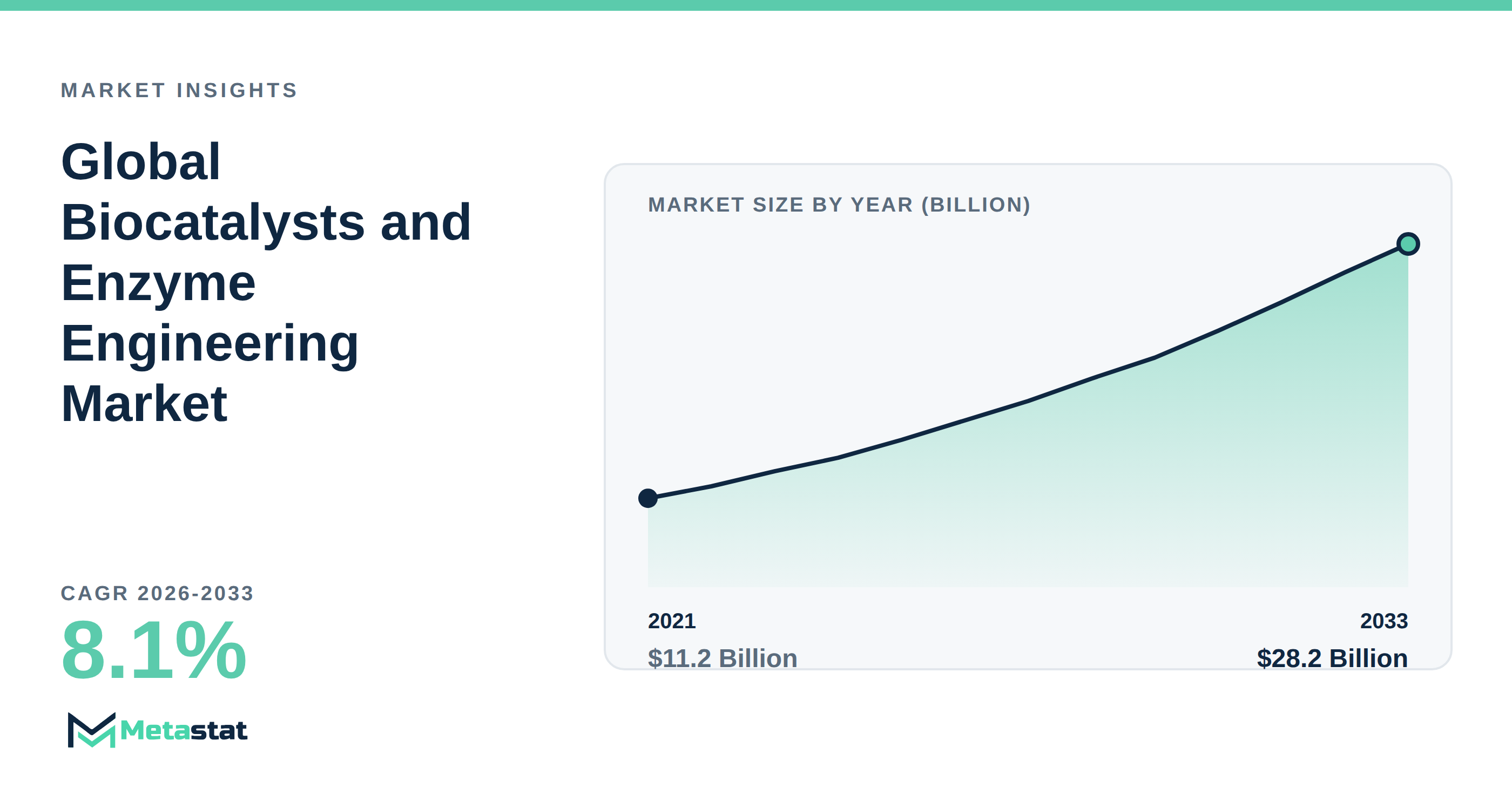
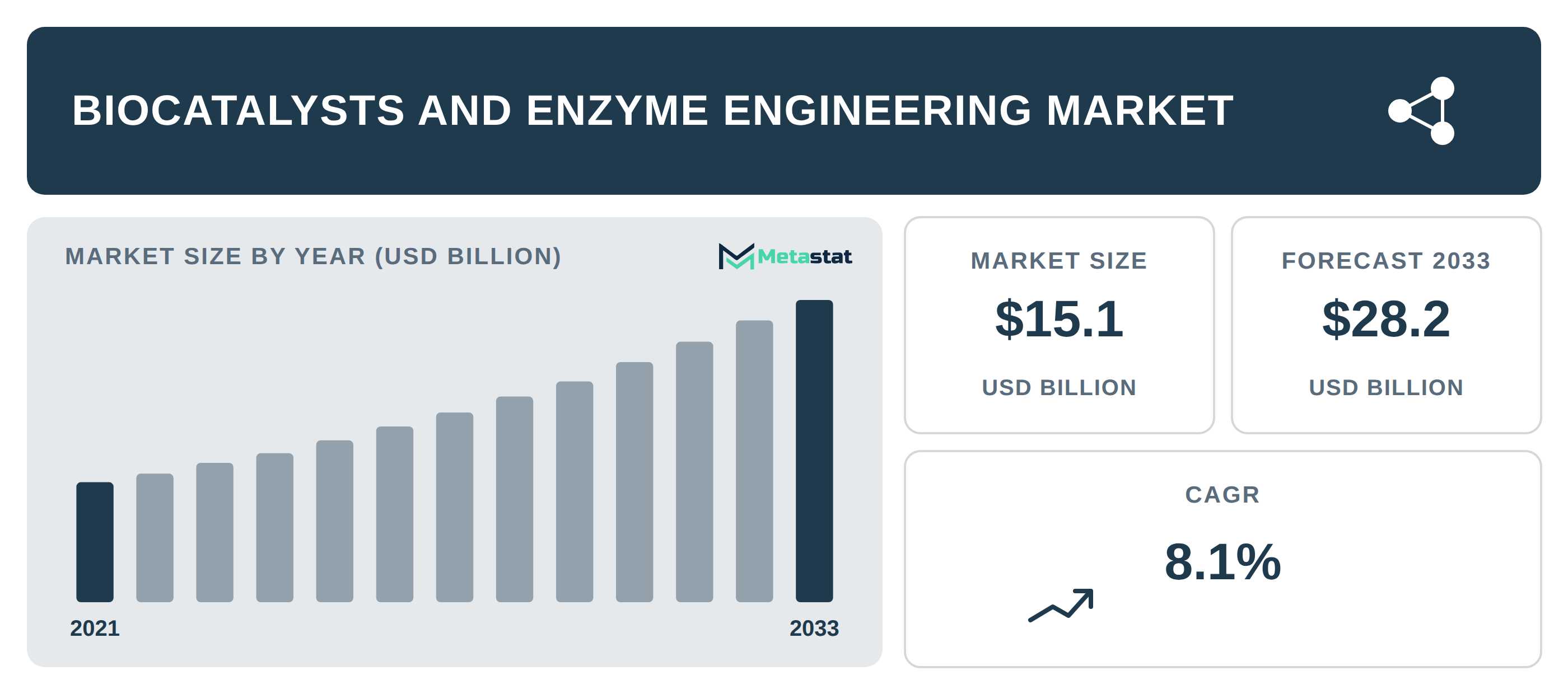
Current trends in the market for Biocatalysts and Enzyme Engineering exhibit notable divergence between regions, particularly between North America and Asia. Understanding this disparity provides insights into the future of biocatalytic applications across various industries, including pharmaceuticals and food processing. This analysis highlights the unique regional dynamics that contribute to distinct growth patterns, enabling companies to optimize their strategies. The full figures are in our Biocatalysts and Enzyme Engineering market size and forecast report.
What accounts for North America's leading position?
North America holds a significant position in the market for Biocatalysts and Enzyme Engineering, exemplifying robust investment in biotechnology and innovative solutions. The United States leads this trend, benefiting from strong research and development infrastructure, which facilitates advancements in enzyme technology. Biocatalysts, particularly hydrolases, dominate the market in this region, driven by their widespread application in pharmaceuticals and food processing.
The alignment of increasing consumer demand for sustainable and natural products has reinforced the competitive edge of North American companies. With consumers prioritizing environmentally friendly practices, biocatalytic solutions present an attractive option due to their ability to enhance production efficiency while minimizing environmental impact. These trends encourage firms to adopt enzymatic processes, which further enhances growth in the region.
How does Asia's market differ?
In contrast, Asia's market for biocatalysts and enzyme engineering is characterized by a slower growth trajectory, influenced by several factors. While the region has begun to invest in biotechnological innovations, the pace does not match North America's rapid development. Price sensitivity remains a significant barrier for several small and medium-sized enterprises in Asia, particularly in food and beverage manufacturing, stalling the adoption of advanced biocatalytic solutions. This pricing challenge inhibits many companies from transitioning to more efficient production methods.
The regulatory landscape in Asia poses unique obstacles. Emerging stricter environmental regulations are present, but the enforcement and implementation vary across countries. This inconsistency creates uncertainty for companies looking to invest in biocatalytic technologies, as they navigate different compliance requirements. This hampers the potential for rapid growth in the region, leaving Asia's demand for biocatalysts lagging behind its North American counterpart.
What technological factors contribute to the gap?
Technological advancements play a crucial role in shaping regional dynamics within the biocatalysts market. North America has seen significant investment in AI-driven protein engineering and directed evolution techniques, enhancing the development and optimization of industrial enzymes. These innovations streamline the enzyme discovery process, reduce time-to-market for new products, and ultimately drive operational efficiency.
On the other hand, while Asian companies are increasingly recognizing the benefits of such technologies, the adoption rate remains slower. The reason lies in a combination of limited investment in research and development and a focus on traditional manufacturing processes that do not prioritize biocatalytic innovations. This scenario emphasizes the need for a concerted effort to encourage technological growth, which could narrow the gap between North America and Asia in the biocatalysts sector.
What are the future implications of these regional disparities?
The divergence in demand for biocatalysts and enzyme engineering across regions implies significant implications for global supply chains and corporate strategies. North American companies have the advantage of leading innovation, which contributes to increased profitability. In contrast, Asia's slower growth presents both challenges and opportunities. To enhance competitiveness, Asian firms adapt to changing consumer preferences and invest in advanced biocatalytic solutions.
While global demand for sustainable production methods rises, the implications of these regional disparities will shape investment decisions and influence partnerships. Companies in both regions should explore collaboration, knowledge sharing, and technological exchange to bolster their standing in the increasingly competitive biocatalyst landscape.
The study of biocatalysts and enzyme engineering emphasizes the importance of understanding regional dynamics. By leveraging insights from both North America and Asia, businesses better position themselves to meet evolving global demands and ultimately drive growth.
Tags
About the Authors

LEAD ANALYST
Utkarsh Khirodkar is a Lead Market Research Analyst at MetaStat Insight, specializing in market intelligence, technology sector assessments, and competitive strategy.

INDUSTRY CONSULTANT - CHEMICALS & ADVANCED MATERIALS
Chemicals and Materials · Machinery & Equipment · Packaging
Amit Gadhekar Consultant for Chemicals and Materials at MetaStat Insight, directing sector-specific intelligence, research, and strategic consulting across global chemical and processing markets.