
LEAD ANALYST
Utkarsh Khirodkar is a Lead Market Research Analyst at MetaStat Insight, specializing in market intelligence, technology sector assessments, and competitive strategy.

Global Biocatalysts and Enzyme Engineering Market Size, Share, By Enzyme Class (Hydrolases, Oxidoreductases, Transferases, Lyases, Isomerases, Ligases, Others), By Technology (Directed Evolution, Protein Engineering, Metabolic Engineering, Immobilization, Computational Design), By Application (Pharmaceutical and API Synthesis, Food and Beverage Processing, Biofuels and Biomass Conversion, Molecular Biology and Diagnostics, Detergents and Cleaning, Animal Feed and Nutrition, Fine Chemicals and Specialty Chemicals, Textile, Leather, and Pulp Processing, Personal Care and Cosmetics, Others), By End User (Biotechnology and Enzyme Engineering Companies, Pharmaceutical and Biotechnology Companies, Food and Beverage Manufacturers, Chemical Manufacturers, Agrochemical Producers, Academic and Research Institutions, Specialty Enzyme Manufacturers), Industry Analysis, Growth, Trends, and Forecast, 2026-2033
Report ID
MSI-5568
Published
October, 2026
Pages
263 Pages
Format
Historical
Base year
Forecast
Forecast period
Report Details
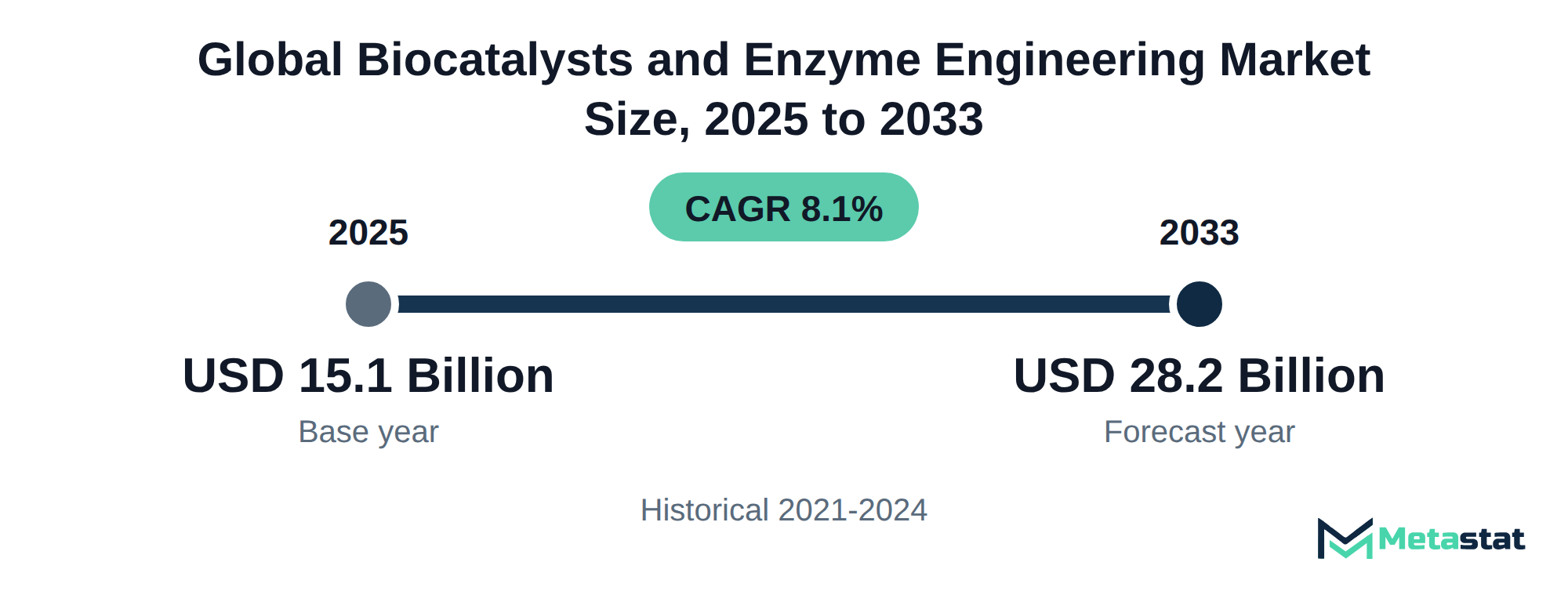
Market Valuation: Valued at $15.1 Billion in 2025, projected to reach $28.2 Billion by 2033 at a 8.1% CAGR.
Dominant Segment: Hydrolases lead the market, driven by their extensive applications in food and beverage processing, pharmaceuticals, and environmental management. Their significant value is supported by the increasing demand for efficient biocatalytic processes.
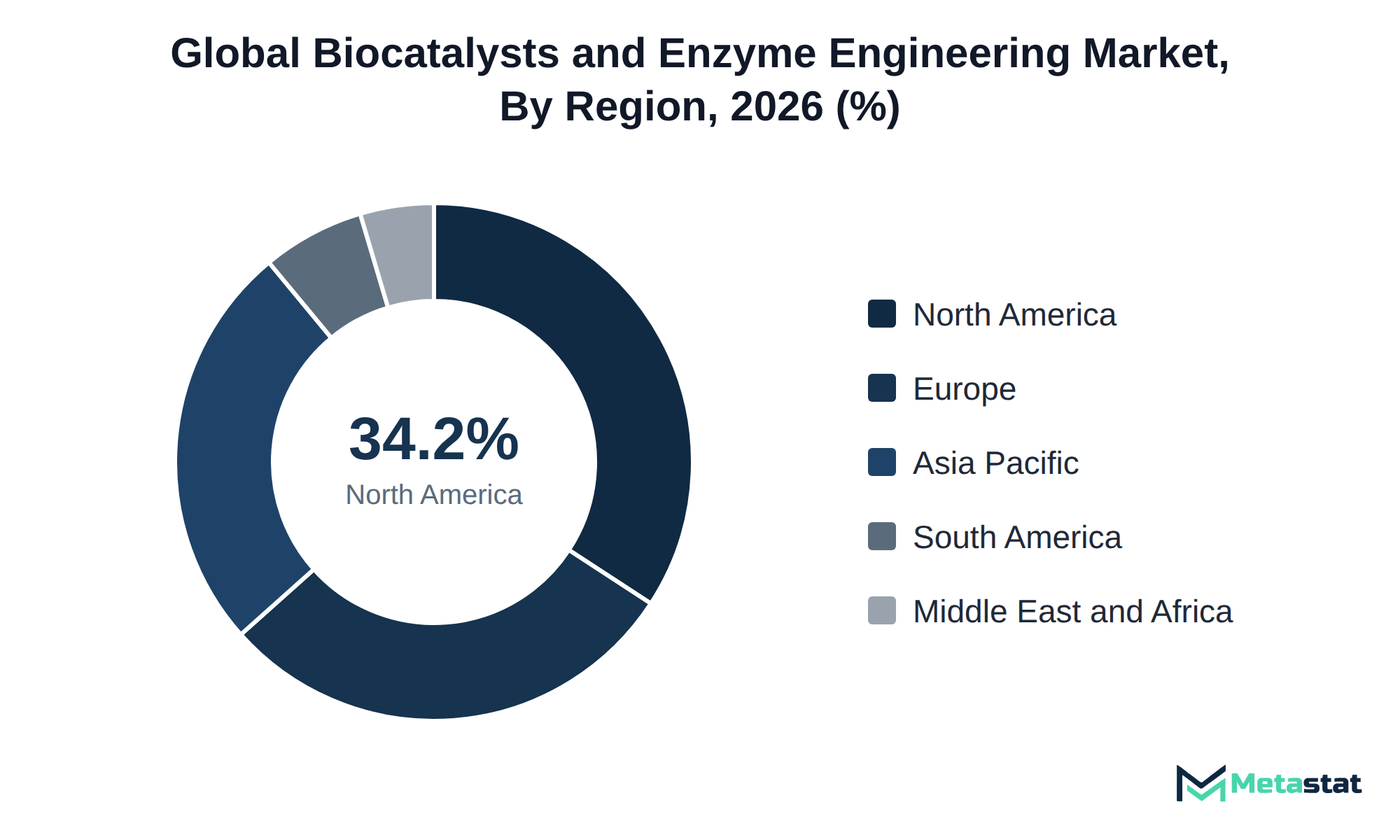
Geographic Lead: North America holds the largest market share, accounting for 34.2% in 2025, with the US projected to maintain this lead due to strong investments in biotechnological innovations.
What's Inside: The report provides a comprehensive analysis of the competitive landscape, covering various enzyme classes, technologies, applications, and end users, along with growth forecasts from 2026 to 2033.
Emerging Technologies: AI-driven protein engineering and directed evolution are transforming enzyme development, enhancing efficiency and effectiveness in diverse applications, particularly in pharmaceuticals and biofuels.
Pharmaceutical Growth: The Pharmaceutical and API Synthesis application segment is set to grow significantly, with a projected value of USD 6 billion by 2033, driven by the need for sustainable production methods.
Choose Your License
Global Biocatalysts and Enzyme Engineering Market
The global Biocatalysts and Enzyme Engineering market was valued at USD 15.1 billion in 2025 and is projected to reach USD 28.2 billion by 2033, growing at a CAGR of 8.1% over the forecast period.
The Biocatalysts and Enzyme Engineering market covers products and technologies used in pharmaceuticals, food processing, and biofuels. Buyers invest in this market due to the increasing demand for sustainable solutions and the need for efficient production processes. The focus on environmentally friendly methods drives the adoption of biocatalysts, leading to cost savings and improved product quality.
Growth in the market is propelled by advancements in enzyme technology and increasing applications across multiple industries. Among the enzyme classes, hydrolases represent the most significant share due to their widespread use in sectors including food and beverage processing. North America holds 34.2% of the market in 2025, with the US leading in 2026. The region's strong investment in biotechnological innovations contributes to its dominance.
Demand for biocatalysts is supported by rising consumer preferences for natural ingredients and sustainable practices in manufacturing. This trend encourages companies to explore enzymatic solutions that enhance efficiency and reduce environmental impact. As the market evolves, novel biocatalytic processes are likely to reshape traditional production methods and create further growth opportunities.
The market serves various industries, including pharmaceuticals, food processing, and biofuels, by providing efficient and sustainable solutions through biocatalysts and enzyme engineering. Buyers invest in these technologies to enhance productivity, reduce processing times, and achieve cost efficiencies. Demand for environmentally friendly processes increases, prompting industries to seek innovative solutions that align with sustainability goals and regulatory standards.
Hydrolases form the largest segment in the market, with value driven by their extensive applications across diverse sectors. This regional dominance stems from a strong focus on research and development and from infrastructure that supports biocatalyst innovation.
Growth in the market is propelled by rising demand for biocatalysts in pharmaceutical and API synthesis, characterized by a compound annual growth rate of 9.9%. Continuous advancement of enzyme technologies and increased awareness of biocatalysts' benefits contribute to expanding adoption across multiple industries, positioning the market for sustained growth in the coming years.
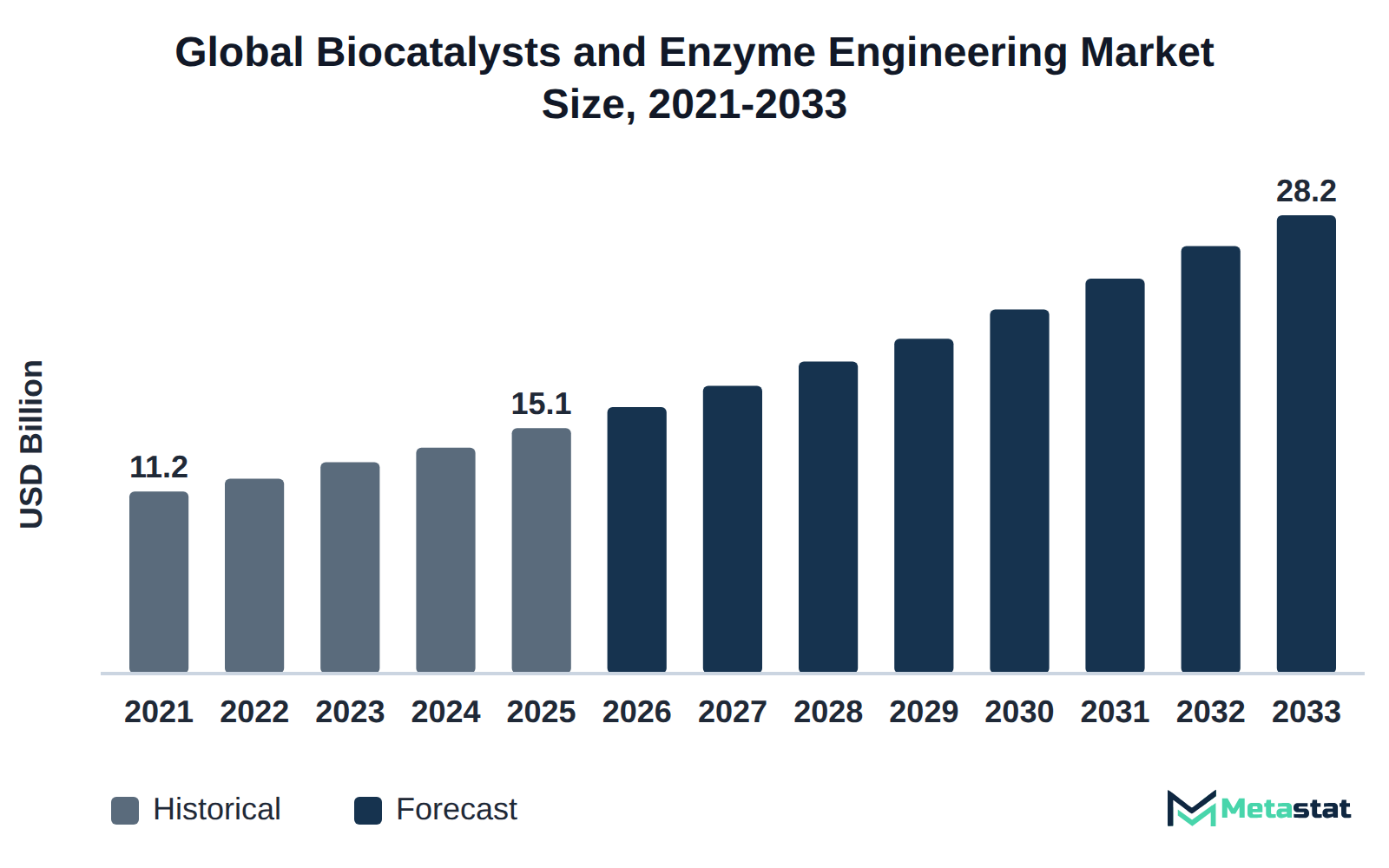
AI-driven protein engineering and directed evolution represent significant advancements in the Biocatalysts and Enzyme Engineering market, enhancing the development of industrial enzymes. The application of these technologies enables more precise modifications to enzyme properties, leading to improved efficiency and effectiveness in various applications. For instance, directed evolution is projected to generate significant growth, with a forecast value of USD 7.7 billion by 2033, reflecting a compound annual growth rate (CAGR) of 7.0% from 2026.
The integration of artificial intelligence in protein engineering streamlines the process of enzyme discovery and optimization, reducing the time and resources required for development. This technological shift appeals particularly to biotechnology and enzyme engineering companies, which seek innovative solutions to meet increasing market demands. The Biocatalysts and Enzyme Engineering market benefits from this evolution, as companies use these advancements to create more sustainable and cost-effective processes.
These innovations in enzyme engineering strengthen competitiveness by supporting the introduction of novel biocatalytic solutions that align with evolving consumer preferences and regulatory requirements. Businesses that adopt these innovations gain operational efficiency, leading to greater profitability and market share.
Engineered biocatalysts are becoming essential in the pharmaceutical API synthesis and specialty chemicals sectors. The demand for these advanced solutions arises from the growing need for efficient and environmentally friendly production processes. The Pharmaceutical and API Synthesis application segment is projected to achieve a value of USD 6 billion by 2033, reflecting a compound annual growth rate (CAGR) of 9.9% from 2026. This growth reflects increasing reliance on engineered biocatalysts to enhance yields and reduce production costs.
Buyers in the Biocatalysts and Enzyme Engineering market engage in various pricing and contract models tailored to their specific needs. Pricing structures often depend on factors including the volume of product required, the complexity of the biocatalyst, and the duration of the contract. Fixed pricing agreements provide stability for long-term projects, while variable pricing models allow flexibility for buyers who anticipate fluctuating production demands. These arrangements create partnerships that ensure consistent supply while optimizing costs associated with production.
The shift towards engineered biocatalysts brings substantial commercial benefits, including reduced operational costs and improved production efficiency. Companies in the pharmaceutical and specialty chemicals sectors adopt these technologies, and strategic procurement of biocatalysts helps them maintain competitive advantages in a changing market. The integration of these innovative solutions is set to enhance profitability and create growth within the market.
Enzyme immobilization and biocatalytic process optimization significantly enhance production efficiency for companies operating in the Biocatalysts and Enzyme Engineering market. The ability to reuse enzymes reduces operational costs, streamlining manufacturing processes across various applications. Companies increasingly rely on optimized biocatalytic processes to meet rising demand for effective and sustainable pharmaceutical production.
Adoption of enzyme immobilization techniques enables companies to maintain enzyme activity over extended periods, leading to improved conversion rates and lower overall material costs. Optimization of biocatalytic processes allows for greater operational flexibility and adaptability, catering to the evolving needs of industries including food and beverage processing and biofuels. Investment in these areas not only improves economic viability but supports compliance with environmental regulations, enhancing brand reputation. Effective enzyme immobilization and process optimization are critical strategies for firms competing in the Biocatalysts and Enzyme Engineering market.
Computational enzyme design and synthetic biology are reshaping commercial biocatalysis. These advanced technologies enhance enzyme functionalities, enabling tailored biocatalysts for specific industrial applications. In the Biocatalysts and Enzyme Engineering market, directed evolution and protein engineering emerge as prominent methodologies driving this transformation. For instance, the directed evolution segment is projected to grow from USD 4.8 billion in 2026 to USD 7.7 billion by 2033, reflecting a compound annual growth rate of 7%.
This growth results from increasing demand for precision in biochemical processes, particularly in pharmaceuticals and biofuels. By leveraging computational design tools, companies create enzymes with improved efficacy and stability, leading to reduced production costs and enhanced process efficiency. The impact of these innovations extends to various sectors, including pharmaceutical and biotechnology companies, which benefit from higher yield and lower resource consumption associated with optimized biocatalytic processes.
While the market evolves, the integration of synthetic biology and computational enzyme design will continue to shape the future of biocatalysts, providing competitive advantages for organizations that invest in these technologies. This strategic focus on innovation enhances operational outcomes and reinforces the market's overall growth trajectory.
Pharmaceutical and biotechnology companies are driving increased spending on biocatalysts due to rising demand for more efficient and sustainable drug production methods. This sector experiences a shift towards using biocatalytic processes, which significantly enhance reaction efficiency and lower production costs. While companies seek to deliver innovative therapies more competitively, the adoption of biocatalysts in this area supports higher production volumes while maintaining regulatory compliance. The ongoing trend toward sustainable practices in drug manufacturing continues to reshape investment in the market.
Investment in enzyme technologies strengthens overall outcomes for pharmaceutical manufacturers. The focus on biocatalysts aligns with broader industry goals of reducing environmental impact while enhancing production capabilities. This alignment positions the market for growth driven by demand from pharmaceutical and biotechnology companies.
Emerging technologies in enzyme engineering drive advances in the Biocatalysts and Enzyme Engineering market. Novel approaches in protein engineering, particularly through directed evolution and metabolic engineering, enhance the performance and specificity of biocatalysts. These innovations allow for the development of custom enzymes tailored for specific industrial applications, improving efficiency and reducing costs in production processes.
Investments in research and development by enzyme engineering companies lead to breakthroughs that cater to various end users, including pharmaceutical and biotechnology firms. Enhanced enzyme functionalities provide a competitive edge, enabling companies to meet stringent regulatory requirements while achieving sustainability goals. The increasing focus on environmentally friendly production methods drives adoption across multiple sectors, including food processing and biofuels. Operational improvements stemming from these technological advancements support growth in the market.
High costs associated with biocatalysts and enzyme engineering inhibit adoption among small and medium-sized enterprises, particularly in the food and beverage manufacturing sector. Price sensitivity among these buyers results in slower uptake and smaller orders, limiting their ability to invest in advanced biocatalytic solutions. The financial burden of transitioning to more efficient biocatalysts often leads to delayed replacement of existing systems. This situation arises from the need for substantial upfront investment, discouraging smaller manufacturers from pursuing modernization initiatives. Consequently, growth within the biocatalysts and enzyme engineering market faces challenges, particularly in sectors reliant on cost-effective production methods. Smaller food and beverage manufacturers prioritize immediate cost savings over long-term technological investments, stalling market expansion.
Rising input costs present a significant challenge for suppliers in the Biocatalysts and Enzyme Engineering market, impacting overall profitability. Increasing pricing for raw materials and energy drives up production costs, forcing suppliers to adjust pricing strategies to maintain margins. In response, many suppliers invest in more efficient production techniques and explore alternative, cost-effective materials. Such initiatives aim to reduce reliance on expensive inputs while ensuring product quality remains consistent. Suppliers focus on partnerships and collaborations to leverage shared resources and expertise, optimizing operational efficiency. This strategic approach supports suppliers in navigating cost pressures while striving to keep pace with growing demand across various applications, including pharmaceuticals and food processing.
Despite these efforts, the challenge of input costs remains a critical concern. Suppliers in the market continuously seek innovative solutions to manage costs while ensuring competitive pricing for their biocatalysts. Ongoing fluctuations in raw material availability further complicate this landscape, making it essential for suppliers to adopt adaptive strategies. Rising costs impact overall market dynamics and necessitate a proactive approach from suppliers to sustain growth and profitability.
Significant growth in the Pharmaceutical and API Synthesis application segment creates an opportunity within the Biocatalysts and Enzyme Engineering market. The surge in demand arises from the increasing need for more efficient and environmentally friendly production methods in the pharmaceutical sector. Enhanced biocatalysts effectively facilitate complex chemical reactions, leading to improved yields and reduced waste in drug manufacturing. This application segment benefits from advanced enzyme engineering techniques, driving innovation and adoption among pharmaceutical companies that prioritize sustainable practices. Capturing this opportunity could significantly increase market penetration and revenue across the industry, aligning with broader trends toward sustainability and efficiency in pharmaceutical production.
The Global Biocatalysts and Enzyme Engineering market is segmented based on Enzyme Class, Technology, Application, and End User.
Hydrolases segment is valued at USD 9 billion in 2026 and is projected to reach USD 14.8 billion by 2033, at a CAGR of 7.4% during the forecast period. These enzymes play a significant role in breaking down complex molecules, making them essential in diverse applications including pharmaceutical synthesis, food processing, and environmental management. Key buyers include biotechnology and pharmaceutical companies, which use hydrolases for drug development and production processes. Growing demand for efficient biocatalytic processes in drug manufacturing fuels expansion in this segment, distinguishing it from others with more moderate growth rates. With increasing emphasis on sustainability and cost-effectiveness, hydrolases provide an advantageous solution compared to alternative methods, enhancing their adoption across various industries. The market recognizes hydrolases for their unique ability to operate under mild conditions, which differs from other enzyme classes that require harsher environments for optimal performance.
Oxidoreductases segment is estimated to reach USD 5.7 billion by 2033, at a CAGR of 8.9% during the forecast period. This class of enzymes is essential in facilitating oxidation-reduction reactions, serving industries including pharmaceuticals and biofuels. Pharmaceutical companies use oxidoreductases for the synthesis of active pharmaceutical ingredients (APIs), enhancing efficiency and reducing environmental impact. Demand for these enzymes rises due to increasing focus on sustainable manufacturing processes and biotechnological advancements. Compared to other enzyme classes, oxidoreductases exhibit a higher growth rate, driven by their application versatility and effectiveness in complex biochemical reactions. Their distinct advantages in producing high-value compounds strengthen their adoption within the broader market, reflecting a shift toward more environmentally responsible practices in industrial production.
The Transferases segment is expected to reach USD 3.6 billion by 2033. This class of enzymes plays a critical role in transferring functional groups from one molecule to another, significantly aiding chemical reactions in various applications. Industries including pharmaceuticals and biotechnology heavily rely on transferases for drug development and production. Growing demand for more efficient and sustainable methods in these sectors drives adoption, particularly in the synthesis of complex molecules. The segment exhibits a compound annual growth rate (CAGR) of 8.9%, outpacing several other enzyme classes. The differentiation in growth rates is attributed to the unique role transferases play in facilitating intricate biochemical reactions that other enzymes do not effectively support. This specialization positions transferases as a vital component in advancing innovative solutions in the evolving biocatalysts and enzyme engineering market.
Lyases segment is projected to grow at a CAGR of 8.3% during the forecast period. This group of enzymes plays a critical role in facilitating the cleavage of various chemical bonds, particularly in the production of fine chemicals and specialty products. Industries including pharmaceuticals, food processing, and biofuels employ lyases for diverse applications, enhancing efficiency and sustainability in their processes. The demand for lyases is driven by innovations in biocatalytic processes that support more environmentally friendly production methods. This segment exhibits distinct growth characteristics compared to other enzyme classes; while hydrolases dominate the market, lyases feature a strong growth trajectory, benefiting from rising interest in green chemistry and sustainable production practices. Lyases stand out for their ability to facilitate specific reactions under mild conditions, making them attractive for a variety of applications in this market.
Isomerases facilitate the conversion of molecules into their isomer forms, playing a vital role in various biochemical processes. These enzymes are predominantly applied in pharmaceutical and biotechnology fields for the synthesis of chiral compounds, which are essential in drug development. Demand for isomerases is driven by the increasing need for efficient and precise enzyme-based solutions in drug manufacturing. Compared to other enzyme classes, isomerases experience slower growth dynamics due to their specific applications and the niche markets they serve. This segment primarily attracts pharmaceutical companies focused on producing high-value products, differing from broader applications seen in hydrolases and oxidoreductases. The Biocatalysts and Enzyme Engineering market continues to evolve, with isomerases contributing to innovative solutions tailored for specialized industrial needs.
Ligases are enzymes that join two molecules with the consumption of ATP. Typically used in molecular biology and genetic engineering, they play a crucial role in DNA ligation, which is essential for cloning and genetic modifications. The demand for ligases is driven primarily by advancements in genetic research and biotechnology applications. Pharmaceutical and biotechnology companies seek ligases for their ability to enable efficient DNA manipulation processes. Unlike other enzyme classes, ligases face specific challenges related to their activity conditions and stability, impacting their adoption in various applications. This segment experiences steady growth, supported by the increasing need for innovative biotechnological solutions in drug development and diagnostics. The Ligases segment appeals to specific buyers focused on precision and accuracy in genetic engineering, distinguishing it from broader enzyme classes that cater to diverse applications in the market.
Niche enzyme classes, including translocases, encompass specialized enzymes that facilitate unique biochemical reactions not covered by more common enzyme classifications. Industries employing these enzymes include biotechnology, pharmaceuticals, and environmental applications, where specific enzymatic actions are crucial for developing innovative solutions. Growth in this sub-segment is influenced by advancements in enzyme engineering technologies and increasing interest in biocatalysis for sustainable processes. Compared to other enzyme classes, the adoption of translocases and niche enzymes encounters barriers due to their specialized nature and limited availability, leading to higher costs. These factors contribute to a differentiated market positioning, where innovation and targeted applications drive demand, setting this sub-segment apart from more broadly used enzyme classes. The Biocatalysts and Enzyme Engineering market sees potential for expansion through these niche applications, highlighting opportunities for companies specializing in unique enzyme solutions.
This technology focuses on optimizing enzymes through iterative cycles of mutation and selection, enhancing their properties for various industrial applications. Biotechnology and enzyme engineering companies apply Directed Evolution for developing more efficient enzymes tailored for specific processes. Growing demand for sustainable and efficient production methods drives investment in this segment. Compared to other enzyme technologies, Directed Evolution demonstrates a moderate growth rate, with a CAGR of 7%, reflecting steady adoption. This segment's unique approach to enzyme enhancement distinguishes it from others like Protein Engineering, which holds a higher CAGR of 7.4%. The continued evolution of enzyme engineering technologies supports growth in the Biocatalysts and Enzyme Engineering market, particularly in applications requiring high specificity and efficiency.
Protein Engineering segment is estimated to reach USD 7.2 billion by 2033, at a CAGR of 7.4% during the forecast period. This segment is essential in developing enzymes for various applications, primarily in pharmaceutical and biotechnology sectors. Companies engage in protein engineering to optimize enzyme characteristics, enhancing efficiency in drug production and other biochemical processes. The demand for tailored enzymes drives growth, with increasing adoption among biotechnology and pharmaceutical firms focused on innovative therapeutic solutions. Compared to other segments, Protein Engineering stands out due to its significant growth potential, supported by rising investments in research and development. The market demonstrates a more specialized focus, attracting buyers seeking advanced enzymatic solutions that address specific operational needs. In contrast, other segments like Hydrolases experience different growth dynamics and applications, reflecting the diverse landscape of the biocatalysts and enzyme engineering market.
Metabolic Engineering segment is expected to reach USD 5 billion by 2033. This segment focuses on the redesign of organisms for the production of desirable compounds through the manipulation of metabolic pathways. Industries including pharmaceuticals, biotechnology, and biofuels apply metabolic engineering techniques to improve product yields and reduce environmental impact. A notable growth factor is the rising demand for bio-based products, which enhances the appeal of metabolic engineering solutions. Differentiating from other segments, this sub-segment exhibits strong market interest compared to segments with lower growth rates. The market benefits from innovations that facilitate faster product development cycles, aligning with the needs of various end users.
Immobilization is projected to grow at a CAGR of 7% during the forecast period. This technology involves the confinement of biocatalysts to facilitate their reuse, enhancing process efficiency and reducing costs. Industries including pharmaceuticals and food processing apply immobilization techniques to optimize production and improve the sustainability of processes. Factors driving this segment include the increasing demand for environmentally friendly production methods and the necessity for cost-effective alternatives to traditional catalysts. Compared to other technology segments, immobilization offers unique advantages including improved operational stability and reusability of enzymes, distinguishing it from methods including protein engineering, which focuses more on enzyme design. Investment in immobilization technology aligns with broader trends in the Biocatalysts and Enzyme Engineering market, emphasizing efficiency and sustainability.
Computational Design focuses on the application of algorithms and models to optimize enzyme functionality and performance. This segment supports various industries, including pharmaceuticals and biotechnology, where precise enzyme characteristics enhance production efficiency. Demand for Computational Design is driven by the continuous push for innovation in enzyme engineering, enabling the development of specialized enzymes tailored for specific applications. Unlike other segments, including Protein Engineering, which is projected to reach USD 7.2 billion by 2033, Computational Design plays a unique role in simulating enzyme behavior and guiding experimental approaches, resulting in accelerated research and development timelines. This technological advancement positions it as a crucial component for companies aiming to enhance their biocatalysis capabilities and achieve operational efficiencies. The Biocatalysts and Enzyme Engineering market increasingly relies on Computational Design to meet the growing demand for customized enzymatic solutions.
Primarily used by pharmaceutical companies in the production of active pharmaceutical ingredients (APIs), this segment enhances the efficiency and sustainability of drug manufacturing processes. The growing demand for more effective and environmentally friendly production methods drives interest in this application, particularly within the context of stringent regulatory requirements in the pharmaceutical industry. Compared to other application segments, Pharmaceutical and API Synthesis demonstrates a higher growth rate, influenced by the increasing focus on personalized medicine and biologics. This emphasis leads to accelerated adoption of biocatalysts for the synthesis of complex molecules, further distinguishing it from applications including Biofuels and Biomass Conversion, which experience slower growth.
Food and Beverage Processing segment is estimated to reach USD 5.1 billion by 2033, at a CAGR of 7.2% during the forecast period. This segment enhances flavors, preserves freshness, and improves the nutritional value of various food items. It serves food manufacturers, beverage producers, and related industries aiming to deliver higher quality products to consumers. Increasing health consciousness among consumers drives demand for natural and clean-label products, propelling the growth of biocatalysts in this segment. Compared to other applications, including Pharmaceutical and API Synthesis, which experiences a higher CAGR of 9.9%, Food and Beverage Processing exhibits steady growth. This stability reflects ongoing demand for innovation in food production processes while maintaining cost-effectiveness and quality. The adoption of enzymes in food and beverage manufacturing enhances efficiency and supports overall productivity in the supply chain, making it a vital component of the market.
Biofuels and Biomass Conversion segment is expected to reach USD 3.4 billion by 2033. This segment focuses on the production of fuel from biological materials, appealing particularly to companies in renewable energy and sustainable development sectors. Growing environmental concerns and governmental regulations promoting renewable energy sources drive significant demand in this segment. Compared to other applications, including Pharmaceutical and API Synthesis, which is projected to grow at a CAGR of 9.9%, the Biofuels and Biomass Conversion segment experiences slower growth, reflecting a CAGR that aligns closely with market trends. This slower pace relates to the challenges associated with technology development and the investment required for efficient biomass conversion processes. The segment addresses the increasing demand for sustainable energy solutions, contributing to the broader landscape of the Biocatalysts and Enzyme Engineering market.
The Molecular Biology and Diagnostics segment is projected to grow at a CAGR of 10% during the forecast period. This segment plays a critical role in understanding genetic material and is used by research institutions, biotechnology firms, and pharmaceutical companies for applications in genetic testing, disease diagnostics, and personalized medicine. Rapid advances in genomic technologies drive increased demand for efficient and reliable biocatalysts, which enhance the accuracy and speed of molecular analyses. Unlike other applications, including Pharmaceutical and API Synthesis, which has a CAGR of 9.9%, the Molecular Biology and Diagnostics segment demonstrates a higher growth rate, driven by the ever-expanding field of genomics and proteomics. The growing focus on precision medicine and the demand for rapid diagnostic tools further increase the segment's potential. This segment exemplifies the market's dynamic nature, reflecting a shift toward specialized and innovative applications in the biocatalysts and enzyme engineering market.
Detergents and Cleaning employ enzymes for effective cleaning applications, enhancing performance in various cleaning products. These enzymes serve purposes including breaking down stains, improving detergent efficiency, and promoting biodegradable formulations. Key users include manufacturers of household cleaning products and industrial cleaning agents who emphasize environmental sustainability in their products. Demand for eco-friendly cleaning solutions drives growth in this segment. The increasing consumer preference for sustainable products positions this segment uniquely compared to others, including Pharmaceutical and API Synthesis, which focuses on precision and specific functionalities. Innovations in enzyme formulations aimed at enhancing cleaning efficacy and reducing environmental impact contribute significantly to market dynamics. The Biocatalysts and Enzyme Engineering market continues to evolve with a clear trend toward integrating enzymes that offer both performance and sustainability.
Animal Feed and Nutrition involves the use of biocatalysts to enhance the nutritional value of animal feed, promoting better health and growth in livestock. This application primarily serves animal feed manufacturers and agricultural producers seeking to improve feed efficiency and animal performance. Growing awareness of animal health and increasing demand for high-quality protein sources drive significant interest in this segment. Compared to other applications, this segment experiences a unique set of challenges, particularly related to regulatory compliance regarding feed additives. The segment faces competition from synthetic alternatives, which influence pricing dynamics. The Biocatalysts and Enzyme Engineering market is evolving, with innovations aimed at meeting the specific needs of the animal nutrition sector.
Fine Chemicals and Specialty Chemicals encompass a diverse range of compounds used for specialized applications across various industries. These chemicals find utilization in sectors including pharmaceuticals, agrochemicals, and specialty coatings, where precision and functionality are essential. The growth of this segment is primarily driven by increasing demand for tailored chemical solutions that meet specific regulatory standards and performance requirements. Advancements in biocatalysis technology enhance the efficiency of chemical processes, making biocatalysts attractive to manufacturers aiming for sustainable production methods. Compared to other applications, this segment typically commands higher prices due to the complexity and specificity of the chemicals involved, appealing to niche markets that prioritize quality over volume. The Biocatalysts and Enzyme Engineering market benefits from this trend, positioning fine chemicals as critical components in modern chemical manufacturing.
This segment encompasses the application of biocatalysts in textile, leather, and pulp processing. Industries leverage these enzymes to enhance processes like fabric treatment, leather tanning, and pulp bleaching, resulting in more efficient and environmentally friendly operations. Demand for sustainable manufacturing practices drives growth in this area, prompting manufacturers to seek alternatives that reduce environmental impact. The influence of regulations aimed at minimizing chemical usage in these industries further supports the adoption of biocatalysts. This segment stands out due to the unique requirements of the textile, leather, and pulp industries, which often face stricter environmental standards compared to other applications. Enzyme utilization in these processes promotes operational efficiency and compliance with increasingly stringent environmental regulations, differentiating it from other segments within the Biocatalysts and Enzyme Engineering market.
Personal Care and Cosmetics encompasses a variety of biocatalytic applications aimed at enhancing the quality and performance of cosmetic products. This segment serves cosmetics manufacturers who require specialized enzymes to promote formulation stability, efficiency, and product appeal. Demand for natural ingredients and sustainable practices drives growth in this segment, particularly among consumers seeking eco-friendly and effective personal care solutions. Companies focus on developing innovative formulations that leverage biocatalysis to meet heightened consumer expectations. Compared to other applications, Personal Care and Cosmetics faces unique challenges, including stringent regulatory requirements and evolving consumer preferences. With these factors influencing product development, stakeholders in this segment navigate a complex landscape that impacts their market strategies. The Biocatalysts and Enzyme Engineering market reflects these dynamics, highlighting opportunities for companies to differentiate their offerings in a competitive environment.
This sub-segment focuses on the innovative applications of biocatalysts in environmental remediation and emerging biocatalytic solutions. These applications are employed by various industries, including waste management, environmental engineering, and sustainable agriculture, to address pollution and enhance biodegradation processes. The growing emphasis on sustainable practices drives demand for these biocatalytic solutions, particularly in regions with stringent environmental regulations.
Unlike more established applications including pharmaceutical synthesis or food processing, this sub-segment operates on the frontier of biocatalytic technology. This positioning encourages higher levels of innovation and adaptation, appealing to organizations seeking to reduce environmental impact. Adoption barriers include the need for advanced research and development to optimize specific biocatalysts for varied environmental contexts, differentiating this segment from others that benefit from more standardized applications. The Biocatalysts and Enzyme Engineering market recognizes the significance of these emerging applications in addressing global sustainability challenges.
Valued at USD 3.2 billion in 2026, this segment is projected to reach USD 5.8 billion by 2033, at a CAGR of 8.7% during the forecast period. Biotechnology and enzyme engineering companies play a crucial role in developing innovative biocatalysts for diverse applications, including pharmaceuticals, food production, and environmental solutions. The increasing demand for sustainable and efficient processes drives growth in this segment, particularly in industries seeking to reduce environmental impact and enhance product quality. Compared to other segments in the market, this segment experiences relatively faster growth, fueled by advancements in technology and the need for personalized medicine in pharmaceuticals. The focus on optimizing enzyme performance and specificity remains essential for maintaining competitive advantages in this sector, leading to continual evolution of products and services offered by these companies.
Pharmaceutical and Biotechnology Companies segment is estimated to reach USD 7.4 billion by 2033, at a CAGR of 8.9% during the forecast period. This segment involves the utilization of biocatalysts in drug development, vaccine production, and biopharmaceutical manufacturing, catering to companies focused on innovative therapies. An increasing demand for personalized medicine and biologics drives investment in biocatalytic processes, enhancing efficiency and reducing time-to-market for new products. Compared to other segments, this segment exhibits a faster growth trajectory due to heightened research and development activities, along with an expanding pipeline of biologics and biosimilars. The segment stands out due to its focus on high-value applications, distinguishing it from segments that cater to more conventional industries.
The Food and Beverage Manufacturers segment is expected to reach USD 5.4 billion by 2033. This segment serves food and beverage companies that rely on biocatalysts for enhancing product quality and optimizing processing efficiency. The growing demand for natural and clean-label products drives manufacturers toward biocatalytic solutions, supporting adoption across the industry. This segment experiences a higher growth rate than several others, with a projected CAGR of 7.2% during the forecast period. Factors including increasing focus on sustainability and the need for cost-effective production methods influence this segment's growth trajectory. In comparison to other segments, the Food and Beverage Manufacturers segment stands out due to its emphasis on consumer preferences for health-conscious, eco-friendly options, reflecting trends prevalent in the Biocatalysts and Enzyme Engineering market.
Chemical Manufacturers segment is projected to grow at a CAGR of 7.8% during the forecast period. This segment involves the utilization of biocatalysts to enhance chemical processes, particularly in the production of specialty chemicals and industrial products. Key players in this segment include companies focused on optimizing production efficiency and reducing environmental impact. Increasing regulatory pressure to adopt sustainable practices drives demand for biocatalysts, which facilitate greener production methods. Compared to other segments, Chemical Manufacturers exhibit steady growth, supported by advancements in enzyme technology that improve performance and cost-effectiveness. The market for biocatalysts in this segment reflects a growing trend toward environmentally friendly solutions in chemical manufacturing.
Agrochemical Producers focus on the development and production of agricultural chemicals, including fertilizers, pesticides, and herbicides. These producers enhance chemical processes with biocatalysts, improving yield and sustainability in agriculture. This segment primarily serves agricultural companies that prioritize environmentally friendly production methods and seek to optimize crop yields. Increasing demand for sustainable agricultural practices drives growth in the segment, owing to producers seeking alternatives to traditional chemical processes. Compared to other end-user segments, Agrochemical Producers often experience slower growth rates, influenced by regulatory hurdles and the need for extensive testing of new biocatalytic products. In the Biocatalysts and Enzyme Engineering market, innovation in enzyme technologies continues to create opportunities for agrochemical applications, enabling producers to meet the evolving demands of the agricultural sector.
Academic and Research Institutions engage extensively in studies and experiments involving biocatalysts. These institutions apply enzyme engineering for a variety of purposes, including advancing scientific knowledge, developing innovative solutions, and enhancing educational curricula. Driving forces for this segment include increasing funding for biotechnology research and rising collaboration between academia and industry. This collaboration emphasizes practical applications of biocatalytic processes in real-world scenarios. Compared to other segments, this sub-segment exhibits slower growth due to reliance on grant funding and budget allocations, which fluctuate based on economic conditions. Research institutions focus on developing new methodologies and technologies that support the broader Biocatalysts and Enzyme Engineering market, contributing to enhanced outcomes in various industries.
Specialty Enzyme Manufacturers engage in the production of specialty enzymes tailored for unique applications across various industries. These manufacturers supply essential components for biotechnology and pharmaceutical sectors, contributing to advancements in drug development and specialized bioprocessing. Factors including rising demand for customized enzymes and innovations in enzyme engineering drive this segment's growth. The segment distinguishes itself from others through its focus on niche applications, often commanding higher prices due to the specialized nature of the products. The Biocatalysts and Enzyme Engineering market experiences significant growth, influenced by increasing emphasis on sustainable manufacturing processes and environmentally friendly solutions. Specialty Enzyme Manufacturers play a significant role in addressing these market demands while catering to a diverse clientele.
Based on geography, the Global Biocatalysts and Enzyme Engineering market is divided into North America, Europe, Asia-Pacific, South America, Middle East, and Africa.
Demand within the Biocatalysts and Enzyme Engineering market in North America derives primarily from the pharmaceutical and biotechnology sectors, which increasingly incorporate biocatalysts for API synthesis and drug formulation. Technological advancements in enzyme engineering drive innovation, enhancing efficiencies and reducing costs in production processes across various industries. The region benefits from robust infrastructure and a strong emphasis on research and development, facilitating rapid adoption of new technologies. North America is projected to reach USD 9.1 billion by the end of 2033. This region demonstrates significant potential for growth driven by ongoing investment in biocatalytic solutions and sustainable practices.
The demand for biocatalysts in Europe stems primarily from the pharmaceutical and biotechnology sectors, which employ these innovations for efficient drug synthesis and production of active pharmaceutical ingredients. Germany, France, and the UK lead this growth due to established research infrastructures and a strong emphasis on sustainable practices. Regulatory frameworks throughout the region encourage the adoption of biocatalytic processes, aligning with environmental sustainability goals. The market in Europe is projected to hold a share of 29.2% in 2025, reflecting growth potential driven by technological advancements and increased investment in biocatalyst research. Spain and Italy contribute to the market's expansion through enhanced food and beverage processing applications, while Russia's involvement focuses on biofuels and biomass conversion initiatives. Investment in enzyme engineering continues to rise, further strengthening the regional position within the biocatalysts and enzyme engineering market.
Rapid advancements in biotechnology and enzyme engineering significantly drive growth in the Asia-Pacific region. Key countries including China, India, and Japan actively invest in research and development, enhancing the production capabilities of biocatalysts. The market benefits from strong support for pharmaceutical and API synthesis, which is projected to grow at a CAGR of 9.9% during the forecast period. Food and beverage processing contributes to market expansion, with its segment expected to reach USD 5.1 billion by 2033. The need for environmentally friendly processes aligns with regulatory initiatives promoting sustainable practices, further boosting the biocatalysts and enzyme engineering market. This region focuses on innovative applications across various industries, strengthening long-term demand.
In South America, the biocatalysts and enzyme engineering market experiences growth driven primarily by the food and beverage processing sector. Countries including Brazil and Argentina leverage biocatalytic processes to enhance product quality and sustainability. The adoption of innovative processing techniques aligns with regional agricultural practices, significantly influencing demand. The region demonstrates potential as a growing hub for biocatalyst applications. Regional investments in biotechnology infrastructure and research initiatives support the expansion of the biocatalysts and enzyme engineering market, enhancing the capabilities of local producers. Consequently, the market is projected to benefit from rising interest in sustainable practices across various industries, strengthening long-term demand.
In the Middle East and Africa, demand for the Biocatalysts and Enzyme Engineering market experiences growth driven by the pharmaceutical and biotechnology sectors, particularly in regions like Saudi Arabia and the UAE. A notable trend involves increasing investments in biotechnology research and development, which drive innovation in drug synthesis and production processes. South Africa contributes to market expansion, focusing on enzyme applications in various industries. The region holds a 4.6% share of the global market in 2025, reflecting a growing recognition of biocatalysts for their efficiency and sustainability. Adoption of advanced biocatalytic technologies in local industries enhances operational efficiency and supports environmental sustainability initiatives.
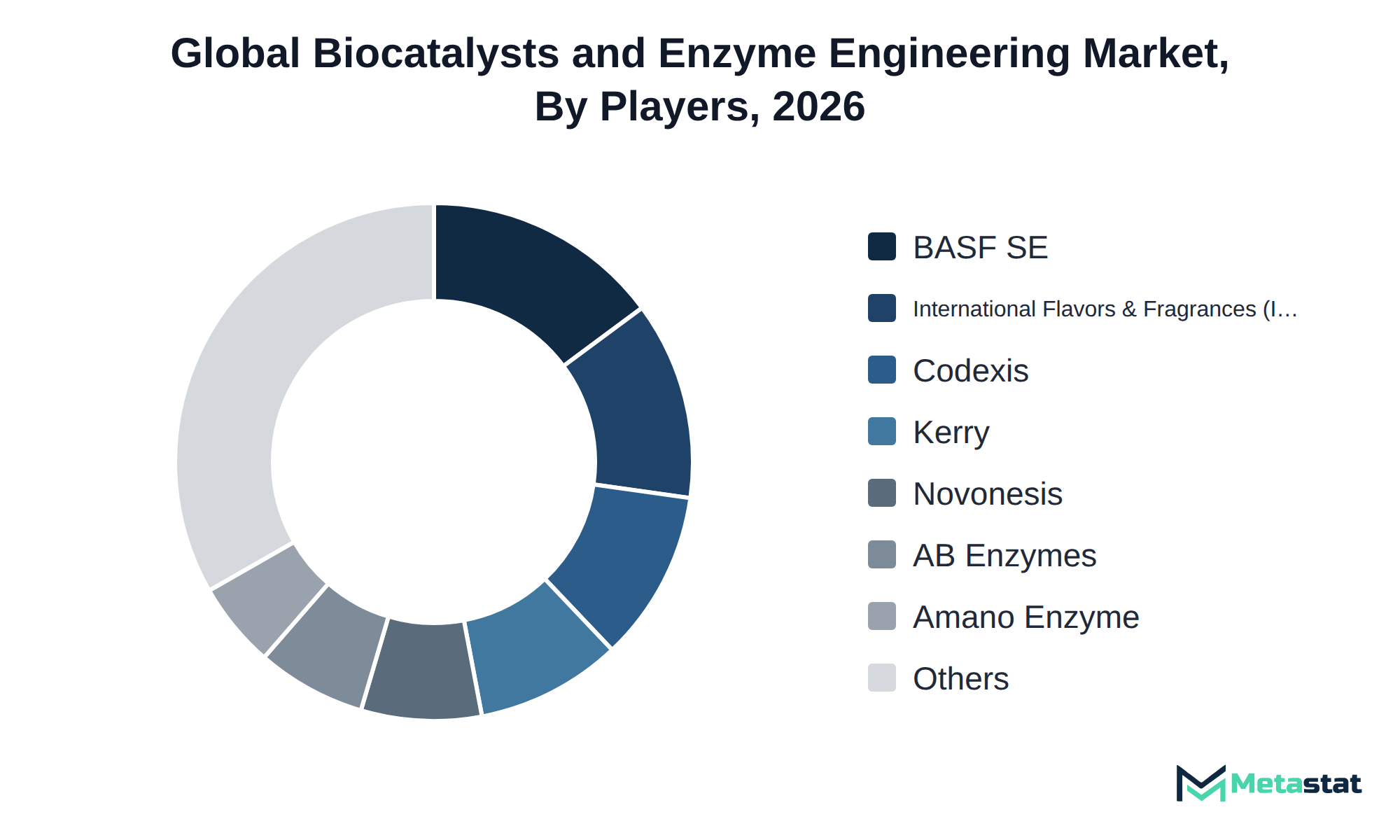
The competitive environment in the Biocatalysts and Enzyme Engineering market features a diverse array of companies focused on various strategic approaches. Key players emphasize different aspects of their offerings, including product innovation, customer service, and technological advancements. Buyers prioritize factors including price, customization, and certification when choosing suppliers within the market.
Novonesis and BASF SE concentrate on developing advanced biocatalytic solutions to meet the growing demands of various industries. Codexis, Inc. and Kerry Group plc highlight their commitment to customization, tailoring their enzymes and bioprocessing technologies for specific applications across sectors. Companies like AB Enzymes GmbH and Thermo Fisher Scientific Inc. enhance their market presence through robust customer support and extensive service networks, ensuring that clients have access to the resources needed for efficient product implementation.
In this competitive landscape, firms including Creative Enzymes and Infinita Biotech Private Limited leverage their expertise in specialized enzyme production to cater to niche segments within the market. The focus on innovation and research enables these companies to differentiate themselves and attract clients seeking innovative solutions. The growing emphasis on sustainability further drives competitiveness, with companies positioning their products as environmentally friendly alternatives.
Achieving this growth requires advancements in enzyme classes including hydrolases and oxidoreductases, which are projected to experience significant demand due to their extensive applications in pharmaceuticals and food processing. The increasing focus on sustainability and environmentally friendly processes drives investments in biocatalysts and enzyme engineering, particularly within the pharmaceutical and API synthesis sector, where a CAGR of 9.9% is anticipated through 2033.
However, risks remain that could impede market progress. The volatility of raw material prices, particularly in the food and beverage sector, creates cost challenges that affect overall profitability. Regulatory hurdles in regions including North America and Europe could delay the adoption of innovative biocatalysts. Addressing these challenges will be essential for the market to meet its forecast and realize its full potential in the coming years.
By Enzyme Class: Hydrolases, Oxidoreductases, Transferases, Lyases, Isomerases, Ligases, Others (Translocases and Niche Enzyme Classes)
By Technology: Directed Evolution, Protein Engineering, Metabolic Engineering, Immobilization, Computational Design
By Application: Pharmaceutical and API Synthesis, Food and Beverage Processing, Biofuels and Biomass Conversion, Molecular Biology and Diagnostics, Detergents and Cleaning, Animal Feed and Nutrition, Fine Chemicals and Specialty Chemicals, Textile, Leather, and Pulp Processing, Personal Care and Cosmetics, Others (Environmental Remediation and Emerging Biocatalytic Applications)
By End User: Biotechnology and Enzyme Engineering Companies, Pharmaceutical and Biotechnology Companies, Food and Beverage Manufacturers, Chemical Manufacturers, Agrochemical Producers, Academic and Research Institutions, Specialty Enzyme Manufacturers
The report strategically identifies and profiles the key market players and analyses their core competencies in each sub-segment of the Biocatalysts and Enzyme Engineering market.
Report Attributes | Details |
Study Period | 2021-2033 |
Base Year | 2025 |
Estimated Year | 2026 |
Forecast Period | 2026-2033 |
Historical Period | 2021-2025 |
Growth Rate | CAGR 8.1% from 2026 to 2033 |
Revenue Unit | USD billion |
Segmentation | By Enzyme Class, Technology, Application, End User, and Region |
By Region | North America (By Enzyme Class, Technology, Application, End User, and Country)
|
Europe (By Enzyme Class, Technology, Application, End User, and Country)
| |
Asia Pacific (By Enzyme Class, Technology, Application, End User, and Country)
| |
South America (By Enzyme Class, Technology, Application, End User, and Country)
| |
Middle East and Africa (By Enzyme Class, Technology, Application, End User, and Country)
|
Find answers to common questions about this report
The Biocatalysts and Enzyme Engineering market size was valued at USD 15.1 billion in 2025.
The market is projected to grow at a CAGR of 8.1% during the forecast period from 2026 to 2033.
The North America Biocatalysts and Enzyme Engineering market size is estimated to reach USD 9.1 billion by 2033.
Hydrolases lead the Biocatalysts and Enzyme Engineering market, with a projected value of USD 14.8 billion by 2033. This segment's growth reflects a compound annual growth rate (CAGR) of 7.4% from 2026 to 2033.
Pharmaceutical and biotechnology companies are driving increased spending on biocatalysts due to the rising demand for more efficient and sustainable drug production methods. The ongoing trend toward sustainable practices in drug manufacturing continues to reshape investment in the market.
North America holds the dominant share of the Biocatalysts and Enzyme Engineering market, with a value of USD 9.1 billion projected for 2033, representing 34.2 percent of the total market. This region surpasses others in market share, including Europe and Asia Pacific.
High costs associated with biocatalysts and enzyme engineering inhibit adoption among small and medium-sized enterprises, particularly in the food and beverage manufacturing sector. Rising input costs present a significant challenge for suppliers, impacting overall profitability and forcing them to adjust pricing strategies to maintain margins.
Factors favoring adoption in the Biocatalysts and Enzyme Engineering industry include the increasing demand for efficient and environmentally friendly production methods, particularly in the Pharmaceutical and API Synthesis segment, projected to grow from USD 3.1 billion in 2026 to USD 6 billion by 2033. Advanced biocatalysts enhance chemical reactions, improving yields and reducing waste.
The Biocatalysts and Enzyme Engineering market is estimated to reach a valuation of USD 28.2 billion by 2033.
Key players operating in the Biocatalysts and Enzyme Engineering market include Novonesis, International Flavors & Fragrances Inc. (IFF), BASF SE, Codexis, Inc., Kerry Group plc, AB Enzymes GmbH, and Advanced Enzyme Technologies Limited.
The analysts below cover Chemicals and Materials research at Metastat Insights.
LEAD ANALYST
Utkarsh Khirodkar is a Lead Market Research Analyst at MetaStat Insight, specializing in market intelligence, technology sector assessments, and competitive strategy.

INDUSTRY CONSULTANT - CHEMICALS & ADVANCED MATERIALS
Chemicals and Materials · Machinery & Equipment · Packaging
Amit Gadhekar Consultant for Chemicals and Materials at MetaStat Insight, directing sector-specific intelligence, research, and strategic consulting across global chemical and processing markets.
Transitioning ultra-class mining haul trucks to alternative power requires concrete data on remote hydrogen refueling infrastructure economics. The report evaluated megawatt-scale electrolyzer installation expenses, onsite storage safety mandates, and heavy-duty fuel cell stack degradation under continuous duty cycles. That technical rigor helped our engineers benchmark realistic total operating cost horizons for off-highway fleet decarbonization.
Enterprise zero-trust network rollouts are often slowed down by multi-cloud transit latency and proprietary hardware retirement schedules. This study provided realistic total cost of ownership models comparing cloud-delivered security edge solutions against traditional hardware refreshes. The analysis of contract renewal lengths and software maintenance fees gave us clear visibility into enterprise replacement cycles over the next three to five years.
Scaling antibody-drug conjugate manufacturing hinges on contract manufacturing availability for high-potency active ingredients. The MetaStat Insight analysis looked closely at global cleanroom slot constraints, bioconjugation batch failure rates, and supply chain redundancies between the US, Europe, and India. The supplier capability matrix proved genuinely useful for our team when mapping secondary source options across our clinical pipeline.
Explore related market intelligence reports worth reading alongside this one.