
Explore the contrasting demand for Air Valves in North America and Asia-Pacific, driven by regional dynamics and market conditions.
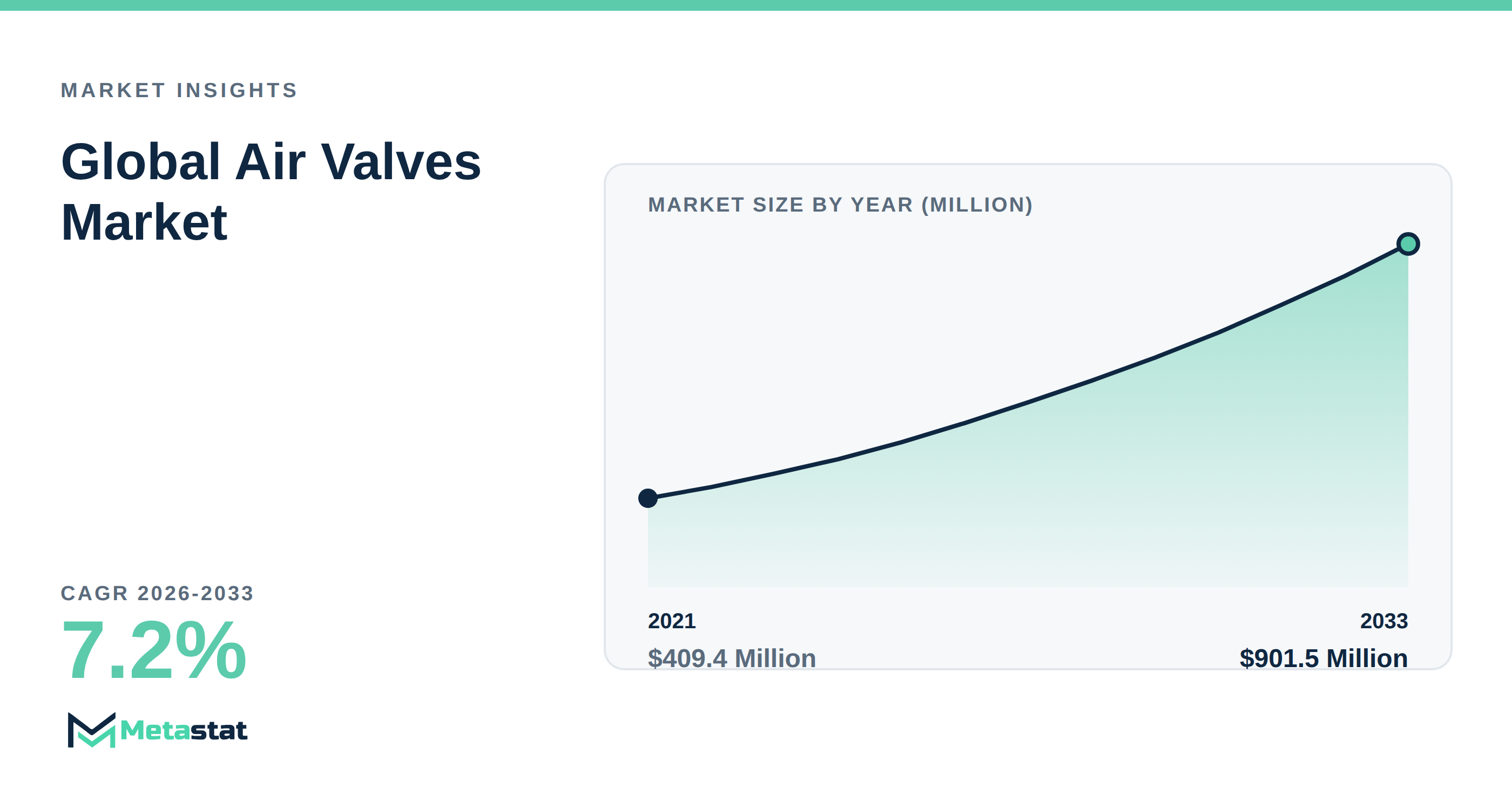
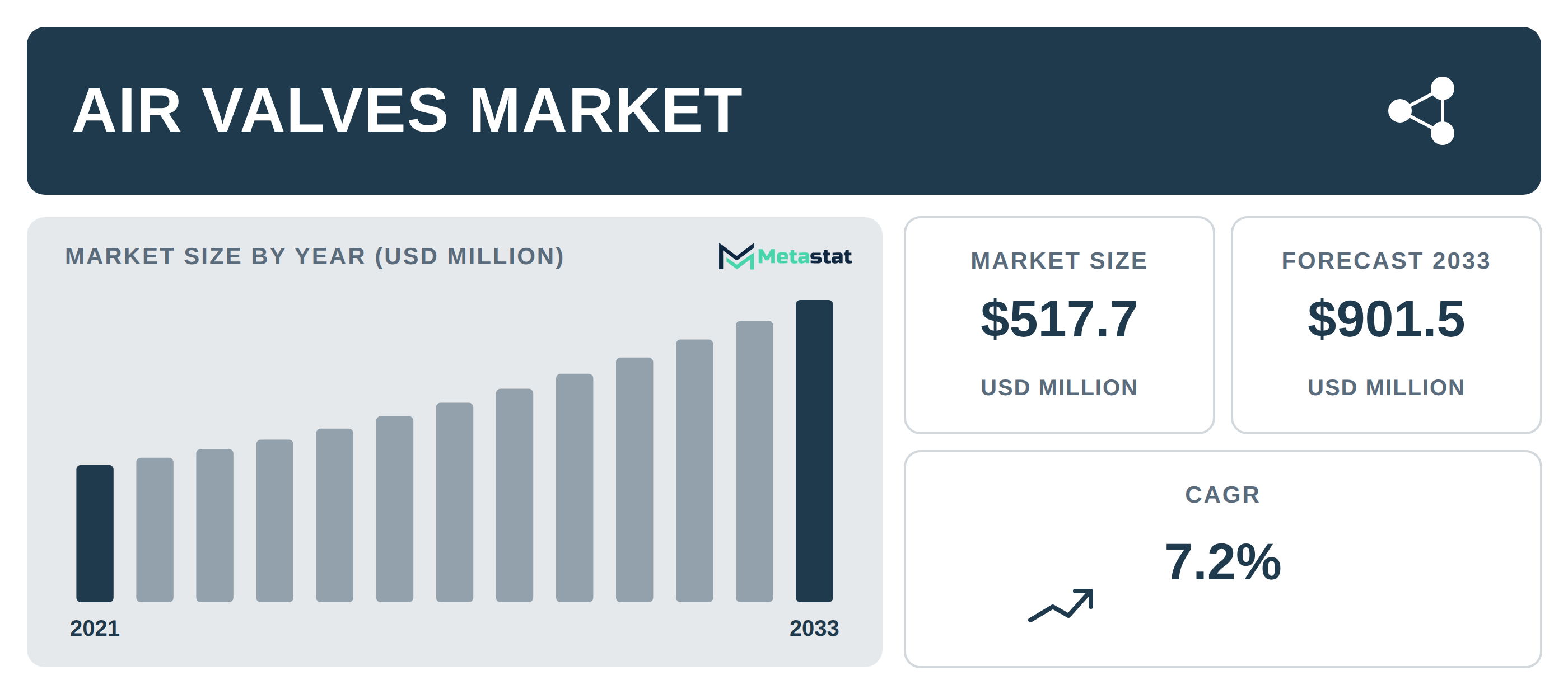
The demand for Air Valves varies significantly between regions, especially when comparing North America and Asia-Pacific. Grasping the reasons behind this divergence helps stakeholders make better decisions. North America, known for its established infrastructure and strong municipal water authorities, reflects a mature market. In contrast, Asia-Pacific is characterized by rapid industrialization and urban development that increase demand. This blog post examines the factors contributing to these regional differences. The full figures are in our Air Valves market size and forecast report.
What drives North America's high demand?
North America holds a significant share of the Air Valves demand, primarily due to its well-established municipal water systems and an emphasis on sustainable practices. Municipal water authorities in the U.S. and Canada invest in modernizing their infrastructure to guarantee a reliable water supply while adhering to environmental standards. This focus is expected to result in procurement cycles for air valves totaling USD 325.9 million by 2033.
The agriculture sector plays a pivotal role in driving demand in North America. As farmers adopt more advanced irrigation methods, the need for high-quality air valves escalates. The focus on optimizing water use to boost crop yields reflects a growing commitment to sustainability and responsible resource management, further enhancing the demand for air valves.
Why does Asia-Pacific experience rapid demand growth?
Asia-Pacific stands out in the landscape for Air Valves due to its dynamic growth propelled by swift urbanization and industrial development. Countries including China and India prioritize improving their water management systems amid increasing population pressures and initiatives aimed at infrastructure enhancement. The region is projected to capture a share of 33.3%, signifying considerable growth potential.
The agricultural sector in Asia-Pacific is undergoing transformation, largely driven by the integration of smart technologies into irrigation practices. This shift is essential as water scarcity issues compel farmers to seek solutions that maximize efficiency. Consequently, the demand for air valves in irrigation systems is projected to rise from USD 146.2 million in 2026 to USD 239.5 million by 2033.
What causes the difference in growth rates?
North America benefits from its advanced infrastructure and stable investment from municipal water authorities. In contrast, Asia-Pacific's growth is marked by a pressing need for modernization and proactive resource management. The disparity results from varying regulatory pressures, economic conditions, and investment priorities. For instance, North America's established frameworks support gradual upgrades, while Asia-Pacific faces a surge driven by urbanization and industrial expansion.
North American buyers typically prefer long-term contracts to secure favorable pricing and reliable supply, reflecting a cautious approach to procurement. Conversely, buyers in Asia-Pacific tend to respond to immediate needs and emerging technologies, leading to more rapid adoption of innovative solutions.
How are companies adapting to regional demands?
Firms in the Air Valves sector are modifying their strategies to align with regional demands. In North America, companies like AVK International A/S and VAG GmbH prioritize product quality and compliance with regulations to meet the rigorous standards set by municipal water authorities. In contrast, suppliers in Asia-Pacific focus on innovation and adaptability to cater to the swiftly changing needs of agricultural producers and industrial users.
This variance in approach shapes competitive dynamics, with North American companies emphasizing reliability and service quality while Asian firms exploit agility and technological advancements to gain market traction.
What opportunities and challenges lie ahead for both regions?
The outlook for both regions reveals distinct opportunities and challenges. In North America, the aging infrastructure and heightened regulatory scrutiny will continue to drive demand for modernized air valves. As sustainable practices gain momentum, the need for efficient air valves will likely increase.
On the other hand, Asia-Pacific faces challenges relating to infrastructure constraints and the pace of urbanization. Nonetheless, the ongoing shift toward automated and smart systems in agricultural practices presents significant growth opportunities. Companies that adjust their offerings to meet regional demands - emphasizing performance alongside sustainability - are positioned to thrive.
Understanding the divergent demand for Air Valves between North America and Asia-Pacific provides valuable insights for industry stakeholders. By recognizing the underlying factors that influence regional trends, businesses strategically position themselves to capitalize on emerging opportunities.
Tags
About the Authors

LEAD ANALYST
Utkarsh Khirodkar is a Lead Market Research Analyst at MetaStat Insight, specializing in market intelligence, technology sector assessments, and competitive strategy.

INDUSTRY CONSULTANT - CHEMICALS & ADVANCED MATERIALS
Chemicals and Materials · Machinery & Equipment · Packaging
Amit Gadhekar Consultant for Chemicals and Materials at MetaStat Insight, directing sector-specific intelligence, research, and strategic consulting across global chemical and processing markets.

PRINCIPAL CONSULTANT - QUALITY SYSTEMS & COMPLIANCE
Electronics and Semiconductor · Machinery & Equipment · Professional Services
Omkar Phadtare is an Industry Consultant at MetaStat Insight, specializing in quality systems, regulatory compliance, and standards benchmarking to drive data-driven market intelligence and strategic industry research.

ENERGY & INFRASTRUCTURE INDUSTRY CONSULTANT
Automotive and Transportation · Electronics and Semiconductor · Energy and Power · Machinery & Equipment
Saurabh Vasant Ganvir consults for Energy & Infrastructure Industry at MetaStat Insight, specializing in renewable energy, solar EPC, and electric vehicle (EV) infrastructure markets.

LEAD CONSULTANT - COMMUNICATION, TELECOM, AND IT
Electronics and Semiconductor · Information & Technology · Machinery & Equipment · Professional Services
Ravindra Sathe Consultants for Communication, Telecom, and IT at MetaStat Insight. He leads the firm's industry research initiatives across telecommunications infrastructure, digital connectivity, enterprise networking, and emerging information technology domains.