
Explore the differences in demand for US Hosting Infrastructure Services across regions, including what drives growth and what hinders progress.
The demand for US Hosting Infrastructure Services varies significantly across different regions, influenced by technological infrastructure, business needs, and competitive dynamics. Understanding these regional differences helps stakeholders make informed decisions when selecting hosting solutions. US Hosting Infrastructure Services market size and forecast report
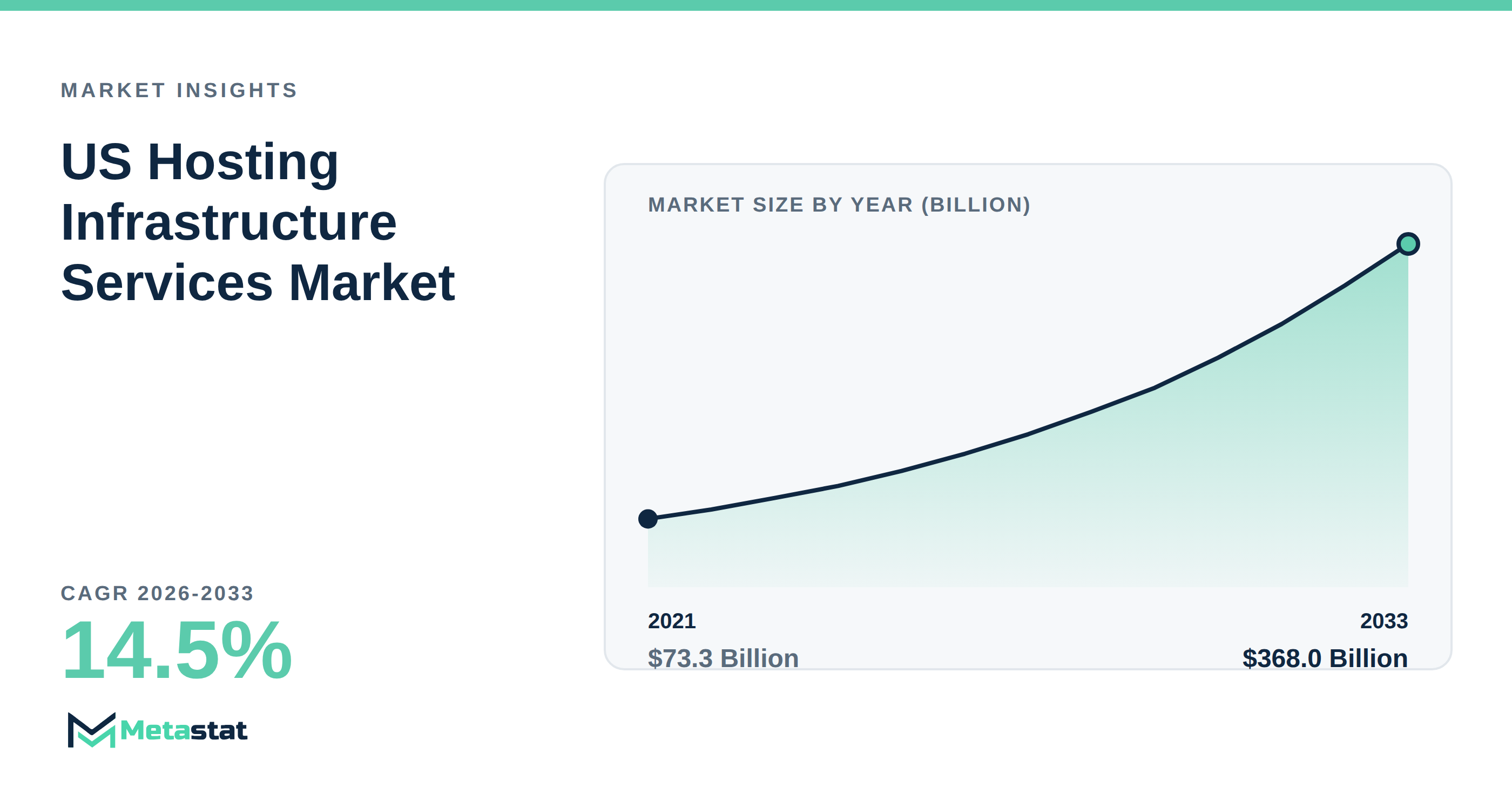
What drives demand in the leading regions?
North America currently leads in the demand for hosting services, primarily due to its advanced technological framework and a dense concentration of service providers. This region benefits from a robust ecosystem that includes major players like Amazon Web Services, Microsoft, and Google, which together stimulate innovation and drive adoption among enterprises. Businesses in North America focus on scalability and flexibility, seeking solutions that align with their digital transformation initiatives.
Emerging regions are making substantial progress as well, with growing investments in digital infrastructure aimed at enhancing hosting capabilities. Although these regions do not yet match North America's depth of resources, they are rapidly advancing as businesses recognize the value of cloud-based solutions for operational efficiency. This increasing awareness is fostering a shift towards adopting modern hosting services.
What factors contribute to lagging regions?
One significant reason for slower adoption in certain areas lies in limited access to advanced technologies. Companies in these regions frequently encounter challenges related to infrastructure quality, which hinders their ability to leverage cloud solutions effectively. Budget constraints often impact small and medium-sized enterprises, compelling them to prioritize cost-effective hosting options over more comprehensive services.
Cultural factors and varying levels of digital literacy slow the transition to updated hosting solutions. Regions with a lower emphasis on technology struggle to motivate businesses to invest in advanced hosting services, further widening the gap in demand for these essential solutions.
How do regulatory environments affect regional demand?
Regulatory frameworks significantly influence demand for hosting infrastructure services. Regions with stringent data protection laws create a heightened need for compliant hosting solutions. Businesses aiming to meet these regulatory requirements often opt for private clouds or dedicated servers, which offer greater control over data security compared to public cloud options.
In contrast, regions with less rigorous regulations exhibit a slower shift towards these dedicated solutions, resulting in a reliance on shared hosting services. This divergence in regulatory environments shapes the competitive landscape and directly influences how businesses structure their hosting strategies.
What role do emerging technologies play?
The growth of cloud-native technologies, including microservices and serverless architectures, is reshaping the hosting strategies of organizations across various regions. These technologies enhance operational efficiencies and enable businesses to respond quickly to changing market demands.
Regions embracing these advancements typically demonstrate higher demand for hosting services, as companies prioritize solutions that support rapid application development and deployment. In contrast, regions lagging behind miss opportunities for operational optimization, limiting their competitive edge in the broader market.
What businesses do to bridge the gap?
Organizations in lagging regions should prioritize investments in digital infrastructure and training to enhance their technological capabilities. Collaborations between local businesses and established service providers facilitate knowledge transfer and promote the adoption of advanced hosting solutions.
Leveraging partnerships for resource sharing and technical assistance enables enterprises to overcome challenges associated with budget constraints. By focusing on these strategic initiatives, businesses enhance their operational efficiencies and better align themselves with leading regional markets.
In conclusion, regional demand for US Hosting Infrastructure Services is shaped by a combination of technological infrastructure, regulatory environments, and emerging trends. Understanding these factors guide organizations in making informed decisions regarding their hosting strategies and investments.
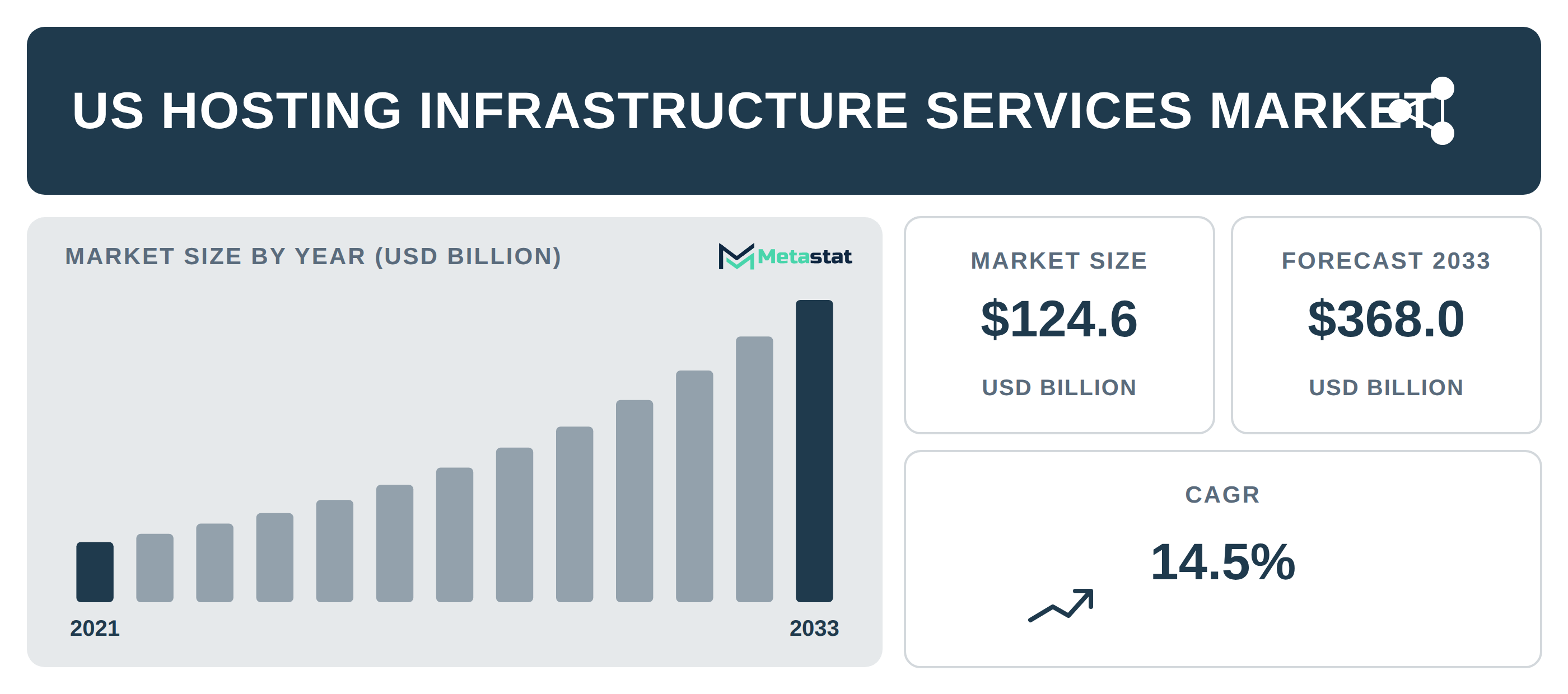
Tags
About the Authors

LEAD ANALYST
Utkarsh Khirodkar is a Lead Market Research Analyst at MetaStat Insight, specializing in market intelligence, technology sector assessments, and competitive strategy.

PRINCIPAL CONSULTANT - ENTERPRISE AI & EMERGING TECHNOLOGIES
Banking & Finance · Electronics and Semiconductor · Energy and Power · Healthcare IT · Information & Technology · Professional Services
Vijay Gunti is a Principal Consultant at MetaStat Insight, bringing over two decades of experience across enterprise digital transformation, technology strategy, and intelligent systems.

LEAD CONSULTANT - COMMUNICATION, TELECOM, AND IT
Electronics and Semiconductor · Information & Technology · Machinery & Equipment · Professional Services
Ravindra Sathe Consultants for Communication, Telecom, and IT at MetaStat Insight. He leads the firm's industry research initiatives across telecommunications infrastructure, digital connectivity, enterprise networking, and emerging information technology domains.