
Explore the differences between North America and Europe in Smart Energy demand, focusing on regulatory factors, consumer behavior, and market maturity.
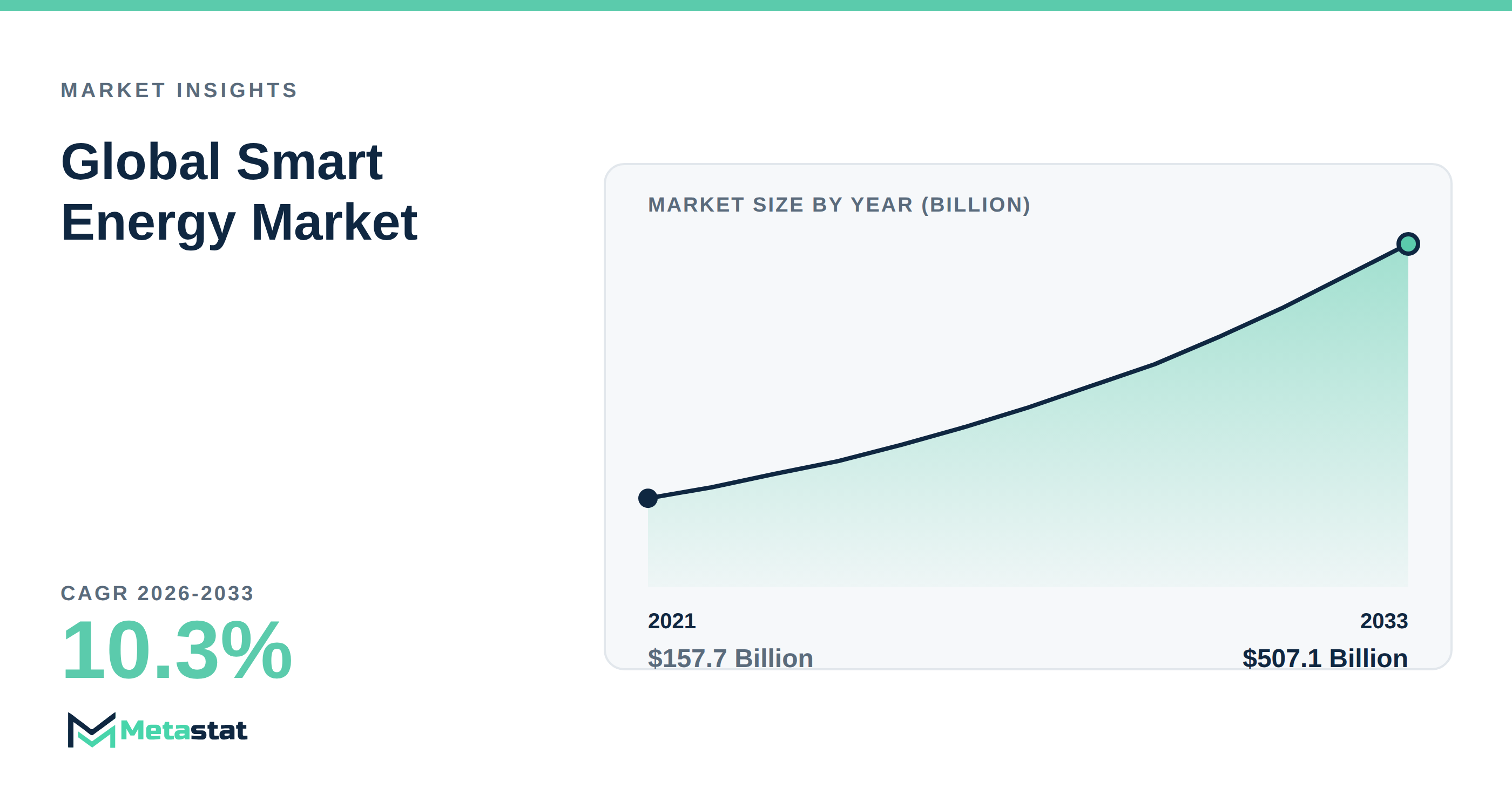
The dynamics of the Smart Energy landscape demonstrate a compelling contrast between regions, particularly between North America and Europe. While both regions exhibit strong growth in demand for energy-efficient technologies and systems, their trajectories and underlying drivers reveal significant differences. Understanding these nuances is crucial for stakeholders looking to navigate the complex global energy environment. The full figures are in our Smart Energy market size and forecast report.
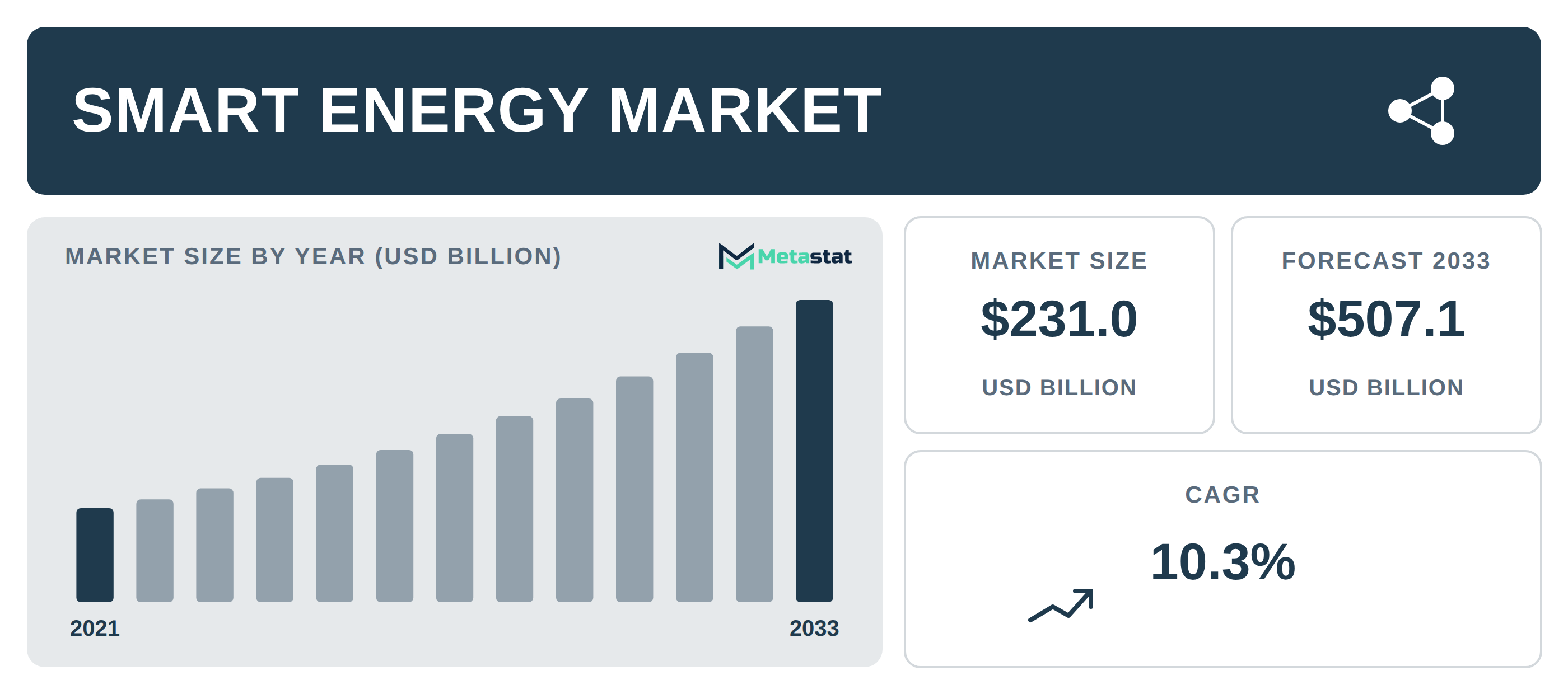
North America stands out as the leader in Smart Energy demand, accounting for 37.8% of the global share in 2025. This dominance is underpinned by substantial investments in energy infrastructure and a proactive regulatory environment that encourages the adoption of smart technologies. The United States, in particular, benefits from strong government initiatives aimed at promoting renewable energy integration and enhancing grid efficiency. The ongoing shift towards interconnected energy systems is supported by advancements in both hardware and software components, which enable better energy management and data analytics. These factors collectively create an environment ripe for innovative energy solutions, contributing to a projected value of USD 176.6 billion by 2033 for the region.
Conversely, Europe, with a projected share of 26.3% in 2025, is carving its path through a strong emphasis on environmental sustainability and regulatory compliance. Countries like Germany and France are leading the way, investing heavily in smart grid technologies and advanced metering infrastructure. The focus on energy efficiency and sustainability drives utilities and industrial enterprises to adopt smart solutions that reduce carbon footprints while optimizing operational costs. The commitment to transitioning towards a low-carbon economy positions Europe as a significant player in the Smart Energy landscape, and its regulatory framework encourages innovation and investment in clean energy technologies.
While North America benefits from favorable conditions and significant infrastructure investments, Europe’s strength lies in its collective policy-driven approach and commitment to sustainability. The divergence in Smart Energy regional demand between these two areas stems from differing consumer behavior and market maturity. North American consumers tend to invest in advanced technologies for cost savings and efficiency improvements, whereas European consumers are increasingly driven by regulatory pressures and the desire to align with sustainability goals.
Emerging regions, including Asia-Pacific, represent a unique case in this conversation. Although this region held a share of 26.3% in 2025, its rapid urbanization and industrialization present both challenges and opportunities. Countries like China and India are investing heavily in smart grid technologies; however, infrastructure development remains a significant hurdle. The need for innovative solutions to meet growing energy demands, coupled with government support for renewable integration, positions Asia-Pacific for substantial growth in the Smart Energy sector. However, this growth nots reach the levels seen in North America or Europe without significant advancements in infrastructure and regulatory frameworks.
The divergence in Smart Energy regional demand is driven by a combination of regulatory environments, consumer behavior, and market maturity. North America's lead is supported by significant investments and a favorable policy landscape, while Europe's commitment to sustainability and regulatory compliance creates a strong environment for growth. While the energy landscape continues to evolve, stakeholders consider these regional dynamics to inform their strategies and investments in Smart Energy technologies.
Tags
About the Authors

LEAD ANALYST
Utkarsh Khirodkar is a Lead Market Research Analyst at MetaStat Insight, specializing in market intelligence, technology sector assessments, and competitive strategy.

PRINCIPAL CONSULTANT - ENTERPRISE AI & EMERGING TECHNOLOGIES
Banking & Finance · Electronics and Semiconductor · Energy and Power · Healthcare IT · Information & Technology · Professional Services
Vijay Gunti is a Principal Consultant at MetaStat Insight, bringing over two decades of experience across enterprise digital transformation, technology strategy, and intelligent systems.

ENERGY & INFRASTRUCTURE INDUSTRY CONSULTANT
Automotive and Transportation · Electronics and Semiconductor · Energy and Power · Machinery & Equipment
Saurabh Vasant Ganvir consults for Energy & Infrastructure Industry at MetaStat Insight, specializing in renewable energy, solar EPC, and electric vehicle (EV) infrastructure markets.