
Explore the differences in Spa Services regional demand between North America and Europe, focusing on trends, consumer behavior, and growth factors.
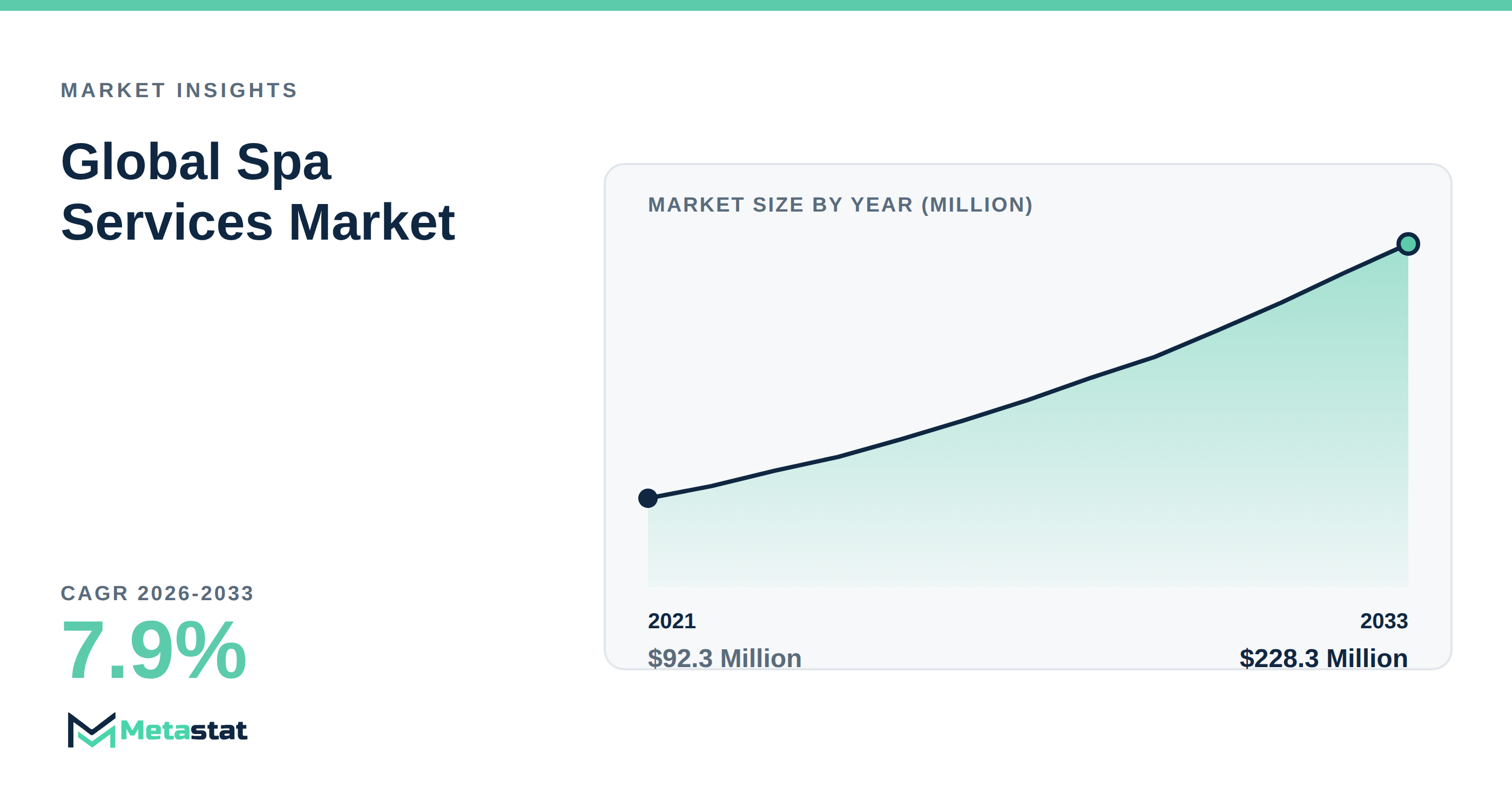
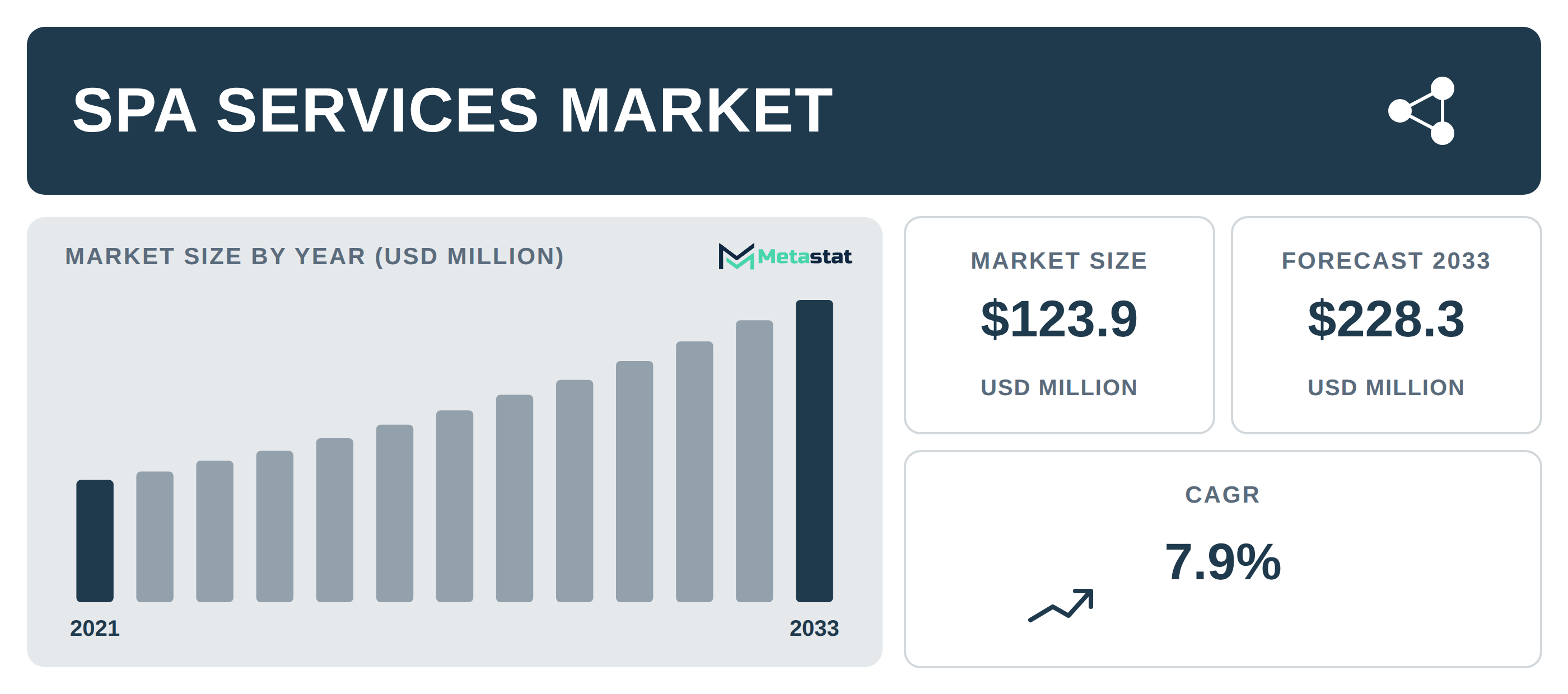
The discrepancies in Spa Services regional demand, particularly between North America and Europe, highlight significant trends and shifts in consumer behavior. North America leads in spending and growth, while Europe follows with a strong wellness culture that influences buyer preferences. The full figures are in our Spa Services market size and forecast report.
What drives North America's leading status in Spa Services?
North America, particularly the United States, accounts for a significant portion of Spa Services demand, benefiting from a robust tourism infrastructure and a higher standard of living. Urban areas in this region feature an abundance of luxury resorts and day spas catering to clients who seek relaxation and wellness. The rising interest in wellness tourism enhances this demand, as hotels and resorts incorporate spa services to attract visitors.
A growing emphasis on self-care and health awareness among consumers contributes to the surge in demand. The rise of online booking channels facilitates access to spa services, enabling consumers to conveniently schedule their appointments, further boosting growth in this region.
How does Europe’s unique wellness culture impact Spa Services demand?
Europe’s Spa Services demand reflects a deep-rooted culture of wellness, especially in nations including Germany, France, and the UK. The focus on comprehensive wellness experiences drives significant consumer investment in spa treatments. Although Europe has a larger presence in this field, it experiences slower growth compared to North America. This is partly due to the existing saturation of high-quality spa offerings and the competitive nature of the sector.
Consumers in Europe often seek luxurious experiences and prioritize preventive health measures that align with their lifestyles. Increased disposable income levels enable greater spending on wellness experiences, which further supports growth in this region. The trend towards online and mobile app booking is enhancing accessibility, allowing consumers to schedule appointments with ease.
What accounts for the gap in growth rates between the regions?
The primary reason for the growth gap between North America and Europe is the pace at which different demographics are embracing wellness experiences. While North America is witnessing a sharp increase in spending and a shift towards more casual spa visits, Europe’s growth trajectory is steadier, focusing heavily on the quality of services rather than sheer volume.
Technological advancements are a significant factor. North American spas are adopting advanced technologies, including AI-driven consultations and improved booking systems, to streamline services and enhance customer experiences. Conversely, while European establishments are incorporating technology, they place greater emphasis on traditional wellness practices and high-quality service, which do not scale as quickly.
How do emerging trends affect the market for Spa Services in both regions?
Both regions are experiencing shifting consumer preferences, with trends like medical and aesthetic treatments gaining traction. In North America, medical spas are projected to grow significantly, appealing to clients seeking both wellness and aesthetic enhancements. This shift has led to changing pricing strategies that reflect the expertise required for such services.
Meanwhile, Europe, while acknowledging the importance of aesthetic treatments, continues to value holistic approaches. Ayurvedic and personalized treatments are increasingly integrated into European spas, reflecting a consumer shift towards individualized health solutions. The focus on tailored care aligns strongly with affluent consumers looking for unique wellness experiences.
What implications do these regional differences hold for businesses in the Spa Services sector?
For businesses operating in the Spa Services sector, understanding these regional dynamics is essential for strategic positioning. Companies in North America should continue to innovate, leveraging technology and enhancing service accessibility to cater to the growing demand. Meanwhile, European establishments capitalize on their established wellness culture by focusing on high-quality service delivery and personalized experiences.
Investments in these areas help companies adapt to changing consumer behaviors, positioning them to thrive in a competitive environment. Emphasizing unique offerings and customized experiences will be key for both regions as they navigate evolving trends and consumer expectations.
The diverging Spa Services regional demand illustrates important differences in consumer behavior, technological adoption, and wellness culture. By recognizing and adapting to these factors, businesses meet the evolving needs of their clientele across North America and Europe, driving growth and enhancing customer engagement.
Tags
About the Authors

LEAD ANALYST
Utkarsh Khirodkar is a Lead Market Research Analyst at MetaStat Insight, specializing in market intelligence, technology sector assessments, and competitive strategy.

LEAD PRINCIPAL ANALYST, PHARMA AND HEALTHCARE
Food and Beverages · Healthcare · Healthcare IT · Medical Devices
Ajay Devgire is the Lead Healthcare Analyst at MetaStat Insight, leading strategic research and market intelligence initiatives across the global healthcare domain.