
Explore the diverging trends in Sustainable Aviation Fuel demand between North America and Europe, focusing on the driving factors and implications for stakeholders.
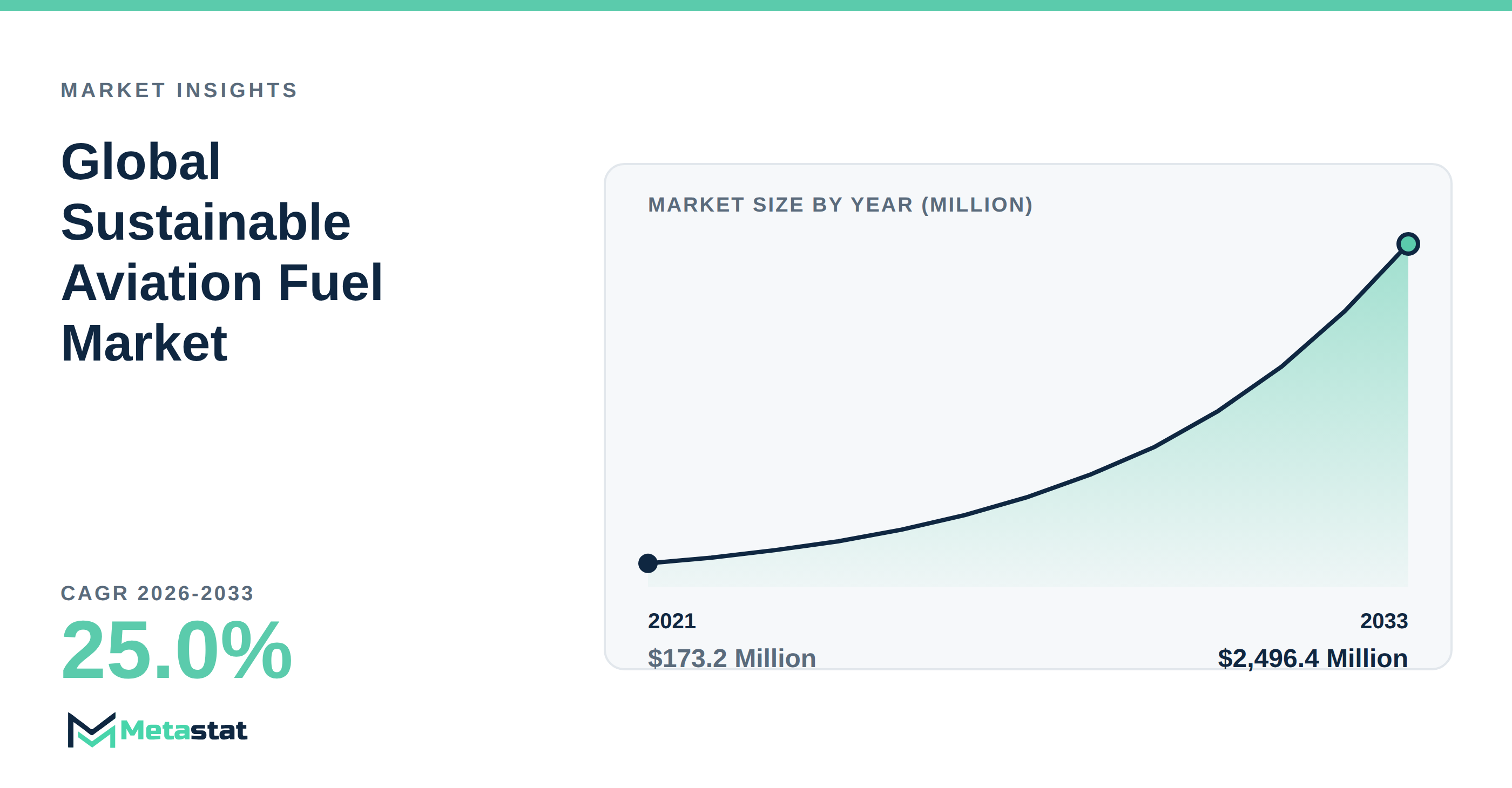
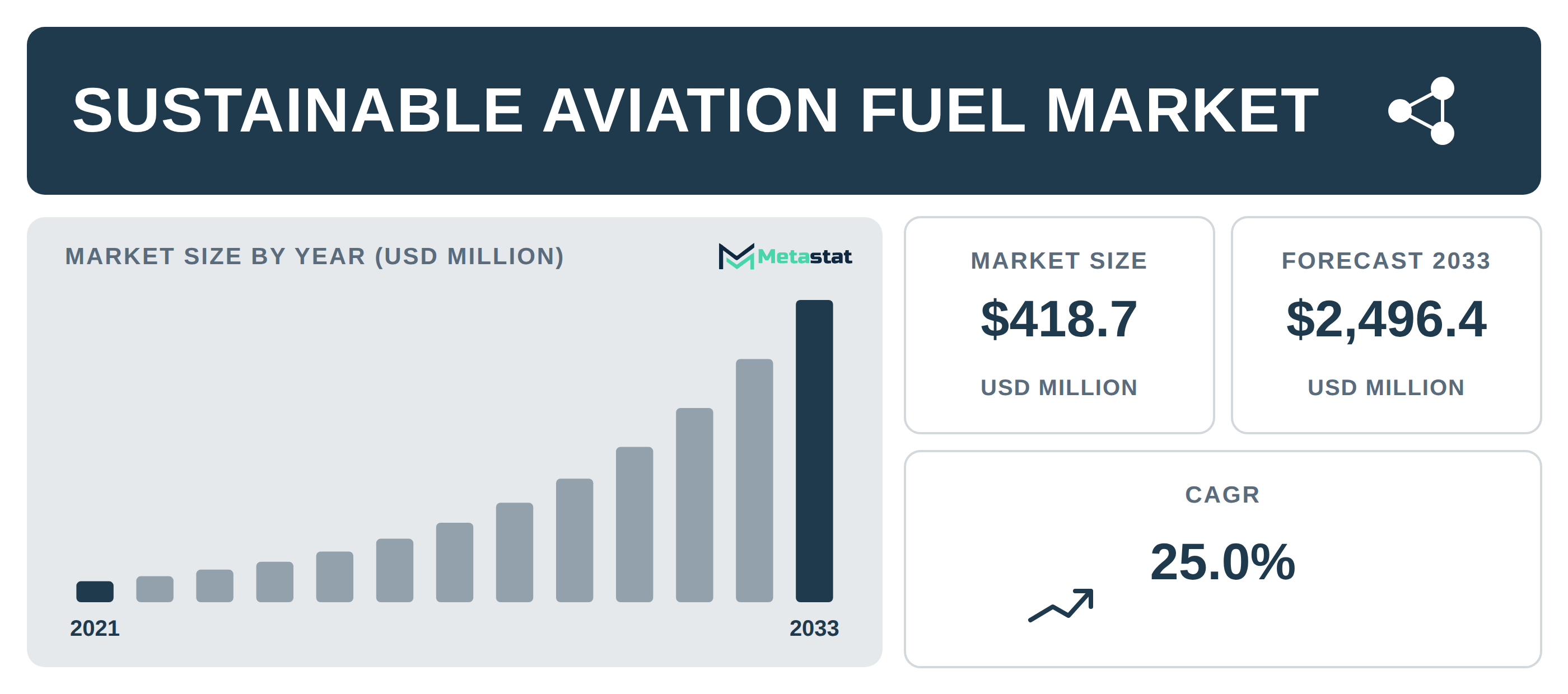
The demand for Sustainable Aviation Fuel (SAF) is evolving at different paces across the globe, particularly between North America and Europe. Understanding the factors that contribute to this divergence informs strategic decisions for stakeholders in the aviation sector. Sustainable Aviation Fuel market size and forecast report
What drives North America's lead in SAF adoption?
North America is positioned to lead in the demand for Sustainable Aviation Fuel, holding a 46.1% market share in 2025. This regional dominance results from the strong commitment among commercial airlines and air cargo operators to fulfill regulatory requirements aimed at curbing carbon emissions. U.S. government policies have been instrumental in fostering an environment conducive to the development of SAF infrastructure and distribution.
Investment in current infrastructure significantly enhances North America's advantage. Many airlines in this region have begun to adopt Hydroprocessed Esters and Fatty Acids (HEFA) technology, benefiting from an established supply chain that facilitates rapid market entry. The reliability and efficiency of HEFA fuel options resonate with the stringent demands of commercial aviation, which greatly prioritizes dependable fuel sources.
Why does Europe lag behind despite strong regulations?
Europe, despite its significant share of 32.2% in SAF demand, faces unique challenges that hinder its adoption pace compared to North America. While the region showcases robust regulatory support for sustainable aviation initiatives, it encounters higher production costs and a slower rate of infrastructure development. These obstacles impede the swift commercial scaling of SAF technologies.
Airlines in Europe recognize the urgent need for sustainable fuel alternatives, yet limited investment in production facilities constrains scalability. Though there is a strong focus on innovation and sustainability in Europe, operational capabilities frequently fall short of those seen in North America due to financial limitations and the complexities inherent in integrating new technologies into existing systems.
What role do consumer preferences play in regional differences?
Consumer behaviors reflecting a preference for environmentally responsible travel options have a significant influence on the adoption of Sustainable Aviation Fuel. In North America, airlines feel considerable pressure from consumers to pursue greener practices. This demand propels a proactive approach to investing in SAF technologies, resulting in expedited procurement models and collaborative partnerships between airlines and SAF producers.
In contrast, while European consumers express a preference for sustainable travel options, the impact of these preferences is subdued by regulatory complications and slower market dynamics. European airlines, burdened by production costs and limited SAF availability, often struggle to procure sufficient volumes to meet consumer expectations. This gap in responsiveness to consumer demand has consequences for market competitiveness.
How do production technologies influence regional growth?
Variations in production technologies contribute to the different growth trajectories in the SAF sector. North America has demonstrated a stronger inclination towards HEFA due to its alignment with existing infrastructure, resulting in notable adoption rates. Conversely, Europe is exploring various innovative technologies, including Alcohol-to-Jet (ATJ) and Power-to-Liquid (PtL), which, while promising, have yet to achieve comparable levels of market penetration.
Particularly, the ATJ technology is gaining momentum in Europe, expected to see significant growth as companies adapt to new feedstock sources. However, the timeline for these technologies to reach mainstream adoption and commercial viability is delaying Europe’s overall advancement in SAF demand compared to North America.
What strategies should stakeholders adopt to bridge the gap?
To mitigate the disparities between North America and Europe regarding Sustainable Aviation Fuel adoption, stakeholders in the aviation sector should consider collaborative strategies. Forming partnerships across regions enhances resource allocation and accelerates the sharing of technologies and best practices. Investment in research and development to improve production efficiencies and lower costs will be critical in both regions.
Stakeholders should advocate for supportive policies that incentivize the creation of sustainable fuel sources. In Europe, aligning with consumer preferences for greener options could hasten SAF adoption through innovative fuel solutions. For North America, maintaining the momentum of infrastructure investment and production capabilities will be essential to preserving its leadership position.
Ultimately, acknowledging the distinct challenges and opportunities present in each region will assist stakeholders in navigating the complexities of Sustainable Aviation Fuel adoption, promoting a more sustainable aviation future.
Tags
About the Author

LEAD ANALYST
Utkarsh Khirodkar is a Lead Market Research Analyst at MetaStat Insight, specializing in market intelligence, technology sector assessments, and competitive strategy.