
LEAD ANALYST
Utkarsh Khirodkar is a Lead Market Research Analyst at MetaStat Insight, specializing in market intelligence, technology sector assessments, and competitive strategy.

Global Sustainable Aviation Fuel Market Size, Share, By Production Technology (Hydroprocessed Esters and Fatty Acids (HEFA), Alcohol-to-Jet (ATJ), Fischer-Tropsch (FT) Synthesis, Power-to-Liquid (PtL / e-SAF), Refinery Co-processing and Others (Catalytic Hydrothermolysis Jet, Synthesized Iso-Paraffins, HC-HEFA)), By Feedstock (Used Cooking Oil, Animal Fats and Tallow, Vegetable Oils and Oilseed Crops, Agricultural Residues, Forestry Residues and Woody Biomass, Municipal Solid Waste, Sugar and Starch Crops, Captured Carbon Dioxide and Renewable Hydrogen and Others (Algae, Industrial Waste Gases)), By End User (Commercial Passenger Airlines, Air Cargo Operators, Business and General Aviation Operators and Military and Government Aviation Operators), Industry Analysis, Growth, Trends, and Forecast, 2026-2033
Report ID
MSI-2284
Published
October, 2026
Pages
272 Pages
Format
Historical
Base year
Forecast
Forecast period
Report Details
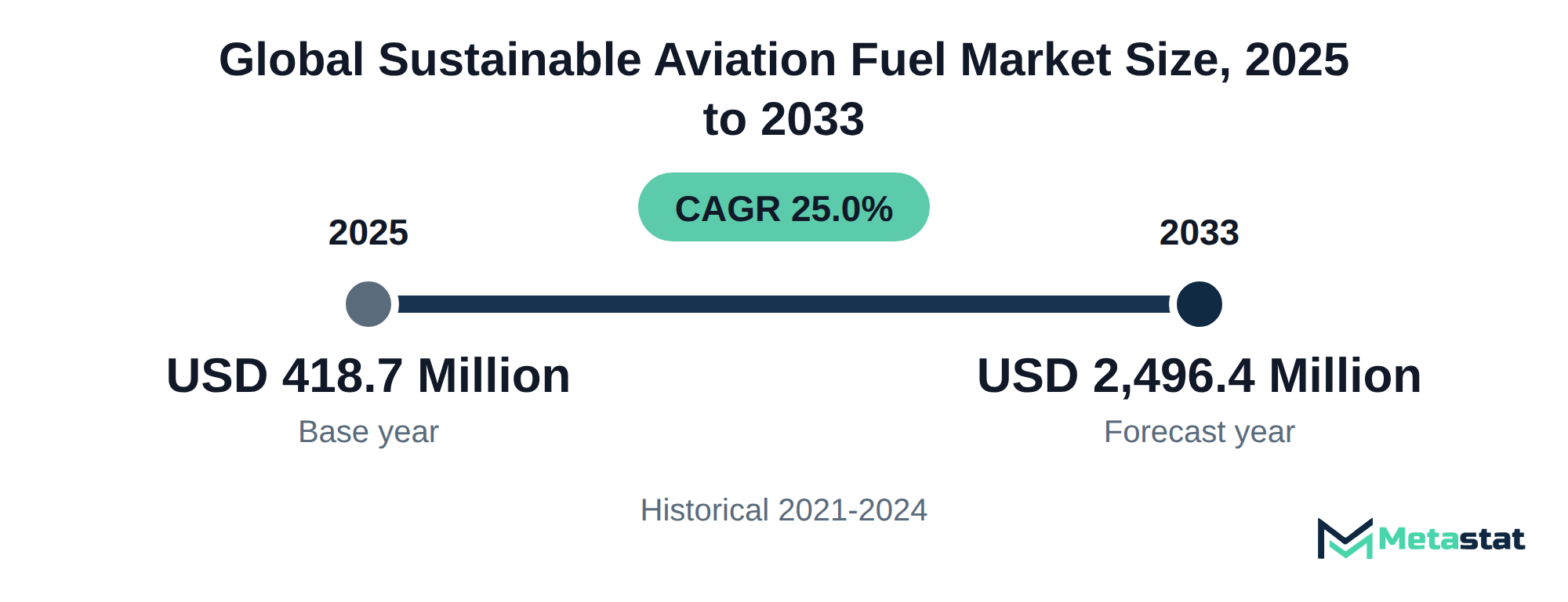
Market Valuation: Valued at $418.7 Million in 2025, projected to reach $2,496.4 Million by 2033 at a 25.0% CAGR.
Dominant Segment: Hydroprocessed Esters and Fatty Acids (HEFA) leads the market, driven by its established infrastructure and rapid market penetration among commercial airlines. This segment is projected to grow significantly, reflecting its widespread acceptance and efficiency in reducing carbon emissions.
Geographic Lead: North America dominates the market with a 46.1% share in 2025, primarily due to strong regulatory support and airline commitments to sustainability. The United States is expected to maintain its leadership position through 2026.
What's Inside: The report provides a comprehensive analysis of the Sustainable Aviation Fuel market, covering production technologies, feedstock types, and end-user segments. It includes competitive insights, market dynamics, and forecasts from 2026 to 2033.
Emerging Technologies: Alcohol-to-Jet (ATJ) technology is gaining momentum with a projected CAGR of 45%, driven by increasing regulatory support and consumer demand for sustainable aviation solutions. This innovative approach offers significant growth potential within the market.
Choose Your License
Global Sustainable Aviation Fuel Market
The global Sustainable Aviation Fuel market was valued at USD 418.7 million in 2025 and is projected to reach USD 2,496.4 million by 2033, growing at a CAGR of 25.0% over the forecast period.
The Sustainable Aviation Fuel market encompasses various innovative fuel technologies designed to reduce carbon emissions from the aviation sector. Buyers invest in sustainable aviation fuel to comply with growing regulatory pressures and to enhance their sustainability profiles. The need for greener alternatives in air travel drives interest among commercial airlines, cargo operators, and government aviation bodies, leading to increased spending in this sector.
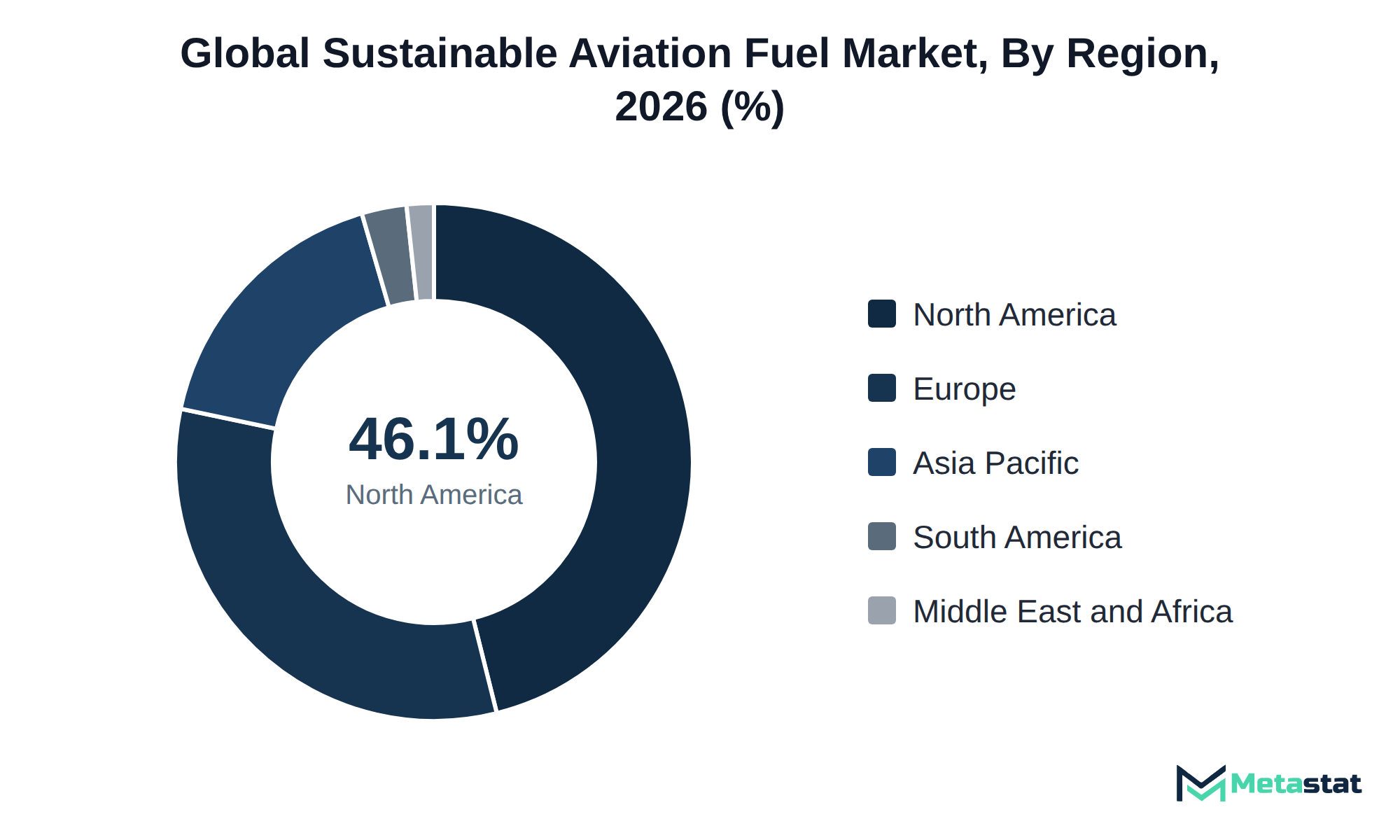
Market growth is primarily fueled by advancements in production technologies that improve fuel efficiency and reduce costs. Among the different segments, Hydroprocessed Esters and Fatty Acids (HEFA) represents the largest share, significantly contributing to the market's overall value. Regional dynamics indicate that North America holds 46.1% of the market in 2025, with the US leading in 2026. Europe follows with a 32.2% share, while the Asia Pacific region accounts for 17.2%.
The increasing demand for sustainable aviation fuel is driven by airlines' commitments to carbon footprint management, including efforts to reduce their carbon footprints and meet sustainability targets. Environmental concerns and consumer preferences for sustainable travel options further influence this trend. The market is projected to experience significant growth as more stakeholders recognize the economic and environmental benefits of adopting sustainable fuel solutions.
The Sustainable Aviation Fuel market features a range of advanced technologies aimed at delivering environmentally friendly alternatives to traditional aviation fuels. Buyers invest in these solutions to meet regulatory requirements and corporate sustainability goals, thereby reducing their carbon footprint. The increasing focus on decarbonization across the aviation industry motivates investment in these fuels, ensuring a shift towards more sustainable practices.
The growth of the market is primarily driven by rising demand for cleaner fuel alternatives within the aviation sector. Among the various segments, Hydroprocessed Esters and Fatty Acids (HEFA) represents the largest share, expected to see substantial growth driven by its established applications in commercial aviation. North America holds 46.1% of the market in 2025, with the US leading in 2026, indicating strong support for sustainable fuel initiatives in this region.
One significant growth driver stems from increasing pressure on airlines to adopt sustainable practices, driven by consumer demand for greener travel options. This trend prompts airlines to invest heavily in sustainable aviation fuels to satisfy both regulatory frameworks and passenger expectations. The market is positioned for expansion as the aviation industry shifts toward more sustainable operations.
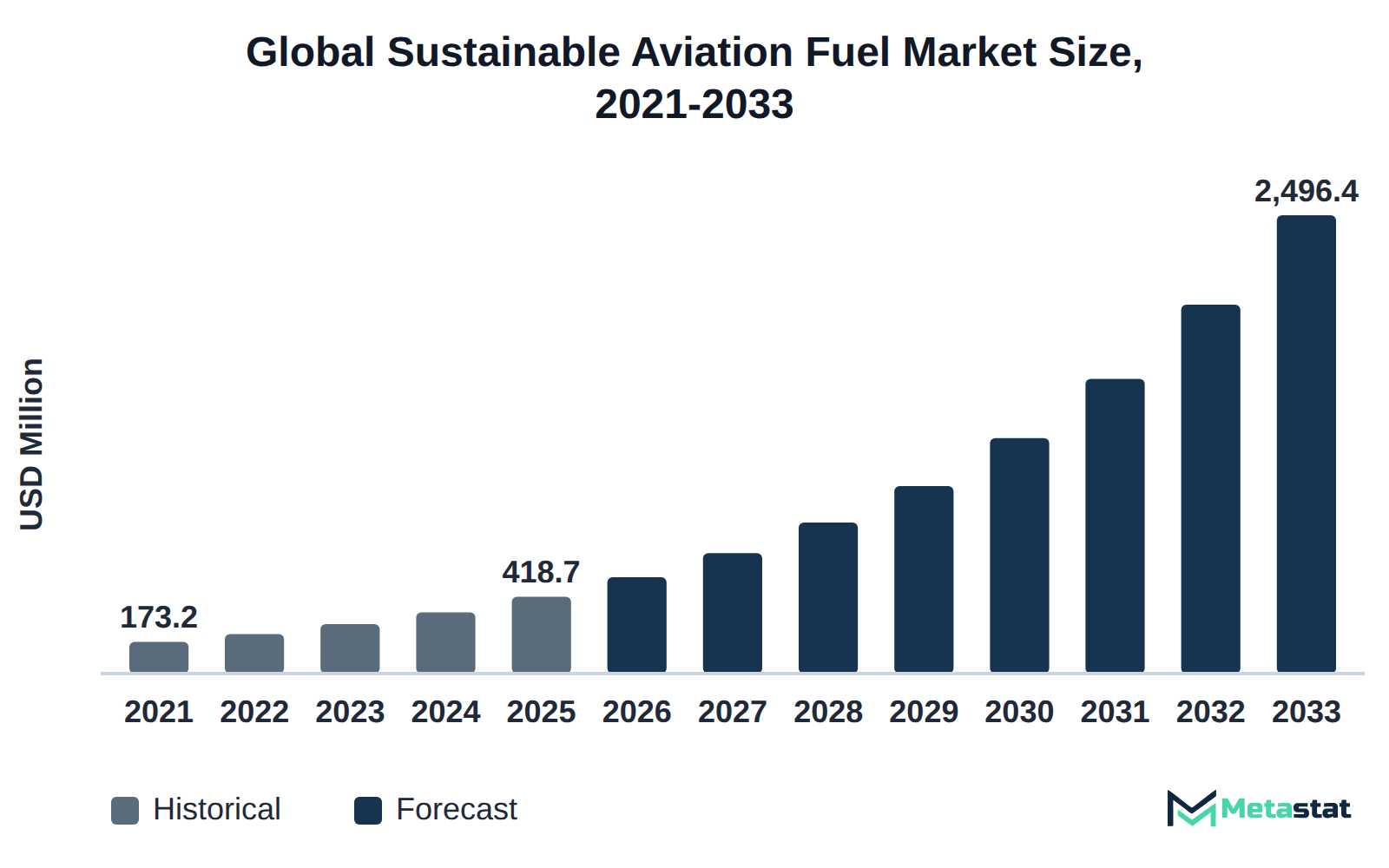
Hydroprocessed Esters and Fatty Acids (HEFA) technology is the leading production method in the Sustainable Aviation Fuel market. Its value is projected to grow from USD 480.4 million in 2026 to USD 2,054.8 million by 2033, a compound annual growth rate of 23.1%. This dominance stems from HEFA’s ability to use existing infrastructure and supply chains, which allows quicker market penetration than alternative technologies. The established performance metrics and certifications of HEFA contribute to its widespread acceptance among commercial passenger airlines and other aviation sectors.
Simultaneously, the Alcohol-to-Jet (ATJ) process experiences significant momentum, projected to reach a value of USD 136.3 million by 2033, driven by a 45% compound annual growth rate. The innovative nature of ATJ technology positions it as an attractive option for producers seeking to capitalize on diverse feedstocks, including agricultural residues. Fischer-Tropsch (FT) synthesis adds market diversity by targeting niche applications and supporting wider sustainability efforts in aviation fuel.
Ongoing advancements in these technologies indicate a shift in the market, with producers increasingly investing in scalable solutions that align with regulatory frameworks and environmental goals. The growing emphasis on sustainability within the aviation industry enhances the commercial viability of these emerging technologies, leading to expanded adoption and increasing competition among suppliers.
Airline decarbonization commitments significantly influence procurement models in the Sustainable Aviation Fuel market. Airlines increasingly prioritize the acquisition of sustainable aviation fuels (SAFs) to meet stringent environmental targets. In 2025, the market is projected to reach USD 418.7 million, demonstrating the growing emphasis on sustainable fuel sources.
Pricing strategies incorporate long-term contracts to secure stable supply and mitigate price fluctuations. These contracts create partnerships between airlines and SAF producers, ensuring consistent fuel availability. Producers benefit from predictable revenue streams, promoting investment in production capacity. For instance, airlines focusing on commercial passenger operations are expected to consume USD 2,058.5 million worth of SAF by 2033, reflecting the urgency for sustainable solutions.
Compliance with the Carbon Offsetting and Reduction Scheme for International Aviation (CORSIA) drives procurement decisions. Airlines face pressure to demonstrate adherence to environmental regulations, enhancing the demand for SAFs. This regulatory landscape shapes purchasing behavior and incentivizes innovation within the market. As a result, procurement models increasingly treat sustainable aviation fuels as central to meeting operational and environmental goals.
The Sustainable Aviation Fuel market faces significant constraints in sourcing waste oil feedstock, which affects production capacity and pricing structures. The used cooking oil segment anticipates growth from USD 318.1 million in 2026 to USD 1,318.4 million by 2033, reflecting a compound annual growth rate of 22.5%. This escalation highlights the increasing demand for alternative feedstocks, particularly from airlines and operators seeking to meet sustainability targets. However, the limited availability of waste oils places pressure on producers to secure consistent supply streams.
In response to these constraints, investment in Power-to-Liquid (PtL) technologies has surged. With an expected compound annual growth rate of 62.5%, the PtL segment offers a promising avenue to supplement traditional feedstock sources. This technology enables the conversion of renewable electricity to liquid fuels, providing a pathway for sustainable aviation fuel production. Key players in the Sustainable Aviation Fuel market are now focusing on developing PtL capabilities, positioning themselves to capitalize on this trend. Successful implementation of Power-to-Liquid technologies enhances operational efficiency and supports the increasing demand within the market.
Production costs and blending mandates significantly influence the adoption of Sustainable Aviation Fuel (SAF) by airlines. The growing emphasis on sustainability in the aviation sector drives airlines to seek alternatives to conventional jet fuel. In 2025, the market for Sustainable Aviation Fuel is projected to reach USD 418.7 million, reflecting an increasing commitment to environmentally friendly solutions. The forecast for 2033 indicates significant growth to USD 2,496.4 million, with a compound annual growth rate (CAGR) of 25%, illustrating strong momentum in adoption.
Blending mandates, in particular, create a structured pathway for airlines to incorporate SAF into their operations. By requiring a specific percentage of sustainable fuel in total fuel consumption, these mandates stimulate demand and support investment in production technologies. This technology stands out due to its established processes and compatibility with existing infrastructure.
Consequently, airlines that proactively adapt to these mandates and production cost trends position themselves favorably in a competitive market. This strategic alignment enhances corporate responsibility while meeting regulatory requirements, ultimately driving the growth of the Sustainable Aviation Fuel market.
Commercial passenger airlines increasingly emphasize sustainability, driving demand for used cooking oil in the Sustainable Aviation Fuel market. This shift aligns with corporate social responsibility goals and consumer preferences for greener travel options. The transition to more sustainable feedstocks reflects a broader movement within the aviation sector to reduce carbon emissions. This trend enables airlines to meet regulatory requirements and consumer expectations while enhancing operational sustainability. Adoption of sustainable aviation fuels positions airlines competitively in a market that focuses on environmental responsibility.
Investment in advanced production technologies drives growth in the Sustainable Aviation Fuel market. Hydroprocessed Esters and Fatty Acids (HEFA) technology currently leads production, but innovations including Alcohol-to-Jet (ATJ) and Power-to-Liquid (PtL) processes gain traction. Enhanced efficiency and lower costs associated with these production methods attract funding from diverse stakeholders, including public and private sectors. The increasing focus on sustainability drives research and development efforts, leading to significant improvements in yield and scalability of these technologies.
Technologies like ATJ offer a promising future for the market, with a projected compound annual growth rate of 45% through 2033. Investment in feedstock technologies, including Used Cooking Oil and Agricultural Residues, further supports the market's expansion. These developments enhance the operational feasibility of sustainable aviation fuels, satisfying the growing demand from commercial airlines under pressure to reduce carbon footprints. The convergence of technological advancements and increased funding leads to a more competitive landscape, positioning the market for growth.
High production costs significantly hinder adoption among commercial passenger airlines, limiting the transition to sustainable aviation fuel. These high costs arise from the complex processes involved in sustainable aviation fuel production and the fluctuating prices of feedstock materials. Airlines face challenges in balancing operational budgets while seeking to procure fuels that align with sustainability goals. Consequently, many airlines opt for smaller orders or delayed transitions to sustainable aviation fuel. This cautious approach is evident in procurement practices, where airlines prioritize immediate cost efficiency over long-term sustainability commitments. The market experiences slower uptake in regions where airlines remain sensitive to price variations, impacting overall growth potential. These dynamics are a major barrier to broader adoption of sustainable aviation fuel within the aviation industry.
Suppliers in the Sustainable Aviation Fuel market face significant input cost pressures driven by rising prices for feedstock materials and production technologies. Increased demand for sustainable feedstock, particularly used cooking oil and animal fats, intensifies competition among suppliers, raising procurement costs. This situation impacts profit margins and financial viability for producers, prompting a reevaluation of sourcing strategies. In response, suppliers explore alternative feedstock options and invest in innovative production technologies to enhance efficiency and reduce expenses. This shift towards more cost-effective production methods aims to alleviate financial pressures while maintaining competitive pricing for their offerings. As the market evolves, these strategies will be central to sustaining growth and profitability in the competitive sustainable aviation fuel sector.
Alcohol-to-Jet (ATJ) technology presents a significant growth opportunity in the Sustainable Aviation Fuel market, driven by a projected CAGR of 45% through 2033. This production technology addresses the rising demand for cleaner aviation fuels while leveraging a variety of alcohol feedstocks, including bioethanol, suitable for different production scales. Increased focus on sustainability among commercial passenger airlines and air cargo operators fuels the adoption of ATJ, driven by regulatory targets and consumer expectations. The competitive landscape highlights the need for innovative solutions, with established players and new entrants exploring partnerships and investments in ATJ production. This shift towards Alcohol-to-Jet technology supports operational efficiencies and enhances revenue potential, making it a crucial segment for market participants aiming to capitalize on the transition to sustainable aviation fuels. Anticipated growth reflects broader industry trends prioritizing environmental responsibility and carbon neutrality.
The Global Sustainable Aviation Fuel market is segmented based on Production Technology, Feedstock, and End User.
This segment primarily serves commercial passenger airlines that prioritize sustainable fuel alternatives to reduce their carbon footprint. A significant factor driving this segment is the increasing commitment of airlines to meet stringent environmental regulations and sustainability goals. Compared to other production technologies, HEFA's growth remains strong, benefiting from established processes and existing supply chains. Alternatives like Alcohol-to-Jet show higher growth rates at a CAGR of 45%. HEFA's competitive pricing and scalability position it favorably for wider industry adoption, contributing to the overall expansion of the market.
This technology converts biomass-derived alcohols into jet fuel, providing a sustainable alternative for commercial airlines and other aviation operators seeking lower carbon emissions in their operations. Increasing regulatory support for sustainable fuels and growing pressure from consumers for greener travel options drive the demand for this segment. Compared to other production technologies, ATJ exhibits a higher growth rate, reflecting strong interest in its potential. The aviation sector's commitment to reducing carbon footprints aligns with the rapid development of Alcohol-to-Jet solutions, which offer a viable path toward achieving sustainability goals without significant changes to existing infrastructure. The market shows keen interest in this segment due to its innovative approach and alignment with industry demands.
Fischer-Tropsch (FT) Synthesis segment is expected to reach USD 80.1 million by 2033. This technology involves converting carbon monoxide and hydrogen into liquid hydrocarbons, commonly used in the aviation sector for producing sustainable fuel. Major users include commercial passenger airlines and military aviation operators, both seeking to reduce their carbon footprint. The segment experiences strong growth, driven by increasing regulatory pressure to lower emissions and commitments to sustainability from airlines. Compared to other production technologies, FT Synthesis holds a lower market share and presents slower growth potential, evidenced by its lower compound annual growth rate (CAGR). The emphasis on feedstock flexibility within this segment differentiates it from others, highlighting its reliance on diverse carbon sources, including biomass and captured carbon dioxide. This creates opportunities for innovation, though production costs add complexity.
Power-to-Liquid (PtL / e-SAF) segment is projected to grow at a CAGR of 62.5% during the forecast period. This technology converts renewable electricity into liquid hydrocarbons suitable for aviation fuel, thereby supporting the decarbonization efforts of various aviation operators. The segment primarily serves commercial passenger airlines and air cargo operators, both of which increasingly focus on sustainability in their operations. The rapid advancement in hydrogen electrolyzer and carbon capture technologies drives interest in PtL solutions, while its potential for higher production costs compared to other methods, including Hydroprocessed Esters and Fatty Acids (HEFA), presents challenges. Compared to HEFA and Alcohol-to-Jet segments, PtL exhibits a faster growth trajectory, driven by strong demand for sustainable aviation fuel that aligns with regulatory frameworks and environmental commitments. The market anticipates significant investments directed toward scaling up PtL technologies, enhancing their competitiveness and accessibility in the Sustainable Aviation Fuel market.
Refinery co-processing involves the integration of renewable feedstocks into existing petroleum refining operations, enhancing sustainability by producing low-carbon fuels. This technology targets various sectors, including commercial passenger airlines, which increasingly emphasize environmentally friendly alternatives in their fuel supply. Growth in this segment is driven by regulatory pressures aimed at reducing carbon emissions and improving overall fuel efficiency. Compared to other production technologies, refinery co-processing experiences slower growth rates due to existing infrastructure constraints and the complexity of integrating new feedstocks into traditional refinery processes. The market's focus on innovation in production capabilities further distinguishes this segment from faster-growing alternatives like Alcohol-to-Jet technology, which benefits from a higher CAGR. This approach aligns with broader sustainability goals within the aviation sector, supporting the transition to cleaner fuels.
This segment encompasses Other production technologies, including Catalytic Hydrothermolysis Jet, Synthesized Iso-Paraffins, and HC-HEFA. These technologies offer alternative pathways for producing sustainable aviation fuel, appealing to various aviation operators seeking greener solutions. The flexibility of these technologies allows for the utilization of diverse feedstocks, potentially enhancing sustainability in fuel production. Demand for these alternative technologies is driven by increasing regulatory pressures and the aviation industry's commitment to decarbonization targets. Pricing volatility and production scalability present challenges, impacting the competitive positioning of these technologies compared to more established options like HEFA. The growth trajectory remains less aggressive than that of higher-profile technologies, but the unique characteristics of this segment cater to niche markets requiring specific fuel properties. This distinguishes it from the more mainstream production technologies in the market.
This feedstock serves as a crucial source for producing sustainable aviation fuel, primarily used by commercial passenger airlines and air cargo operators. Growing regulatory pressures regarding carbon emissions drive interest in this segment, resulting in increased sourcing of used cooking oil for fuel production. Compared to other feedstock segments, including Animal Fats and Tallow, which is projected to grow at a CAGR of 23.6%, Used Cooking Oil offers a more significant growth rate, highlighting its attractiveness for fuel manufacturers. The increasing focus on sustainability and circular economy principles fuels further investment in this segment, supporting the transition to more environmentally friendly aviation fuels.
Animal Fats and Tallow segment is estimated to reach USD 485.3 million by 2033, at a CAGR of 23.6% during the forecast period. This feedstock is important in the production of sustainable aviation fuel, primarily used by airlines focused on reducing their carbon footprints. The growing demand for eco-friendly aviation solutions drives interest in this segment, particularly from commercial passenger airlines seeking sustainable options. Regulatory pressures, including carbon emissions reduction targets, enhance adoption rates for animal fats and tallow. Compared to other feedstocks like Used Cooking Oil, which is expected to experience a CAGR of 22.5%, Animal Fats and Tallow demonstrate a slightly higher growth rate, highlighting its significance as a preferred choice in the sustainable aviation fuel market.
Vegetable Oils and Oilseed Crops segment is expected to reach USD 329.3 million by 2033. This feedstock is primarily used in the production of sustainable aviation fuel, serving commercial passenger airlines and other aviation operators focused on reducing carbon emissions. The growing emphasis on sustainability within the aviation sector drives demand for this segment, reflecting a shift towards renewable resources. Compared to other feedstock options, Vegetable Oils and Oilseed Crops experience moderate growth, with an anticipated CAGR of 22.5%. This growth differentiates it from sub-segments including Used Cooking Oil, which benefits from a CAGR of 22.5% due to its established infrastructure and supply chains. Factors influencing this segment include fluctuations in crop yields and global agricultural practices, which impact availability and pricing in the market.
Agricultural residues segment is projected to grow at a CAGR of 39.6% during the forecast period. These materials, often byproducts of farming activities, find applications in the production of sustainable aviation fuel. Commercial passenger airlines and other aviation operators use these feedstocks to reduce carbon emissions and enhance sustainability efforts. Increasing regulatory pressures regarding greenhouse gas emissions drive demand for agricultural residues, a viable alternative. Compared to other feedstock segments, agricultural residues offer a unique advantage due to their lower environmental impact and availability; however, they face challenges from competing feedstocks including used cooking oil. The segment is expected to reach significant value by 2033, contributing to the overall growth of the market.
Forestry residues and woody biomass consist of leftover plant materials generated during forestry operations, including branches, leaves, and tree tops. This feedstock serves sustainable aviation fuel producers seeking to use renewable resources while minimizing waste. Demand arises from commercial passenger airlines striving to reduce carbon emissions, which drives the search for sustainable alternatives. Regulatory pressures aimed at reducing fossil fuel reliance heighten interest in this feedstock. Compared to other feedstocks, including used cooking oil, forestry residues and woody biomass experience slower growth due to limited availability and collection challenges. However, their sustainable nature and potential for reducing waste increase their importance within the market, emphasizing the shift toward more environmentally friendly aviation solutions.
Municipal Solid Waste involves the conversion of non-recyclable waste materials into sustainable aviation fuel. This approach primarily addresses waste management challenges while providing a valuable resource for various aviation operators. The push for sustainable fuel sources, alongside stringent regulations on waste disposal and carbon emissions, drives interest in this feedstock. Adoption by airlines and airport operators highlights a commitment to sustainability and environmental responsibility. Compared to other feedstocks, Municipal Solid Waste presents distinct advantages, including lower costs and reduced waste disposal issues. Unlike animal fats and used cooking oil, which rely on specific sourcing, Municipal Solid Waste provides a more abundant supply, thereby expanding potential production capabilities. This feedstock's role in transforming waste into energy positions it uniquely in the market, contributing to a circular economy and supporting the growth of sustainable aviation fuel solutions.
Sugar and Starch Crops consist of plant-based materials derived from various crops, offering a renewable feedstock option for producing Sustainable Aviation Fuel. This segment finds applications primarily in the aviation sector, specifically among commercial airlines seeking to reduce their carbon footprint. Demand for this feedstock is driven by increasing regulatory pressures for greener fuels and the aviation industry's commitment to sustainability. Compared to other feedstock options, Sugar and Starch Crops provide an alternative with different pricing dynamics and availability, especially in markets with robust agricultural sectors. This segment's growth trajectory is influenced by advancements in agricultural practices and the scalability of sugar and starch conversion technologies, which enhance production efficiency relative to traditional feedstocks including used cooking oil and animal fats. The evolving landscape of environmental regulations continues to create favorable conditions for the adoption of this feedstock in the Sustainable Aviation Fuel market.
Captured Carbon Dioxide and Renewable Hydrogen consists of technologically advanced feedstocks used in the production of sustainable aviation fuel. This feedstock is crucial for operators aiming to achieve carbon neutrality and meet stringent environmental regulations. Interest in this feedstock is driven by the increasing global emphasis on reducing carbon emissions from aviation, with significant support from governments and environmental organizations advocating for cleaner alternatives. This segment distinguishes itself from others due to its potential for innovative production methods and the ability to utilize existing carbon emissions, which aligns with sustainability goals. Unlike traditional biofuels that rely on agricultural inputs, Captured Carbon Dioxide and Renewable Hydrogen represents a forward-looking approach that could reshape feedstock sourcing and processing in the market.
This segment includes feedstocks such as algae and industrial waste gases, which are innovative sources for sustainable aviation fuel production. These materials provide alternatives for traditional feedstocks, appealing to companies focused on enhancing sustainability and reducing environmental impact. Factors driving this segment include increasing regulatory pressures aimed at reducing carbon emissions and a growing interest in circular economy practices, which encourage the use of waste materials. Compared to other feedstock segments, this category generally attracts niche players focused on sustainability and experiences slower growth due to technological and scalability challenges associated with harvesting and processing these unconventional feedstocks. Industries explore diverse ways to meet sustainability goals, making this segment an important part of the broader dynamics surrounding the Sustainable Aviation Fuel market.
Commercial Passenger Airlines segment is valued at USD 444.7 million in 2026 and is projected to reach USD 2,058.5 million by 2033, at a CAGR of 24.5% during the forecast period. This segment supports the aviation industry's efforts to reduce carbon emissions and enhance sustainability by providing a renewable fuel alternative for commercial flights. The increasing demand for eco-friendly air travel drives adoption, led by airlines striving to meet stringent emissions regulations. Compared to other segments, this one experiences rapid growth due to the high volume of jet fuel consumption and the commitment of airlines to integrate sustainable aviation fuel into their operations. The emerging emphasis on corporate social responsibility and environmental stewardship significantly influences investment decisions among airlines, creating a competitive atmosphere in the market.
Air Cargo Operators segment is estimated to reach USD 265.4 million by 2033, at a CAGR of 26.9% during the forecast period. This segment serves commercial air transport, focusing on transporting goods and freight. Increasing demand for efficient and sustainable logistics solutions drives adoption of Sustainable Aviation Fuel in this category. Air cargo operators face regulatory pressures to reduce carbon emissions, compelling the industry to explore alternative fuel options. This segment's growth is expected to outpace that of Business and General Aviation Operators, reflecting a growing emphasis on sustainability among major logistics companies. Innovative fuel technologies tailored to meet the specific needs of cargo operations further differentiate this segment from others within the market.
Business and General Aviation Operators segment is expected to reach USD 107.1 million by 2033. This segment includes operators who use small aircraft for personal, business, or charter flights, contributing significantly to the aviation sector's overall fuel consumption. A notable demand driver stems from a growing emphasis on sustainability among these operators, pushing them towards cleaner fuel alternatives. The segment experiences a slower growth rate compared to other end-user categories, including Commercial Passenger Airlines, which is projected to achieve a CAGR of 24.5%. While Commercial Passenger Airlines focus on large-scale operations, Business and General Aviation Operators prioritize flexibility and efficiency, leading to unique fuel demands that differ from those of larger carriers. Investment in sustainable aviation fuel is crucial for these operators to align with environmental regulations and enhance operational sustainability.
Military and Government Aviation Operators segment is projected to grow at a CAGR of 29.6% during the forecast period. This segment focuses on providing sustainable aviation fuel to military and governmental organizations, facilitating operations for defense and public service aviation. The demand for sustainable fuels in this segment is driven by increasing regulatory pressure to reduce carbon emissions and enhance operational sustainability. Compared to other segments, including Commercial Passenger Airlines, this segment exhibits a faster growth trajectory, reflecting a stronger commitment to adopting eco-friendly alternatives. Unique requirements for national security and operational readiness influence purchasing decisions, creating a distinct market dynamic. This segment is significant for advancing environmental goals while supporting critical aviation activities in the Sustainable Aviation Fuel market.
Based on geography, the Global Sustainable Aviation Fuel market is divided into North America, Europe, Asia-Pacific, South America, Middle East, and Africa.
Demand for sustainable aviation fuel in North America demonstrates strong growth potential, driven by the commitment of commercial passenger airlines and air cargo operators to reduce carbon emissions. Regulatory pressures, including emissions reduction targets, encourage investment in sustainable practices. The United States, Canada, and Mexico prioritize the development of infrastructure that supports sustainable aviation fuel production and distribution, contributing to the region's leadership in the market. North America is projected to reach USD 1,052.7 million by the end of 2033. With a market share of 46.1% in 2025, regional players focus on innovative production technologies and diverse feedstocks. The sustainable aviation fuel market in North America is expected to experience significant expansion, largely due to ongoing investments and technological advancements.
The European Sustainable Aviation Fuel market shows significant growth potential, driven by robust demand from commercial passenger airlines and air cargo operators. Countries including Germany, France, the UK, Italy, and Spain exhibit strong regulatory support for sustainable aviation initiatives, reflecting a commitment to reducing carbon emissions in the aviation sector. Investment in infrastructure facilitating the production and distribution of sustainable aviation fuel, along with favorable government policies, enhances market dynamics. By 2025, Europe is expected to hold a share of 32.2% of the global market, indicating a solid foothold in this emerging industry. This region's focus on innovative feedstock solutions and advanced production technologies positions it well for future expansion within the market.
Asia-Pacific demonstrates significant potential in the Sustainable Aviation Fuel market, driven primarily by demand from commercial passenger airlines and air cargo operators. Countries including China, India, and Australia invest heavily in sustainable energy initiatives and regulatory frameworks that promote transportation biofuels. The region's share of the global market is projected at 17.2% in 2025, reflecting substantial growth opportunities. Southeast Asia emerges as a notable player in developing local production facilities to cater to rising air travel needs. This shift toward sustainable alternatives is supported by advancements in production technologies, including Hydroprocessed Esters and Fatty Acids (HEFA) and Alcohol-to-Jet (ATJ). By 2033, the market is projected to achieve a valuation of USD 2,496.4 million, reinforcing the commitment of regional stakeholders to reduce carbon emissions in aviation.
South America represents a small share of the global market. The primary drivers of demand include commercial passenger airlines and air cargo operators, with Brazil and Argentina as key contributors. The region faces unique challenges, including limited infrastructure and higher production costs, which hinder rapid growth. Local initiatives aimed at promoting sustainable practices support advancements in sustainable aviation fuel production. The market benefits from an increasing emphasis on environmental sustainability, prompting investments in alternative fuel technologies and feedstocks. Overall, South America's potential in the Sustainable Aviation Fuel market reflects regional dynamics and growing awareness of sustainability issues.
Demand for the Sustainable Aviation Fuel market in the Middle East and Africa is primarily driven by increasing interest from governments and private sectors in sustainable practices. Countries including Saudi Arabia and the UAE are making substantial investments in renewable energy to diversify their economies and reduce reliance on fossil fuels. Infrastructure developments focus on enhancing production capabilities, with local producers exploring various feedstock options. South Africa presents opportunities for growth, particularly in adopting innovative production technologies. The region's share of the global market stood at 1.7% in 2025, reflecting potential for growth in sustainable aviation fuel adoption. Strategic initiatives in these countries will support the market expansion over the forecast period.
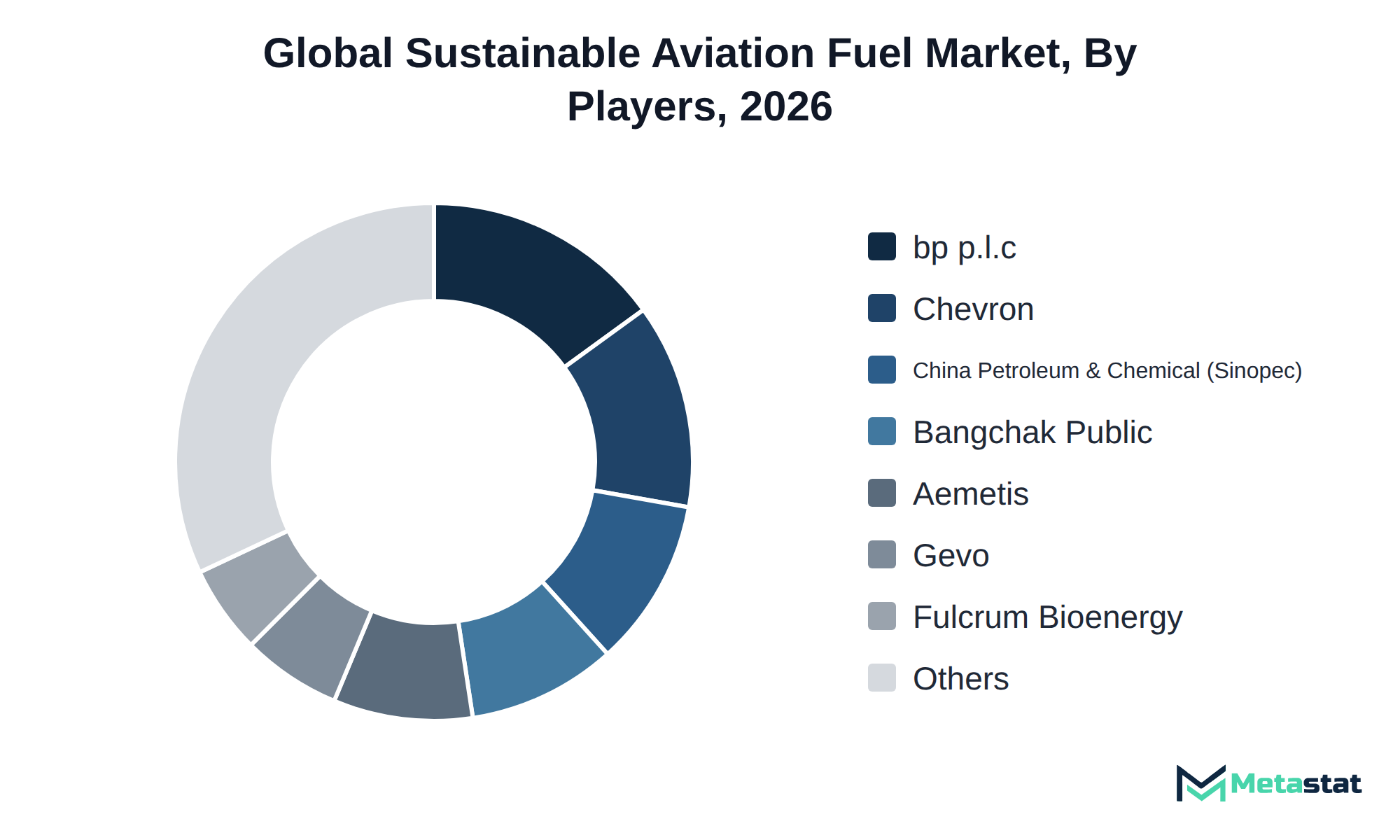
Competition in the Sustainable Aviation Fuel market intensifies among various companies pursuing distinct strategies. Players focus on using technology and optimizing production methods to meet the increasing demand for sustainable fuel options. Companies differentiate themselves based on price, certification, customization, and service offerings, which influences their market share and operational efficiency.
Aemetis Inc. emphasizes the use of Hydroprocessed Esters and Fatty Acids (HEFA), aiming to capitalize on growing demand in the commercial passenger airline sector. Neste Oyj concentrates on producing sustainable aviation fuel from waste and residual products, catering to environmentally conscious buyers. Gevo, Inc. focuses on Alcohol-to-Jet technology, appealing to customers seeking innovative solutions for reducing carbon footprints in aviation, enhancing their competitive edge in the market.
Achieving this growth relies on several key developments in the Sustainable Aviation Fuel market. A regional focus on North America, with a forecasted value of USD 1,052.7 million by 2033, highlights the importance of supportive regulations and infrastructure investments in promoting market growth. A primary risk that could hinder this trajectory involves volatility in feedstock availability and pricing, particularly for Used Cooking Oil, which is projected to rise from USD 318.1 million in 2026 to USD 1,318.4 million by 2033. These factors shape the competitive landscape and investment inflows within the market.
By Production Technology: Hydroprocessed Esters and Fatty Acids (HEFA), Alcohol-to-Jet (ATJ), Fischer-Tropsch (FT) Synthesis, Power-to-Liquid (PtL / e-SAF), Refinery Co-processing, Others (Catalytic Hydrothermolysis Jet, Synthesized Iso-Paraffins, HC-HEFA)
By Feedstock: Used Cooking Oil, Animal Fats and Tallow, Vegetable Oils and Oilseed Crops, Agricultural Residues, Forestry Residues and Woody Biomass, Municipal Solid Waste, Sugar and Starch Crops, Captured Carbon Dioxide and Renewable Hydrogen, Others (Algae, Industrial Waste Gases)
By End User: Commercial Passenger Airlines, Air Cargo Operators, Business and General Aviation Operators, Military and Government Aviation Operators
The report strategically identifies and profiles the key market players and analyses their core competencies in each sub-segment of the Sustainable Aviation Fuel market.
|
Report Attributes |
Details |
|
Study Period |
2021-2033 |
|
Base Year |
2025 |
|
Estimated Year |
2026 |
|
Forecast Period |
2026-2033 |
|
Historical Period |
2021-2025 |
|
Growth Rate |
CAGR 25.0% from 2026 to 2033 |
|
Revenue Unit |
USD million |
|
Segmentation |
By Production Technology, Feedstock, End User, and Region |
|
By Region |
North America (By Production Technology, Feedstock, End User, and Country)
|
|
Europe (By Production Technology, Feedstock, End User, and Country)
|
|
|
Asia Pacific (By Production Technology, Feedstock, End User, and Country)
|
|
|
South America (By Production Technology, Feedstock, End User, and Country)
|
|
|
Middle East and Africa (By Production Technology, Feedstock, End User, and Country)
|
Find answers to common questions about this report
The Sustainable Aviation Fuel market size was valued at USD 418.7 million in 2025.
The market is projected to grow at a CAGR of 25.0% during the forecast period from 2026 to 2033.
The North America Sustainable Aviation Fuel market size is estimated to reach USD 1,052.7 million by 2033.
The leading segment in the Sustainable Aviation Fuel market is Hydroprocessed Esters and Fatty Acids (HEFA), with a projected value of USD 2,054.8 million by 2033. This segment outpaces others in terms of growth and market share.
Commercial passenger airlines increasingly emphasize sustainability, driving demand for used cooking oil. Investment in advanced production technologies, particularly Alcohol-to-Jet (ATJ) technology, supports the market's expansion and addresses the rising demand for cleaner aviation fuels.
North America holds the dominant share of the Sustainable Aviation Fuel market, with a projected value of USD 1,052.7 million in 2033, representing 46.1 percent of the total market.
High production costs significantly hinder growth in the Sustainable Aviation Fuel market. These costs arise from the complex processes involved in production and fluctuating prices of feedstock materials, impacting overall market potential.
Increased investment in advanced production technologies and the adoption of innovative methods like Alcohol-to-Jet technology are favoring market adoption. These advancements enhance operational efficiencies and align with the rising demand for cleaner aviation fuels, supporting airlines in meeting sustainability goals.
The Sustainable Aviation Fuel market is estimated to reach a valuation of USD 2,496.4 million by 2033.
Key players operating in the Sustainable Aviation Fuel market include Aemetis Inc., Avfuel Corporation, bp p.l.c., Chevron Corporation, Neste Oyj, Shell plc, and TotalEnergies SE.
The analysts below cover Aerospace and Defense research at Metastat Insights.
LEAD ANALYST
Utkarsh Khirodkar is a Lead Market Research Analyst at MetaStat Insight, specializing in market intelligence, technology sector assessments, and competitive strategy.
Transitioning ultra-class mining haul trucks to alternative power requires concrete data on remote hydrogen refueling infrastructure economics. The report evaluated megawatt-scale electrolyzer installation expenses, onsite storage safety mandates, and heavy-duty fuel cell stack degradation under continuous duty cycles. That technical rigor helped our engineers benchmark realistic total operating cost horizons for off-highway fleet decarbonization.
Enterprise zero-trust network rollouts are often slowed down by multi-cloud transit latency and proprietary hardware retirement schedules. This study provided realistic total cost of ownership models comparing cloud-delivered security edge solutions against traditional hardware refreshes. The analysis of contract renewal lengths and software maintenance fees gave us clear visibility into enterprise replacement cycles over the next three to five years.
Scaling antibody-drug conjugate manufacturing hinges on contract manufacturing availability for high-potency active ingredients. The MetaStat Insight analysis looked closely at global cleanroom slot constraints, bioconjugation batch failure rates, and supply chain redundancies between the US, Europe, and India. The supplier capability matrix proved genuinely useful for our team when mapping secondary source options across our clinical pipeline.
Explore related market intelligence reports worth reading alongside this one.