
LEAD ANALYST
Utkarsh Khirodkar is a Lead Market Research Analyst at MetaStat Insight, specializing in market intelligence, technology sector assessments, and competitive strategy.

Global Aircraft Cleaning Services Market Size, Share, By Service Type (Interior Cleaning, Exterior Cleaning, Specialized Cleaning and Disinfection), By Cleaning Process (Chemical-Based and Water-Based Cleaning, Dry Wash and Waterless Cleaning, Robotic and Automated Cleaning, UV-Light and Electrostatic Disinfection), By Service Provider (Ground Handling Operators, MRO Cleaning Services, On-Demand Cleaning Services), By End User (Airlines and Aircraft Operators, Airports, Military and Defense Organizations and Business Aviation and Charter Operators), Industry Analysis, Growth, Trends, and Forecast, 2026-2033
Report ID
MSI-2414
Published
November, 2026
Pages
251 Pages
Format
Historical
Base year
Forecast
Forecast period
Report Details
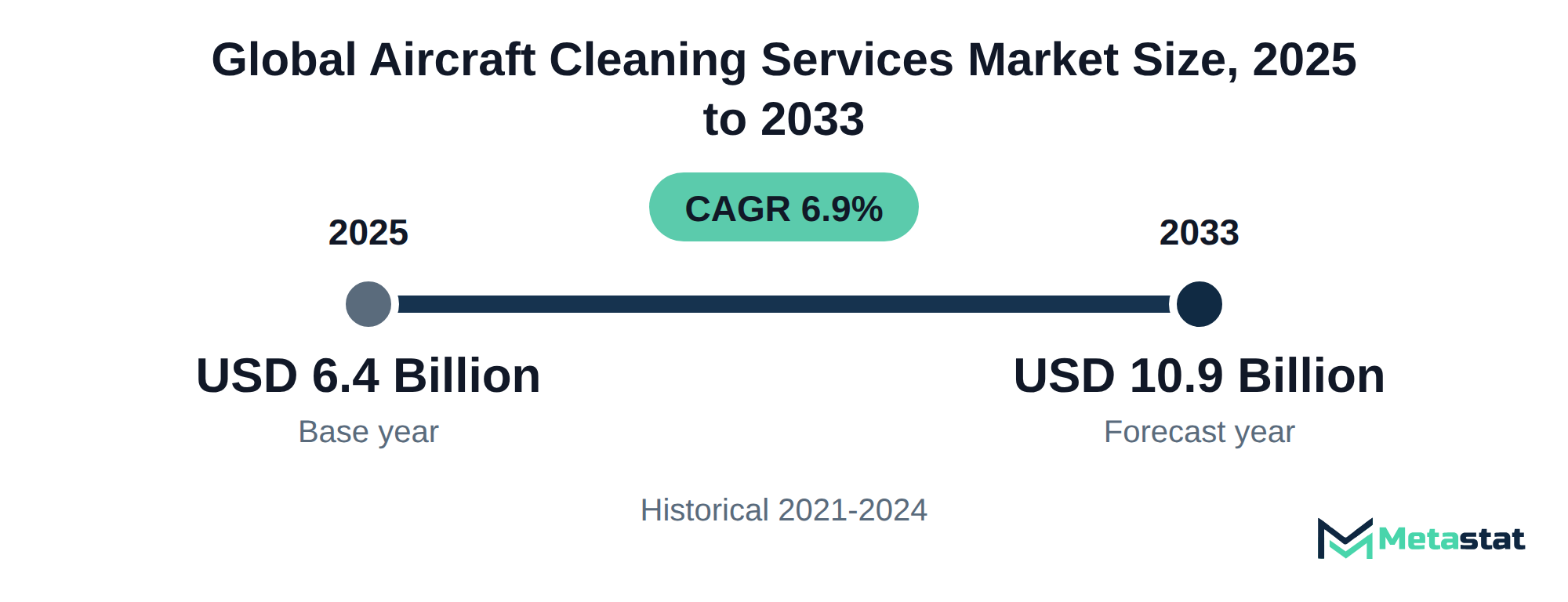
Market Valuation: Valued at $6.4 Billion in 2025, projected to reach $10.9 Billion by 2033 at a 6.9% CAGR.
Dominant Segment: Interior Cleaning leads the market, driven by the critical focus on passenger comfort and satisfaction. This segment is projected to reach USD 4.7 billion by 2033, reflecting a CAGR of 6.6%.
Geographic Lead: North America holds the largest market share at 31.6% in 2025, with the US expected to lead further in 2026 due to its strong aviation sector and high volume of commercial flights.
What's Inside: The report includes comprehensive analyses of service types, cleaning processes, service providers, and end users, along with competitive coverage and market forecasts through 2033.
Emerging Trends: The adoption of automated cleaning technologies, such as robotic systems, is reshaping service delivery and enhancing operational efficiency in the Aircraft Cleaning Services market.
Growth in Specialized Services: The specialized cleaning and disinfection segment is projected to reach USD 2.6 billion by 2033, driven by heightened hygiene standards and increasing health concerns.
Choose Your License
Global Aircraft Cleaning Services Market
The global Aircraft Cleaning Services market was valued at USD 6.4 billion in 2025 and is projected to reach USD 10.9 billion by 2033, growing at a CAGR of 6.9% over the forecast period.
The Aircraft Cleaning Services market covers services that keep aircraft interiors and exteriors clean and hygienic. Buyers invest in these services to ensure compliance with safety regulations, enhance passenger experience, and preserve the operational efficiency of their fleets. The growing emphasis on aircraft maintenance and hygiene standards drives spending in this sector, creating a competitive advantage among service providers.
Growth in the market is primarily propelled by the increasing demand for interior cleaning services, which represent the highest segment in terms of value. North America holds 31.6% of the market in 2025, with the US leading in 2026. The development of innovative cleaning technologies, including robotic and automated cleaning processes, enhances service efficiency and effectiveness. This focus on modernization supports the overall expansion of the market.
In addition to North America's substantial share, Europe and Asia Pacific follow closely, accounting for 27.3% and 26.3% of the market, respectively. Distinct regional characteristics influence service demand, with varying regulations and operational standards shaping buyer preferences. With an anticipated compound annual growth rate of 6.9%, the Aircraft Cleaning Services market is well-positioned for notable growth through 2033.
The Aircraft Cleaning Services market includes various cleaning solutions tailored for the aviation industry, addressing the cleanliness and hygiene demands of aircraft interiors and exteriors. It operates as a specialized part of the wider commercial cleaning services industry. Buyers invest in these services to comply with stringent safety and health regulations, enhance passenger experience, and maintain operational efficiency. The growing emphasis on hygiene, particularly given recent global health challenges, shows why airlines and operators value these services.
Growth in the market is propelled by increasing air travel and the subsequent rise in aircraft operations. Among the segments, Interior Cleaning holds the most value, reflecting the critical focus on passenger comfort and satisfaction. The region's strong aviation sector, characterized by a high volume of commercial flights, significantly contributes to its dominance in the market. The US is projected to lead in 2026.
Investments in advanced cleaning technologies, including robotic and automated cleaning systems, enhance operational efficiency and effectiveness. These innovations appeal to service providers aiming to meet the evolving needs of airlines and aircraft operators. The Aircraft Cleaning Services market continues to expand, driven by a persistent demand for high-quality cleaning services that ensure safety and passenger satisfaction.

The implementation of automated cleaning technologies is significantly reshaping service delivery within the Aircraft Cleaning Services market. Ground Handling Operators increasingly adopt robotic cleaning solutions to enhance efficiency and improve turnaround times. The demand for rapid cabin cleaning solutions rises in tandem with the need for heightened hygiene standards, especially in light of recent global health concerns. In 2026, the value of robotic and automated cleaning is expected to reach USD 2.5 billion, demonstrating the growing reliance on technology within the industry.
Automated systems reduce human labor costs while increasing consistency in cleaning results. The robotic units among these systems belong to the broader smart service robots category. This advancement supports airlines in adhering to strict cleaning protocols and regulations, which have become essential in the current market environment. The focus on rapid and thorough cleaning processes strengthens customer confidence and satisfaction, ultimately driving passenger loyalty. By integrating robotic cleaning solutions, airlines and ground handling operators enhance operational efficiencies, translating into reduced turnaround times and improved service delivery.
The Aircraft Cleaning Services market experiences a shift toward these automated cleaning methods, aligning with the broader trend of digital transformation across various sectors. This technology-driven approach addresses immediate cleanliness concerns and positions service providers for future growth amid increasing competition. Automated cleaning technologies are gaining traction and help providers meet changing consumer expectations while managing costs effectively.
Waterless washing and automated disinfection represent significant advancements in the Aircraft Cleaning Services market. These methods enhance cleanliness and contribute to operational efficiency. The introduction of dry wash technology, which eliminates the need for water, aligns with global sustainability initiatives. This cleaning process is expected to reach a market value of USD 2.8 billion by 2033, reflecting a compound annual growth rate of 7.8%.
Several buyers in the market prefer these innovative cleaning solutions due to their efficiency and environmental benefits. Many airlines and aircraft operators adopt these technologies to reduce operational downtime and comply with stringent environmental regulations. Pricing for waterless washing services typically varies based on the aircraft type and size, with contracts structured around per-flight or monthly service agreements. Such arrangements provide flexibility for operators while ensuring consistent service quality.
The shift toward automated disinfection methods, including UV-light and electrostatic disinfection, further enhances buyer appeal. These techniques lower labor costs and improve safety and hygiene standards, which are increasingly critical in the aviation industry. Consequently, the preference for advanced cleaning methods strengthens market positioning and enhances buyer-supplier relationships.
Outsourcing aircraft appearance programs has emerged as a strategic necessity for airlines, airports, and MRO (Maintenance, Repair, and Overhaul) operations. These programs enhance the overall image of the aircraft while ensuring compliance with safety and cleanliness standards. Airlines and aircraft operators constitute a significant buyer group in this market, with their expenditures projected to reach USD 6 billion by 2033, reflecting a compound annual growth rate (CAGR) of 6.8% from 2026.
These outsourced services include interior cleaning, exterior cleaning, and specialized cleaning and disinfection, tailored to meet the unique requirements of different aircraft and operational environments. Airlines strive to maintain customer satisfaction and regulatory compliance, which drives demand for professional cleaning solutions. Operators adopt specialized cleaning services driven by the need for consistent quality, safety standards, and effective hygiene protocols, particularly in the context of heightened health awareness.
Investments in outsourced aircraft appearance programs position airlines and MRO providers to enhance their market competitiveness. By delegating cleaning operations to specialized service providers, these organizations focus on their core operations while ensuring aircraft remain pristine and ready for service. The aircraft cleaning services market continues to expand, creating opportunities for growth and innovation within this sector.
Airlines increasingly focus on reducing aircraft cleaning turnaround time and minimizing water use to enhance operational efficiency. The adoption of dry wash and waterless cleaning processes reflects this trend, which ensures effective cleaning without extensive water consumption. This segment is expected to reach USD 2.8 billion by 2033, indicating a significant shift in cleaning methodologies within the Aircraft Cleaning Services market. These innovative cleaning methods support airlines in meeting stringent turnaround times while addressing environmental concerns associated with water usage.
The growing emphasis on efficient cleaning practices aligns with trends in the Aircraft Cleaning Services market, where airlines and aircraft operators anticipate a compound annual growth rate of 6.8% through 2033. The focus on sustainable cleaning solutions yields operational benefits and enhances customer satisfaction by reducing delays. Consequently, airlines position themselves competitively by using advanced cleaning techniques that streamline operations while minimizing resource consumption, which drives market growth.
Growing awareness of health and hygiene has led airlines and aircraft operators to prioritize cleanliness in their operations. Enhanced protocols for sanitation and disinfection have prompted these buyers to increase spending on Aircraft Cleaning Services. The ongoing emphasis on passenger safety drives this demand, resulting in higher volumes of cleaning services being contracted out. By 2033, the segment for interior cleaning services is projected to reach USD 4.7 billion, reflecting a compound annual growth rate of 6.6%. This significant growth reflects an urgent shift towards maintaining superior cleanliness standards, ensuring passenger confidence during travel. Increased expenditure on cleaning services signals a broader trend towards prioritizing hygiene in the aviation industry.
Advancements in cleaning technology significantly influence efficiency within the Aircraft Cleaning Services market. Automated cleaning processes, including robotic systems and UV-light disinfection, enhance the effectiveness of surface sanitation while reducing labor intensity. These technologies provide airlines and aircraft operators with tools that improve operational efficiency and manage costs more effectively. The integration of robotic and automated cleaning solutions enables faster turnaround times, allowing operators to meet increasing demand without compromising service quality.
The competitive landscape benefits from innovations including robotic cleaning systems that operate continuously without direct human supervision, further driving service adoption among ground handling operators. Cost reduction opportunities arise due to the decreased need for manual labor, leading to lower long-term operational expenses. The market experiences heightened interest in these technologies from various stakeholders, including airlines and MRO service providers. They want to use automation to enhance service offerings and maintain stringent hygiene standards.
Rising operational costs pose a significant restraint on the Aircraft Cleaning Services market, particularly impacting airlines and aircraft operators. Increased expenses related to labor, cleaning materials, and maintenance of cleaning equipment lead to slower uptake of cleaning services and smaller orders. These costs often force operators to delay cleaning processes or seek alternatives, ultimately affecting service frequency and quality. Budget constraints result in prioritizing essential cleaning over specialized services, impacting overall cleanliness standards. The combined effect of these financial pressures contributes to a cautious approach toward investing in enhanced cleaning solutions, which hinders overall market growth during the forecast period.
Suppliers in the Aircraft Cleaning Services market experience margin pressure due to increasing operational costs and competitive pricing strategies. The necessity to maintain competitive pricing while delivering high-quality services creates a challenging environment. Many suppliers implement cost control measures, including optimizing labor utilization and adopting more efficient cleaning technologies to manage expenses effectively. Service providers explore partnerships with other companies to share resources and reduce costs. The implementation of advanced cleaning processes, including UV-light and electrostatic disinfection, supports efficiency and enhances service offerings without compromising quality. These strategies aim to sustain profitability while responding to the evolving demands of airlines and aircraft operators, ultimately influencing long-term market growth.
The demand for specialized cleaning and disinfection within the market presents a notable growth opportunity. This segment is projected to reach USD 2.6 billion by 2033, indicating a strong response to heightened sanitation expectations. Factors influencing this growth include an increasing emphasis on hygiene protocols and infection control, driven by health concerns within aviation. Airlines and aircraft operators, seeking to enhance passenger confidence, drive investment in specialized cleaning solutions. Meeting stringent cleanliness standards facilitates market expansion, leading to a competitive edge among service providers.
Investments in advanced cleaning technologies, including UV-Light and electrostatic disinfection, significantly contribute to service efficiency while addressing the evolving hygiene landscape. Specialized cleaning services become a strategic priority, positioning providers to benefit from accelerated demand for enhanced aircraft sanitization and maintenance. Growth in specialized cleaning services establishes a foundation for long-term market strength and resilience.
The Global Aircraft Cleaning Services market is segmented based on Service Type, Cleaning Process, Service Provider, and End User.
This segment focuses on ensuring the cleanliness of aircraft interiors, which is essential for passenger comfort and safety. Airlines and aircraft operators engage these services to maintain high hygiene standards and enhance customer satisfaction. Growing passenger expectations regarding cleanliness drive significant demand for this segment. Compared to other service types, interior cleaning exhibits a slower growth rate, with a CAGR of 6.6%, contrasting with the faster growth anticipated in specialized cleaning and disinfection services. The focus on interior cleaning highlights the importance of maintaining aircraft aesthetics, which directly influences the perception of service quality in the aviation sector. Such factors contribute to its distinct position in the market.
Exterior Cleaning segment is estimated to reach USD 3.6 billion by 2033, at a CAGR of 7% during the forecast period. This service focuses on maintaining the outer surfaces of aircraft, ensuring a clean and polished appearance. Airlines and aircraft operators engage in exterior cleaning to enhance aesthetics and comply with regulatory standards. The growth of this segment is primarily driven by increasing passenger expectations for aircraft presentation and the need for regular maintenance to protect against corrosion and other environmental factors. Compared to other segments, including Interior Cleaning, which shows a CAGR of 6.6%, the exterior cleaning segment exhibits faster growth, reflecting the rising emphasis on aircraft appearance. Advancements in cleaning technologies, including waterless solutions, facilitate efficient and effective service delivery, further boosting demand in the market.
Specialized Cleaning and Disinfection segment is expected to reach USD 2.6 billion by 2033. This segment focuses on providing thorough cleaning solutions that eliminate contaminants and ensure safety within aircraft. Airlines and aircraft operators frequently engage these services to meet heightened hygiene standards and protect passenger health. The increasing emphasis on health and safety protocols significantly drives demand for specialized cleaning solutions. This segment stands out from others within the Service Type category, presenting a targeted approach to cleanliness that often results in higher pricing and distinct service offerings. The segment's growth rate aligns with a strong CAGR of 10.3%, indicating a more accelerated expansion compared to Interior and Exterior Cleaning offerings, which reflect moderate growth rates.
Chemical-Based and Water-Based Cleaning segment is valued at USD 2.6 billion in 2026 and is projected to reach USD 3.7 billion by 2033, at a CAGR of 5.4% during the forecast period. This segment is important in maintaining the cleanliness of aircraft interiors and is used predominantly by airlines and aircraft operators. The demand for effective cleaning methodologies fuels growth in this segment, driven by an increasing emphasis on hygiene standards. Compared to the Dry Wash and Waterless Cleaning segment, which experiences a higher CAGR of 7.8%, Chemical-Based and Water-Based Cleaning reflects a more moderate growth trajectory. This difference highlights the varying preferences for cleaning techniques among end users, with many opting for chemical solutions found in commercial cleaning products due to their proven efficacy in removing contaminants and providing a thorough clean. The market evolves, responding to ongoing requirements for enhanced cleanliness in aviation.
Dry Wash and Waterless Cleaning segment is estimated to reach USD 2.8 billion by 2033, at a CAGR of 7.8% during the forecast period. This cleaning process is favored for its ability to minimize water usage while ensuring efficient cleaning of aircraft surfaces. Airlines and aircraft operators adopt this method to enhance environmental sustainability and reduce operational costs associated with water use. The demand for such cleaning techniques is driven by regulatory pressures for water conservation and growing awareness of environmental impact. Compared to other segments, this approach exhibits a faster growth rate, making it an attractive option for companies seeking to meet cleanliness standards and sustainability goals in the market. The combination of efficiency and eco-friendliness positions Dry Wash and Waterless Cleaning as a key choice within the Aircraft Cleaning Services market.
Robotic and Automated Cleaning segment is expected to reach USD 2.5 billion by 2033. This segment provides advanced cleaning solutions that employ robotics and automation technology, primarily catering to airlines and aircraft operators seeking efficiency and consistency in maintaining aircraft cleanliness. The segment benefits from increasing adoption driven by rising operational demands for quicker turnaround times and enhanced cleaning effectiveness. With a CAGR of 7.8%, this segment exhibits faster growth compared to traditional cleaning methods, appealing to buyers looking for modernized approaches. The market demonstrates strong potential, particularly among larger airlines that prioritize operational efficiency and cost reduction. The integration of automated cleaning processes distinguishes this segment from others, including chemical-based and water-based cleaning, which typically experience slower growth.
UV-Light and Electrostatic Disinfection segment is projected to grow at a CAGR of 6.4% during the forecast period. This segment enhances sanitization processes in aircraft, primarily for airlines and aircraft operators to maintain high cleanliness standards. The increasing focus on health and hygiene in aviation drives demand for advanced disinfection methods. Regulatory pressures surrounding health protocols further drive the adoption of such technologies. Unlike other cleaning processes, UV-Light and Electrostatic Disinfection operates at a different scale in terms of pricing and application, providing a specialized approach to disinfection that complements traditional cleaning methods. This segment's growth trajectory reflects strong investment in disinfection solutions and shapes the wider Aircraft Cleaning Services market.
Manual spot cleaning and polishing are essential methods for maintaining the appearance of aircraft. This process is employed by airlines, airports, and MROs to ensure that planes meet cleanliness standards, reflecting professionalism and safety. Increasing passenger expectations regarding hygiene drive the demand for thorough manual cleaning, especially between flights. Compared to robotic or automated cleaning methods, manual spot cleaning offers flexibility to address specific areas that require attention, making it a vital complement to other cleaning processes. This segment stands out in its adaptability, catering to the unique requirements of different aircraft types and configurations. Its operational costs typically align closely with those of traditional cleaning methods, making it an accessible choice for various operators in the market. By focusing on precision and detail, manual cleaning ensures that all surfaces remain presentable and compliant with industry standards.
Ground Handling Operators segment is valued at USD 3 billion in 2026 and is projected to reach USD 4.6 billion by 2033, at a CAGR of 6.5% during the forecast period. This segment caters primarily to airlines and aircraft operators who depend on these services for essential aircraft maintenance and cleaning. Ground handling forms part of the wider airport services that airlines rely on between flights. The increasing focus on improving operational efficiency drives demand within this segment, particularly as airlines seek to enhance their turnaround times. Compared to segments including MRO Cleaning Services, the Ground Handling Operators segment demonstrates a steadier growth trajectory, aligning more closely with routine operational needs rather than specialized cleaning. Competitive pricing strategies influence adoption rates among smaller carriers or operators that require flexible service solutions. The ongoing evolution of cleaning technologies further supports growth, aligning with broader trends in the Aircraft Cleaning Services market.
MRO Cleaning Services segment is estimated to reach USD 3.6 billion by 2033, at a CAGR of 6.7% during the forecast period. This segment focuses on the cleaning and maintenance of aircraft during maintenance, repair, and overhaul operations, ensuring compliance with safety and hygiene standards. These operations depend on hangar space, which connects the segment to aircraft hangar infrastructure. Airlines and aircraft operators heavily rely on MRO cleaning services to maintain operational efficiency and safety. Growth in this segment is driven by the increasing demand for maintenance services, reflecting the need for strict adherence to cleanliness protocols. Compared to other service provider segments, MRO cleaning services exhibit a strong growth trajectory, supported by a CAGR of 6.7%, indicating strong interest from buyers emphasizing safety and operational reliability. The market for MRO cleaning services continues to expand due to ongoing investments in aircraft maintenance and rising safety regulations, which further promote the adoption of comprehensive cleaning solutions.
On-Demand Cleaning Services segment is expected to reach USD 2.7 billion by 2033. This segment primarily provides cleaning services tailored to the immediate needs of airlines and aircraft operators. Demand for such services arises from the necessity for rapid turnaround times and flexibility in cleaning schedules, allowing operators to maintain high standards of cleanliness without extensive downtime. The segment experiences a higher growth rate compared to traditional cleaning services, driven by evolving customer preferences for convenience and efficiency. On-Demand Cleaning Services differ from other segments, including Ground Handling Operators, by offering targeted solutions that cater to urgent cleaning requests. This approach helps reduce operational delays while enhancing customer satisfaction, positioning this segment favorably within the Aircraft Cleaning Services market.
Airlines and aircraft operators engage cleaning services to ensure aircraft safety and enhance passenger experience. The growing emphasis on passenger safety, driven by heightened expectations regarding sanitation, increases demand within this segment. The increasing number of air travel passengers contributes to the continued expansion of airlines' fleets, which in turn requires ongoing cleaning services. Fleet growth also ties this segment to the commercial aircraft manufacturing industry. This segment differentiates itself from others by exhibiting a higher growth rate compared to specialized cleaning and disinfection services, which are expected to grow at a slower pace. Overall, the Airlines and Aircraft Operators segment represents a vital component of the Aircraft Cleaning Services market, reflecting the industry's commitment to maintaining high standards of cleanliness and safety.
Airports segment is estimated to reach USD 3.4 billion by 2033, at a CAGR of 6.6% during the forecast period. This segment serves airports requiring thorough cleaning services to maintain safety and hygiene standards. Airlines and aviation authorities heavily influence the demand for cleaning services in this sector, driven by stringent regulations regarding aircraft conditions and passenger expectations for cleanliness. Compared to other segments, the Airports segment experiences steady growth due to increasing passenger traffic and heightened focus on health protocols. While specialized cleaning services gain traction in other segments, airports prioritize regular cleaning routines, ensuring facilities meet operational standards effectively. Growth in airport construction and modernization projects further supports demand for cleaning services, enhancing the overall landscape of the Aircraft Cleaning Services market.
The Military and Defense Organizations segment is expected to reach USD 0.9 billion by 2033. This segment is essential for maintaining the cleanliness and operational readiness of military aircraft, ensuring compliance with safety and hygiene standards. Demand for these services is driven by the increasing focus on aircraft maintenance and the need for mission readiness. This maintenance focus ties the segment to the wider military aviation MRO industry. Compared to other end user segments, this segment demonstrates slower growth due to budget constraints and regulatory approvals associated with defense contracts. While airlines and aircraft operators exhibit a CAGR of 6.8%, the Military and Defense Organizations segment remains focused on specialized cleaning solutions that address unique operational requirements, differentiating it from broader market trends. Adoption of advanced cleaning technologies is anticipated to enhance service efficiency while maintaining compliance with stringent military standards.
Projected to grow at a CAGR of 10.3% during the forecast period, this segment serves business aviation and charter operators, focusing on high-quality cleaning services tailored for smaller aircraft. These operators prioritize cleanliness and presentation to enhance customer satisfaction and maintain safety standards. Increased demand for private and charter flights, particularly in regions experiencing economic growth, drives this segment's expansion. Compared to other segments, this one experiences faster growth due to a robust rise in demand from affluent customers seeking personalized services. The market sees a notable differentiation in pricing structures, with specialized offerings often commanding higher rates compared to standard cleaning services. This trend highlights the growing emphasis on luxury and convenience in the aviation sector. The same emphasis on personalized service shapes demand across the luxury travel industry.
Based on geography, the Global Aircraft Cleaning Services market is divided into North America, Europe, Asia-Pacific, South America, Middle East, and Africa.
Demand in North America for the Aircraft Cleaning Services market derives primarily from the presence of numerous airlines and aircraft operators, which drive a significant portion of cleaning service purchases. The market's projected value of USD 3.3 billion by the end of 2033 reflects a commitment to maintaining high standards of safety and cleanliness in the aviation sector. Infrastructure investments in airports enhance operational efficiency, further contributing to this growth. The region's share of the global market stands at 31.6% in 2025, highlighting its critical role within the overall industry. In addition, the emphasis on compliance with stringent safety regulations influences service providers to adopt advanced cleaning technologies, including UV-light and electrostatic disinfection methods. These factors collectively support robust expansion of the market in North America.
Germany, France, the UK, Italy, Spain, and Russia are key markets for aircraft cleaning services due to their strong aviation sectors and high volume of air traffic. Demand drivers include stringent regulatory requirements for aircraft cleanliness and safety standards. The presence of numerous airlines and aircraft operators within these countries contributes significantly to market growth. Investments in modern cleaning technologies and processes enhance operational efficiency and align with sustainability initiatives. The market in Europe is expected to capture a 27.3% share of global demand by 2025. This reflects the continued emphasis on maintaining high operational standards and ensuring passenger safety and satisfaction within the aviation industry.
Demand for the Aircraft Cleaning Services market in Asia-Pacific benefits from the rapid growth in air travel and a focus on maintaining aircraft safety and hygiene standards. Countries including China and India experience increasing passenger traffic, compelling airlines and operators to prioritize cleaning services. In South Korea and Japan, advanced technological developments in cleaning processes drive the adoption of automated and robotic cleaning solutions. This trend is supported by increasing investments in airport infrastructure, enhancing the need for efficient cleaning services. Overall, the growth trajectory in Asia-Pacific reflects a blend of rising demand from airlines and significant infrastructural improvements.
Brazil and Argentina represent significant markets in the Aircraft Cleaning Services market, primarily driven by the increasing number of commercial flights and rising passenger traffic. Brazil's expanding aviation sector supports demand for cleaning services, while Argentina's focus on improving airport facilities increases the need for aircraft maintenance solutions. The market frequently faces challenges related to infrastructure, including the requirement for modernization in airport facilities to accommodate growing traffic. The region contributes a notable share to the global market in 2025. Increasing emphasis on safety and compliance with international standards significantly influences operational practices, promoting investment in advanced cleaning technologies and services.
In the Middle East and Africa, demand for the Aircraft Cleaning Services market stems from a growing emphasis on maintaining aircraft hygiene and safety standards. Countries like Saudi Arabia and the UAE invest significantly in infrastructure development, facilitating increased air travel and airline services. South Africa contributes to demand through its expanding aviation sector. Regulatory initiatives focused on safety and environmental sustainability further drive the need for advanced cleaning methods. The region's market share is projected at 7.6% in 2025, reflecting the increasing importance of aircraft cleanliness within the aviation industry.

The Aircraft Cleaning Services market features a diverse set of service providers, including Ground Handling Operators, MRO Cleaning Services, and On-Demand Cleaning Services. Buyers prioritize price, certification, service quality, and customization when selecting providers, reflecting varying operational requirements and standards across different segments.
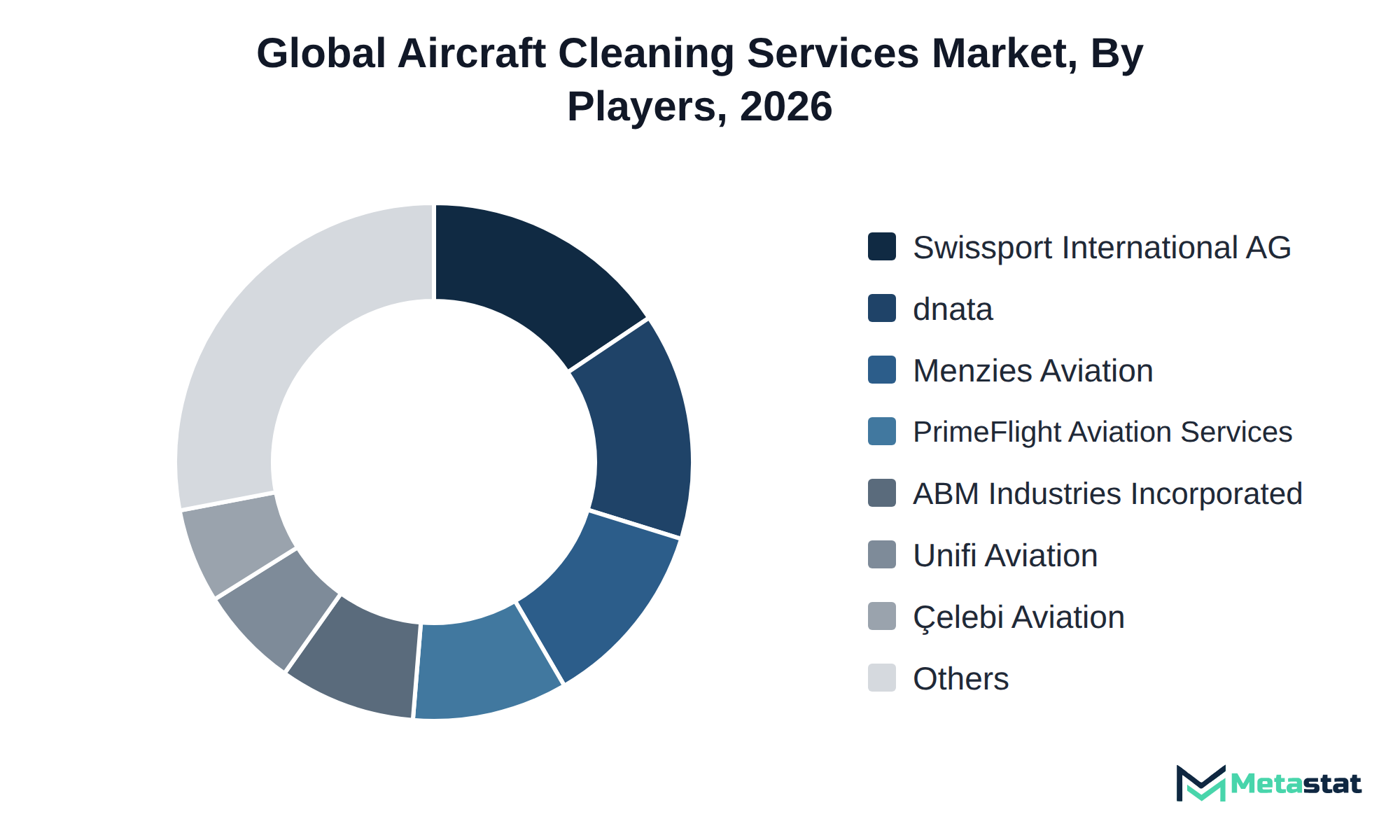
Swissport International AG emphasizes ground handling solutions that integrate cleaning services with its broader operational offerings. Menzies Aviation focuses on providing specialized cleaning and disinfection services, adapting to the increasing demand for hygiene. ACCIONA Airport Services stands out with its environmentally friendly cleaning processes, appealing to eco-conscious clients within the market.
The forecast relies on several developments, including the increasing demand for interior cleaning services, expected to grow from USD 3 billion in 2026 to USD 4.7 billion by 2033, reflecting a 6.6% CAGR. North America, anticipated to generate USD 3.3 billion in 2033, represents a major source of revenue for the Aircraft Cleaning Services market. However, potential risks arise from economic fluctuations that could impact airline operations and cleaning budgets, slowing down the market's growth. This reliance on economic stability highlights the delicate balance the sector faces between expanding service offerings and managing operational costs.
By Service Type: Interior Cleaning, Exterior Cleaning, Specialized Cleaning and Disinfection
By Cleaning Process: Chemical-Based and Water-Based Cleaning, Dry Wash and Waterless Cleaning, Robotic and Automated Cleaning, UV-Light and Electrostatic Disinfection, Others (Manual Spot Cleaning and Polishing)
By End User: Airlines and Aircraft Operators, Airports, Military and Defense Organizations, Others (Business Aviation and Charter Operators)
The report strategically identifies and profiles the key market players and analyses their core competencies in each sub-segment of the Aircraft Cleaning Services market.
|
Report Attributes |
Details |
|
Study Period |
2021-2033 |
|
Base Year |
2025 |
|
Estimated Year |
2026 |
|
Forecast Period |
2026-2033 |
|
Historical Period |
2021-2025 |
|
Growth Rate |
CAGR 6.9% from 2026 to 2033 |
|
Revenue Unit |
USD billion |
|
Segmentation |
By Service Type, Cleaning Process, Service Provider, End User, and Region |
|
By Region |
North America (By Service Type, Cleaning Process, Service Provider, End User, and Country)
|
|
Europe (By Service Type, Cleaning Process, Service Provider, End User, and Country)
|
|
|
Asia Pacific (By Service Type, Cleaning Process, Service Provider, End User, and Country)
|
|
|
South America (By Service Type, Cleaning Process, Service Provider, End User, and Country)
|
|
|
Middle East and Africa (By Service Type, Cleaning Process, Service Provider, End User, and Country)
|
Find answers to common questions about this report
The Aircraft Cleaning Services market size was valued at USD 6.4 billion in 2025.
The market is projected to grow at a CAGR of 6.9% during the forecast period from 2026 to 2033.
The North America Aircraft Cleaning Services market size is estimated to reach USD 3.3 billion by 2033.
Interior Cleaning leads the Aircraft Cleaning Services market, with a projected value of USD 4.7 billion by 2033. This segment surpasses others in terms of revenue growth potential.
Growing awareness of health and hygiene has led airlines and aircraft operators to prioritize cleanliness in their operations. The demand for specialized cleaning and disinfection is driven by an increasing emphasis on hygiene protocols, particularly stemming from health concerns within aviation.
North America holds the dominant share of the Aircraft Cleaning Services market, with a projected value of USD 3.3 billion in 2033, representing 31.6 percent of the total market. This figure surpasses the shares of other regions, including Europe and Asia Pacific.
Rising operational costs represent a significant restraint on the Aircraft Cleaning Services market growth, impacting airlines and aircraft operators. Increased expenses related to labor, cleaning materials, and maintenance result in slower uptake of cleaning services and smaller orders, affecting service frequency and quality.
Factors favoring adoption in the Aircraft Cleaning Services industry include heightened sanitation expectations and the prioritization of advanced cleaning technologies by airlines and aircraft operators. These elements enhance passenger confidence and ensure compliance with stringent cleanliness standards, driving increased investment in specialized cleaning and disinfection services.
The Aircraft Cleaning Services market is estimated to reach a valuation of USD 10.9 billion by 2033.
Key players operating in the Aircraft Cleaning Services market include Swissport International AG, dnata, Menzies Aviation, PrimeFlight Aviation Services, ABM Industries Incorporated, Unifi Aviation, LLC, and New England Aircraft Detailing.
The analysts below cover Aerospace and Defense research at Metastat Insights.
LEAD ANALYST
Utkarsh Khirodkar is a Lead Market Research Analyst at MetaStat Insight, specializing in market intelligence, technology sector assessments, and competitive strategy.
Our team was tracking whether regional recycling infrastructure could realistically absorb the growing volume of lithium iron phosphate batteries over the next decade. The report did a solid job separating announced hydrometallurgical plant capacity from active, permitted operational throughput. That distinction made the feedstock availability projections and regional recovery rate models far more credible than standard commercial overviews.
Tracking capacity expansion in single-use bioprocessing requires dependable data on raw material availability and cleanroom-grade polymer supply chains. The competitive landscape chapter gave a grounded evaluation of secondary component suppliers across North America and Asia-Pacific rather than simply reprinting press releases. Having that level of supplier benchmarking helped clarify dual-sourcing considerations for our clinical pipeline planning.
When evaluating distributed energy resource management systems, standard research summaries tend to gloss over the operational differences between front-of-the-meter utility deployments and behind-the-meter industrial sites. The MetaStat Insight report addressed those distinctions directly, especially regarding software interoperability standards and grid interconnection backlogs. The five-year market sizing across regional transmission organizations provided actionable context for our grid modernization strategy.
Explore related market intelligence reports worth reading alongside this one.