
LEAD ANALYST
Utkarsh Khirodkar is a Lead Market Research Analyst at MetaStat Insight, specializing in market intelligence, technology sector assessments, and competitive strategy.

Global Aircraft Maintenance, Repair and Overhaul (MRO) Market Size, Share, By Aircraft Type (Narrowbody, Widebody, Regional Jet and Others), By Service Type (Engine Maintenance, Components, Line Maintenance, Airframe Maintenance and Others), By Aircraft Generation (Old Generation, Mid Generation and New Generation), By Service Provider (Airline-Affiliated MROs, Independent Third-Party MROs and OEM-Affiliated MROs), Industry Analysis, Growth, Trends, and Forecast, 2026-2033
Report ID
MSI-4910
Published
August, 2026
Pages
271 Pages
Format
Historical
Base year
Forecast
Forecast period
Report Details
Choose Your License
Global Aircraft Maintenance, Repair and Overhaul (MRO) Market
The global Aircraft Maintenance, Repair and Overhaul (MRO) market was valued at USD 136.3 billion in 2025 and is projected to reach USD 180.9 billion by 2033, growing at a CAGR of 3.6% over the forecast period.
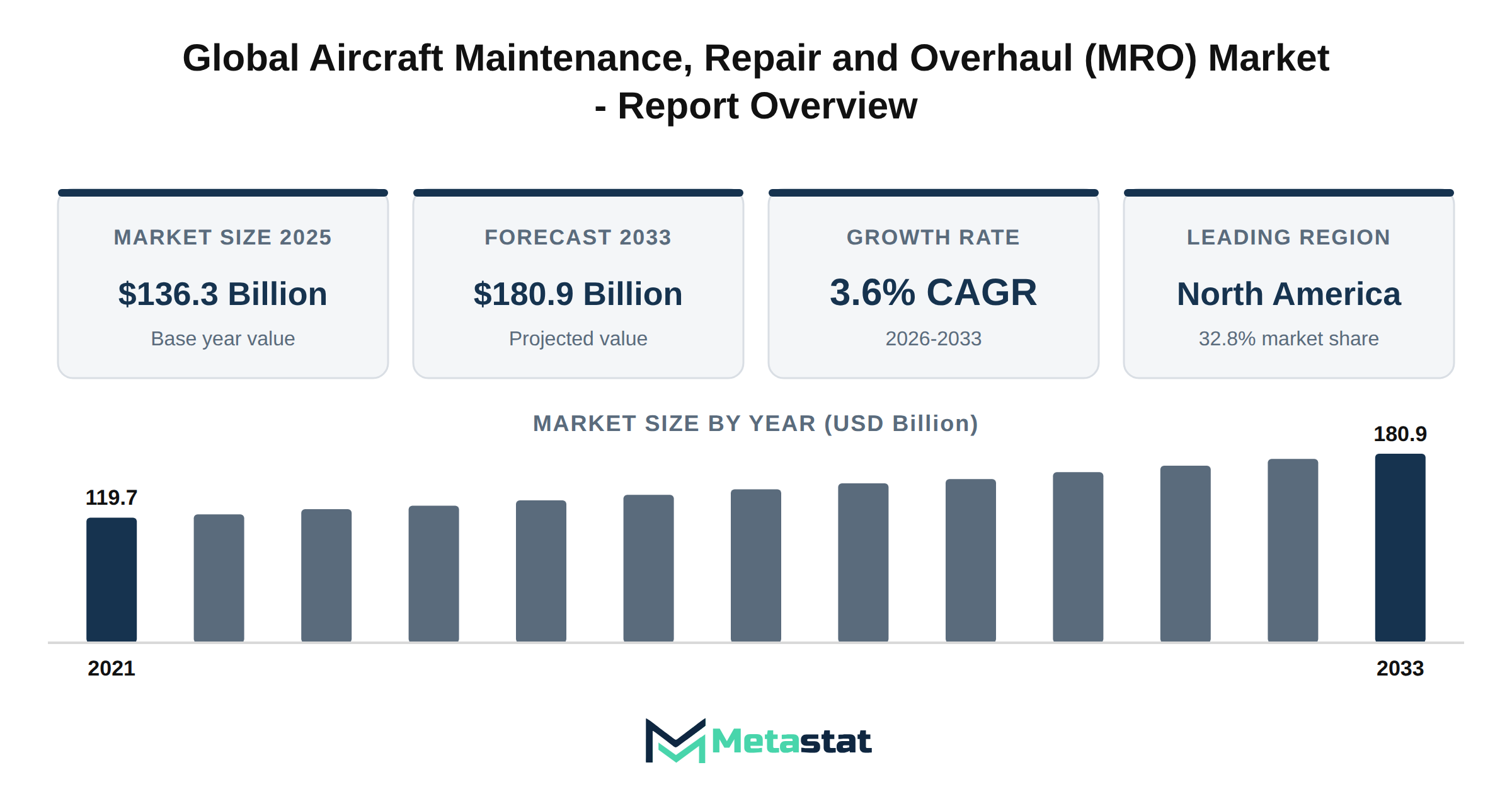
The Aircraft Maintenance, Repair and Overhaul (MRO) market reached a value of USD 136.3 billion in 2025, following a steady increase from USD 119.7 billion in 2021. Projections indicate that the market is projected to grow to USD 180.9 billion by 2033, reflecting a compound annual growth rate (CAGR) of 3.6 percent during the forecast period from 2026 to 2033.
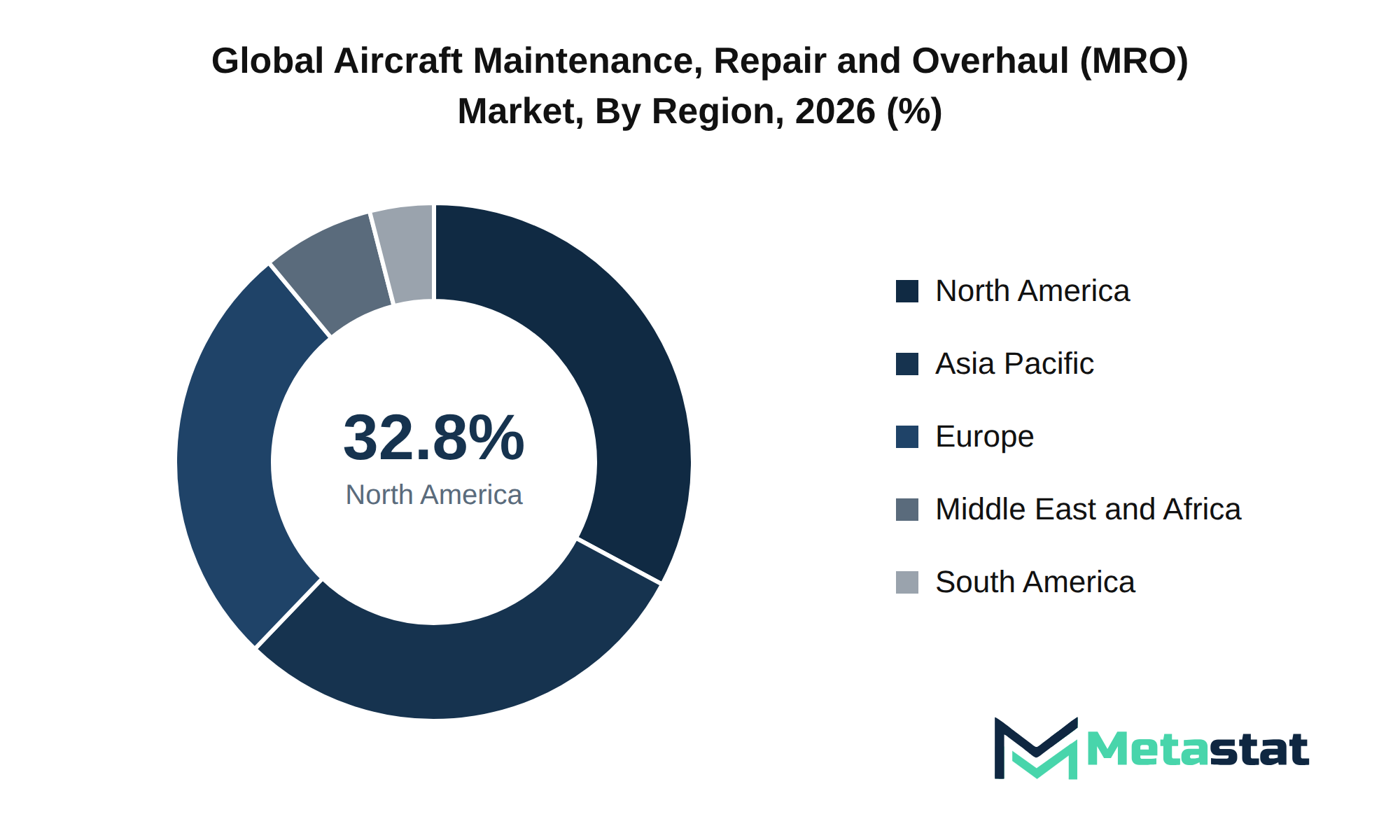
North America holds the largest share of the market at 32.8 percent, followed by Europe with 26.8 percent and Asia Pacific at 29.3 percent. The regional market in North America is anticipated to reach USD 56.8 billion by 2033, maintaining a CAGR of 3.6 percent. Demand for MRO services is driven by the increasing number of aircraft in operation globally and the rising complexity of maintenance requirements.
Technological advancements play a significant role in shaping the market. Developments in predictive maintenance, digitization, and automation enhance operational efficiency and reduce downtime for airlines, making these technologies essential for growth. Implementation of next-generation innovations ensures that service providers remain competitive in an evolving environment. The ongoing shift toward sustainable transformation and decarbonization initiatives influences investment priorities within the sector.
Market dynamics significantly impact regulatory compliance and geopolitical risk frameworks. Adherence to stringent safety regulations and international standards drives the need for comprehensive MRO solutions. Supply chain challenges, including inflationary pressures and currency volatility, affect procurement strategies and operational costs across the market.
Technological advancements continue to influence the Aircraft Maintenance, Repair and Overhaul (MRO) market, driving efficiency and safety improvements. Innovations in predictive maintenance, powered by artificial intelligence and machine learning, enhance the ability to foresee potential failures, thereby reducing downtime and operational costs. These developments particularly impact airlines, which seek to optimize fleet management and increase aircraft availability.
Regulatory compliance remains a critical factor in the MRO landscape. Stringent safety standards imposed by aviation authorities necessitate continuous investment in maintenance and upgrades. Providers in the market face pressure to ensure adherence to these regulations, influencing operational costs and service delivery timelines.
Geopolitical risks often disrupt supply chains, impacting the availability of parts and services. The ongoing shifts in trade policies and international relations create uncertainty, compelling companies to adopt more resilient supply chain strategies. These adaptations involve diversifying sources and enhancing local capabilities, which lead to increased operational costs but promote greater independence from global supply fluctuations.
The market experiences fragmentation, characterized by a diverse range of service providers, including airline-affiliated MROs, independent third-party MROs, and OEM-affiliated MROs. This diversity encourages competition but complicates the customer journey, driven by clients navigating various service offerings and capabilities across providers.
Corporate imperatives focus on sustainability, prompting firms to pursue initiatives in decarbonization and circular economy dynamics. Investments in sustainable practices not only align with regulatory expectations but position companies favorably among environmentally conscious customers. The pursuit of green technologies and processes enhances market competitiveness while addressing broader societal concerns.
Macro-economic headwinds, including inflationary pressures and currency volatility, exert influence on the operational realities faced by market players. These economic factors strain budgets and alter pricing strategies, impacting overall profitability. Companies remain agile, adapting to these conditions while striving to maintain service quality and customer satisfaction.
The future strategic outlook for the Aircraft Maintenance, Repair and Overhaul (MRO) market indicates steady growth, with projected revenues reaching USD 180.9 billion by 2033. Investments in infrastructure and capital allocation play crucial roles in supporting this expansion, enabling firms to enhance their service offerings and meet evolving market demands.
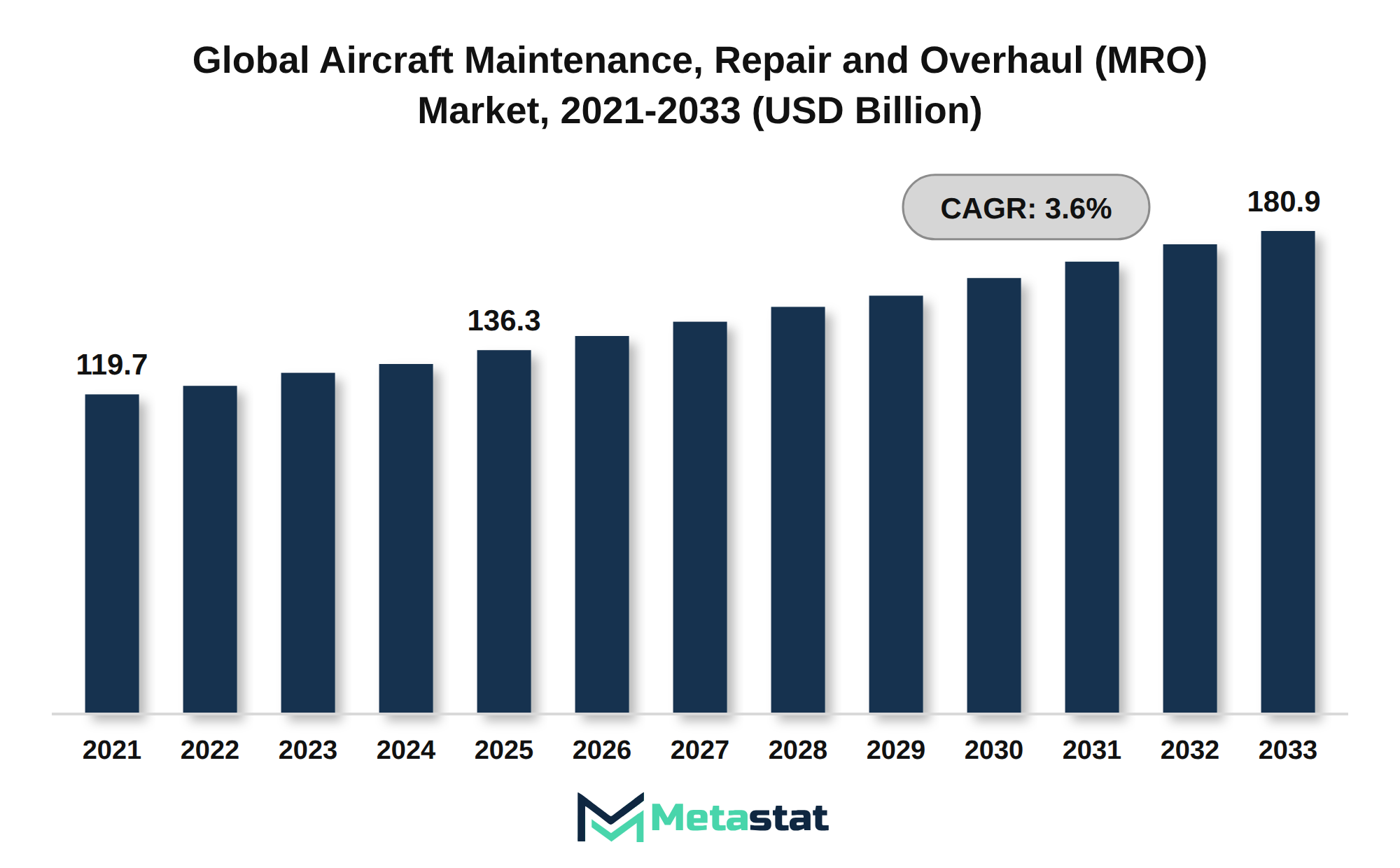
Growth in the Aircraft Maintenance, Repair and Overhaul (MRO) market stems from a range of macro-economic factors, including GDP growth, capital investment environments, and public-private spending power. Increasing GDP across various regions leads to higher demand for air travel, which subsequently drives the need for maintenance and repair services. Growing investor confidence prompts allocation of capital towards MRO facilities and services, enhancing overall market capacity.
The expansion of venture funding significantly influences technological integration within the market. Investments in automation, artificial intelligence, and advanced software solutions streamline maintenance processes and improve operational efficiency. These innovations facilitate the digitization of legacy systems, enabling MRO providers to respond more effectively to evolving market demands.
Infrastructure development plays a crucial role in supporting the growth of the market. Upgrading physical and digital capacities within MRO facilities enhances service capabilities and improves turnaround times. Modernized infrastructure positions companies to better meet the demands of a growing fleet and increases the overall efficiency of maintenance operations.
Macro-economic factors contribute decisively to the growth of the Aircraft Maintenance, Repair and Overhaul (MRO) market, influencing investment patterns, driving technological advancements, and enhancing infrastructure capabilities. These dynamics are projected to sustain market expansion through 2033, with a projected value of USD 180.9 billion.
The Aircraft Maintenance, Repair and Overhaul (MRO) market experiences significant growth driven by advancements in technological integration. Automation, artificial intelligence, and software adoption streamline processes, reducing both time and labor costs. This shift toward digitizing legacy processes allows MRO providers to enhance service delivery while optimizing operational workflows.
Demand for technologically integrated solutions primarily arises from airlines and maintenance providers seeking to improve efficiency and reduce downtime. The adoption of predictive maintenance technologies leads to proactive management of aircraft components, minimizing unexpected failures and enhancing safety standards. This focus on efficiency directly contributes to overall market growth.
Investment in technological integration includes substantial capital in digital tools and platforms, reflecting the industry's commitment to modernization. These investments improve service offerings and attract new clients seeking innovative solutions. The increase in revenue from efficiency gains and customer retention strengthens competitive positioning within the market.
The overall impact of increased technological integration is profound, driving not just operational improvements but shaping customer expectations. Operators increasingly prioritize innovation, positioning the Aircraft Maintenance, Repair and Overhaul (MRO) market for sustained growth through 2033, with an anticipated market value of USD 180.9 billion.
Increasing regulatory challenges significantly impact the Aircraft Maintenance, Repair and Overhaul (MRO) market, creating barriers that hinder operational flexibility and growth. Compliance with stringent regulations demands substantial investments in technology and processes, resulting in financial strain for service providers. Independent third-party MROs and OEM-affiliated MROs encounter difficulties in meeting evolving regulatory standards, leading to potential delays and increased operational costs.
Macroeconomic conditions further exacerbate these challenges. High inflationary pressures increase the costs of materials and labor, constraining budgets for maintenance and repair activities. This environment limits the financial capacity of operators and MRO service providers to innovate and invest in advanced technologies, hindering their ability to enhance service offerings. Geopolitical instability contributes to uncertainty, with fluctuating supply chains complicating access to vital components necessary for MRO operations.
Skilled labor deficiencies present an additional challenge. The market struggles to attract and retain qualified personnel amid rising workforce overhead. This talent gap restricts operational efficiency, further impacting the capacity of the market to expand. Regulatory challenges combined with macroeconomic pressures and workforce issues create significant restraints on the growth trajectory of the Aircraft Maintenance, Repair and Overhaul (MRO) market.
The Aircraft Maintenance, Repair and Overhaul (MRO) market faces significant challenges arising from geopolitical fragmentation and supply chain instability. Political tensions and trade deficits disrupt logistics and increase tariff friction, resulting in higher operational costs for MRO providers. These fluctuations impact suppliers' ability to meet demands, particularly those reliant on international components and materials.
Technological disruptions and complex research and development integrations create additional hurdles within the market. Companies struggle to keep pace with rapid innovations while managing the associated costs of integration and compliance with evolving legal liabilities. Pressure on resources leads to heightened operational costs for providers, influencing their margins and pricing strategies.
The market experiences workforce skill gaps, compounded by automation displacements and talent retention pressures. An insufficiently skilled labor force limits the ability of companies to adjust to technological advancements, negatively affecting service quality and operational efficiency. This situation contributes to rising input costs and strains the overall capacity of the MRO market.
Environmental lifecycle footprints and sustainability demands exert further pressure on MRO providers. Companies invest in retrofitting and compliance measures to meet tightening global regulatory standards. These requirements hinder growth and adaptation, limiting investment in new technologies that enhance competitiveness.
Ultimately, these multifaceted challenges create an environment where the Aircraft Maintenance, Repair and Overhaul (MRO) market navigates complex obstacles. Addressing these issues is essential for sustaining growth and maintaining operational efficiency in a volatile global landscape.
The Aircraft Maintenance, Repair and Overhaul (MRO) market experiences significant opportunities driven by emerging technologies. Innovations including predictive maintenance, artificial intelligence, and advanced analytics streamline operations and reduce downtime. Investment in these technologies allows operators to enhance maintenance efficiency and minimize operational disruptions, resulting in lower costs and improved aircraft availability.
Infrastructure modernization contributes to this opportunity, owing to aging facilities requiring upgrades to meet contemporary standards. Upgraded infrastructure supports the adoption of next-generation technologies, facilitating better service delivery and expanded capabilities. Geographical expansion into emerging markets increases demand for MRO services, with operators seeking reliable maintenance solutions to support growing fleets.
Sustainability imperatives and green transformations influence market dynamics, pushing companies toward eco-friendly practices and compliance with environmental standards. Investments in sustainable maintenance solutions create additional revenue streams while addressing environmental concerns. This shift aligns with evolving buying behaviors that favor environmentally responsible practices among operators.
Strategic consolidation through mergers and acquisitions enhances market positioning, enabling companies to pool resources and expertise. Cross-industry collaborations drive innovation, allowing MRO providers to diversify service offerings and enter niche markets. The focus on asset life-cycle extensions and retrofitting dynamics holds potential for increased revenue, because operators seek to maximize the lifespan of their aircraft.
Adopting digital procurement shifts and new commercial models further reshapes the market landscape. These changes facilitate more streamlined operations and improved supplier relationships. The Aircraft Maintenance, Repair and Overhaul (MRO) market is expected to benefit from these trends, ultimately driving growth and enhancing competitive advantage for market players.
The Global Aircraft Maintenance, Repair and Overhaul (MRO) market is segmented based on Aircraft Type, Service Type, Aircraft Generation, and Service Provider.
Narrowbody aircraft hold significant market value in the Aircraft Maintenance, Repair and Overhaul (MRO) market, with an estimated worth of USD 71.3 billion in 2026. This segment is projected to grow to USD 93.4 billion by 2033, reflecting a compound annual growth rate (CAGR) of 3.9% during the forecast period. Demand for narrowbody aircraft maintenance is driven primarily by the increasing air travel frequency, which necessitates an expansion in maintenance services to ensure operational efficiency and safety.
The segment expansion is influenced by the rising adoption of narrowbody aircraft by airlines looking to optimize operational costs and enhance fleet efficiency. Technological maturation in maintenance practices, including predictive maintenance and advanced diagnostics, contributes significantly to improving service quality and reducing turnaround times. Next-generation upgrades and product evolution in narrowbody aircraft enhance reliability and performance, further driving the need for specialized MRO services.
End-use dynamics exhibit a consistent shift toward narrowbody aircraft for regional and domestic flights, driven by their fuel efficiency and lower operational costs compared to widebody alternatives. Regulatory compliance standards imposed by aviation authorities demand stringent maintenance checks, increasing the demand for MRO services specifically tailored to narrowbody aircraft.
Pressure on cost structures and pricing volatility remains a challenge within the segment, owing to service providers competing to offer competitive pricing while maintaining quality. Strategic opportunity windows arise from increasing investments in fleet modernization and refurbishment, presenting a pathway for MRO providers to expand their service offerings and enhance revenue streams.
The narrowbody segment stands because a critical element of the Aircraft Maintenance, Repair and Overhaul (MRO) market, reflecting sustained growth prospects driven by evolving consumer preferences and technological advancements.
Significant growth in the widebody segment reflects increasing global air travel demand, particularly in long-haul flights. The segment is estimated to reach USD 59 billion by 2033, at a CAGR of 3.4% during the forecast period. Airlines focus on fleet modernization, driving demand for MRO services to maintain operational efficiency and safety standards. Regulatory compliance, particularly concerning emissions and safety, influences demand for upgraded maintenance practices. Technological advancements support next-generation upgrades in aircraft systems, enhancing performance and reliability while aligning with evolving customer expectations.
Investment in widebody aircraft maintenance aligns with the growing need for fuel efficiency and sustainability. Environmental regulations compel operators to adopt new technologies and processes that reduce the carbon footprint of their fleet. The strategic focus on enhancing the passenger experience leads to increased demand for advanced MRO services, including cabin modifications and in-flight entertainment systems. In this context, supply chain resilience becomes crucial since parts and materials are sourced globally, ensuring timely maintenance and minimizing downtime.
Market participants expand their service offerings to include comprehensive MRO solutions that address diverse customer needs. Partnerships and collaborations with OEMs enhance service delivery and innovation, supporting the overall growth of the Aircraft Maintenance, Repair and Overhaul (MRO) market. The competitive landscape experiences restructuring, driven by emerging players and established firms streamlining operations to mitigate pricing volatility and margin pressures. Overall, the widebody segment demonstrates strong potential for growth, driven by strategic opportunities and evolving market dynamics.
Growth in the Regional Jet segment significantly contributes to the overall expansion of the Aircraft Maintenance, Repair and Overhaul (MRO) market. Increased demand for regional connectivity drives airlines to invest in regional jets, enhancing the market's size and profitability. This trend aligns with the rise of low-cost carriers seeking to maximize route efficiency and operational economics. Investment in new aircraft and continued maintenance of existing fleets necessitates comprehensive MRO services, fueling revenue growth.
Technological maturation plays a crucial role in shaping the Regional Jet segment. Innovations in aircraft design and maintenance practices lead to improved operational efficiency, driving demand for advanced MRO services. Enhanced analytics and digital solutions facilitate predictive maintenance, reducing downtime and operational costs for carriers. Such advancements create opportunities for service providers to optimize their offerings, ensuring competitiveness in a dynamic market environment.
Regulatory compliance standards exert influence over the segment, affecting maintenance schedules and operational policies. Stringent safety regulations compel operators to adhere to rigorous inspection protocols, driving demand for reliable MRO services. This increases operational costs but concurrently promotes investment in MRO capabilities, ensuring compliance and operational integrity.
Market estimates indicate that the Regional Jet segment is expected to reach USD 18.1 billion by 2033. This growth trajectory reflects the increasing reliance on regional jets by airlines to serve underserved markets and enhance route networks. Strategic partnerships between airlines and MRO service providers emerge due to a critical factor in maintaining fleet reliability and extending aircraft lifespan.
Cost structures within the Regional Jet segment are influenced by pricing volatility and margin pressures. Fluctuations in material costs and labor rates impact the overall expense of MRO services, necessitating strategic pricing strategies from service providers. Efficient supply chain management and resource allocation are essential to mitigate risks associated with cost variability while sustaining competitive pricing.
Investment in the Regional Jet segment remains robust. The ongoing need for fleet modernization and adherence to evolving regulatory standards stimulates capital investment in MRO services. Operators seek to enhance operational efficiency and address environmental concerns. The demand for innovative MRO solutions is projected to grow, reinforcing the segment's significance within the broader Aircraft Maintenance, Repair and Overhaul (MRO) market.
Growth in the Others (Turboprop) segment reflects increasing demand for regional connectivity and efficiency in air travel. Factors contributing to this trend include rising passenger traffic in regional markets and the need for cost-effective air travel solutions. Operators in regional aviation rely on turboprop aircraft for shorter routes due to lower operational costs and fuel efficiency compared to traditional jet aircraft.
Investment in modernization and upgrades of existing turboprop fleets supports the market's expansion. Aircraft manufacturers continually enhance performance and efficiency, leading to heightened interest from operators looking to maximize return on investment. Advancements in maintenance practices, including predictive maintenance and digital tools, improve operational reliability and reduce downtime for turboprop aircraft.
Regulatory compliance standards drive operators to maintain their fleets at optimal performance levels to meet safety requirements. Adherence to these standards necessitates ongoing maintenance and repair activities, contributing to the growth of the Others (Turboprop) segment in the Aircraft Maintenance, Repair and Overhaul (MRO) market. This segment is projected to grow at a CAGR of 3.1% during the forecast period, reflecting increasing investment in fleet maintenance.
Shifts in consumption patterns indicate a growing preference for regional air travel, fueled by demand for efficient transportation in underserved areas. The expansion of regional airports and routes supports this trend, encouraging operators to invest in turboprop aircraft. Overall, these dynamics create a favorable environment for growth and development within the Others (Turboprop) segment of the market.
Valued at USD 66 billion in 2026, the Engine Maintenance segment is projected to reach USD 87.9 billion by 2033, reflecting a CAGR of 4.2% during the forecast period. Demand for engine maintenance arises from the increasing operational requirements of airlines seeking to enhance aircraft efficiency and reliability. Technological maturation drives the segment, with innovations in engine designs and materials improving performance and reducing maintenance intervals.
Next-generation upgrades, including advanced diagnostics and predictive maintenance technologies, enhance operational reliability and reduce downtime. Continuous advancements in engine technology necessitate product evolution, with maintenance providers adapting their services to meet new specifications and standards. Demand dynamics within this segment correlate with aircraft utilization rates, influencing consumption shifts and maintenance frequency.
Regulatory compliance standards exert significant pressure on the market, compelling maintenance providers to meet stringent safety and performance benchmarks. Cost structures and pricing volatility present challenges, with fluctuating raw material costs impacting overall maintenance expenses. Margin pressures from increased competition compel service providers to innovate and streamline operations, ensuring sustainable profitability.
Strategic opportunity windows appear owing to airlines expanding their fleets, prompting investment in engine maintenance capabilities. Supply chain resilience becomes crucial, particularly in sourcing specialized parts and materials. Disruptive alternatives, including the emergence of more efficient engine technologies, shift maintenance priorities and service models, compelling players to adapt strategically. Overall, the Engine Maintenance segment plays a significant role in the broader Aircraft Maintenance, Repair and Overhaul (MRO) market, reflecting ongoing growth and transformation.
Growth within the Components segment of the Aircraft Maintenance, Repair and Overhaul (MRO) market stems from several key demand drivers. Increasing aircraft utilization and a growing fleet of commercial and cargo planes drive the necessity for regular maintenance and timely replacements of aircraft components. The rising focus on safety and regulatory compliance standards further emphasizes the importance of maintaining high-quality components, creating consistent demand across the industry.
Technological maturation shapes the competitive landscape. Advanced materials and manufacturing processes have led to the development of more efficient, durable, and lightweight components. This evolution enhances performance and reduces operational costs for airlines, promoting investments in next-generation upgrades. While airlines seek to improve efficiency, components that integrate smart technologies present strategic opportunities for suppliers looking to capture market share.
Cost structures within the Components segment present challenges arising from pricing volatility and margin pressures. Fluctuations in raw material prices impact overall costs, compelling manufacturers to optimize their supply chain resilience. Strong supplier relationships and efficient logistics become vital for mitigating risks associated with sourcing materials and ensuring timely deliveries. The outlook indicates that companies focusing on strategic partnerships and innovative sourcing methodologies will benefit from enhanced competitiveness.
Market estimates suggest that the Components segment is projected to reach USD 36.5 billion by 2033, at a CAGR of 3.7% during the forecast period. Suppliers operating in this segment will experience pressure to innovate continuously and adapt to changing customer preferences, particularly driven by airlines prioritizing sustainability and efficiency in their operations.
Growth in the Line Maintenance segment reflects increasing operational demands in the aviation industry, driven by rising air traffic and the need for efficient aircraft management. Airlines prioritize minimizing downtime and ensuring flight safety, which enhances the adoption of line maintenance services. The segment experiences expansion due to the continuous evolution of aircraft technology, requiring regular inspections and maintenance to comply with safety regulations.
The market benefits from advancements in diagnostic tools and maintenance capabilities, enabling quicker turnaround times for aircraft servicing. Rising operational costs and competitive pressures compel airlines to optimize maintenance schedules, further fueling the demand for line maintenance services. With growing passenger numbers, airlines target enhanced fleet reliability and performance to maintain profitability.
Investments in next-generation aircraft and upgrades within existing fleets stimulate market growth. The segment is projected to reach USD 27.5 billion by 2033, signifying a robust trajectory aligned with broader trends in the Aircraft Maintenance, Repair and Overhaul (MRO) market. Regulatory compliance plays a critical role, influencing maintenance protocols and service provider standards.
Cost pressures and pricing volatility impact service dynamics, encouraging airlines to explore partnerships with third-party MROs for line maintenance solutions. Supply chain resilience and raw material sourcing shape operational strategies, ensuring that necessary components are readily available to support maintenance activities. The competitive landscape includes companies including AAR Corp., Lufthansa Technik, and GE Aerospace, which seek to establish strategic opportunities within this growing segment.
Growth in the Airframe Maintenance segment is projected to occur at a CAGR of 2.6% during the forecast period. Factors driving this segment include the increasing fleet size of aircraft globally, which necessitates regular maintenance to ensure safety and compliance with regulatory standards. Airlines and operators emphasize the importance of maintaining airworthiness to minimize operational disruptions while enhancing customer satisfaction.
Technological maturation presents opportunities for efficient airframe maintenance solutions, including advanced diagnostic tools and predictive maintenance technologies. These innovations enable better planning of maintenance schedules, reducing downtime and operational costs for airlines. Investments in next-generation aircraft generate demand for specialized maintenance services tailored to advanced materials and systems present in newer aircraft models.
Regulatory compliance standards significantly impact airframe maintenance activities. Stricter regulations regarding safety and emissions require operators to adhere to enhanced maintenance regimes, driving demand for specialized services within the market. Fluctuations in fuel prices and economic cycles influence operational budgets, prompting airlines to optimize maintenance strategies and explore cost-effective solutions.
Competitive dynamics in the market favor players that offer integrated solutions encompassing airframe maintenance and other services. Established companies leverage expertise and resources to maintain strong relationships with airlines, enhancing customer loyalty and securing long-term contracts. Strategic partnerships with aircraft manufacturers and technology providers strengthen market position and expand service offerings.
Investment in airframe maintenance capabilities continues to rise, driven by the need for greater operational efficiency and safety. The market attracts interest from private equity firms and investors seeking opportunities to capitalize on growth in the Aircraft Maintenance, Repair and Overhaul (MRO) market. The airframe maintenance segment remains crucial for ensuring the safety and reliability of aircraft operations, supporting the continued growth of the aviation industry.
Modifications within the Aircraft Maintenance, Repair and Overhaul (MRO) market focus on enhancing aircraft performance and safety through upgrades and retrofitting. Demand for these modifications stems from evolving industry standards, operational efficiency goals, and technological advancements in aircraft systems. Airlines and operators frequently pursue modifications to comply with updated regulations, improve fuel efficiency, and integrate next-generation technologies.
Segment expansion relies on factors including fleet modernization initiatives and the introduction of new aircraft generations. These modernization efforts often require extensive modifications to older aircraft types, driving demand within this segment. Manufacturers and service providers prioritize investments in research and development for innovative modification solutions, enhancing their competitive edge in the market.
Pricing volatility continues to impact the cost structures associated with modifications. Fluctuations in raw material costs and supply chain disruptions exert pressure on service providers, influencing overall pricing strategies. Effective margin management is essential for companies operating within this segment, driven by the balance competitive pricing with sustainable operational costs.
Technological maturation contributes significantly to the modifications segment, enabling service providers to offer advanced solutions that integrate seamlessly with existing aircraft systems. This evolution in technology supports the transition to more sustainable practices, aligning with broader industry goals regarding environmental impact. The market for modifications anticipates growth, driven by the ongoing need for modernization and compliance in an increasingly regulated environment.
Valued at USD 38.2 billion in 2026, the Old Generation segment is projected to reach USD 41.5 billion by 2033, reflecting a CAGR of 1.2% during the forecast period. This segment experiences demand driven by the aging aircraft fleet and the need for continued maintenance to ensure operational efficiency and safety. Operators of older aircraft face challenges with regulatory compliance standards that affect maintenance strategies, influencing MRO spending. Cost structures for these older models are less predictable due to outdated technologies and parts availability, impacting overall profitability margins for service providers.
Technological maturation represents a crucial factor. Advancements in maintenance practices enhance reliability and safety. Operators frequently consider next-gen upgrades, integrating modern technologies into existing aircraft systems, which lead to improved operational capabilities. However, the financial burden of such upgrades weighs on operators, limiting the speed of adoption. The market's competitive dynamics present significant opportunities for MRO providers to develop specialized services tailored to the requirements of older aircraft.
Downstream applications like cargo and regional transport continue to rely on older aircraft, ensuring steady demand for maintenance services. Regulatory compliance and certification challenges persist, impacting operational decisions for operators. The segment's growth reflects shifts in consumption patterns. Companies seek cost-effective solutions to maintain aging fleets, balancing operational costs with efficiency. Strategic investment in this segment remains essential to address the evolving landscape of aircraft maintenance and repair.
Demand for the Mid Generation segment of the Aircraft Maintenance, Repair and Overhaul (MRO) market is driven by the operational requirements of aging aircraft and the economic benefits associated with maintaining existing fleets rather than acquiring new models. This segment is projected to reach USD 72.3 billion by 2033, at a CAGR of 3% during the forecast period. Factors including technological maturation of maintenance practices and the push for efficiency in operations contribute to the segment's growth.
Adoption of advanced diagnostic tools and predictive maintenance techniques enhances the reliability of mid-generation aircraft, further influencing MRO spending. Regulatory compliance and safety standards compel operators to invest in routine checks and necessary upgrades, ensuring aircraft remain operational and compliant. While airlines prioritize cost efficiency, the demand for maintenance and repair services for mid-generation aircraft continues to expand.
Competition within the market remains robust, with established players and new entrants vying for market share. Strategic partnerships and collaborations with original equipment manufacturers (OEMs) enhance service offerings that cater specifically to mid-generation aircraft requirements. This dynamic environment encourages innovation and supports the development of tailored MRO solutions, aligning with the evolving needs of operators in the industry.
Valued at USD 67.1 billion by 2033, the New Generation segment experiences substantial growth driven by advancements in aircraft technology and demand for more fuel-efficient models. Primary demand drivers include airlines' focus on operating costs, where newer aircraft types exhibit lower fuel consumption and maintenance expenses. Adoption of next-generation aircraft enhances operational efficiency, influencing airlines to update their fleets in pursuit of economic benefits.
Segment expansion is driven by technological maturation, which leads to the development of more reliable and cost-effective maintenance practices. These practices include predictive maintenance and enhanced diagnostics that streamline repair operations. Regulatory compliance standards push airlines to prioritize newer aircraft that adhere to stringent emissions regulations, reinforcing the shift toward the New Generation segment.
Investment in next-gen upgrades facilitates significant enhancements in performance and operational capabilities. Aircraft manufacturers implement innovative design approaches that align with evolving market demands. Consequently, the market demonstrates strong competitiveness, with stakeholders focusing on advanced technologies that support sustainable aviation.
Cost structures associated with New Generation aircraft reflect initial higher capital expenditures. Airlines achieve favorable returns through reduced operational costs. Pricing volatility in the MRO market influences maintenance strategies, prompting operators to seek comprehensive service contracts that mitigate unexpected expenses. This situation contributes to streamlined financial planning and ensures sustained service quality.
Strategic opportunities arise from shifting consumption patterns, where airlines increasingly favor flexible maintenance solutions and capacity-sharing agreements. These trends enhance supply chain resilience, enabling quicker adaptation to market fluctuations and customer needs. The market outlook remains positive, with continuous capital investment driving the growth trajectory of the New Generation segment within the Aircraft Maintenance, Repair and Overhaul (MRO) market.
Growth in Airline-Affiliated MROs reflects an increase in demand for integrated services offered by airlines, which combine maintenance, repair, and overhaul functions with operational efficiency. Airline-affiliated providers benefit from their proximity to fleet operations, enabling streamlined processes and reduced turnaround times. This segment experiences heightened adoption driven by major carriers outsourcing maintenance tasks while retaining control over core operational functions. The strategic alignment of these MROs with airlines creates significant operational synergies and cost savings.
Segment expansion faces catalysts including regulatory compliance requirements, which drive airlines to seek reliable MRO services to maintain safety and performance standards. Technological maturation within the segment enhances capabilities, particularly in predictive maintenance and advanced diagnostics, which improve aircraft availability and reliability. Next-gen upgrades in maintenance practices contribute to lowering overall costs and improving service quality.
Consumption shifts toward more comprehensive maintenance solutions influence the operational dynamics of the market. Increasing fleet sizes and a growing emphasis on safety and efficiency further enhance the importance of Airline-Affiliated MROs. Evolving regulatory compliance standards impact certification processes and operational practices within the segment. Adapting to these evolving regulations presents challenges for MRO providers and affects their market positioning.
Cost structures and pricing volatility within this segment pose margin pressures, necessitating effective management strategies to sustain profitability. Fluctuations in raw material costs and the demand for skilled labor challenge service providers to maintain competitive pricing without compromising service quality. Supply chain resilience becomes crucial, particularly in sourcing key components and managing logistics vulnerabilities, which directly impact MRO service delivery timelines.
Disruptive alternatives, including advancements in autonomous technologies and digital platforms, create strategic opportunity windows for innovation in service delivery models. The need for continuous investment in technology and processes remains essential for the long-term viability of Airline-Affiliated MROs. Market players who align their strategies with emerging trends capture significant growth opportunities and enhance their competitive edge within the Aircraft Maintenance, Repair and Overhaul (MRO) market.
Growth in the Independent Third-Party MROs segment reflects a shift toward outsourcing maintenance services among airlines and operators. This trend arises from the necessity for cost efficiency, allowing airlines to focus on core operations while leveraging specialized MRO capabilities. Operators of various aircraft types increasingly seek the expertise of independent providers to ensure compliance with evolving regulatory standards and improve operational performance.
Technological maturation significantly influences this segment, with advancements in digital technologies and predictive maintenance enhancing service quality. The adoption of data analytics and artificial intelligence in maintenance processes improves operational efficiency and reduces downtime for aircraft, further driving demand for independent services.
Investment in next-generation upgrades and product evolution aligns with changing customer expectations in the Aircraft Maintenance, Repair and Overhaul (MRO) market. Independent MROs leverage innovative techniques and tools, enabling them to offer tailored solutions that meet specific aircraft requirements, which strengthens their market position.
Emerging opportunities arise from shifts in consumption patterns and end-use dynamics within the aviation industry. Increased air travel demand leads to higher operational pressures on airlines, driving the search for flexible maintenance solutions. This evolving landscape presents independent MROs with strategic opportunity windows to expand their service offerings.
Regulatory compliance standards and certification requirements impose additional pressures on operators, highlighting the importance of reliable maintenance support. Independent MROs often possess specialized certifications that enhance their competitive advantage, positioning them because trusted partners for aviation stakeholders.
Cost structures within the segment present challenges, owing to independent MROs navigating fluctuating raw material prices and labor costs. Effective supply chain resilience becomes essential to manage these financial pressures, ensuring service viability while maintaining competitive pricing. Strategic partnerships and collaborations will likely be instrumental in mitigating risks associated with logistics vulnerabilities and sourcing challenges.
Looking ahead, the Independent Third-Party MROs segment stands to benefit from capital investment strategies targeting innovation and service expansion. Focusing on technological advancements, these providers enhance service delivery while addressing the demands of a changing market.
OEM-affiliated MROs play a crucial role in the Aircraft Maintenance, Repair and Overhaul (MRO) market by offering specialized services directly tied to original equipment manufacturers. This segment benefits from strong alignment with manufacturers, ensuring high-quality standards and access to proprietary technologies. The primary demand drivers include the increasing focus on safety, reliability, and compliance with regulatory standards, compelling airlines and operators to seek MRO services that adhere to stringent OEM specifications.
Adoption of OEM-affiliated MRO services aligns with advancements in aircraft technology, driven by newer models requiring specialized maintenance that only OEMs typically offer. The segment expansion hinges on the technological maturation of aircraft systems, which enhances capabilities and extends the service life of the fleet. Next-generation upgrades, particularly in avionics and propulsion systems, create demand for sophisticated maintenance solutions that OEM-affiliated providers are well-positioned to deliver.
The evolution of products within this segment emphasizes integrated solutions that encompass maintenance, repair, and overhaul services in a comprehensive package. Downstream applications benefit from enhanced operational efficiency and reduced downtime, which are essential for airlines striving to maintain competitive advantage. Consumption shifts towards more sustainable practices drive OEMs to innovate their MRO offerings, encapsulating environmental considerations and regulatory compliance in their services.
Cost structures within OEM-affiliated MROs reflect the premium associated with their specialized services. Pricing volatility arises from fluctuations in raw material costs and labor, impacting overall margins. Strategic opportunity windows emerge because airlines focus on long-term partnerships with OEM-affiliated providers, recognizing the value of consistency and quality assurance in maintaining their fleets. Supply chain resilience remains critical, influenced by disruptions affecting the timely execution of maintenance schedules.
Logistics vulnerabilities, particularly in the procurement of components, present challenges for OEM-affiliated MROs. Substitution risks exist when alternatives to OEM parts are considered, but the emphasis on certified components often mitigates these concerns. Technological obsolescence highlights the need for continuous investment in training and equipment to maintain competitiveness. The capital investment outlook appears favorable for this segment, given the anticipated increase in air travel and the corresponding demand for MRO services that comply with OEM standards.
Based on geography, the Global Aircraft Maintenance, Repair and Overhaul (MRO) market is divided into North America, Europe, Asia-Pacific, South America, Middle East, and Africa.
North America holds a significant position in the Aircraft Maintenance, Repair and Overhaul (MRO) market, representing 32.8% of the global share in 2025. The region's market is set to expand at a CAGR of 3.6% within the forecast period, reaching a market size (TAM) of USD 56.8 billion by the end of 2033. This growth is driven by aging aircraft fleets in the United States, Canada, and Mexico, necessitating increased maintenance and repair activities.
Infrastructure modernization in North America supports the market. Investments in advanced MRO facilities and technologies enhance operational efficiency and service quality. The focus on high-value replacement cycles drives demand for specialized services, particularly in engine maintenance and components, which are projected to see significant growth. Engine maintenance is anticipated to reach USD 87.9 billion by 2033, growing at a CAGR of 4.2%.
The competitive landscape in North America features several domestic companies, including AAR Corp., GE Aerospace, and Rolls-Royce, which actively invest in enhancing their service offerings and expanding their capabilities. Local compliance mandates and regulatory frameworks influence procurement dynamics and operational standards within the market, requiring firms to adapt to stringent safety and maintenance regulations.
Nearshoring initiatives impact the supply chain, allowing companies to reallocate resources and streamline operations closer to their customer bases. This strategy enhances the responsiveness of MRO services, particularly in regions with high localized manufacturing densities. Cultural nuances and regional B2B buying behaviors further shape the dynamics of the market, prompting vendors to tailor their approaches to meet the diverse needs of clients across the United States, Canada, and Mexico.
Regional resource availability and energy grid resiliency contribute to the overall readiness of local infrastructure for MRO activities. Strategic entry barriers, including foreign direct investment (FDI) flows and geographic expansion windows, create opportunities for international firms to penetrate the North American market effectively. These factors collectively position the region for sustained growth in the Aircraft Maintenance, Repair and Overhaul (MRO) market.
The Europe region holds a significant position within the Aircraft Maintenance, Repair and Overhaul (MRO) market, accounting for 26.8% of the global market share in 2025. Countries including Germany, France, and the UK lead in demand due to their advanced aerospace sectors and established infrastructure. Italy and Spain contribute significantly, supported by their growing fleets and modernization initiatives. Russia’s involvement in the MRO landscape presents unique dynamics, influenced by geopolitical factors and regional partnerships.
Infrastructure modernization drives growth within the region. Investments in new technologies and facilities enhance service capabilities, attracting both domestic and international clients. Emerging market front-runners include independent third-party MROs that are expanding their presence, offering competitive pricing and innovative solutions. This trend creates a shift towards diversified service offerings and localized manufacturing densities across various countries.
High-value replacement cycles create additional growth vectors, particularly for narrowbody and widebody aircraft, which dominate the fleet in Europe. The demand for specialized services, including engine maintenance and component repair, is projected to rise, reflecting the need for enhanced safety and operational efficiency. Localized procurement dynamics illustrate the shift towards sourcing materials and services within the region, reducing dependency on external suppliers.
Regional competitive landscapes indicate a growing number of players vying for market share, including key manufacturers and established MRO providers. Companies including Lufthansa Technik and Rolls-Royce operate in the market, continuously expanding their service portfolios to meet evolving customer needs. Foreign direct investment inflows support geographic expansion windows, enhancing competitive positioning within the market.
Asia-Pacific holds a growing share of the global Aircraft Maintenance, Repair and Overhaul (MRO) market. The region's growth is primarily driven by the increasing number of aircraft in service, particularly in countries including China and India, which are experiencing rapid expansions in their aviation sectors. Infrastructure modernization enhances maintenance capabilities, ensuring that facilities meet evolving industry standards and safety regulations.
Emerging market front-runners, including South Korea and Southeast Asian nations, benefit from strategic investments in local MRO services, supporting both operational efficiency and regional supply chain resilience. The increase in air travel demand leads to incremental growth vectors, resulting in heightened competition among local players and foreign companies looking to establish operations in the region.
High-value replacement cycles for aging fleets create further opportunities within the market. Operators seek to maximize efficiency and maintain safety standards, leading to consistent investments in maintenance and repair services. This trend is expected to support long-term growth prospects and enhance the market's attractiveness to foreign direct investment (FDI).
Geopolitical fragmentation and local compliance mandates shape the competitive landscape within Asia-Pacific. Domestic market participants focus on consolidation trends, optimizing procurement dynamics to meet the specific needs of regional operators. Cultural nuances influence B2B buying behaviors, with regional players leveraging local knowledge to tailor their offerings effectively.
Improved energy grid resiliency and local infrastructure readiness contribute to the region's robust market potential. Access to resources supports the growth of localized manufacturing densities and nearshoring initiatives, enhancing supply chain efficiency. Asia-Pacific continues to evolve, and the Aircraft Maintenance, Repair and Overhaul (MRO) market is projected to experience sustained growth through strategic investments and regional partnerships.
South America accounts for 4.00% of the global Aircraft Maintenance, Repair and Overhaul (MRO) market in 2025. The region's economic landscape influences the demand for MRO services, with Brazil and Argentina serving because key players. Brazil's aviation sector experiences growth due to increasing passenger traffic and the expansion of airlines, which drives demand for maintenance and repair services. Argentina's market presents opportunities for localized MRO operations, supported by a growing fleet of aircraft and a focus on improving infrastructure.
Investment in infrastructure modernization supports the expansion of the MRO market across South America. Airports in Brazil and Argentina are upgrading facilities to accommodate larger aircraft and increasing traffic volumes. This investment enhances operational efficiency, leading to a higher demand for MRO services. The region benefits from emerging market front-runners that contribute to the overall growth trajectory of the market.
High-value replacement cycles become evident because airlines in South America prioritize fleet renewal and modernization initiatives. The aging aircraft fleet requires significant maintenance, which presents opportunities for MRO providers specializing in older aircraft types. Incremental growth vectors identify potential areas of expansion, including the development of regional maintenance hubs that cater to growing local airlines.
Regional supply chain dynamics, including nearshoring initiatives, create a conducive environment for localized manufacturing densities. Localized procurement reduces lead times and enhances operational efficiency for MRO providers. The competitive landscape features domestic market participants that adapt to regional demands, further strengthening the market position.
Geopolitical factors and economic policies shape the regulatory environment for the MRO market in South America. Compliance with local mandates impacts operational strategies for international MRO providers, influencing their market penetration. Understanding cultural nuances and regional B2B buying behaviors remains essential for effectively engaging with local clients, ensuring alignment with market demands.
The Middle East and Africa region represents a notable segment within the Aircraft Maintenance, Repair and Overhaul (MRO) market, accounting for a share of 7.00% of the global market in 2025. Key demand drivers in this region include increasing air travel, which stimulates a need for maintenance and repair services. The expansion of airline fleets, particularly in Saudi Arabia and the UAE, contributes to an uptick in demand for MRO services. Infrastructure modernization initiatives further support this growth, with investments aimed at enhancing airport facilities and maintenance capabilities.
The South African market shows significant potential attributed to a growing aviation sector, while the Rest of Middle East and Africa continues to evolve owing to its status because a developing region with increasing MRO needs. Local compliance mandates and regional regulatory frameworks impact operational practices, ensuring that maintenance standards align with global benchmarks. Domestic market participants, including Emirates and South African Airways, play important roles in shaping competitive dynamics, often collaborating with global MRO service providers to enhance capabilities.
Localized procurement dynamics influence purchasing behaviors, with regional buyers increasingly favoring domestic suppliers for MRO services. Geopolitical considerations, including trade agreements and regional stability, impact cross-border trade corridors, affecting the flow of spare parts and maintenance services. Overall, the Middle East and Africa region presents a market ripe for investment and growth within the Aircraft Maintenance, Repair and Overhaul (MRO) market, driven by both local and international demand.
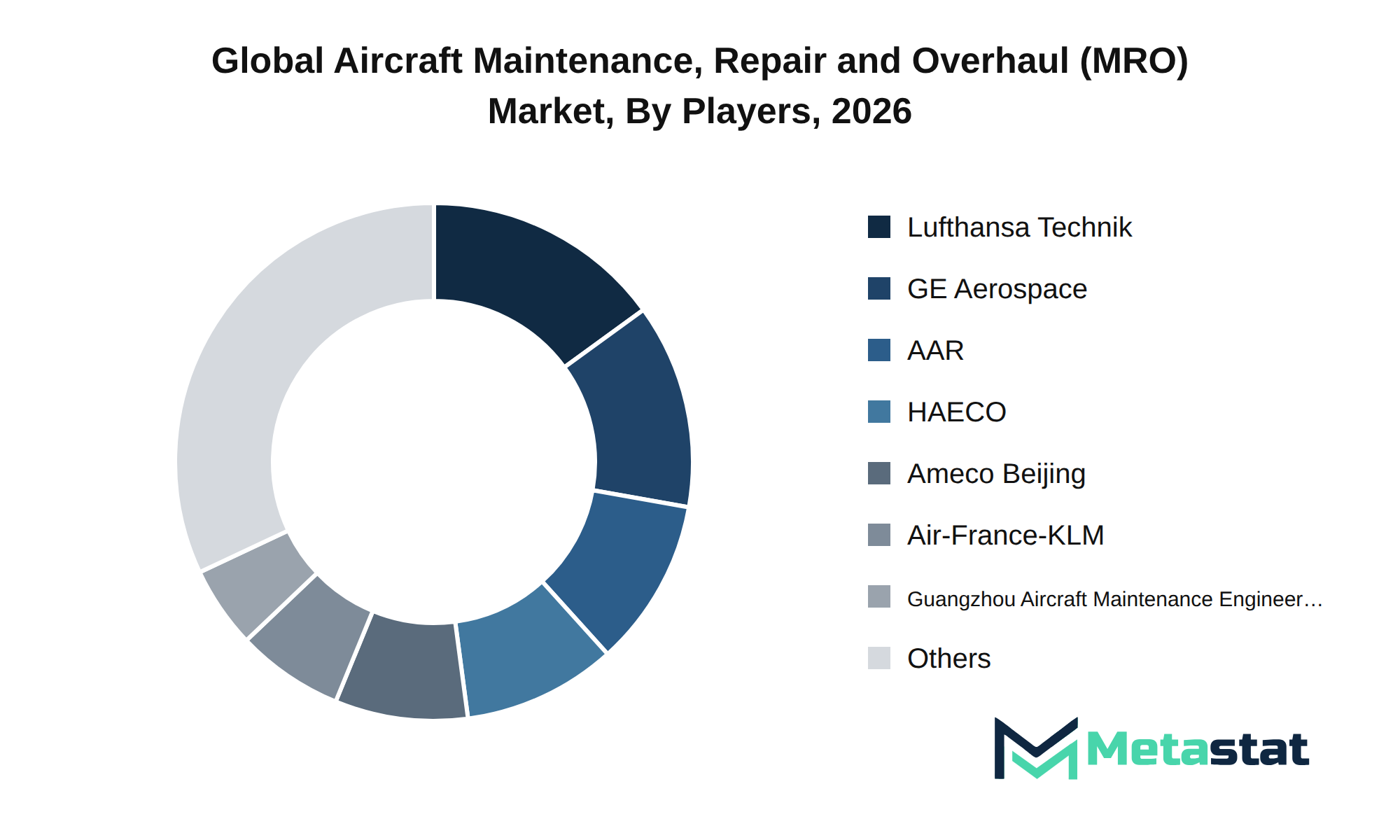
The Aircraft Maintenance, Repair and Overhaul (MRO) market experiences competitive dynamics shaped by mergers, acquisitions, and strategic consolidation among key players. Companies including AAR Corp., GE Aerospace, and Lufthansa Technik actively pursue strategic alliances and joint ventures to enhance service offerings and market penetration. This collective behavior creates a robust ecosystem, where organizations leverage their strengths, ensuring comprehensive coverage across various service types.
Pricing architectures and commercial models play a significant role in shaping competition. Players like Rolls-Royce and Pratt & Whitney continuously invest in product differentiation and R&D pipelines, focusing on proprietary technology moats to maintain competitive advantages. The emphasis on advanced technologies enhances operational efficiency and customer satisfaction, leading to stronger brand equity dynamics.
The threat of new entrants remains moderate, influenced by barriers to entry including significant capital requirements and established brand loyalty among existing players. Established companies like HAECO Group and Turkish Technic exert substantial procurement leverage, enabling them to secure favorable terms from suppliers, which hinders the ability of startups to disrupt the market.
Future competitive outlooks highlight defensive imperatives among industry leaders to sustain growth vectors. Strategic growth initiatives focus on expanding capabilities in engine maintenance and components service types, projecting a positive trajectory for the market. Growth from USD 136.3 billion in 2025 to USD 180.9 billion by 2033 is projected.
Market size is forecast to rise from USD 136.3 billion in 2025 to over USD 180.9 billion by 2033. The base case reflects a compound annual growth rate (CAGR) of 3.6%. This growth trajectory results from several macroeconomic factors, including increased air travel demand, advancements in aircraft technology, and the ongoing need for maintenance and repair services.
The bull case illustrates a scenario where rapid technological integration and significant investments in infrastructure drive higher growth rates. Enhanced operational efficiencies and the increasing adoption of next-generation aircraft contribute to this optimistic outlook. In contrast, the bear case considers potential economic downturns, regulatory challenges, and supply chain disruptions that could hinder market growth.
Regional dynamics shape the Aircraft Maintenance, Repair and Overhaul (MRO) market. North America, with the largest share, continues to dominate due to established aviation infrastructure and high demand for MRO services. Emerging markets in Asia Pacific present growth opportunities, driven by rising disposable incomes and an expanding middle class.
Investment in research and development (R&D) for next-generation technologies influences future growth. Companies focused on innovation position themselves to capitalize on evolving customer needs and regulatory changes. Strategic capital allocation towards infrastructure improvements, along with targeted CapEx investments, enhances operational capabilities and expands service offerings.
Overall, the future outlook for the Aircraft Maintenance, Repair and Overhaul (MRO) market hinges on navigating economic cycles, adapting to regulatory developments, and addressing emerging industry challenges. Continuous engagement in strategic planning and responsiveness to market shifts remains vital for stakeholders aiming to thrive in this evolving environment.
The report strategically identifies and profiles the key market players and analyses their core competencies in each sub-segment of the Aircraft Maintenance, Repair and Overhaul (MRO) market.
|
Report Attributes |
Details |
|
Study Period |
2021-2033 |
|
Base Year |
2025 |
|
Estimated Year |
2026 |
|
Forecast Period |
2026-2033 |
|
Historical Period |
2021-2025 |
|
Growth Rate |
CAGR 3.6% from 2026 to 2033 |
|
Revenue Unit |
USD billion |
|
Segmentation |
By Aircraft Type, Service Type, Aircraft Generation, Service Provider, and Region |
|
By Region |
North America (By Aircraft Type, Service Type, Aircraft Generation, Service Provider, and Country)
|
|
Europe (By Aircraft Type, Service Type, Aircraft Generation, Service Provider, and Country)
|
|
|
Asia Pacific (By Aircraft Type, Service Type, Aircraft Generation, Service Provider, and Country)
|
|
|
South America (By Aircraft Type, Service Type, Aircraft Generation, Service Provider, and Country)
|
|
|
Middle East and Africa (By Aircraft Type, Service Type, Aircraft Generation, Service Provider, and Country)
|
Find answers to common questions about this report
The Aircraft Maintenance, Repair and Overhaul (MRO) market size was valued at USD 136.3 billion in 2025, according to the Metastat Insights study.
The Aircraft Maintenance, Repair and Overhaul (MRO) market is projected to grow at a CAGR of 3.6% during the forecast period from 2026 to 2033.
The North America Aircraft Maintenance, Repair and Overhaul (MRO) market size is estimated to reach USD 56.8 billion by 2033.
Narrowbody aircraft lead the Aircraft Maintenance, Repair and Overhaul (MRO) market, with a projected value of USD 93.4 billion by 2033. This segment's growth reflects a compound annual growth rate of 3.9 percent from 2026 to 2033.
Growth in the Aircraft Maintenance, Repair and Overhaul (MRO) market is driven by increasing GDP, technological advancements, and infrastructure development. Higher demand for air travel leads to greater maintenance needs, while investments in automation and digital tools enhance efficiency and service delivery. These factors collectively support sustained market expansion through 2033.
North America holds the dominant share of the Aircraft Maintenance, Repair and Overhaul (MRO) market, with a regional share of 32.8 percent in 2025. This position reflects its significant contribution to the overall market value, projected at USD 56.8 billion by 2033.
Increasing regulatory challenges and macroeconomic pressures significantly restrain the Aircraft Maintenance, Repair and Overhaul (MRO) market. Compliance with stringent regulations demands substantial investments, while high inflation raises material and labor costs, limiting financial capacity for innovation. geopolitical instability and skilled labor deficiencies further hinder operational efficiency and growth potential.
Factors favoring product adoption in the Aircraft Maintenance, Repair and Overhaul (MRO) market include GDP growth and increased capital investment in MRO facilities. Enhanced operational efficiency results from advancements in automation and artificial intelligence, while infrastructure development strengthens service capabilities. These elements collectively drive sustained market expansion through 2033.
The Aircraft Maintenance, Repair and Overhaul (MRO) market is estimated to reach a valuation of USD 180.9 billion by 2033.
Key players in the Aircraft Maintenance, Repair and Overhaul (MRO) market include AAR Corp., Air France-KLM, Ameco Beijing, Aviation Technical Services, CFM International, GE Aerospace, Lufthansa Technik, and Rolls-Royce.
The analysts below cover Aerospace and Defense research at Metastat Insights.
LEAD ANALYST
Utkarsh Khirodkar is a Lead Market Research Analyst at MetaStat Insight, specializing in market intelligence, technology sector assessments, and competitive strategy.
Assessing 200mm wafer transition schedules and substrate supply bottlenecks requires precise technical intelligence. MetaStat Insight supplied an actionable breakdown comparing planar and trench MOSFET architectures across automotive and industrial drive markets. The regional capacity estimates for Asia-Pacific foundries helped clarify lead-time uncertainties during our strategic planning session. When we needed additional clarification on high-purity raw material sourcing, their analyst team responded with helpful context within twenty-four hours.
Tracking maintenance cycle demand for secondary flight display units and terrain collision avoidance systems across regional jet fleets involves complex aftermarket dynamics. MetaStat Insight provided practical analysis separating airline retrofit programs from OEM forward-fit production schedules in North America and Southeast Asia. The supplier matrix highlighted component obsolescence timelines without resorting to vague generalizations. The dataset served as a dependable reference during our annual program review meetings.
Evaluating secondary resin quality across post-consumer packaging streams requires reliable technical segmentation. MetaStat Insight delivered an objective assessment that distinguished between extrusion-grade flake pricing and optical sorting throughput limitations across Western Europe. The competitive positioning breakdown for licensed depolymerization technology providers answered several questions during our feedstock feasibility audit. Their team clarified regional trade restrictions on mixed plastic scrap quickly when our team submitted follow-up requests.
Explore related market intelligence reports worth reading alongside this one.
Starting from
$2950