
LEAD ANALYST
Utkarsh Khirodkar is a Lead Market Research Analyst at MetaStat Insight, specializing in market intelligence, technology sector assessments, and competitive strategy.

Global Commercial Cleaning Services Market Size, Share, By Service Type (Routine Janitorial Cleaning, Disinfection & Sanitization, Floor & Carpet Care, Window & Glass Cleaning, Post-Construction Cleaning, Exterior Cleaning & Pressure Washing and Specialty Cleaning), By End-Use Industry (Commercial Offices & Corporate Facilities, Healthcare & Life Sciences, Education, Retail & Shopping Centers, Hospitality & Food Service, Industrial & Manufacturing, Warehousing & Logistics, Government & Public Facilities and Transportation & Aviation), By Service Frequency (Daily, Multiple Times per Week, Weekly, Biweekly, Monthly / Periodic and One-Time / Project-Based), By Technique (Traditional Techniques and Eco-friendly Techniques), Industry Analysis, Growth, Trends, and Forecast, 2026-2033
Report ID
MSI-5274
Published
September, 2026
Pages
250 Pages
Format
Historical
Base year
Forecast
Forecast period
Report Details
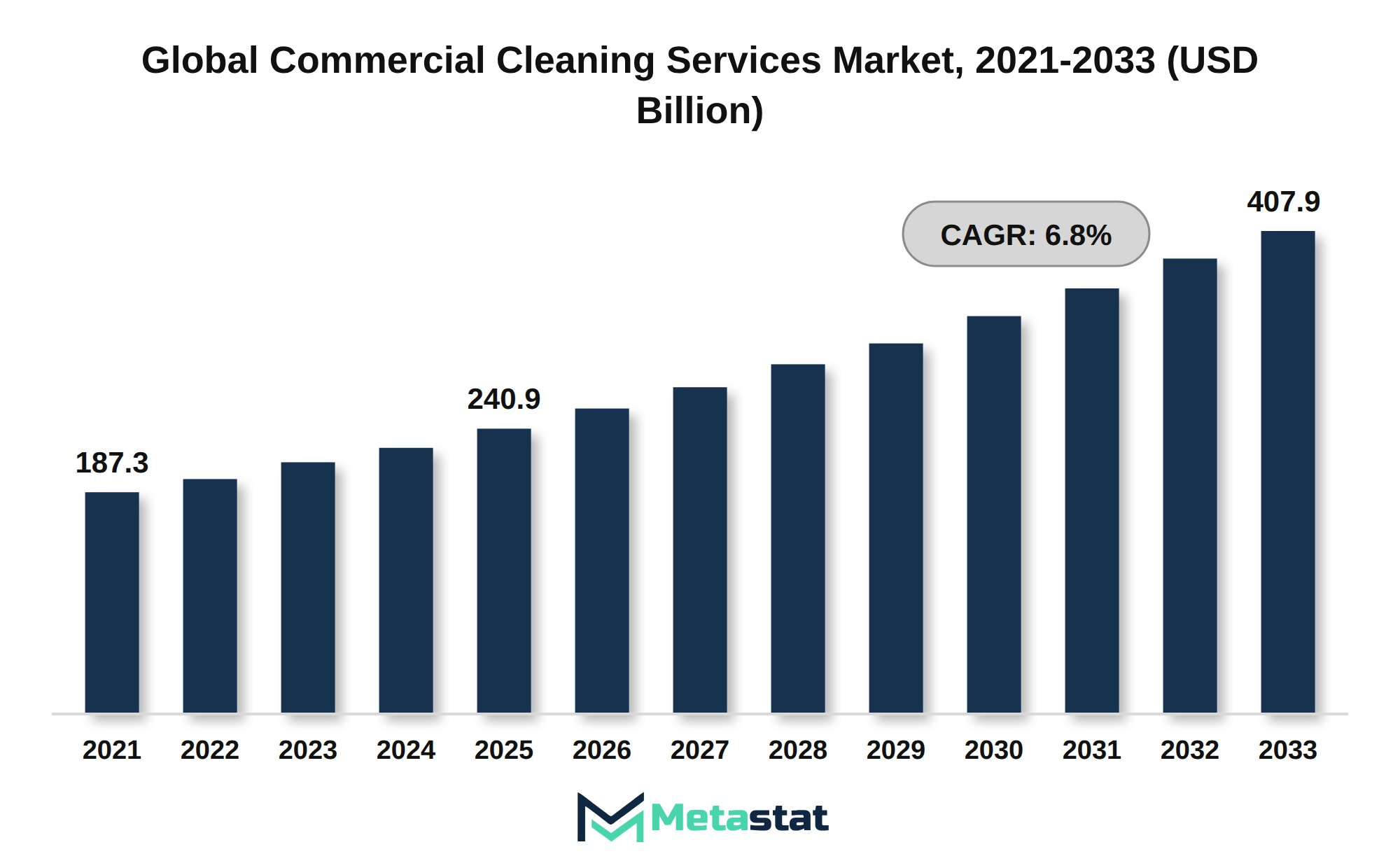
Market Valuation: Valued at $240.9 Billion in 2025, projected to reach $407.9 Billion by 2033 at a 6.8% CAGR.
Dominant Segment: The Routine Janitorial Cleaning segment leads the market, driven by increased demand for cleanliness and hygiene in commercial spaces, particularly post-COVID-19.
Geographic Lead: The market experiences significant growth in developing economies, where rising awareness of hygiene standards and urbanization drive demand for commercial cleaning services.
What's Inside: This report provides a comprehensive analysis of the global Commercial Cleaning Services market, covering service types, end-use industries, and service frequencies, along with competitive insights and forecasts from 2026 to 2033.
Emerging Trends: Technological advancements, including automation and eco-friendly cleaning practices, are reshaping the market landscape, enhancing operational efficiency and sustainability across various service segments.
Choose Your License
Global Commercial Cleaning Services Market
The global Commercial Cleaning Services market was valued at USD 240.9 billion in 2025 and is projected to reach USD 407.9 billion by 2033, growing at a CAGR of 6.8% over the forecast period.

The global Commercial Cleaning Services market reached USD 240.9 billion in 2025, with expectations to grow to USD 407.9 billion by 2033, representing a compound annual growth rate (CAGR) of 6.8%. Historical values indicate a steady increase, starting from USD 187.3 billion in 2021 and rising to USD 224.8 billion in 2024. The market's growth trajectory reflects increasing demand across various sectors, driven by the rising outsourcing of commercial janitorial services and the growing emphasis on cleanliness in workplaces and public facilities.
One significant driver of market growth involves the heightened demand for high-frequency cleaning in offices and public spaces. The COVID-19 pandemic accelerated awareness surrounding hygiene standards, prompting facilities to prioritize regular cleaning and sanitization. This trend is particularly evident in the healthcare and life sciences sectors, where stringent cleaning protocols support the need for specialized services. The demand for eco-friendly commercial cleaning services is rising, with companies increasingly adopting green cleaning chemicals and sustainable practices to meet environmental standards and customer preferences.
Expansion in disinfection and sanitization services further drives market growth. Businesses invest in advanced cleaning techniques and technologies, enhancing the effectiveness of their cleaning operations. The integration of automation and robotics within commercial cleaning operations improves efficiency and reduces labor costs, addressing workforce shortages and labor cost pressures faced by service providers. Pricing trends in contract cleaning and janitorial services reflect competitive dynamics, with firms adjusting their pricing strategies to maintain market share.
Growth in specialized cleaning services for critical facilities has emerged, particularly in sectors like education, healthcare, and retail. The demand for post-construction cleaning correlates with ongoing commercial real estate development, driving the need for comprehensive cleaning solutions. Trends in commercial floor, carpet, and window cleaning services reflect a shift towards more sophisticated techniques and equipment, enhancing service quality. The prevalence of multi-site cleaning contracts and national account expansion demonstrates the market's response to businesses seeking streamlined services across locations.
Franchise growth within the commercial cleaning services industry contributes to market diversification. Increased competition among service providers encourages innovation and improved service offerings, driving the overall market forward. Mergers and acquisitions within the sector indicate a strategic approach to gaining market share and enhancing service capabilities. Compliance with cleaning standards and safety regulations remains crucial, with service providers adapting to evolving requirements within the industry.
The increasing trend of outsourcing commercial janitorial services significantly influences the growth of the market. Businesses recognize the operational efficiency and cost-effectiveness derived from outsourcing, leading to enhanced service quality and focus on core activities. This shift supports steady demand for janitorial services across various sectors, including corporate offices and educational institutions.
High-frequency cleaning requirements in offices and public facilities drive demand within the market. The heightened awareness of hygiene, particularly following health crises, has resulted in organizations prioritizing regular cleaning schedules. This trend enhances the appeal of contract cleaning services, contributing positively to overall revenue growth.
In the healthcare and life sciences sectors, cleaning demand trends reflect stringent regulatory requirements and the need for specialized cleaning protocols. Facilities require certified cleaning services to ensure compliance with health standards, which boosts the demand for commercial cleaning services that focus on high-risk environments.
The expansion of eco-friendly commercial cleaning services represents a significant growth opportunity. Businesses increasingly seek providers that apply sustainable practices and green cleaning products. This shift aligns with broader environmental sustainability goals and enhances brand reputation among environmentally conscious consumers.
Adoption of green cleaning chemicals and sustainable practices continues to rise, shaping market dynamics. Companies that prioritize environmentally friendly solutions attract clients who value corporate responsibility and environmental stewardship. This trend promotes innovation in cleaning solutions, encouraging competition among service providers.
The demand for disinfection and sanitization services sees notable growth, particularly in response to increased awareness of health and safety. Organizations invest in specialized cleaning services to maintain safe environments, further propelling market expansion. This trend emphasizes the need for service providers to adapt quickly and effectively to changing consumer expectations.
Technological advancements, including automation and robotics, influence the market significantly. The integration of automated cleaning solutions enhances efficiency and reduces labor costs. Providers that leverage these technologies position themselves competitively within the evolving commercial cleaning services market.
AI and smart facility management tools enhance cleaning operations, offering solutions for quality monitoring and service verification. The application of these technologies allows for improved operational efficiencies and better resource allocation, supporting the market's growth trajectory.
Workforce shortages and labor cost pressures impact commercial cleaning services, prompting providers to seek innovative solutions. Addressing these challenges requires strategic adjustments, including investment in training and technology to optimize workforce productivity. These dynamics shape competitive strategies within the market.
Pricing trends in contract cleaning and janitorial services reflect the evolving demands of the market. Service providers balance competitive pricing with maintaining service quality. This equilibrium is critical for sustaining profitability while meeting customer expectations.
The growth of specialized cleaning services for critical facilities creates additional revenue streams for providers. Industries including healthcare and manufacturing require tailored cleaning solutions, reinforcing the diversity of services within the market. This specialization enhances provider expertise and encourages client loyalty.
Post-construction cleaning demand from commercial real estate development contributes to market expansion. Construction projects necessitate thorough cleaning to meet occupancy standards, providing opportunities for cleaning service providers to engage with new clients and projects.
Trends in commercial floor, carpet, and window cleaning services highlight diverse service offerings. Providers that deliver specialized cleaning solutions differentiate themselves in a competitive market, appealing to clients seeking comprehensive cleaning packages.
The rise of multi-site cleaning contracts and national account expansion reflects a growing preference for consolidated service agreements. This trend simplifies management for clients and enhances efficiency for service providers, encouraging deeper relationships and long-term contracts.
Franchise growth in the commercial cleaning services industry signifies robust market development. Franchising offers scalable business models, attracting new entrants and expanding service reach. This growth model enables quicker adaptation to market demands and enhances service availability.
Competitive dynamics among commercial cleaning service providers intensify because the market expands. Companies focus on differentiating their service offerings and enhancing customer relationships to maintain market share. Strategic partnerships and service innovations become critical for success.
Mergers and acquisitions in the commercial cleaning services market present opportunities for consolidation. This trend enables companies to enhance service capabilities, expand geographic reach, and improve operational efficiencies, ultimately benefiting clients through more comprehensive solutions.
Cleaning standards, safety regulations, and compliance requirements shape operational practices in the market. Providers navigate complex regulatory landscapes to ensure adherence and maintain client trust. This landscape drives demand for professional cleaning services tailored to meet specific industry standards.
Sustainability certifications and ESG priorities in commercial cleaning influence client procurement decisions. Organizations increasingly seek service providers that demonstrate commitment to environmental and social governance. This focus on sustainability aligns with broader corporate responsibility initiatives, shaping market expectations.
Demand outlook for commercial cleaning services in North America remains strong, driven by continued investment in infrastructure and an emphasis on hygiene. This region represents a significant share of the market, with growth supported by increased outsourcing and technology adoption.
Asia Pacific commercial cleaning services present growth opportunities amid rapid urbanization and rising disposable incomes. Expanding commercial spaces and heightened awareness of cleanliness drive demand, positioning the region for significant market development.
Commercial cleaning demand across offices, healthcare, retail, and hospitality sectors showcases a varied landscape. Each sector's unique requirements influence service offerings, fostering innovation and competition among providers.
Technology-enabled quality monitoring and service verification enhance operational transparency in the market. Clients benefit from improved service outcomes and accountability, reinforcing trust in service providers.
Future growth opportunities exist in on-demand and specialty cleaning services. While consumer preferences evolve, providers that adapt their offerings to meet specific needs will capture emerging market share, ensuring sustained growth in the dynamic commercial cleaning services market.
The expansion of the global economy significantly impacts the Commercial Cleaning Services market. Rising GDP levels increase corporate profitability, leading to higher expenditure on facility maintenance and cleaning services. Businesses in various sectors, including commercial offices, healthcare, and retail, increase investment in cleaning solutions to ensure compliance with health standards and improve workplace environments, thus strengthening long-term demand.
In addition, the growing trend of urbanization contributes to the market's growth. Urban areas experience an influx of population, generating demand for more commercial spaces that require cleaning services. This demographic shift results in higher occupancy rates in commercial buildings and facilities, driving the need for efficient cleaning solutions and expanding the addressable base.
Technological advancements play a crucial role in enhancing operational productivity within the market. The integration of automation and digital tools streamlines cleaning processes, making them more efficient and cost-effective. Cleaners equipped with advanced technologies deliver superior services, meeting the evolving expectations of consumers and businesses alike, thereby increasing compliance and attracting tech-savvy clients.
The rise of environmental awareness influences consumer behaviors and corporate policies. Companies increasingly prioritize sustainability in their operations, leading to a demand for eco-friendly cleaning solutions. This shift aligns with corporate social responsibility initiatives and attracts customers who value environmentally friendly practices, enhancing market penetration.
Overall, the combination of economic growth, urbanization, technological integration, and sustainability trends positions the Commercial Cleaning Services market for robust expansion over the forecast period, reinforcing the segment's position in the industry.
The ongoing digital transformation across various industries plays a critical role in enhancing the operational efficiency of the Commercial Cleaning Services market. Increased adoption of advanced technologies, including automation and artificial intelligence, streamlines cleaning processes, reduces labor costs, and improves service delivery speed. The integration of software solutions allows for better scheduling, resource allocation, and service tracking, enabling providers to meet rising client demands effectively.
Investments in digital tools facilitate data-driven decision-making, optimizing cleaning operations and addressing customer preferences for transparency and accountability. The ongoing shift towards smart cleaning technologies supports sustainability initiatives by minimizing resource use and improving waste management. These advancements drive competitive advantage among service providers, leading to enhanced customer satisfaction and loyalty in the Commercial Cleaning Services market.
Evolving client expectations, influenced by digital advancements, drive demand for innovative cleaning solutions. Service providers leveraging technology enhance operational capabilities while responding to market trends prioritizing efficiency, sustainability, and quality. This transformation positions the market for growth in the coming years, supported by continuous investment in technology and process improvements.
Regulatory compliance represents a significant restraint within the Commercial Cleaning Services market. The necessity to adhere to various legal mandates and standards complicates operations, requiring substantial investments in training, documentation, and technology to ensure compliance. Companies operating in this space often face challenges related to fluctuating regulations across different regions, which create operational inefficiencies and increase the risk of penalties.
Macroeconomic headwinds, including inflationary pressures, significantly impact operational costs within the market. Rising costs associated with materials, labor, and services challenge profitability and deter potential investments in new cleaning technologies or service offerings. Supply chain disruptions exacerbate these issues, leading to delays in service delivery and increased operational overhead.
Resource scarcity further complicates the landscape, particularly in areas where eco-friendly cleaning products and technologies are in demand. The competition for limited resources drives prices up, impacting the overall cost structure for service providers. Skilled labor deficiencies represent another critical concern, attributed to the increasing difficulty of recruiting and retaining qualified personnel. This shortage increases wage pressures, contributing to higher workforce overhead and straining operational budgets.
Data security vulnerabilities and privacy concerns present additional challenges for market players. The increasing reliance on digital solutions in service delivery necessitates robust cybersecurity measures, which require continuous investment. Any breaches lead to reputational damage and loss of client trust, further complicating market dynamics.
Overall, the combination of these regulatory and operational challenges inhibits growth potential within the Commercial Cleaning Services market, necessitating strategic adjustments and careful management to navigate the evolving landscape effectively.
Geopolitical fragmentation significantly impacts the Commercial Cleaning Services market, introducing a variety of operational challenges. Trade deficits and tariff friction disrupt supply chains, complicating the procurement of essential materials and services. Such interruptions result in increased costs and delivery delays, affecting service providers' ability to maintain competitive pricing and quality. The volatility of global trade relationships creates uncertainty, necessitating agility in operational strategies.
Technological disruptions contribute to the complexity, with rapid advancements requiring cleaning companies to integrate new systems and processes. This transition often encounters interoperability friction, inhibiting operations and necessitating substantial investment in training and resources. Workforce skill gaps further intensify these challenges, driven by firms seeking to retain talent proficient in advanced cleaning technologies while grappling with automation displacements that alter traditional job roles.
Rising input cost structures exert pressure on profit margins, prompting service providers to optimize their operations. Compliance overhead from tightening global regulatory standards adds another layer of complexity, compelling firms to navigate evolving legal liabilities while ensuring adherence to safety and environmental regulations. The cumulative effect of these challenges influences demand patterns and market competitiveness, shaping the trajectory of the Commercial Cleaning Services market in the coming years.
The Commercial Cleaning Services market experiences significant opportunities driven by emerging regional demands, particularly in developing economies. These regions demonstrate an increasing awareness of hygiene and cleanliness standards, propelled by urbanization and industrialization, resulting in a surge in demand for professional cleaning services. Businesses recognize the importance of maintaining clean and safe environments, prompting the market to expand to meet these evolving needs.
Infrastructure modernization across various sectors further fuels growth within the market. Investments in commercial facilities, healthcare institutions, and educational establishments necessitate enhanced cleaning services to ensure compliance with health and safety regulations. This emphasis on cleanliness creates robust demand for specialized cleaning services, particularly in healthcare and educational institutions, where hygiene standards are critical.
Technological disruptions play a significant role in shaping the market landscape. Innovations in cleaning equipment and techniques, including the adoption of eco-friendly products and automated solutions, contribute to operational efficiencies and effectiveness. These advancements increase demand for modern cleaning services that prioritize sustainability, aligning with global trends toward greener practices.
Geographical expansion presents another avenue for growth within the Commercial Cleaning Services market. Service providers increasingly target new regions, driven by the need for cleaning services in previously underserved areas. This expansion increases market share and supports the diversification of service offerings, enabling firms to cater to a wider range of clients.
Strategic consolidation and cross-industry mergers contribute to market dynamics, enhancing the competitive landscape. Collaborations among service providers and industries maximize resource utilization and broaden service capabilities, resulting in improved value propositions for clients. This trend encourages innovation and efficiency within the sector, driving further demand for cleaning services.
Evolving buying behaviors and digital procurement shifts influence purchasing patterns in the market. Businesses increasingly adopt technology for service selection and procurement, streamlining operations and enhancing decision-making processes. This digital transformation encourages service providers to adapt their offerings to meet the expectations of tech-savvy clients seeking convenience and efficiency.
The Commercial Cleaning Services market is poised for growth driven by emerging regional demands, infrastructure modernization, technological advancements, and evolving buyer behaviors. These factors collectively shape a dynamic environment that supports continued investment and innovation, ultimately enhancing market opportunities.
The Global Commercial Cleaning Services market is segmented based on Service Type, End-Use Industry, Service Frequency, and Technique.
Valued at USD 107.5 billion in 2026, the Routine Janitorial Cleaning segment is projected to reach USD 157.6 billion by 2033, at a CAGR of 5.6% during the forecast period. This growth primarily results from heightened demand for cleanliness and hygiene in commercial spaces, particularly following the COVID-19 pandemic. Organizations across various sectors increasingly prioritize maintaining a clean environment, driving sustained investments in janitorial services.
Adoption of advanced cleaning technologies further enhances market potential. Innovations including automated cleaning equipment and eco-friendly cleaning products support more efficient and effective service delivery. The trend towards sustainability significantly influences organizations, because they seek solutions that align with environmental standards.
End-use industries, including commercial offices, healthcare, and education, significantly contribute to demand for routine janitorial cleaning. These sectors recognize the necessity of cleanliness not only for aesthetic appeal but for health and safety compliance. Consequently, commercial cleaning services play an essential role in operational strategies.
Regulatory compliance regarding hygiene practices necessitates consistent cleaning protocols, further propelling demand. Organizations increasingly face scrutiny related to cleanliness standards, compelling them to invest in reliable janitorial services. This aspect highlights the critical nature of maintaining rigorous cleaning schedules to meet industry regulations.
The market experiences notable opportunities for growth driven by evolving consumer preferences and an increasing focus on health consciousness. Investments in janitorial services that emphasize health and safety are likely to yield significant returns, enhancing the appeal of routine janitorial cleaning within the broader Commercial Cleaning Services market.
Growth in the Disinfection & Sanitization segment reflects heightened concerns regarding public health and hygiene standards. Factors including the COVID-19 pandemic have shifted consumer awareness towards cleanliness in various environments, driving demand from sectors including healthcare, education, and commercial offices. Regulatory compliance standards, particularly in healthcare and food service industries, necessitate frequent disinfection practices, creating a robust marketplace for service providers.
Investments in advanced cleaning technologies, including electrostatic sprayers and UV-C light disinfection, enhance effectiveness and efficiency. These innovations align with the trend towards eco-friendly techniques, driven by consumers increasingly preferring products that minimize environmental impact. The Disinfection & Sanitization segment is estimated to reach USD 52.7 billion by 2033, at a CAGR of 7.2% during the forecast period.
Increased focus on maintaining hygienic environments within commercial spaces influences consumer behavior. Facilities prioritize regular cleaning schedules, creating a lucrative opportunity for service providers specializing in disinfection services. Supply chain resilience plays an important role in ensuring the availability of necessary cleaning supplies, vital for meeting growing demand. Navigating potential disruptions in raw material sourcing enhances competitive advantage, enabling firms to capitalize on market growth.
End-use dynamics in industries like corporate offices and healthcare continue to shape service offerings and pricing structures. Organizations recognize the long-term benefits of investing in comprehensive cleaning strategies, consolidating service contracts with a few reliable providers to enhance consistency and quality. These factors contribute to an evolving market where the Disinfection & Sanitization segment remains a critical component of the Commercial Cleaning Services market.
Growth in the Floor & Carpet Care segment is driven by rising hygiene standards in various environments, particularly in commercial spaces where cleanliness is essential. Increasing awareness of the importance of maintaining clean and well-kept floors and carpets directly influences demand from commercial offices, healthcare facilities, and educational institutions. The shift towards more eco-friendly cleaning methods enhances the appeal of specialized cleaning solutions, creating opportunities for providers emphasizing sustainable practices.
The segment is projected to reach USD 53.9 billion by 2033. Many organizations prioritize maintaining clean and safe environments, particularly in response to health concerns heightened by recent global events. This focus on cleanliness contributes to increased investment in professional cleaning services, thus propelling market expansion.
Technological advancements in cleaning equipment and products, including automated floor scrubbers and advanced carpet cleaning solutions, facilitate efficiency and effectiveness in cleaning processes. The adoption of such innovations supports service providers in delivering higher-quality results while optimizing resource use. Regulatory compliance regarding safety and health standards remains a driving factor, with organizations increasingly seeking certified services that ensure adherence to these requirements.
Competitive dynamics within the Commercial Cleaning Services market drive innovation and service diversification. Companies increasingly seek to differentiate themselves through specialized offerings, including deep cleaning for high-traffic areas and customized cleaning schedules. This evolution creates strategic opportunity windows for firms willing to adapt to changing market demands and explore new service delivery methods.
Market dynamics surrounding Window & Glass Cleaning reflect increasing demand for specialized cleaning services in commercial spaces. A focus on hygiene and aesthetic standards drives this trend, particularly among sectors including healthcare, education, and corporate offices. These industries prioritize clean and well-maintained facilities to enhance their image and ensure compliance with health regulations.
Window & Glass Cleaning segment is projected to grow at a CAGR of 5.6% during the forecast period. The rise in construction activities and building renovations further contributes to this growth, creating demand for professional cleaning services. Increased awareness of the benefits of regular cleaning, including improved energy efficiency and extended lifespan of windows, supports this upward trajectory.
Technological advancements in cleaning equipment and eco-friendly cleaning solutions enhance operational efficiency while addressing environmental concerns. The market sees ongoing evolution in techniques and products, with a shift toward sustainable practices gaining traction among consumers. This provides an opportunity for service providers to differentiate themselves through greener cleaning options, aligning with broader sustainability goals.
The market for Window & Glass Cleaning faces competitive pressures, mandating service providers to adopt innovative strategies to maintain margins. Pricing volatility, driven by fluctuations in raw material costs and labor availability, presents challenges that necessitate strategic sourcing and cost management. Effective marketing and customer relationship management emerge because crucial factors in retaining clientele and expanding service agreements.
Overall, the Window & Glass Cleaning segment is significant within the broader Commercial Cleaning Services market, influenced by evolving consumer preferences, technological advancements, and economic conditions. The alignment of service offerings with market demands is essential for capitalizing on growth opportunities and ensuring long-term sustainability in this sector.
Post-construction cleaning is essential in the overall Commercial Cleaning Services market, particularly following extensive building or renovation projects. This segment experiences heightened demand driven by the increasing number of construction projects and the growing emphasis on maintaining cleanliness and hygiene in newly constructed spaces. Clients in commercial and residential segments prioritize pristine environments, fueling demand for specialized cleaning services that address the unique challenges of post-construction cleanup.
Expanding construction activities in urban areas contribute to market growth. Factors including urbanization, infrastructure development, and rising investments in commercial real estate increase the need for effective post-construction cleaning services. This trend highlights the importance of timely and thorough cleaning to ensure safety and compliance with health regulations in newly built facilities.
Technological advancements enhance the efficiency and effectiveness of post-construction cleaning. The adoption of innovative cleaning solutions, including eco-friendly products and advanced equipment, demonstrates a shift toward sustainability within the market. Companies increasingly focus on minimizing environmental impact while delivering high-quality cleaning services. This evolution aligns with broader consumer preferences for environmentally conscious practices, driving growth in this sub-segment of the market.
End-use dynamics show a strong preference for post-construction cleaning in various sectors, including commercial offices, healthcare facilities, and educational institutions. These industries require detailed cleaning to meet regulatory compliance standards and create safe environments for occupants. The impact of these regulatory requirements increases demand for specialized cleaning services, ensuring that post-construction spaces adhere to stringent cleanliness and safety criteria.
Cost structures within the post-construction cleaning segment reflect the necessity for skilled labor and specialized equipment. Companies investing in training and advanced technology experience improved operational efficiency and enhanced service delivery. Pricing volatility remains a consideration, influenced by labor market fluctuations and the cost of cleaning supplies. Companies that effectively manage these factors position themselves competitively within the market.
Strategic opportunity windows exist for companies willing to innovate and adapt to emerging trends. While environmental awareness grows among consumers, businesses that prioritize eco-friendly solutions are likely to capture greater market share. This focus not only meets consumer demands but opens avenues for investment in next-generation upgrades that enhance service offerings.
The post-construction cleaning segment within the Commercial Cleaning Services market faces favorable conditions for growth driven by demand from various industries, technological evolution, and the need for compliance with health regulations. Continuous investment in training and sustainable practices ensures that companies remain competitive and responsive to changing market dynamics.
Exterior cleaning and pressure washing services address the growing demand for maintaining the aesthetic and functional aspects of buildings. This segment experiences heightened interest driven by urbanization and the increasing focus on property value retention. Property managers and owners prioritize exterior cleanliness, recognizing its impact on tenant satisfaction and overall property appeal. Regular maintenance through pressure washing prevents costly repairs by removing grime, mold, and debris that degrade surfaces over time.
Technological advancements enhance the effectiveness and efficiency of exterior cleaning practices. The adoption of eco-friendly cleaning solutions reflects a shift toward sustainable practices, appealing to environmentally conscious consumers and businesses. Compliance with local regulations regarding waste disposal and environmental safety influences service offerings, prompting companies to invest in cleaner technologies and methods. This segment benefits from increased public awareness of hygiene and cleanliness, especially following the COVID-19 pandemic.
Businesses within the Commercial Cleaning Services market recognize the opportunity to differentiate by offering specialized exterior cleaning solutions. Seasonal contracts and one-time deep cleaning services cater to varying client needs, allowing firms to capture a broader customer base. Targeted marketing and emphasis on quality service delivery position companies favorably against competitors, enhancing customer loyalty and repeat business.
Raw material costs associated with cleaning agents and equipment remain variable, impacting pricing strategies within the segment. Suppliers' pricing volatility squeezes margins, necessitating careful management of operational costs to maintain profitability. Firms that adopt innovative practices and invest in employee training enhance service quality while managing cost pressures effectively, ensuring a strong competitive position in the market.
Effective cleaning strategies for specialty cleaning, including deep cleaning, cleanroom cleaning, high-level cleaning, and biohazard cleanup, emerge from a heightened awareness of hygiene standards across various industries. Demand for these services arises from increased safety regulations, particularly in healthcare and life sciences, which require stringent cleanliness protocols. Facilities including hospitals and laboratories implement these standards to mitigate contamination risks, driving the need for specialized cleaning services.
The expansion of specialty cleaning services correlates with technological advancements that enhance cleaning efficacy. Adoption of high-performance cleaning equipment and eco-friendly products supports efficient cleaning processes while adhering to regulatory compliance. The market experiences shifts toward sustainable and innovative cleaning techniques, aligning with environmental concerns and operational efficiency.
End-use dynamics, particularly in sectors like healthcare, education, and food service, emphasize the importance of cleanliness and safety. Businesses invest in specialty cleaning services to maintain hygiene and protect employee and customer well-being. This trend reflects a broader shift in consumption patterns, where clients prioritize safety and cleanliness in operational strategies.
Regulatory compliance standards significantly influence the specialty cleaning segment, compelling providers to adapt to evolving guidelines. Certifications establish trust and credibility, enabling companies to demonstrate adherence to industry standards in cleaning practices. This focus on compliance enhances market growth, driven by clients seeking reliable service providers that meet stringent requirements.
Strategic opportunity windows exist within the specialty cleaning segment, fueled by increasing awareness of public health issues and the need for high standards of cleanliness. Capital investment in advanced cleaning technology and training for personnel enhances service quality and operational efficiency. This investment positions companies favorably in the competitive environment, ensuring they meet the rising demands of clients in the Commercial Cleaning Services market.
Valued at USD 72.2 billion in 2026, the Commercial Offices & Corporate Facilities segment is projected to reach USD 106.8 billion by 2033, at a CAGR of 5.7% during the forecast period. Demand for commercial cleaning services in offices and corporate facilities arises from a focus on maintaining clean and safe environments for employees and visitors, enhancing productivity and promoting a healthy workplace. Increasing emphasis on hygiene standards following health crises accelerates the adoption of professional cleaning services across various sectors.
Technological advancements in cleaning equipment and eco-friendly products drive growth within this segment. Companies invest in automated cleaning solutions and sustainable practices, aligning with corporate social responsibility goals. This shift leads to improved service efficiency and customer satisfaction, ultimately benefiting revenue streams for cleaning service providers.
Changing consumption patterns significantly influence the market. Organizations prioritize flexible cleaning contracts that adapt to dynamic operational needs. This change in purchasing behavior allows for tailored service offerings that meet specific cleaning requirements, driving demand for specialized cleaning services.
Regulatory compliance shapes the market landscape. Stricter regulations pertaining to health and safety standards necessitate enhanced cleaning protocols. This requirement creates a competitive environment among service providers, compelling them to innovate and expand their service portfolios to remain compliant while optimizing cost structures.
Overall, the Commercial Cleaning Services market experiences expansion driven by evolving workplace dynamics, regulatory pressures, and technological advancements. The outlook for the Commercial Offices & Corporate Facilities segment remains positive, with steady growth fueled by a commitment to maintaining clean and safe work environments.
Growth in the Healthcare & Life Sciences segment reflects an increasing emphasis on hygiene and cleanliness within medical facilities. This emphasis stems from heightened awareness of infection control and the need for maintaining sterile environments. Rising demand for specialized cleaning services within hospitals and healthcare settings drives the expansion of this segment, projected to reach USD 62.4 billion by 2033, at a CAGR of 8.1% during the forecast period.
Regulatory compliance standards specific to the healthcare sector significantly influence demand for cleaning services. Stringent guidelines surrounding cleanliness and sanitation within healthcare facilities necessitate advanced cleaning solutions and techniques. Industry players adopting eco-friendly techniques and innovative cleaning technologies align well with evolving consumer preferences and regulatory expectations.
The increasing complexity of healthcare environments leads to greater investment in specialized cleaning solutions. This includes the usage of advanced disinfection and sanitization practices crucial for infection prevention in medical facilities. The market sees strong growth opportunities for service providers delivering tailored cleaning solutions to meet the diverse needs of healthcare clients.
While healthcare technology matures, integration of next-generation cleaning equipment and solutions becomes essential. The shift towards automated cleaning systems and eco-friendly products enhances operational efficiency and addresses environmental concerns. Innovations in cleaning products and methods continue to present strategic opportunities for market participants aiming to capture market share within the Healthcare & Life Sciences sector.
Growing attention to cleanliness and hygiene within educational institutions drives demand for commercial cleaning services. Increasing enrollment in educational facilities leads to a greater necessity for routine janitorial services, directly impacting market growth. Valued at USD 40.1 billion by 2033, the Education segment illustrates a robust trajectory, propelled by heightened awareness of sanitation, particularly following recent global health events.
Investment in advanced cleaning technologies enhances service efficiency and effectiveness, aligning with educational institutions’ goals for maintaining safe and healthy environments. Regulatory compliance regarding cleanliness standards influences purchasing decisions, prompting educational establishments to prioritize professional cleaning services. These dynamics highlight the critical role of the Commercial Cleaning Services market in supporting the operational resilience of the education sector.
Growing consumer demand for cleanliness and hygiene in retail environments significantly influences the Retail & Shopping Centers segment of the Commercial Cleaning Services market. Increased foot traffic and heightened awareness surrounding health and safety standards drive the need for regular and thorough cleaning services to maintain safe shopping environments. Retailers prioritize creating welcoming spaces that attract customers, which drives investment in professional cleaning services.
Retail and shopping centers require cleaning solutions that adapt to various cleaning challenges, from routine janitorial tasks to specialized deep cleaning services. This segment is projected to grow at a CAGR of 5.8% during the forecast period. The ongoing trend towards eco-friendly cleaning practices further enhances demand, driven by retailers seeking to align with sustainability goals and accommodate environmentally conscious consumers.
Technological advancements in cleaning equipment and products contribute to operational efficiency and effectiveness in this segment. Innovations in cleaning techniques, including the use of advanced disinfection technologies, enhance service offerings. The commercial cleaning services market benefits from these advancements, which streamline operations and improve the quality of service delivery.
Competition within the retail sector compels cleaning service providers to offer customized solutions that cater to varied client needs. This adaptability enables service providers to capture a larger share of the market while ensuring compliance with evolving regulatory standards. Retail and shopping centers remain key segments, demonstrating dynamic growth and establishing long-term partnerships with cleaning service providers. Increased investment in cleaning services represents a strategic opportunity for firms looking to expand their market presence.
In the Hospitality & Food Service sector, demand for commercial cleaning services is influenced by stringent hygiene standards and customer expectations for cleanliness. The ongoing emphasis on health and safety drives establishments to implement rigorous cleaning protocols, necessitating the use of specialized cleaning services. Increased foot traffic and the presence of food handling areas increase the need for frequent and thorough sanitation practices.
Adoption of eco-friendly cleaning techniques emerges because a significant trend within this sector, reflecting a broader shift towards sustainability. Establishments prioritize the use of environmentally safe products to align with consumer preferences and regulatory mandates. This transition not only enhances their market appeal but contributes to operational efficiency through the reduction of harmful chemicals.
Technological maturation shapes service delivery in the Hospitality & Food Service segment. Advancements in cleaning equipment and automation improve service efficiency and effectiveness. The integration of smart technologies, including IoT-enabled devices, enhances monitoring and reporting capabilities, providing establishments with data-driven insights to optimize their cleaning operations.
Downstream application dynamics highlight the interdependency between cleaning services and other operational aspects, including customer satisfaction and brand reputation. Establishments recognize that maintaining a clean environment directly influences customer retention and overall experience. Consequently, investment in high-quality cleaning services emerges because a strategic priority.
Cost structures within this segment reflect the complexities associated with meeting diverse cleaning needs. Variable pricing models aligned with service frequency and customization cater to fluctuating demand. Establishments manage pricing volatility by establishing long-term agreements with service providers, ensuring consistent service quality while managing costs effectively.
While the market evolves, strategic opportunity windows arise for cleaning service providers to expand their offerings and enhance service delivery. Companies that adapt to emerging trends, including heightened sanitation demands and technological innovations, position themselves favorably within the competitive environment. The ongoing growth of the Commercial Cleaning Services market reflects these dynamics and highlights the importance of adaptability and responsiveness to changing consumer preferences.
Increasing regulatory compliance standards strongly influence the Industrial & Manufacturing sector's cleaning needs. Companies focus on maintaining high cleanliness and safety standards to comply with regulations, ensuring employee health and safety. This sector often requires specialized cleaning techniques that address unique challenges, including managing hazardous materials and maintaining equipment properly.
Technological maturation in cleaning equipment enhances efficiency and effectiveness, prompting adoption of advanced cleaning solutions. Increased focus on sustainability drives interest in eco-friendly techniques, aligning with evolving environmental regulations and corporate sustainability goals. Firms expanding operations drive demand for specialized cleaning services tailored to specific industrial processes, supporting growth in the Commercial Cleaning Services market.
Supply chain resilience becomes critical owing to disruptions in raw material sourcing and logistics vulnerabilities impacting service delivery. Strategic opportunity windows arise for service providers who invest in robust supply chain management solutions, ensuring timely access to necessary cleaning products and equipment. This focus on resilience supports long-term partnerships between cleaning service providers and clients in the Industrial & Manufacturing sector.
Investment in the warehousing and logistics sector emphasizes the need for robust cleaning solutions. Increasing demand for cleanliness stems from the rise in e-commerce and the necessity for safe storage and distribution facilities. Regulatory compliance standards regarding hygiene contribute to heightened cleaning protocols, while certifications for cleaning services enhance operational credibility.
Technological advancements in cleaning methods support the growing focus on efficiency and effectiveness. Eco-friendly techniques gain traction due to companies aiming to reduce their environmental footprint, aligning with industry-wide sustainability goals. Strategic opportunity windows arise from the necessity for improved operational resilience, prompting businesses to adopt advanced cleaning technologies.
Increased scrutiny of supply chain dynamics leads to a reassessment of cleaning service requirements, influencing purchasing behavior. The Commercial Cleaning Services market reflects significant shifts in consumption patterns because businesses prioritize hygiene and sanitation. This trend highlights the ongoing evolution of cleaning services tailored to the unique demands of the warehousing and logistics sector.
Increasing attention to hygiene within government and public facilities drives demand for cleaning services. Strict regulations regarding cleanliness and sanitation influence procurement decisions, ensuring that these facilities maintain high standards to protect public health. Adoption of advanced cleaning technologies and eco-friendly products aligns with governmental initiatives promoting sustainability, enhancing the appeal of service providers that prioritize environmentally responsible practices.
Compliance with stringent health and safety regulations requires regular cleaning and disinfection to mitigate potential health risks. Facilities including schools, public offices, and transportation hubs emphasize the importance of cleanliness to ensure safe environments for employees and the public. This focus on maintaining high hygiene standards results in increasing investment in commercial cleaning services, contributing to growth within the Commercial Cleaning Services market.
The shift towards more frequent cleaning schedules aligns with evolving public expectations regarding hygiene in shared spaces. Service providers adapt to these demands by offering comprehensive cleaning solutions tailored to the diverse needs of governmental institutions. This adaptation enhances customer satisfaction and positions companies favorably within the competitive environment of the market.
Demand for cleaning services within the transportation and aviation sector arises from heightened awareness of hygiene and cleanliness among travelers and staff. Continuous passenger traffic in airports creates a consistent requirement for cleaning services to maintain safe and sanitary environments. Airlines and airport authorities prioritize cleanliness to enhance customer satisfaction and comply with rigorous health standards. The segment experiences pressure to adopt advanced cleaning solutions, including disinfection protocols and eco-friendly products, to address evolving consumer expectations and regulatory requirements.
Technological advancements play a significant role in the evolution of cleaning services in this sector. Automation and innovative cleaning technologies, including electrostatic sprayers and UV disinfection systems, enhance efficiency and effectiveness. The market experiences a shift toward sustainable practices, with operators increasingly integrating eco-friendly techniques into their cleaning protocols. These changes align with growing demand for environmentally responsible solutions among consumers and businesses.
Adoption of comprehensive cleaning contracts is rising, driven by the need for reliability in service delivery. Transport companies and aviation stakeholders seek partnerships with cleaning service providers that demonstrate commitment to quality, compliance with safety standards, and flexibility in addressing unique challenges posed by the environment. This trend fosters long-term relationships between service providers and clients, ultimately supporting growth within the commercial cleaning services market.
Demand for cleaning services within financial institutions, sports and entertainment venues, fitness centers, and religious facilities reflects an increasing emphasis on hygiene and cleanliness across diverse environments. High foot traffic in sports arenas and entertainment venues creates a heightened requirement for regular cleaning services, ensuring guest safety and satisfaction. The fitness industry, facing scrutiny over health and sanitation, prioritizes cleanliness to create a welcoming atmosphere for members and clients. Religious facilities, with varying attendance patterns, seek flexible cleaning solutions to maintain cleanliness while accommodating diverse worship schedules.
Regulatory compliance standards within these sectors significantly impact demand for commercial cleaning services. Financial institutions, subject to stringent regulations, require thorough cleaning practices to adhere to health and safety mandates. The fitness industry, increasingly influenced by public health guidelines, drives demand for specialized cleaning protocols to enhance customer confidence. Shifts towards eco-friendly cleaning solutions gain traction, particularly in fitness centers and religious facilities, aligning with growing consumer preferences for sustainability.
Strategic opportunities within this sub-segment arise through investments in new cleaning technologies and techniques. Innovations in cleaning products and equipment offer enhanced efficiency and effectiveness, enabling providers to meet the unique requirements of varied venues. Collaboration between cleaning service providers and facility management enhances not only service delivery but operational efficiencies, strengthening partnerships in the market. Overall, the sustained focus on cleanliness and hygiene across these end-use industries fortifies the ongoing expansion of the Commercial Cleaning Services market.
Demand for daily cleaning services is increasing due to heightened awareness of hygiene in various environments, particularly in commercial offices and corporate facilities. Valued at USD 97.8 billion in 2026, the segment is projected to reach USD 143.9 billion by 2033, reflecting a CAGR of 5.7% during the forecast period. This growth results from a growing emphasis on cleanliness and the need for consistent sanitation practices across industries.
The rapid adoption of daily cleaning services benefits from the rising number of businesses striving to maintain safe and healthy environments for employees and customers. Regulatory compliance standards emphasizing cleanliness drive this demand. Organizations in sectors including healthcare and education increasingly rely on daily services to uphold stringent hygiene standards, ensuring operational continuity and safety.
Technological advancements in cleaning equipment and eco-friendly products contribute significantly to the expansion of this segment. Innovations, including advanced disinfection technologies, enhance the effectiveness of daily cleaning routines, providing businesses with efficient solutions to meet evolving expectations. These developments align with overall trends observed in the Commercial Cleaning Services market, reinforcing the importance of adapting to new cleaning standards.
Market players focusing on daily service offerings capitalize on strategic opportunity windows presented by growing demand for comprehensive cleaning solutions. Investments in employee training and advanced cleaning methodologies ensure companies remain competitive in meeting client needs. The emphasis on daily cleaning services will continue to play an integral role in strengthening long-term demand within the market.
Increasing focus on cleanliness in various sectors drives demand for multiple times per week cleaning services. This frequency caters to businesses seeking consistent hygiene standards and operational efficiency. The segment is expected to reach USD 103.4 billion by 2033, at a CAGR of 7.3% during the forecast period.
Commercial offices and corporate facilities particularly benefit from this service frequency due to high foot traffic and the necessity for a clean work environment. Regular cleaning enhances employee satisfaction and productivity while maintaining a professional image for clients and visitors. Heightened awareness of health concerns and infection control contributes to the growth of this segment, especially in settings where customer interaction and safety are critical.
Emerging trends in eco-friendly cleaning solutions impact the segment, driven by businesses increasingly adopting sustainable practices. These advancements in cleaning technologies and products allow providers to offer more efficient services, appealing to environmentally conscious clients. Investment in next-generation techniques supports market expansion, ensuring service providers remain competitive and responsive to evolving consumer preferences.
Overall, the multiple times per week segment reflects significant growth potential within the Commercial Cleaning Services market. The combination of rising health standards, evolving consumer expectations, and technological advancements positions this segment for sustained development in the coming years.
Demand for weekly cleaning services within the Commercial Cleaning Services market is expected to reach USD 56 billion by 2033. This growth stems from increasing requirements for consistency and reliability in cleanliness across various industries. Regular cleaning schedules in commercial offices, healthcare facilities, and educational institutions emphasize the importance of maintaining sanitary environments. The rise of health-conscious consumers and employees drives organizations to prioritize cleanliness, ensuring the health and safety of all occupants.
Demand drivers within this segment include heightened awareness of hygiene standards and the need for regular maintenance of facilities. Organizations are expanding their focus on employee well-being, leading to increased investment in cleaning services. Weekly cleaning aligns with operational needs, providing a structured approach to facility upkeep while creating a positive environment.
Technological advancements in cleaning equipment and eco-friendly cleaning solutions facilitate efficiency and effectiveness in service delivery. This evolution enables providers to meet varying client expectations while addressing environmental concerns. The market benefits from improved service offerings and enhanced customer satisfaction.
Disruption in traditional cleaning methodologies presents strategic opportunity windows for providers who adopt innovative approaches. Emphasizing sustainability and advanced cleaning techniques strengthens market positioning. The combination of rising demand and evolving customer preferences creates a dynamic environment for growth within the weekly cleaning segment of the Commercial Cleaning Services market.
Growth of the Biweekly segment contributes significantly to the overall expansion of the Commercial Cleaning Services market. With a projected CAGR of 5.4% during the forecast period, this segment benefits from increasing demands for flexible cleaning schedules, particularly among businesses seeking to maintain cleanliness without the costs associated with daily services. The trend toward adopting biweekly cleaning services aligns with the growing focus on maintaining hygienic environments in various settings, including offices and educational institutions.
Shifts in end-use dynamics further influence the Biweekly segment's performance. Companies in sectors including retail and healthcare prioritize cleanliness, recognizing its impact on customer satisfaction and employee productivity. This strategic focus drives demand for biweekly services, resulting in sustained growth and increased market share within the broader Commercial Cleaning Services market.
Technological maturation and the introduction of next-generation cleaning solutions enhance service delivery in this segment. Innovations including automated cleaning equipment and eco-friendly products attract businesses committed to sustainability, appealing to a broader customer base. Investment in these technologies supports the transition toward biweekly cleaning models, reinforcing their relevance in the market.
Overall, the Biweekly segment's growth represents a strategic opportunity for service providers to expand their offerings and respond to evolving customer needs, ensuring a competitive edge in the changing landscape of the Commercial Cleaning Services market.
Increased focus on cleanliness across various industries drives demand for monthly or periodic cleaning services. Organizations prioritize maintaining hygiene standards, especially in spaces with high foot traffic where cleanliness affects customer satisfaction. The evolving nature of workplace environments and the necessity for adherence to health regulations strengthen the role of this service frequency in the Commercial Cleaning Services market.
The adoption of advanced cleaning technologies significantly influences the expansion of this segment. Next-generation cleaning solutions, including disinfectants and eco-friendly products, attract environmentally conscious clients, leading to opportunities for service providers. These advancements enhance cleaning efficiency and align with shifting consumer preferences towards sustainability.
Healthcare facilities exemplify an end-use sector that benefits from periodic cleaning services. Strict regulatory compliance standards necessitate ensuring a sanitized environment. This requirement drives investments in specialized cleaning services, enhancing safety for patients and staff alike.
Shifts in consumer behavior further influence service dynamics. Businesses recognize the importance of maintaining a clean environment to enhance employee productivity and client perception. Growing awareness of health risks associated with unclean workplaces drives demand for commercial cleaning services, particularly in settings requiring regular maintenance.
Cost structures and pricing volatility in service provision present challenges and opportunities. Providers navigate fluctuating costs for cleaning supplies and labor while maintaining competitive pricing. Strategic investment in technology and efficient resource management mitigates these pressures, ultimately benefiting the market.
Investment outlook remains positive, with service providers exploring white-space opportunities in the market. Enhanced capital allocation towards marketing and training improves service standards and attracts new clients. In this evolving landscape, the monthly or periodic cleaning segment is poised for growth, driven by a comprehensive approach to cleanliness and hygiene.
Increased demand for One-Time / Project-Based cleaning services arises from various sectors, including healthcare, education, and retail, where specialized cleaning is essential for maintaining hygiene standards. The need for deep cleaning after events, renovations, or outbreaks fuels this demand, reflecting a shift towards more frequent use of such services. Regulatory compliance is a significant driver, because organizations prioritize sanitization to meet health and safety regulations, enhancing the reputation of facilities while ensuring safety for employees and customers.
Technological maturation supports the adoption of advanced cleaning solutions, including eco-friendly cleaning products and equipment, which continue to evolve. Clients increasingly seek environmentally sustainable options, pushing service providers to adapt their offerings. Investment in next-generation upgrades ensures that cleaning companies remain competitive, emphasizing the importance of innovative cleaning techniques and efficient service delivery. The focus on specialized cleaning contributes to the market's potential growth, because companies refine their service offerings to meet changing client needs.
Downstream applications of One-Time / Project-Based services connect closely with industries like hospitality and healthcare, where cleanliness is essential. Enhanced cleanliness directly impacts customer satisfaction, leading organizations to invest in professional cleaning services. Regulatory compliance and certification requirements further reinforce the importance of maintaining high standards of cleanliness, influencing purchasing decisions across various sectors. Overall, One-Time / Project-Based cleaning services play a critical role in the broader Commercial Cleaning Services market, adapting to evolving demands while meeting the rigorous standards expected by clients.
Increasing reliance on on-demand and emergency cleaning services stems from heightened awareness of sanitation standards following health crises. Businesses and facilities prioritize immediate cleaning response to maintain safety and hygiene, reflecting a proactive approach to public health.
Flexibility in service offerings enhances appeal, allowing providers to cater to diverse needs across sectors. Organizations in retail, healthcare, and hospitality require rapid response cleaning for high-traffic areas and emergency situations, boosting demand within the Commercial Cleaning Services market.
Technological advancements drive service efficiency and effectiveness. Innovations including advanced cleaning equipment and eco-friendly products contribute to improved service quality. These developments attract businesses keen on sustainability, influencing market dynamics and opening strategic opportunity windows for service providers.
Regulatory compliance standards significantly affect this segment. Facilities face stringent guidelines regarding cleanliness, compelling them to seek reliable emergency cleaning solutions. Firms that offer compliance-focused services capture greater market share, addressing the complex demands associated with various industries.
Pricing volatility and margin pressures present challenges. Providers balancing competitive pricing with quality service enhance profitability. Understanding cost structures and leveraging supply chain resilience mitigates risks associated with fluctuating operational costs.
The on-demand and emergency segment holds substantial growth potential within the Commercial Cleaning Services market, driven by evolving consumer expectations, regulatory requirements, and technological progress.
Valued at USD 178.8 billion in 2026, the Traditional Techniques segment is projected to reach USD 239.2 billion by 2033, at a CAGR of 4.2% during the forecast period. Growth in this segment stems from increasing demand for conventional cleaning methods across various industries, driven by heightened awareness of sanitation and cleanliness. Traditional cleaning techniques remain integral to maintaining hygiene standards, particularly in sectors including healthcare and education, where stringent cleanliness protocols are essential.
The Commercial Cleaning Services market benefits from a focus on reliability and effectiveness associated with traditional cleaning methods. Adoption of these techniques continues to thrive, supported by established practices that clients trust. However, the market experiences shifts toward eco-friendly practices. While traditional techniques sustain their foothold, innovative methods introduce competition, prompting service providers to adapt and integrate new practices.
Cost structures linked to traditional techniques involve labor and service frequency, which influence pricing and operational margins. Rising labor costs compel service providers to explore efficiency improvements and technology integration to maintain profitability. The overall resilience of traditional techniques in the market highlights their importance despite evolving trends toward modernization and sustainability.
Growing awareness of environmental sustainability serves because a key demand driver for the Eco-friendly Techniques segment within the Commercial Cleaning Services market. Consumers and businesses increasingly prioritize eco-friendly practices, fueling demand for services that employ green products and methods. This shift aligns with broader trends toward sustainability, enhancing the segment's appeal across various industries.
The Eco-friendly Techniques segment is estimated to reach USD 168.7 billion by 2033, at a CAGR of 11.4% during the forecast period. The adoption of eco-friendly cleaning products and techniques is largely influenced by rising regulatory compliance standards related to environmental protection. Organizations seek to align with these regulations while enhancing their corporate social responsibility profiles.
Technological advancements play a significant role in the expansion of this segment. Innovations in cleaning technology, including advanced eco-friendly cleaning solutions and equipment, contribute to improving efficiency and effectiveness. Enhanced cleaning methodologies that incorporate green principles result in better performance and cost savings for consumers.
End-use dynamics, particularly in sectors including healthcare and education, drive substantial demand for eco-friendly cleaning services. These industries prioritize cleanliness and safety, greatly influencing their choice of cleaning methods. Increased consumer preference for green practices within the retail sector further supports the segment's growth.
Investment in eco-friendly cleaning solutions presents strategic opportunities within the market. Businesses aiming to differentiate themselves benefit from adopting innovative, environmentally responsible practices. Capital investment in this area is likely to yield long-term growth, with organizations increasingly viewing sustainability because a competitive advantage.
Based on geography, the Global Commercial Cleaning Services market is divided into North America, Europe, Asia-Pacific, South America, Middle East, and Africa.
The Commercial Cleaning Services market in North America shows significant potential for growth, supported by a robust economic environment and increasing health and safety regulations. Key drivers include the rising emphasis on maintaining hygienic conditions across commercial offices and corporate facilities, which contributes to higher demand for routine janitorial cleaning services. The market is projected to expand at a CAGR of 6.8% within the forecast period, reaching a market size of USD 129.9 billion by the end of 2033.
This region commands a substantial 34.1% share of the global market in 2025, highlighting its importance within the overall landscape of commercial cleaning services. The strong presence of established players in the United States, Canada, and Mexico enhances competitive dynamics and prompts ongoing innovations in service delivery. Increased investment in eco-friendly cleaning techniques aligns with changing consumer preferences, further driving segment expansion.
Infrastructure modernization initiatives across urban areas in North America create opportunities for localized procurement and service delivery, allowing suppliers to meet the evolving needs of businesses. Regional compliance mandates support a structured approach to service delivery, ensuring adherence to local regulations while enhancing customer trust.
The North American Commercial Cleaning Services market reflects a landscape characterized by robust demand, strategic investments, and a focused approach to maintaining cleanliness in various sectors. Regional players are well-positioned to leverage these trends, capitalizing on the established market foundations and emerging growth vectors.
The Commercial Cleaning Services market in Europe shows robust potential driven by several factors, including rising demand for hygiene and cleanliness in commercial spaces. Key markets including Germany, France, the UK, Italy, and Spain emphasize maintaining a sanitized environment, particularly in corporate facilities and healthcare settings. The increasing regulatory frameworks surrounding health and safety further stimulate demand, creating opportunities for growth in various service segments, including disinfection and sanitization services.
In addition, cultural nuances in purchasing behavior influence the market dynamics, with businesses prioritizing local suppliers for cleaning services. The consolidation of vendors in the region, alongside emerging domestic market leaders, presents a competitive landscape that encourages innovation and service diversification, aligning with clients’ evolving needs. These factors contribute to a market share of 27.9% within the global commercial cleaning services sector in 2025.
Adoption rates vary across countries, reflecting differences in infrastructure readiness and resource availability. Investment in eco-friendly cleaning techniques caters to the growing preference for sustainable practices, particularly in Western European nations. These elements illustrate how the market evolves to meet both regulatory demands and consumer expectations, positioning Europe because a significant player in the overall commercial cleaning services landscape.
The Asia-Pacific region, exhibiting diverse growth drivers stemming from varying industry dynamics and rising hygiene standards across several sectors, plays a crucial role in the Commercial Cleaning Services market. Countries including China, Japan, and India demonstrate strong demand for cleaning services in commercial offices and healthcare facilities, driven by rapid urbanization and population growth. An increasing number of corporate establishments in urban centers enhances the need for routine janitorial cleaning and specialized services.
Investment in infrastructure modernization contributes to market growth, particularly in South Korea and Australia, where governmental initiatives support the development of smart cities. This infrastructure focus creates opportunities for service providers to expand their offerings and engage with new clients. Localized manufacturing densities and initiatives in nearshoring enhance supply chain resilience within the region, allowing for quicker response times and tailored services.
Cultural nuances and regional B2B buying behaviors significantly influence procurement dynamics. Companies increasingly prefer local vendors who understand the specific requirements of their operations. Emerging market front-runners, including Southeast Asia, benefit from this preference, driving competition among providers. Strategic entry barriers exist for new entrants due to established domestic market participants and varying compliance mandates across countries, complicating market penetration.
The Commercial Cleaning Services market anticipates growth through high-value replacement cycles and incremental growth vectors. Organizations invest in maintaining cleanliness and hygiene, particularly in healthcare and education, while demand for advanced disinfection and sanitization services rises. This trend leads to a robust competitive landscape, where innovation and service quality differentiate providers and enhance customer loyalty.
Investment in commercial cleaning services in South America is anticipated to grow due to increasing urbanization and a rising emphasis on hygiene standards across various sectors. Brazil and Argentina represent the leading markets, where demand for cleaning services in commercial offices, healthcare facilities, and educational institutions continues to rise. Ongoing public health initiatives following recent global health crises have heightened the need for disinfection and sanitization services, pushing the market towards a more significant growth trajectory.
Entry barriers for new players remain elevated due to established domestic market participants with strong brand recognition. The competitive landscape reflects a consolidation trend among vendors, intensifying competitive pressures while providing opportunities for localized procurement dynamics. Emerging market front-runners focus on enhancing service quality and adopting eco-friendly cleaning techniques to meet evolving consumer preferences, contributing to the overall development of the commercial cleaning services market.
Infrastructure modernization within key cities facilitates better delivery of services, while regional resource availability supports operational efficiency. The market's growth prospects are further enhanced by foreign direct investment flows directed towards improving service capabilities and expanding geographic footprints. Compliance with local regulations and cultural nuances significantly influences B2B buying behaviors, prompting suppliers to tailor their offerings accordingly.
The Commercial Cleaning Services market in the Middle East and Africa presents unique opportunities driven by increasing demand for hygiene and sanitation across various sectors. Countries like Saudi Arabia and the UAE prioritize cleanliness in commercial spaces, contributing to the market's growth. South Africa, with its growing urbanization, supports this trend, resulting in increased requirements for cleaning services.
Infrastructure modernization enhances service delivery in the region. Investment in urban development and commercial facilities increases demand for comprehensive cleaning solutions. Emerging markets within the region, particularly in Saudi Arabia and the UAE, demonstrate significant growth potential driven by governmental initiatives aimed at improving public health standards.
The market in this region is characterized by a relatively low penetration rate, highlighting significant growth vectors. Localized procurement dynamics reflect cultural nuances in buying behaviors, emphasizing the importance of tailoring services to meet specific regional needs. Companies operating within the market navigate varying regulatory frameworks and compliance mandates, ensuring adherence to local standards.
Strategic entry barriers, including foreign direct investment flows, influence market dynamics. Domestic players increasingly consolidate their positions, aiming to enhance operational efficiencies through localized manufacturing densities. The Commercial Cleaning Services market benefits from these developments, positioning itself for sustained growth through 2033.
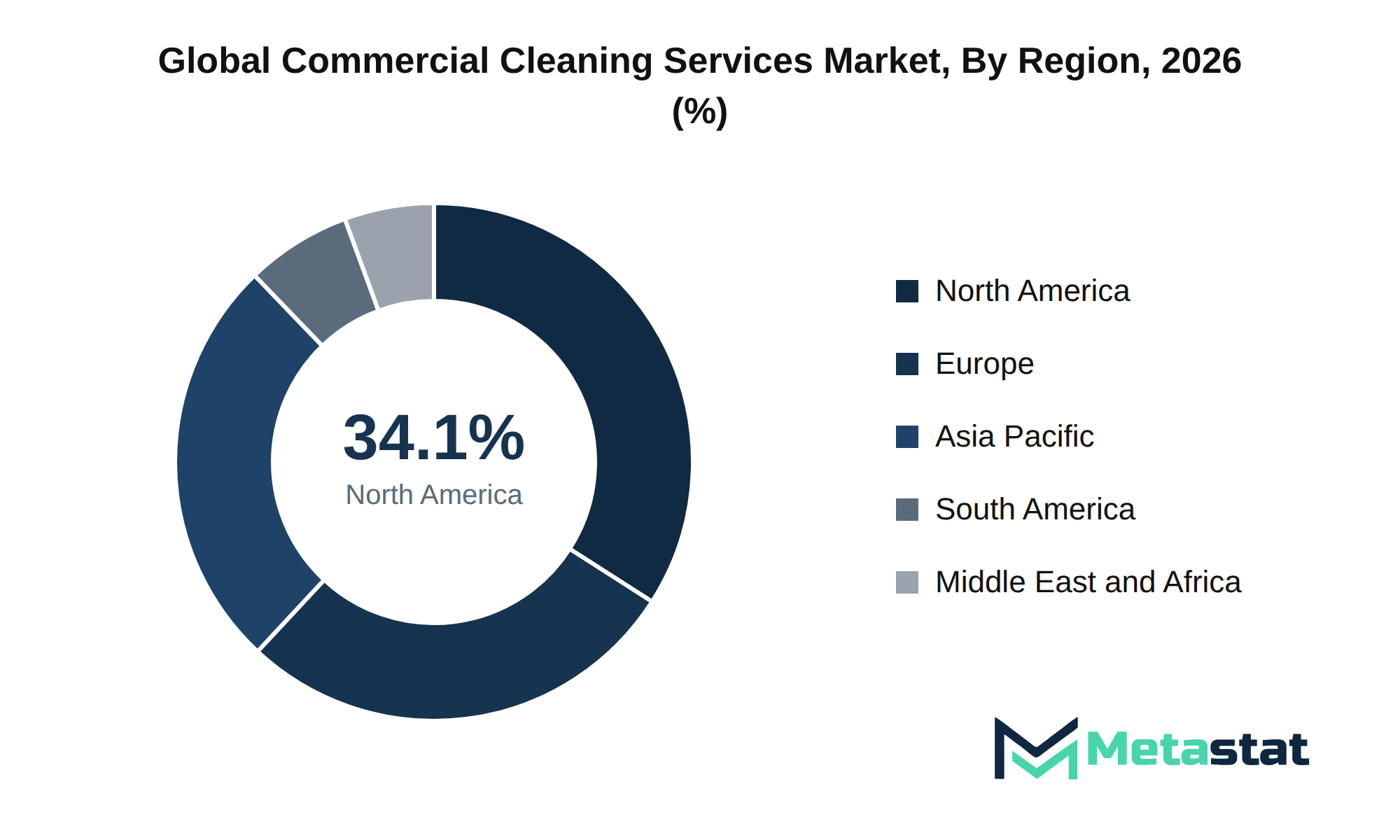
The Commercial Cleaning Services market experiences significant involvement from a diverse range of players, with companies employing various strategies to enhance their market position. Mergers and acquisitions play a crucial role, driven by firms seeking to consolidate their operations and expand their geographical reach. Strategic partnerships and alliances facilitate collaborative efforts among industry participants, allowing them to leverage complementary strengths and resources.
Pricing architectures and commercial models vary across the market, with several companies focusing on eco-friendly techniques to differentiate their offerings. This strategic differentiation caters to an increasingly environmentally conscious consumer base. The presence of established players including ABM Industries Incorporated, Aramark Corporation, and ServiceMaster Clean highlights the competitive intensity within the market.
Barriers to entry remain significant, driven by established brand equity and customer retention strategies that create switching costs for consumers. The threat of new entrants persists due to the complexities involved in building a reputable brand in the commercial cleaning sector. Companies including GDI Integrated Facility Services Inc. / GDI Ainsworth and ISS A/S exemplify organizations that have successfully navigated these challenges, further strengthening their market positions.
Technological advancements contribute to a competitive edge, with firms investing in proprietary technologies and innovative cleaning techniques. The focus on research and development enhances product offerings, enabling companies to stay ahead in the dynamic market. Overall, the competitive outlook for the Commercial Cleaning Services market remains robust, with strategic growth vectors driving expansion and innovation.
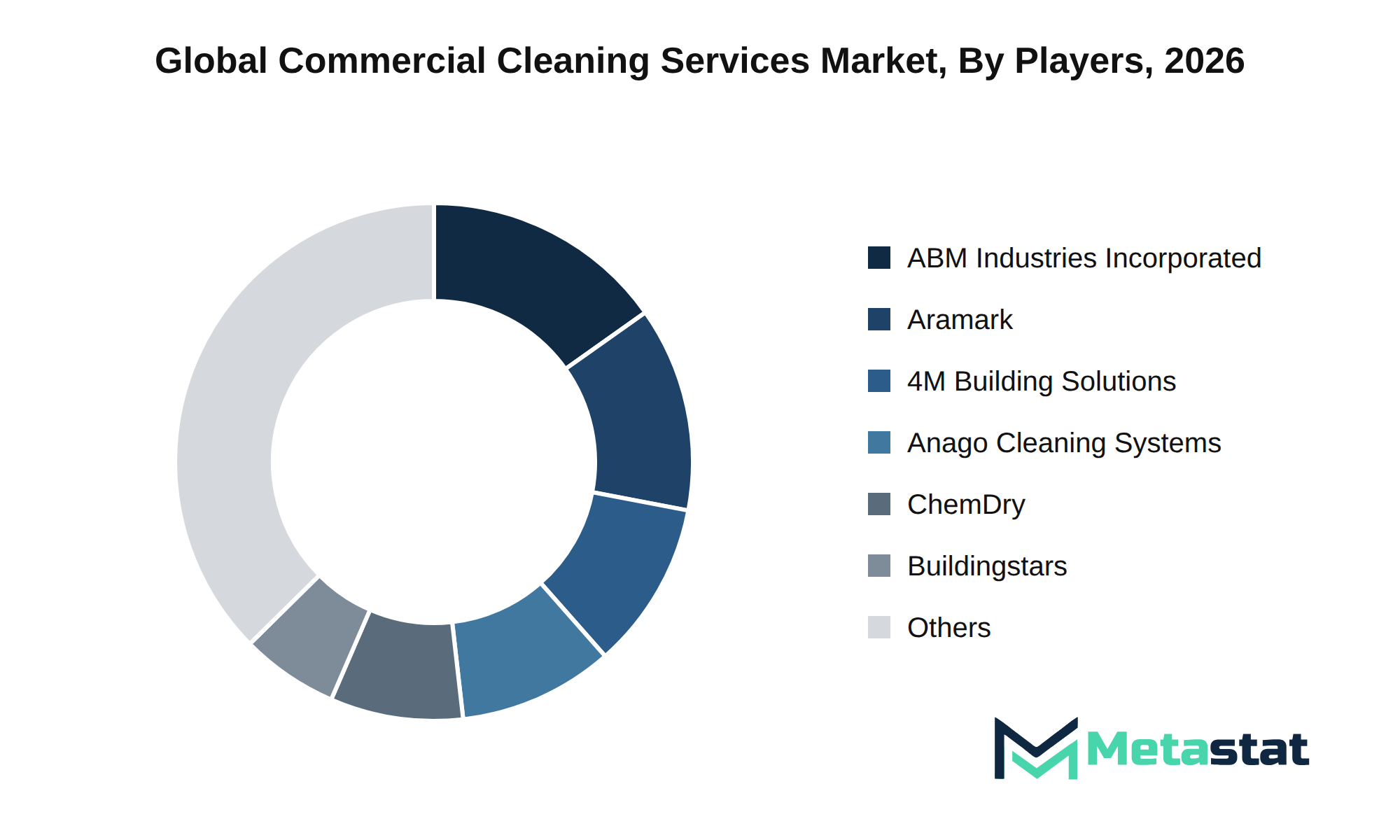
Market size is forecast to rise from USD 240.9 billion in 2025 to over USD 407.9 billion by 2033. The base case projects growth at a compound annual growth rate (CAGR) of 6.8%. This expansion results from multiple factors influencing downstream demand and overall market dynamics.
Economic cycles impact demand for commercial cleaning services, with growth expected during periods of economic stability. Conversely, downturns tend to reduce expenditure on cleaning services, reflecting budget constraints in corporate facilities. Regulatory evolution shapes the market; compliance milestones related to health and safety standards drive demand for enhanced sanitation and disinfection practices.
Technological integration plays a critical role in the future of the commercial cleaning services market. Next-generation cleaning technologies, including automated cleaning systems and eco-friendly solutions, enhance operational efficiency and address evolving consumer preferences. Strategic capital allocation in infrastructure commitments supports increased capacity and innovation within the industry.
Geopolitical realignments and trade corridor shifts impact supply chains, making adaptability essential for service providers. These factors create emerging opportunities in underserved markets, leading to potential high-growth pockets that industry players should explore. Identifying unmet enterprise needs remains crucial for capturing new clients and increasing market share.
The commercial cleaning services market experiences a blend of structural shifts and technological advancements. Ongoing investments in research and development and a focus on compliance will guide future growth strategies, ensuring the market remains resilient and responsive to changing demands.
The report strategically identifies and profiles the key market players and analyses their core competencies in each sub-segment of the Commercial Cleaning Services market.
Report Attributes | Details |
Study Period | 2021-2033 |
Base Year | 2025 |
Estimated Year | 2026 |
Forecast Period | 2026-2033 |
Historical Period | 2021-2025 |
Growth Rate | CAGR 6.8% from 2026 to 2033 |
Revenue Unit | USD billion |
Segmentation | By Service Type, End-Use Industry, Service Frequency, Technique, and Region |
By Region | North America (By Service Type, End-Use Industry, Service Frequency, Technique, and Country)
|
Europe (By Service Type, End-Use Industry, Service Frequency, Technique, and Country)
| |
Asia Pacific (By Service Type, End-Use Industry, Service Frequency, Technique, and Country)
| |
South America (By Service Type, End-Use Industry, Service Frequency, Technique, and Country)
| |
Middle East and Africa (By Service Type, End-Use Industry, Service Frequency, Technique, and Country)
|
Find answers to common questions about this report
The Metastat Insights study indicates that the Commercial Cleaning Services market size was valued at USD 240.9 billion in 2025.
The Commercial Cleaning Services market is projected to grow at a CAGR of 6.8% during the forecast period from 2026 to 2033.
The North America Commercial Cleaning Services market size is estimated to reach USD 129.9 billion by 2033.
The segment leading the Commercial Cleaning Services market is Routine Janitorial Cleaning, with a projected value of USD 157.6 billion by 2033. This segment demonstrates significant growth potential, driven by increasing demand for consistent cleaning services across various industries.
Key drivers for the Commercial Cleaning Services market include economic growth, urbanization, technological advancements, and sustainability trends. Rising GDP levels and population influx in urban areas generate increased demand for cleaning services, while digital tools and eco-friendly practices enhance operational efficiency and align with consumer preferences.
North America holds the dominant share of the Commercial Cleaning Services market, with a projected value of USD 129.9 billion in 2033, representing 34.1 percent of the total market.
Regulatory compliance represents a significant restraint within the Commercial Cleaning Services market, complicating operations and requiring substantial investments. Macroeconomic challenges, including inflationary pressures and skilled labor deficiencies, increase operational costs and strain budgets, inhibiting growth potential.
The expansion of the global economy, rising urbanization, and technological advancements favor product adoption in the Commercial Cleaning Services market. Increased corporate profitability drives higher spending on cleaning services, while advanced technologies enhance operational efficiency and meet evolving consumer expectations. Sustainability trends further compel companies to seek eco-friendly cleaning solutions, aligning with corporate responsibility initiatives.
The Commercial Cleaning Services market is estimated to reach a valuation of USD 407.9 billion by 2033.
Key players in the Commercial Cleaning Services market include ABM Industries Incorporated, Aramark Corporation, ChemDry, ISS A/S, Jan-Pro Franchising, Inc., Jani-King International, Inc., and Sodexo S.A.
The analysts below cover Professional Services research at Metastat Insights.
LEAD ANALYST
Utkarsh Khirodkar is a Lead Market Research Analyst at MetaStat Insight, specializing in market intelligence, technology sector assessments, and competitive strategy.

PRINCIPAL CONSULTANT - ENTERPRISE AI & EMERGING TECHNOLOGIES
Banking & Finance · Electronics and Semiconductor · Energy and Power · Healthcare IT · Information & Technology · Professional Services
Vijay Gunti is a Principal Consultant at MetaStat Insight, bringing over two decades of experience across enterprise digital transformation, technology strategy, and intelligent systems.

PRINCIPAL CONSULTANT - QUALITY SYSTEMS & COMPLIANCE
Electronics and Semiconductor · Machinery & Equipment · Professional Services
Omkar Phadtare is an Industry Consultant at MetaStat Insight, specializing in quality systems, regulatory compliance, and standards benchmarking to drive data-driven market intelligence and strategic industry research.

LEAD CONSULTANT - COMMUNICATION, TELECOM, AND IT
Electronics and Semiconductor · Information & Technology · Machinery & Equipment · Professional Services
Ravindra Sathe Consultants for Communication, Telecom, and IT at MetaStat Insight. He leads the firm's industry research initiatives across telecommunications infrastructure, digital connectivity, enterprise networking, and emerging information technology domains.
Evaluating calorific value requirements and air permit compliance across municipal waste facilities requires localized data. Metastat Insight structured their analysis around operational throughput capacity and feedstock composition variations in Latin America and Eastern Europe. Their competitive mapping of sorting equipment vendors helped clarify technology differences between optical separators and heavy media systems. The study provided an objective baseline during our capital expenditure reviews.
Decarbonizing industrial thermal processes hinges on refrigerant regulations and compressor efficiency limits. Metastat Insights delivered a thorough market analysis that evaluated natural refrigerants like CO2 and hydrocarbons against synthetic low-GWP alternatives. The breakdown of utility incentives and grid capacity constraints across key European manufacturing hubs offered valuable perspective. The follow-up conversation with their sector analysts addressed our specific questions on mechanical vapor recompression systems efficiently.
Assessing 200mm wafer transition schedules and substrate supply bottlenecks requires precise technical intelligence. MetaStat Insight supplied an actionable breakdown comparing planar and trench MOSFET architectures across automotive and industrial drive markets. The regional capacity estimates for Asia-Pacific foundries helped clarify lead-time uncertainties during our strategic planning session. When we needed additional clarification on high-purity raw material sourcing, their analyst team responded with helpful context within twenty-four hours.
Explore related market intelligence reports worth reading alongside this one.