
LEAD ANALYST
Utkarsh Khirodkar is a Lead Market Research Analyst at MetaStat Insight, specializing in market intelligence, technology sector assessments, and competitive strategy.

Global Advanced Transportation Biofuels Market Size, Share, By Fuel Type (Renewable Diesel (HVO), Sustainable Aviation Fuel (Bio-SAF), Cellulosic & Advanced Ethanol, Biomethane (Bio-CNG & Bio-LNG), Advanced Biodiesel (Waste/Residue-Based FAME), Biomethanol, Biobutanol & Higher Bio-Alcohols, Others (Renewable Gasoline, Bio-DME)), By Feedstock (Waste Oils, Fats & Greases, Agricultural Residues & Lignocellulosic Crop Waste, Forestry & Wood Residues, Municipal Solid Waste, Industrial Off-Gases & Biogenic Carbon Streams, Non-Food Energy & Intermediate Crops, Algae & Aquatic Biomass, Others (Sewage Sludge, Food-Processing Residues)), By Technology (Hydrotreating / HEFA-HVO, Cellulosic Hydrolysis & Fermentation, Alcohol-to-Jet (ATJ), Gasification & Fischer-Tropsch (FT), Anaerobic Digestion & Biomethane Upgrading, Gas Fermentation, Pyrolysis & Bio-Oil Upgrading, Hydrothermal Liquefaction, Others (Aqueous-Phase Reforming, Bio-DME Synthesis)), By End-Use (Road Transportation, Aviation, Marine & Inland Waterway Transport, Rail Transportation, Off-Highway Vehicles & Equipment), Industry Analysis, Growth, Trends, and Forecast, 2026-2033
Report ID
MSI-5243
Published
September, 2026
Pages
269 Pages
Format
Historical
Base year
Forecast
Forecast period
Report Details
Market Valuation: Valued at $21.2 Billion in 2025, projected to reach $48.1 Billion by 2033 at a 10.8% CAGR.
Dominant Segment: The Renewable Diesel (HVO) segment leads the market, driven by stringent regulatory frameworks that emphasize reduced greenhouse gas emissions and enhanced fuel sustainability.
Geographic Lead: North America and Europe are at the forefront of market growth, fueled by increasing environmental awareness and supportive regulatory policies promoting sustainable energy solutions.
What's Inside: The report provides comprehensive competitive coverage, detailed analyses of market dynamics, and a forecast window extending from 2026 to 2033.
Emerging Trends: Technological advancements in feedstock processing and production methods are creating significant opportunities, enhancing efficiency and reducing costs in the biofuels sector.
Choose Your License
Global Advanced Transportation Biofuels Market
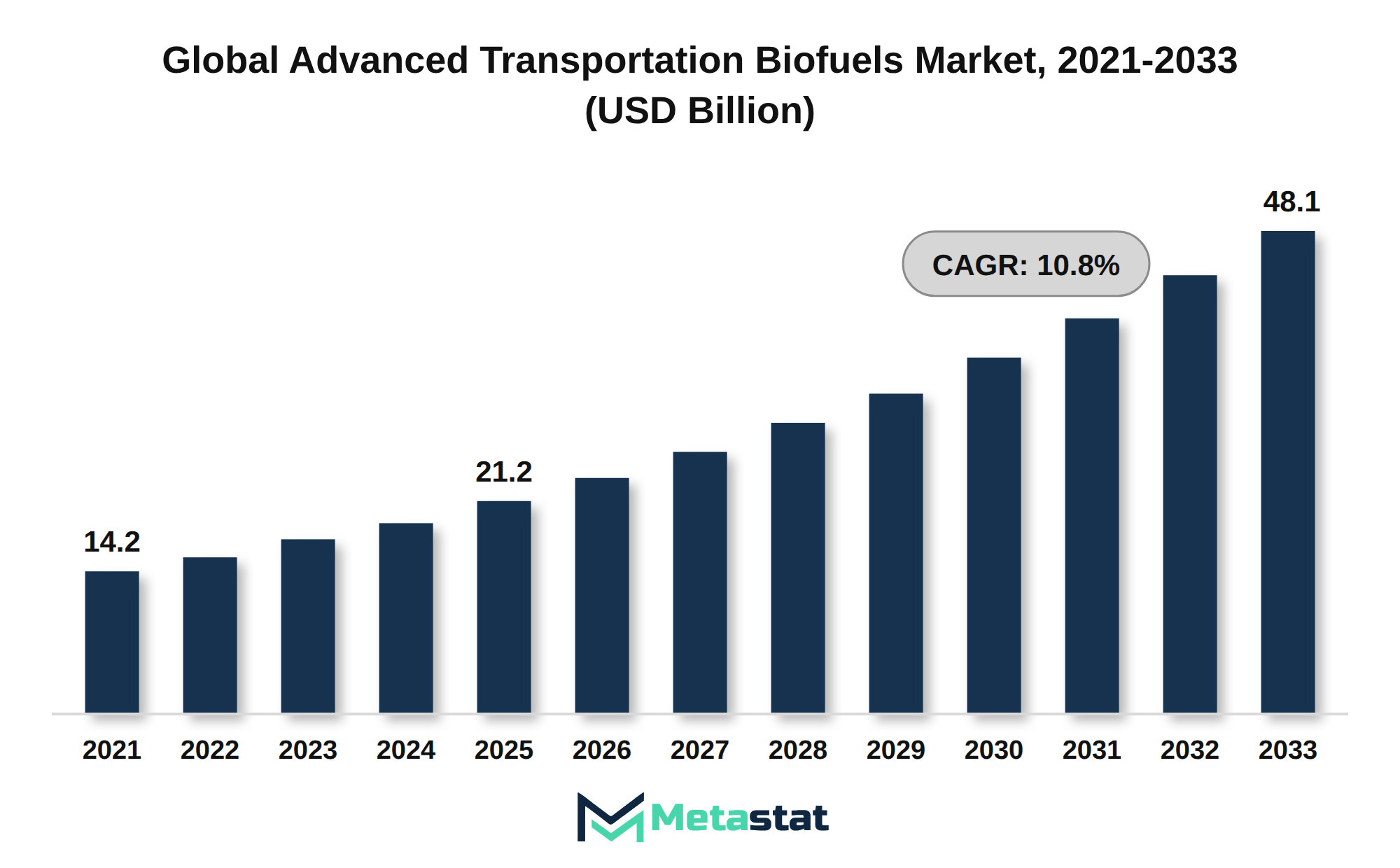
The global Advanced Transportation Biofuels market was valued at USD 21.2 billion in 2025 and is projected to reach USD 48.1 billion by 2033, growing at a CAGR of 10.8% over the forecast period.
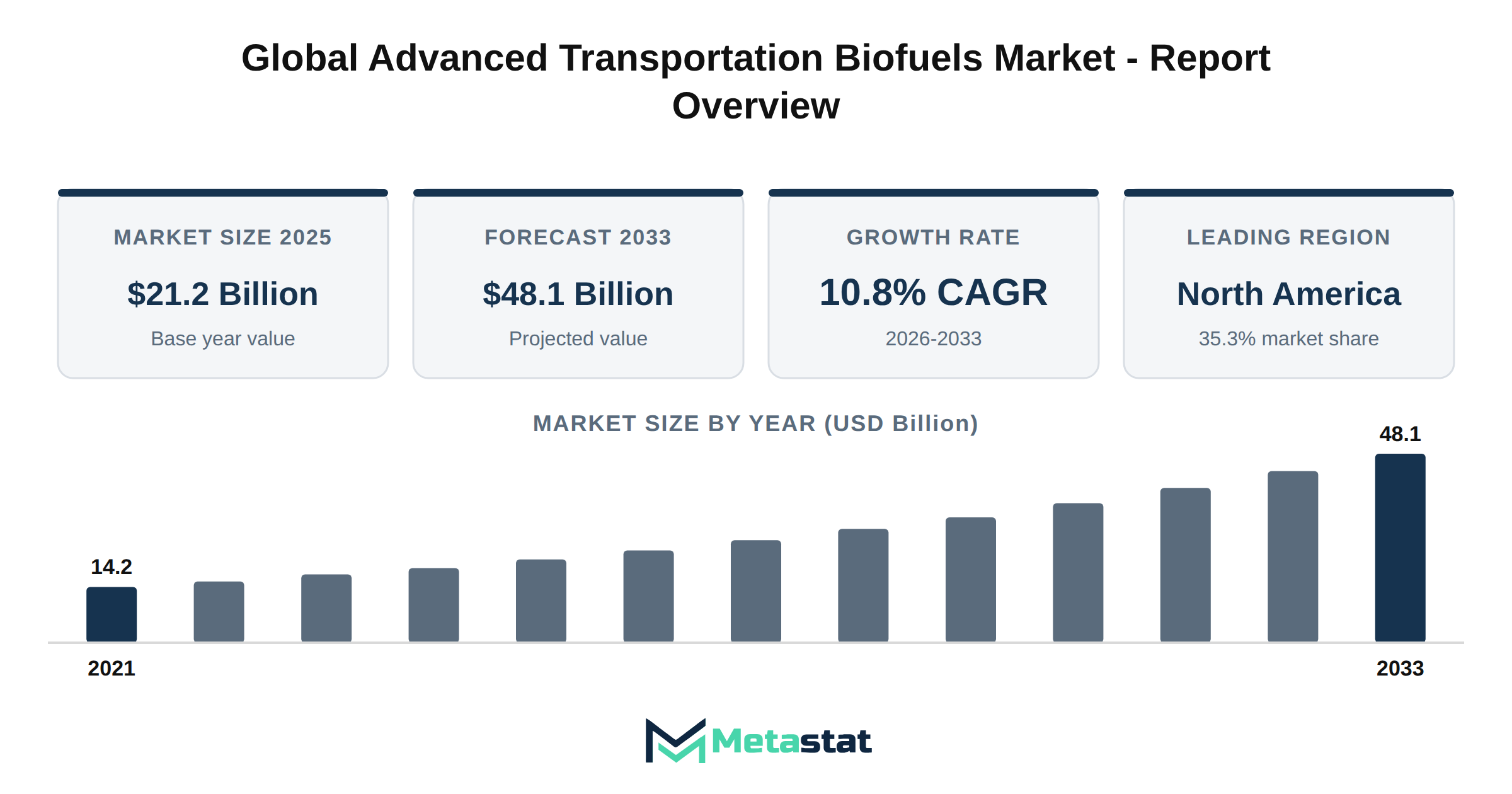
The Advanced Transportation Biofuels market is experiencing significant growth, driven by increasing demand for sustainable energy sources and stringent regulations aimed at reducing carbon emissions. The market's value reached USD 21.2 billion in 2025 and is projected to expand to USD 48.1 billion by 2033, reflecting a compound annual growth rate (CAGR) of 10.8%. This growth trajectory highlights the rising importance of advanced biofuels in meeting global energy needs and environmental goals.
Pricing dynamics in the advanced biofuels sector present a complex landscape influenced by several factors, including feedstock availability, production costs, and market demand. Pricing premiums for sustainable aviation fuel (SAF) and renewable diesel (HVO) arise from the higher costs associated with sustainable production methods and the need for advanced processing technologies. These premiums contribute to the overall cost structure of the market, impacting both suppliers and end-users.
Supply-chain infrastructure supporting SAF and HVO development is evolving rapidly. Investments in production facilities and distribution networks enhance accessibility and reliability for consumers. This infrastructure development ensures that advanced biofuels reach various end-use sectors effectively, including aviation, road transportation, and marine applications.
Storage, blending, and fuel-quality requirements play a critical role in the performance and acceptance of advanced biofuels. Ensuring compatibility with existing fuel systems and meeting rigorous quality standards is essential for widespread adoption. This focus on quality assures consumers and regulators that advanced transportation biofuels deliver reliable performance while meeting sustainability targets.
Biofuel mandates and low-carbon fuel policies significantly influence market dynamics. Governments worldwide implement policies to encourage the adoption of renewable energy sources, driving demand for advanced transportation biofuels. These regulatory frameworks create a favorable environment for investment, supporting growth in production capacity and innovation.
Feedstock availability remains a crucial consideration within the market. Sourcing sustainable feedstocks, including waste oils, fats, and agricultural residues, presents opportunities and challenges for producers. Traceability risks associated with feedstock sourcing require robust systems to ensure compliance with sustainability standards and regulations, impacting the overall supply chain.
Offtake, bunkering, and aviation-fueling partnerships facilitate the market's growth. Collaborations between biofuel producers and airlines or transportation companies enhance market reach and support the development of necessary infrastructure. These strategic alliances contribute to a more streamlined supply chain, ultimately benefiting consumers with improved access to advanced biofuels.
Regulatory compliance, standards, and regional risk frameworks shape the operational landscape of the market. Adhering to these regulations is essential for producers to maintain their competitive edge and ensure ongoing market access. Disruptions in the supply chain impact production and availability, highlighting the need for strategic planning and risk management.
Research and development trajectories within the advanced transportation biofuels market focus on next-generation innovations and sustainable transformation. Investment in R&D facilitates the discovery of new technologies and processes that enhance production efficiency and reduce environmental impact. These advancements drive the market toward a more sustainable future, aligning with global decarbonization goals and circular economy dynamics.
The logistics architecture and sourcing landscape continue to evolve, reflecting the growing complexity of the market. Efficient logistics systems are essential for ensuring timely delivery and maintaining quality standards throughout the supply chain. Market fragmentation and M&A dynamics influence competitive positioning, with strategic acquisitions enabling companies to expand their capabilities and market presence.
The value chain of advanced transportation biofuels involves multiple stakeholders, from feedstock suppliers to end-users. Understanding the customer journey dynamics is critical for producers to effectively meet market demands and preferences. Capital allocation strategies, focusing on infrastructure investments, are essential for supporting growth and enhancing operational capacity in the market.
This strategic outlook emphasizes the importance of high-value recommendations for stakeholders in the advanced transportation biofuels sector. Companies prioritize sustainable practices, innovation, and collaboration to thrive in a competitive environment. The market's future hinges on the ability to adapt to changing consumer preferences and regulatory landscapes while pursuing operational efficiencies and sustainable growth.
Advanced biofuel pricing reflects a complex set of factors including production costs, feedstock prices, and market demand. Premiums for advanced biofuels, particularly Sustainable Aviation Fuel (SAF) and Hydrotreated Vegetable Oil (HVO), are influenced by supply chain dynamics and regulatory frameworks. Fluctuating crude oil prices further impact biofuel pricing, creating a challenging environment for producers and consumers alike.
The supply chain infrastructure for SAF and HVO remains a critical element in the market. Investments in refining capacities and distribution networks are essential for meeting the growing demand. Collaboration among producers, airlines, and fuel suppliers is vital for developing effective supply chains that ensure consistent fuel quality and availability.
Storage, blending, and fuel-quality requirements significantly affect market operations. Compliance with stringent fuel specifications necessitates advanced storage solutions and blending techniques. Producers ensure that their products meet the necessary quality standards to maintain market competitiveness.
Biofuel mandates and low-carbon fuel policies play a crucial role in shaping market dynamics. Regulatory support drives demand for advanced transportation biofuels, encouraging investment in production and infrastructure. Countries with aggressive decarbonization targets present significant opportunities for growth, creating a favorable environment for advanced biofuels.
Feedstock availability and traceability risks significantly impact production capabilities. Sustainable sourcing of feedstocks is essential for maintaining supply chain integrity and ensuring compliance with environmental standards. Producers focusing on traceability enhance their market position by addressing consumer and regulatory concerns.
Offtake agreements, bunkering, and aviation-fueling partnerships are essential for enhancing market stability. These collaborations facilitate the integration of advanced transportation biofuels into existing fuel infrastructures, ensuring reliable supply for end-users. Strong partnerships among stakeholders drive innovation and efficiency within the market.
Regulatory compliance and standards significantly shape market operations. Adherence to evolving regulations ensures that producers maintain their competitive edge while contributing to broader sustainability goals. The effective management of regional risk frameworks is crucial for navigating market challenges.
Investment in research and development trajectories is vital for advancing next-generation innovations in the advanced transportation biofuels market. Sustainable transformation initiatives drive decarbonization efforts and promote circular economy dynamics, creating a more resilient market ecosystem.
The supply chain environment is characterized by increasing complexity, necessitating a robust logistics architecture. Companies investing in sourcing landscape optimization enhance operational efficiency and market responsiveness. This dynamic environment encourages competition and prompts companies to adopt innovative approaches to procurement and customer journey dynamics.
Market fragmentation presents both challenges and opportunities. M&A dynamics influence competitive strategies, enabling companies to strengthen their market positions. The value chain remains interconnected, highlighting the importance of strategic partnerships and capital allocation for future growth.
Infrastructure investments are critical for addressing capacity constraints and enhancing market accessibility. A strategic outlook focusing on corporate imperatives facilitates the alignment of resources with market demands, ensuring sustainability and long-term success in the advanced transportation biofuels market.
Increasing emphasis on emission limits significantly influences the Advanced Transportation Biofuels market. Stricter environmental regulations, designed to combat climate change and improve air quality, encourage the adoption of biofuels driven by sustainable alternatives to fossil fuels. Various industries, particularly transportation, face pressure to reduce their carbon footprints, prompting investments in renewable fuel technologies.
Investments in infrastructure to support biofuel production and distribution are accelerating, driven by demand from both consumers and manufacturers seeking to align with sustainability goals. Companies in the aviation and road transportation sectors prioritize the transition to biofuels to comply with evolving regulations and enhance their environmental credentials. This shift not only aids in meeting regulatory requirements but creates an environment of innovation, leading to advancements in production technologies and efficiency.
The focus on emission limits creates a favorable capital investment environment, supporting long-term growth in the market. The anticipated rise in consumer demand for greener transportation solutions strengthens the market’s expansion prospects, driving a shift toward sustainable practices across multiple sectors. Enhanced regulatory frameworks encourage the development of advanced biofuels, establishing a robust foundation for future growth.
The Advanced Transportation Biofuels market experiences significant investment growth driven by infrastructure development, which enhances production capacity and distribution networks. Increased capital expenditure on renewable energy facilities, specifically biofuel production plants, supports the expansion of operational capabilities. This focus on infrastructure enables producers to meet rising demand for sustainable fuel alternatives resulting from global shifts toward cleaner energy sources.
Investment in advanced transportation biofuels infrastructure strengthens regional supply chains, allowing for localized production strategies that minimize transportation costs and environmental impact. Building facilities closer to feedstock sources reduces logistical challenges, thereby improving economic efficiency. Enhanced infrastructure encourages collaboration among stakeholders, including public-private partnerships that leverage funding for innovative projects aimed at meeting sustainability goals.
Technological integration within newly developed infrastructures plays a critical role. Automation and digital transformation initiatives streamline operations, reduce overhead costs, and increase productivity. Incorporating advanced technologies, including AI and process digitization, optimizes resource allocation and enhances operational efficiency across the market.
While the infrastructure landscape evolves, long-term investment strategies gain traction. This trend further drives the growth of the advanced transportation biofuels market. A well-developed infrastructure supports the adoption of cleaner fuels and aligns with global sustainability mandates, reinforcing the commitment to reducing carbon footprints across multiple industries.
The Advanced Transportation Biofuels market faces significant challenges owing to regulatory tightening and compliance hurdles. Increasingly stringent regulations require companies to adapt operations, leading to higher costs associated with meeting legal mandates. These compliance requirements burden manufacturers, particularly in regions with evolving environmental standards, and slow the pace of market entry for new players.
Macroeconomic headwinds continue to affect investment in the sector. High inflationary pressures contribute to capital stagnation, deterring potential investors. This financial environment hampers growth by limiting the availability of funds necessary for technological advancements, thereby increasing the risk of technological obsolescence. Investors often hesitate to commit to new projects amid uncertain economic conditions, directly impacting the market's capacity to expand and innovate.
Supply chain disruptions and geopolitical instability present additional obstacles. The market relies heavily on a stable supply of feedstocks and technologies, and any interruptions impact production timelines. Unpredictable geopolitical events lead to resource scarcity, further complicating supply chains and raising operational costs for companies involved in biofuel production. This unpredictability creates additional barriers to market entry, particularly for emerging players.
Infrastructure gaps and connectivity deficits impede the adoption of advanced transportation biofuels. Insufficient distribution networks hinder the effective deployment of biofuels across various end-use sectors. Deployment bottlenecks result from inadequate infrastructure investment, which delays the integration of biofuels into existing transportation systems and constrains overall market growth.
Labor market challenges present further difficulties. A shortage of skilled labor affects production capabilities due to companies struggling to find qualified personnel capable of operating advanced technology. The rising overhead associated with workforce management increases operational costs, diminishing profitability. Consequently, these factors restrict the overall growth trajectory of the Advanced Transportation Biofuels market.
Market fragmentation and cultural barriers restrict growth potential. Diverse regional regulations and varying consumer acceptance levels introduce complexity that complicates market strategies for companies. The combination of these factors contributes to a slower adoption rate for advanced transportation biofuels, ultimately affecting the market's overall expansion.
Geopolitical fragmentation has emerged because a notable challenge in the Advanced Transportation Biofuels market, creating barriers to trade and complicating supply chain dynamics. Trade deficits and tariff friction contribute to increased costs and uncertainty, impacting pricing strategies and profitability across the sector. Stakeholders within the industry face difficulties in securing stable feedstock supplies, owing to nations implementing protectionist measures that disrupt traditional sourcing patterns.
The integration of advanced technologies requires complex research and development efforts, straining resources and slowing innovation cycles. This compression of available talent intensifies workforce skill gaps, making it challenging for companies to retain qualified personnel necessary for advancing biofuel technologies. The evolving legal landscape introduces compliance overhead that necessitates continuous adaptation, complicating operational efficiency.
Environmental lifecycle footprints and decarbonization mandates impose sustainability demands that require significant investment in retrofitting existing infrastructure. These challenges create implementation bottlenecks that delay market progression. Rising input cost structures generate pricing pressures that hinder the competitive positioning of new entrants, ultimately leading to market saturation in certain segments.
Logistics disruptions and supply chain instability exacerbate these issues, creating vulnerabilities in production and distribution channels. This instability challenges the market's ability to meet changing downstream demands effectively, potentially stifling growth opportunities and limiting the scope for innovation. Addressing these multifaceted challenges remains crucial for stakeholders aiming to navigate the evolving Advanced Transportation Biofuels market successfully.
Significant opportunities arise in the Advanced Transportation Biofuels market owing to emerging regional demands and rapid technological disruptions. Regions including North America and Europe increasingly focus on sustainable energy solutions, driven by heightened environmental awareness and regulatory support. This shift leads to a growing appetite for renewable fuels across various applications, particularly in transportation and aviation.
Technological advancements play a crucial role in enhancing production efficiency and reducing costs associated with biofuel generation. Innovations in feedstock processing, including improved waste oils and agricultural residues conversion methods, enable producers to optimize resource utilization while meeting stringent sustainability standards. Consequently, investments in research and development of next-generation biofuels align with evolving consumer preferences for eco-friendly alternatives.
The market experiences geographical expansion resulting from new players entering, driven by favorable conditions for biofuel production and distribution. This expansion stimulates competitive dynamics, encouraging collaborations and strategic partnerships among industry stakeholders. Companies diversify their portfolios and integrate various biofuel types, adapting the market structure to cater to specific regional demands.
The Advanced Transportation Biofuels market is poised for significant growth, supported by emerging regional demands and ongoing technological innovations. This growth trajectory presents opportunities for stakeholders committed to advancing sustainable fuel solutions while addressing the pressing challenges of climate change and resource scarcity.
The Global Advanced Transportation Biofuels market is segmented based on Fuel Type, Feedstock, Technology, and End-Use.
Renewable Diesel (HVO) segment is valued at USD 7.2 billion in 2026 and is projected to reach USD 13.9 billion by 2033, at a CAGR of 9.8% during the forecast period. Increasing adoption of renewable diesel is driven by stringent regulatory frameworks emphasizing reduced greenhouse gas emissions and enhanced fuel sustainability. Industries including transportation and logistics recognize the benefits of transitioning to renewable diesel, which provides compatibility with existing diesel engines and infrastructure, ensuring efficient integration into current operations.
Technological advancements in production methods enhance the segment’s growth trajectory. Innovations in hydrotreating and hydroprocessed esters and fatty acids (HEFA) production increase efficiency and yield, attracting investments and driving market expansion. End-use dynamics, particularly in road transportation and aviation, indicate a surge in demand for low-carbon fuels, further supporting the segment's prospects. The segment benefits from a positive consumption shift towards sustainable fuel alternatives, aligning with global energy transition goals.
Cost structures for renewable diesel production are influenced by feedstock prices and processing technologies. Fluctuations in raw material availability create pricing volatility, impacting profit margins. However, the resilience of supply chains, along with strategic partnerships for feedstock sourcing, helps mitigate risks associated with logistics vulnerabilities. Increased investments in this segment are expected to yield significant returns, contributing to the overall growth of the Advanced Transportation Biofuels market.
Sustainable Aviation Fuel (Bio-SAF) segment is estimated to reach USD 9.6 billion by 2033, at a CAGR of 14.3% during the forecast period. Increasing environmental regulations and the aviation sector's commitment to reducing greenhouse gas emissions drive demand for Bio-SAF. Airlines increasingly adopt this fuel to meet sustainability targets, responding to growing consumer demand for eco-friendly travel options. Innovations in production processes, including the use of feedstocks like agricultural residues, facilitate the growth of this segment, enhancing production efficiency and reducing costs.
Investment in new technologies, including advanced fermentation and gasification, supports the maturation of Bio-SAF, enabling the production of high-quality fuel from diverse raw materials. Regulatory compliance standards, including mandates for blending renewable fuels, further support market expansion. While the aviation industry evolves, strategic partnerships between fuel producers and airlines strengthen supply chain resilience, ensuring consistent access to Bio-SAF. The market anticipates substantial growth opportunities resulting from airport infrastructure development to accommodate Bio-SAF fueling capabilities.
Growth in the Cellulosic & Advanced Ethanol segment aligns with increasing regulatory pressures for cleaner fuels and the transition towards renewable energy sources. The demand for sustainable biofuels stems from transportation sectors prioritizing lower emissions, particularly in road and aviation applications. Regulatory compliance standards push organizations to adopt more environmentally friendly fuels, enhancing interest in cellulosic and advanced ethanol.
Investment in technological maturation facilitates the development of efficient production methods, further improving the segment's value proposition. Innovations in feedstock management, alongside advanced fermentation techniques, streamline the conversion of biomass into high-quality ethanol. These advancements create opportunities for new entrants and existing players to broaden production capabilities.
Cellulosic & Advanced Ethanol segment is expected to reach USD 7.6 billion by 2033. This growth trajectory derives from heightened awareness regarding sustainability and the need for diversified energy sources in the transportation sector. Consequently, strategic opportunity windows emerge for companies to expand their portfolios, especially those focusing on innovations in biofuel technologies.
Challenges related to raw material sourcing affect the segment, driven by competition for biomass that escalates with rising demand for multiple applications. Addressing these sourcing vulnerabilities through sustainable practices becomes essential for maintaining consistent supply chains. While pricing volatility reflects fluctuating feedstock availability, margins experience pressure, compelling producers to adopt efficient operational practices.
Organizations pivot towards greener solutions, and the Advanced Transportation Biofuels market begins to experience shifts in consumption patterns. The end-use dynamics favor segments that demonstrate substantial environmental benefits while offering competitive pricing. Thus, the shift towards cellulosic and advanced ethanol solutions stands crucial for meeting future energy demands and supporting sustainable transportation strategies.
Growing environmental awareness and regulatory pressures drive demand for Biomethane (Bio-CNG & Bio-LNG) within the Advanced Transportation Biofuels market. High emission standards lead various industries to seek sustainable alternatives, boosting the adoption of this biofuel. Advancements in production technologies enhance the efficiency and cost-effectiveness of biomethane, creating new opportunities for suppliers and end-users alike.
Biomethane's applications span multiple sectors, including transportation, manufacturing, and energy, contributing to significant consumption shifts. The aviation and marine industries increasingly integrate biofuels including biomethane to reduce carbon footprints and meet regulatory compliance standards. The segment is projected to grow at a CAGR of 11.6% during the forecast period.
Technological maturation of gasification and anaerobic digestion processes serve because crucial catalysts for segment expansion. Next-gen upgrades in production facilities enable more efficient raw material utilization, ultimately improving margins for producers. Strategic investments within the sector focus on developing infrastructure for distribution and storage, further enhancing the market's growth trajectory.
While opportunities abound, pricing volatility and cost structures present challenges for stakeholders. Fluctuating feedstock availability influences production costs, affecting market competitiveness. Nonetheless, the strategic opportunity windows available through partnerships and innovations in biogas production offer a resilient pathway for market players to enhance their positions.
Growing interest in sustainable energy solutions contributes to the demand for Advanced Biodiesel (Waste/Residue-Based FAME) within the Advanced Transportation Biofuels market. Increased regulations targeting greenhouse gas emissions and environmental sustainability drive companies to seek cleaner alternatives for energy sources. Industries including transportation and aviation increasingly focus on reducing their carbon footprints, positioning advanced biodiesel because a viable solution. The push for decarbonization aligns with consumer preferences for greener products, enhancing the segment's relevance in the market.
Technological advancements play a crucial role in expanding the capabilities of waste and residue feedstocks for biodiesel production. Innovations in refining processes improve the efficiency and viability of various feedstocks, including used cooking oils and agricultural residues. This progress enhances the appeal of advanced biodiesel, allowing it to compete with traditional fossil fuels and positioning it favorably in the market.
Regulatory compliance standards significantly influence market dynamics, with evolving policies mandating a transition to cleaner fuels. Governments worldwide are implementing incentives and mandates to support the adoption of advanced biofuels, including biodiesel. These policies create a favorable environment for investment in the segment, further stimulating growth in the Advanced Transportation Biofuels market.
Raw material sourcing and supply chain resilience remain critical factors for the viability of advanced biodiesel production. Securing sustainable feedstocks and managing logistics efficiently are vital for manufacturers aiming to maintain competitive pricing and supply reliability. Strategic partnerships and investments in local sourcing initiatives enhance resilience against potential disruptions in the supply chain.
Competitive pricing pressures arise from fluctuating raw material costs and market dynamics. The ability to leverage waste and residue feedstocks contributes to a more stable production cost structure, allowing producers to adapt to market changes effectively. This adaptability positions advanced biodiesel favorably within the Advanced Transportation Biofuels market, because producers seek to maintain margins while meeting growing consumer demand.
Growth in the Biomethanol segment aligns with increasing demand for sustainable fuel alternatives. Factors driving this demand include rising regulatory pressure for emissions reduction, which compels various industries to adopt cleaner fuel sources. Companies in the transportation sector, particularly those involved in logistics and aviation, actively seek out viable biofuel options to comply with stringent environmental regulations.
Technological advancements enhance the production of Biomethanol, spurring adoption across multiple applications. Innovative techniques in biomass conversion, particularly gasification and fermentation processes, contribute to the segment's evolution. The emergence of next-generation upgrades reinforces Biomethanol's position because a key player in the Advanced Transportation Biofuels market.
Downstream application dynamics highlight the increasing utilization of Biomethanol in road transportation and aviation. Consumption shifts reflect a broader trend toward renewable energy sources, with consumers and businesses alike prioritizing sustainability. These factors position Biomethanol favorably among alternative fuels, driving its acceptance and integration into existing energy systems.
Regulatory compliance standards significantly shape market dynamics. Policies promoting renewable energy adoption create a favorable environment for Biomethanol development and investment. However, cost structures remain a critical consideration for producers, because raw material sourcing and production expenses influence pricing and profit margins.
Supply chain resilience proves essential for the Biomethanol segment, with raw material availability impacting production capabilities. Logistics vulnerabilities arise, necessitating strategic adjustments within the supply chain to ensure consistent access to feedstocks. These considerations inform investment strategies, with key stakeholders identifying strategic opportunity windows for enhanced capital allocation in this growing sector. This segment is expected to see increased focus on optimizing supply chain efficiencies.
Growing interest in biofuels continues to influence the demand for Biobutanol and Higher Bio-Alcohols within the Advanced Transportation Biofuels market. This sub-segment benefits from various factors, including the evolution of biofuel production techniques and heightened awareness regarding sustainable fuel alternatives. Technological advancements enhance production efficiency, enabling the development of higher-quality bioalcohols that fulfill performance and regulatory standards demanded by the market.
The expansion of this sub-segment aligns with increasing demand from end-use industries, particularly in road transportation and aviation. Stricter emissions regulations compel industries to seek cleaner energy options, driving interest in Biobutanol and Higher Bio-Alcohols, attributed to viable solutions. End-users recognize the potential for these biofuels to lower carbon emissions, which aligns with global sustainability goals and enhances their market appeal.
Investment in research and development supports the technological maturation of Biobutanol and Higher Bio-Alcohols, leading to product evolution and improved functionalities. While more companies prioritize renewable energy sources, the Advanced Transportation Biofuels market experiences a shift in consumption patterns, prompting suppliers to adapt their offerings to meet emerging preferences. The ongoing evolution in policy and certification standards further shapes the market, influencing production methods and raw material sourcing strategies.
Substitution risks associated with traditional fossil fuels enhance the attractiveness of Biobutanol and Higher Bio-Alcohols, driven by alternatives. Continuous innovation and strategic partnerships facilitate capital investment in this sub-segment, ensuring resilience in the supply chain and the availability of necessary feedstocks. The interaction of various market dynamics contributes to the ongoing development and competitiveness of Biobutanol and Higher Bio-Alcohols within the broader Advanced Transportation Biofuels market.
Growing interest in renewable gasoline and Bio-DME contributes to the expansion of this segment within the Advanced Transportation Biofuels market. Regulatory compliance standards increasingly prioritize lower carbon emissions, steering organizations toward alternative fuels and driving demand for these biofuels. Technological advancements enhance production processes, enabling greater efficiency and cost-effectiveness in developing these products.
End-use dynamics play a vital role, particularly within sectors like transportation, where sustainable fuels are essential for reducing overall emissions. Shifts in consumption patterns toward greener alternatives support the adoption of renewable gasoline and Bio-DME, aligning with broader sustainability goals. This transition reflects a strategic opportunity for manufacturers to innovate and adapt products that meet emerging market needs.
Challenges persist, including potential substitution risks from other biofuels and disruptions caused by shifts in raw material sourcing. Maintaining supply chain resilience is crucial to ensure the steady delivery of feedstocks necessary for biofuel production. Overall, these factors shape the trajectory of the segment, influencing growth and integration into the larger Advanced Transportation Biofuels market.
Valued at USD 8.3 billion in 2026, the Waste Oils, Fats & Greases segment is projected to reach USD 16.1 billion by 2033, at a CAGR of 9.9% during the forecast period. Increasing regulatory compliance standards around waste management and renewable energy adoption drive robust demand for waste-derived biofuels. This segment's expansion aligns with global shifts towards sustainability, where stakeholders in the transportation sector emphasize the need for cleaner fuel alternatives. Consumption patterns reflect growing acceptance of biofuels, particularly among industries aiming to reduce carbon footprints and enhance fuel performance.
This segment benefits from advancements in processing technologies, leading to improved efficiencies in converting waste materials into biofuels. Significant investments in research and development facilitate technological maturation, allowing for next-generation upgrades that enhance feedstock versatility and yield. While the Advanced Transportation Biofuels market evolves, the focus on waste oils, fats, and greases will likely intensify, presenting strategic opportunity windows for stakeholders prepared to capitalize on emerging trends.
Valued at USD 11.1 billion by 2033, the Agricultural Residues & Lignocellulosic Crop Waste segment demonstrates a CAGR of 11.3% during the forecast period. This growth results from an increasing emphasis on sustainable and eco-friendly practices within agriculture, leading to a surge in raw material availability. Producers leverage agricultural residues and crop waste to create biofuels, significantly contributing to the reduction of greenhouse gas emissions. Demand for these biofuels is supported by regulatory frameworks promoting renewable energy sources, driving investment in innovative processing technologies. Technological advancements in production methods enhance yield and efficiency, positioning this segment for substantial growth within the Advanced Transportation Biofuels market. Rising consumer awareness of environmental issues and favorable policies strengthen market dynamics, attracting new entrants and enhancing competition.
Market interest in forestry and wood residues is growing due to the increasing demand for feedstock in the Advanced Transportation Biofuels market. Rising regulatory emphasis on sustainability encourages the adoption of biofuels derived from these sources. This segment is projected to reach USD 5.1 billion by 2033, reflecting a significant opportunity for biofuel producers and stakeholders.
Technological advancements in converting forestry and wood residues into biofuels enhance the appeal of this feedstock. Emerging methods for extracting energy from these materials drive efficiency and reduce waste, aligning with environmental goals across various industries. The evolution of conversion technologies supports the growth of this segment by improving yield and lowering production costs.
Shifts in consumption patterns contribute to the demand for alternative feedstocks. Industries seeking to comply with stringent emissions regulations increasingly turn to forestry and wood residues for their biofuel needs. The growing demand for these resources strengthens market dynamics and attracts more investments in production facilities oriented towards them.
Market players recognize the strategic opportunity in developing supply chains that leverage forestry and wood residues. Sourcing raw materials from sustainable forestry practices ensures compliance with environmental standards while enhancing market competitiveness. While regulatory frameworks evolve, this segment stands to gain from increased awareness and acceptance of biofuels derived from sustainable feedstock.
Rapidly increasing awareness around waste management fuels interest in the Municipal Solid Waste segment within the Advanced Transportation Biofuels market. This segment benefits from rising regulatory pressures to minimize landfill waste and promote circular economy initiatives. Investments in technologies that convert municipal solid waste into biofuels enhance resource utilization and reduce environmental impacts.
The Municipal Solid Waste segment is projected to grow at a CAGR of 11.9% during the forecast period. This growth is driven by advancements in conversion technologies, which increase efficiency in biofuel production. Municipalities and private sectors seeking sustainable waste solutions strengthen market dynamics through cooperation among stakeholders.
Market participants recognize the potential of transforming municipal solid waste into valuable energy resources, aligning with broader sustainability goals. The development of strategic partnerships between waste management companies and biofuel producers enhances raw material availability and reduces costs. This collaboration promotes a reliable supply chain and creates growth opportunities within the segment.
Regulatory compliance standards significantly influence the segment, pushing for increased adoption of biofuels derived from municipal solid waste. Governments implementing policies supporting renewable energy contribute to the expected flourishing of the municipal biofuels market. This segment exemplifies the movement towards innovative solutions that address energy needs while minimizing environmental footprints.
Interest in Industrial Off-Gases & Biogenic Carbon Streams arises from the increasing push for carbon reduction and sustainability within the Advanced Transportation Biofuels market. This sub-segment offers significant potential for the utilization of industrial by-products and waste materials, enhancing the overall sustainability profile of biofuels. The coupling of Environmental, Social, and Governance (ESG) criteria with corporate operational strategies drives adoption among producers seeking to enhance their green credentials.
Technological advancements in carbon capture and utilization enable the transformation of industrial off-gases into viable feedstock for biofuels. Companies adopting these technologies position themselves competitively by tapping into growing environmental regulations and consumer demand for lower carbon emissions. This dynamic fuels interest among end-users in various sectors, including transportation and aviation, where reducing carbon footprints aligns with corporate sustainability goals.
Regulatory compliance further shapes the landscape, with governments establishing stricter emission standards that encourage the adoption of biofuels derived from waste sources. Policies promoting circular economy practices align with sustainability initiatives and create opportunities for growth within the market. A focus on waste management and resource efficiency will continue to influence strategic investments in this sub-segment.
While the market evolves, challenges related to raw material sourcing and supply chain resilience persist. Addressing these vulnerabilities ensures consistent availability of industrial off-gases for conversion processes. Ongoing exploration of disruptive alternatives contributes to a more diverse feedstock base, enhancing the market's adaptability and resilience.
Investment in this sub-segment is expected to thrive, driven by both public and private funding aimed at advancing technological maturation and next-gen upgrades. Strategic opportunity windows allow market players to innovate and evolve product offerings, meeting the demands of an increasingly sustainability-focused consumer base.
Interest in Non-Food Energy & Intermediate Crops stems from the increasing demand for sustainable and environmentally friendly feedstock options in the Advanced Transportation Biofuels market. This segment enhances feedstock diversity, reduces reliance on food crops, and addresses food security concerns while meeting renewable energy targets.
Adoption of non-food energy crops results from advancements in agricultural practices and technology, which improve yield and lower production costs. This evolution enables producers to cultivate crops specifically designed for biofuel production, including high-yielding varieties that require fewer resources compared to traditional crops.
The segment benefits from favorable regulatory compliance standards and incentives aimed at promoting renewable energy sources. Governments worldwide implement policies that support the use of advanced biofuels, driving interest among producers to invest in non-food energy crops, reflecting a viable feedstock option.
Raw material sourcing becomes a strategic focus, with suppliers exploring diverse cultivation practices to mitigate risks associated with climate change and market volatility. This exploration ensures a consistent supply of feedstock while enhancing supply chain resilience within the market.
Investment in downstream applications contributes to increased utilization of non-food energy crops, with various industries recognizing their potential in biofuel production. Consequently, producers explore strategic opportunity windows arising from market dynamics, positioning themselves to capitalize on growing demand for sustainable energy solutions.
Interest in alternative feedstocks, including Algae & Aquatic Biomass, aligns with increasing regulatory pressures to reduce greenhouse gas emissions and achieve sustainability targets. While technology advances, the conversion processes for algae into biofuels become more efficient, allowing for larger-scale applications and increased output. The inherent ability of algae to absorb carbon dioxide and absorb nutrients from wastewater positions this feedstock because a viable option for meeting the growing energy demands of the Advanced Transportation Biofuels market.
Investment in algae-based biofuels benefits from strategic partnerships and collaborations among industry stakeholders. These alliances enhance research and development initiatives, focusing on optimizing cultivation methods and extraction techniques. A broadening range of applications in road transportation, aviation, and marine transport fuels drives interest in algae-derived solutions, contributing to the diversification of the overall biofuels portfolio.
Regulatory compliance standards intensify the push for sustainable options, compelling producers to seek feedstocks that offer lower environmental impacts. Algae and aquatic biomass present significant advantages due to their rapid growth rates and the ability to thrive in diverse environments, which enhances supply chain resilience. This adaptability supports the market's evolution and positions algae because a formidable player among traditional feedstocks.
Cost structures associated with algae cultivation are subject to fluctuations affected by technological advancements and resource availability. Continuous improvements in production efficiency help mitigate pricing volatility while enhancing profit margins. Algae solutions prove their commercial viability and emerge because an essential component in fulfilling the growing demand for renewable energy alternatives within the Advanced Transportation Biofuels market.
Increased focus on sustainability and waste management drives interest in processing sewage sludge and food-processing residues for biofuel production. Environmental regulations promote the adoption of innovative feedstocks, enhancing waste management efficiency and reducing landfill contributions. This approach aligns with broader objectives of resource recovery and circular economy practices, appealing to stakeholders in the transportation and energy sectors.
Technological advancements enhance the conversion processes of these feedstocks, making them feasible options for biofuel production. Emerging methods and refining techniques contribute to efficient extraction and processing, potentially decreasing overall production costs. The evolving market creates strategic opportunity windows for new entrants and established players, encouraging investment in research and development.
Market dynamics show a shift towards more sustainable practices and renewable energy sources, influencing the downstream applications of biofuels derived from these feedstocks. Industries in transportation, energy, and agriculture seek to incorporate cleaner alternatives, which boosts demand across the Advanced Transportation Biofuels market. Ongoing regulatory support and incentives further encourage adoption, positioning this segment for substantial growth.
Valued at USD 8.8 billion in 2026, the Hydrotreating / HEFA-HVO segment is projected to reach USD 16.5 billion by 2033, at a CAGR of 9.5% during the forecast period. Increasing demand for cleaner fuels within the transportation sector drives the expansion of this segment. Regulatory frameworks promoting renewable energy adoption alongside rising consumer preferences for sustainable products enhance market dynamics. Adoption of Hydrotreating / HEFA-HVO technology allows producers to convert various feedstocks into high-quality renewable diesel, effectively meeting stringent fuel specifications.
Technological maturation contributes significantly to the segment's growth, enabling innovations that enhance production efficiency and reduce operational costs. Continuous investment in research and development yields next-gen upgrades that improve yield and process reliability. The market for advanced transportation biofuels benefits from evolving product offerings that cater to diverse end-use applications, including road transportation and aviation. Such shifts in consumption patterns highlight the increased focus on renewable alternatives to fossil fuels.
Increasing awareness surrounding sustainability influences corporate strategies, prompting significant capital investments aimed at expanding production capacities. Pricing volatility poses challenges. Effective supply chain management and strategic sourcing of raw materials help mitigate risks. The market landscape for Hydrotreating / HEFA-HVO remains optimistic, with strategic opportunity windows emerging because companies navigate regulatory compliance standards and certifications, ensuring alignment with global sustainability goals.
Technological advancements in biofuel production techniques significantly influence the growth of the Cellulosic Hydrolysis & Fermentation segment. This segment benefits from increasing investments in research and development focused on optimizing efficiency and reducing costs associated with cellulosic feedstocks. The market for advanced transportation biofuels experiences heightened interest in sustainable alternatives, driving demand for innovative solutions that employ non-food biomass.
Cellulosic Hydrolysis & Fermentation processes offer high potential for converting a wide range of feedstocks into valuable transportation fuels. The segment is projected to reach USD 7.7 billion by 2033, with a CAGR of 10.1% during the forecast period. Regulatory compliance standards and increasing policy support for renewable energy initiatives enhance the competitive landscape, encouraging stakeholders to invest in cellulosic technologies.
Consumer preferences continue to shift towards sustainable energy solutions, driving product evolution in the market. The successful integration of cellulosic biofuels into existing transportation infrastructures facilitates their adoption across various end-use applications, including road and aviation transport. Strengthened supply chain resilience for raw material sourcing supports the growth trajectory of the segment, ensuring stable access to diverse feedstocks for production.
Projected growth in the Alcohol-to-Jet (ATJ) segment reflects the increasing demand for sustainable aviation fuel solutions. Technological maturation, particularly in fermentation and conversion processes, enhances the feasibility of bio-based jet fuel. Innovations in production techniques contribute to cost reduction, ultimately benefiting airline companies focused on sustainability and compliance with stricter emissions regulations. The segment is expected to reach USD 4.4 billion by 2033, highlighting its significance within the Advanced Transportation Biofuels market.
Strong emphasis on sustainable aviation drives investments in the ATJ segment, attracting attention from major industry players. The growing portfolio of certifications and compliance standards regarding emissions fuels competition among producers, urging advancements in technology. Airlines and fuel manufacturers increasingly recognize the strategic opportunity presented by this segment, driven by their desire to align with global decarbonization goals. Enhanced production capabilities and downstream applications of ATJ fuel in aviation highlight its potential to reshape fuel consumption patterns, thereby reinforcing demand in the market.
Gasification & Fischer-Tropsch (FT) segment is projected to grow at a CAGR of 11.1% during the forecast period. Increasing awareness regarding greenhouse gas emissions drives a shift toward sustainable fuel technologies. This shift aligns with regulatory measures promoting low-carbon solutions across multiple industries, including transportation and energy. The focus on reducing reliance on fossil fuels drives investments into this segment, enhancing its growth potential in the Advanced Transportation Biofuels market.
Technological maturation plays a critical role in competitive positioning for producers in this market. Advancements in gasification processes and Fischer-Tropsch synthesis enhance efficiency and yield, contributing to lower production costs. Improvements in carbon capture and utilization further strengthen this segment, appealing to environmentally conscious investors and consumers.
Market dynamics reflect a move toward more efficient production methods, underpinning the evolution of downstream applications. Sectors including aviation, marine, and heavy-duty transportation increasingly adopt FT fuels due to favorable performance characteristics and a lower emissions profile. Consequently, this trend results in expanding market opportunities for stakeholders within the Advanced Transportation Biofuels market.
Growing emphasis on sustainable practices contributes to the appeal of Anaerobic Digestion & Biomethane Upgrading within the Advanced Transportation Biofuels market. This segment attracts attention due to its potential for converting organic materials into valuable energy resources, aligning with global efforts to reduce greenhouse gas emissions. Technological maturation enhances the efficiency and scalability of anaerobic digestion processes, enabling wider adoption across various industries.
Regulatory compliance standards increasingly shape the operational landscape for this segment. Stricter environmental regulations drive investments in anaerobic digestion technologies, ensuring that facilities adhere to emission targets while optimizing waste management. Consequently, downstream applications in sectors including agriculture and energy generation benefit from these advancements, resulting in enhanced resource recovery and overall sustainability.
Capital investment outlook remains robust, with stakeholders recognizing the strategic opportunities presented by this segment. The escalation in demand for renewable energy solutions fuels interest in anaerobic digestion technologies, prompting further research and development efforts. Businesses adapt to shifting consumer preferences towards greener alternatives, and the market experiences significant momentum, reinforcing the importance of Anaerobic Digestion & Biomethane Upgrading in shaping the future of the Advanced Transportation Biofuels market.
Growing focus on innovative approaches to energy generation drives interest in gas fermentation within the Advanced Transportation Biofuels market. This technology transforms waste materials into biofuels through microbial processes, aligning with sustainability goals and reducing environmental impact. Increasing demand for cleaner energy sources intensifies adoption among various industries, particularly those seeking to meet stringent regulatory compliance standards.
Technological advancements in gas fermentation, including the development of more efficient strains of microorganisms, enhance production capabilities. While industries evolve, the segment experiences expansion catalysts linked to next-generation upgrades and product evolution. These advancements contribute to the attractiveness of gas fermentation, particularly in downstream applications including road transportation and aviation.
Regulatory frameworks increasingly favor sustainable practices, further supporting gas fermentation's growth trajectory. The segment is positioned to leverage strategic opportunity windows arising from policy initiatives promoting renewable energy sources. Consequently, capital investment in gas fermentation technologies is projected to remain robust, driving innovation and competitive differentiation in the market.
Cost structures influence the economic viability of gas fermentation, with raw material sourcing presenting both challenges and opportunities. Securing sustainable feedstocks enhances supply chain resilience, positioning the segment favorably against potential disruptions. While market dynamics evolve, participants in the Advanced Transportation Biofuels market navigate pricing volatility and margin pressures while capitalizing on disruptive alternatives and technological maturation.
Growing adoption of Pyrolysis & Bio-Oil Upgrading technology in the Advanced Transportation Biofuels market stems from the increasing demand for sustainable and efficient biofuel production methods. This technology enables the conversion of biomass into bio-oil, which serves because an alternative to conventional fossil fuels, aligning with global trends towards carbon neutrality and energy transition. Stakeholders in the biofuels sector recognize the importance of this technology to meet regulatory compliance standards aimed at reducing greenhouse gas emissions.
Technological maturation drives the expansion of this segment, with advancements enhancing the efficiency of pyrolysis processes and bio-oil refining. The evolution of next-generation upgrades introduces innovative techniques that improve yield and reduce operational costs, increasing market viability. This segment benefits from strategic opportunities presented by increasing investment in renewable energy projects and initiatives promoting circular economy concepts.
End-use dynamics significantly influence market growth, with applications spanning road transportation, aviation, and marine sectors. The demand for cleaner fuels across these sectors drives consumption shifts towards bio-oils derived from pyrolysis processes. Regulatory frameworks supporting biofuels adoption further enhance the attractiveness of this technology, ensuring alignment with environmental goals and energy policies.
Supply chain resilience remains a critical factor, particularly concerning raw material sourcing. Ensuring a consistent supply of feedstock for pyrolysis processes, including agricultural residues and waste materials, presents both opportunities and challenges in maintaining operational efficiency. Monitoring costs and potential pricing volatility associated with feedstock availability is essential for sustaining competitive margins within the market.
Growing recognition of Hydrothermal Liquefaction (HTL) technology aligns with increasing demand for renewable energy sources and the need for sustainable waste management solutions. The process effectively converts biomass into biofuels, addressing several environmental concerns while meeting energy demands. Key drivers include the growing emphasis on reducing carbon footprints and governments implementing stricter regulations to promote cleaner energy alternatives.
Technological maturation significantly impacts HTL, promoting advancements in processing efficiency and feedstock versatility. Next-gen upgrades enable the utilization of a broader range of biomass inputs, enhancing overall yield and performance. This adaptability supports market expansion, driven by diverse industries exploring innovative applications for biofuels derived from HTL.
Downstream applications in sectors including transportation, aviation, and marine fuel increasingly rely on HTL-derived biofuels, which contribute to emissions reduction goals. Consumption shifts towards more sustainable energy sources drive investment in this technology, establishing a solid foundation for future growth within the Advanced Transportation Biofuels market.
Regulatory compliance standards and certifications encourage investment in HTL technology, because firms seek to align with evolving environmental guidelines. Cost structures associated with HTL production become critical, with pricing volatility depending on feedstock availability and operational efficiencies. Maintaining margins in this space requires ongoing innovations to enhance profitability and reduce production costs.
Strategic opportunity windows emerge for firms investing in Hydrothermal Liquefaction, given the increasing global focus on sustainability. Addressing supply chain resilience and raw material sourcing challenges remains crucial, especially in a market characterized by fluctuating feedstock prices. This segment faces substitution risks from other renewable energy technologies, necessitating an agile response to market dynamics.
Disruptive alternatives pose challenges, yet they fuel innovation within HTL processes. Technological obsolescence remains a concern; thus, firms prioritize research and development to stay competitive. By capturing the strategic potential of Hydrothermal Liquefaction, participants capitalize on the growing interest in the Advanced Transportation Biofuels market, ensuring their relevance in an evolving energy environment.
Growing interest in Aqueous-Phase Reforming and Bio-DME Synthesis technology aligns with global sustainability initiatives and the demand for cleaner fuel alternatives. The shift toward renewable energy sources and stringent regulatory frameworks drives adoption in the Advanced Transportation Biofuels market. Innovations in these technologies facilitate the conversion of biomass into high-quality liquid fuels while minimizing carbon emissions, appealing to environmentally conscious consumers and businesses.
Segment expansion relies on advancements in catalytic processes and optimization techniques. Enhanced efficiency in production methods allows producers to achieve desired outcomes while reducing operational costs. Rising demand for effective waste management solutions encourages investments in these emerging technologies.
End-use dynamics reflect a growing focus on decarbonizing sectors including transportation and aviation. Stakeholders recognize the potential of Aqueous-Phase Reforming and Bio-DME Synthesis to provide sustainable feedstocks for these industries. Regulatory compliance standards incentivize the development and implementation of these technologies, establishing a framework for long-term growth.
Supply chain resilience strengthens through strategic partnerships and collaborations between technology providers and fuel manufacturers. Ensuring a stable raw material supply is critical for consistent production, while addressing substitution risks associated with traditional fossil fuels remains a priority. With potential for disruptive alternatives on the horizon, participants in the market are positioned to capitalize on next-generation upgrades and evolving consumer preferences.
Valued at USD 13.2 billion in 2026, the Road Transportation segment is projected to reach USD 24.8 billion by 2033, at a CAGR of 9.5% during the forecast period. The increasing demand for cleaner and more sustainable fuel options drives the growth of this segment. Regulatory pressures and consumer preferences for environmentally friendly transportation solutions significantly influence this demand. The ongoing transition towards electrification in transport presents both challenges and opportunities for biofuels, with a focus on integrating advanced biofuels into existing infrastructure.
Technological maturation enhances the efficiency and production capabilities of advanced transportation biofuels. Innovations in production processes, including hydrotreating and fermentation technologies, accelerate the adoption of biofuels in road transportation. These advancements contribute to reducing production costs and improving fuel performance, making biofuels a more attractive option for various stakeholders.
Next-generation upgrades in fuel formulations and blends further enhance the appeal of advanced transportation biofuels. Continuous improvements in product evolution, including the development of tailored biofuels for specific vehicle types, address the performance requirements of modern engines. This adaptability positions biofuels because a viable alternative to conventional fossil fuels, impacting consumption shifts in the market.
Compliance with regulatory standards and certifications remains a vital aspect for producers in the road transportation segment. These frameworks not only validate the sustainability of biofuels but provide a competitive edge in a market increasingly influenced by environmental considerations. Enhanced focus on emissions reductions and carbon neutrality aligns with consumer expectations and government mandates.
The strategic opportunity window for investment in the road transportation segment continues to expand, driven by increasing capital investments in biofuel production facilities. This growth outlook aligns with the broader trends in the Advanced Transportation Biofuels market, suggesting robust demand for sustainable transport solutions well into the future.
Aviation serves because a critical segment within the Advanced Transportation Biofuels market. Rapid advancements in technology and an increasing regulatory focus on sustainable practices significantly drive demand for sustainable aviation fuel. The aviation industry faces stringent emissions regulations, pushing stakeholders to adopt cleaner fuel alternatives to comply with environmental standards. These factors contribute to a heightened emphasis on biofuels, particularly in aviation, because airlines seek to reduce their carbon footprints and attract environmentally-conscious consumers.
Aviation segment is estimated to reach USD 10.9 billion by 2033, at a CAGR of 14.4% during the forecast period. This growth is primarily fueled by the rising investments in biofuel technology and infrastructure aimed at enhancing production capabilities. The growing willingness of airlines and operators to invest in sustainable practices further supports this trend, leading to an expansion in the production and use of advanced biofuels.
The shift towards sustainable aviation fuel aligns with broader consumption trends emphasizing environmental responsibility. Airlines increasingly recognize that adopting biofuels not only meets regulatory requirements but enhances their public image. While financial incentives and government policies increasingly favor cleaner fuels, the market for aviation biofuels is expected to experience significant growth, aligning with the overall objectives of the Advanced Transportation Biofuels market.
Increasing environmental regulations and a shift towards sustainable energy practices drive demand within the Marine & Inland Waterway Transport segment. These regulations require the shipping industry to adopt cleaner fuel alternatives, supporting the transition to biofuels driven by viable solutions. Adoption of advanced transportation biofuels contributes to reduced greenhouse gas emissions, enhancing the appeal to operators in this sector.
Technological maturation in biofuel production processes, including enhancements in feedstock conversion and efficiency, supports segment expansion. The emergence of new technologies facilitates the production of high-quality biofuels, aligning with industry goals for sustainability. This evolution creates competitive advantages among suppliers who invest in innovative methodologies.
Market dynamics indicate that the Marine & Inland Waterway Transport segment is expected to reach USD 6.9 billion by 2033. Growing interest in efficient and affordable fuel options further accelerates investment in advanced transportation biofuels. These developments align with broader trends influencing downstream applications, positioning this segment for substantial growth.
Regulatory compliance standards continue to shape market demand. Shipping companies prioritize renewable fuel sources to meet international emission targets. This imperative reinforces the demand for biofuels, ensuring long-term viability and competitiveness within the market.
Supply chain resilience remains vital for successful operations. Strategic partnerships among biofuel producers, logistics providers, and maritime operators enhance raw material sourcing and distribution efficiency. This collaboration mitigates risks associated with potential disruptions, reinforcing the market's stability and growth potential.
Rapid advancements in biofuel technology facilitate the transition towards cleaner energy in rail transportation. Regulatory frameworks promoting sustainability drive investments in advanced transportation biofuels, with rail operators increasingly seeking low-emission alternatives. The segment is projected to grow at a CAGR of 8.6% during the forecast period. Adoption of biofuels in rail applications improves energy efficiency and reduces carbon footprints, aligning with global environmental goals.
Market dynamics reflect a shift towards sustainable rail operations, with increasing demand for eco-friendly solutions influencing fuel choices. The competitive landscape encourages innovation and product development in biofuel offerings, enhancing their suitability for rail applications. Stakeholders benefit from improved public perception and compliance with stringent emission standards, supporting growth in the advanced transportation biofuels market.
Increased investment in infrastructure and technology upgrades enhances the refinement of biofuel feedstocks tailored for rail applications. This drive toward modernization positions rail transportation because a key end-use segment within the advanced transportation biofuels market, promoting long-term viability and expansion opportunities.
Growing demand for advanced transportation biofuels in off-highway vehicles and equipment arises from the need for improved fuel efficiency and reduced emissions. Operators increasingly seek sustainable and environmentally friendly alternatives to conventional fuels, aligning with global initiatives to minimize carbon footprints. This trend reflects a broader shift toward renewable energy sources across various sectors, demonstrating a commitment to sustainability.
Technological maturation enhances opportunities within this segment. Innovations in biofuel production technologies improve the performance characteristics of fuels, ensuring compatibility with existing engines and machinery. Enhanced formulations contribute to improved combustion efficiency, translating into better operational economics for end-users.
Regulatory compliance standards further drive the uptake of advanced transportation biofuels within off-highway applications. Governments worldwide continue to implement stringent emissions regulations, pressing equipment manufacturers and operators to adopt cleaner fuel alternatives. Compliance with these regulations creates an environment conducive to investment in biofuel adoption.
Strategic opportunity windows emerge for companies focusing on the development of tailored solutions for off-highway vehicles and equipment. Growth in sectors including agriculture, construction, and mining intensifies competition for cleaner fuel options, positioning biofuels because a viable choice. This competitive landscape encourages investment in innovative technologies and product evolution.
The off-highway vehicles and equipment segment within the advanced transportation biofuels market presents growth potential driven by demand for sustainable solutions, technological advancements, and regulatory pressures. While market dynamics evolve, operators and manufacturers are likely to prioritize investments in biofuels, setting the stage for expanded adoption in this crucial sector.
Based on geography, the Global Advanced Transportation Biofuels market is divided into North America, Europe, Asia-Pacific, South America, Middle East, and Africa.
North America demonstrates significant momentum in the Advanced Transportation Biofuels market, anticipated to expand at a CAGR of 10.8% within the forecast period, reaching a market size of USD 15.9 billion by the end of 2033. The region's share of the global market in 2025 stands at 35.3%, highlighting its important role in driving sector growth.
Demand in the United States, Canada, and Mexico arises from a combination of stringent environmental regulations and an increasing focus on renewable energy sources. The robust infrastructure supporting biofuel production alongside government incentives enhances adoption rates across the entire region.
Specific segments including Sustainable Aviation Fuel (Bio-SAF) expect strong progress, driven by heightened awareness of sustainable aviation practices. Renewable Diesel (HVO) benefits from increasing demand for cleaner fuel options within road transportation, reflecting the broader shift towards higher sustainability standards.
Investor interest in localized manufacturing and supply chain regionalization strengthens market dynamics. The presence of domestic market participants ensures a competitive landscape that promotes innovation and efficiency, further enhancing the attractiveness of the advanced biofuels sector.
Emerging market front-runners within North America provide promising opportunities for future growth, particularly in underpenetrated territories. These areas present strategic entry points for firms looking to capitalize on evolving consumer preferences for cleaner, sustainable transportation solutions.
The Advanced Transportation Biofuels market in North America benefits from a favorable regulatory framework, facilitating compliance and encouraging investment. Enhanced cooperation between governments and industry stakeholders drives the transition towards sustainable energy solutions, positioning the region because a leader in the global biofuels movement.
Regional dynamics within the Advanced Transportation Biofuels market reflect a blend of innovation, regulatory frameworks, and unique consumer behaviors. Countries including Germany, France, the UK, Italy, Spain, and Russia exhibit strong demand stemming from heightened environmental awareness and government initiatives aimed at reducing carbon emissions.
In 2025, Europe holds a notable share of the global market. This substantial presence results from a combination of investments in renewable technologies and an established infrastructure for biofuel production. The focus on Sustainable Aviation Fuel (Bio-SAF) illustrates a significant trend, with growth anticipated in sectors including aviation and road transportation.
Local manufacturers increasingly prioritize sustainable feedstocks, including Waste Oils, Fats, and Greases, contributing to economic viability and aligning with regional compliance mandates. This shift creates a competitive landscape where domestic producers leverage innovations in technology to enhance production efficiency and meet evolving market demands.
Efforts to modernize infrastructure and expand localized procurement dynamics play a crucial role in driving growth. Cross-border trade corridors facilitate access to diverse markets while geopolitical factors influence investment flows and regional partnerships. With increasing energy demands, the market in Europe is poised for continued expansion, driven by strategic investments and a focus on sustainable growth.
The Advanced Transportation Biofuels market in the Asia-Pacific region exhibits significant growth potential, primarily due to a combination of rising energy demands and stringent environmental regulations across key markets including China, Japan, and India. The focus on renewable energy sources supports the adoption of biofuels, particularly within transportation sectors, where innovations in fuel technology enhance efficiency and sustainability.
Infrastructure modernization is crucial for market expansion, with investments directed towards upgrading existing facilities and establishing new production plants. Countries within this region, including South Korea and Australia, are increasingly prioritizing localized manufacturing densities to streamline supply chains and reduce reliance on imports.
Emerging market front-runners are strategically positioning themselves to capture market share by investing in advanced biofuel technologies. Sustainable Aviation Fuel (Bio-SAF) shows promising growth prospects, particularly in nations like Japan and Australia, where aviation emissions reduction targets drive demand for cleaner fuel alternatives.
The market experiences dynamic competition, influenced by local procurement dynamics and cultural nuances in buyer behavior. Domestic players, including those in India and Southeast Asia, aim to capitalize on increased government support for renewable energy initiatives while adapting to changing consumer preferences.
Resource availability, including agricultural residues and waste feedstocks, plays a critical role in shaping the supply landscape. The region's ability to utilize these resources effectively positions it well for continued advancement in biofuel production, thus strengthening the overall resilience of the energy grid.
Looking forward, foreign direct investment (FDI) flows into the advanced transportation biofuels market are anticipated to increase, driven by favorable regulatory frameworks and incentives from local governments. This trend signals a growing acceptance of biofuels because a viable energy source, supporting future market growth across the region.
The Advanced Transportation Biofuels market in South America presents opportunities for growth driven by increasing investments in renewable energy initiatives. Brazil and Argentina lead the region due to their substantial agricultural output, providing a wide range of feedstocks for biofuel production. The market benefits from a supportive regulatory framework that encourages the adoption of sustainable energy sources. This focus on biofuels aligns with global trends aimed at reducing greenhouse gas emissions.
Infrastructure modernization plays a critical role in the advancement of the market. Enhanced transportation networks facilitate the distribution of biofuels, improving accessibility for consumers. The region holds a share of 7.00% of the global market in 2025, reflecting its potential to contribute significantly to the overall growth trajectory of advanced transportation biofuels.
Emerging market front-runners in South America focus on domestic production capabilities, aiming to reduce reliance on imported fuels. Cross-border trade corridors support the movement of biofuels across the region, while localized manufacturing densities enhance supply chain resilience. Collaboration between government and private sectors encourages investment in technology development, ensuring alignment with evolving consumer preferences.
The Advanced Transportation Biofuels market in South America presents a landscape rich in potential, driven by agricultural resources, infrastructure improvements, and regulatory support. This combination positions the region favorably for future growth within the global market.
The Advanced Transportation Biofuels market in the Middle East and Africa faces distinct challenges and opportunities shaped by local dynamics. Saudi Arabia and the UAE exhibit significant interest in diversifying their energy portfolios, driven by government initiatives aimed at enhancing energy sustainability. South Africa, with its ongoing transition towards renewable energy sources, presents an emerging market front-runner in the adoption of advanced biofuels.
Infrastructure modernization plays a critical role in the region, with investments targeting the enhancement of biofuel production capabilities and distribution networks. The market share of 3.5% in 2025 reflects the potential for growth, particularly in segments including Renewable Diesel and Sustainable Aviation Fuel. Local compliance mandates and regulatory frameworks influence the speed of market penetration, necessitating alignment with international standards and practices.
Competitive landscapes display a mix of established players and new entrants, creating a localized procurement dynamic that caters to specific regional needs. The focus on supply chain regionalization aligns with broader trends of nearshoring initiatives, enhancing resilience against global disruptions. Investment flows and strategic entry barriers highlight the potential for market growth and vendor consolidation trends, encouraging domestic players to strengthen their positions within the Advanced Transportation Biofuels market.
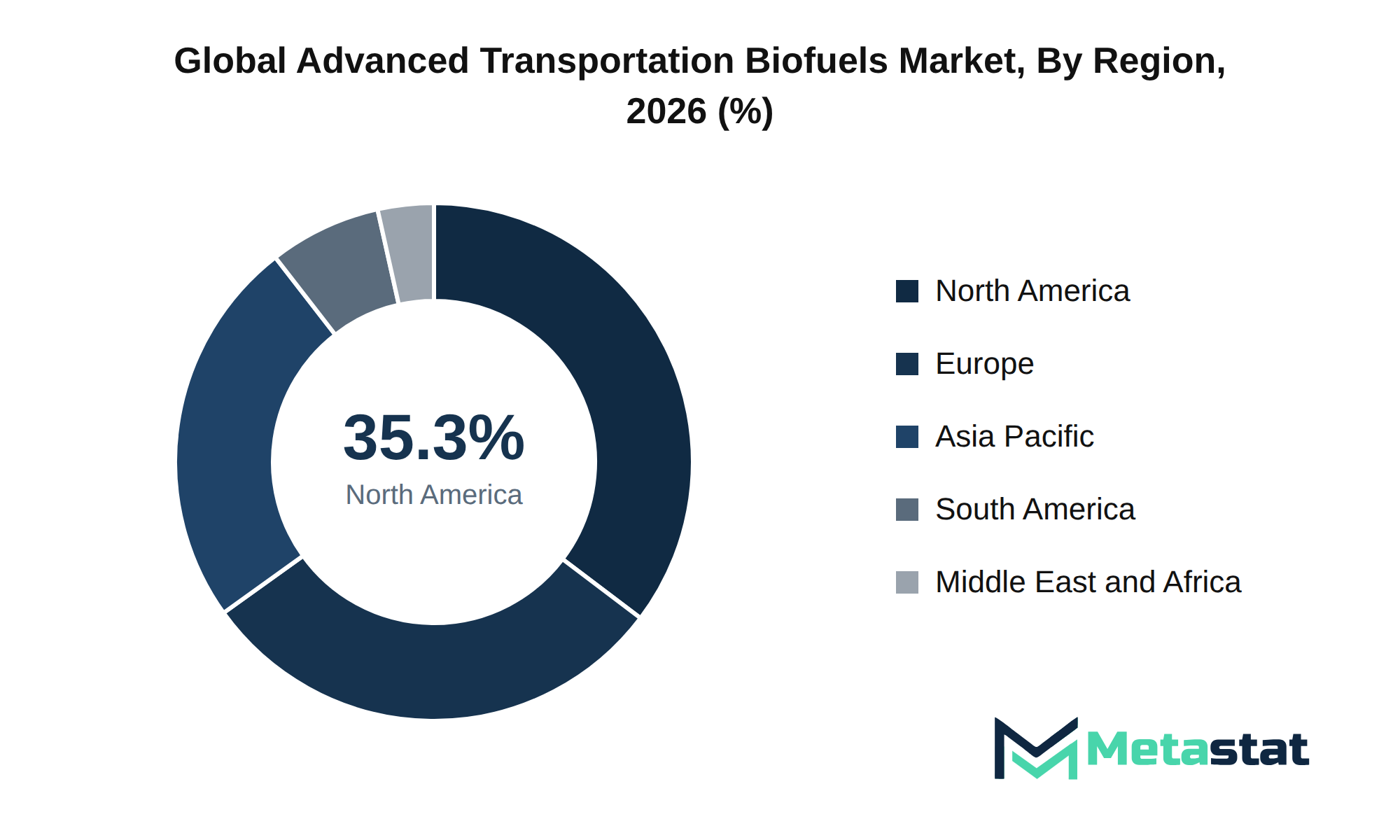
The competitive landscape of the Advanced Transportation Biofuels market presents a dynamic environment where established players employ various strategies to enhance their market positioning. Mergers and acquisitions play a critical role in consolidating resources and capabilities, enabling companies to expand their product offerings and geographic footprint. Key players including Neste Corporation, TotalEnergies SE, and Valero Energy Corporation have actively pursued strategic consolidations to strengthen their competitive edge and enhance operational efficiencies.
Product differentiation serves because a significant factor in the market, with companies investing in research and development to create innovative solutions tailored to specific customer needs. For instance, sustainable aviation fuel (Bio-SAF) is rapidly gaining traction, driven by advancements made by firms like Shell plc and Marathon Petroleum Corporation. Strategic alliances and partnerships enhance stakeholders' ability to leverage technological advancements, further influencing their market presence and customer retention strategies.
Barriers to entry remain substantial, with established companies holding strong intellectual property portfolios and proprietary technologies that protect their market share. The relationship of supply chain dominance and procurement leverage helps mitigate risks associated with new entrants, ensuring a more stable competitive environment. The future competitive outlook for the Advanced Transportation Biofuels market will depend on ongoing innovation, strategic growth vectors, and the ability of companies to adapt to evolving market demands.
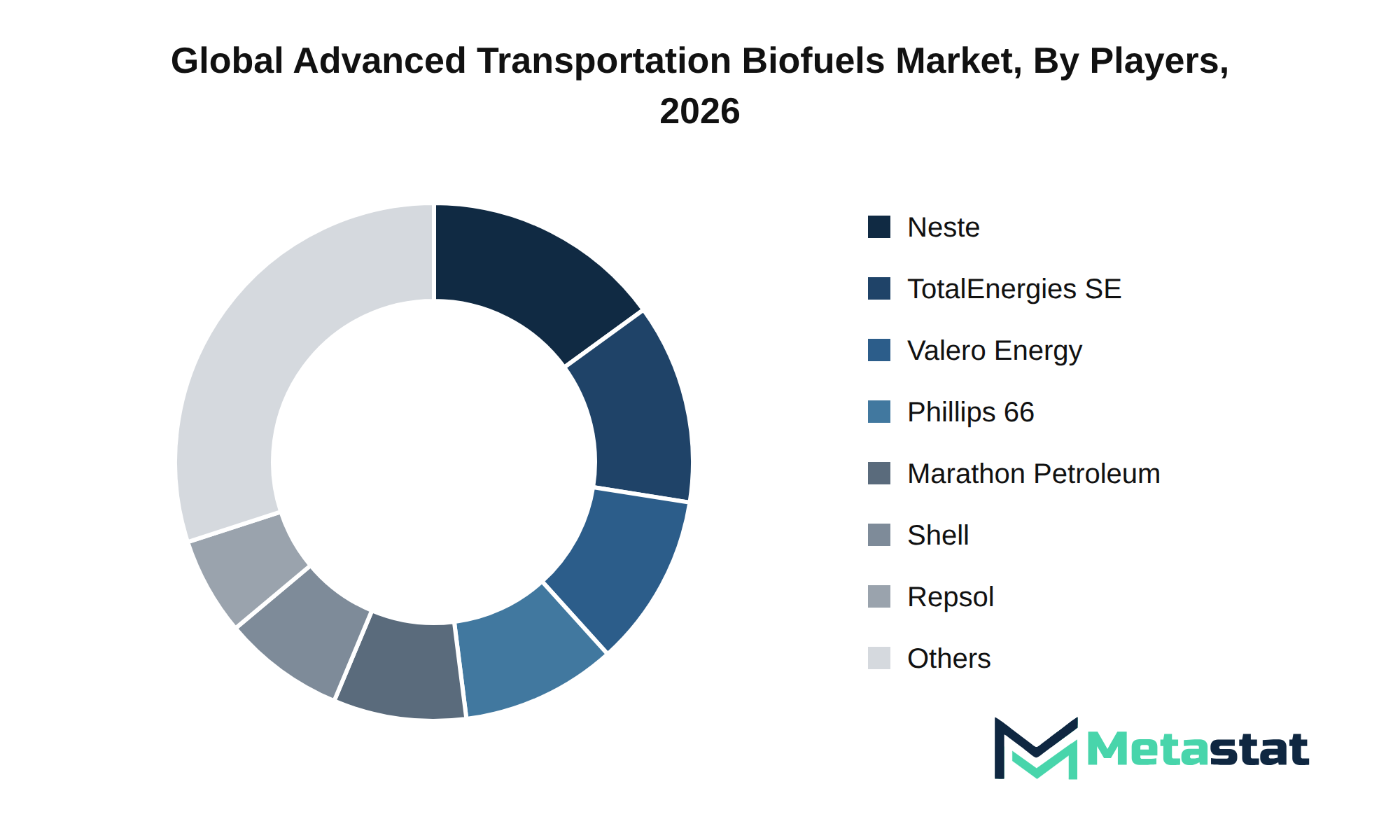
Market size is forecast to rise from USD 21.2 billion in 2025 to over USD 48.1 billion by 2033. The base case reflects a growth trajectory at a compound annual growth rate (CAGR) of 10.8%. This outlook emerges amid various factors influencing the Advanced Transportation Biofuels market, including macroeconomic conditions, evolving regulatory frameworks, and shifts in downstream demand.
The bull case envisions accelerated growth driven by advancements in next-generation technologies and increased investments in research and development (R&D). Enhanced product life cycles are likely to attract a broader range of stakeholders, contributing to market expansion. Conversely, the bear case highlights potential obstacles, including geopolitical tensions, supply chain disruptions, and stringent compliance milestones that hinder growth.
Strategic capital allocation and infrastructure commitments play crucial roles in shaping the market's future. Investment vectors targeting emerging white-space opportunities, alongside unmet enterprise needs, will yield high-growth pockets crucial for stakeholders. Navigating structural consumption shifts and maturing core industries becomes essential for maintaining competitive advantage within the market.
The report strategically identifies and profiles the key market players and analyses their core competencies in each sub-segment of the Advanced Transportation Biofuels market.
Report Attributes | Details |
Study Period | 2021-2033 |
Base Year | 2025 |
Estimated Year | 2026 |
Forecast Period | 2026-2033 |
Historical Period | 2021-2025 |
Growth Rate | CAGR 10.8% from 2026 to 2033 |
Revenue Unit | USD billion |
Segmentation | By Fuel Type, Feedstock, Technology, End-Use, and Region |
By Region | North America (By Fuel Type, Feedstock, Technology, End-Use, and Country)
|
Europe (By Fuel Type, Feedstock, Technology, End-Use, and Country)
| |
Asia Pacific (By Fuel Type, Feedstock, Technology, End-Use, and Country)
| |
South America (By Fuel Type, Feedstock, Technology, End-Use, and Country)
| |
Middle East and Africa (By Fuel Type, Feedstock, Technology, End-Use, and Country)
|
Find answers to common questions about this report
The Advanced Transportation Biofuels market size was valued at USD 21.2 billion in 2025, according to the Metastat Insights study.
The Advanced Transportation Biofuels market is projected to grow at a CAGR of 10.8% during the forecast period from 2026 to 2033.
The North America Advanced Transportation Biofuels market size is estimated to reach USD 15.9 billion by 2033.
The Renewable Diesel (HVO) segment leads the Advanced Transportation Biofuels market, with a projected value of USD 13.9 billion by 2033. This figure reflects the highest anticipated revenue among the fuel type segments.
Key drivers for the Advanced Transportation Biofuels market include increasing emphasis on emission limits and stricter environmental regulations. Investments in infrastructure to support biofuel production and distribution enhance operational capabilities, while the anticipated rise in consumer demand for greener transportation solutions strengthens expansion prospects across multiple sectors.
North America holds the dominant share of the Advanced Transportation Biofuels market, with a value of USD 15.9 billion in 2033, representing 35.3 percent of the total market.
The Advanced Transportation Biofuels market faces challenges from regulatory tightening and compliance hurdles, which increase operational costs for manufacturers. Macroeconomic headwinds, including high inflation, deter investment and limit funds for technological advancements, hindering growth and innovation. Supply chain disruptions and a shortage of skilled labor further complicate production capabilities.
Increasing emphasis on emission limits significantly influences product adoption in the Advanced Transportation Biofuels market. Stricter environmental regulations encourage investments in renewable fuel technologies, particularly in transportation sectors, because companies prioritize compliance and sustainability goals. Enhanced infrastructure development further supports this trend by improving production capacity and distribution networks.
The Advanced Transportation Biofuels market is estimated to reach a valuation of USD 48.1 billion by 2033.
Key players in the Advanced Transportation Biofuels market include Neste Corporation, TotalEnergies SE, Valero Energy Corporation, Phillips 66, Marathon Petroleum Corporation, Shell plc, and Chevron Corporation / Chevron Renewable Energy Group.
The analysts below cover Automotive and Transportation research at Metastat Insights.
LEAD ANALYST
Utkarsh Khirodkar is a Lead Market Research Analyst at MetaStat Insight, specializing in market intelligence, technology sector assessments, and competitive strategy.

ENERGY & INFRASTRUCTURE INDUSTRY CONSULTANT
Automotive and Transportation · Electronics and Semiconductor · Energy and Power · Machinery & Equipment
Saurabh Vasant Ganvir consults for Energy & Infrastructure Industry at MetaStat Insight, specializing in renewable energy, solar EPC, and electric vehicle (EV) infrastructure markets.
The technical breakdown of ISO 20022 migration readiness across correspondent banking corridors was remarkably thorough. Rather than treating cross-border corporate payments as a single block, the report drew a useful distinction between multilateral netting platforms and domestic instant payment rails across ASEAN economies. MetaStat Insight highlighted regulatory constraints on foreign exchange liquidity management that many publications gloss over. The research material offered practical clarity for our platform development roadmap.
Our group needed clearer visibility into out-of-autoclave processing timelines for high-temperature thermoplastic composites. MetaStat Insight delivered an objective assessment that contrasted automated fiber placement scrap rates with traditional thermoset prepreg layup cycles. The supplier landscape mapped out primary resin suppliers and tape slitting capacity across France, Germany, and Japan with solid technical accuracy. Their analyst handled our questions on precursor supply risks during an unscheduled inquiry call, providing clear, unembellished context.
Evaluating sensor fusion reliability across harsh operating environments can be tricky without field-validated data. The study on agricultural autonomous guidance systems clearly separated stereo vision setups from automotive-grade solid-state LiDAR. We appreciated the regional infrastructure analysis, specifically around RTK network density across North America and South America. During our follow-up consultation, the MetaStat Insight team walked through tier-two perception software partnerships, giving our engineering leads a practical basis for vendor shortlisting.
Explore related market intelligence reports worth reading alongside this one.