
Explore the vital role of Step Voltage Regulators (SVR) in modern power systems, emphasizing efficiency and reliability amid evolving energy demands.
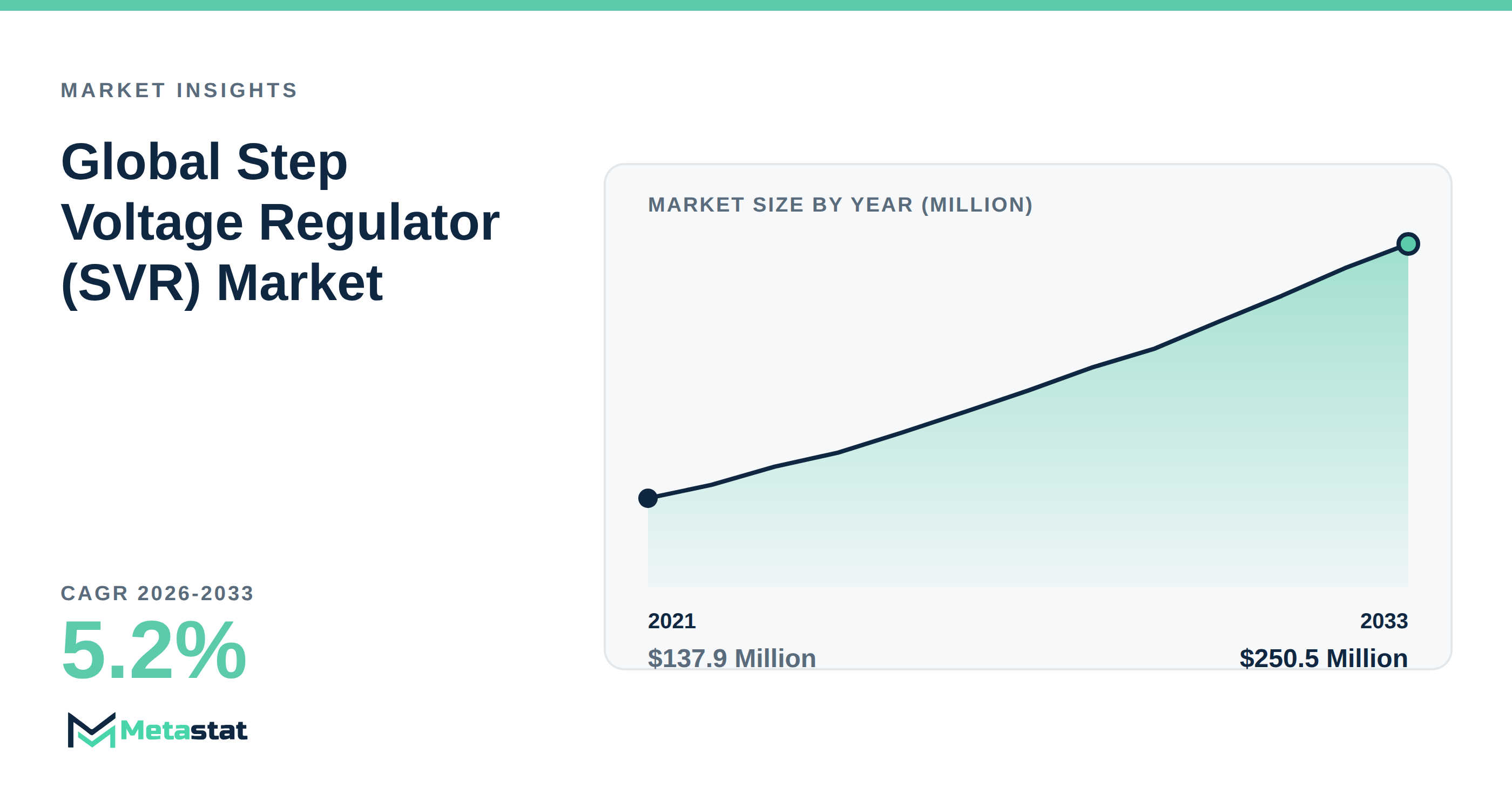
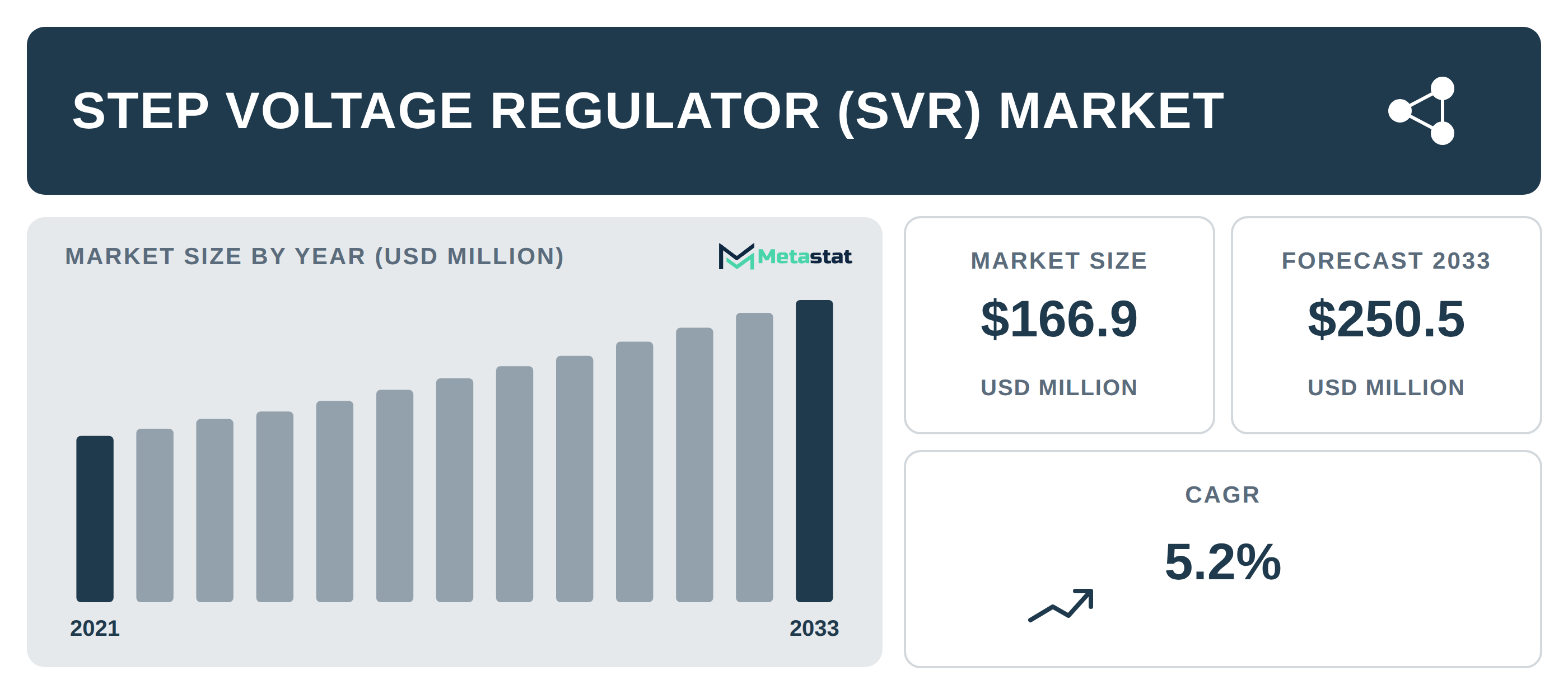
Understanding the dynamics of Step Voltage Regulators (SVRs) reveals crucial insights into their role in modern energy systems, particularly amidst the rising adoption of renewable energy technologies. The growing emphasis on stable voltage regulation is essential for ensuring the reliability of electrical infrastructure as industries expand their reliance on fluctuating energy sources including solar and wind. The full figures are in our Step Voltage Regulator (SVR) market size and forecast report.
A common misconception surrounding the market for Step Voltage Regulators lies in viewing them merely as reactive solutions for existing voltage issues. While SVRs undoubtedly address current challenges, their function extends beyond that; they actively contribute to the optimization of energy performance. As power demands rise and electrical grids evolve, the focus is shifting toward both managing and enhancing voltage levels for improved operational efficiency.
Recent advancements in solid-state technology have set the stage for significant changes in SVR applications. Traditional electromechanical devices, while still valuable, present limitations including slower response times and higher maintenance requirements. In contrast, solid-state technologies offer enhanced efficiency and reliability, making them increasingly attractive to electrical utilities and power distribution companies. This transition reflects the growing priority on long-lasting solutions that minimize operational costs.
The integration of renewable energy sources into power grids highlights the pressing need for effective voltage stabilization. With the rise of solar and wind energy installations, electric utilities are recognizing the importance of maintaining consistent voltage levels to support the optimal contribution of renewable sources. As a testament to this trend, the segment dedicated to electric utilities and power distribution is projected to experience notable growth, underscoring the industry’s recognition of the value that SVRs bring in supporting renewable integration.
Utility grid modernization further drives the adoption of automatic step voltage regulators, which enhance grid efficiency by automating voltage adjustments in real-time. This advancement promotes operational reliability and aligns with a broader trend of utilities entering long-term performance-based contracts. Such arrangements reflect a commitment to maintaining stable voltage levels while ensuring that supplier incentives are in line with operational objectives. The shift from temporary solutions to lasting strategies illustrates a noteworthy change in the approach to voltage regulation.
Current trends indicate an increasing focus on three-phase SVRs within industrial applications, as industries recognize the importance of stable voltage for maintaining operational efficiency across three-phase systems. The financial implications of voltage instability encourage proactive investments in robust voltage regulation solutions. Industries are beginning to adopt these technologies more aggressively, which results in enhanced reliability and performance.
In conclusion, the complexities surrounding Step Voltage Regulators (SVRs) signify that they function as more than just reactive tools for voltage fluctuations. Instead, they embody a strategic necessity for businesses striving to cope with the challenges of renewable energy integration and the need for greater grid reliability. This understanding encourages stakeholders to reassess their investment strategies, shifting from traditional approaches to innovative practices that prioritize energy efficiency and sustainability.
Tags
About the Authors

LEAD ANALYST
Utkarsh Khirodkar is a Lead Market Research Analyst at MetaStat Insight, specializing in market intelligence, technology sector assessments, and competitive strategy.

PRINCIPAL CONSULTANT - ENTERPRISE AI & EMERGING TECHNOLOGIES
Banking & Finance · Electronics and Semiconductor · Energy and Power · Healthcare IT · Information & Technology · Professional Services
Vijay Gunti is a Principal Consultant at MetaStat Insight, bringing over two decades of experience across enterprise digital transformation, technology strategy, and intelligent systems.

ENERGY & INFRASTRUCTURE INDUSTRY CONSULTANT
Automotive and Transportation · Electronics and Semiconductor · Energy and Power · Machinery & Equipment
Saurabh Vasant Ganvir consults for Energy & Infrastructure Industry at MetaStat Insight, specializing in renewable energy, solar EPC, and electric vehicle (EV) infrastructure markets.