
Explore the nuances of the collaborative robots landscape, including payload capacity, automation trends, and pricing models that impact decision-making.
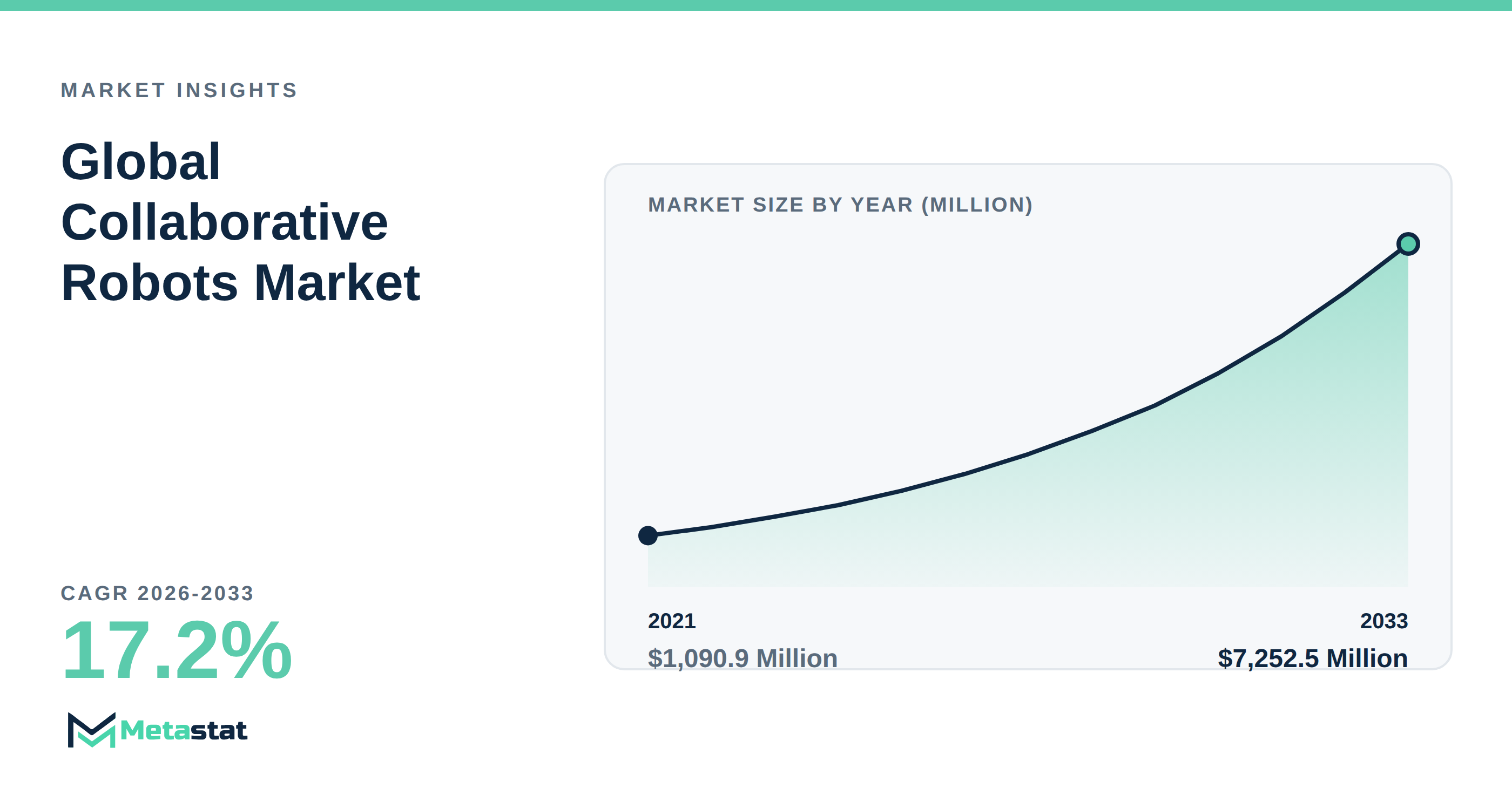
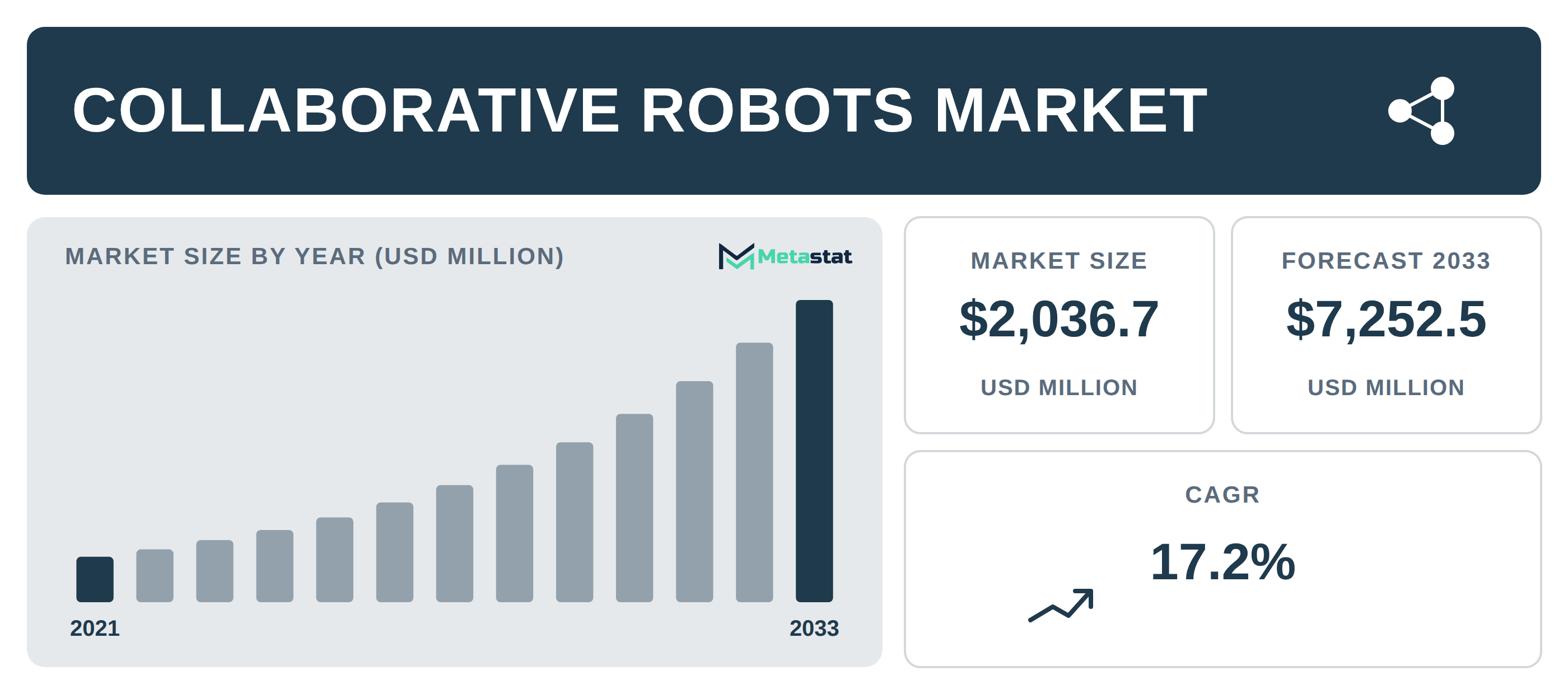
One frequent misunderstanding about the market for Collaborative Robots is the assumption that these systems serve the same purpose across diverse industries. In reality, these robotic systems are tailored for specific applications and industries, each with unique demands and expectations. Understanding the nuances within the market for Collaborative Robots enhances decision-making for potential buyers. The Collaborative Robots market size and forecast report provides valuable insights into these dynamics.
Why payload capacity matters for collaborative robots
Payload capacity significantly affects the functionality and application of collaborative robots. For instance, robots designed to handle loads above 20 kg exhibit substantial demand growth, projected to increase at a compound annual growth rate of 23.6%. This high-payload segment caters to heavy industries including automotive and aerospace, where the ability to manage larger components is essential. Organizations aiming to implement collaborative robots should assess their specific payload requirements closely, as selecting a robot with the appropriate capacity greatly impacts operational efficiency and productivity.
Are all collaborative robots equipped for precision tasks?
While collaborative robots are known for their versatility and ease of integration, not every model is equally equipped for precision tasks. For example, 6-Axis robots excel in applications requiring intricate movements, making them ideal for industries like electronics and automotive assembly. Companies focusing on high-precision tasks should prioritize these models, as their capabilities directly influence production quality and efficiency. Recognizing the differences in capabilities among various collaborative robots enables buyers to select solutions that align closely with their operational needs.
The impact of automation trends on collaborative robots
The rising embrace of automation across industries is driving increasing demand for collaborative robots. This trend is particularly significant in the automotive and electronics sectors, where manufacturers aim to enhance operational efficiency and streamline processes. The automation shift reflects broader industry dynamics that emphasize innovation and competitiveness. Buyers should recognize that investing in collaborative robots not only addresses labor shortages but enhances overall production capabilities, resulting in increased output and reduced operational costs.
Understanding pricing models for collaborative robots
Pricing structures for collaborative robots vary considerably based on technology and application, which significantly impacts purchasing decisions. Upfront purchase models offer total ownership but require significant initial investment, while leasing options allow access to advanced technology with lower upfront costs. For small to medium-sized enterprises (SMEs), grasping these pricing models is crucial for making informed decisions. Adoption of collaborative robots hinges on securing financing options that accommodate specific budgetary constraints, which affects the overall growth of this technology across various sectors.
How to determine the best collaborative robot for your needs
Choosing the best collaborative robot involves considerations beyond just initial costs. Organizations should analyze factors including operational requirements, existing infrastructure, and specific industry demands. While the payback period for deploying collaborative robots varies based on individual circumstances, companies estimate potential return on investment by factoring in operational savings and productivity improvements. Organizations that effectively assess these elements position themselves to reap the substantial benefits of collaborative robotics.
By recognizing and understanding the distinct factors that shape the landscape for Collaborative Robots, potential buyers make smarter investment decisions. The growth trajectory of this technology underscores its importance in enhancing productivity and efficiency across various sectors. For more in-depth analysis, refer to the Collaborative Robots market size and forecast report.
Tags
About the Authors

LEAD ANALYST
Utkarsh Khirodkar is a Lead Market Research Analyst at MetaStat Insight, specializing in market intelligence, technology sector assessments, and competitive strategy.

INDUSTRY CONSULTANT - CHEMICALS & ADVANCED MATERIALS
Chemicals and Materials · Machinery & Equipment · Packaging
Amit Gadhekar Consultant for Chemicals and Materials at MetaStat Insight, directing sector-specific intelligence, research, and strategic consulting across global chemical and processing markets.

PRINCIPAL CONSULTANT - QUALITY SYSTEMS & COMPLIANCE
Electronics and Semiconductor · Machinery & Equipment · Professional Services
Omkar Phadtare is an Industry Consultant at MetaStat Insight, specializing in quality systems, regulatory compliance, and standards benchmarking to drive data-driven market intelligence and strategic industry research.

ENERGY & INFRASTRUCTURE INDUSTRY CONSULTANT
Automotive and Transportation · Electronics and Semiconductor · Energy and Power · Machinery & Equipment
Saurabh Vasant Ganvir consults for Energy & Infrastructure Industry at MetaStat Insight, specializing in renewable energy, solar EPC, and electric vehicle (EV) infrastructure markets.

LEAD CONSULTANT - COMMUNICATION, TELECOM, AND IT
Electronics and Semiconductor · Information & Technology · Machinery & Equipment · Professional Services
Ravindra Sathe Consultants for Communication, Telecom, and IT at MetaStat Insight. He leads the firm's industry research initiatives across telecommunications infrastructure, digital connectivity, enterprise networking, and emerging information technology domains.