
Explore the intricacies of the Corrugated Board industry, focusing on demand drivers, technological advancements, and sustainability trends.
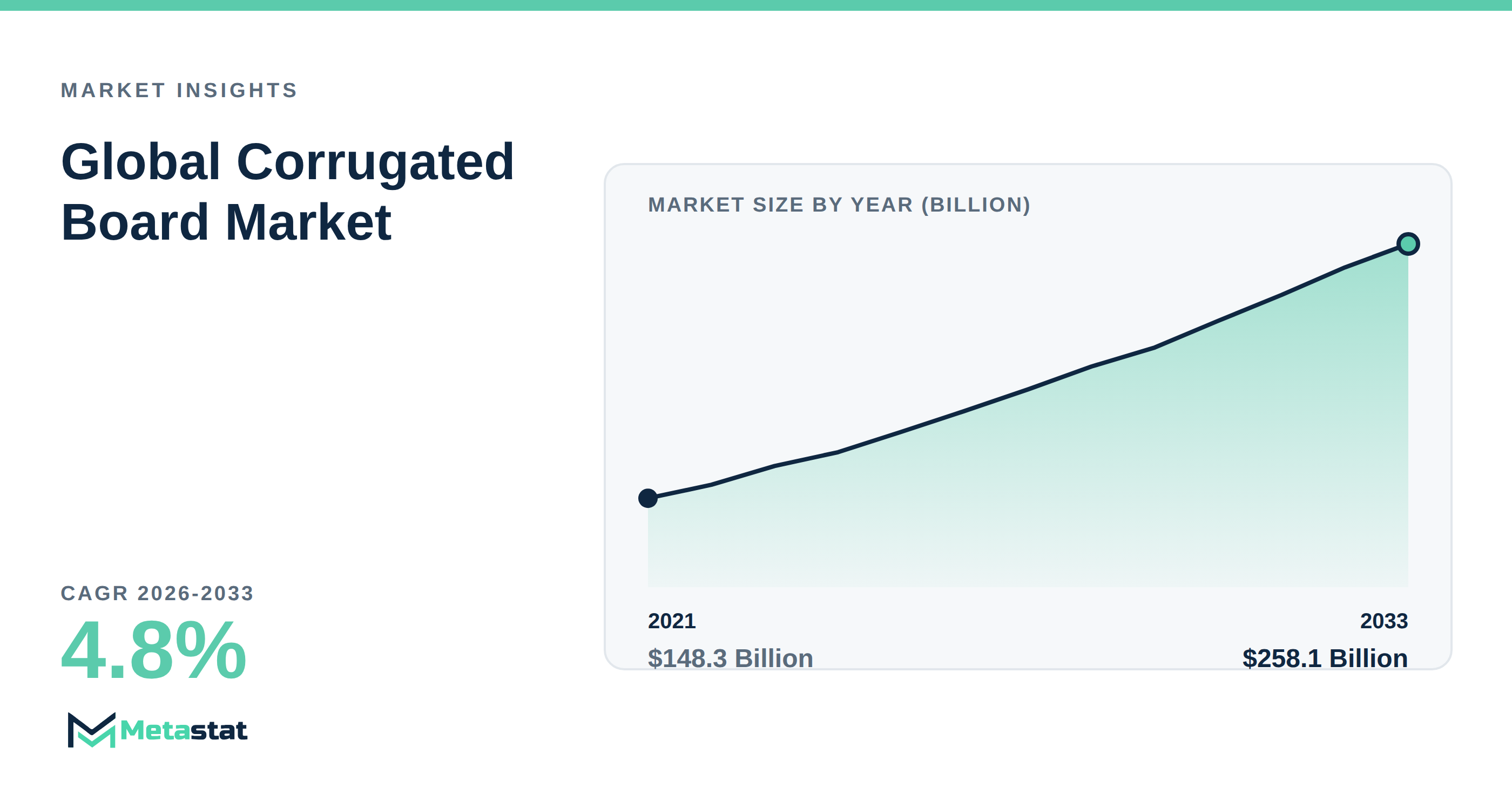
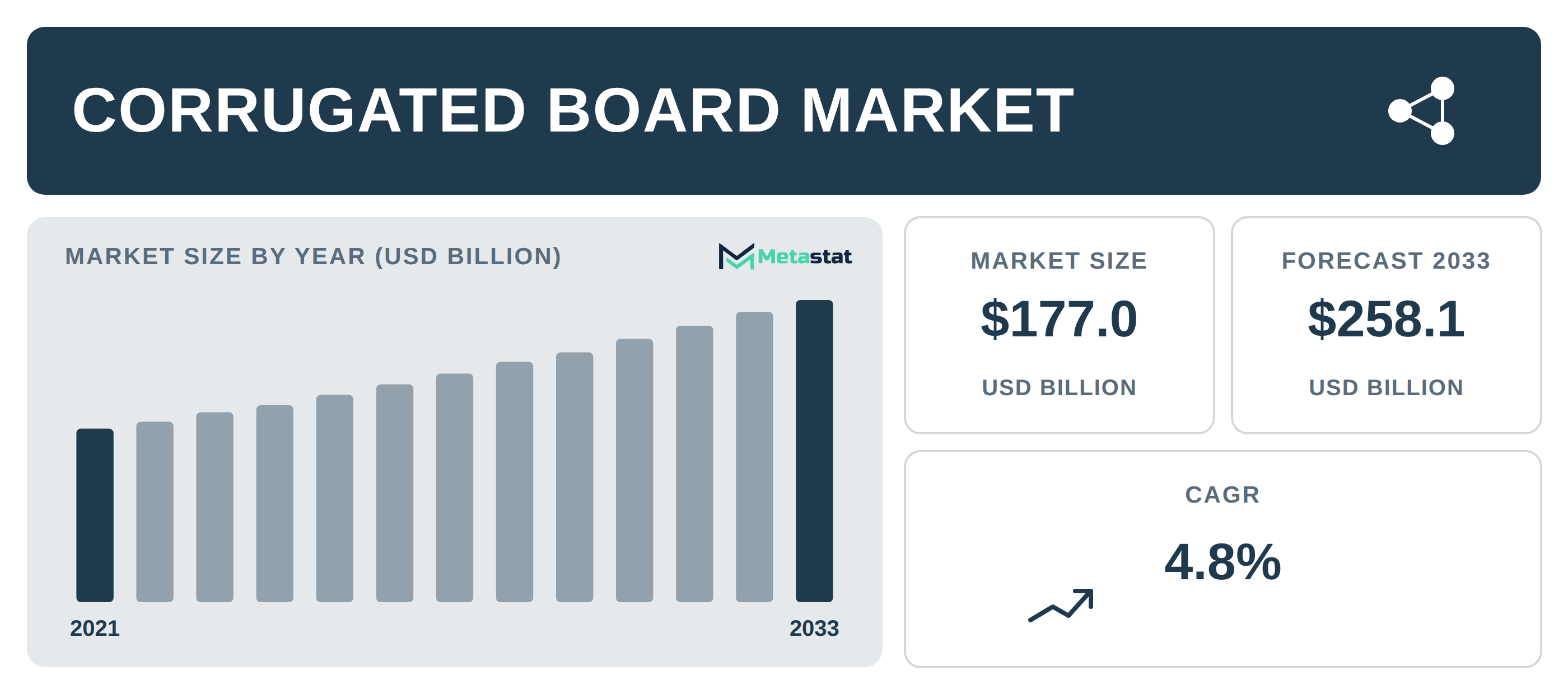
Many misconceptions swirl around the dynamics of the industry for Corrugated Board, particularly regarding the factors driving its growth. Often, the focus centers on the market's broad development, yet the reality is shaped by several nuanced trends and consumer behaviors. For a detailed analysis, refer to the Corrugated Board market size and forecast report.
What drives the demand for corrugated board?
One of the main driving forces is the substantial increase in e-commerce activities. Online shopping has surged, compelling businesses to seek efficient packaging solutions to ensure products arrive safely at customers' doorsteps. Companies engaged in e-commerce prioritize reliable packaging to protect items during transit, significantly boosting demand for Corrugated Board.
Another critical factor is sustainability. Consumers increasingly prefer eco-friendly packaging choices, prompting businesses to pivot towards solutions that incorporate recyclable materials. This shift aligns with consumer preferences and is influenced by regulatory frameworks, including the EU Packaging and Packaging Waste Regulation (PPWR), encouraging brands to transition to recyclable fiber-based board options.
How are advancements in technology influencing this industry?
Technological advancements significantly enhance production efficiency. Automation and innovative machinery empower manufacturers to optimize their processes, leading to faster production times and reduced waste. These advancements are not merely about improving output but are essential for meeting the growing demand for customization and sustainability.
While the demand for tailored packaging solutions rises, companies that embrace advanced technologies position themselves favorably in the competitive realm, gaining an edge in fulfilling specific customer requirements.
What about the rising costs of raw materials?
A prevalent misconception is that the challenges presented by escalating raw material costs solely hinder progress within the market. While increased prices for materials, including recycled fiber, complicate procurement strategies for manufacturers, these challenges are met with innovative sourcing and production strategies. Suppliers actively pursue alternative materials and optimize operational efficiencies to maintain competitiveness.
Effective management of these rising costs is crucial. Companies that adapt successfully will uncover growth opportunities, even in a challenging pricing environment.
Are sustainable practices truly gaining traction?
A clear trend is emerging toward the adoption of recycled fiber products, fueled by rising environmental awareness among consumers and businesses alike. This shift is not merely a marketing strategy; it represents a genuine transition in industry practices towards sustainability.
Suppliers that focus on this trend benefit from increased demand for eco-friendly packaging solutions across various sectors, including food and beverage, e-commerce, and healthcare. The preference for greener options presents an opportunity for companies to enhance their market penetration while aligning with evolving consumer expectations.
How do consumer preferences shift the landscape?
Consumer preferences continue to evolve, influencing how companies approach their packaging strategies. While demand for convenience and immediate access increases, the need for effective, reliable packaging solutions becomes crucial. This shift is especially visible in the expanding e-commerce sector, where tailored packaging solutions meet consumer expectations.
Brand owners recognize that packaging plays a vital role in product presentation. Innovative designs, combined with sustainable materials, help brands differentiate themselves and build customer loyalty amid rising competition.
Conclusion: What should businesses consider?
Understanding these intricacies within the industry for Corrugated Board aids businesses in navigating this evolving landscape. Companies should concentrate on leveraging technological advancements and adapting to consumer preferences while addressing the challenges posed by rising material costs. This comprehensive approach ensures they remain competitive and meet the growing demand for efficient, sustainable packaging solutions.
Tags
About the Authors

LEAD ANALYST
Utkarsh Khirodkar is a Lead Market Research Analyst at MetaStat Insight, specializing in market intelligence, technology sector assessments, and competitive strategy.

SENIOR RESEARCH ANALYST
Biotechnology · Food and Beverages · Medical Devices · Packaging
Snehal Pasalkar is a Research Analyst at MetaStat Insight, operating at the intersection of life sciences research, competitive strategy, and market intelligence.

INDUSTRY CONSULTANT - CHEMICALS & ADVANCED MATERIALS
Chemicals and Materials · Machinery & Equipment · Packaging
Amit Gadhekar Consultant for Chemicals and Materials at MetaStat Insight, directing sector-specific intelligence, research, and strategic consulting across global chemical and processing markets.