
Explore the nuances of the Energy Transition Investment landscape, revealing how electrification, hydrogen, and infrastructure shape this vital sector.
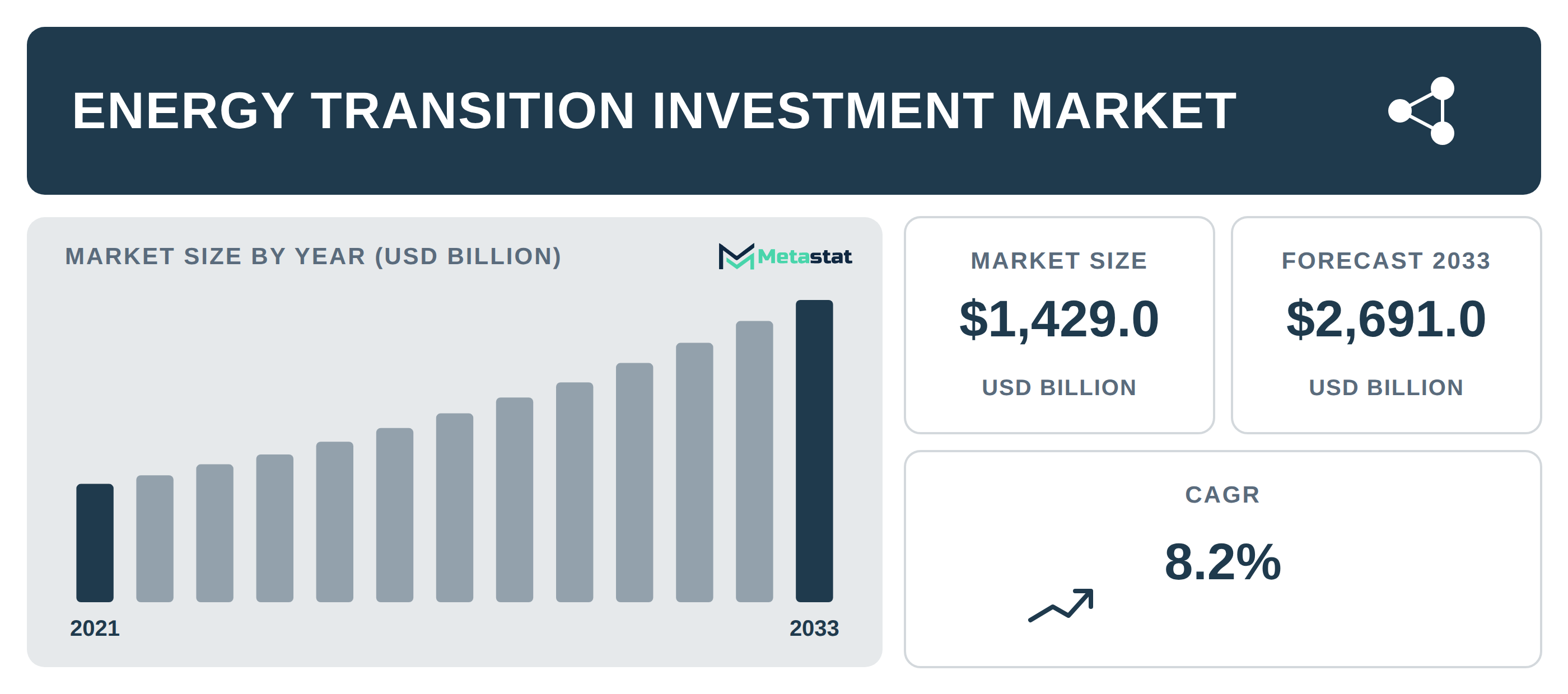
Many investors and stakeholders in the Energy Transition Investment space often misinterpret the significant trends that shape this evolving sector. A common misconception exists that the transition is primarily driven by renewable energy generation, overlooking the comprehensive ecosystem that supports it. In reality, this market encompasses a broad spectrum of investments addressing various technologies, infrastructures, and sectors. The Energy Transition Investment market size and forecast report highlights these dynamics.
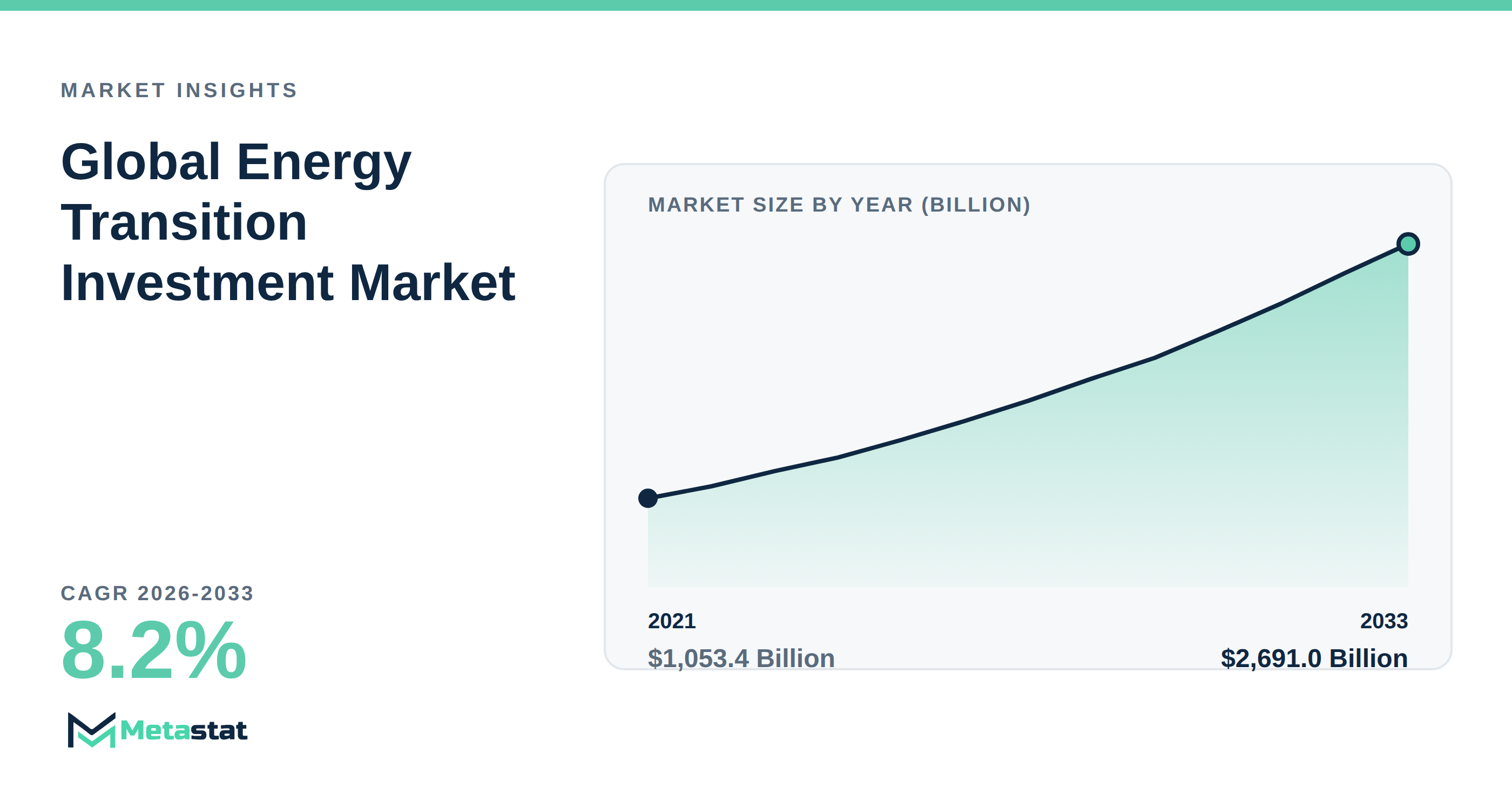
While renewable energy generation indeed commands attention, the integration of supportive technologies, including electrification infrastructure and energy storage, plays a critical role in ensuring the transition's success. Investments in renewable energy are substantial, but complementary systems are essential for maximizing their potential.
What supports renewable energy investments?
Investment in renewable energy generation increases as governments and corporations enact regulations promoting clean energy. However, the significant impact arises from enhanced grid connection capacity and robust energy storage solutions. Improved grid infrastructure enables efficient energy transmission and distribution, thereby enhancing the viability of renewable sources like solar and wind. By 2033, investments in renewable energy generation alone are projected to reach USD 790.3 billion, indicating a substantial need for infrastructure that facilitates the integration of these resources.
How does electrification impact Energy Transition Investment?
The electrification of transportation and heating sectors is reshaping demand in the Energy Transition Investment landscape. With electric vehicles projected to generate investments worth USD 940 billion by 2033, significant opportunities exist beyond renewable generation. The relationship between electric vehicle adoption and charging infrastructure development enriches the investment environment. Evidence of this trend is reflected in consumer preferences shifting towards greener options, driving investment in charging stations and electric mobility solutions.
What role does green hydrogen play?
Green hydrogen is another essential component in the Energy Transition Investment landscape, relying heavily on secure offtake agreements and efficient electrolyzer utilization. Investors are increasingly attracted to green hydrogen projects due to their scalability and revenue potential. By establishing long-term contracts, stakeholders mitigate risks associated with market fluctuations, making investments more appealing. The focus on green hydrogen signifies a broader commitment to sustainable practices and presents an opportunity for companies looking to strategically position themselves within the industry.
How do infrastructure gaps affect growth?
Despite the excitement surrounding the Energy Transition Investment landscape, critical infrastructure gaps persist. Limited grid capacities and insufficient charging station networks impede advancements in renewable energy projects. Companies in the power and utilities sector encounter challenges when attempting to scale operations due to these constraints, resulting in slower investment growth. Addressing these infrastructure deficiencies is vital for encouraging wider participation in the energy transition and creating favorable conditions for investment.
Ultimately, while renewable energy generation remains a focal point, understanding the interdependencies between various technologies, market trends, and regulatory frameworks is essential for stakeholders. Investors should prioritize projects that not only concentrate on renewable sources but align with electrification efforts and advancements in energy storage to ensure sustainable returns. With the right insights, decision-makers effectively navigate this evolving landscape and capitalize on emerging opportunities.
Tags
About the Authors

LEAD ANALYST
Utkarsh Khirodkar is a Lead Market Research Analyst at MetaStat Insight, specializing in market intelligence, technology sector assessments, and competitive strategy.

PRINCIPAL CONSULTANT - ENTERPRISE AI & EMERGING TECHNOLOGIES
Banking & Finance · Electronics and Semiconductor · Energy and Power · Healthcare IT · Information & Technology · Professional Services
Vijay Gunti is a Principal Consultant at MetaStat Insight, bringing over two decades of experience across enterprise digital transformation, technology strategy, and intelligent systems.

ENERGY & INFRASTRUCTURE INDUSTRY CONSULTANT
Automotive and Transportation · Electronics and Semiconductor · Energy and Power · Machinery & Equipment
Saurabh Vasant Ganvir consults for Energy & Infrastructure Industry at MetaStat Insight, specializing in renewable energy, solar EPC, and electric vehicle (EV) infrastructure markets.