
Explore vital insights about investment dynamics in Flow Cytometry, revealing how technological advancements and personalized medicine drive growth.
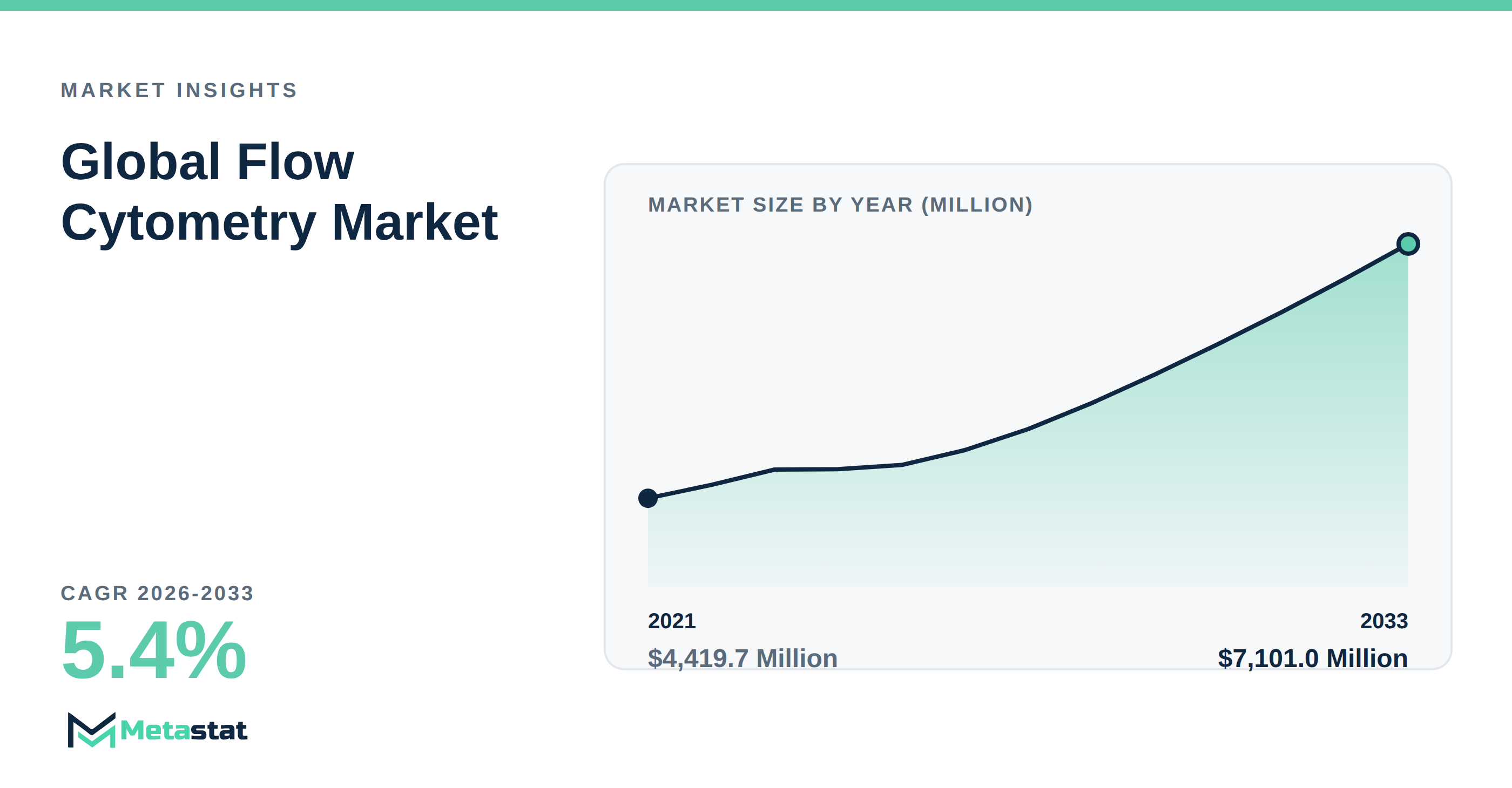
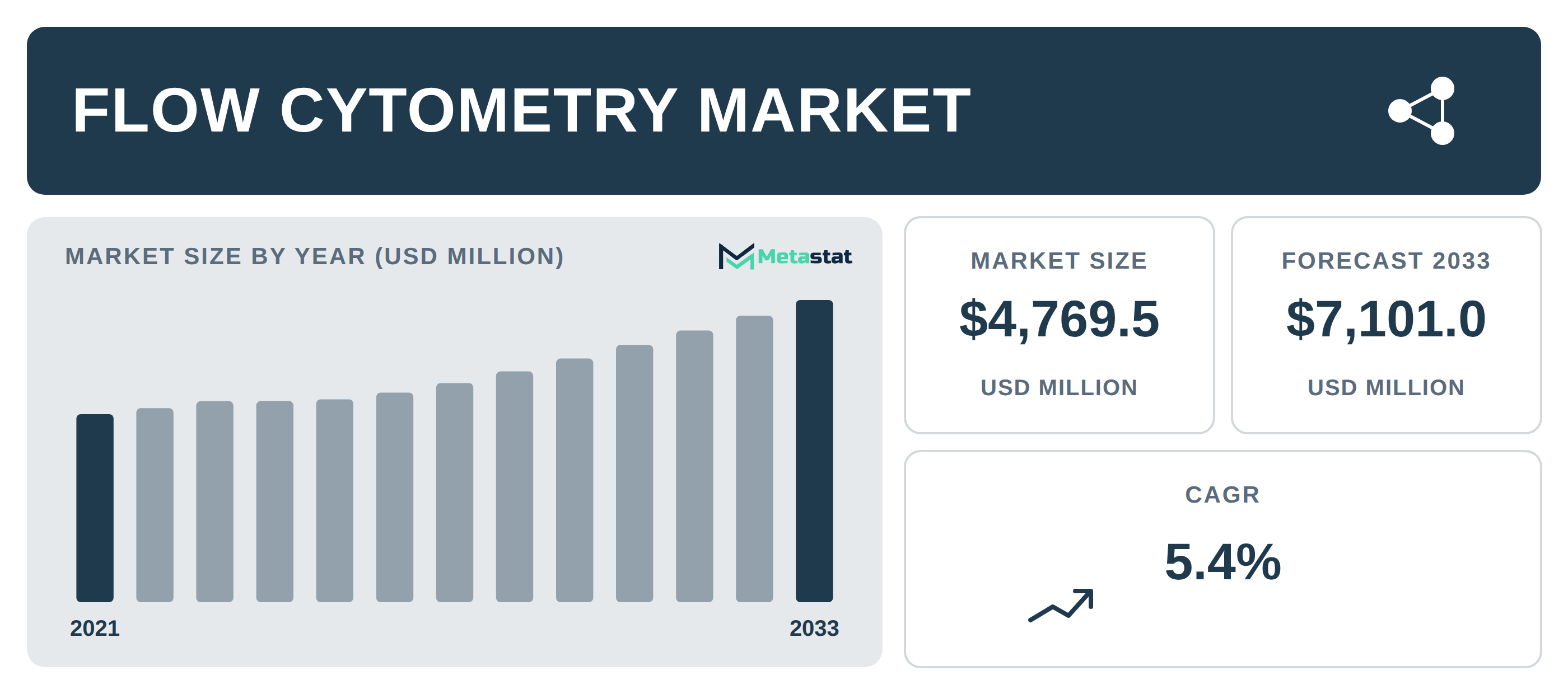
The market for Flow Cytometry includes a variety of products and services designed to assess cellular and particle characteristics. However, stakeholders often misinterpret essential factors, focusing primarily on basic figures while overlooking the deeper trends that influence this sector. This blog presents critical insights to better understand the actual drivers behind growth and innovation in Flow Cytometry. The full figures are in our Flow Cytometry market size and forecast report.
What drives investment in Flow Cytometry?
A significant factor behind flow cytometry investments is the rising focus on personalized medicine. Organizations are channeling resources into strengthening research capabilities, enhancing clinical diagnostics, and optimizing industrial processes. This trend mirrors an increasing need for advanced cell analysis technologies. Stakeholders recognize that innovation in research methodologies is vital, especially as pharmaceutical and biotechnology sectors aim to create more effective therapies tailored to individual patient needs.
How does technological advancement shape the flow cytometry landscape?
The introduction of technologies including spectral flow cytometry is transforming purchasing decisions among laboratories. This innovation enables the concurrent detection of multiple fluorescent markers, improving the assessment of intricate biological samples. Integrating automation further streamlines laboratory operations, which is crucial for enhancing throughput and minimizing human error. Organizations are prioritizing integrated systems that merge spectral analysis with automation capabilities, which significantly alters their purchasing strategies.
Why is reagent standardization essential for accurate diagnostics?
The standardization of reagents is vital for diagnosing conditions like leukemia and monitoring measurable residual disease (MRD). Consistent reagent performance improves the precision of flow cytometry results, directly impacting patient outcomes. Academic institutions and clinical laboratories emphasize acquiring standardized reagents to maintain compatibility and reliability in their testing protocols. This focus on consistency enhances diagnostic accuracy and fosters confidence in results, which is expected to spur further investment in flow cytometry technologies.
How does CAR-T manufacturing influence flow cytometry demand?
The rapid advancement of CAR-T cell therapies significantly drives the need for quality control assays in flow cytometry. As pharmaceutical and biotech companies develop these groundbreaking treatments, robust quality assurance processes become increasingly important. High-quality flow cytometry assays allow for detailed analysis of cell populations and ensure precise measurements of therapeutic parameters. The role of flow cytometry in CAR-T manufacturing has profound implications for operational efficiency and compliance with regulatory standards.
What challenges do buyers face in adopting Flow Cytometry technology?
Despite heightened interest in innovative analytical tools, the high costs related to Flow Cytometry systems present substantial barriers to adoption, particularly for academic and research institutions constrained by tight budgets. Financial limitations often hinder these organizations from investing in the latest technologies, resulting in delays in upgrading outdated systems and negatively affecting research productivity. Addressing these financial obstacles is essential for suppliers seeking to broaden their customer base in this competitive environment.
Understanding the dynamics of Flow Cytometry requires recognizing the interplay of technological advancements, a commitment to personalized medicine, and the evolving needs of buyers. Stakeholders who grasp these insights will be better positioned for success in this expanding field. For a detailed examination of current trends and projections, refer to our Flow Cytometry market size and forecast report.
Tags
About the Authors

LEAD ANALYST
Utkarsh Khirodkar is a Lead Market Research Analyst at MetaStat Insight, specializing in market intelligence, technology sector assessments, and competitive strategy.

LEAD PRINCIPAL ANALYST, PHARMA AND HEALTHCARE
Food and Beverages · Healthcare · Healthcare IT · Medical Devices
Ajay Devgire is the Lead Healthcare Analyst at MetaStat Insight, leading strategic research and market intelligence initiatives across the global healthcare domain.

SENIOR RESEARCH ANALYST
Biotechnology · Food and Beverages · Medical Devices · Packaging
Snehal Pasalkar is a Research Analyst at MetaStat Insight, operating at the intersection of life sciences research, competitive strategy, and market intelligence.