
LEAD ANALYST
Utkarsh Khirodkar is a Lead Market Research Analyst at MetaStat Insight, specializing in market intelligence, technology sector assessments, and competitive strategy.

Global Flow Cytometry Market Size, Share, By Product (Reagents and Consumables, Instruments, Accessories, Services and Software), By Technology (Cell-Based Flow Cytometry and Bead-Based Flow Cytometry), By Application (Research Applications, Clinical Applications and Industrial Applications), By End User (Academic & Research Institutes, Pharma & Biotech Companies, Hospitals and Clinical Testing Laboratories), Industry Analysis, Growth, Trends, and Forecast, 2026-2033
Report ID
MSI-5548
Published
October, 2026
Pages
308 Pages
Format
Historical
Base year
Forecast
Forecast period
Report Details
Market Valuation: Valued at $4,769.5 Million in 2025, projected to reach $7,101 Million by 2033 at a 5.4% CAGR.
Dominant Segment: Reagents and consumables lead the market, driven by their essential role in cell analysis workflows and significant investments in biotechnology and healthcare research.
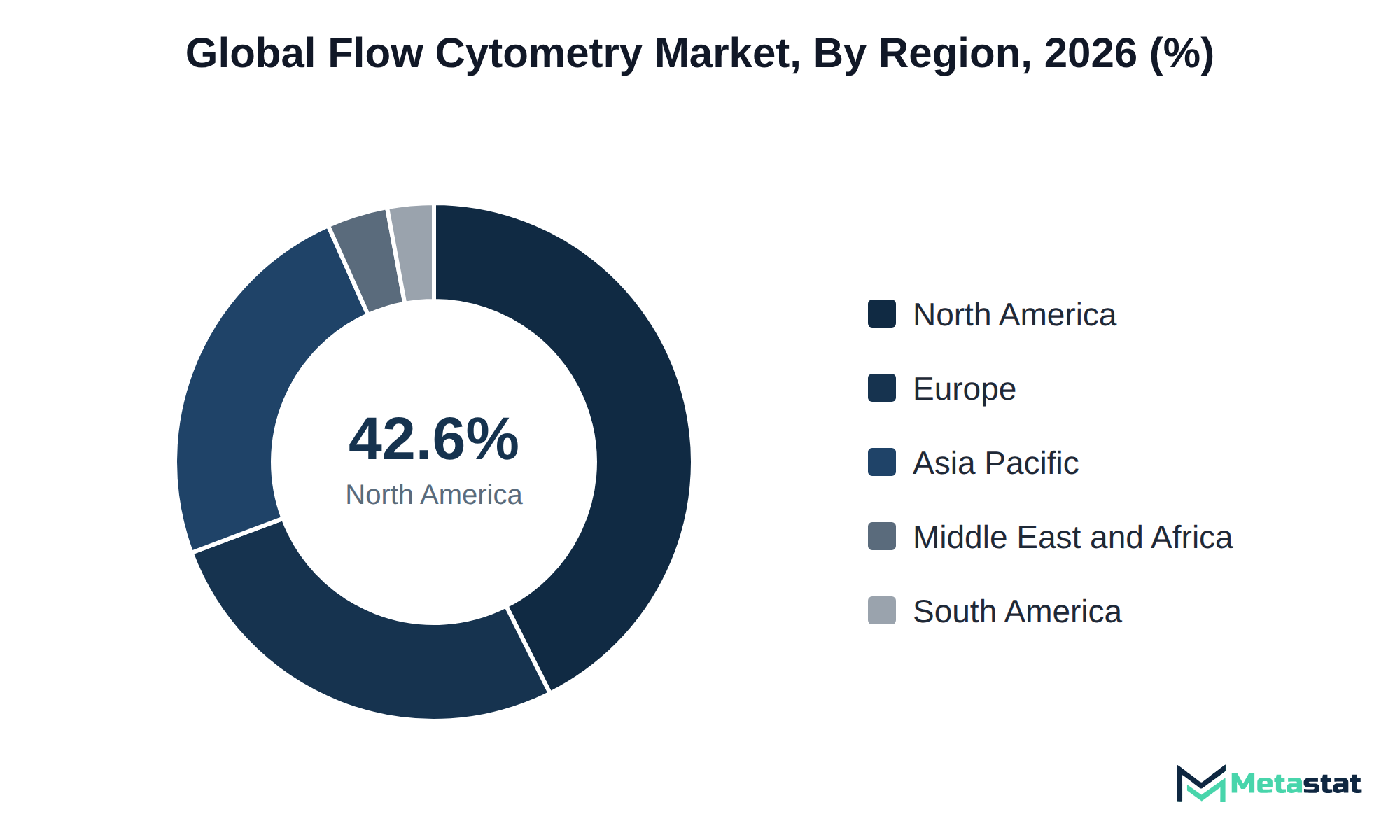
Geographic Lead: North America dominates the market with a 42.6% share in 2025, primarily due to advancements in research methodologies and a strong focus on personalized medicine.
What's Inside: The report provides comprehensive coverage of the competitive landscape, detailed analyses of market dynamics, and forecasts from 2026 to 2033, ensuring a thorough understanding of the flow cytometry market.
Growth in Clinical Applications: The clinical applications segment is projected to grow at a CAGR of 5.8%, reflecting increased demand for accurate diagnostics and disease monitoring in healthcare settings.
Input Cost Pressures: Suppliers face challenges from rising input costs for reagents and consumables, impacting profit margins and driving the need for innovative sourcing strategies.
Choose Your License
Global Flow Cytometry Market
The global Flow Cytometry market was valued at USD 4,769.5 million in 2025 and is projected to reach USD 7,101 million by 2033, growing at a CAGR of 5.4% over the forecast period.
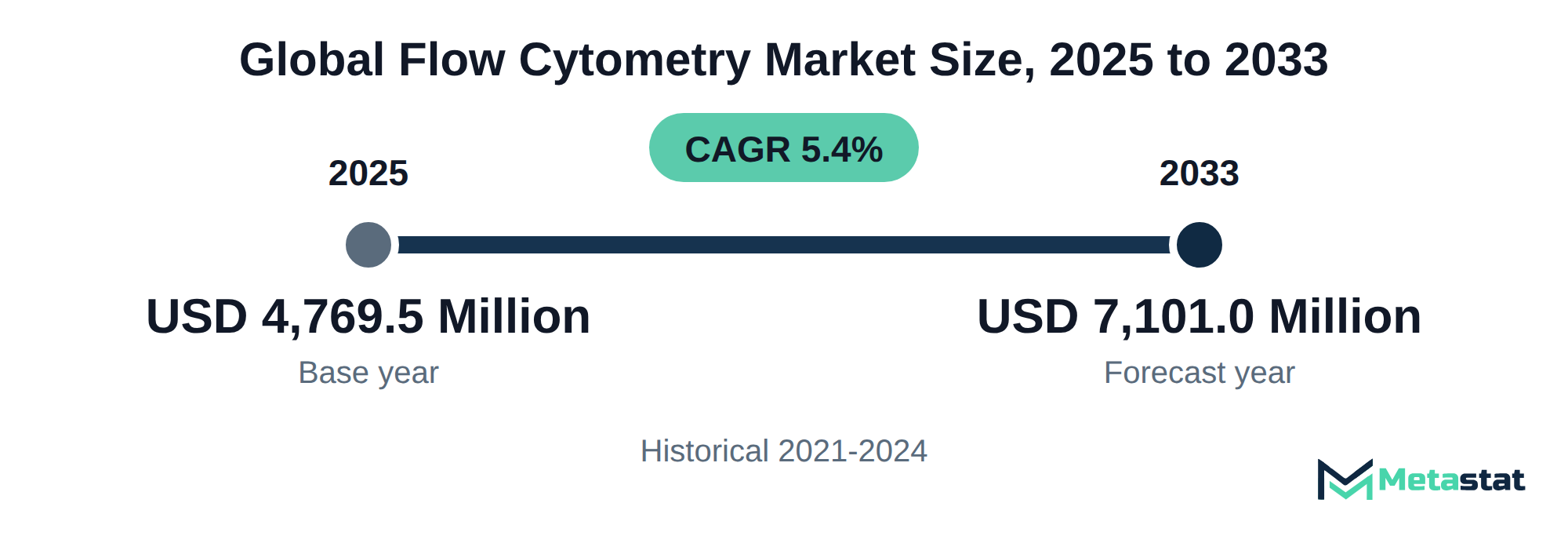
The Flow Cytometry market encompasses a variety of products and services essential for analyzing the physical and chemical characteristics of cells and particles. Buyers invest in this market primarily to enhance research capabilities, improve clinical diagnostics, and streamline industrial applications. The increasing focus on personalized medicine and advancements in biotechnology drive significant spending within this sector.
Growth in the market is propelled by rising demand for cell-based analysis technologies. Among the various segments, reagents and consumables generate the highest value, contributing substantially to overall market revenue. North America holds 42.6% of the market in 2025, with the US leading in 2026. Europe and Asia Pacific follow, representing 26.7% and 24% of the market, respectively, reflecting a competitive environment across these regions.
Key drivers include advancements in research methodologies and the growing need for precise diagnostics. The increasing adoption of flow cytometry in academic and research institutes highlights the technology's importance in scientific discovery and clinical applications. As healthcare evolves, demand for sophisticated analytical tools remains a key factor shaping the market's future.
The Flow Cytometry market includes various products including reagents, instruments, and services that facilitate cell analysis. Buyers invest in these solutions to achieve precise data for research, clinical applications, and industrial processes. The increasing focus on personalized medicine and advanced research techniques drives demand across academic and pharmaceutical sectors, where accurate cell analysis is critical for innovation and development.
Growth within the market is fueled by advancements in cell-based technologies, particularly in research applications. Among the segments, reagents and consumables hold the largest value, reflecting their essential role in the workflow of flow cytometry. This dominance results from the presence of major players and significant investment in biotechnology and healthcare research.
Investment in flow cytometry is supported by the growing need for improved diagnostic tools and the increasing prevalence of diseases that require advanced cellular analysis. The integration of innovative technologies enhances the capabilities of existing systems, encouraging further adoption among laboratories and research institutions. Technological advancements and rising demand for precision in biological research support continued growth in the Flow Cytometry market.
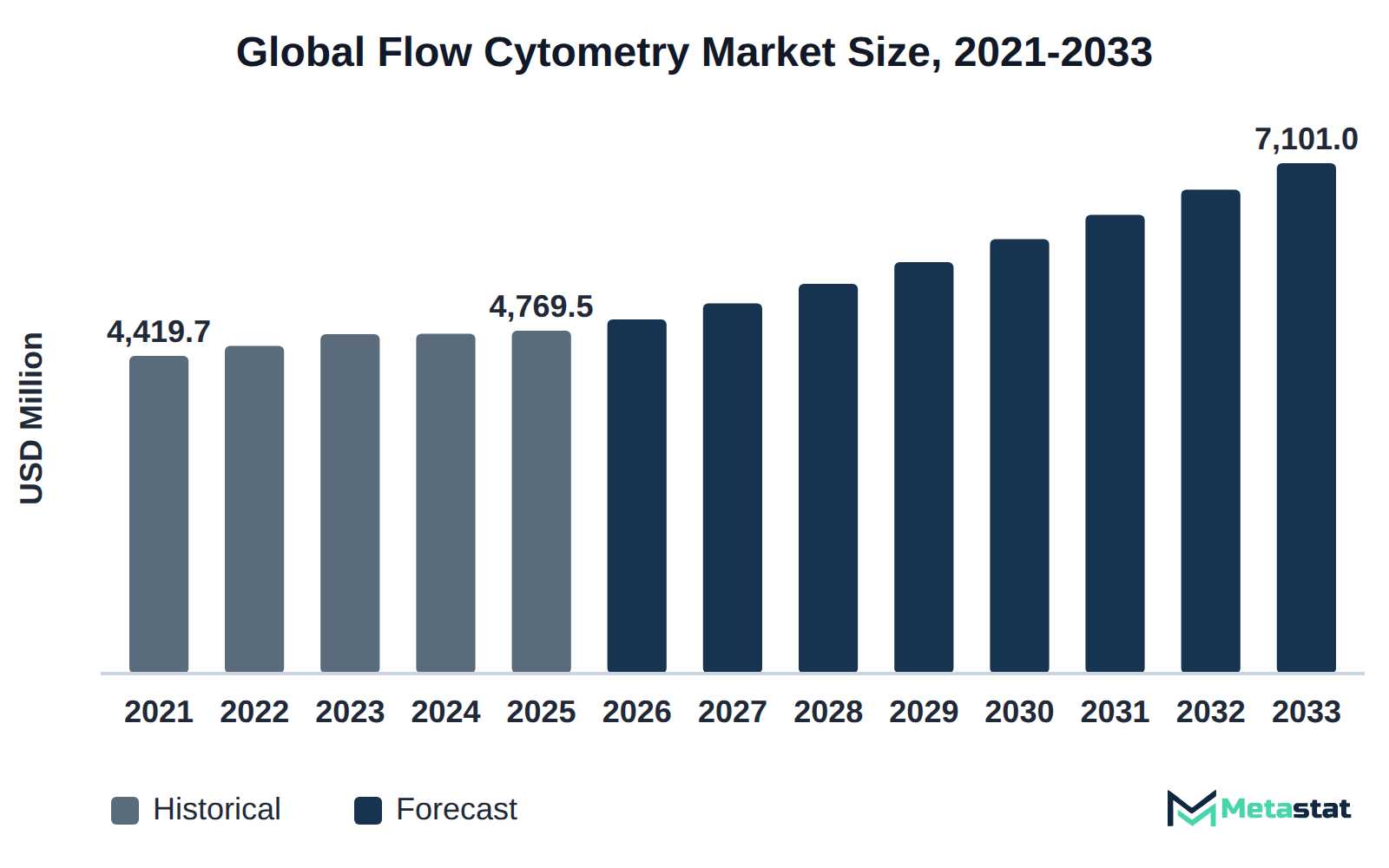
The emergence of spectral flow cytometry significantly transforms laboratory instrument purchasing within the Flow Cytometry market. This technology enables simultaneous detection of multiple fluorescent markers, enhancing the analysis of complex biological samples. Fluorescence microscopy is a related imaging technique that also depends on fluorescent labeling to study cells. In 2026, revenue from cell-based flow cytometry is projected at USD 4,336.8 million, escalating to USD 6,331.1 million by 2033, reflecting a compound annual growth rate (CAGR) of 5.6%. This technology shift drives laboratories to upgrade their instruments to accommodate advanced capabilities, resulting in heightened demand for sophisticated systems.
Automation further complements this trend, streamlining workflows and increasing throughput in laboratory settings. Automated systems reduce human error and improve reproducibility, crucial factors for research and clinical applications. Organizations pursuing efficiency invest in automated flow cytometry solutions, reshaping purchasing priorities. The market experiences a shift towards integrated systems that offer both spectral analysis and automation, catering to the evolving needs of buyers. Consequently, laboratories focusing on high-throughput environments prioritize these advanced technologies, contributing to overall market expansion and competitiveness.
Standardized reagents are central to the diagnosis of leukemia and the testing of measurable residual disease (MRD). Reliable and consistent reagent performance enhances the accuracy of flow cytometry results, directly impacting patient outcomes. The market benefits from this trend, as shown by projected growth in the reagents and consumables segment. The segment is expected to reach USD 3,933.2 million by 2033, with a compound annual growth rate (CAGR) of 5.5% from 2026.
Buyers in this market prioritize purchasing standardized reagents to ensure compatibility and reliability in their testing processes. Academic and research institutions, along with hospitals and clinical testing laboratories, heavily rely on these standardized products to maintain the quality of their diagnostics. The implementation of standardized reagents guarantees reproducibility and builds trust in the results, promoting further investment in flow cytometry technology.
Pricing models for these reagents typically involve long-term contracts that secure consistent supply and pricing stability for buyers. Such contracts enhance financial predictability and streamline procurement processes. As the market expands, the growing emphasis on reagent standardization lays a foundation for more accurate leukemia diagnosis and drives demand for flow cytometry solutions.
The surge in CAR-T cell therapy development significantly drives demand for flow cytometry quality control assays. In 2023, the market for flow cytometry reached USD 4,722.2 million, reflecting the growing integration of advanced cellular therapies in clinical applications. This increase originates from the need for rigorous quality assurance processes to confirm the efficacy and safety of these treatments.
Pharma and biotech companies, particularly those focused on CAR-T cell therapies, prioritize high-quality flow cytometry assays for monitoring cellular characteristics during cell therapy biomanufacturing. These assays facilitate the detailed analysis of cell populations, enabling precise measurements of vital therapeutic parameters. For instance, the clinical applications segment is projected to experience growth, reaching USD 2,569.3 million by 2033, reflecting the rising emphasis on stringent quality control measures.
The expanding demand for flow cytometry quality control assays directly impacts operational costs and efficiency for manufacturers. Implementing these assays streamlines production processes while ensuring compliance with regulatory standards. Consequently, the market is expected to sustain growth as CAR-T therapy adoption increases, reinforcing the role of flow cytometry in quality control within the pharmaceutical industry.
Acquiring a Flow Cytometry system involves considerable investment, encompassing both the initial purchase price and ongoing operational expenses. The base value for the market in 2025 is USD 4,769.5 million, reflecting the significant resources allocated toward enhancing research and clinical capabilities. Buyers consider both instruments and reagents, which contribute to the total cost of ownership.
In terms of specific segments, reagents and consumables represent a substantial portion of ongoing expenses, with a projected value of USD 2,700.8 million by 2026, expanding to USD 3,933.2 million by 2033. This segment demonstrates a compound annual growth rate (CAGR) of 5.5%, underlining the increasing reliance on consumables for effective operation and maintenance of Flow Cytometry systems. The depreciation of instruments over time results in further costs for laboratories and institutions.
Understanding these costs is crucial for institutions and companies in the Flow Cytometry market, enabling informed budgeting and long-term planning. Accurate cost assessment supports strategic resource allocation and helps maximize operational output and research productivity.
Research institutions increasingly invest in flow cytometry technologies to enhance their analytical capabilities. This shift stems from the need for advanced tools that support complex biological analyses, particularly in immunology and cell biology. Academic and research institutes represent a significant buyer group, driving demand for flow cytometry systems. The growing emphasis on precision medicine and personalized therapies increases the need for reliable data from these analytical tools. Such expansion signals a strong pipeline for research funding and increased collaboration among institutions, creating a competitive environment in the flow cytometry market. This investment trend highlights a commitment to advancing scientific discovery and improving healthcare outcomes.
The shift toward cell-based flow cytometry technology drives growth within the Flow Cytometry market. This technology enhances measurement accuracy and expands application potential in clinical and research settings. The need for precise cell analysis drives adoption among pharmaceutical and biotechnology companies, which use these advancements for drug development and diagnostics.
Cell-based flow cytometry offers improved sensitivity and specificity compared to traditional methods, serving a diverse clientele that needs dependable analytical tools. The technology's ability to analyze multiple parameters simultaneously supports detailed cellular characterizations, attracting investment from academic and research institutes aiming to advance scientific knowledge.
The market anticipates significant revenue growth due to increasing demand for cell-based assays, which play vital roles in cancer research and immunology. Circulating tumor cell diagnostics is a related area in which cell-level analysis supports cancer detection and monitoring. Enhanced capabilities to analyze cellular interactions and responses offer competitive advantages, reinforcing the importance of cell-based flow cytometry in future applications.
High costs associated with flow cytometry systems pose a significant barrier for various buyer groups, particularly academic and research institutes. Financial constraints hinder the ability to invest in advanced technologies, leading to slower uptake of new systems. Research institutions, which typically operate with tight budgets, experience challenges in allocating sufficient funds for equipment acquisition and maintenance. This situation results in smaller orders and delays in replacing outdated systems, ultimately affecting the overall efficiency of research activities.
Price fluctuations in reagents and consumables further exacerbate the issue, impacting operational budgets. Buyers in the pharmaceutical and biotechnology sectors face similar constraints, particularly as competition intensifies. The need for cost-effective solutions drives demand for alternatives but limits the market's growth potential. It is crucial for suppliers to address these financial barriers to facilitate wider adoption and expand the customer base within the flow cytometry market.
Rising input costs for reagents and consumables challenge suppliers within the market. Fluctuations in raw material prices increase operational expenses, impacting profit margins for manufacturers. The drive for consistent quality in flow cytometry products heightens these pressures, requiring suppliers to invest in higher-quality sourcing and production processes. Academic and research institutions, major buyers in the market, prioritize cost-effective solutions, leading suppliers to explore innovative formulations and alternative materials. In response, several manufacturers expand partnerships with suppliers to stabilize pricing and ensure consistent supply chains. Enhanced production efficiencies and strategic sourcing initiatives support suppliers in managing costs while maintaining product quality. This focus on cost management shapes the competitive landscape, as companies balance quality with affordability amid evolving buyer demands within the market.
Clinical Applications represent a significant growth segment within the flow cytometry market, with a projected compound annual growth rate (CAGR) of 5.8% through 2033. The increased focus on personalized medicine and advanced diagnostics drives demand in this area. Hospitals and clinical testing laboratories prioritize accurate and rapid analysis for patient care, resulting in a substantial increase in the adoption of flow cytometry technologies. The anticipated value for Clinical Applications is projected to reach USD 2,569.3 million by 2033. This sector benefits from advancements in assay technologies and the need for improved disease monitoring and management strategies. Expansion in this segment highlights the growing importance of flow cytometry in clinical settings, enhancing capabilities for disease detection and treatment evaluation. Clinical applications are therefore a key contributor to overall market growth.
The Global Flow Cytometry market is segmented based on Product, Technology, Application, and End User.
This segment includes vital items that support laboratory processes in flow cytometry, including staining reagents and other consumables required for cell analysis. Academic and research institutions frequently use these reagents to perform experiments and gather data essential for biological research. A key factor driving growth in this segment relates to increasing investments in research and development, especially in therapeutic areas like oncology. Compared to Instruments, which is projected to grow at a CAGR of 4.3%, the Reagents and Consumables segment shows stronger growth potential, highlighting its essential role in the overall market. The increasing preference for standardized reagents enhances reliability in research outcomes.
Instruments segment is estimated to reach USD 1,632.2 million by 2033, at a CAGR of 4.3% during the forecast period. This segment includes various flow cytometry instruments for cell analysis in laboratories and clinical settings. Academic and research institutes, pharmaceutical companies, and hospitals rely on these instruments for research applications, clinical diagnostics, and quality control processes. The adoption of advanced technologies, including automation and spectral flow cytometry, drives demand for these instruments. Compared to the reagents and consumables segment, which is projected to grow at a CAGR of 5.5%, the instruments segment experiences a relatively slower growth rate. However, it offers distinctive value through innovations in multicolor analysis and enhanced sensitivity, supporting precise cell characterization.
Accessories segment is expected to reach USD 90.2 million by 2033. This segment encompasses various supplementary tools alongside primary flow cytometry instruments. Typically, academic and research institutes leverage accessories for improved operational efficiency and enhanced analytical outcomes. The increasing complexity of research applications, particularly in cellular analysis, drives demand for specialized accessories that support robust data collection and processing. Compared to other segments, accessories exhibit slower growth, reflecting a compound annual growth rate (CAGR) of less than that of reagents and consumables, which is projected at 5.5%. The need for compatibility and standardization with existing systems presents an ongoing challenge, affecting adoption rates among potential buyers. An enhanced focus on product innovation within accessories will provide opportunities for manufacturers to cater to evolving research requirements and strengthen their market presence.
Services segment is projected to grow at a CAGR of 5.9% during the forecast period. This segment encompasses support activities for flow cytometry systems, including maintenance, training, and consultancy services, which enhance the operational efficiency of buyers. Academic and research institutions, along with clinical testing laboratories, frequently engage these services to improve their analytical processes. Increased demand for specialized training and support is driven by the growing complexity of flow cytometry technologies. Compared to other product segments, services exhibit a faster growth trajectory due to the rising focus on enhancing user capabilities and system uptime. While instruments and reagents emphasize equipment and consumables, the services segment uniquely addresses the operational and technical challenges faced by users, reflecting a strong commitment to advancing analytical methodologies. Buyers increasingly prioritize integrated service offerings to optimize laboratory workflows.
Software within the Flow Cytometry market provides essential support in data analysis and instrument control, enabling researchers and clinical laboratories to process complex datasets efficiently. This segment serves educational institutions, pharmaceutical companies, and clinical testing laboratories, providing essential tools for data management and visualization. The demand for software is driven by the increasing complexity of flow cytometry data, necessitating advanced analytics capabilities to derive meaningful insights. Bioinformatics platforms address a related need for managing and interpreting large biological datasets. Compared to reagents, instruments, and accessories, the software segment experiences relatively slower growth, reflecting its reliance on the pace of technological advancements and user adoption. The integration of software with existing lab systems poses an adoption barrier, as institutions evaluate compatibility and training requirements. The software segment supports the market through enhanced analytical capabilities, though it faces its own adoption challenges.
Primarily applied in research applications and clinical diagnostics, this technology offers enhanced capabilities for cellular analysis, driving significant interest among academic institutions and biotechnology firms. The rising demand for precise and efficient cellular analysis fuels investment in cell-based technologies, with the segment benefiting from advancements in reagent and instrument quality. Compared to bead-based flow cytometry, which is anticipated to reach USD 769.9 million by 2033 at a CAGR of 3.9%, cell-based flow cytometry exhibits faster growth, reflecting stronger adoption in high-stakes environments including laboratories and clinical testing facilities. This accelerated growth highlights the segment's critical role in advancing research and healthcare diagnostics.
This technology serves the specific needs of clinical laboratories and research institutions by enabling the analysis of multiple parameters simultaneously through the use of beads coated with specific antibodies. The segment experiences consistent demand driven by advancements in diagnostic applications and the increasing focus on personalized medicine. Its growth trajectory differs from other segments, particularly Cell-Based Flow Cytometry, which has a higher CAGR of 5.6%. The relatively slower growth of the Bead-Based segment is attributed to its established nature and ongoing investment in novel cell-based technologies that promise enhanced capabilities. The competitive landscape reflects a diverse range of applications, ensuring relevance across various end users, including academic and pharmaceutical sectors, further enhancing its importance in the market.
Research Applications segment is valued at USD 2,905.7 million in 2026 and is projected to reach USD 4,065.9 million by 2033, at a CAGR of 4.9% during the forecast period. This segment supports various studies in immunology, cancer research, and cellular biology, serving academic institutions and research laboratories. Factors driving growth include increasing investments in research and development efforts, enhancing the need for advanced analytical tools. Compared to Clinical Applications, which grow at a CAGR of 5.8%, Research Applications experience relatively slower growth. The differentiation arises from the focus on fundamental research rather than diagnostic or therapeutic applications, emphasizing exploration and discovery in scientific inquiry rather than immediate clinical outcomes. This segment's steady expansion reflects ongoing advancements in flow cytometry technologies, reinforcing its importance within the broader flow cytometry market.
Clinical Applications segment is estimated to reach USD 2,569.3 million by 2033, at a CAGR of 5.8% during the forecast period. This segment finds extensive use in hospitals and clinical testing laboratories for diagnostic purposes, including disease detection, patient monitoring, and treatment evaluation. The increasing prevalence of chronic diseases and the growing emphasis on early diagnosis significantly drive demand for clinical applications. Compared to other segments, clinical applications exhibit a higher growth rate, driven by technological advancements and an increasing focus on personalized medicine. Hospitals and clinical laboratories benefit from improved diagnostic accuracy and efficiency through flow cytometry technologies. Investments in clinical applications typically involve higher costs compared to research applications, reflecting the critical nature of diagnostic procedures. The flow cytometry market continues to evolve, with clinical applications positioned as a key area for innovation and investment.
Industrial Applications segment is expected to reach USD 465.8 million by 2033. This segment serves various industries, including manufacturing and quality control, where flow cytometry applications facilitate process improvements and product development. The growing emphasis on quality assurance drives demand for precise analytical tools, influencing adoption in industrial settings. Compared to other segments, Industrial Applications experiences slower growth, reflecting a CAGR of less than the Research Applications segment, which has a CAGR of 4.9%. The relatively stable demand from established industries contrasts with the dynamic shifts observed in clinical and research applications, highlighting specific market characteristics that define the segment. Factors including advancements in technology and increased regulatory requirements shape the need for accurate measurement tools, enhancing their role in industrial environments. These dynamics contribute to the overall growth trajectory observed in the Flow Cytometry market.
Academic & Research Institutes segment is valued at USD 1,386.9 million in 2026 and is projected to reach USD 1,813.1 million by 2033, at a CAGR of 3.9% during the forecast period. This segment primarily supports scientific research and academic exploration through advanced analytical techniques. Driven by the increasing demand for innovative research methodologies, academic institutions actively adopt flow cytometry to enhance their experimental capabilities. This segment exhibits slower growth compared to others, including Clinical Applications, which is projected to grow at a CAGR of 5.8%. The focus on budget constraints within educational institutions influences spending decisions, creating a difference in price sensitivity compared to pharmaceutical and biotech companies. The unique needs of educational and research environments highlight the distinct role this segment plays within the broader market.
Pharma & Biotech Companies segment is estimated to reach USD 1,645 million by 2033, at a CAGR of 5.3% during the forecast period. This segment serves crucial roles in drug discovery, development, and validation processes. Companies within this segment require flow cytometry for precise cell analysis, aiding in the identification and characterization of potential therapeutic targets. The demand for innovative biopharmaceuticals drives growth, supported by increased investment in research and development. Compared to other end-user segments, Pharma & Biotech Companies experience a higher growth rate, reflecting their reliance on advanced technologies for competitive advantage. While other segments focus on broader applications, this segment emphasizes specialized, high-quality solutions. Market expansion aligns with the growing trend toward personalized medicine, positioning flow cytometry as an essential tool for these companies.
The hospitals segment is expected to reach USD 1,478.7 million by 2033. This segment serves critical functions in patient care, including diagnostics and treatment monitoring, making it essential for healthcare facilities. Demand for advanced diagnostic tools, including flow cytometry, is driven by the rising prevalence of chronic diseases and the increasing need for personalized medicine. Hospitals prioritize precision and accuracy in diagnostics, distinguishing this segment from others, including academic and research institutions, which focus more on experimental applications. While the CAGR for hospitals stands at 5.3%, price sensitivity often influences purchasing decisions compared to higher-budget segments like pharmaceutical and biotechnology companies. Growth in the hospitals segment contributes to the overall expansion of the flow cytometry market, reflecting a shift towards integrated healthcare solutions.
Clinical Testing Laboratories segment is projected to grow at a CAGR of 7.3% during the forecast period. These laboratories employ flow cytometry for the analysis of blood samples and other clinical specimens, playing a vital role in diagnostics, treatment monitoring, and research. Clinical immunodiagnostics is a closely related area of laboratory testing. Increasing demand for precise and rapid diagnostics drives growth in this segment, particularly due to the rising prevalence of diseases requiring advanced testing methodologies. This segment differentiates itself from others, including Academic & Research Institutes, by prioritizing clinical applications over research initiatives. Consequently, Clinical Testing Laboratories experience higher growth rates compared to Academic & Research Institutes, which grow at a CAGR of 3.9%. The market continues to expand, reflecting the essential role of flow cytometry in modern healthcare diagnostics.
CROs/CMOs focus on providing specialized services for clinical research and manufacturing processes. These entities support pharmaceutical and biotechnology companies in executing trials, ensuring product compliance, and managing large-scale production. Increasing demand for efficient drug development drives growth in this segment, with companies seeking to streamline operations and reduce time-to-market. Unlike other segments, CROs/CMOs experience a higher reliance on advanced flow cytometry techniques for data analysis and product testing, enhancing precision and reliability. This segment's success hinges on technological advancements, reflecting shifts toward more sophisticated methodologies that yield better outcomes. In contrast with segments including Academic & Research Institutes, CROs/CMOs operate under stricter regulatory scrutiny, affecting their operational dynamics. The flow cytometry market benefits from the expanded capabilities offered by these CROs and CMOs, positioning them as crucial players in the healthcare sector.
Others, including Blood Banks and Forensic Labs, use flow cytometry for applications including blood typing, disease diagnosis, and forensic analysis. Blood banks leverage this technology to assess blood compatibility and ensure safe transfusions, while forensic labs apply it for analyzing biological evidence in criminal investigations. A significant force driving this segment involves the increasing focus on precision and accuracy in medical and forensic diagnostics. Adoption of advanced flow cytometry technologies enhances reliability in results, differentiating this sub-segment from others within the end-user category. Unlike larger segments, this area experiences steady growth due to its specific and critical applications, focusing on niche markets where demand for specialized services persists. The market benefits from continuous advancements in technology, ensuring that both blood banks and forensic laboratories maintain high operational standards and efficacy in their respective fields.
Based on geography, the Global Flow Cytometry market is divided into North America, Europe, Asia-Pacific, South America, Middle East, and Africa.
Demand for the Flow Cytometry market in North America benefits from strong contributions from academic and research institutes, pharmaceutical and biotech companies, and hospitals. Increasing investments in research and development activities alongside advancements in cellular and molecular biology techniques drive growth. The regulatory framework for medical devices in the United States further supports innovation and product availability, enhancing adoption across various applications. By 2033, the region is projected to reach USD 3,039.5 million, reflecting a commitment to expanding clinical and research capabilities. Investments in infrastructure, particularly within healthcare and laboratories, facilitate the integration of advanced flow cytometry technologies, thereby improving diagnostic outcomes.
Demand for the Flow Cytometry market in Europe derives primarily from academic institutions and pharmaceutical companies focusing on research and clinical applications. Countries like Germany and France exhibit a strong concentration of research activities and a growing number of biotech firms, which enhance market demand. The presence of well-established healthcare infrastructures in the UK and Italy further supports the adoption of advanced flow cytometry technologies in clinical settings. Regulatory frameworks within these countries, aimed at promoting innovation in medical technologies, contribute to a favorable market environment. In 2025, Europe is anticipated to hold a market share of 26.7%, reflecting its significance in driving advancements and ensuring quality in research and clinical applications.
Growth in the Flow Cytometry market within Asia-Pacific is driven by increasing investments in research and development, particularly in China and India. These countries focus on advancing healthcare systems, prompting higher demand for advanced diagnostic techniques. The need for efficient healthcare solutions, including personalized medicine and disease management, supports demand across the region. The Asia-Pacific region benefits from a rising number of clinical and academic research institutions, enhancing the adoption of flow cytometry technologies. Infrastructure improvements, especially in urban areas, facilitate better access to these technologies. By 2025, the region is anticipated to hold a 24.00% share of the global market. Significant advancements in biotechnology and pharmaceutical sectors further fuel market growth, with a strong emphasis on enhancing clinical applications and research initiatives.
In South America, demand for the Flow Cytometry market is primarily driven by the increasing focus on research and development in the pharmaceutical and biotechnology sectors. Brazil and Argentina show a growing interest in clinical applications, particularly in hospitals and academic research institutions, which are key consumers of flow cytometry technologies. Infrastructure improvements in laboratory facilities and a rising number of research initiatives enhance the market's appeal. The regional market share was 2.9% in 2025, reflecting ongoing development in these industries. The market is anticipated to benefit from rising investment in healthcare and research, creating a favorable environment for growth in the coming years.
The Flow Cytometry market in the Middle East and Africa reflects specific characteristics distinct to this region. Growing interest in advanced healthcare technologies in Saudi Arabia and the UAE contributes to increased demand for flow cytometry systems, driven by a focus on improving diagnostic capabilities and research outcomes. South Africa's investment in biotechnology and academic research creates a supportive environment for flow cytometry applications, particularly in clinical and industrial settings. Regulatory frameworks promoting research initiatives and healthcare advancements enhance the market's potential. The Middle East and Africa will account for a notable share of the global market, indicating growing recognition of flow cytometry's importance across various sectors.
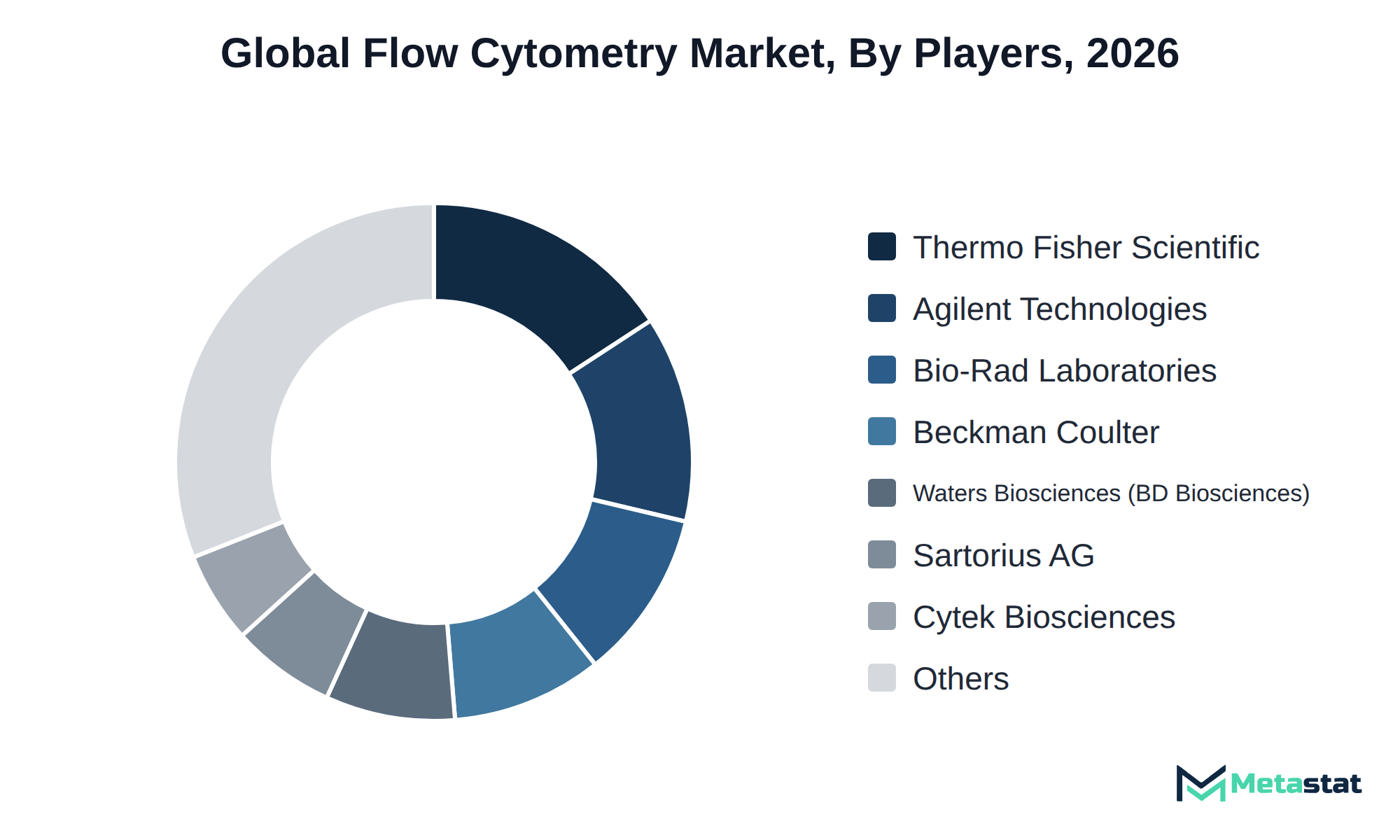
The Flow Cytometry market features intense competition among companies focusing on various aspects of product offerings, innovation, and customer service. Key companies operate in areas including reagents and consumables, instruments, and services, vying for market share by emphasizing quality and reliability.
Buyers prioritize factors including price, customization, and post-sale support when selecting products in the market. Waters Biosciences (BD Biosciences) emphasizes high-quality reagents, while Thermo Fisher Scientific Inc. focuses on comprehensive instrument solutions. Agilent Technologies, Inc. stands out through its innovative approaches to research applications, enhancing its competitive edge.
Competitors in the market work to differentiate their offerings through technological advancements and robust service ecosystems. Bio-Rad Laboratories, Inc. enhances value through its extensive service network, while Sartorius AG develops specialized instruments that cater to niche applications. This strategic behavior shapes the overall competitive dynamics within the Flow Cytometry market.
The anticipated growth relies on several developments within the Flow Cytometry market. First, the increasing demand for reagents and consumables, projected to grow from USD 2,700.8 million in 2026 to USD 3,933.2 million by 2033 at a 5.5% CAGR, will drive overall market expansion. Second, advancements in cell-based flow cytometry technology, with a forecasted rise from USD 4,336.8 million in 2026 to USD 6,331.1 million by 2033, will enhance application potential across both research and clinical settings. The pharmaceutical and biotechnology sectors are key end users, requiring innovative solutions and increasing their investment in flow cytometry solutions. Conversely, a primary risk that could impede growth involves regulatory challenges that slow the adoption of new technologies and impede market penetration, particularly in regions like North America and Europe, where stringent regulations govern clinical applications. Addressing these regulatory hurdles will be necessary to realize the full market potential and reach the projected revenue by 2033.
By Product: Reagents and Consumables, Instruments, Accessories, Services, Software
By Application: Research Applications, Clinical Applications, Industrial Applications
By End User: Academic & Research Institutes, Pharma & Biotech Companies, Hospitals, Clinical Testing Laboratories, CROs/CMOs, Others (Blood Banks, Forensic Labs)
The report strategically identifies and profiles the key market players and analyses their core competencies in each sub-segment of the Flow Cytometry market.
Report Attributes | Details |
Study Period | 2021-2033 |
Base Year | 2025 |
Estimated Year | 2026 |
Forecast Period | 2026-2033 |
Historical Period | 2021-2025 |
Growth Rate | CAGR 5.4% from 2026 to 2033 |
Revenue Unit | USD million |
Segmentation | By Product, Technology, Application, End User, and Region |
By Region | North America (By Product, Technology, Application, End User, and Country)
|
Europe (By Product, Technology, Application, End User, and Country)
| |
Asia Pacific (By Product, Technology, Application, End User, and Country)
| |
South America (By Product, Technology, Application, End User, and Country)
| |
Middle East and Africa (By Product, Technology, Application, End User, and Country)
|
Find answers to common questions about this report
The Flow Cytometry market size was valued at USD 4,769.5 million in 2025.
The market is projected to grow at a CAGR of 5.4% during the forecast period from 2026 to 2033.
The North America Flow Cytometry market size is estimated to reach USD 3,039.5 million by 2033.
Reagents and Consumables lead the Flow Cytometry market with a value of USD 2,700.8 million in 2026. This segment surpasses others in terms of revenue generation.
Increasing investment from research institutions in flow cytometry technologies enhances analytical capabilities, driven by the need for advanced tools in immunology and cell biology. The shift toward cell-based flow cytometry technology improves measurement accuracy and expands application potential in clinical and research settings.
North America holds the dominant share of the Flow Cytometry market, with a value of USD 3,039.5 million projected for 2033, representing 42.6 percent of the total market.
High costs associated with flow cytometry systems pose a significant barrier for various buyer groups, particularly academic and research institutes. Financial constraints hinder investments in advanced technologies, leading to slower uptake of new systems and affecting overall research efficiency.
Several factors favor adoption in the flow cytometry industry. The increasing emphasis on precision medicine drives demand for advanced analytical tools. the growth of research funding and collaborations among academic institutions enhances investment in flow cytometry technologies, supporting wider adoption across various applications.
The Flow Cytometry market is estimated to reach a valuation of USD 7,101 million by 2033.
Key players operating in the Flow Cytometry industry include Waters Biosciences (BD Biosciences), Agilent Technologies, Inc., Thermo Fisher Scientific Inc., Bio-Rad Laboratories, Inc., Sartorius AG, Enzo Biochem Inc., and Beckman Coulter, Inc.
The analysts below cover Medical Devices research at Metastat Insights.
LEAD ANALYST
Utkarsh Khirodkar is a Lead Market Research Analyst at MetaStat Insight, specializing in market intelligence, technology sector assessments, and competitive strategy.

LEAD PRINCIPAL ANALYST, PHARMA AND HEALTHCARE
Food and Beverages · Healthcare · Healthcare IT · Medical Devices
Ajay Devgire is the Lead Healthcare Analyst at MetaStat Insight, leading strategic research and market intelligence initiatives across the global healthcare domain.

SENIOR RESEARCH ANALYST
Biotechnology · Food and Beverages · Medical Devices · Packaging
Snehal Pasalkar is a Research Analyst at MetaStat Insight, operating at the intersection of life sciences research, competitive strategy, and market intelligence.
Transitioning ultra-class mining haul trucks to alternative power requires concrete data on remote hydrogen refueling infrastructure economics. The report evaluated megawatt-scale electrolyzer installation expenses, onsite storage safety mandates, and heavy-duty fuel cell stack degradation under continuous duty cycles. That technical rigor helped our engineers benchmark realistic total operating cost horizons for off-highway fleet decarbonization.
Enterprise zero-trust network rollouts are often slowed down by multi-cloud transit latency and proprietary hardware retirement schedules. This study provided realistic total cost of ownership models comparing cloud-delivered security edge solutions against traditional hardware refreshes. The analysis of contract renewal lengths and software maintenance fees gave us clear visibility into enterprise replacement cycles over the next three to five years.
Scaling antibody-drug conjugate manufacturing hinges on contract manufacturing availability for high-potency active ingredients. The MetaStat Insight analysis looked closely at global cleanroom slot constraints, bioconjugation batch failure rates, and supply chain redundancies between the US, Europe, and India. The supplier capability matrix proved genuinely useful for our team when mapping secondary source options across our clinical pipeline.
Explore related market intelligence reports worth reading alongside this one.
Starting from
$2950