
Explore the dynamics of low-cost travel, understanding what drives demand, the impact of technology, and how to navigate options effectively.
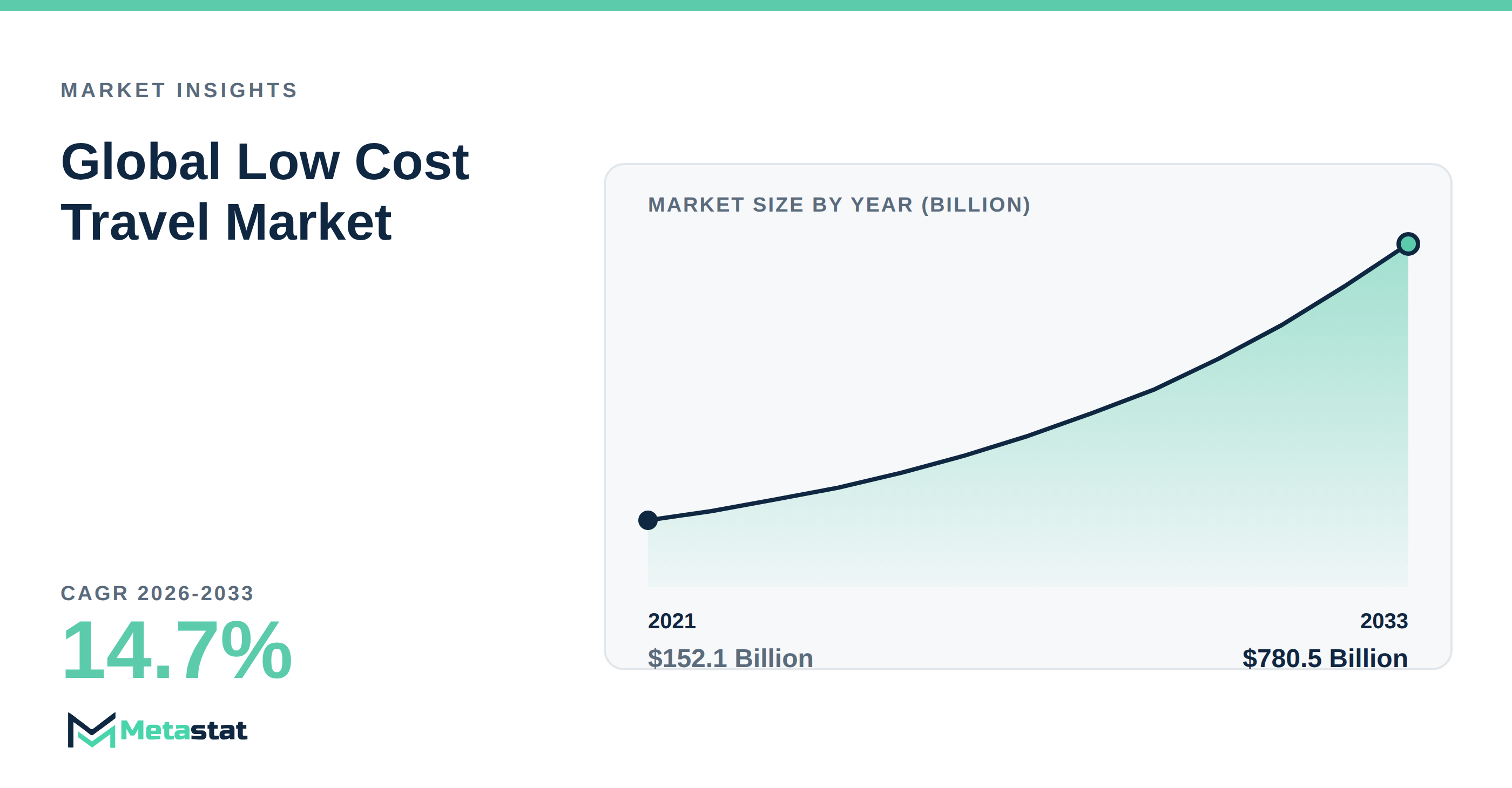
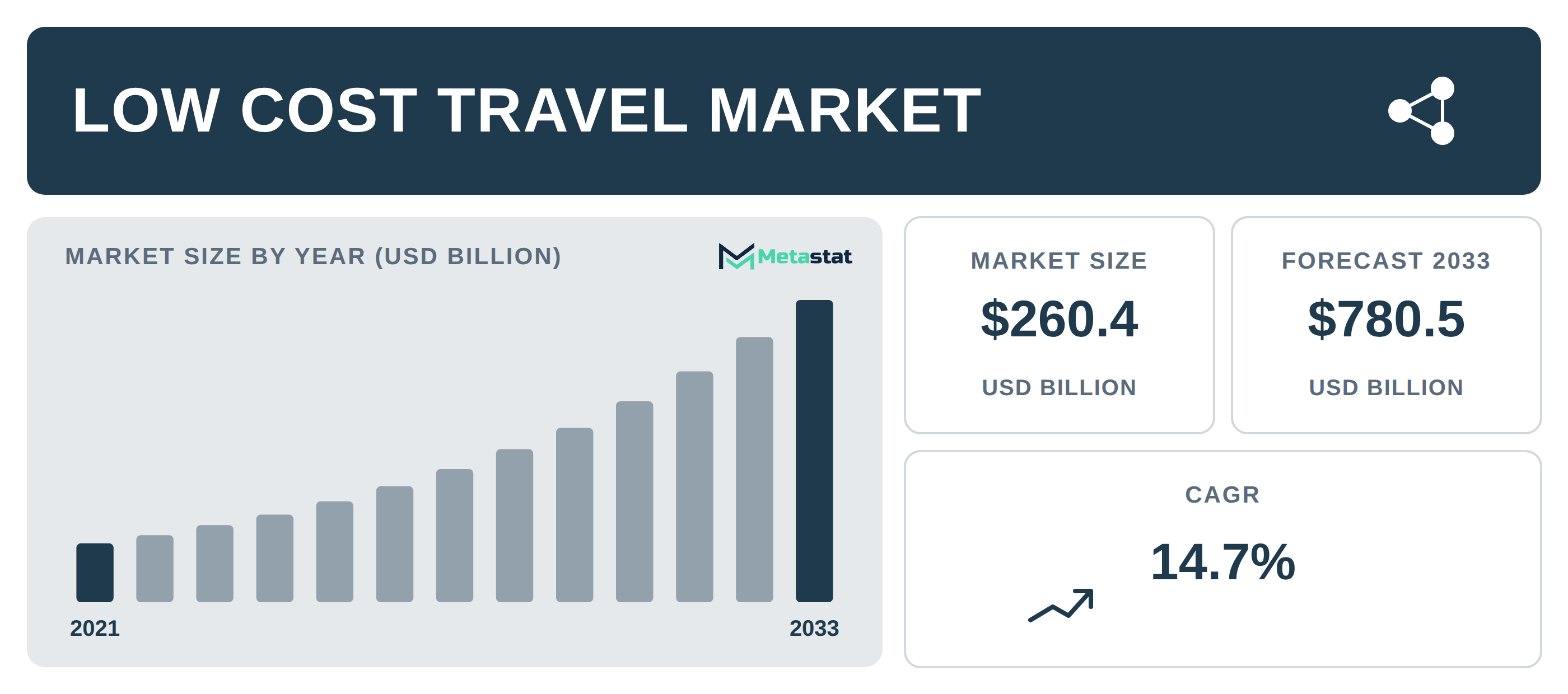
Traveling on a budget has become more than just a necessity; it has evolved into a lifestyle choice for many. The trend towards affordable travel options is reshaping the industry, but misconceptions often cloud understanding. A significant misconception is that low-cost travel is synonymous solely with low fares. Instead, this journey encompasses various factors that influence consumer choices, including the rise of digital platforms and evolving traveler preferences. Insights into the dynamics of low-cost travel reveal opportunities for both consumers and providers. The full figures are in our Low Cost Travel market size and forecast report.
What drives the demand for low-cost travel?
Budget-conscious travelers seek experiences fitting their financial constraints without sacrificing enjoyment. They increasingly explore diverse destinations at a lower cost. This trend is driven by the rapid growth of low-cost airlines and budget accommodations, which provide consumers with numerous affordable options. Leisure travelers actively seek budget solutions that allow for memorable experiences without excessive spending. The growing popularity of low-cost air travel, expected to reach USD 280.5 billion by 2033, highlights this demand.
How has technology influenced low-cost travel?
The impact of technology on travel cannot be understated. Digital booking platforms, especially direct provider websites and apps, have transformed how consumers secure their travel plans. The ease of comparing prices online allows travelers to make informed decisions quickly. These platforms are projected to significantly increase their share in the travel space. This evolution enhances accessibility and convenience, appealing to a wider audience looking for budget-friendly options.
Who benefits from low-cost travel options?
Various traveler segments benefit from budget travel solutions, particularly leisure travelers, backpackers, and students. With demographics shifting towards younger, more adventurous individuals, this market thrives on experiential travel. Budget travel providers focusing on these segments cater to their needs by offering tailored services, creating opportunities for exploration that align with their budgetary constraints. By 2033, the segment of backpackers and solo travelers is projected to reach USD 155.8 billion, showcasing the potential in catering to this audience.
What challenges exist in the low-cost travel sector?
Despite its expansion, the low-cost travel sector faces challenges. Increased competition among service providers often leads to price wars that compress profit margins. Rising costs associated with travel - including airport fees and fuel - can hinder the affordability that travelers desire. Companies strive to balance competitive pricing with service quality to remain attractive to budget-conscious consumers.
How travelerses navigate low-cost options wisely?
Travelers should leverage the wealth of information available through digital platforms to make educated choices. By setting clear budgets and comparing various travel services, they access the lowest prices without sacrificing quality. Flexibility in travel dates and destinations often opens the door to significant savings, encouraging travelers to explore options they not have initially considered.
Understanding the dynamics of low-cost travel is crucial for making informed choices that maximize enjoyment while minimizing expenses. While the landscape continues to evolve, staying updated about trends and options enhance the overall travel experience. For further details and trends pertaining to this insightful journey into the world of low-cost travel, refer to the Low Cost Travel market size and forecast report.
Tags
About the Authors

LEAD ANALYST
Utkarsh Khirodkar is a Lead Market Research Analyst at MetaStat Insight, specializing in market intelligence, technology sector assessments, and competitive strategy.

ENERGY & INFRASTRUCTURE INDUSTRY CONSULTANT
Automotive and Transportation · Electronics and Semiconductor · Energy and Power · Machinery & Equipment
Saurabh Vasant Ganvir consults for Energy & Infrastructure Industry at MetaStat Insight, specializing in renewable energy, solar EPC, and electric vehicle (EV) infrastructure markets.