
This article explores the real implications of Smart Retail technologies, focusing on their transformative impact on consumer engagement and operational efficiency.
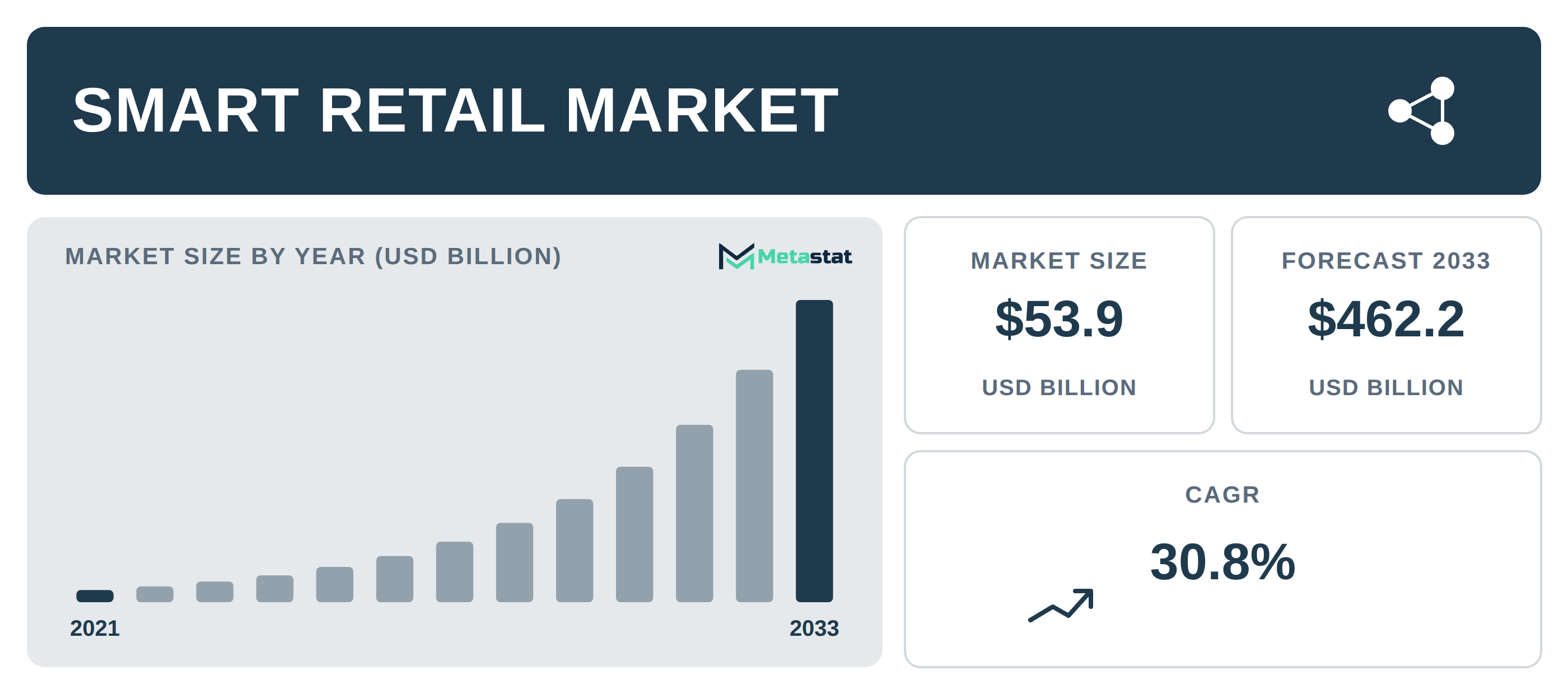
Many industry stakeholders misinterpret the role of technology in the evolving landscape of Smart Retail. They often perceive the influx of solutions as a mere trend, overlooking the fundamental shifts in consumer expectations and operational efficiencies that drive these advancements. The reality is that Smart Retail technologies, including AI-driven solutions and real-time inventory management, fundamentally reshape how retailers engage with customers and manage their operations. The full figures are in our Smart Retail market size and forecast report.
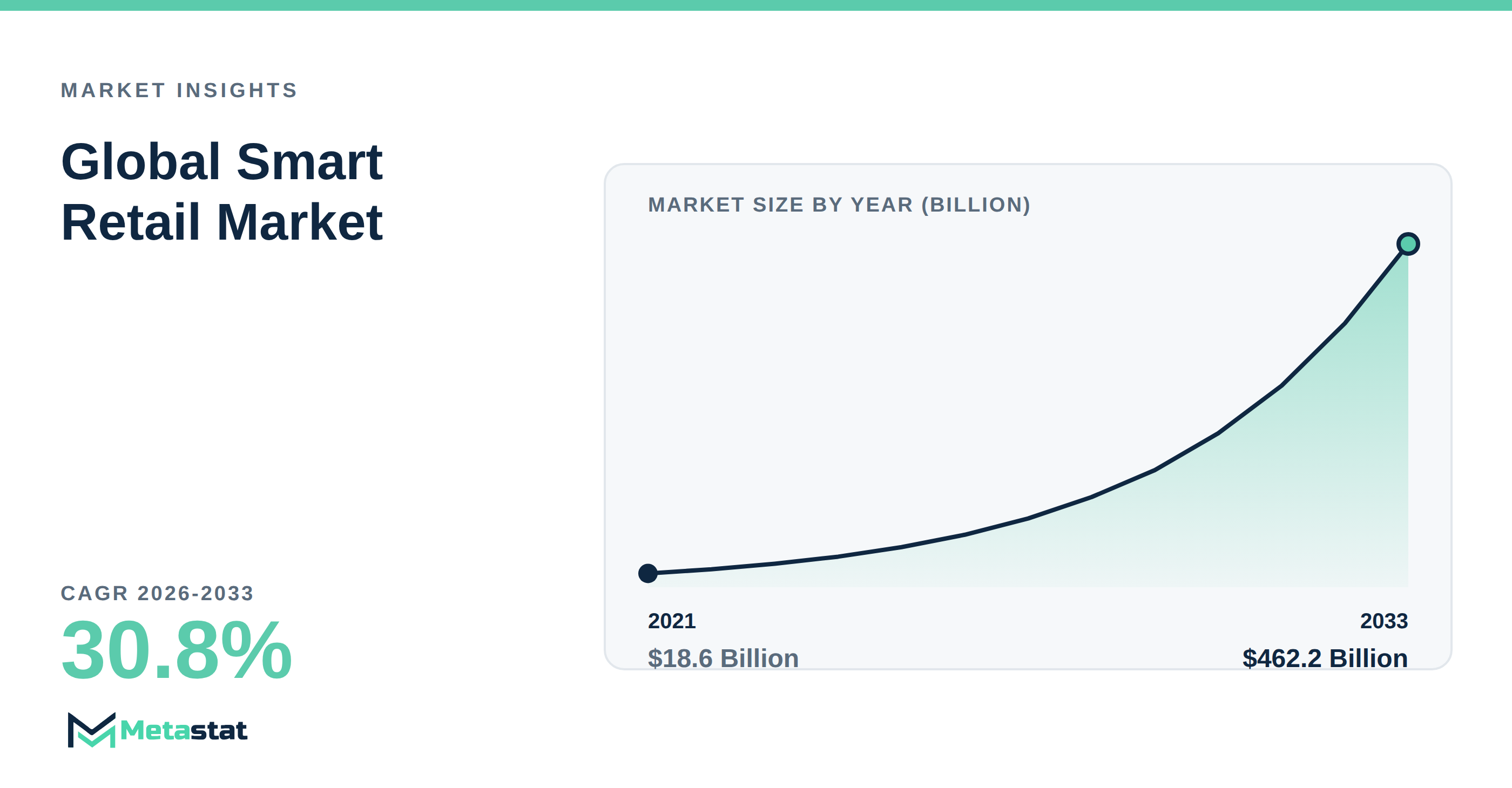
Are retailers investing in technology or simply responding?
Investments in Smart Retail are frequently viewed through the lens of reactive adaptation - retailers scrambling to keep pace with changing consumer behaviors. This viewpoint misses a crucial point: the proactive integration of technologies represents a strategic shift toward enhancing customer experiences. For instance, retailers deploying AI-powered self-checkouts do not simply aim to reduce queue times; they seek to create a more personalized shopping environment that improves overall satisfaction. This focus on customer-centric technology will drive long-term loyalty and repeat visits, rather than just short-term fixes.
How do these technologies impact operational efficiency?
Understanding the implications of these technologies on operational efficiency reveals their contributions beyond superficial enhancements. Advanced inventory management solutions and smart point-of-sale systems deliver real-time data analytics that enable retailers to optimize stock levels and streamline operations. This capability is particularly significant in sectors like supermarkets and hypermarkets, where inventory turnover directly impacts profitability. The ability to adjust stock dynamically and analyze consumer preferences improves decision-making, which substantially reduces costs and enhances service delivery.
Is personalization more than a buzzword?
Personalization is often branded as an industry trend, yet it drives core innovation within Smart Retail. Technologies including virtual try-ons and AI-driven personalization platforms deliver tailored shopping experiences that connect with modern consumers. Retailers implementing these solutions see tangible impacts on conversion rates, as shoppers engage more deeply with brands that understand their unique preferences. This shift toward personalization not only drives immediate sales but cultivates long-term relationships, positioning retailers for sustained success in an increasingly competitive environment.
What role do regulatory barriers play in adopting Smart Retail technologies?
Regulatory barriers often hinder the full potential of Smart Retail technology integration, particularly for smaller retailers lacking resources to navigate compliance complexities. These hurdles complicate the rapid adoption of advanced solutions, creating disparities in the market. Nevertheless, larger retailers with the capacity to manage these challenges leverage technology more swiftly, enhancing their competitive edge. Addressing these barriers through industry collaboration could create a more equitable landscape, allowing all retailers to benefit from Smart Retail solutions.
What does the future hold for Smart Retail?
Looking forward, the trajectory of Smart Retail indicates continual evolution driven by technological advancements and shifting consumer expectations. Retailers focusing on integrating innovative solutions that promote efficient operations, enhanced personalization, and robust analytics will likely thrive. The ongoing digital transformation presents vast opportunities for growth, particularly for those who view technology not as a temporary measure but as a strategic investment in the future of customer engagement and operational excellence.
For those navigating the Smart Retail landscape, understanding these dynamics is essential. By recognizing the true implications of these technological advancements, retailers make informed decisions that align with consumer demands and position themselves strategically for the future.
Tags
About the Authors

LEAD ANALYST
Utkarsh Khirodkar is a Lead Market Research Analyst at MetaStat Insight, specializing in market intelligence, technology sector assessments, and competitive strategy.

INDUSTRY CONSULTANT - CHEMICALS & ADVANCED MATERIALS
Chemicals and Materials · Machinery & Equipment · Packaging
Amit Gadhekar Consultant for Chemicals and Materials at MetaStat Insight, directing sector-specific intelligence, research, and strategic consulting across global chemical and processing markets.

PRINCIPAL CONSULTANT - QUALITY SYSTEMS & COMPLIANCE
Electronics and Semiconductor · Machinery & Equipment · Professional Services
Omkar Phadtare is an Industry Consultant at MetaStat Insight, specializing in quality systems, regulatory compliance, and standards benchmarking to drive data-driven market intelligence and strategic industry research.

ENERGY & INFRASTRUCTURE INDUSTRY CONSULTANT
Automotive and Transportation · Electronics and Semiconductor · Energy and Power · Machinery & Equipment
Saurabh Vasant Ganvir consults for Energy & Infrastructure Industry at MetaStat Insight, specializing in renewable energy, solar EPC, and electric vehicle (EV) infrastructure markets.

LEAD CONSULTANT - COMMUNICATION, TELECOM, AND IT
Electronics and Semiconductor · Information & Technology · Machinery & Equipment · Professional Services
Ravindra Sathe Consultants for Communication, Telecom, and IT at MetaStat Insight. He leads the firm's industry research initiatives across telecommunications infrastructure, digital connectivity, enterprise networking, and emerging information technology domains.