
Discover the driving factors behind the Southeast Asia solar energy market and how they shape investment opportunities in the region's renewable energy landscape.
The rapid expansion of renewable energy in Southeast Asia is not simply a passing trend; it signifies a major shift in how the region approaches energy procurement and consumption. Yet, many stakeholders misinterpret the implications of this growth. A singular focus on economic metrics obscure a clearer understanding of the underlying factors influencing demand, which is essential for strategic investment. The full figures are in our Southeast Asia Solar Energy market size and forecast report.
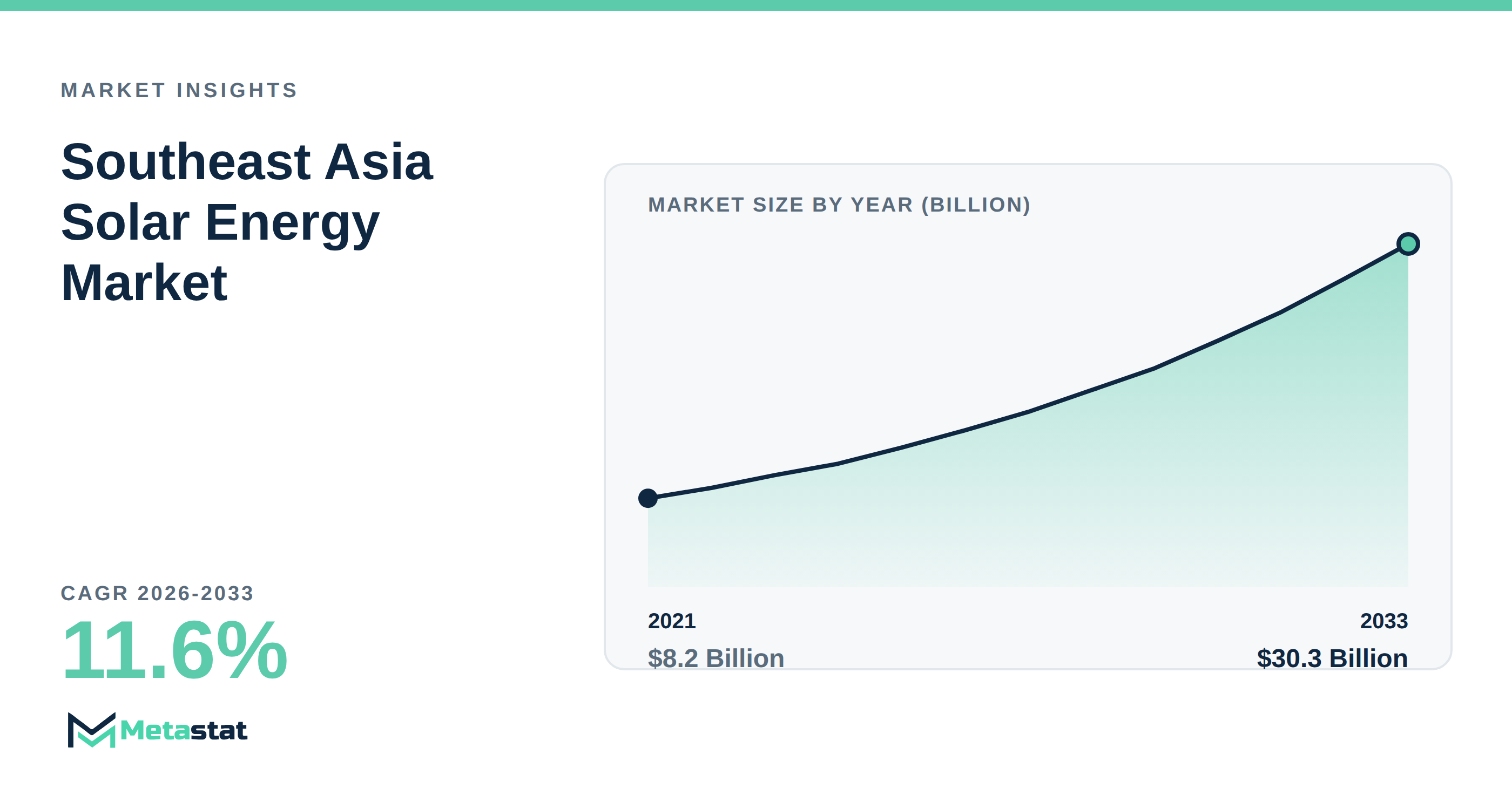
What drives the demand for solar energy solutions?
Energy independence and cost savings motivate both businesses and government entities across Southeast Asia. Nations are striving to reduce dependence on fossil fuels, positioning solar energy as an appealing alternative. Significant investments in solar technologies, particularly observed in Vietnam and the Philippines, illustrate a robust commitment to renewable resources. This trend indicates a growing acknowledgment of solar's role in achieving sustainability and addressing mounting energy demands.
How is utility-scale solar shaping the energy landscape?
Utility-scale solar projects serve as a cornerstone of the region's energy strategy. These large-scale installations are projected to achieve USD 17.5 billion by 2033, emphasizing their critical contribution to expanding grid capacity. Transitioning to grid-connected systems enhances reliability and supports energy security, enabling utilities to meet rising consumer demand while minimizing environmental impacts. This transition creates avenues for companies to invest in infrastructure that aligns with government initiatives focused on reducing carbon emissions.
Rooftop solar's impact on commercial energy procurement
Rooftop solar installations are gaining traction among commercial entities. The integration of solar energy into business operations provides dual benefits: reducing energy expenses and promoting sustainability. Power Purchase Agreements (PPAs) enable companies to access solar energy without substantial upfront costs. This financial model broadens access to renewable energy, allowing smaller businesses to pursue energy independence, which once seemed unattainable.
What are the implications of solar-plus-storage systems?
Investment in solar-plus-storage solutions is on the rise, driven by the need for reliable energy sources among commercial users. These systems allow businesses to store excess solar energy produced during peak sunlight hours, optimizing electricity use during high-demand periods. The anticipated growth of this segment highlights a shift towards self-sufficiency, enabling firms to manage energy price fluctuations while bolstering resilience against grid disruptions. This strategic focus provides early adopters with competitive advantages.
How are policy reforms and decreasing costs reshaping the landscape?
Government initiatives significantly influence the drive towards solar energy solutions. Favorable policies incentivize investment in renewable technologies, fostering an environment conducive to growth. While the costs of solar technologies decline, the feasibility of large-scale projects increases, making solar energy more attainable. Stakeholders remain attentive to changing regulations, ensuring that their investments are aligned with these supportive frameworks to leverage the anticipated growth in the sector.
A strategic approach to understanding the Southeast Asia solar energy environment reveals substantial opportunities for investment. By looking beyond mere economic figures and analyzing the driving factors behind demand, stakeholders make informed decisions that align with the region's transition towards sustainable energy solutions.
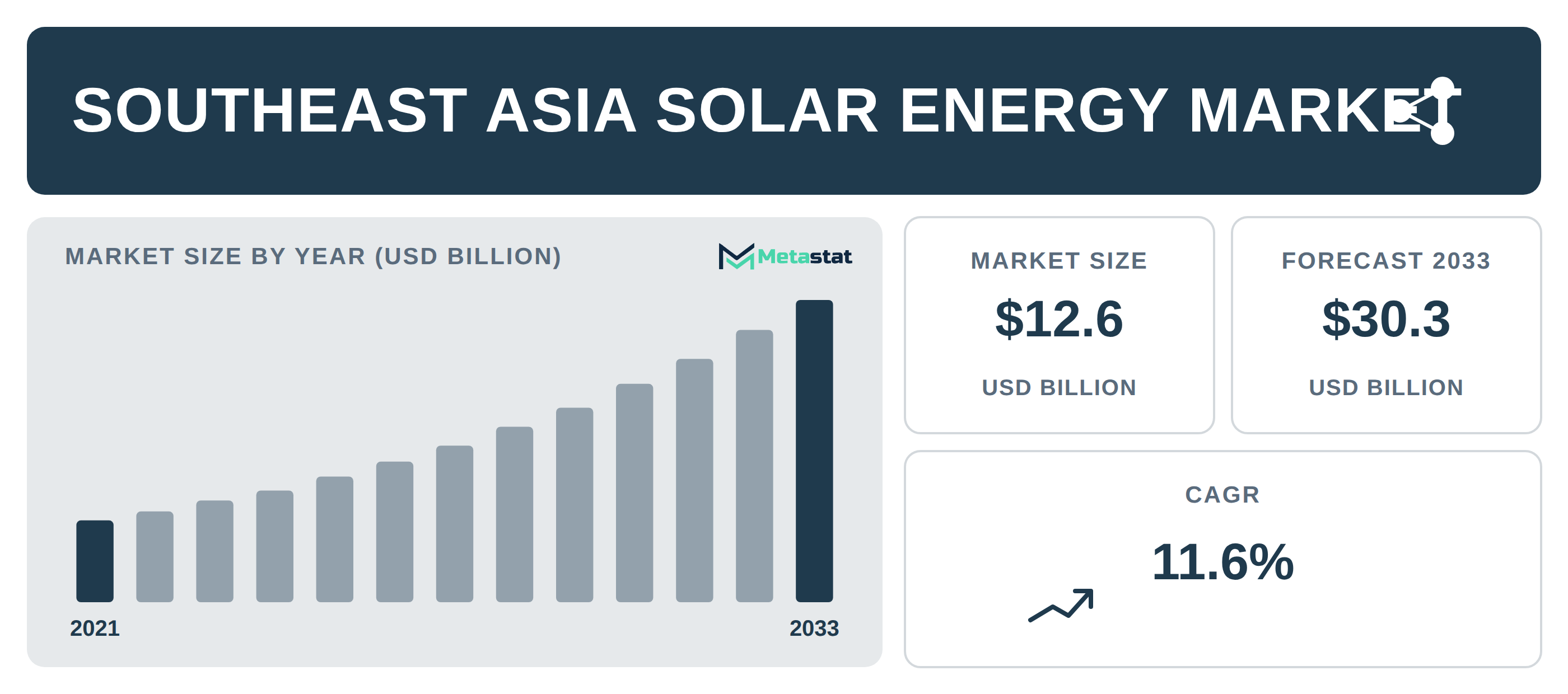
Tags
About the Authors

LEAD ANALYST
Utkarsh Khirodkar is a Lead Market Research Analyst at MetaStat Insight, specializing in market intelligence, technology sector assessments, and competitive strategy.

PRINCIPAL CONSULTANT - ENTERPRISE AI & EMERGING TECHNOLOGIES
Banking & Finance · Electronics and Semiconductor · Energy and Power · Healthcare IT · Information & Technology · Professional Services
Vijay Gunti is a Principal Consultant at MetaStat Insight, bringing over two decades of experience across enterprise digital transformation, technology strategy, and intelligent systems.

ENERGY & INFRASTRUCTURE INDUSTRY CONSULTANT
Automotive and Transportation · Electronics and Semiconductor · Energy and Power · Machinery & Equipment
Saurabh Vasant Ganvir consults for Energy & Infrastructure Industry at MetaStat Insight, specializing in renewable energy, solar EPC, and electric vehicle (EV) infrastructure markets.