
LEAD ANALYST
Utkarsh Khirodkar is a Lead Market Research Analyst at MetaStat Insight, specializing in market intelligence, technology sector assessments, and competitive strategy.

Southeast Asia Solar Energy Market Size, Share, By Grid Connectivity (Grid-Connected Solar Systems, Off-Grid Solar Systems and Hybrid Solar Systems), By Technology (Solar Photovoltaic and Concentrated Solar Power), By End User (Utility-Scale Power Generation, Commercial, Industrial, Residential, Agriculture and Government and Public Infrastructure), By Region (Vietnam, Philippines, Thailand, Malaysia, Indonesia and Rest of Southeast Asia), Industry Analysis, Growth, Trends, and Forecast, 2026-2033
Report ID
MSI-5486
Published
October, 2026
Pages
293 Pages
Format
Historical
Base year
Forecast
Forecast period
Report Details
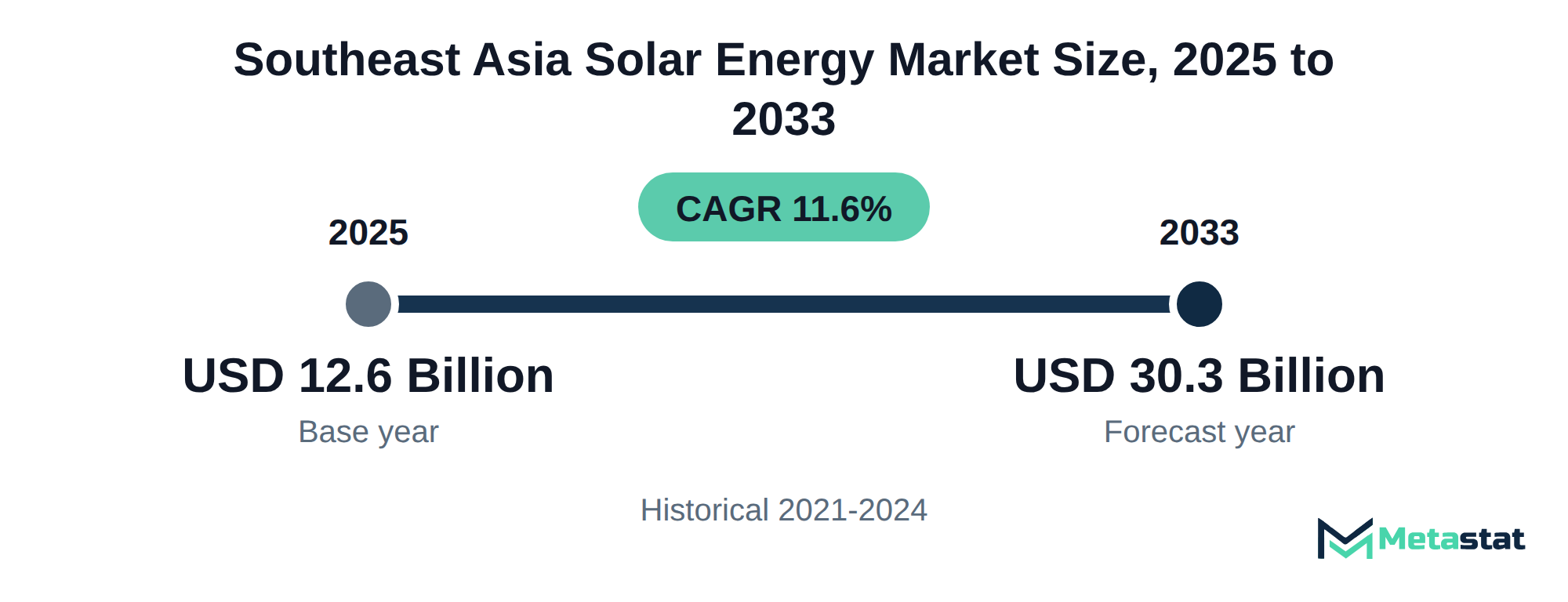
Market Valuation: Valued at $12.6 Billion in 2025, projected to reach $30.3 Billion by 2033 at a 11.6% CAGR.
Dominant Segment: The Solar Photovoltaic segment leads the Southeast Asia Solar Energy market, driven by its efficiency and declining costs, making it the preferred choice for utility-scale power generation and commercial applications.
Geographic Lead: Vietnam holds the largest share of the market, reflecting its commitment to expanding renewable energy infrastructure and benefiting from favorable geographic conditions for solar energy generation.
What's Inside: This report provides a comprehensive analysis of the Southeast Asia Solar Energy market, including competitive coverage, segment breakdowns by grid connectivity and technology, and a detailed forecast window from 2026 to 2033.
Utility-Scale Growth: The utility-scale power generation segment is projected to reach USD 17.5 billion by 2033, driven by investments in large-scale solar farms that enhance electricity generation capacity and grid stability.
Rooftop Solar Trends: Rooftop solar adoption is reshaping commercial and industrial power procurement strategies, with businesses increasingly engaging in Power Purchase Agreements to minimize upfront capital investment.
Choose Your License
Southeast Asia Solar Energy Market
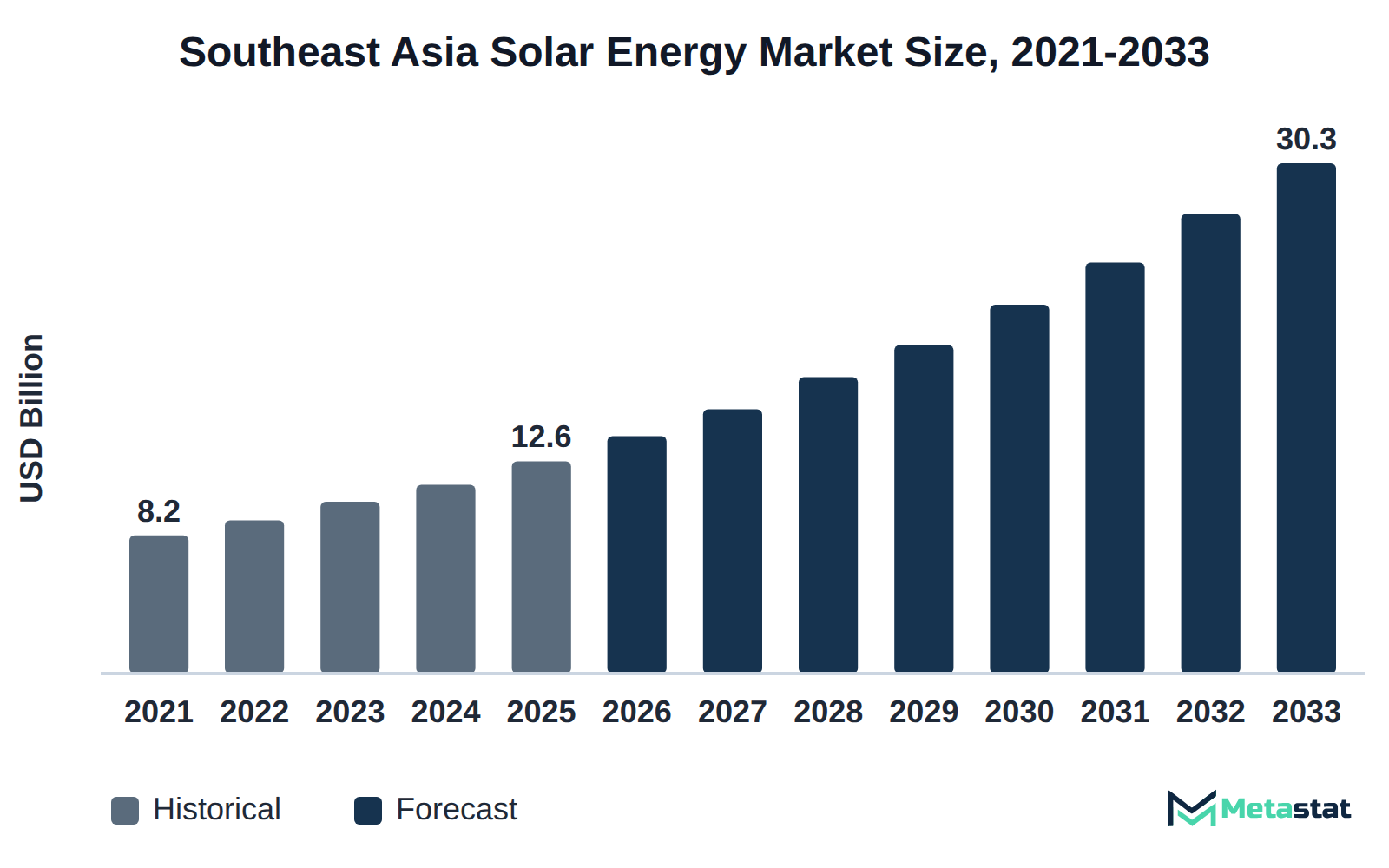
The Southeast Asia Solar Energy market was valued at USD 12.6 billion in 2025 and is projected to reach USD 30.3 billion by 2033, growing at a CAGR of 11.6% over the forecast period.
The Southeast Asia Solar Energy market encompasses various solar energy solutions, including grid-connected, off-grid, and hybrid solar systems, catering to diverse consumer needs. Buyers invest in these technologies to reduce energy costs, enhance energy independence, and contribute to sustainability goals. The growing adoption of solar energy aligns with increasing demand for clean energy alternatives and government incentives promoting renewable energy usage.
Significant growth in the market is driven by rising demand for solar photovoltaic technology, which represents the largest segment by value. Vietnam stands out in the region with the largest share, reflecting its commitment to expanding renewable energy infrastructure. The increasing focus on sustainability, coupled with favorable regulatory frameworks, drives investment in solar energy solutions across the region.
Forecasts indicate a strong growth trajectory for the market, supported by technological advancements and decreasing costs of solar installations. The anticipated shift toward utility-scale power generation further highlights the market's potential. With ongoing investments and heightened awareness of renewable energy benefits, the Southeast Asia Solar Energy market is projected to expand continuously.
The Southeast Asia Solar Energy market addresses the increasing demand for sustainable energy solutions across various sectors. Buyers invest in solar energy technologies to decrease reliance on fossil fuels and meet regulatory requirements for renewable energy. The shift towards cleaner energy sources aligns with global sustainability goals, prompting significant capital allocation towards solar projects in the region.
Growth in the market is propelled by escalating energy requirements and government incentives promoting renewable energy adoption. The solar photovoltaic segment represents the most substantial value within the market, driven by its efficiency and declining costs. Vietnam holds the largest share among Southeast Asian countries, reflecting its commitment to expanding solar capacity and energy independence.
Investments in solar infrastructure are influenced by the need for energy security and the transition towards sustainability. The financial viability of solar projects continues to improve, attracting both private and public sector funding. This strategic focus on renewable energy positions the Southeast Asia Solar Energy market for expansion in the coming years.
Utility-scale solar expansion represents a key element of the Southeast Asia Solar Energy market. This segment is driven by a growing demand for reliable and sustainable energy solutions. By 2033, the utility-scale power generation sector is projected to reach USD 17.5 billion, reflecting a compound annual growth rate (CAGR) of 10.9% from 2026. This growth results from investments in large-scale solar farms, which enhance electricity generation capacity and reinforce grid stability.
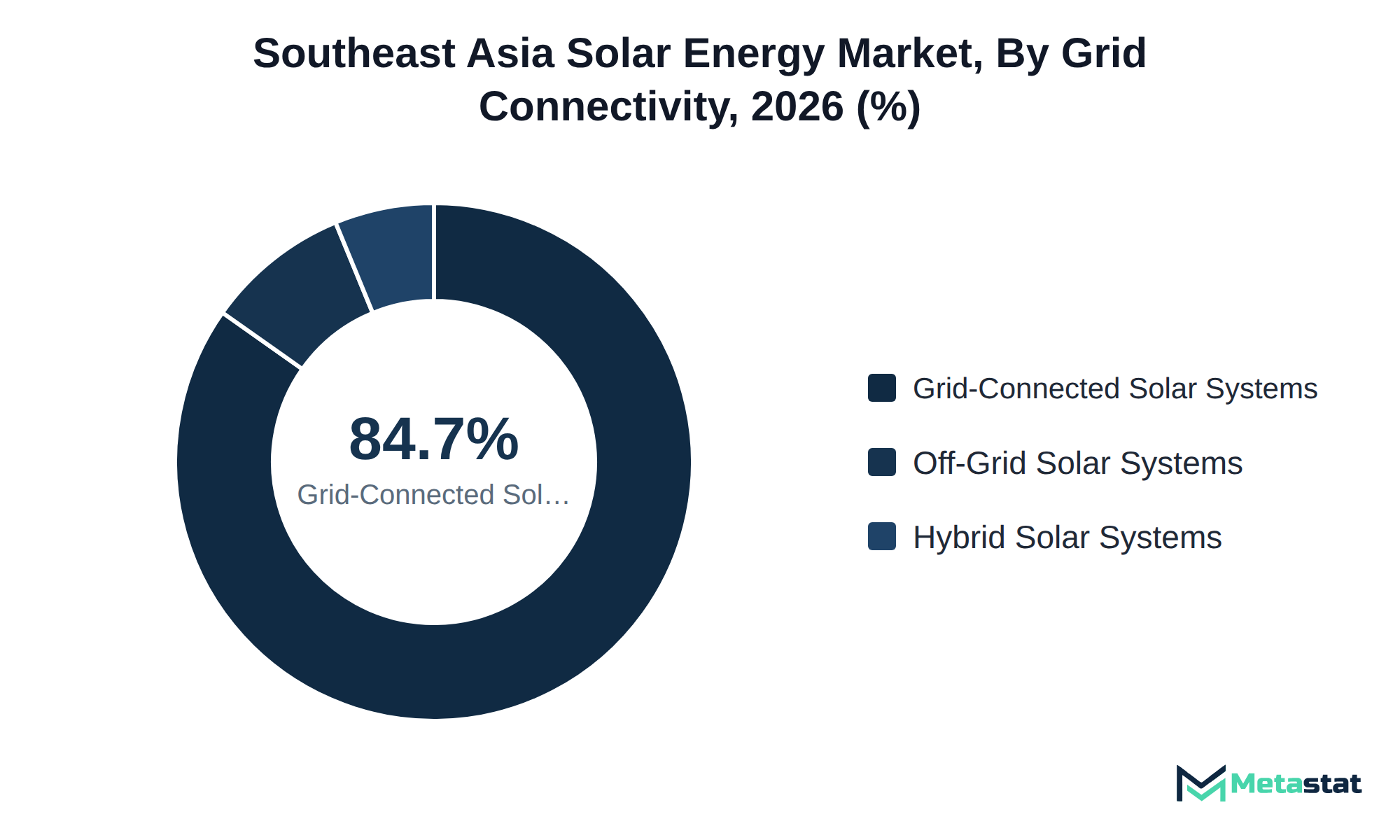
The transition towards grid-connected solar systems is a significant development in promoting renewable energy integration. These systems are expected to grow from USD 12 billion in 2026 to USD 26.3 billion in 2033, achieving a CAGR of 11.9%. This expansion enables utilities to leverage solar power to meet increasing energy demands while reducing dependency on fossil fuels. Enhanced grid integration facilitates the smooth incorporation of renewable sources into existing infrastructures, addressing energy security and environmental concerns.
With an increasing focus on sustainability, investments in utility-scale solar systems present significant opportunities for stakeholders within the market. By aligning with government initiatives aimed at reducing carbon footprints, companies enhance their competitive edge while contributing to the broader goals of energy transition and sustainability in the region.
Rooftop solar adoption increasingly influences procurement strategies among commercial and industrial buyers in the Southeast Asia Solar Energy market. This shift arises from heightened awareness of energy independence and cost savings associated with solar energy systems. The transition toward renewable energy sources aligns with the broader trend of sustainability and corporate responsibility, compelling organizations to explore innovative financing options for solar installations.
Buyers typically engage in Power Purchase Agreements (PPAs), which allow them to procure electricity generated by rooftop solar systems at predetermined rates. This model minimizes upfront capital investment, making solar accessible to a wider range of businesses. Rooftop solar installations are projected to significantly contribute to the overall market growth, with increasing adoption expected to drive demand for customized financing solutions.
Declining costs of solar technology enhance the attractiveness of rooftop installations by improving return on investment timelines. With the market projected to reach USD 30.3 billion by 2033, businesses that adapt to these procurement models stand to benefit from lower energy expenditures and a reduced carbon footprint, which supports their carbon footprint management goals and positions them competitively in an evolving energy landscape.
Investment in solar-plus-storage systems experiences significant growth in the Southeast Asia Solar Energy market, driven by increasing demand for renewable energy solutions among commercial end users. This segment is anticipated to reach USD 4.3 billion by 2033, reflecting a compound annual growth rate (CAGR) of 12.7%. Rising emphasis on self-sufficiency and cost savings leads businesses to adopt solar-plus-storage technologies, providing reliable energy sources that mitigate reliance on traditional power grids.
Commercial buyers, facing fluctuating energy prices and stringent sustainability goals, find solar-plus-storage solutions attractive due to their ability to enhance operational efficiency and reduce long-term energy costs. The integration of energy storage with solar systems enables businesses to store excess energy generated during peak sunlight hours, optimizing electricity use during high-demand periods. This approach supports stability in energy pricing and reduces operational disruptions from grid fluctuations.
The transition towards solar-plus-storage systems not only addresses commercial energy needs but positions companies to capitalize on growing investment in renewable energy infrastructure. A robust shift towards distributed energy deployment strengthens market dynamics, enabling further growth of the Southeast Asia Solar Energy market and increasing competition among energy providers.
Policy reforms and decreasing solar costs significantly influence demand for solar energy in Southeast Asia. Government initiatives promoting renewable energy adoption create favorable conditions for investment in solar technologies. This growth is driven by efforts to meet energy security and sustainability goals.
In particular, grid-connected solar systems demonstrate robust potential. This increase highlights how government policies facilitating grid connectivity and incentive structures encourage utility-scale investments. Cost reductions in solar technology, particularly in solar photovoltaic systems, further enhance market viability, driving down the levelized cost of energy.
The combination of supportive policies and falling costs positions the Southeast Asia Solar Energy market for accelerated growth. Investors and stakeholders benefit from the evolving landscape, which promises increased returns and expanded opportunities across the region.
Investment in utility-scale solar capacity drives significant spending from energy producers seeking to enhance their power generation portfolios. Rising awareness of renewable energy benefits motivates these players to pursue larger projects and integrate them into the grid. This shift results in increased demand for solar energy solutions, directly impacting the overall volume and pricing dynamics within the market. The Southeast Asia Solar Energy market experiences a robust transformation while energy producers capitalize on the opportunities provided by utility-scale developments, leading to a more sustainable energy infrastructure.
Expansion of commercial and residential sectors drives adoption of solar photovoltaic technology. Energy consumers prioritize cost savings and environmental considerations, making utility-scale projects a central focus. Enhanced capacity on the grid supports growing energy requirements, further reinforcing this investment trend.
Innovation in solar technology drives significant growth within the Southeast Asia Solar Energy market. Advances in solar photovoltaic systems enhance efficiency and decrease costs, contributing to increased adoption among utility-scale power generation and commercial sectors. The introduction of hybrid solar systems allows for greater flexibility, catering to diverse energy needs and improving overall energy reliability.
Investment in research and development by key players enables the creation of more efficient solar technologies, which attracts interest from various buyers seeking to optimize their energy consumption. Enhanced energy storage solutions, including battery energy storage systems, further support the integration of solar power into existing grids, addressing intermittency issues. Increased efficiency of solar panels and reduced installation costs drive higher returns on investment for energy producers while supporting commercial and industrial users in their transition to renewable energy sources.
This dynamic technological environment strengthens the market's position as a viable alternative to traditional energy sources, encouraging further investment and reinforcing long-term commitments to sustainability across the region.
High installation costs present a significant barrier for buyers within the Southeast Asia Solar Energy market, particularly affecting residential and small commercial customers. These groups face substantial upfront expenses when investing in solar energy systems, leading to slower adoption rates and smaller orders. The financial burden associated with initial investments deters potential customers from pursuing solar solutions, limiting market penetration. The perception of high costs results in delayed decisions regarding system upgrades or replacements among existing users. Consequently, the market experiences restrained growth potential due to affordability issues, impacting overall demand for solar energy technologies across the region. Addressing these cost challenges could enhance the appeal of solar solutions, ultimately increasing adoption among buyers in the market.
Rising input costs present a significant challenge for suppliers in the Southeast Asia Solar Energy market, impacting profit margins. Increased prices for materials, particularly solar modules and balance of system components, contribute to heightened operational expenses. Suppliers face pressure to maintain competitive pricing while ensuring quality, potentially limiting their ability to invest in research and development or expand capacity. In response, many suppliers are exploring strategic partnerships to secure more favorable pricing through bulk purchasing agreements. Others focus on vertical integration, allowing greater control over supply chains and reducing exposure to volatile raw material markets. These responses aim to enhance profitability while navigating the complexities of rising costs, ultimately influencing market dynamics. The challenge of input costs is expected to shape competitive strategies in the market.
Commercial users demonstrate significant potential within the Southeast Asia Solar Energy market, driven by increasing energy demands and sustainability objectives. This segment is projected to achieve a compound annual growth rate of 12.7% through 2033, presenting attractive opportunities for solar energy providers. Rising electricity costs and the availability of innovative financing options enhance the economic appeal of solar installations for businesses seeking to decrease operational costs and improve energy efficiency.
Regional players focusing on commercial solar solutions capitalize on this opportunity by offering tailored financing models and comprehensive service packages. The push for corporate social responsibility and regulatory incentives supports investment in solar technologies, allowing commercial buyers to align with global sustainability goals. While the market continues to evolve, collaboration between solar energy companies and commercial entities drives further adoption, ultimately contributing to long-term growth within the sector.
The Southeast Asia Solar Energy market is segmented based on Grid Connectivity, Technology, End User, and Region.
Grid-Connected Solar Systems segment is valued at USD 12 billion in 2026 and is projected to reach USD 26.3 billion by 2033, at a CAGR of 11.9% during the forecast period. This segment serves a critical function for utility-scale power generation, commercial enterprises, and industrial users who depend on reliable energy sources. The increasing emphasis on sustainable energy solutions drives demand within this segment, driven by government policies promoting renewable energy. Rapid advancements in solar technology enhance the efficiency and affordability of grid-connected systems, further stimulating adoption. Compared to off-grid and hybrid solar systems, which exhibit lower growth rates, grid-connected systems demonstrate a stronger growth trajectory, reflecting a growing preference among larger buyers for centralized energy solutions that maximize output and reliability. Investment in grid connectivity infrastructure, including electricity transmission and distribution networks, remains a key aspect for stakeholders aiming to capitalize on this expanding segment.
Off-Grid Solar Systems segment is estimated to reach USD 1.9 billion by 2033, at a CAGR of 6.4% during the forecast period. This segment caters primarily to residential, commercial, and remote users seeking energy independence and reliability away from centralized grid systems. The increasing demand for off-grid solutions arises from rural electrification initiatives and a growing preference for renewable energy sources. Off-Grid Solar Systems differ from grid-connected systems by targeting areas with limited or no access to traditional electricity, making them vital for regions where infrastructure development lags. Compared to hybrid systems, which combine multiple energy sources, off-grid solutions provide a standalone energy option that supports specific needs without reliance on external grids. The market is anticipated to experience steady growth driven by regulatory support and technological advancements, enhancing the viability of off-grid solar technologies.
Hybrid Solar Systems segment is expected to reach USD 2.1 billion by 2033. These systems combine multiple energy generation sources, enabling increased reliability and efficiency. Hybrid systems appeal to utility providers and commercial enterprises seeking stable energy supplies, particularly in regions with inconsistent grid access. Growth within this segment is driven by rising energy demands and the pursuit of sustainability. Compared to grid-connected systems, hybrid solutions experience slower growth due to higher initial investment costs and complex integration requirements. However, the segment offers unique advantages, including improved energy security and flexibility in energy supply, making it appealing for specific end users in the Southeast Asia Solar Energy market.
Solar Photovoltaic segment is valued at USD 14 billion in 2026 and is projected to reach USD 30.2 billion by 2033, at a CAGR of 11.6% during the forecast period. This segment primarily serves utility-scale power generation and commercial applications, providing clean energy solutions that reduce reliance on fossil fuels. Investment in solar technology drives growth in this segment, with increasing demand for renewable energy. Higher efficiency and lower costs of solar photovoltaic systems boost adoption, differing from other segments including Concentrated Solar Power, which experiences slower growth at a CAGR of 6.1%. The market shows significant interest in solar photovoltaic technology due to its scalability and adaptability, ensuring it remains a key focus for future energy strategies across Southeast Asia.
Concentrated Solar Power segment is estimated to reach USD 0.1 billion by 2033, at a CAGR of 6.1% during the forecast period. This technology captures solar energy through mirrors or lenses to concentrate sunlight onto a small area, generating heat that drives electricity production. Utility companies primarily apply concentrated solar power for large-scale energy generation, which distinguishes it from other solar technologies. The growth of this segment is influenced by rising demand for renewable energy and government initiatives aimed at reducing carbon emissions. Compared to the Solar Photovoltaic segment, which has a CAGR of 11.6%, the concentrated solar power segment experiences slower growth. This slower pace stems from higher initial investment costs and longer payback periods, affecting its competitiveness against rapidly advancing solar photovoltaic systems in the Southeast Asia Solar Energy market.
This segment primarily serves the needs of energy producers and utilities looking to generate large-scale electricity for grid supply. Factors driving this segment include increasing demand for renewable energy sources and government policies promoting sustainable power generation. Utility-scale projects typically benefit from economies of scale, leading to lower per-unit costs compared to smaller systems. In contrast to other end-user segments, including commercial or residential, utility-scale power generation focuses on meeting large energy demands, making it critical for grid stability and energy security. The market's expansion reflects a shift toward cleaner energy solutions, with significant investments anticipated in solar infrastructure to meet rising energy needs.
This segment primarily serves businesses and organizations seeking to lower operational costs and enhance sustainability through renewable energy sources. Increasing energy demands and corporate responsibility initiatives drive growth. Unlike the utility-scale segment, which focuses on large power generation projects, the commercial segment emphasizes tailored solutions for individual businesses, making it more agile in response to market changes. This sub-segment experiences faster growth compared to industrial applications, which face distinct operational challenges and investment requirements.
The industrial segment is expected to reach USD 5.2 billion by 2033. This segment predominantly serves manufacturing and production facilities, using solar energy to power operations and reduce operating costs. Growth in this segment is driven by the increasing emphasis on sustainability and energy efficiency among businesses, aligning with global trends towards carbon neutrality. Comparison with other segments shows that the industrial segment experiences a CAGR of 11.9%, which is higher than several other end-user categories. In industries adopting solar solutions, the overall shift includes replacing traditional energy sources with renewable options, enhancing operational efficiency while minimizing energy costs. Adoption barriers, including initial capital expenditures, influence the pace of growth; however, long-term savings and environmental benefits present a compelling case for investment in solar technology. The market continues to evolve, reflecting changing energy policies and technological advancements.
Residential solar energy systems facilitate energy generation for households, providing an alternative to traditional energy sources. This segment is projected to grow at a CAGR of 11.9% during the forecast period. Increasing awareness of sustainability and rising energy costs drive adoption among homeowners seeking to reduce utility bills. Compared to other segments, residential systems experience unique dynamics, including regulatory incentives that promote installation and financing options to ease upfront costs. The growth trajectory of this segment stands out, reflecting a different buyer base focused on personal energy independence and environmental impact. In contrast, utility-scale and commercial segments prioritize large-scale energy generation and operational efficiency over individual household needs. Such factors contribute to the expanding role of residential solar solutions in the Southeast Asia Solar Energy market, reflecting a shift toward decentralized energy generation.
Agriculture represents a key end user for solar energy solutions, focusing on energy generation for farming operations and agricultural processes. Farmers apply solar technologies to power irrigation systems, greenhouse operations, and other energy-intensive activities, helping to reduce reliance on conventional energy sources. Increased awareness of sustainable practices drives interest in renewable energy solutions among agricultural stakeholders. The segment experiences growth due to rising energy costs and a push for sustainable farming practices. Compared to the utility-scale and commercial segments, agriculture attracts different buyers seeking tailored solutions that fit specific operational needs. The market's emphasis on sustainability and cost reduction aligns with broader trends in renewable energy adoption.
Government and Public Infrastructure encompass projects that apply solar energy technologies for public services, including schools, hospitals, and government buildings. This segment primarily engages public sector buyers, aiming to lower energy costs and minimize environmental impacts. Increased governmental focus on renewable energy targets supports the growth of this sector, demonstrating a commitment to sustainable development. Policy initiatives and incentives for public infrastructure projects enhance demand further. Compared to other end-user segments, this segment experiences slower growth due to bureaucratic decision-making processes and budget constraints. However, the push for energy efficiency and sustainability in government operations generates greater interest in adopting solar solutions, marking a shift in procurement priorities in the Southeast Asia Solar Energy market.
Vietnam segment is valued at USD 4.4 billion in 2026 and is projected to reach USD 8.4 billion by 2033, at a CAGR of 9.7% during the forecast period. This segment primarily serves utility-scale solar power generation, which addresses the energy demands of both residential and commercial users. Increasing energy consumption and government initiatives aimed at promoting renewable sources drive growth in this segment. Vietnam's strong focus on solar energy adoption distinguishes it from other segments, with its above-average growth rate compared to regional counterparts. Favorable geographic conditions for solar energy generation and supportive regulatory frameworks enhance the segment's attractiveness to investors. Investments in solar infrastructure are expected to support the market, contributing to its robust expansion trajectory.
The Philippines segment is estimated to reach USD 7.7 billion by 2033, at a CAGR of 13.2% during the forecast period. This segment primarily serves commercial and residential end users seeking reliable energy solutions. Increasing energy demands and a shift toward renewable energy sources drive adoption within this region. The Philippines distinguishes itself through rapid growth compared to other segments, reflecting a strong commitment to sustainability and energy independence. Factors including supportive government policies and investment in renewable technology further enhance market dynamics. While utility-scale power generation remains critical, commercial applications exhibit significant progress, positioning this segment for robust expansion over the forecast period. The market's focus on solar energy solutions aligns with long-term sustainability goals, ensuring a competitive edge within the Southeast Asia Solar Energy market.
Thailand segment is expected to reach USD 4.5 billion by 2033. This segment involves the installation of solar energy systems to support power generation for various applications, including residential and commercial use. The rapid growth of the segment reflects increasing interest in sustainable energy solutions among Thai consumers and businesses. Demand for solar energy systems is supported by government initiatives promoting renewable energy adoption and financial incentives for investments in solar technologies. Unlike other segments, including Vietnam, which is projected to grow at a different pace, Thailand's market experiences robust development driven by a favorable regulatory environment. The CAGR for this segment is expected to align with the overall trends observed in the Southeast Asia Solar Energy market, highlighting the growing emphasis on energy transition and sustainability in the region.
Malaysia segment is projected to grow at a CAGR of 12.5% during the forecast period. This segment primarily serves commercial and residential users, facilitating renewable energy generation across various applications. Growing concerns regarding environmental sustainability drive demand for solar energy solutions, with consumers seeking alternatives to traditional energy sources. Malaysia’s focus on decreasing carbon emissions and enhancing energy security aligns with broader initiatives seen throughout the Southeast Asia Solar Energy market. This segment experiences higher growth compared to others, with significant investments in infrastructure and technology enhancements supporting this trajectory. The increasing adoption of solar technologies in commercial settings, driven by favorable government policies, provides a competitive edge, distinguishing it from other segments in this group.
Indonesia is an emerging player in the solar energy landscape, with significant potential for growth. This segment caters to various users, including residential, commercial, and industrial consumers, who require reliable and sustainable energy solutions. Increased interest in renewable energy, driven by environmental concerns and governmental support, fuels investment in solar technologies. Regulatory frameworks promoting clean energy, combined with rising electricity costs, push Indonesian consumers toward solar energy adoption. Compared to neighboring countries, this segment remains in a growth phase, supported by a combination of local policies and increasing demand for energy independence. Adoption faces challenges including initial investment costs and limited infrastructure in specific regions. Indonesia is expected to enhance its solar capacity and technology, contributing to the overall evolution of the Southeast Asia Solar Energy market.
Rest of Southeast Asia encompasses various countries that adopt solar energy solutions for diverse applications, including residential, commercial, and industrial uses. This segment primarily targets emerging markets that prioritize sustainable energy sources to reduce reliance on fossil fuels. Increasing awareness of environmental issues, alongside supportive government initiatives, drives demand within this segment. Unlike other regions, pricing strategies and technology adoption vary due to different economic conditions, influencing market participation. The region's energy transition is characterized by a gradual shift toward renewable energy, positioning it for future growth opportunities. Understanding local energy policies and market dynamics remains crucial for stakeholders seeking to capitalize on this developing area within the Southeast Asia Solar Energy market.
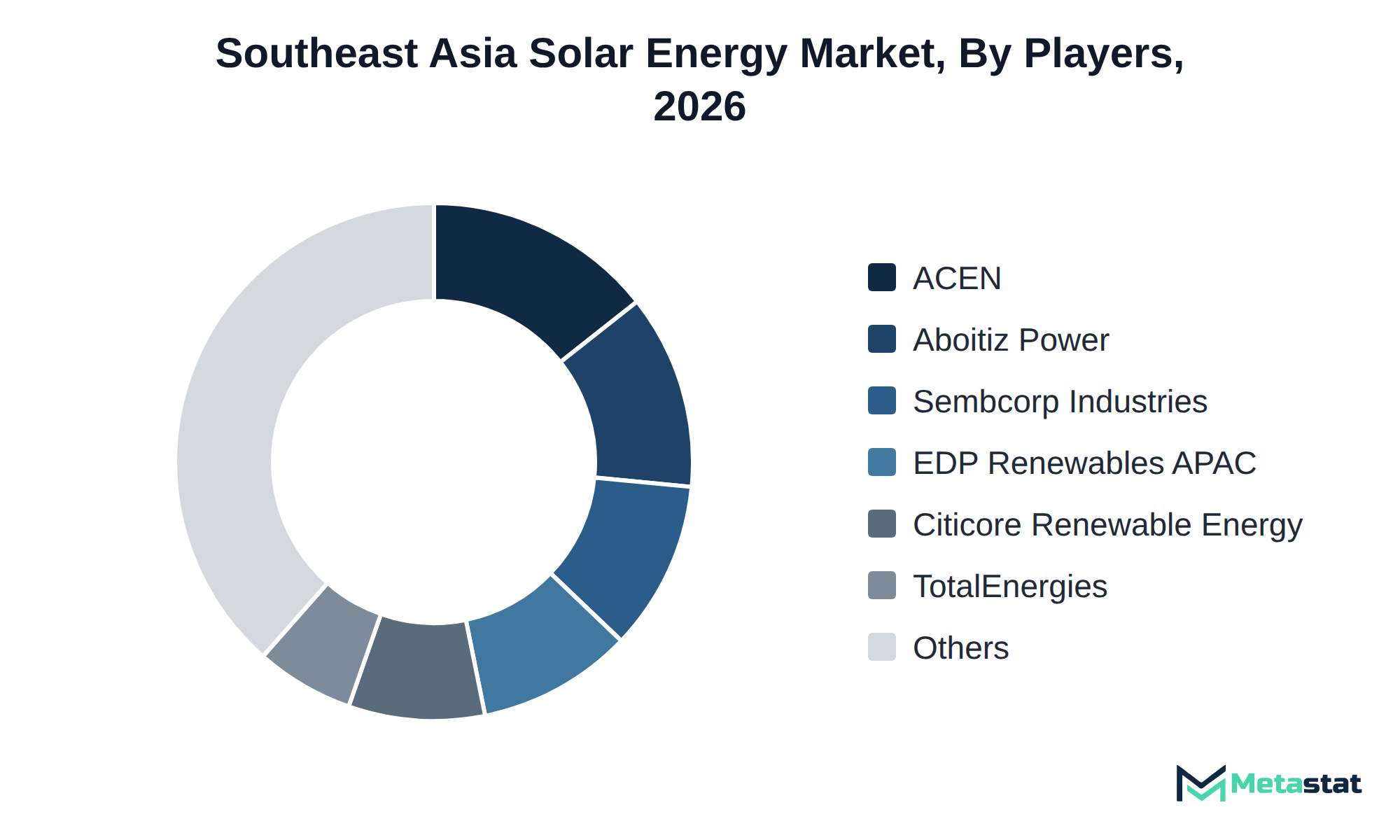
Competition within the Southeast Asia Solar Energy market features companies focusing on various strategies, including technology specialization, service offerings, and price competitiveness. Buyers prioritize factors including pricing, certification, and customization when selecting solar energy solutions.
Companies like ACEN Corporation and Aboitiz Power Corporation concentrate on utility-scale power generation, leveraging solar photovoltaic technology to optimize efficiency and reduce costs. Meanwhile, firms including TotalEnergies and Gentari Sdn. Bhd. emphasize service quality and ecosystem integration, enhancing customer engagement through tailored solutions.
EDP Renewables APAC and Sembcorp Industries Ltd. pursue market presence through innovative hybrid solar systems, catering to diverse energy needs across multiple sectors. The competitive environment reflects a blend of technology-driven strategies and customer-centric service models.
Achieving this growth relies on several key developments in the Southeast Asia Solar Energy market. Third, regional growth in the Philippines stands out, with an anticipated CAGR of 13.2% contributing to the overall market dynamics. Risks including regulatory changes and potential delays in infrastructure development pose challenges to this trajectory. These factors could slow the anticipated growth, particularly in the utility-scale segment and in regions heavily reliant on regulatory support. The relationship between these developments and risks will determine whether the market reaches the projected USD 30.3 billion by 2033.
By Technology: Solar Photovoltaic, Concentrated Solar Power
By End User: Utility-Scale Power Generation, Commercial, Industrial, Residential, Agriculture, Government and Public Infrastructure
By Region: Vietnam, Philippines, Thailand, Malaysia, Indonesia, Rest of Southeast Asia
The report strategically identifies and profiles the key market players and analyses their core competencies in each sub-segment of the Solar Energy market.
Report Attributes | Details |
Study Period | 2021-2033 |
Base Year | 2025 |
Estimated Year | 2026 |
Forecast Period | 2026-2033 |
Historical Period | 2021-2025 |
Growth Rate | CAGR 11.6% from 2026 to 2033 |
Revenue Unit | USD billion |
Segmentation | By Grid Connectivity, Technology, End User, Region, and Region |
Find answers to common questions about this report
The Solar Energy market size was valued at USD 12.6 billion in 2025.
The market is projected to grow at a CAGR of 11.6% during the forecast period from 2026 to 2033.
The leading segment in the Solar Energy market is Grid-Connected Solar Systems, projected to reach USD 26.3 billion by 2033. This segment outpaces others in growth potential, driven by increasing demand for renewable energy solutions.
Investment in utility-scale solar capacity drives significant spending from energy producers seeking to enhance their power generation portfolios. Rising electricity costs and innovative financing options enhance the economic appeal of solar installations for commercial users aiming to decrease operational costs and improve energy efficiency.
High installation costs restrain growth in the Solar Energy market, particularly for residential and small commercial customers, resulting in slower adoption rates. Rising input costs impact profit margins for suppliers, limiting their ability to invest in research and development.
Rising electricity costs and innovative financing options enhance the economic appeal of solar installations, particularly for commercial users. This segment's focus on sustainability objectives and corporate social responsibility further drives adoption within the Southeast Asia Solar Energy market.
The Solar Energy market is estimated to reach a valuation of USD 30.3 billion by 2033.
Key players operating in the Solar Energy industry include ACEN Corporation, Aboitiz Power Corporation, Citicore Renewable Energy Corporation, Sembcorp Industries Ltd., EDP Renewables APAC, and TotalEnergies.
Utility-scale power generation is projected to grow from USD 8.5 billion in 2026 to USD 17.5 billion by 2033, reflecting a compound annual growth rate of 10.9 percent.
Solar photovoltaic technology is anticipated to expand from USD 14 billion in 2026 to USD 30.2 billion by 2033, with a compound annual growth rate of 11.6 percent.
The analysts below cover Energy and Power research at Metastat Insights.
LEAD ANALYST
Utkarsh Khirodkar is a Lead Market Research Analyst at MetaStat Insight, specializing in market intelligence, technology sector assessments, and competitive strategy.

PRINCIPAL CONSULTANT - ENTERPRISE AI & EMERGING TECHNOLOGIES
Banking & Finance · Electronics and Semiconductor · Energy and Power · Healthcare IT · Information & Technology · Professional Services
Vijay Gunti is a Principal Consultant at MetaStat Insight, bringing over two decades of experience across enterprise digital transformation, technology strategy, and intelligent systems.

ENERGY & INFRASTRUCTURE INDUSTRY CONSULTANT
Automotive and Transportation · Electronics and Semiconductor · Energy and Power · Machinery & Equipment
Saurabh Vasant Ganvir consults for Energy & Infrastructure Industry at MetaStat Insight, specializing in renewable energy, solar EPC, and electric vehicle (EV) infrastructure markets.
Tracking capacity expansion in single-use bioprocessing requires dependable data on raw material availability and cleanroom-grade polymer supply chains. The competitive landscape chapter gave a grounded evaluation of secondary component suppliers across North America and Asia-Pacific rather than simply reprinting press releases. Having that level of supplier benchmarking helped clarify dual-sourcing considerations for our clinical pipeline planning.
When evaluating distributed energy resource management systems, standard research summaries tend to gloss over the operational differences between front-of-the-meter utility deployments and behind-the-meter industrial sites. The MetaStat Insight report addressed those distinctions directly, especially regarding software interoperability standards and grid interconnection backlogs. The five-year market sizing across regional transmission organizations provided actionable context for our grid modernization strategy.
Most industry reports on warehouse automation bundle autonomous mobile robots and fixed conveyor installations into the same top-level numbers, which complicates advisory work. This study split the market cleanly by payload tiers, navigation technology, and fleet management software layers. The regional forecast for Western Europe gave our team defensible adoption benchmarks when evaluating capital allocation for logistics clients, saving us days of secondary data scrubbing.
Explore related market intelligence reports worth reading alongside this one.