
Explore critical insights that shape decision-making in Machine Vision, challenging common assumptions and highlighting real drivers of adoption.
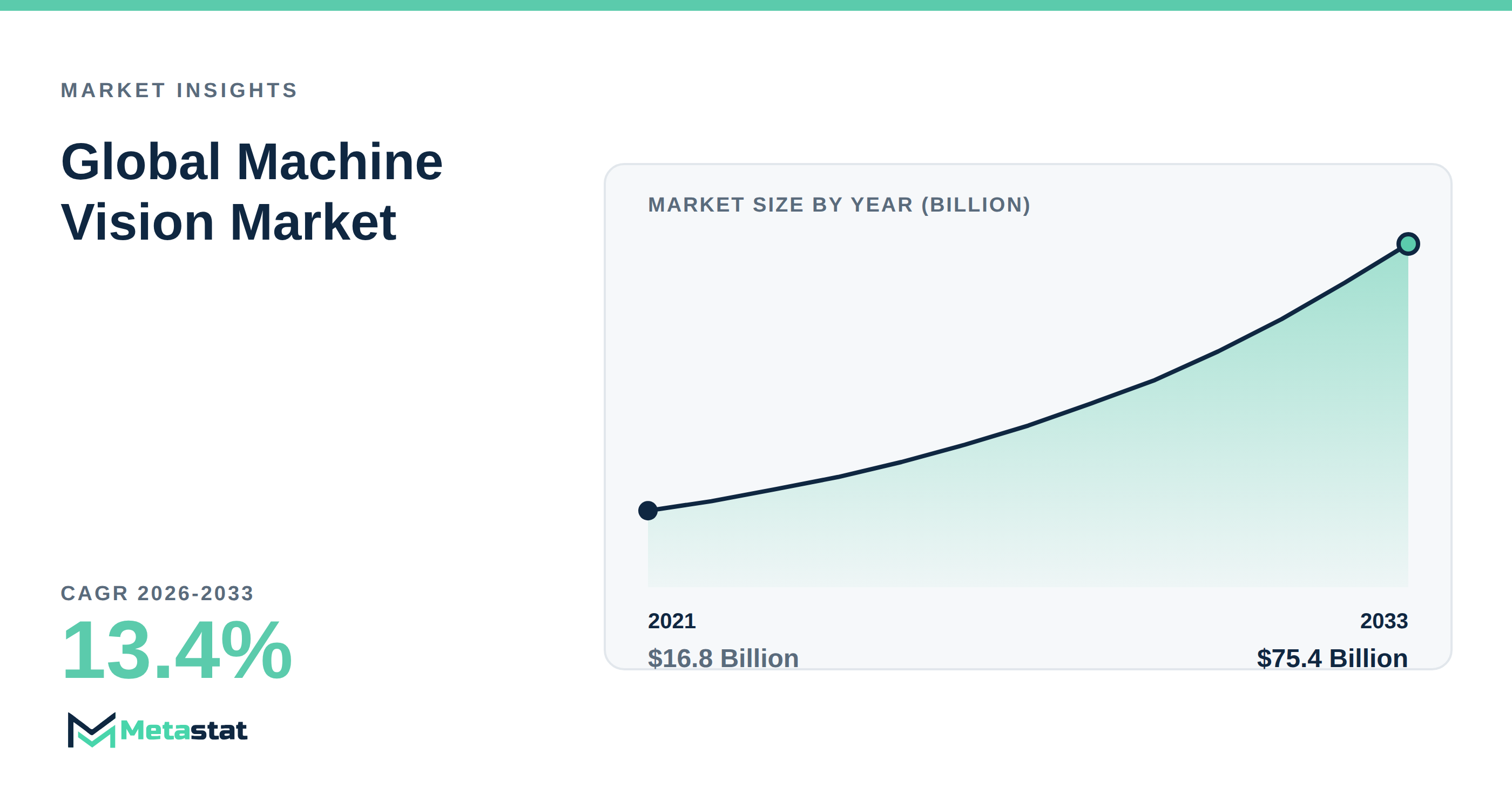
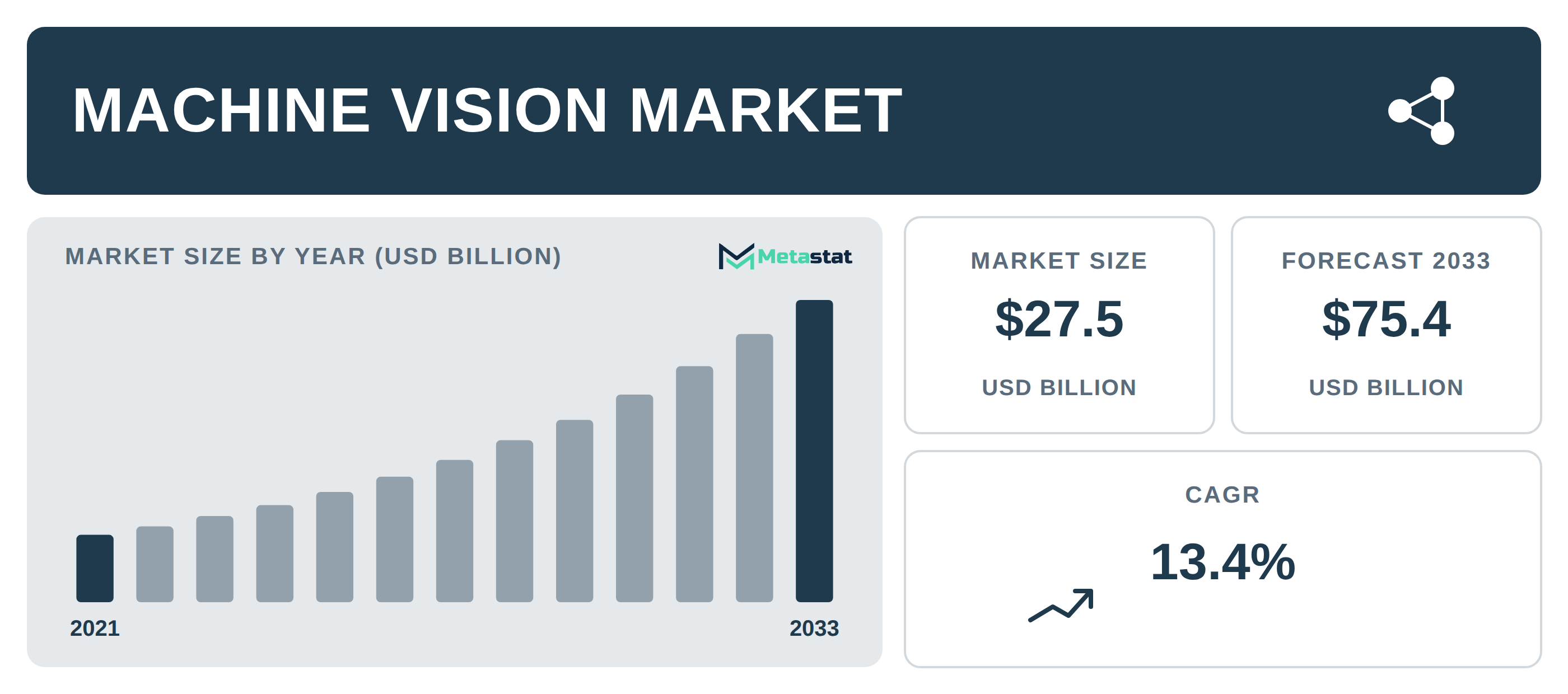
In the market for Machine Vision, misconceptions often arise regarding the role and impact of these technologies. Many stakeholders assume that the biggest opportunities lie solely in the latest trends or the largest segments, but this perspective overlooks critical insights that drive more informed decision-making. The potential of Machine Vision is vast, encompassing various applications, from quality assurance to complex manufacturing processes. The full figures are in our Machine Vision market size and forecast report.
What are the real drivers behind Machine Vision adoption?
The push for automation across various industries, particularly in quality control and inspection, serves as a significant catalyst for Machine Vision solutions. The ongoing demand for enhanced efficiency and improved product quality compels manufacturers to invest in these advanced systems. Companies aim to minimize human error and streamline processes, leading to increased demand for robust Machine Vision solutions, especially from the automotive and electronics sectors.
How is technology shaping the future of Machine Vision?
Technological advancements are transforming the capabilities of Machine Vision systems. The integration of artificial intelligence significantly improves defect detection accuracy and accelerates inspection processes. This shift aligns with a broader movement toward intelligent solutions that reduce operational costs associated with traditional manual inspections. Manufacturers who embrace AI-driven systems enhance their quality assurance processes and productivity across production lines, gaining a competitive edge in the marketplace.
Are smaller companies missing out on Machine Vision benefits?
Despite the increasing availability of advanced technologies, small and medium-sized enterprises (SMEs) often encounter challenges in adopting Machine Vision systems due to high capital expenses. While larger corporations readily invest in costly hardware and software, SMEs face budget constraints that limit their ability to leverage these technologies fully. This gap creates a competitive disadvantage, preventing smaller entities from reaping the benefits of automation, which enhances operational efficiency and product quality.
How do smart camera systems fit into the picture?
Smart camera-based systems present a significant opportunity within the Machine Vision ecosystem. These compact solutions offer efficient imaging and processing capabilities, making them increasingly attractive for industries that emphasize space efficiency and ease of integration. The expected growth of this segment reflects a shift toward more affordable and compact technology, allowing a broader range of businesses to explore advanced Machine Vision applications without incurring substantial upfront costs.
What insights guide future investments in Machine Vision?
Understanding the trajectory of Machine Vision technologies is crucial for making informed investment decisions. The anticipated shift towards software solutions and the growing preference for smart camera systems highlight the importance of aligning investments with evolving market needs. Stakeholders should focus on these areas to capitalize on emerging opportunities that promise to enhance operational efficiency and product quality. As organizations continuously monitor these trends and comprehend the driving forces behind the sector, they position themselves advantageously within the Machine Vision landscape. This strategic approach enables businesses to enhance their competitive edge while navigating the complexities of modern manufacturing processes.
Tags
About the Authors

LEAD ANALYST
Utkarsh Khirodkar is a Lead Market Research Analyst at MetaStat Insight, specializing in market intelligence, technology sector assessments, and competitive strategy.

INDUSTRY CONSULTANT - CHEMICALS & ADVANCED MATERIALS
Chemicals and Materials · Machinery & Equipment · Packaging
Amit Gadhekar Consultant for Chemicals and Materials at MetaStat Insight, directing sector-specific intelligence, research, and strategic consulting across global chemical and processing markets.

PRINCIPAL CONSULTANT - QUALITY SYSTEMS & COMPLIANCE
Electronics and Semiconductor · Machinery & Equipment · Professional Services
Omkar Phadtare is an Industry Consultant at MetaStat Insight, specializing in quality systems, regulatory compliance, and standards benchmarking to drive data-driven market intelligence and strategic industry research.

ENERGY & INFRASTRUCTURE INDUSTRY CONSULTANT
Automotive and Transportation · Electronics and Semiconductor · Energy and Power · Machinery & Equipment
Saurabh Vasant Ganvir consults for Energy & Infrastructure Industry at MetaStat Insight, specializing in renewable energy, solar EPC, and electric vehicle (EV) infrastructure markets.

LEAD CONSULTANT - COMMUNICATION, TELECOM, AND IT
Electronics and Semiconductor · Information & Technology · Machinery & Equipment · Professional Services
Ravindra Sathe Consultants for Communication, Telecom, and IT at MetaStat Insight. He leads the firm's industry research initiatives across telecommunications infrastructure, digital connectivity, enterprise networking, and emerging information technology domains.