
Explore the complexities and dynamics shaping the Automotive Lightweight Plastic Components market, focusing on innovation, sustainability, and financial challenges.
The automotive industry is witnessing a significant shift toward lighter materials, having a profound impact on the market for Automotive Lightweight Plastic Components. This transformation is often misunderstood, with many believing that the push for lightweight solutions is a straightforward process. In reality, while the demand for lightweight materials grows, several challenges threaten to hinder this progress. The full figures are in our Automotive Lightweight Plastic Components market size and forecast report.
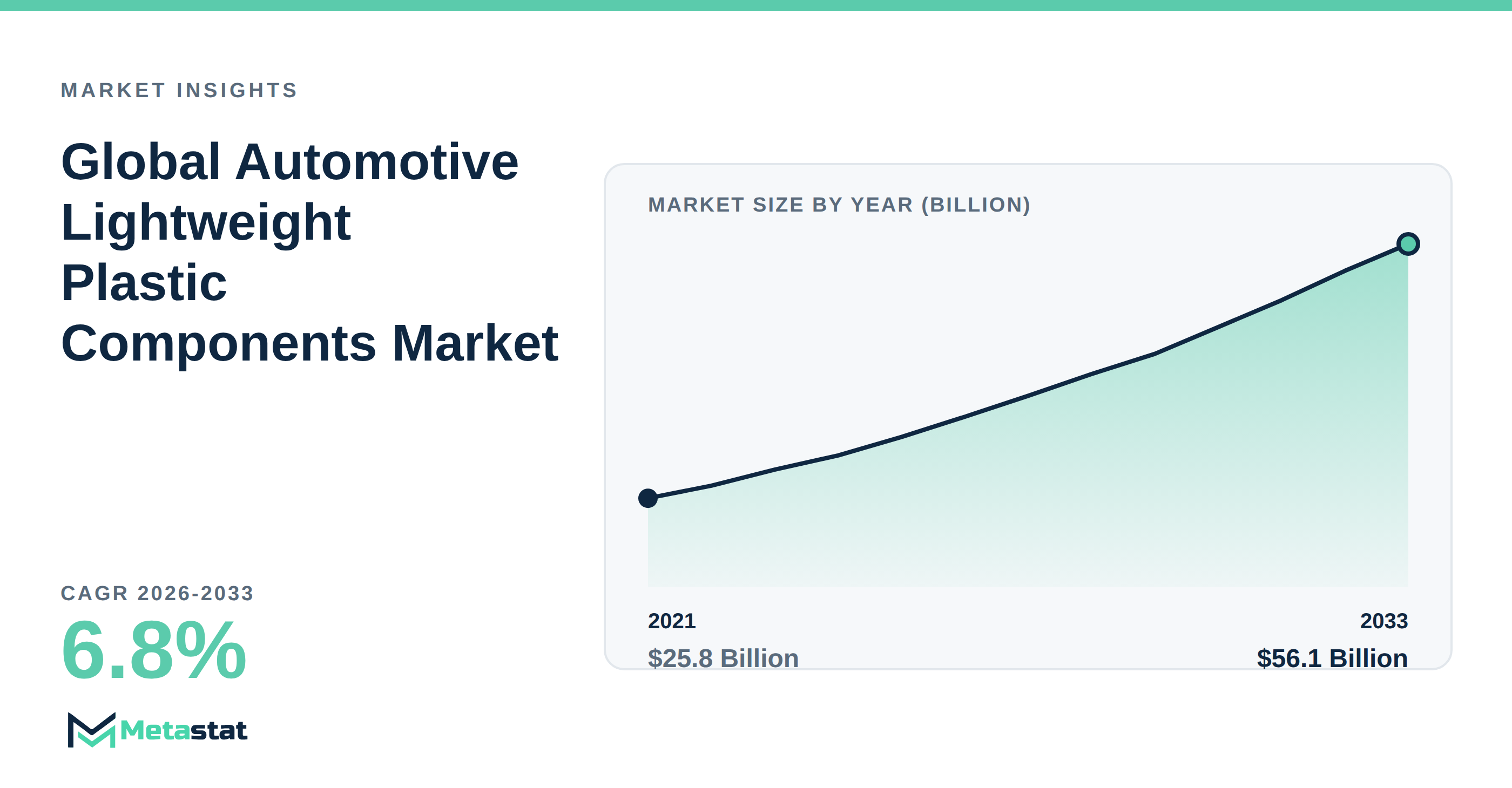
Stakeholders often assume that consumer demand for fuel-efficient and environmentally friendly vehicles primarily drives the shift toward lightweight materials. However, rising material and labor costs represent substantial barriers that complicate this narrative. Manufacturers attempting to adopt lightweight plastics encounter increased raw material prices, which affect their pricing strategies and may deter transitions from traditional materials. This creates a delicate balance for manufacturers: although the need for lightweight components is on the rise, the financial implications of these changes restrict their capacity for innovation.
How sustainability initiatives influence material choices
There is a growing emphasis on sustainability in the automotive sector. Many manufacturers are adopting lightweight plastic components, influenced largely by stringent environmental regulations. This transition represents a broader trend toward closed-loop systems that prioritize recyclable materials. Nevertheless, a significant challenge lies in securing a consistent supply of high-quality recycled materials at an affordable cost. This situation necessitates partnerships between manufacturers and suppliers, ensuring that sourcing sustainable materials remains viable within a competitive market.
Passenger vehicles leading in innovation
The passenger vehicle segment exemplifies the movement toward lightweight materials. This segment is projected to experience considerable growth, primarily fueled by consumer preferences for eco-friendly options that enhance efficiency. While manufacturers focus on innovative designs in fuel-efficient models, the competitive necessity to incorporate lightweight components becomes clear. However, the emphasis on performance and safety often leads to increased development costs, complicating the transition to lightweight materials.
The challenges of rising labor costs
An often overlooked challenge involves the rising labor costs that affect profitability across the Automotive Lightweight Plastic Components sector. While wage demands increase, manufacturers optimize their operations to maintain profit margins and competitiveness. This trend drives many automotive producers toward automation and advanced manufacturing technologies. However, the initial investment in new technologies is substantial, which slows the pace of innovation because companies reevaluate their financial capabilities.
The importance of regulatory compliance
Regulatory requirements significantly influence the dynamics of the Automotive Lightweight Plastic Components sector. Manufacturers navigate stringent emission limits and sustainability mandates, which create both challenges and opportunities. Compliance with these regulations compels companies to innovate, but it imposes financial constraints that hinder the immediate adoption of lightweight solutions. Grasping these dynamics is crucial for stakeholders aiming to stay competitive in a highly regulated environment.
The outlook for Automotive Lightweight Plastic Components seem promising due to rising demand; however, the path toward widespread adoption is fraught with obstacles. Companies navigate fluctuating costs, labor challenges, and regulatory pressures to fully capitalize on the benefits of lightweight materials. For decision-makers in this sector, recognizing these complexities is essential for developing effective strategies that align with emerging trends and consumer expectations.
Tags
About the Authors

LEAD ANALYST
Utkarsh Khirodkar is a Lead Market Research Analyst at MetaStat Insight, specializing in market intelligence, technology sector assessments, and competitive strategy.

ENERGY & INFRASTRUCTURE INDUSTRY CONSULTANT
Automotive and Transportation · Electronics and Semiconductor · Energy and Power · Machinery & Equipment
Saurabh Vasant Ganvir consults for Energy & Infrastructure Industry at MetaStat Insight, specializing in renewable energy, solar EPC, and electric vehicle (EV) infrastructure markets.